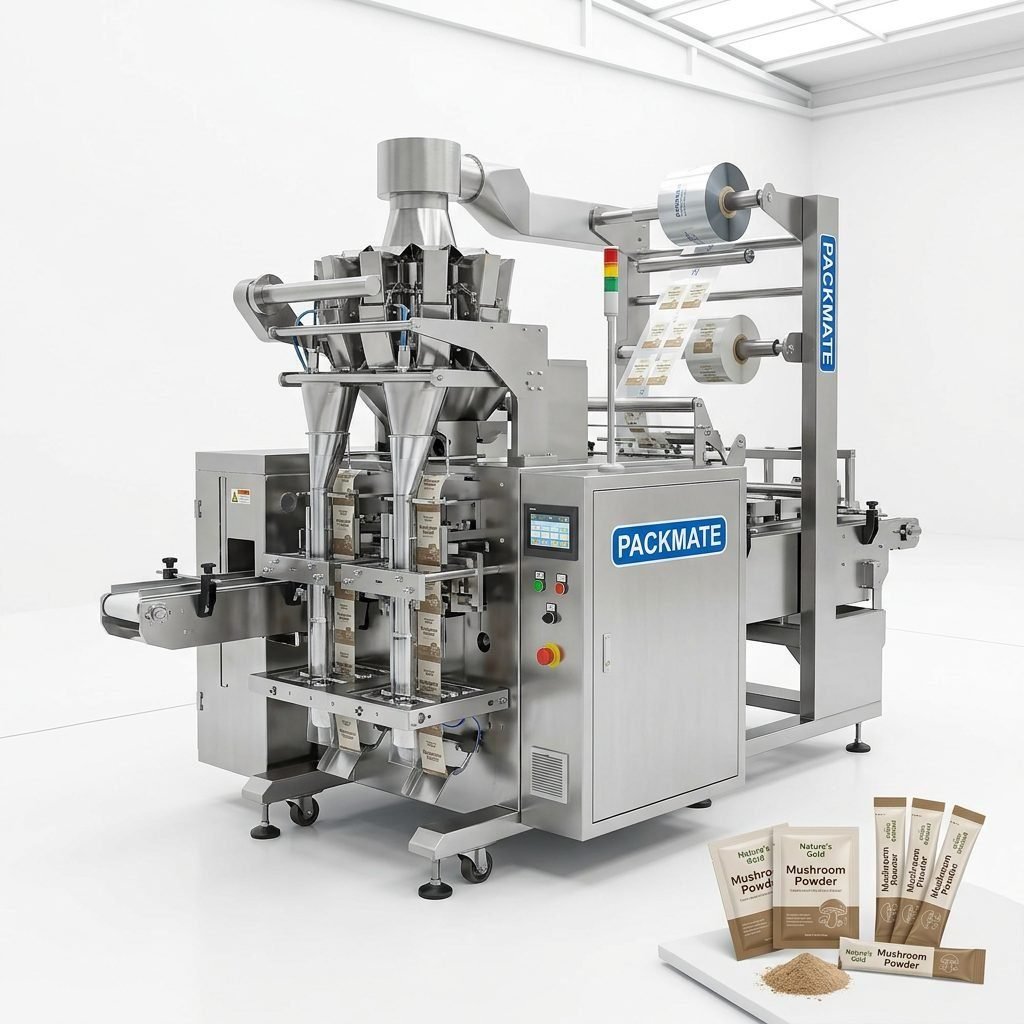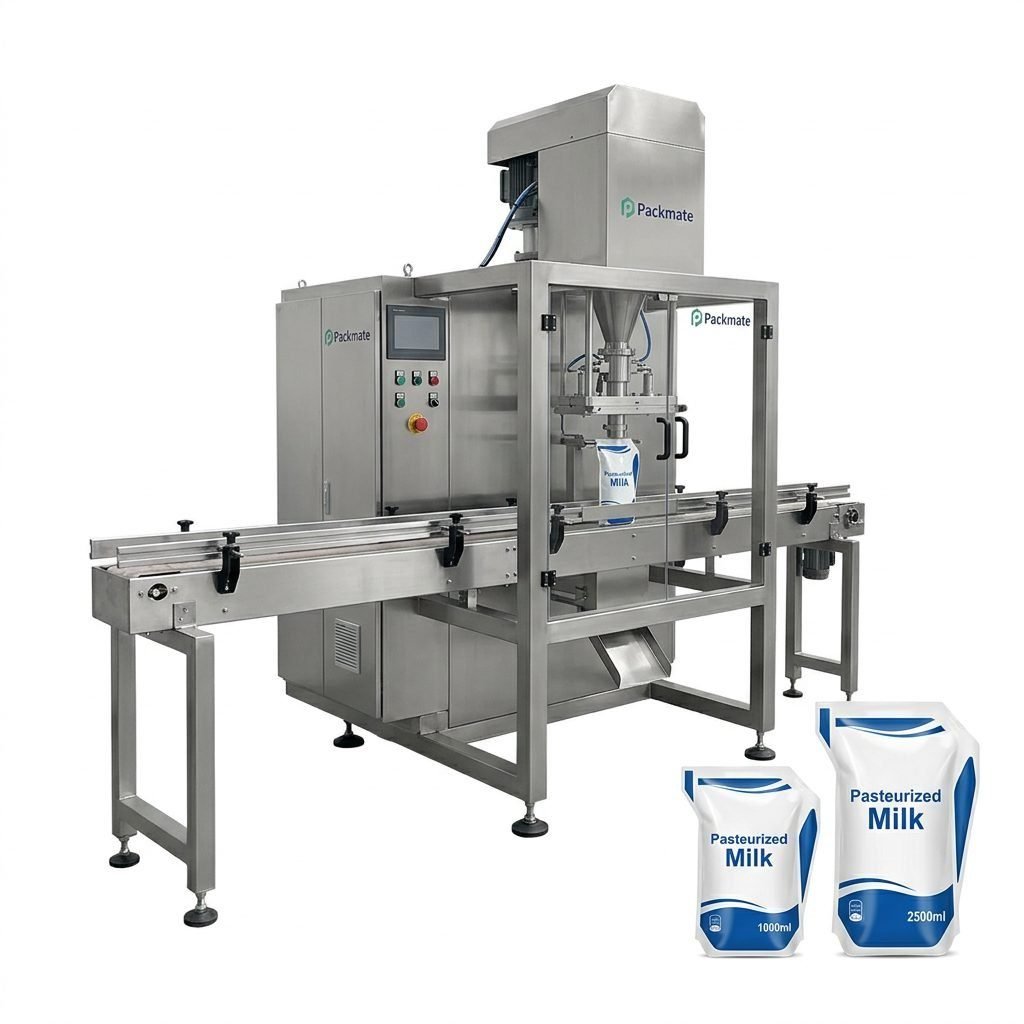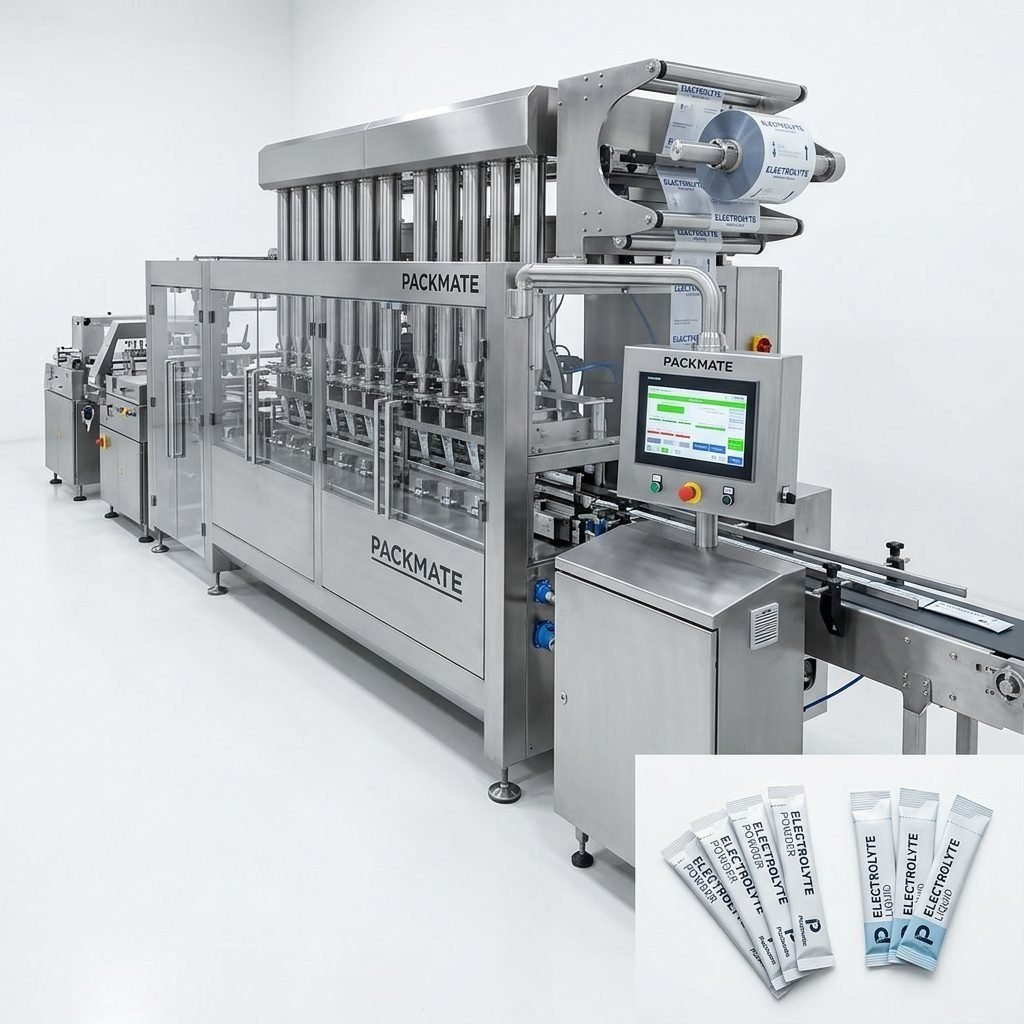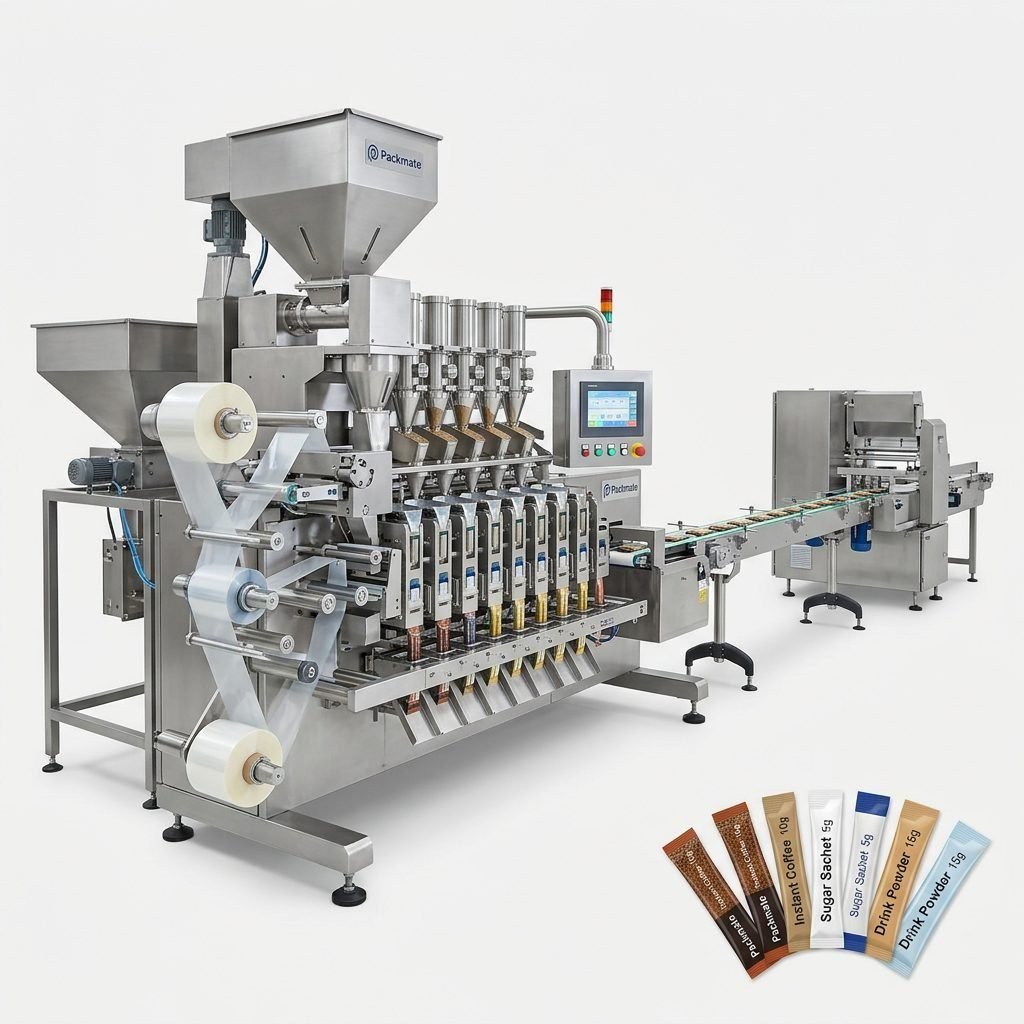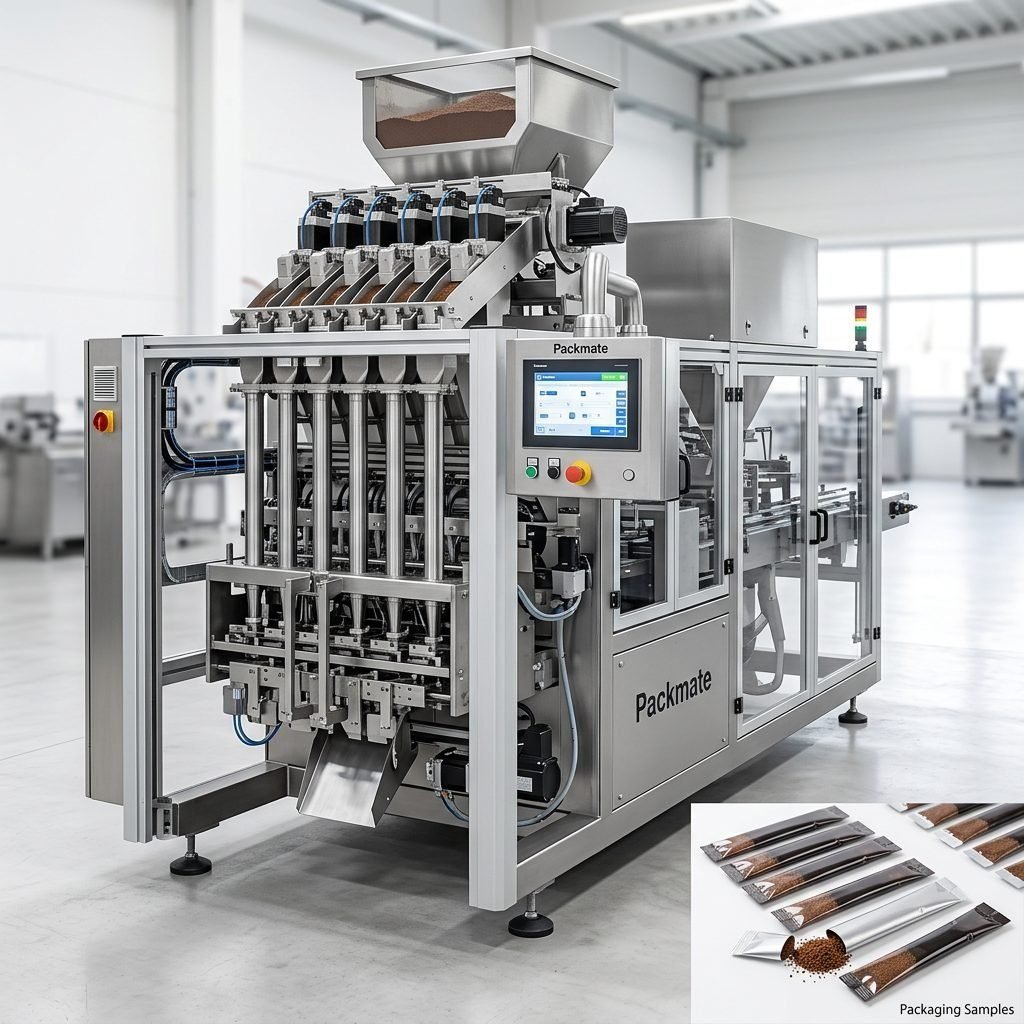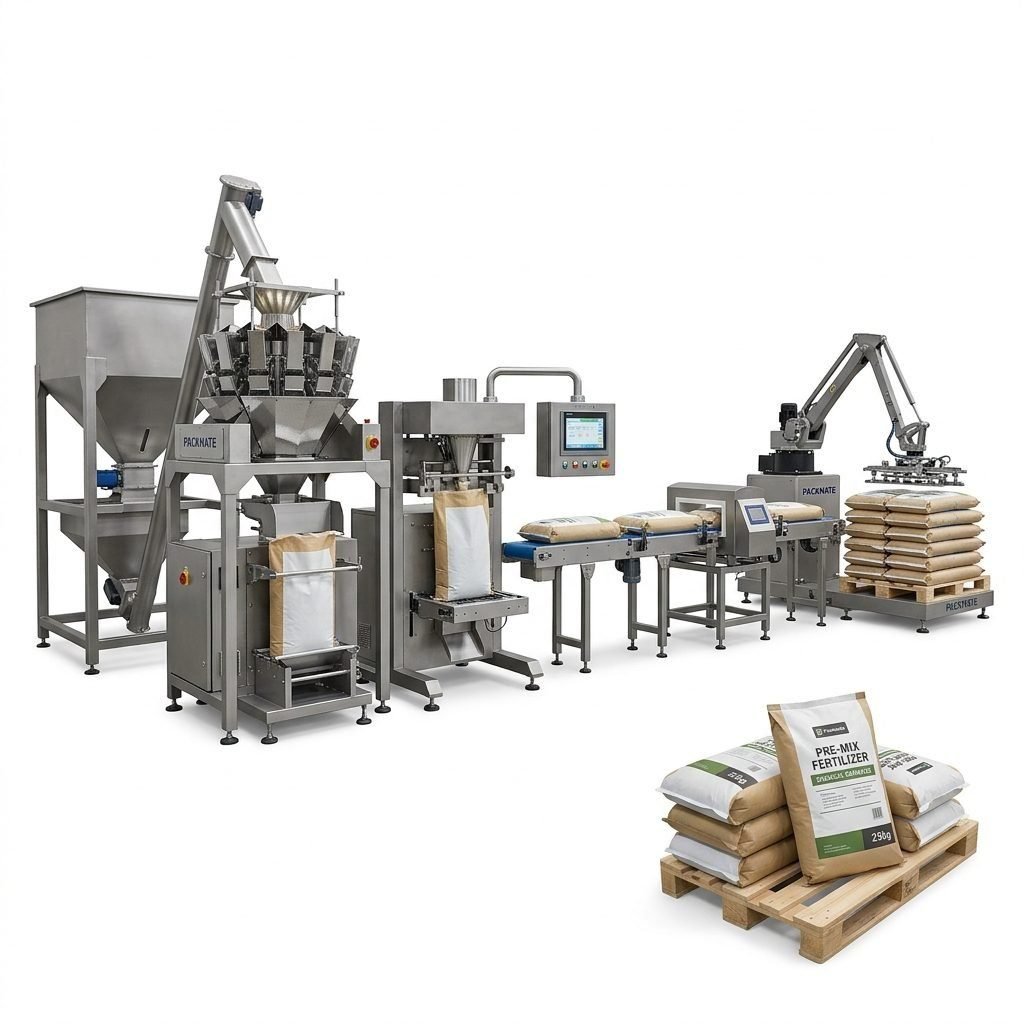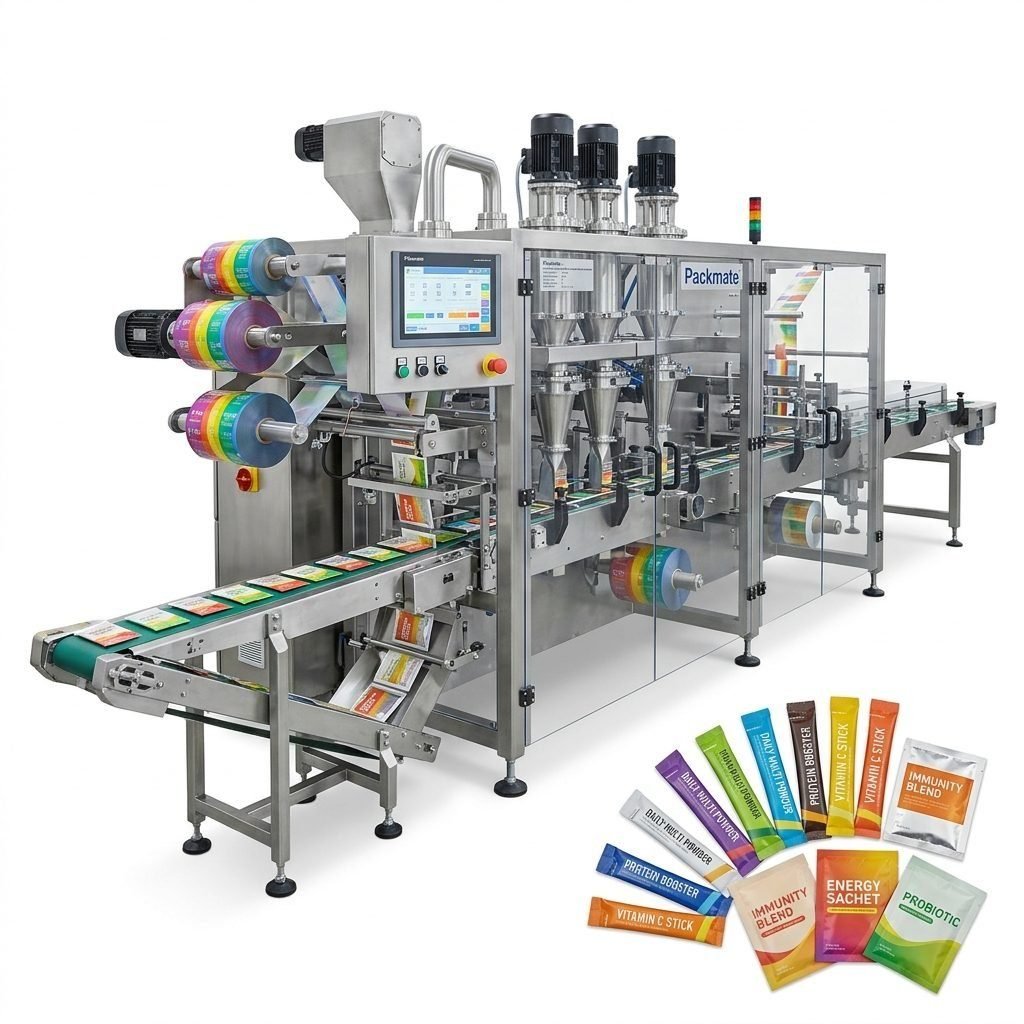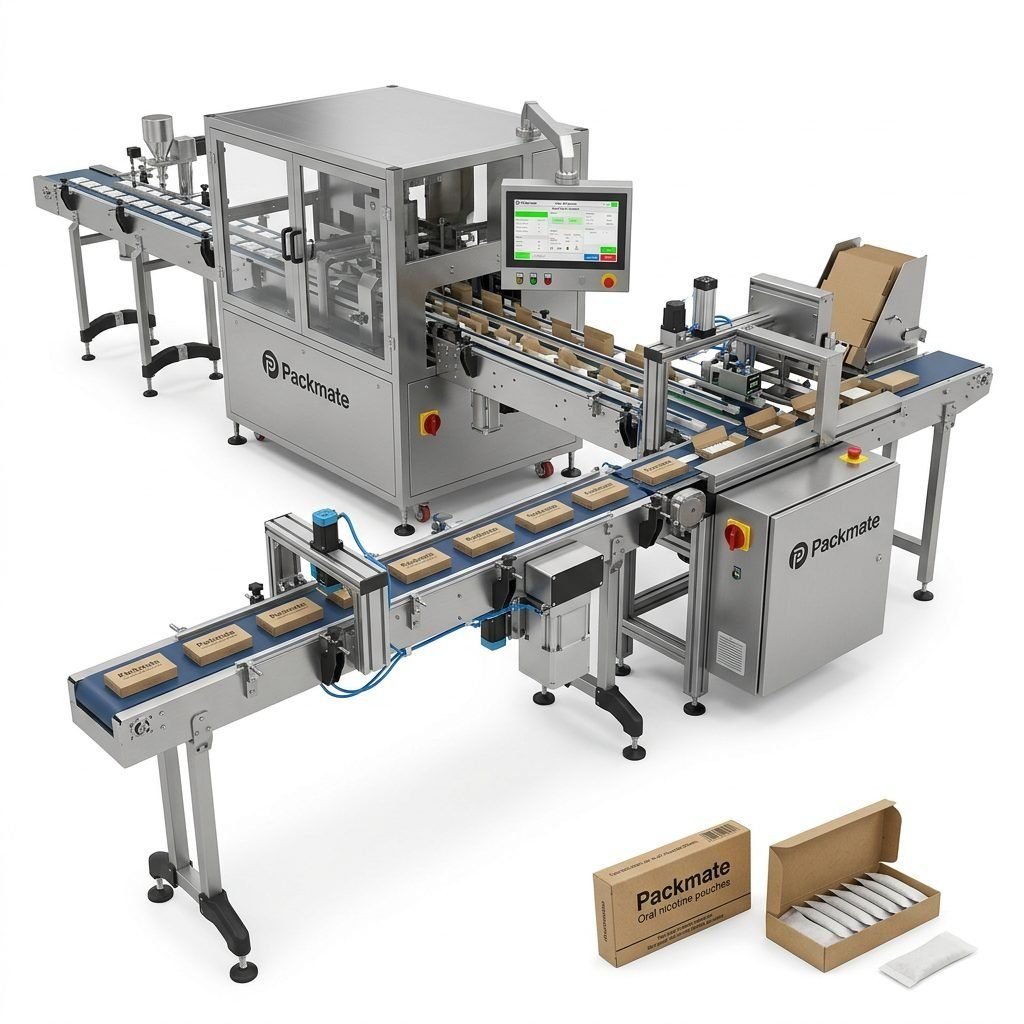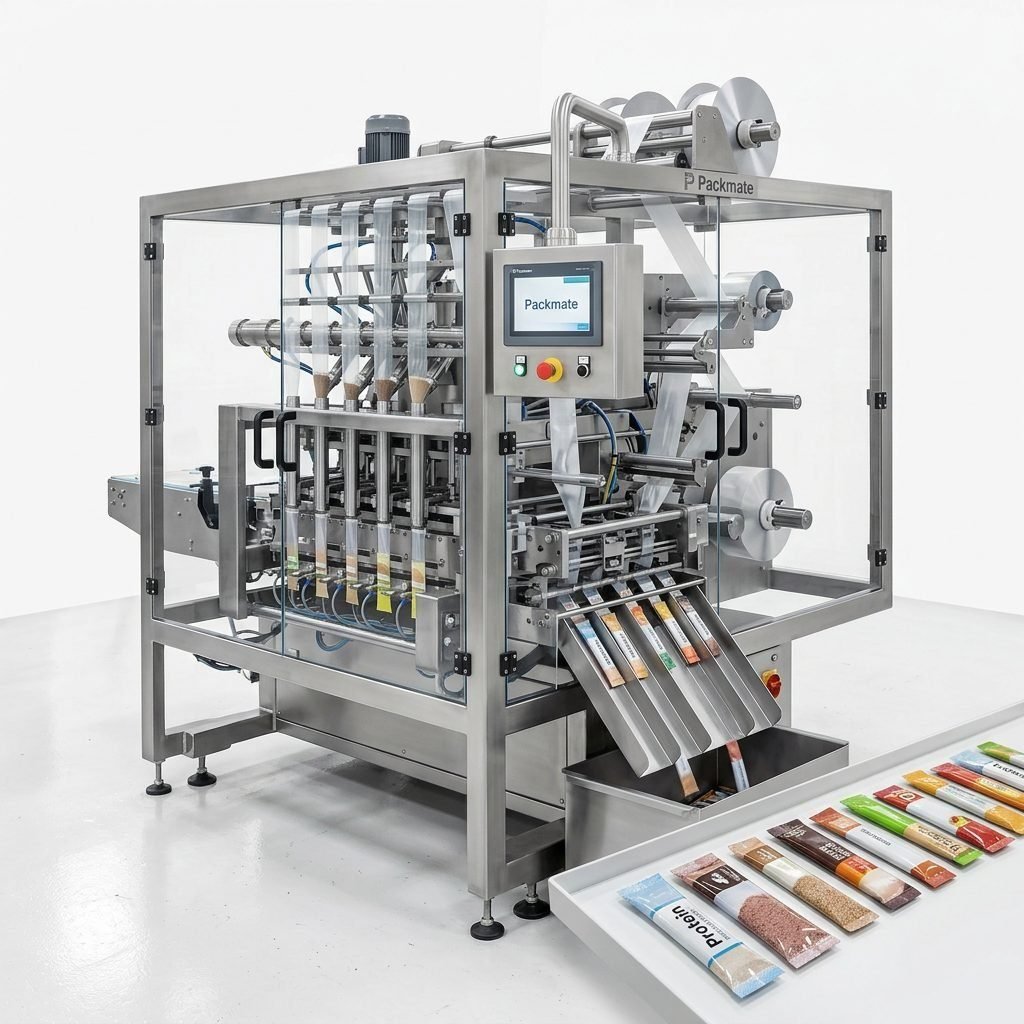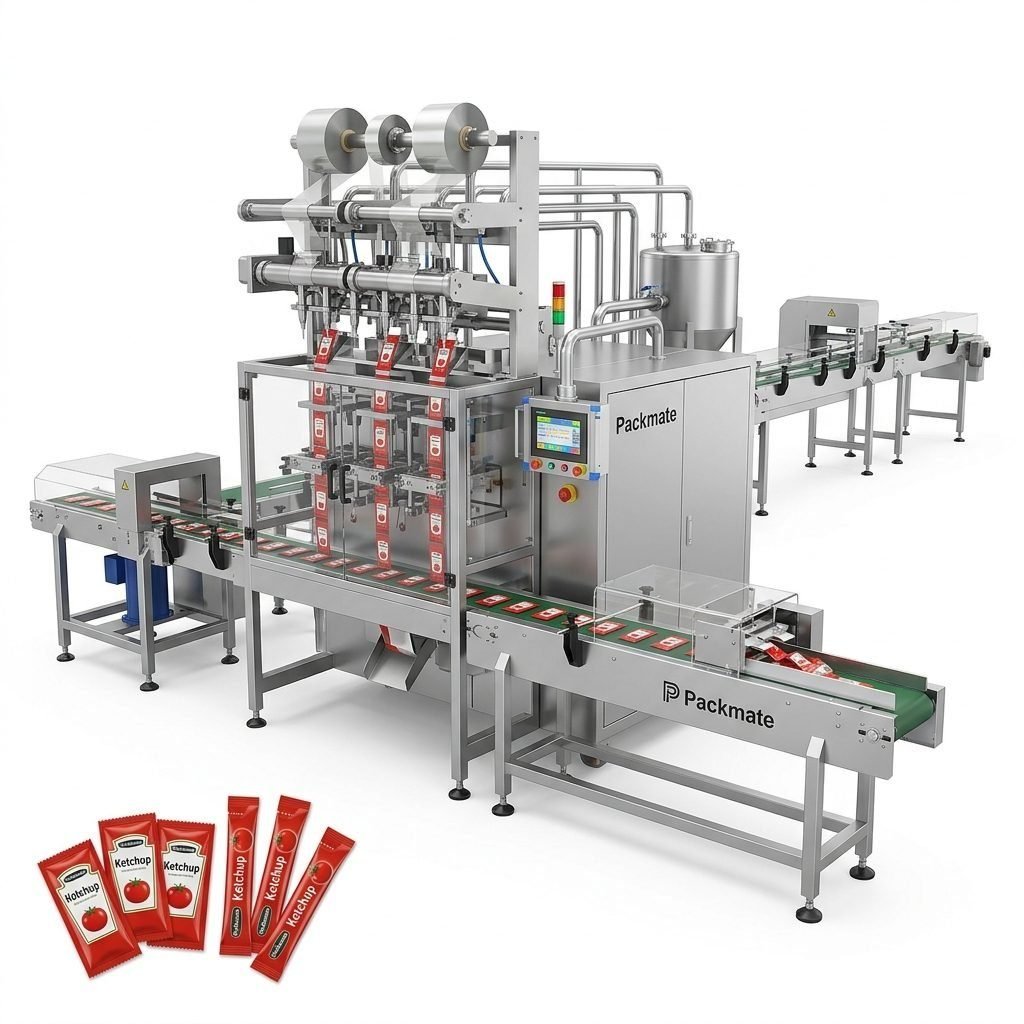
The market for pre-made pouch packaging machinery is experiencing dynamic growth, driven by consumer demand for convenience, sustainability, and product differentiation. For businesses looking to invest in this technology, understanding the latest trends and navigating the buyer’s journey is crucial. This guide delves into the key market movements and provides essential considerations for making an informed purchase.
Driving Forces Behind Market Growth
The shift towards flexible packaging, particularly pre-made pouches, is a dominant trend. Pouches offer significant advantages over rigid containers, including reduced material usage, lower shipping costs, and enhanced shelf appeal. The demand for single-serve and on-the-go products across food, beverage, and pharmaceutical sectors continues to fuel investment in high-speed, automated pouch packaging lines.
Another powerful driver is the increasing focus on sustainability. Brands are actively seeking machinery that can handle recyclable or compostable pouch materials. Modern pouch packaging machines are being designed with material efficiency in mind, minimizing film waste and supporting the use of mono-material structures that are easier to recycle.
Key Technological Trends Shaping the Industry
Automation and smart technology integration are no longer luxuries but necessities. The top trends include:
Industry 4.0 Connectivity: Machines equipped with IoT sensors and data exchange capabilities allow for real-time monitoring of production speed, downtime, and maintenance needs. This enables predictive maintenance and optimizes overall equipment effectiveness (OEE).
Enhanced Flexibility & Quick Changeover: Market demand requires short runs and frequent product switches. Leading manufacturers, like Packmate Machinery, engineer machines with tool-less changeover systems. This allows producers to quickly switch between different pouch sizes and styles, drastically reducing downtime and increasing operational agility.
Advanced Inspection Systems: Integrated vision inspection systems are becoming standard for ensuring quality control. These systems check for fill levels, seal integrity, print registration, and the presence of foreign objects, guaranteeing every pouch that leaves the line meets stringent quality standards.
Critical Buyer’s Guide: What to Consider
Selecting the right pre-made pouch packaging machine is a significant investment. Here’s a structured approach to guide your decision.
1. Define Your Core Requirements
Start by outlining your non-negotiable needs. What is your target production speed (pouches per minute)? What pouch types and sizes will you run (stand-up, flat, spouted, gusseted)? What are your primary product characteristics (powder, granule, liquid, viscous)? Answering these questions will narrow down the machine type, such as a vertical form-fill-seal (VFFS) system for roll stock or a dedicated pre-made pouch filler.
2. Evaluate Machine Capabilities & Flexibility
Look beyond your current needs. Assess the machine’s flexibility for future product lines. Consider the ease of changeover, the range of compatible pouch materials (including sustainable options), and the potential for integration with upstream and downstream equipment like weighing systems and cartoners. A versatile machine protects your investment against market shifts.
Pro Tip: Always request a product sample test at the manufacturer’s facility or via a video demonstration. This is the most reliable way to see the machine handle your specific product and packaging.
3. Assess Build Quality and Supplier Support
The machine’s construction determines its longevity and reliability. Inquire about the frame material, drive systems, and seal jaw technology. Crucially, evaluate the supplier’s reputation. A manufacturer with a long history, like Packmate with over 30 years in packaging automation, often signifies proven reliability. Review their after-sales service structure, availability of spare parts, and technical support responsiveness.
The Importance of Total Cost of Ownership (TCO)
The purchase price is just one component. A savvy buyer calculates the Total Cost of Ownership, which includes:
- Energy consumption and utility requirements.
- Expected maintenance costs and spare part pricing.
- Required operator skill level and training.
- Potential for integration costs with existing lines.
Choosing a machine with higher upfront cost but lower operating expenses and higher uptime often yields a better return on investment over its lifespan.
Future Outlook and Conclusion
The trajectory for pre-made pouch packaging is firmly upward. Expect continued innovation in sustainable materials handling, even greater integration of AI for quality control and optimization, and more compact, energy-efficient machine designs. The market will favor suppliers who offer not just hardware, but complete, intelligent turnkey packaging solutions.
For businesses, success lies in partnering with an equipment provider that understands these trends and can deliver a machine that balances speed, flexibility, and reliability. Thorough due diligence during the buying process, focusing on both technical specs and supplier credibility, is the key to unlocking the efficiency and market advantages that modern pouch packaging offers.
Frequently Asked Questions (FAQs)
Q1: What is the main difference between a pre-made pouch machine and a form-fill-seal (FFS) machine?
A: A pre-made pouch machine fills and seals pouches that are already pre-formed and supplied on rolls or in stacks. An FFS machine (like VFFS) forms the pouch from a roll of flat film, fills it, and then seals it in one continuous process. Pre-made pouches often allow for more complex, pre-printed packaging designs.
Q2: How important is machine flexibility for a new business?
A: It is critically important. Even if you start with one product, market demands change. A machine that allows for quick changeovers between different pouch sizes and can handle a variety of product types (e.g., from granules to liquids with minor adjustments) provides long-term value and protects your investment against future business pivots or expansions.
Q3: What are the key maintenance requirements for a pouch packaging machine?
A: Regular daily cleaning to prevent product buildup is essential. Periodic lubrication of moving parts, inspection and replacement of wear items like seal jaws and gaskets, and calibration of weighing and filling systems are standard. Always follow the manufacturer’s specific maintenance schedule outlined in the manual.
Q4: Can one machine handle both liquid and powder products?
A: Some machines are designed with this flexibility. However, it typically requires changing the filling system (e.g., from a auger filler for powders to a pump filler for liquids). It’s vital to discuss your specific product range with the manufacturer to ensure the machine can be configured or easily adapted for both applications.
Q5: Why is after-sales support critical when purchasing packaging machinery?
A: Packaging machines are complex and downtime is extremely costly. Reliable after-sales support ensures you have access to technical assistance for troubleshooting, a supply of genuine spare parts, and operator training. This support is crucial for maximizing machine uptime, productivity, and the lifespan of your equipment.