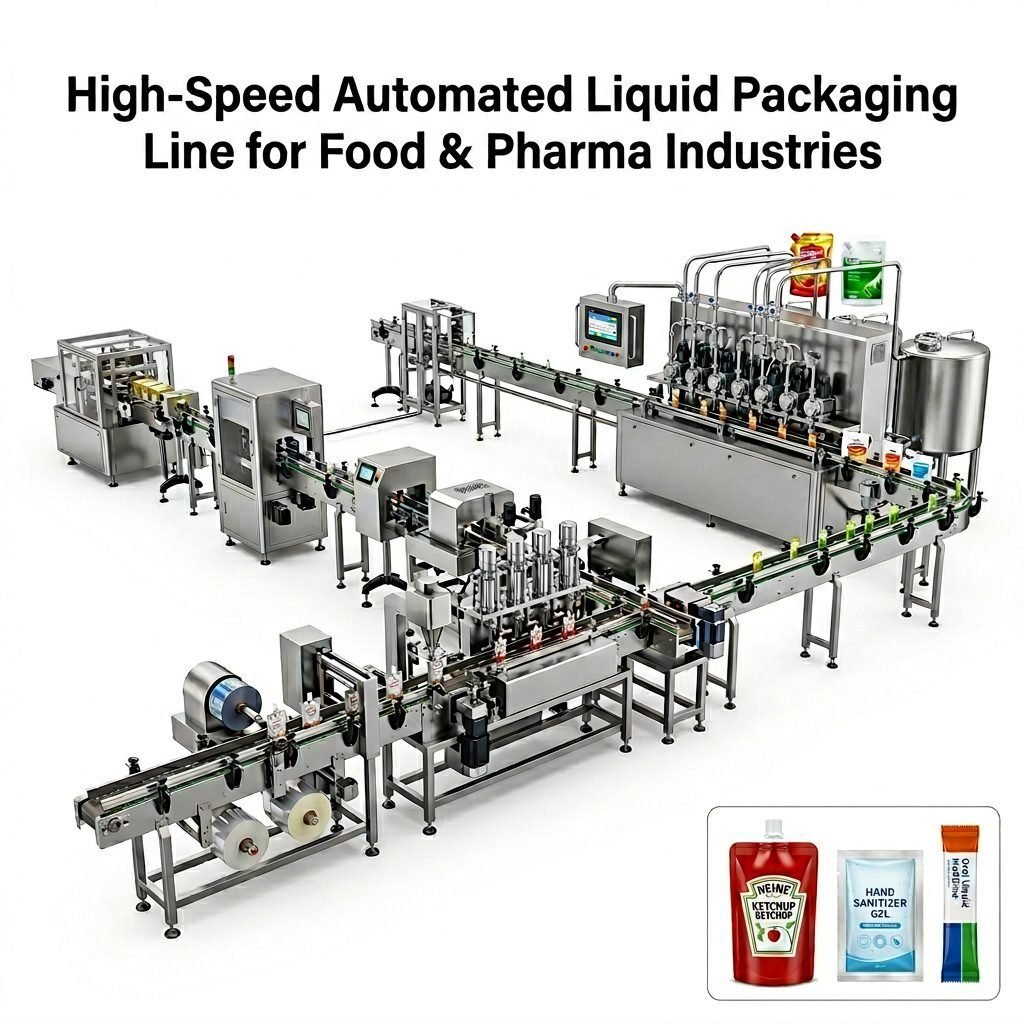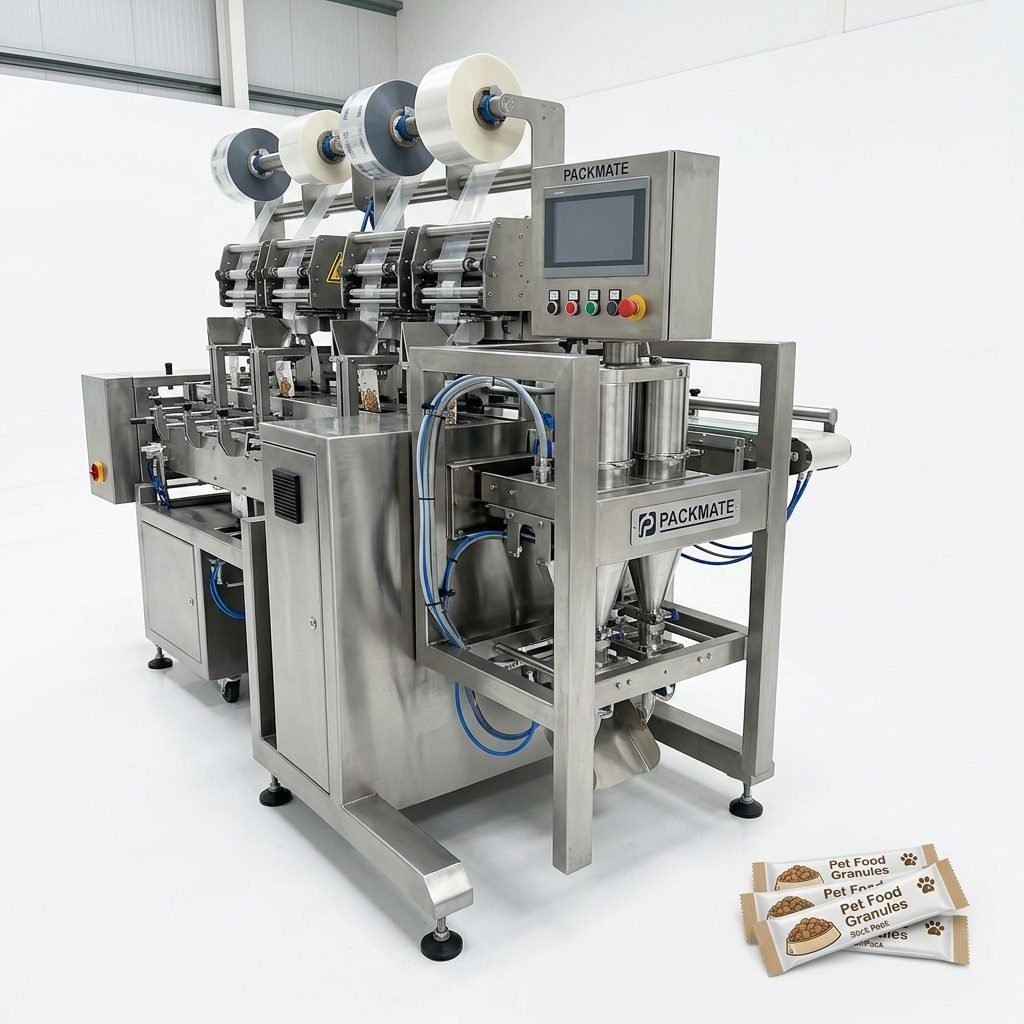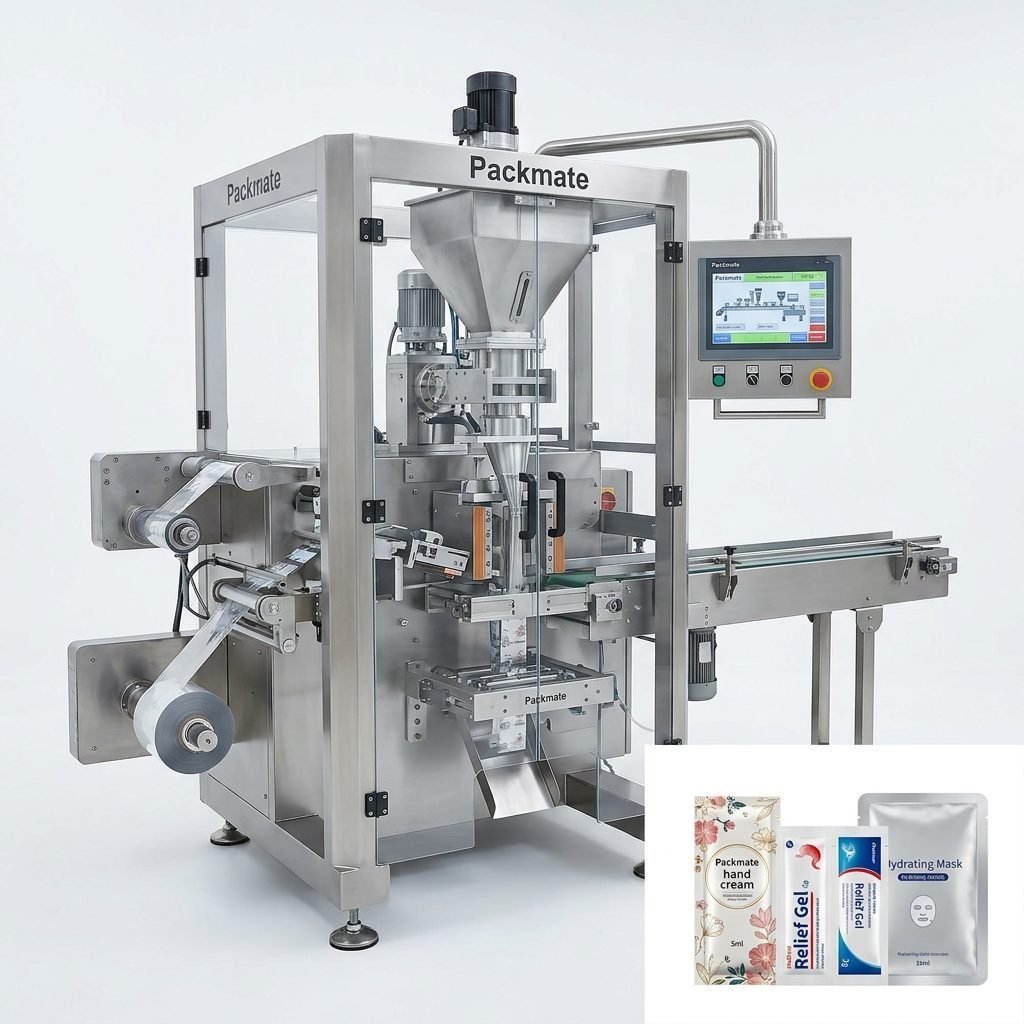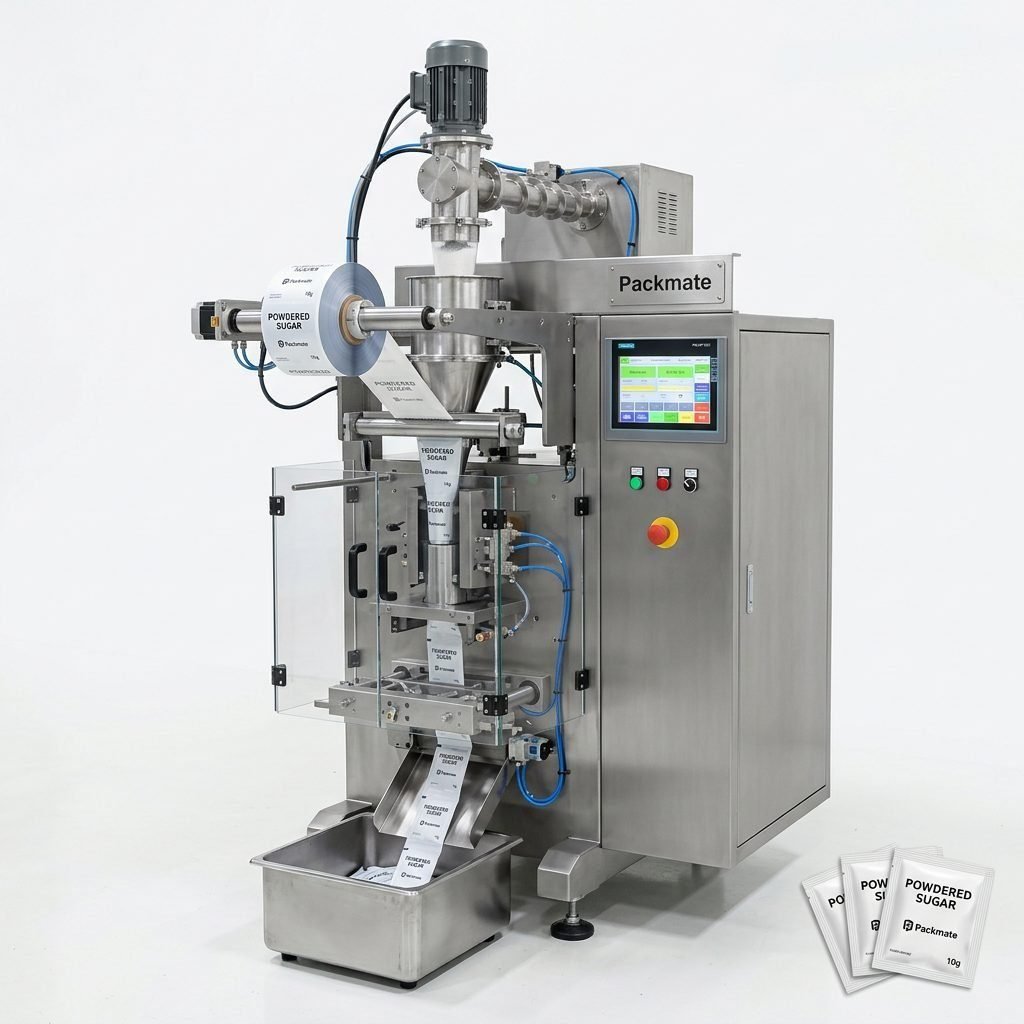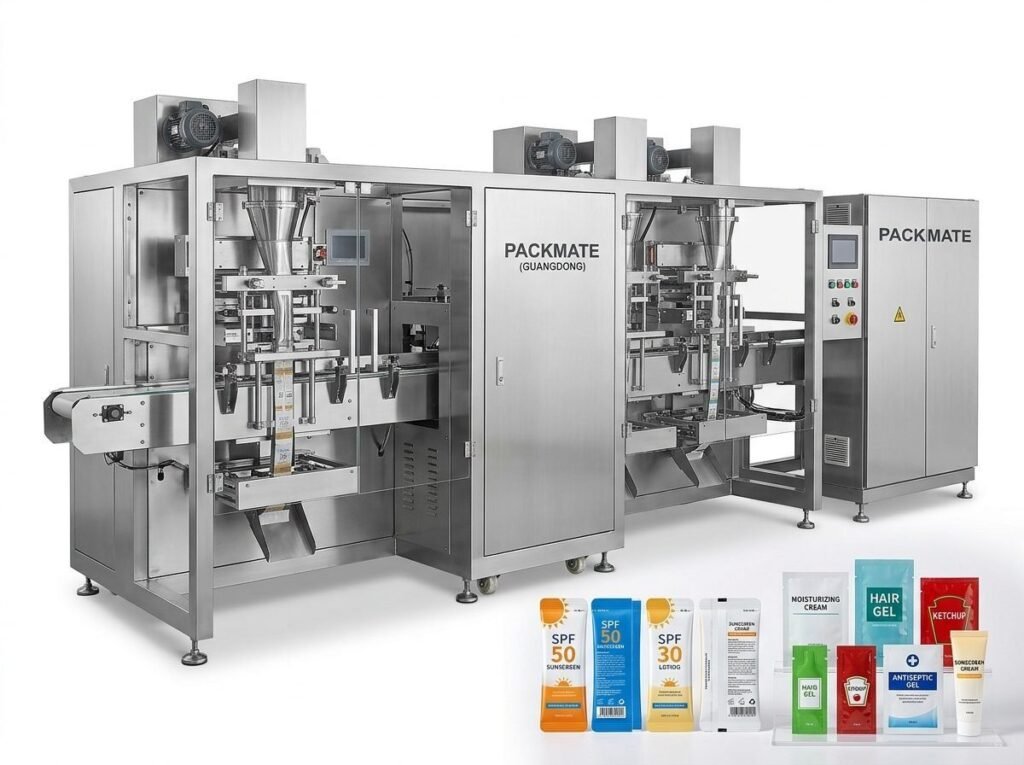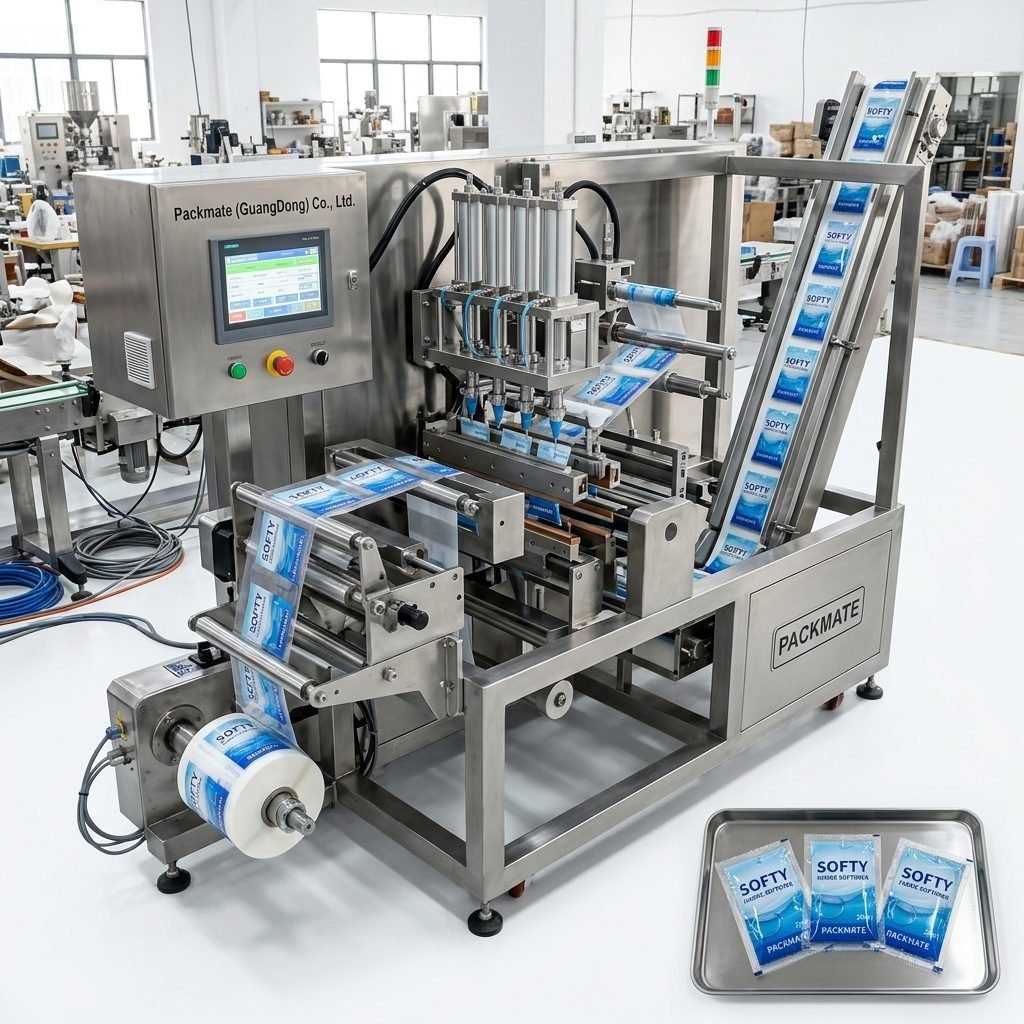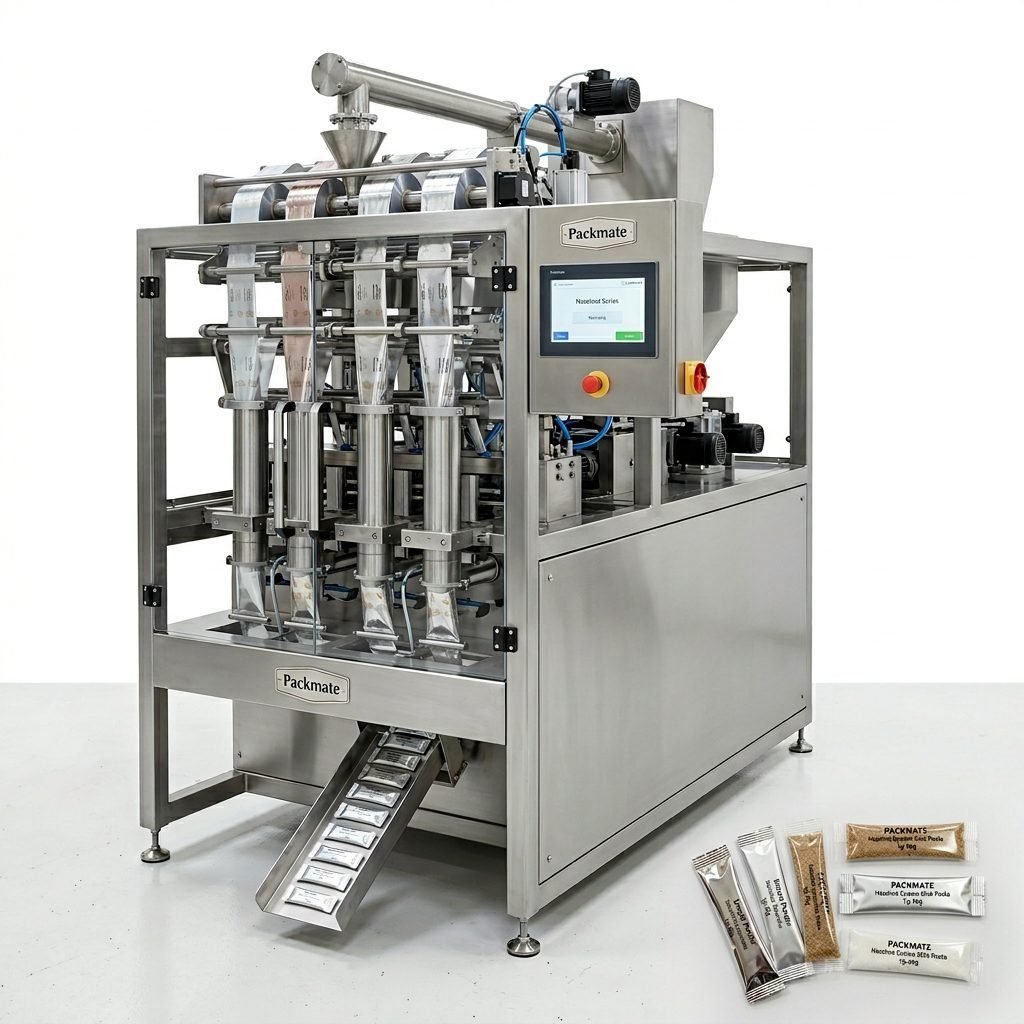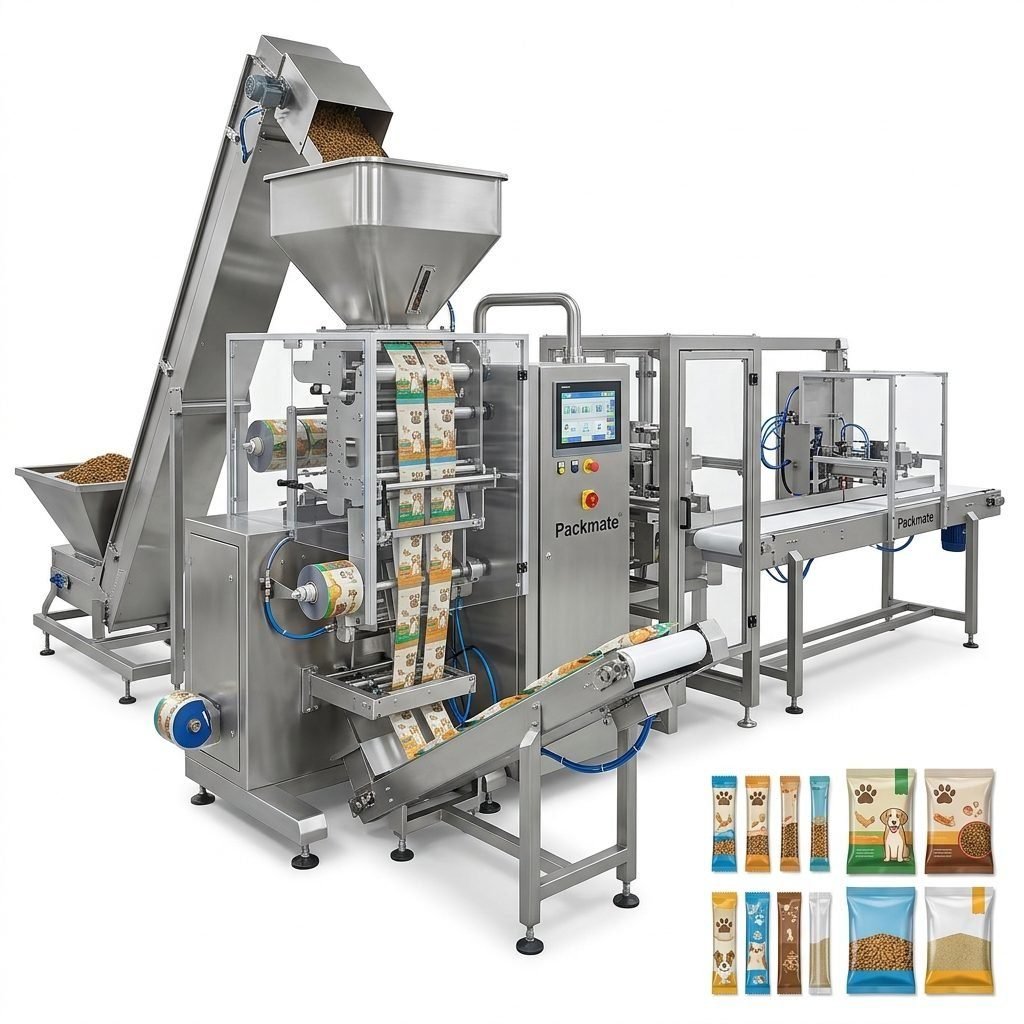
Operating a food packaging machine is a critical role within the food manufacturing industry, ensuring products are sealed safely, efficiently, and attractively for consumers. This position requires a unique blend of technical skill, attention to detail, and adherence to strict safety and hygiene protocols. As automation continues to evolve, the role of the machine operator has become more sophisticated, integrating elements of mechanics, quality control, and basic troubleshooting.
Core Job Duties of a Food Packaging Machine Operator
The daily responsibilities of a packaging machine operator are diverse and vital to production line success. Mastery of these duties is essential for maintaining high output and product quality.
Machine Setup and Calibration
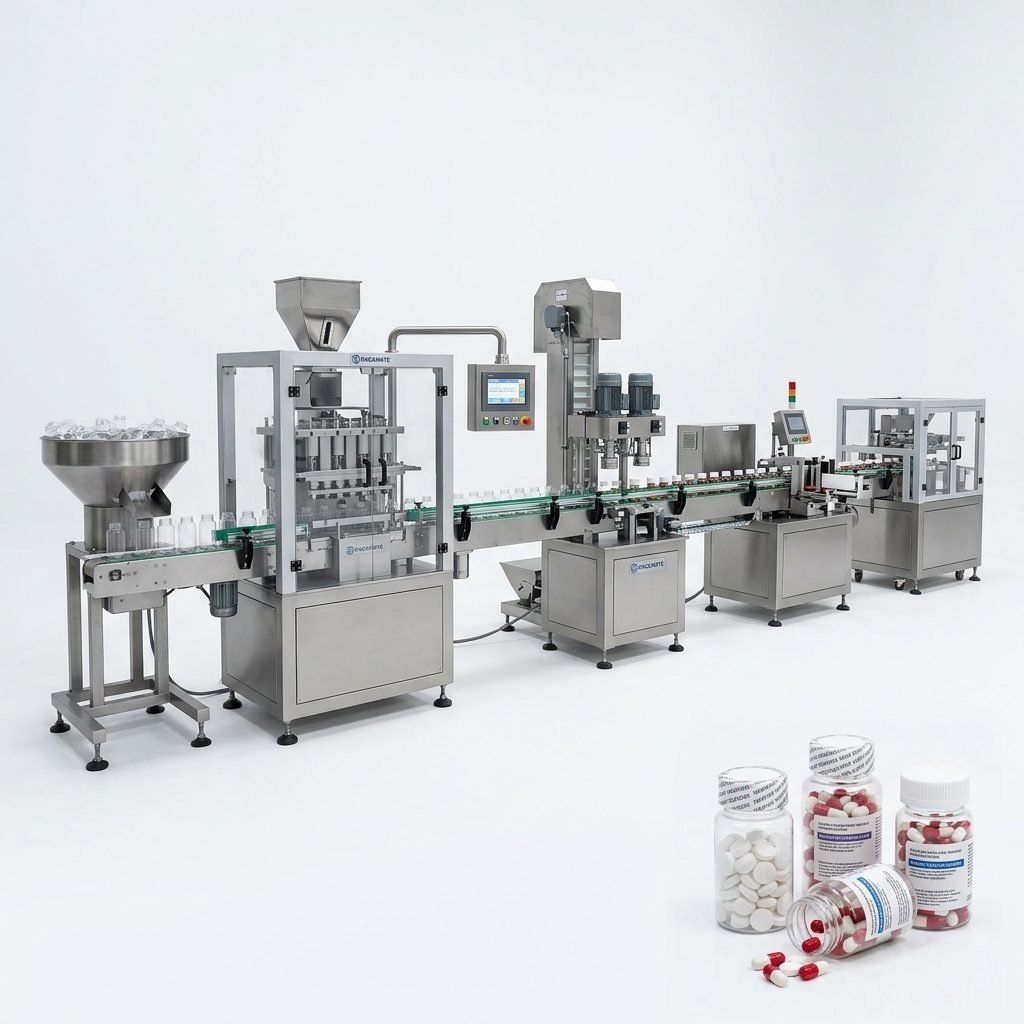
Before any production run begins, the operator must prepare the machinery. This involves installing the correct packaging materials (such as film, pouches, or containers), configuring machine settings for the specific product weight and dimensions, and calibrating components like fillers, sealers, and coders. Precise setup is crucial to prevent material waste and ensure consistent package integrity.
Operation and Monitoring
Once the line is running, the operator’s primary duty is to monitor the equipment. This includes overseeing the feeding of product, the filling process, sealing, labeling, and final packaging. Operators must maintain a steady production flow, replenish materials as needed, and be vigilant for any signs of malfunction, such as jams, misalignments, or inconsistent seals.
Quality Control and Inspection
A significant part of the role is conducting regular quality checks. Operators are often the first line of defense against defects. They must inspect random samples for correct weight, proper seal strength, accurate labeling (including dates and batch codes), and overall presentation. Any deviation from standards requires immediate adjustment or halting the line to correct the issue, ensuring only products meeting rigorous quality standards move forward.
Basic Maintenance and Troubleshooting
Preventive maintenance, such as cleaning, lubricating moving parts, and replacing worn components, is a daily or weekly task. When a machine stops or performs poorly, operators must perform initial troubleshooting—clearing jams, resetting sensors, or adjusting mechanical parts—before escalating to maintenance technicians. This skill minimizes costly downtime.
Safety and Sanitation Compliance
Adherence to safety protocols (Lockout/Tagout procedures) and food industry sanitation regulations is non-negotiable. Operators must ensure the work area and machine surfaces are clean to prevent contamination. They are also responsible for following Good Manufacturing Practices (GMPs) and wearing appropriate personal protective equipment (PPE).
Essential Training and Skill Development
Becoming a proficient food packaging machine operator involves both formal training and on-the-job experience. A structured training pathway builds competence and confidence.
Formal Education and Certifications
While a high school diploma is often the minimum requirement, certificates or associate degrees in mechatronics, industrial maintenance, or manufacturing technology provide a strong foundation. Certifications in workplace safety (like OSHA standards) and specific sanitation courses (e.g., HACCP principles) are highly valued by employers in the food sector.
On-the-Job and Manufacturer Training
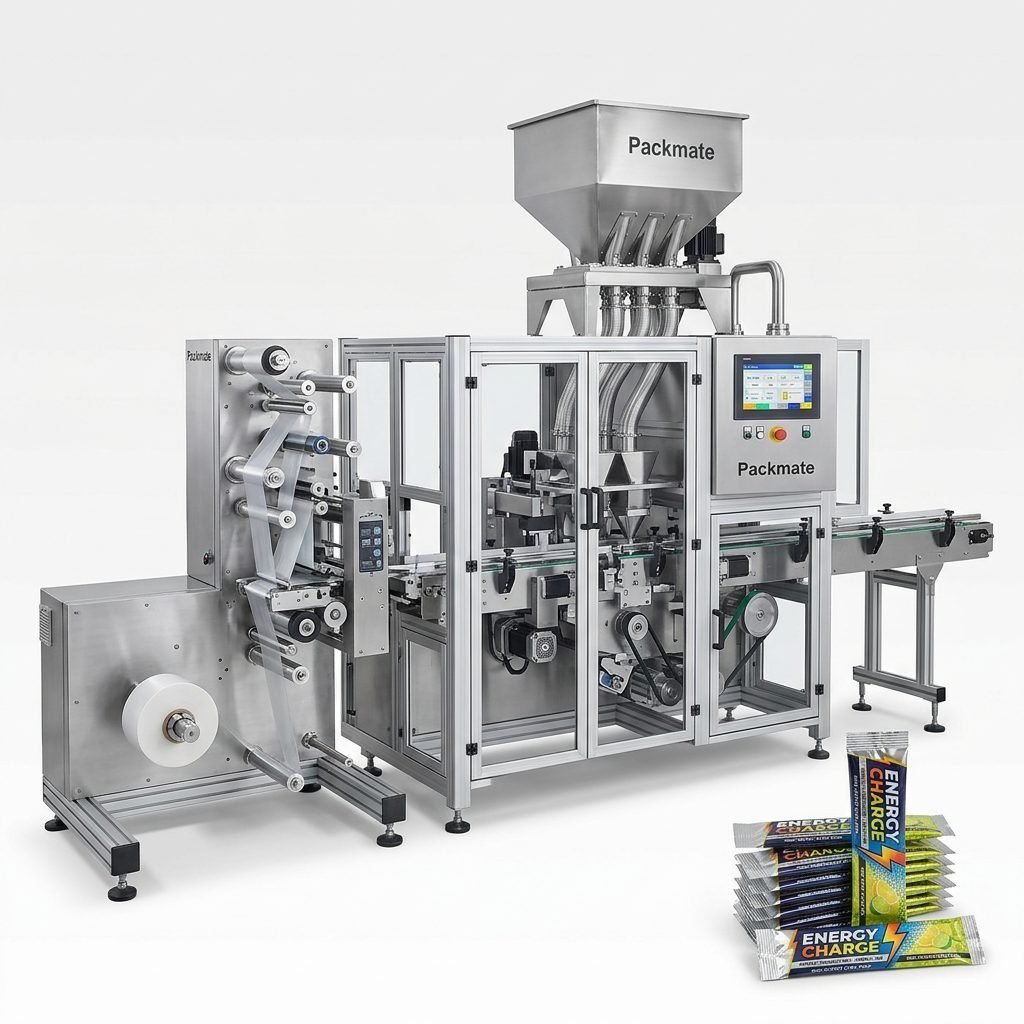
Most skills are acquired through hands-on training under the supervision of an experienced operator or supervisor. Furthermore, machinery manufacturers often provide critical training. For instance, a company like Packmate Machinery, with over 30 years of expertise, offers comprehensive training on their sachet and stick pack machines to ensure operators can maximize efficiency and uptime.
Key Technical Skills
Mechanical Aptitude: Understanding how machines work, including drives, conveyors, and pneumatic systems.
Basic Computer Literacy: Operating and inputting parameters into the machine’s Human-Machine Interface (HMI) panel.
Numerical and Measurement Skills: Accurately measuring weights, volumes, and dimensions for calibration.
Problem-Solving: Quickly diagnosing the root cause of operational issues.
Soft Skills for Success
Beyond technical know-how, soft skills are crucial. Attention to detail is paramount for quality control. Reliability and a strong work ethic ensure consistent production. Communication skills are needed to report issues clearly to supervisors and maintenance teams. The ability to work effectively in a team is essential in a fast-paced line environment.
Working with Advanced Packaging Systems
Modern facilities utilize integrated lines. An operator may oversee a complete system that includes a weighing system, filler, and bagger. Training for these complex lines is more extensive but offers operators valuable expertise in high-demand areas of automation and line management.
Career Pathway and Advancement
Starting as a packaging machine operator opens doors to various advancement opportunities. With experience, one can become a senior operator, line lead, or shift supervisor. Those with strong mechanical skills may transition into a packaging machinery technician or maintenance role. Continuous learning about new technologies, such as those developed by innovators like Packmate, is key to career growth. Exploring their range of packing machines can provide insight into industry trends.
Frequently Asked Questions (FAQs)
What is the most challenging part of a food packaging machine operator’s job?
Many operators cite troubleshooting unexpected mechanical or electrical failures under production pressure as the most challenging aspect, requiring calm thinking and procedural knowledge to resolve quickly.
Is previous experience required to become a packaging machine operator?
While not always mandatory, previous experience in manufacturing or with machinery is a significant advantage. Many employers offer entry-level positions with comprehensive on-the-job training for motivated candidates.
How important is sanitation in this role?
It is critically important. Operators are directly responsible for maintaining the cleanliness of their equipment to meet strict food safety regulations and prevent product contamination, which is a top priority in the industry.
What are the typical working hours for this position?
Food production often runs 24/7. Operators commonly work in shifts, including nights, weekends, and holidays, as part of a rotating schedule to maintain continuous plant operation.
Can this role lead to a career in packaging engineering?
Yes, absolutely. Hands-on experience as an operator provides invaluable practical knowledge. With additional formal education in engineering, many operators successfully advance into packaging design, process engineering, or technical sales roles within the industry.