Selecting the right vitamin packaging machine is a critical decision for manufacturers in the health supplement industry. The packaging process directly impacts product integrity, shelf life, operational efficiency, and brand perception. This comprehensive guide will explore the various types of vitamin packaging machines, their key benefits, and provide a structured framework to help you make an informed investment choice that aligns with your production goals.
Understanding the Core Types of Vitamin Packaging Machines
The market offers a diverse range of equipment, each designed for specific packaging formats and production scales. Understanding these types is the first step toward identifying the best fit for your operation.
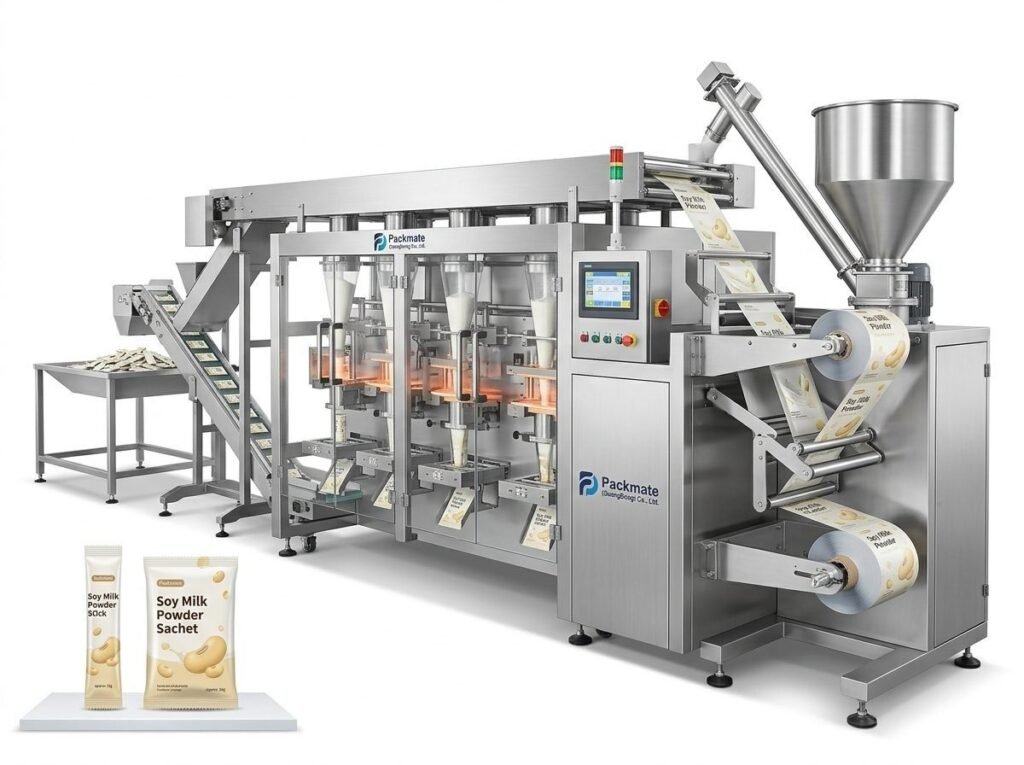
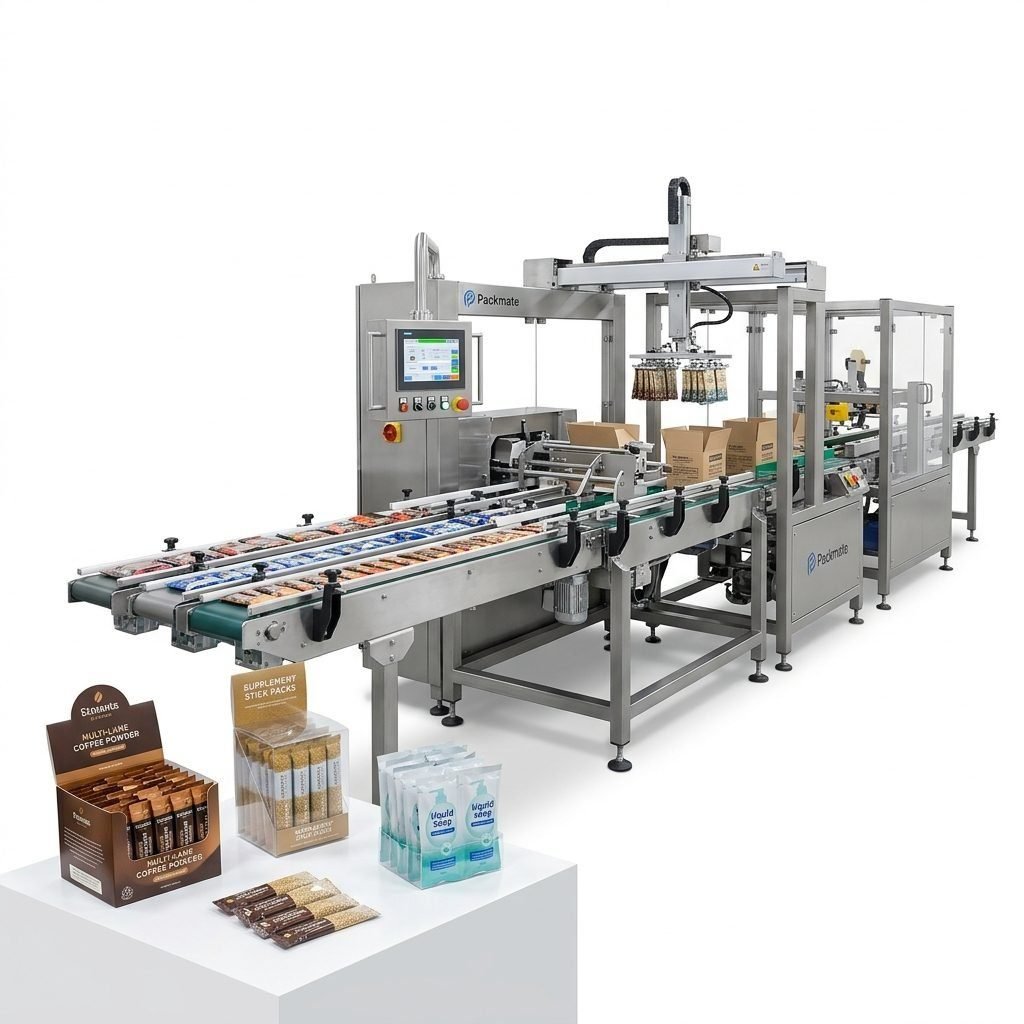
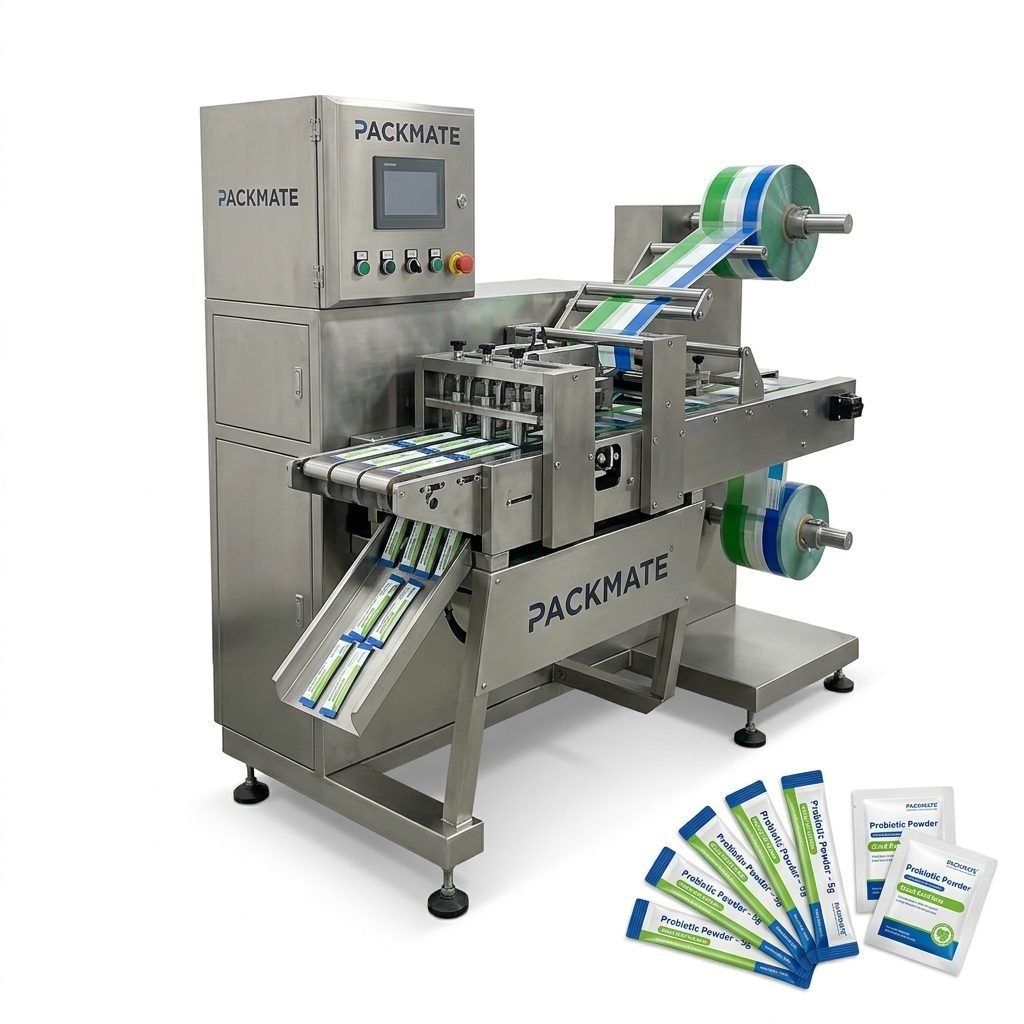
1. Stick Pack Packaging Machines
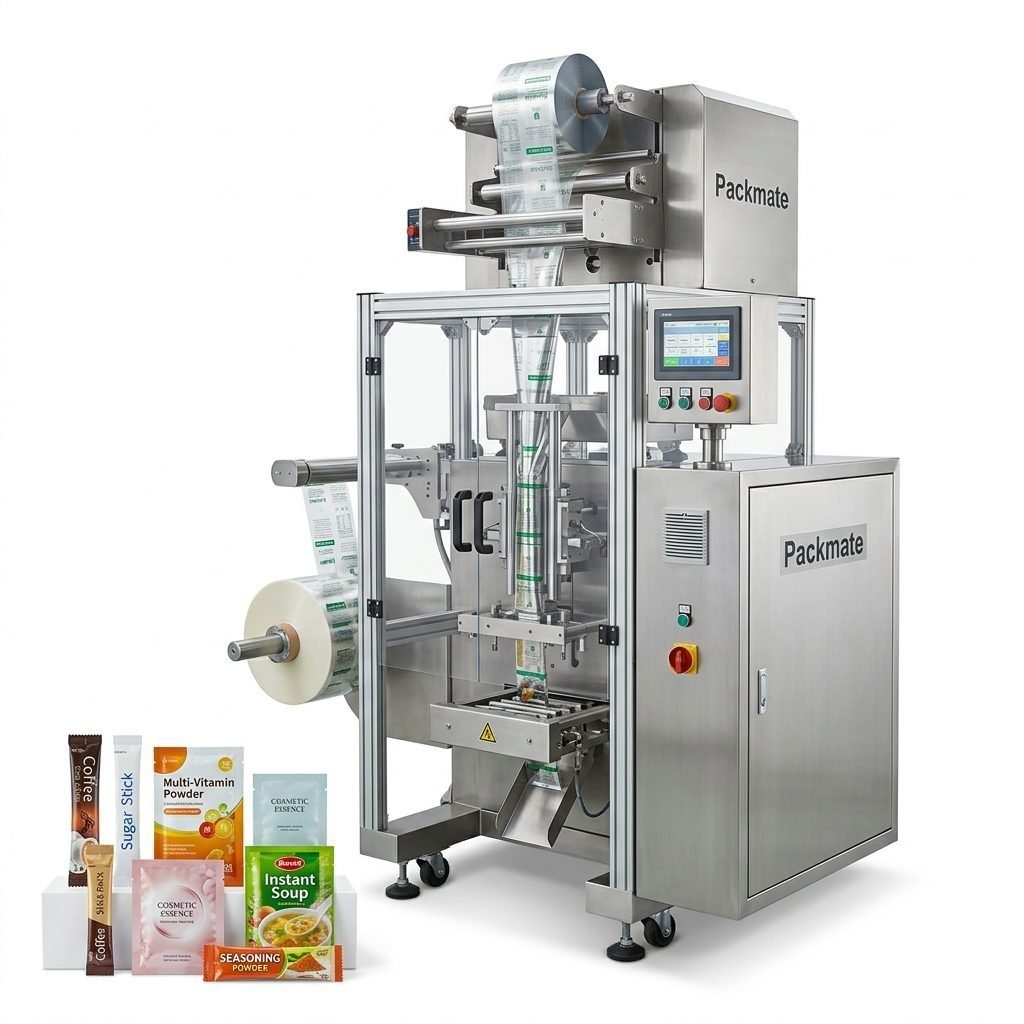
These machines are engineered to produce long, slender single-serve packets. They are exceptionally popular for powdered supplements like vitamin C, electrolyte mixes, or protein powders. The design is ideal for on-the-go consumption and ensures precise dosing. Modern multi-lane stick pack machines can significantly boost output, making them suitable for high-volume production runs.
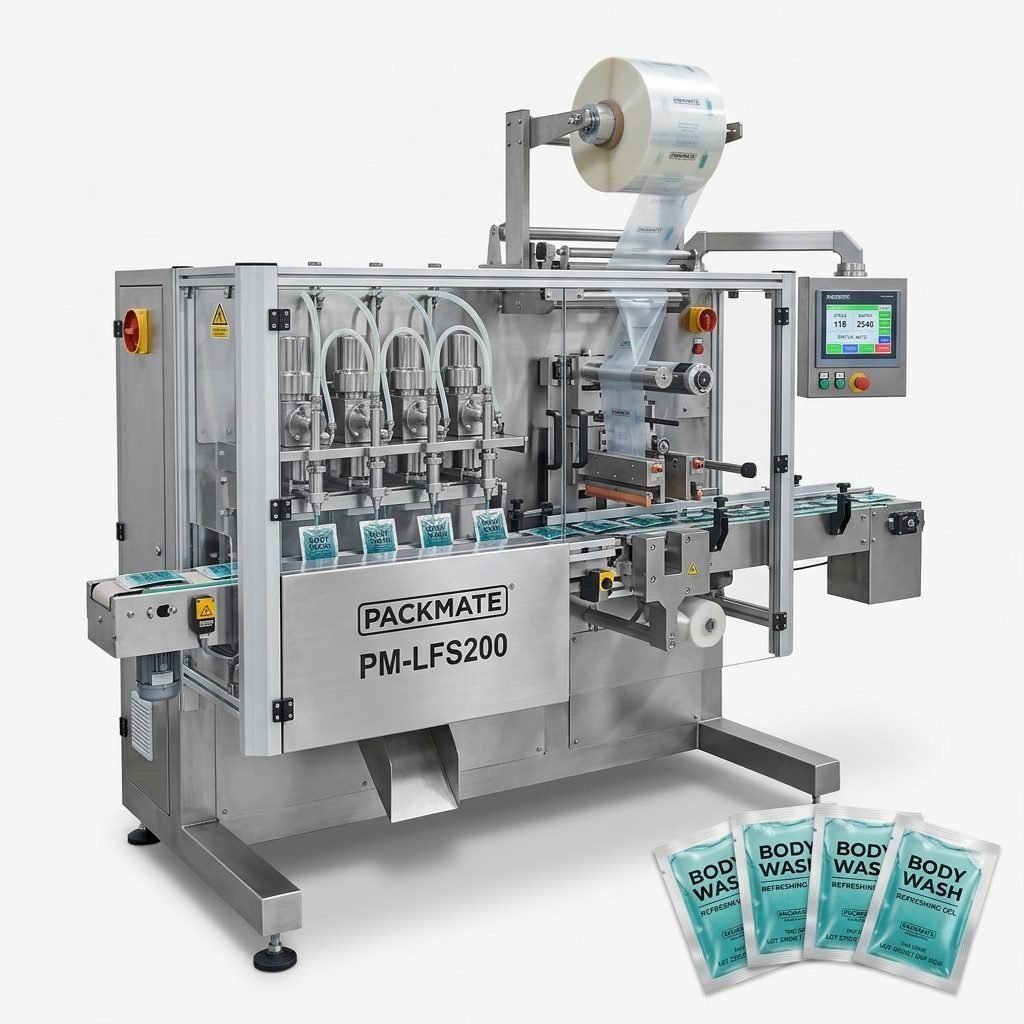
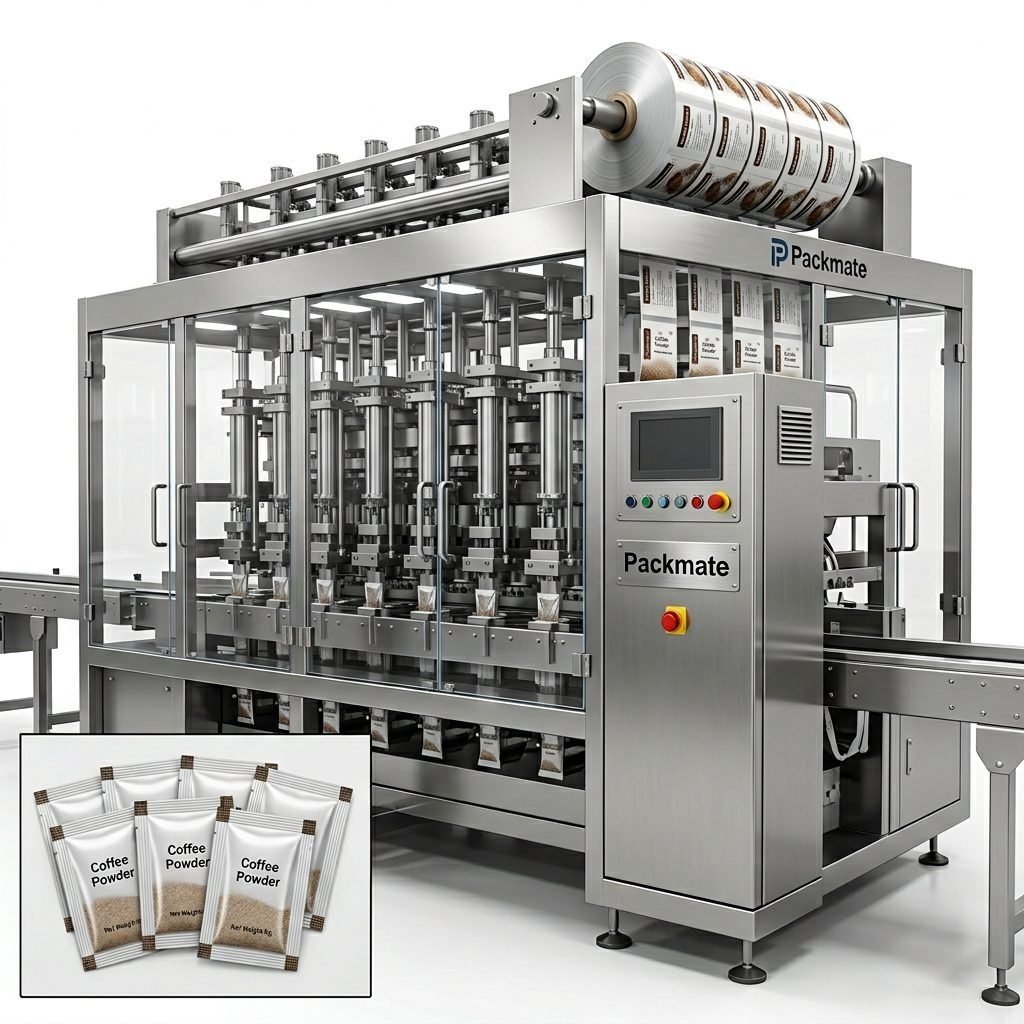
2. Sachet Packaging Machines
Sachet machines create small, flat pouches and are versatile for packaging various forms, including powders, granules, and liquids. They are perfect for single-dose vitamins, sample packets, or combination supplement packs. The machinery can handle a wide array of materials, from basic laminates to high-barrier films that offer superior protection against moisture and oxygen.
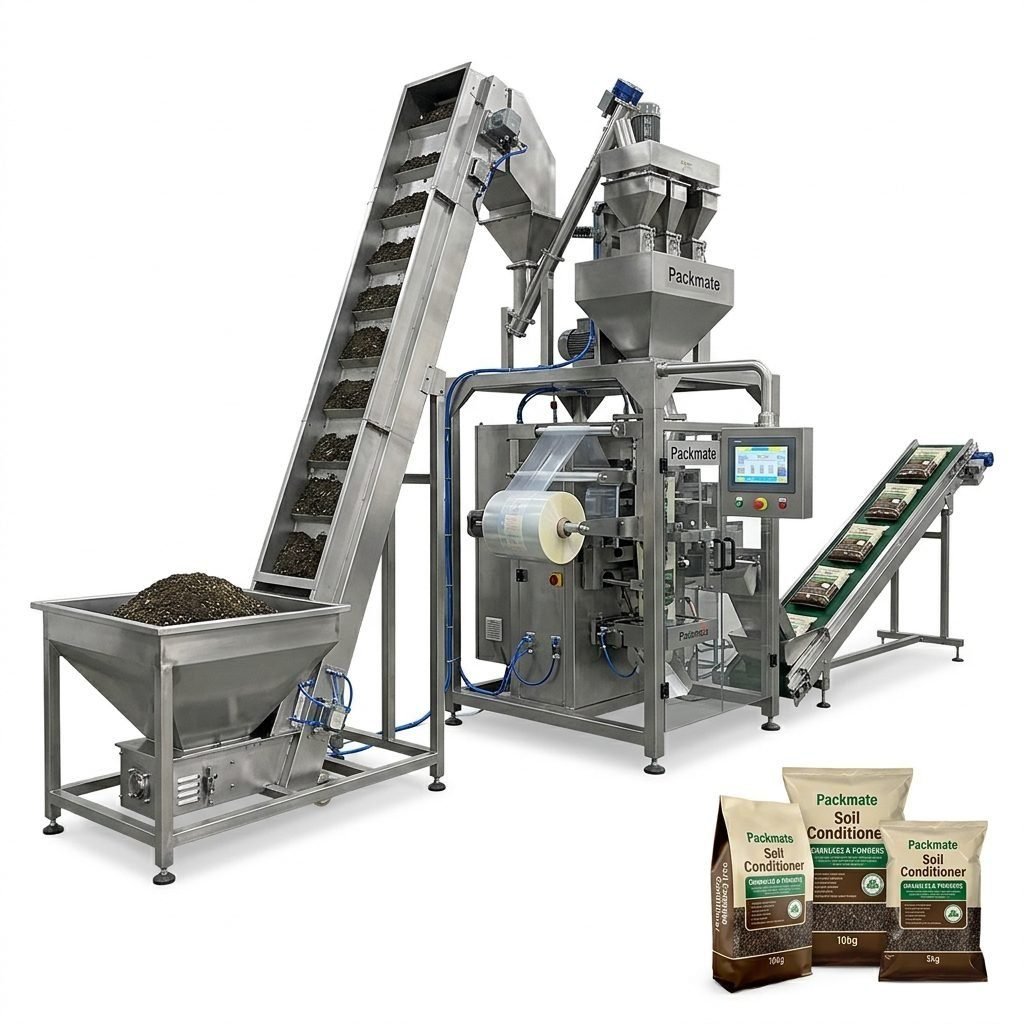
3. Pouch & Bag Packaging Machines
For larger quantities, such as monthly supplies or bulk powders, pouch and bag packaging systems are the standard. This category includes vertical form-fill-seal (VFFS) and horizontal form-fill-seal (HFFS) machines. They can create stand-up pouches, flat pouches, or gusseted bags, often incorporating advanced features like zip locks or spouts for consumer convenience. You can explore various bag & pouch packaging machines designed for different capacities and functionalities.
4. Blister Packaging Machines
Primarily used for tablets and capsules, blister machines form cavities in a plastic film, place the product inside, and seal it with a foil or film lidding. This format provides excellent product visibility, protection from physical damage, and supports compliance packaging (e.g., day-of-the-week dosing). It is a cornerstone of pharmaceutical and high-end supplement packaging.
5. Bottle Filling & Capping Lines
This is a complete system for handling plastic or glass bottles. The line typically integrates several machines: an unscrambler, a filler for tablets/capsules/powders, a cottoning or desiccant insertion station, a capper, and a labeler. These automated lines are the backbone of high-speed production for bottled multivitamins and mineral supplements.
Key Benefits of Investing in Automated Packaging
Transitioning from manual or semi-automatic processes to a dedicated automated vitamin packaging machine delivers transformative advantages.
Enhanced Product Protection & Shelf Life
Precision sealing with controlled atmospheres (like nitrogen flushing) is crucial. Automated machines consistently create hermetic seals, drastically reducing the risk of oxidation and moisture ingress. This preserves the potency of sensitive ingredients like vitamins A, C, and E, directly extending the product’s shelf life and maintaining its efficacy until consumption.
Dramatic Increase in Production Efficiency
Automation eliminates bottlenecks. A high-speed machine can package hundreds, even thousands, of units per minute—a rate impossible to achieve manually. This scalability allows you to meet fluctuating market demands, fulfill large orders promptly, and reduce lead times, giving you a significant competitive edge.
Superior Accuracy in Dosing and Counting is another non-negotiable benefit. Weight-based fillers for powders or precise counters for tablets ensure every package contains the exact amount declared on the label. This minimizes product giveaway, ensures regulatory compliance, and builds unwavering consumer trust in your brand’s consistency.
Furthermore, automated systems contribute to a reduction in operational costs over time. While the initial investment is notable, the long-term savings from reduced labor requirements, minimized material waste (through precise film/web control), and lower rates of product rejection due to packaging errors result in a compelling return on investment (ROI).
How to Choose the Right Vitamin Packaging Machine: A Step-by-Step Guide
Navigating the selection process requires a methodical approach. Consider these critical factors to find a machine that seamlessly integrates into your workflow.
Step 1: Analyze Your Product Characteristics
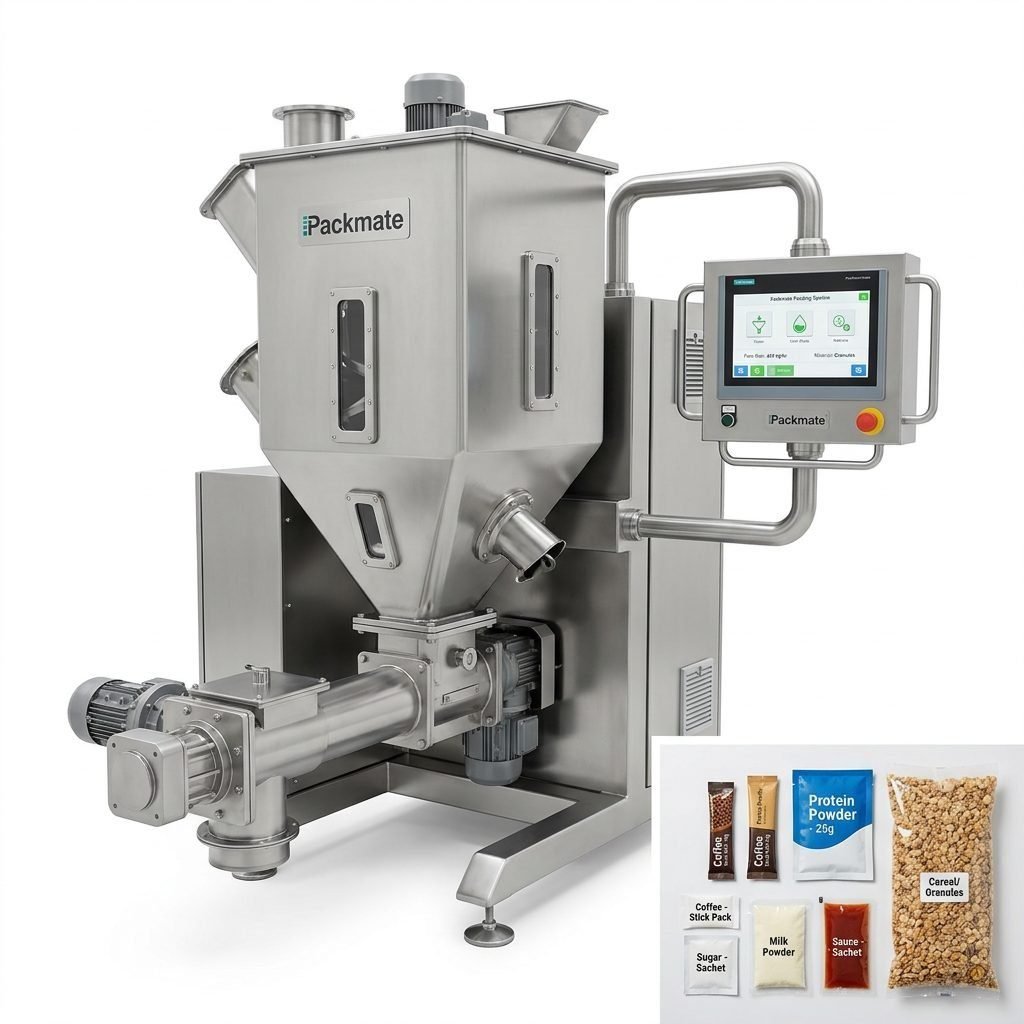
The physical form of your vitamin is the primary deciding factor. Is it a hygroscopic powder, a free-flowing granule, a tablet, or a liquid formulation? Each form demands specific handling mechanisms—auger fillers for powders, volumetric cups for granules, counters for tablets, and pump fillers for liquids. The machine must be compatible with your product’s flowability, abrasiveness, and sensitivity.
Step 2: Define Your Output Requirements
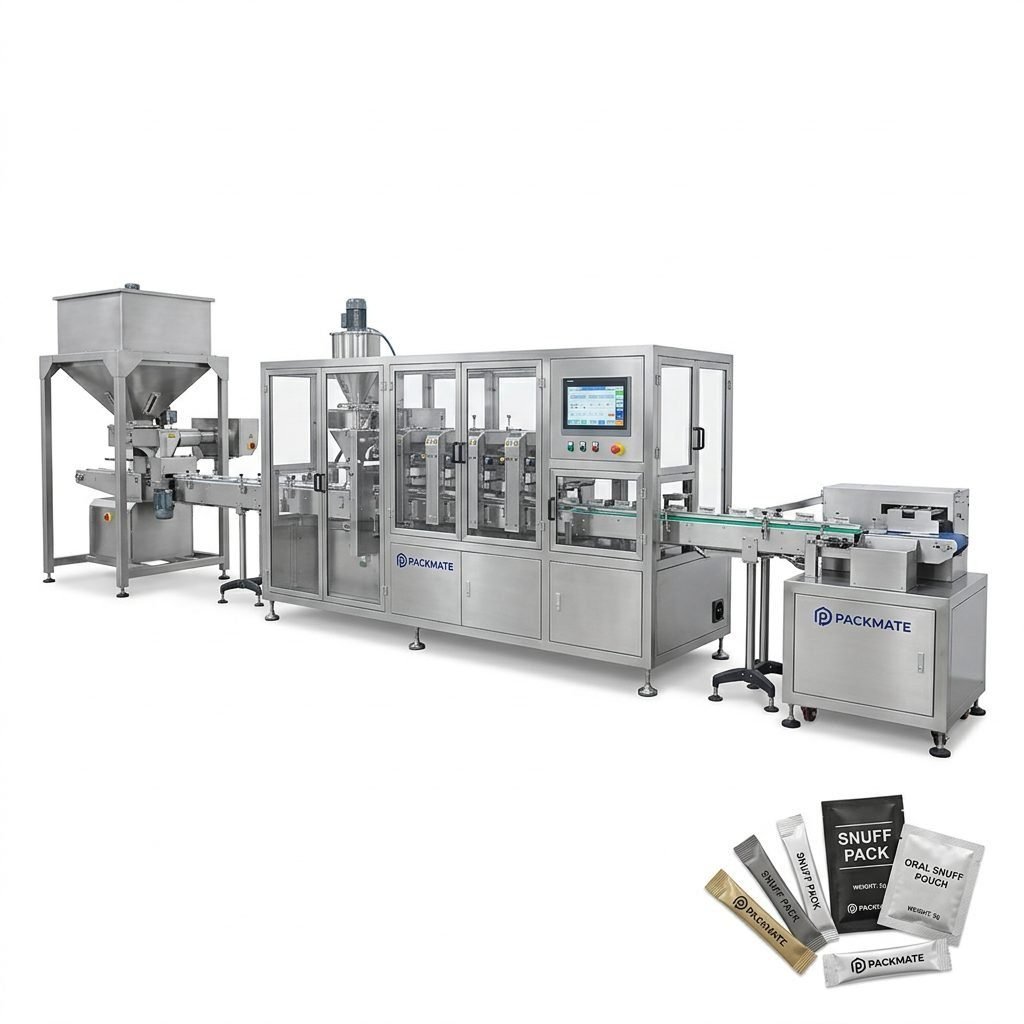
Be realistic about your current and future production volumes. Calculate your required output in packs per minute/hour. A startup or niche brand might prioritize a flexible, lower-speed machine, while an established manufacturer supplying major retailers will need a high-speed, multi-lane system. Consider complete filling & packaging lines for end-to-end automation if your scale justifies it.
Step 3: Select the Packaging Material & Format
The machine must be capable of running your chosen packaging material, whether it’s a mono-film, laminate, or foil-based structure. Also, finalize the package format: stick pack, sachet, stand-up pouch, or blister. The machine’s forming and sealing systems are designed for specific materials and shapes. Ensure the supplier can provide guidance on material specifications for optimal machine performance.
Step 4: Evaluate Machine Features and Technology
Look for features that enhance reliability and ease of use. Key aspects include:
• Control System: A user-friendly PLC-based touchscreen interface for easy operation and recipe changeovers.
• Changeover Time: Quick-adjust mechanisms for different package sizes reduce downtime.
• Hygiene Design: Stainless steel contact parts, easy-clean surfaces, and IP-rated protection are vital for GMP compliance.
• Safety Features: Comprehensive guarding, emergency stops, and safety interlocks.
Step 5: Assess Supplier Credibility and Support
The machine is only as good as the company behind it. Choose a manufacturer with a proven track record in the pharmaceutical and nutraceutical sectors. Review their industry certifications (like CE, ISO). Crucially, evaluate their after-sales service: availability of spare parts, technical support responsiveness, and training provisions. A partner like Packmate Machinery, with decades of expertise, can offer invaluable guidance from selection through to installation and maintenance.
Final Considerations: Compliance and Future-Proofing
Ensure the equipment meets all relevant regional safety and manufacturing standards for your target markets. Furthermore, consider the machine’s flexibility. Can it handle a range of similar products? Investing in a slightly more versatile machine can accommodate future product line expansions without requiring a completely new capital purchase, protecting your investment in the long run.
Frequently Asked Questions (FAQs)
Q1: What is the typical lead time for a new vitamin packaging machine?
A: Lead times vary based on machine complexity and customization. For standard models from stock, it could be 4-8 weeks. For fully customized or high-speed lines, engineering and manufacturing may take 3-6 months. Always confirm timelines with your supplier during the quotation process.
Q2: Can one machine handle both powder and tablet vitamins?
A: Generally, no. The feeding and filling mechanisms are fundamentally different. However, some suppliers offer modular designs where you can swap out the filling head (e.g., from an auger filler to a tablet counter), but this requires a machine built specifically for such flexibility and involves changeover time.
Q3: How important is nitrogen flushing for vitamin packaging?
A: It is critically important for oxygen-sensitive vitamins like A, C, and E, as well as for oils (e.g., Vitamin E oil, fish oil). Nitrogen flushing displaces oxygen inside the package, drastically slowing oxidation and rancidity, which is essential for extending shelf life and maintaining product quality.
Q4: What kind of maintenance do these machines require?
A: Regular preventive maintenance is key. Daily cleaning, weekly lubrication of moving parts (as per manual), and periodic inspection of seals, sensors, and cutting blades are essential. Most reputable suppliers provide a maintenance schedule and training. Having a stock of common wear-and-tear spare parts is also recommended to minimize unplanned downtime.
Q5: Where can I see these machines in operation before purchasing?
A> Reputable manufacturers often have demonstration facilities. You can also request to see machines running at trade shows or, in some cases, arrange to visit a reference site (with permission). Reviewing detailed case studies and videos from the supplier’s website, such as their project portfolio, can also provide valuable insights into machine performance and applications.