The triangle tea bag has become an iconic symbol of convenience and quality in the global beverage industry. Its unique three-dimensional shape allows for better tea leaf expansion and infusion, delivering a superior cup of tea. Behind this popular product lies a sophisticated and evolving market for specialized packaging machinery. This article delves into the current trends shaping the triangle tea bag packaging machinery market and provides a comprehensive guide for businesses looking to invest in this critical equipment.
Market Dynamics and Key Drivers
The demand for triangle tea bag packaging machinery is primarily fueled by the growing consumer preference for premium, convenient, and visually appealing tea products. The health and wellness trend has significantly boosted tea consumption worldwide, with consumers seeking diverse flavors, organic options, and functional blends. This shift requires packaging solutions that not only preserve product integrity but also enhance shelf appeal.
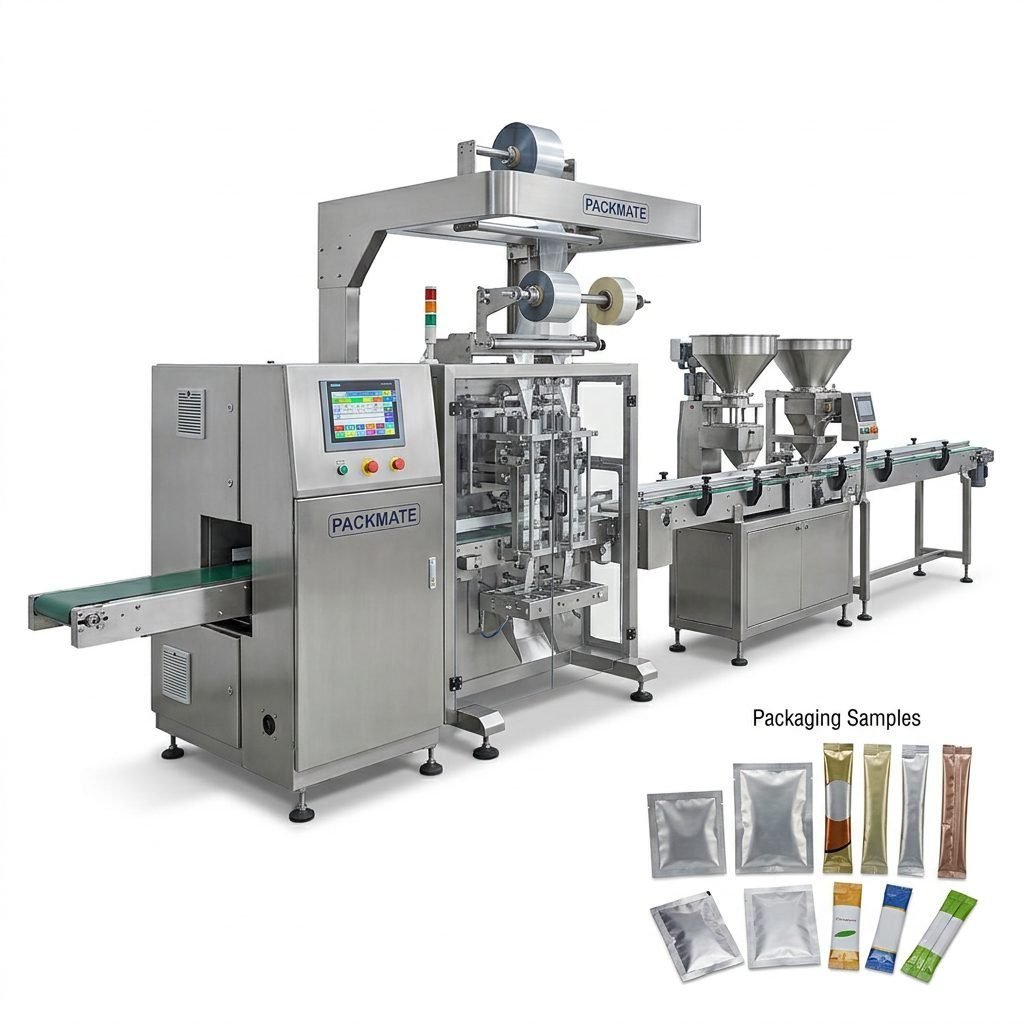
A key driver is the automation and integration of production lines. Manufacturers are increasingly seeking complete, turnkey solutions that can handle everything from feeding and forming the triangular pouch to filling, sealing, tagging, and cartoning. This end-to-end automation maximizes efficiency, minimizes labor costs, and ensures consistent, hygienic output.
Furthermore, the rise of e-commerce and direct-to-consumer brands has created a need for machinery that offers greater flexibility. Brands require equipment capable of quick changeovers to produce smaller, customized batches with varying tea blends, tag designs, and string attachments to create unique, branded experiences for their customers.
Technological Trends Shaping the Industry
Modern triangle tea bag packers are marvels of engineering, incorporating several advanced technologies:
Servo-Driven Systems: Replacing traditional mechanical drives, servo motors offer unparalleled precision in pouch forming, filling, and sealing. This results in higher accuracy in dose control, reduced material waste (such as filter paper and thread), and the ability to run at variable speeds for different products.
Intelligent Control Panels: User-friendly, PLC-based touchscreen interfaces allow for easy recipe storage, quick parameter adjustments, and real-time monitoring of production data like speed, output, and error rates. This facilitates proactive maintenance and data-driven decision-making.
Enhanced Hygiene and Safety Designs: Machinery is now constructed with food-grade stainless steel, features easy-clean surfaces, and often includes enclosed areas for critical processes to prevent contamination. Safety light curtains and interlocks are standard to protect operators.
Sustainability is no longer a niche concern but a core purchasing factor. Machinery that supports the use of biodegradable or compostable filter papers, plastic-free threads, and minimizes overall material usage is in high demand. Suppliers who can provide expertise in sustainable material handling have a distinct competitive edge.
Essential Buying Guide for Triangle Tea Bag Machines
Selecting the right packaging machinery is a significant investment. Here are the critical factors to consider to ensure you choose equipment that meets your current and future needs.
1. Define Your Production Requirements
Start with a clear analysis of your needs:
• Output Speed: Determine your required bags-per-minute (BPM) capacity. Speeds can range from 60 BPM for artisanal setups to over 300 BPM for large-scale industrial production.
• Bag Size and Style: Specify the dimensions of your triangle pouch. Consider if you need a single-chamber bag or a dual-chamber design for blending two different teas. Decide on the attachment style: a tagged string with or without a staple, or a plain tag.
• Product Type: The machinery must be compatible with your tea format—whether it’s whole leaf, broken leaf, fannings, or herbal blends containing larger pieces. This affects the feeding and filling system design.
2. Evaluate Machine Capabilities and Flexibility
Look beyond basic specifications. Assess the machine’s changeover time and complexity for switching between different bag sizes or tag designs. Modular machines that allow for future upgrades (e.g., adding a cartoning unit) offer better long-term value. Inquire about the precision of the filling system, which is crucial for cost control and product consistency.
3. Prioritize Build Quality and Supplier Support
The robustness of the machine directly impacts uptime and longevity. Inspect the quality of components, the frame construction, and the reputation of the manufacturer. A supplier with a strong track record, like Packmate Machinery, which brings over two decades of engineering expertise, can be a reliable partner. Crucially, evaluate the after-sales support: availability of spare parts, technical training for your team, and responsiveness of service engineers. A comprehensive warranty and accessible service network are indispensable.
4. Consider Total Cost of Ownership (TCO)
The purchase price is just one part of the equation. Calculate the TCO by factoring in:
• Energy Consumption: Servo-driven machines are often more energy-efficient.
• Material Efficiency: High-precision machines reduce filter paper and tea waste.
• Maintenance Costs: Understand the recommended maintenance schedule and the cost of common wear parts.
• Operational Labor: Highly automated lines require fewer operators.
Requesting a live or recorded production test using your own materials (tea and packaging) is highly recommended. This is the best way to verify machine performance, output quality, and efficiency claims before making a final decision.
The Role of Expert Manufacturers
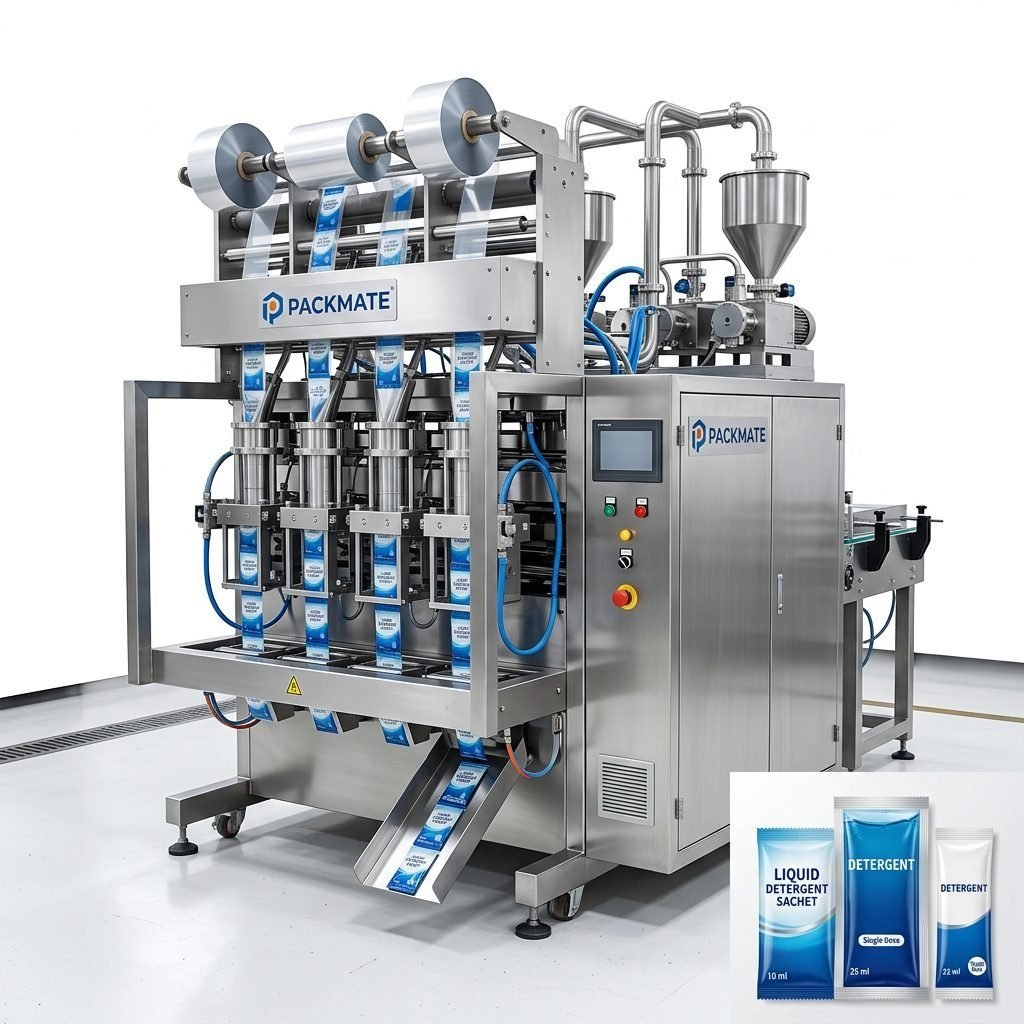
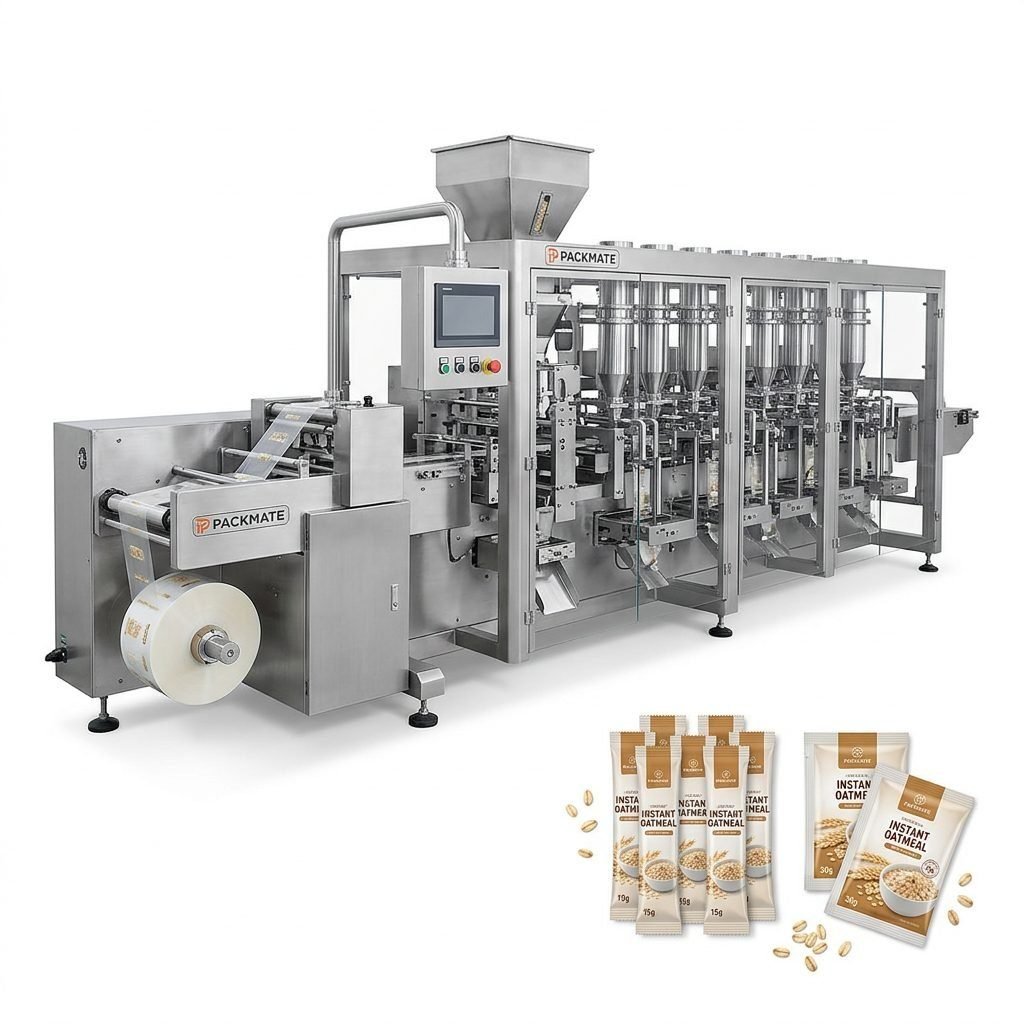
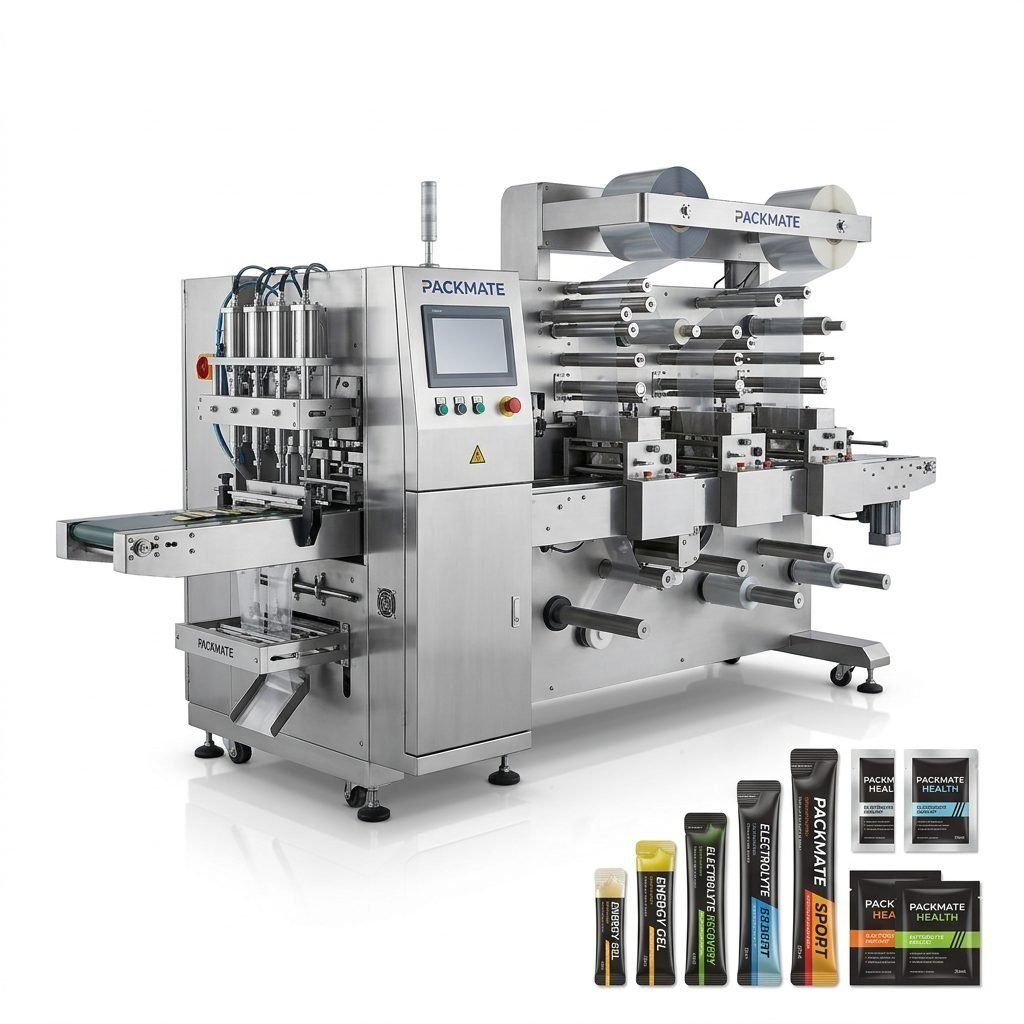
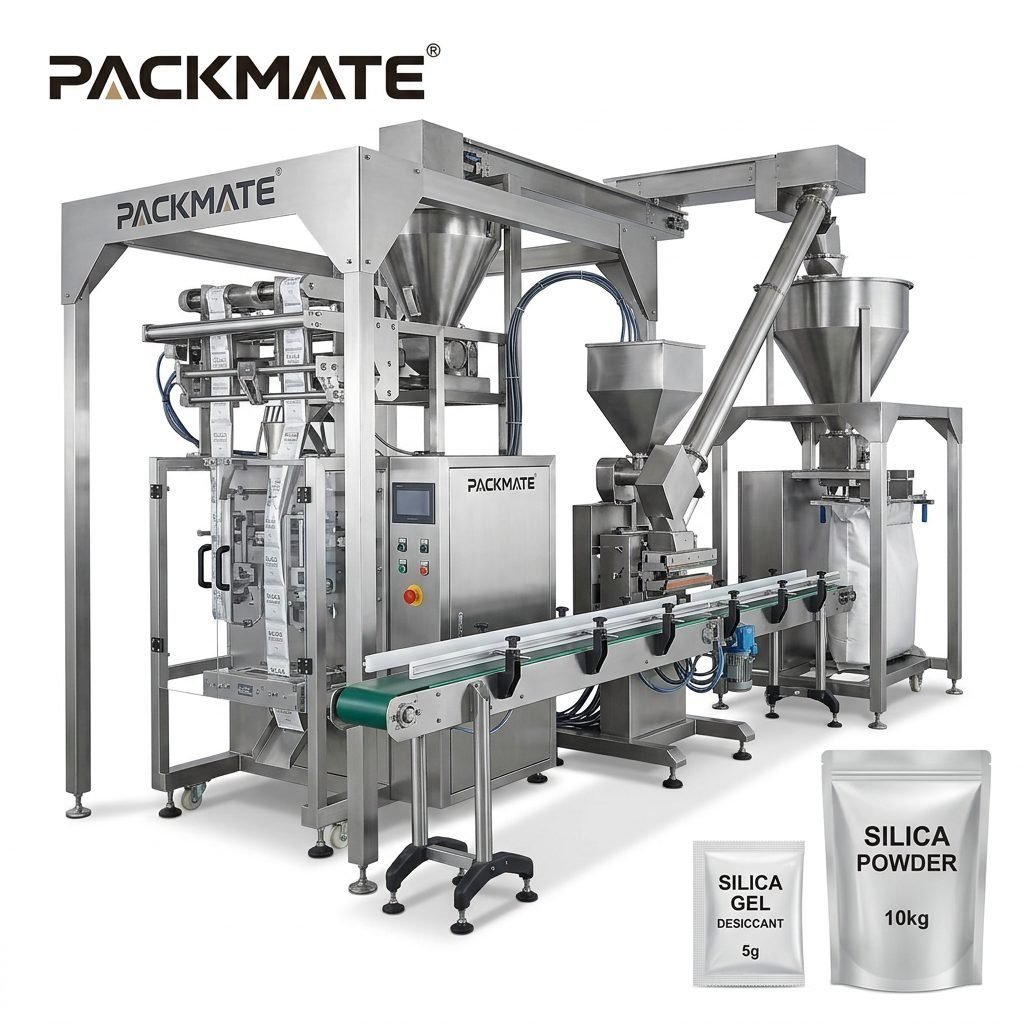
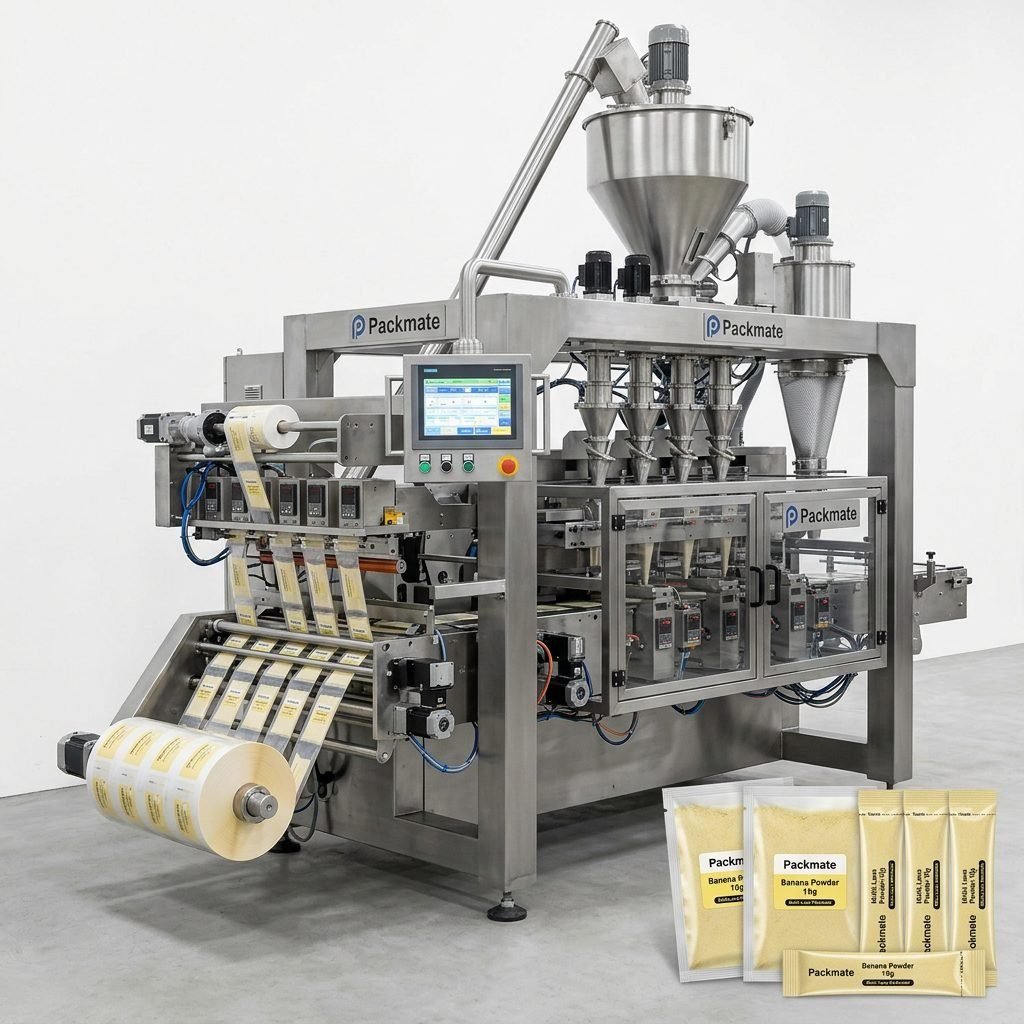
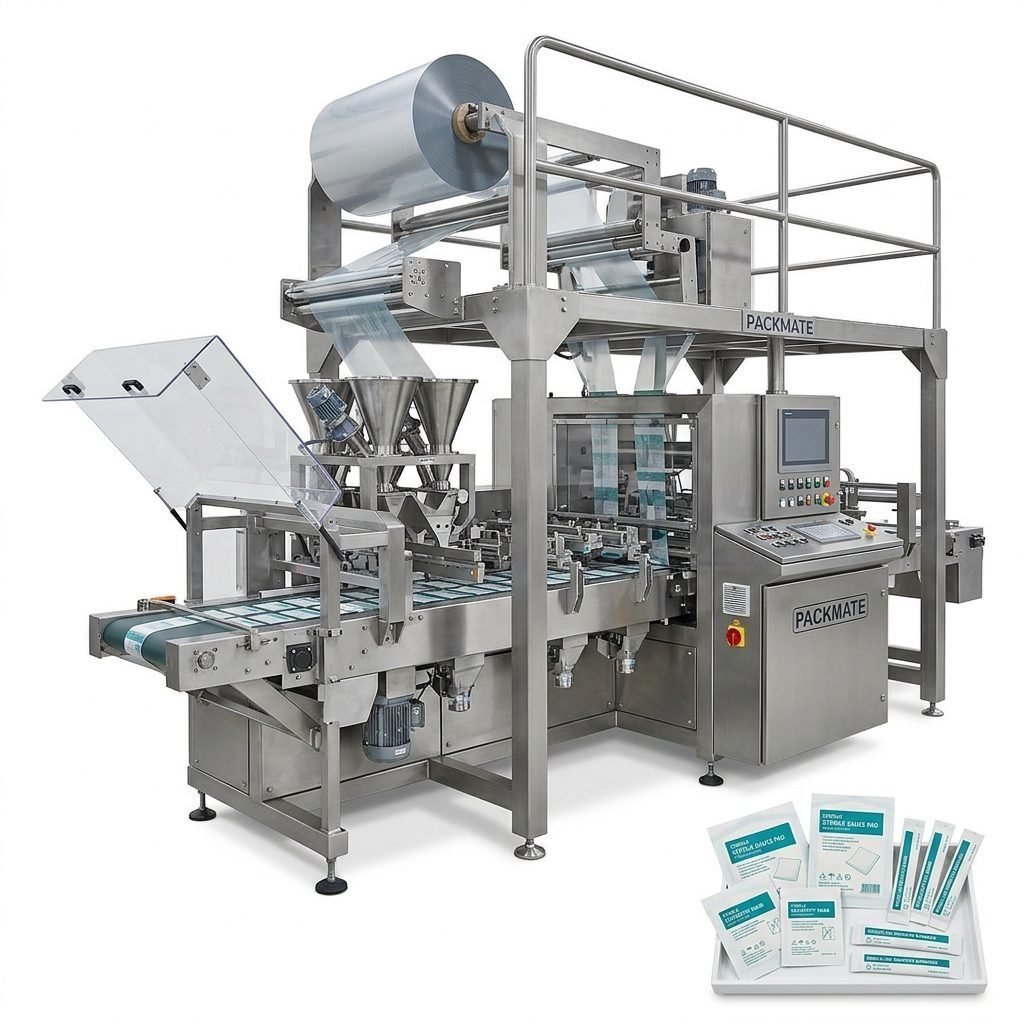
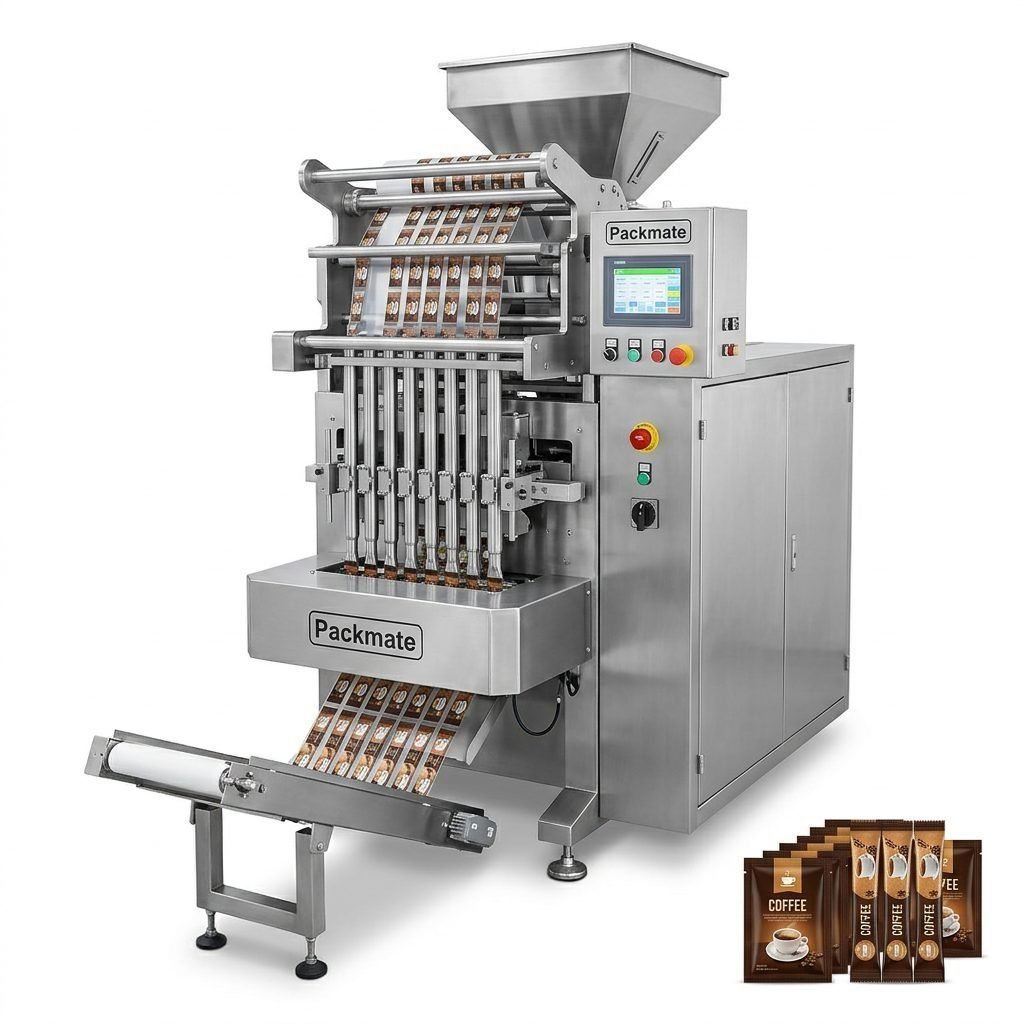
Partnering with an experienced manufacturer is vital. Companies that specialize in packaging solutions, particularly in the sachet and stick pack niche, often have the cross-disciplinary knowledge needed for triangle tea bags. For instance, a manufacturer with a broad portfolio, including advanced sachet and stick pack machines, can leverage that technology for precise, high-speed tea bag packaging. Their experience in handling various powders and granules translates well to the challenges of tea filling.
Look for a partner that offers more than just a machine—they should provide a complete solution. This includes feasibility studies, factory layout planning, installation, commissioning, and operator training. A supplier invested in R&D will also help you stay ahead of trends, such as adapting machinery for new sustainable materials or smart packaging features.
Frequently Asked Questions (FAQs)
Q1: What is the typical production speed range for a commercial triangle tea bag machine?
A: Speeds vary widely based on automation level. Standard machines range from 80 to 150 bags per minute (BPM), while high-speed, fully integrated lines can achieve 200 to 350 BPM or more. Your required speed depends on your production volume.
Q2: Can one machine produce different sizes and styles of triangle bags?
A: Yes, most modern machines are designed for changeover. However, the time and complexity involved differ. Look for machines with quick-change tooling and digital recipe memory to minimize downtime when switching between product formats.
Q3: How important is the choice of filter paper for the machinery?
A: It is critical. The machinery must be calibrated for the specific tensile strength, porosity, and heat-sealing properties of the filter paper you plan to use (e.g., non-woven, biodegradable PLA, paper). Always test your material with the machine during the evaluation phase.
Q4: What are the key maintenance requirements for these machines?
A: Regular daily cleaning is essential. Maintenance typically involves lubricating moving parts, checking and replacing seals on filling systems, inspecting and cleaning heat sealing jaws, and ensuring sensors are clean and aligned. A preventative maintenance schedule from the supplier is crucial.
Q5: Where can I see examples of these machines in operation or learn more about specific models?
A: Reputable manufacturers often showcase their equipment at global trade shows. You can also explore their project case studies online or request detailed product catalogs and specification sheets to compare different models and capabilities.