Efficient warehouse operations are the backbone of any successful supply chain, and at the heart of this efficiency lies the right packaging equipment. Choosing the correct machinery can dramatically impact productivity, cost-effectiveness, and product safety. This comprehensive guide explores the various types of warehouse packaging equipment, their benefits, and provides a clear framework for making the optimal selection for your business needs.
Core Types of Warehouse Packaging Equipment
The landscape of packaging machinery is diverse, each type designed for specific tasks and materials. Understanding these categories is the first step toward optimization.
1. Sealing and Closing Machines
These machines are responsible for securely closing boxes and cartons. Common types include tape sealers, which apply pressure-sensitive tape, and hot melt glue systems, which offer a stronger, tamper-evident bond. For operations dealing with a high volume of uniform box sizes, an automatic case sealer can significantly speed up the process.
2. Stretch Wrapping Equipment
Essential for unitizing pallet loads for storage and transport, stretch wrappers provide stability and protection. Options range from manual turntables to fully automatic, high-speed rotary arm machines. The choice depends on your daily pallet volume and the need for consistency in film tension and overlap.
3. Bagging and Pouch Systems
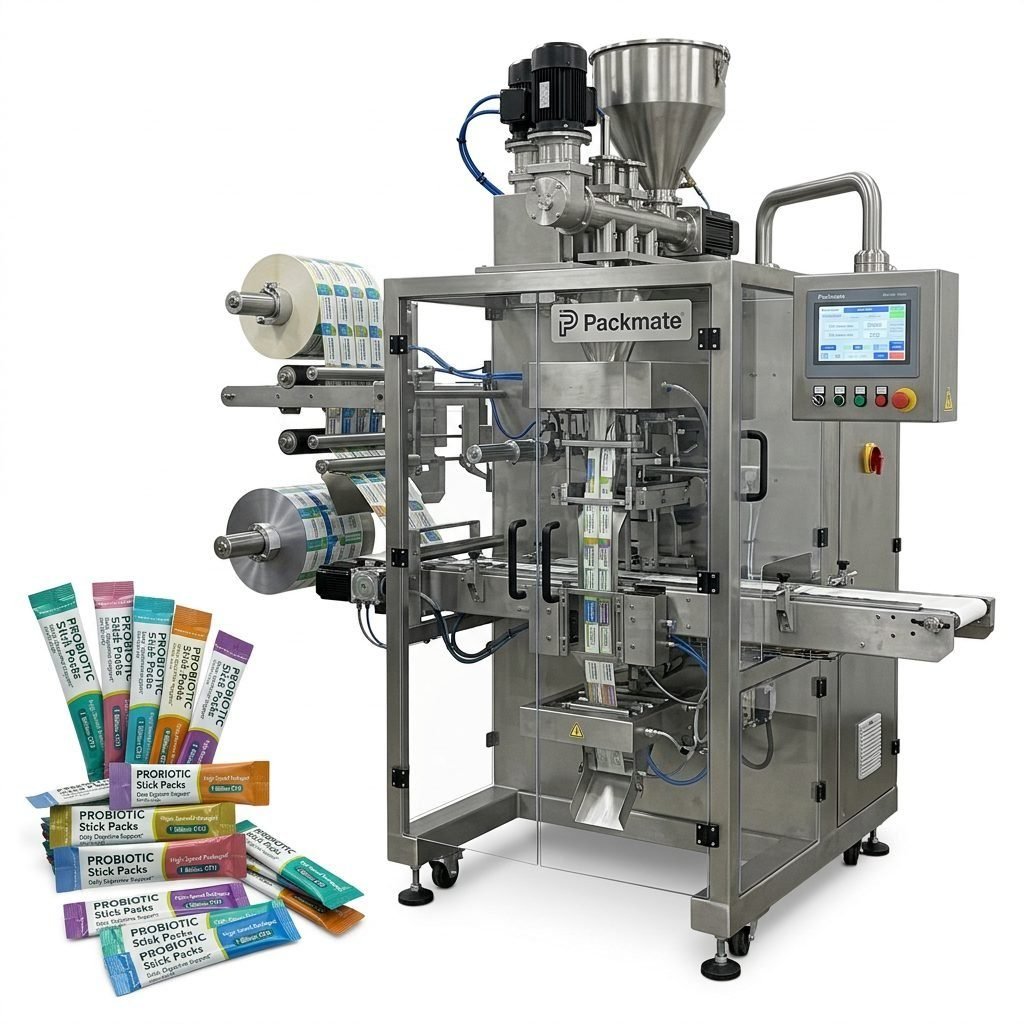
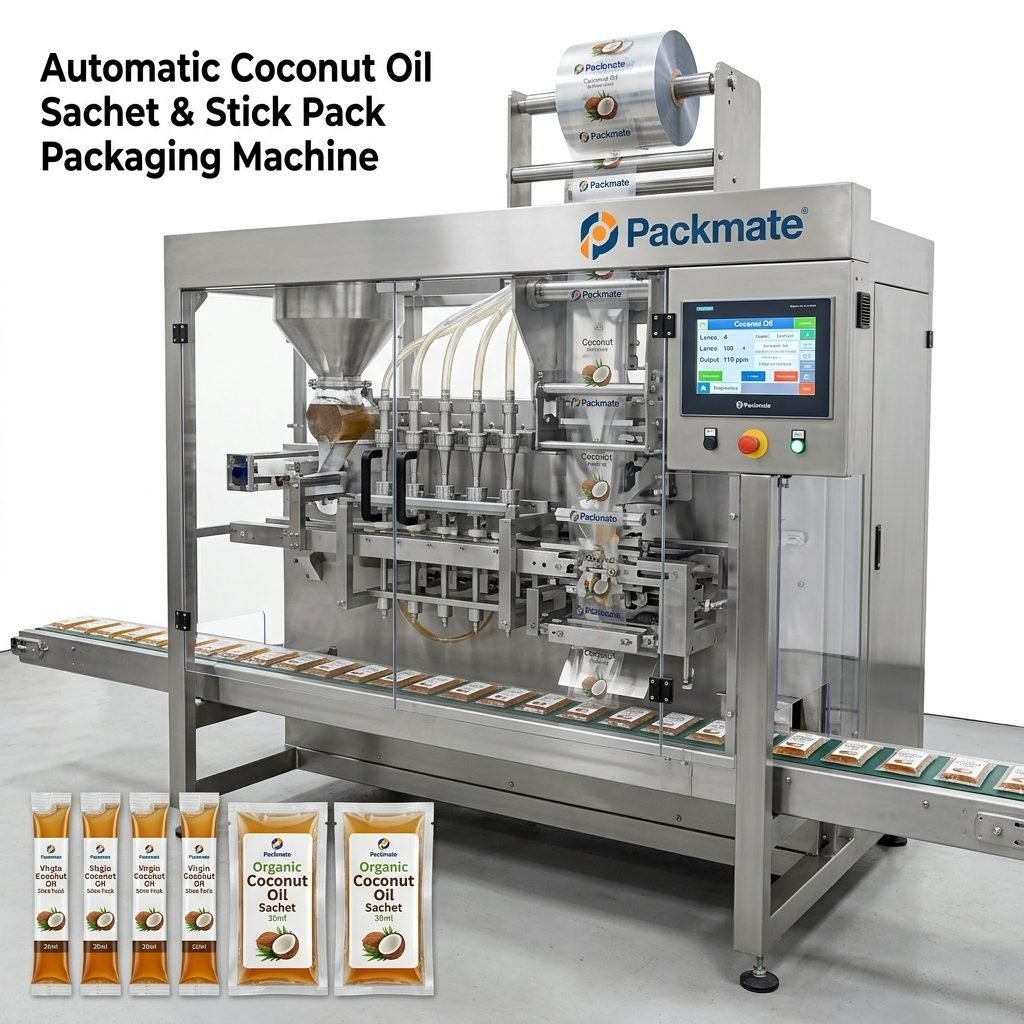
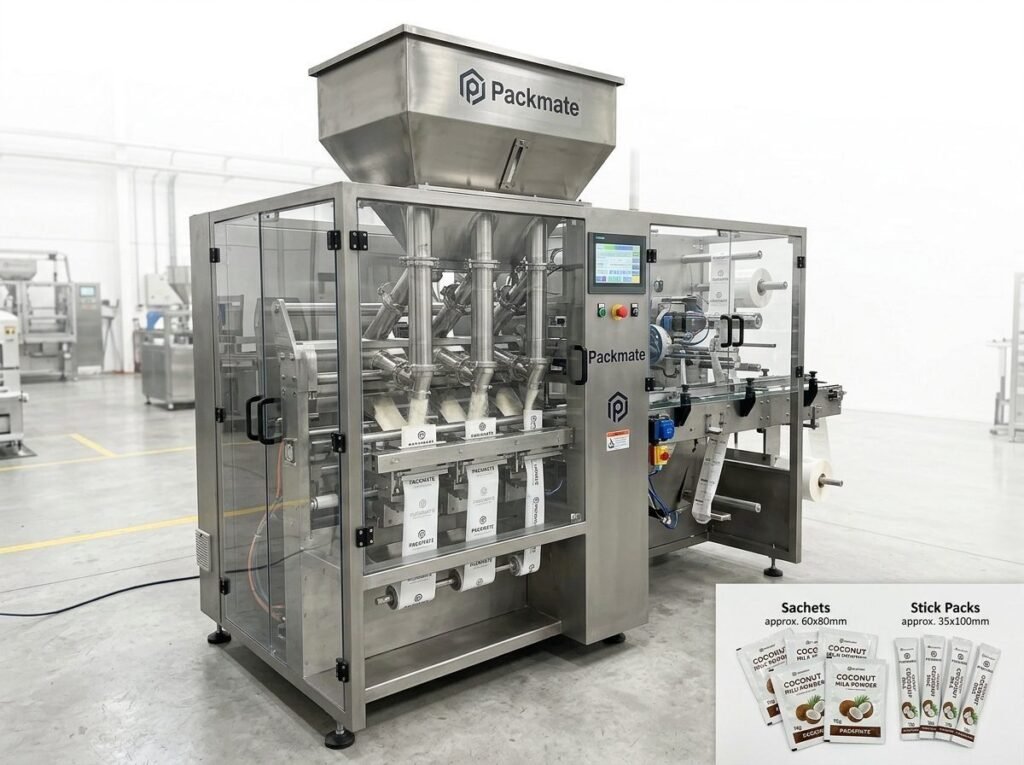
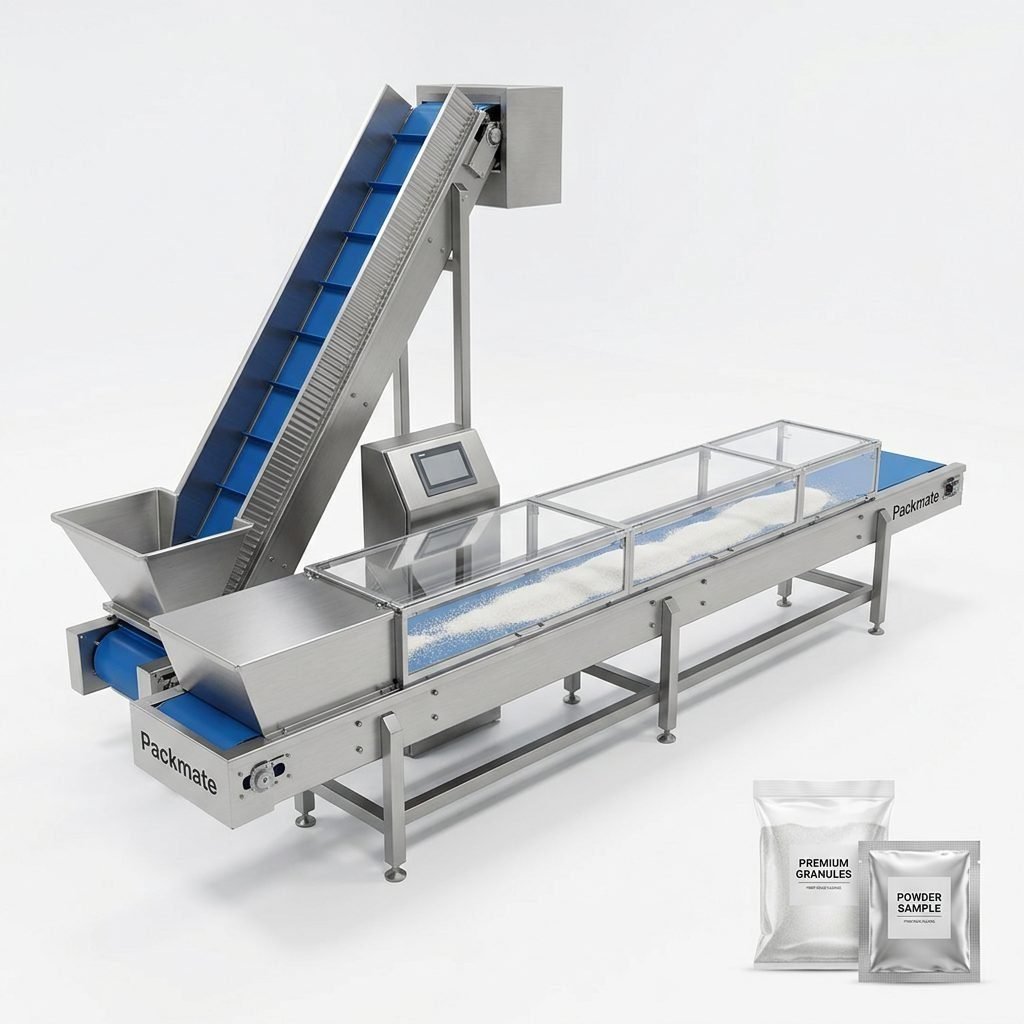
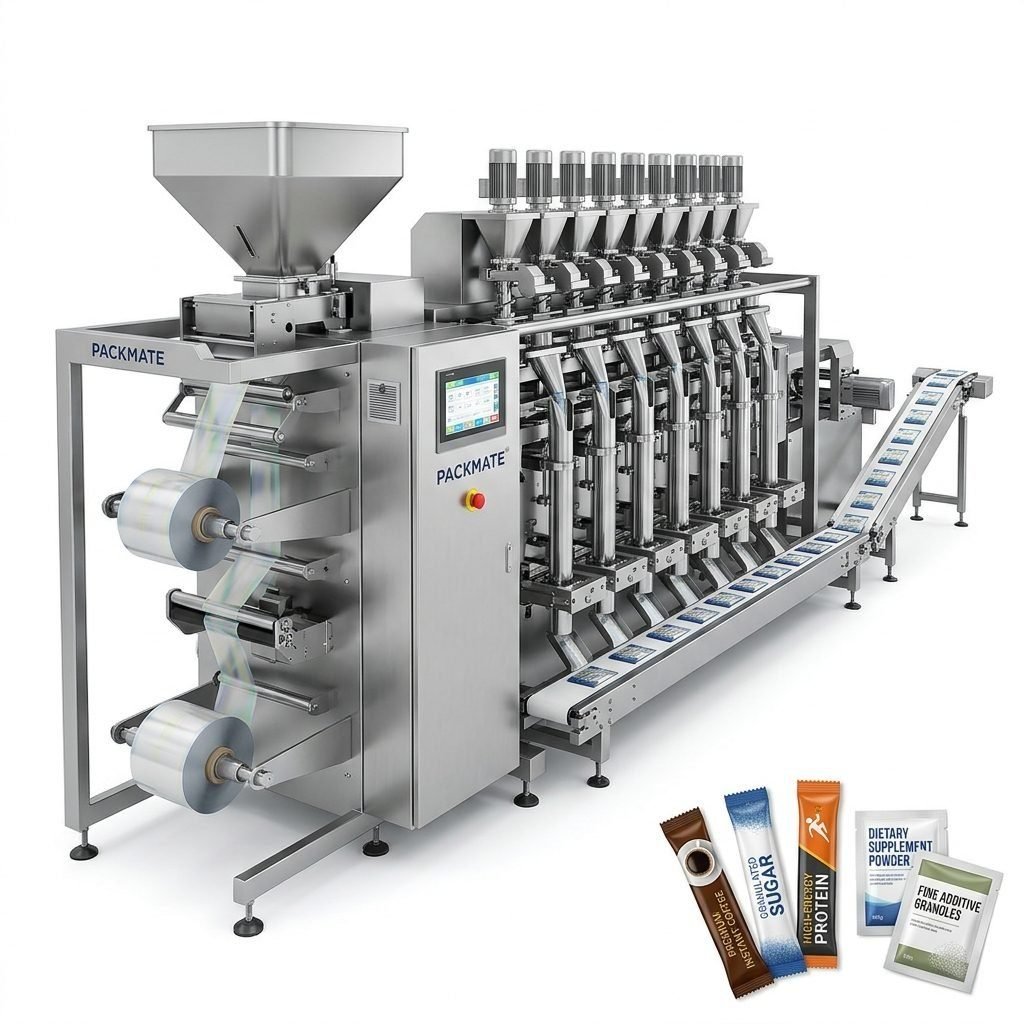
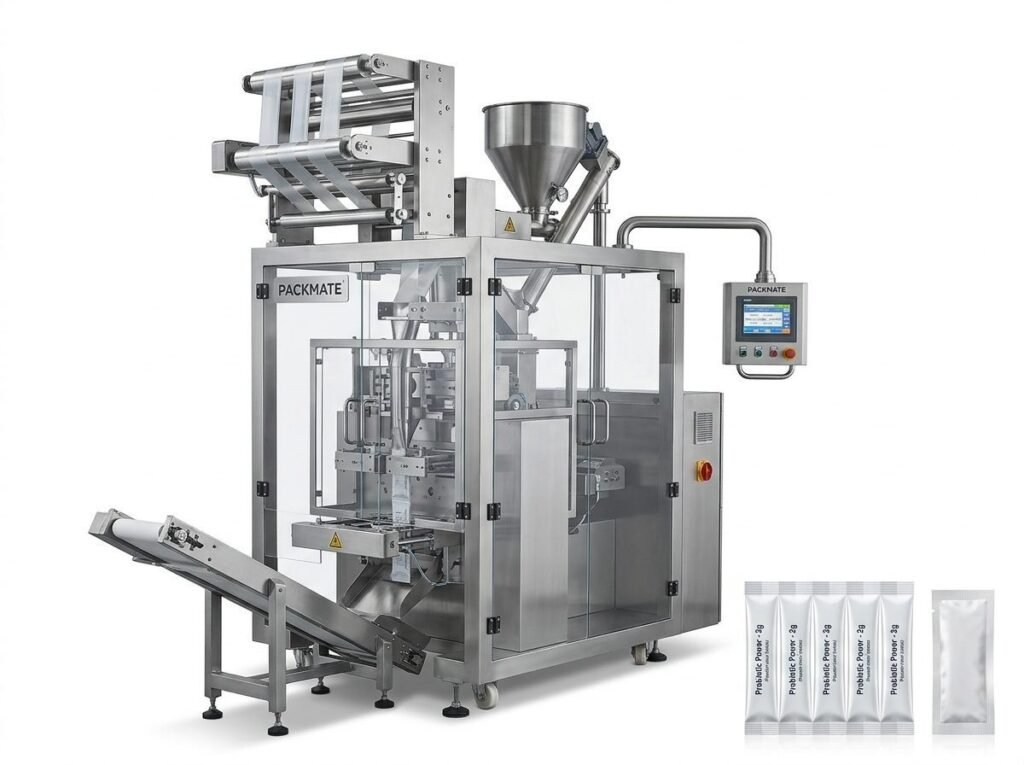
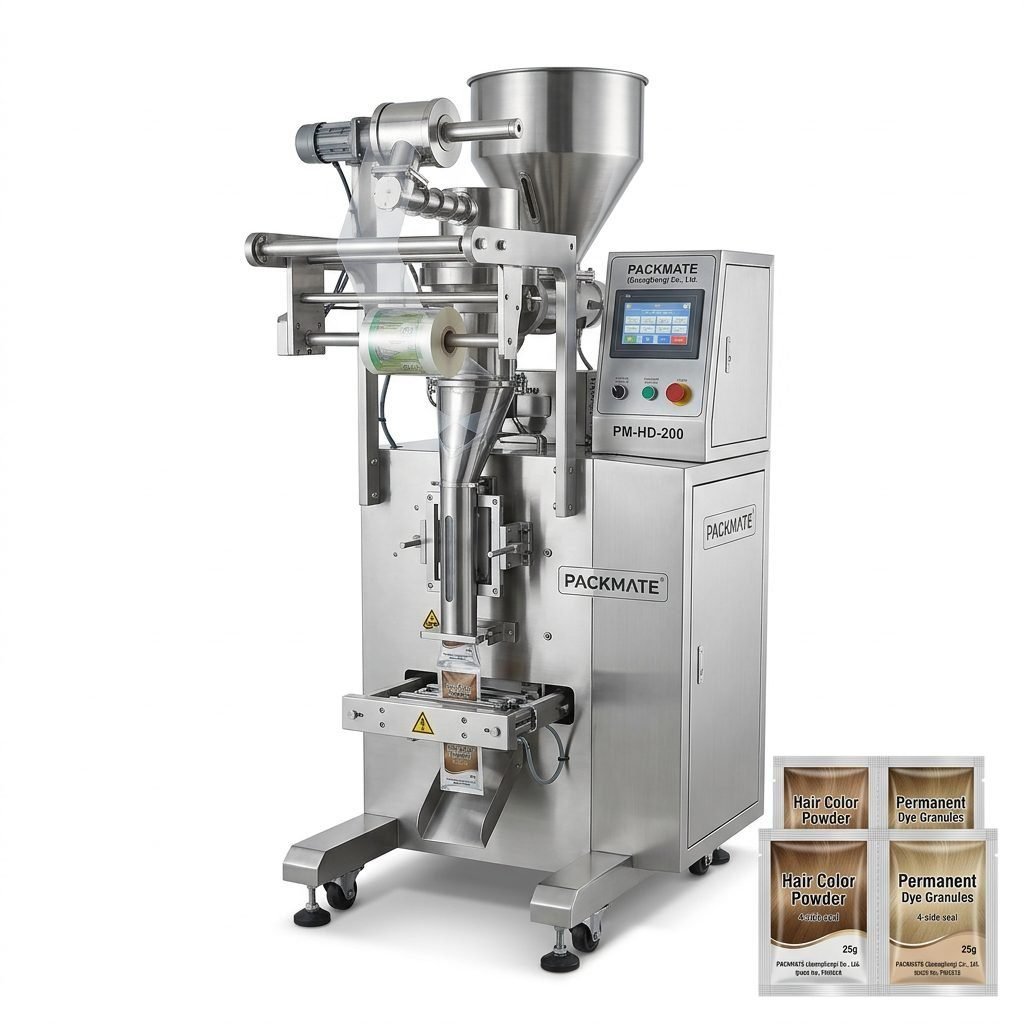
For loose items, powders, or granules, bagging systems are indispensable. This category includes vertical form-fill-seal (VFFS) machines that create bags from a roll of film and fill them in one continuous motion, as well as pre-made bag openers and sealers. For smaller, precise portions like spices or supplements, sachet and stick pack machines offer excellent solutions.
4. Weighing and Filling Machines
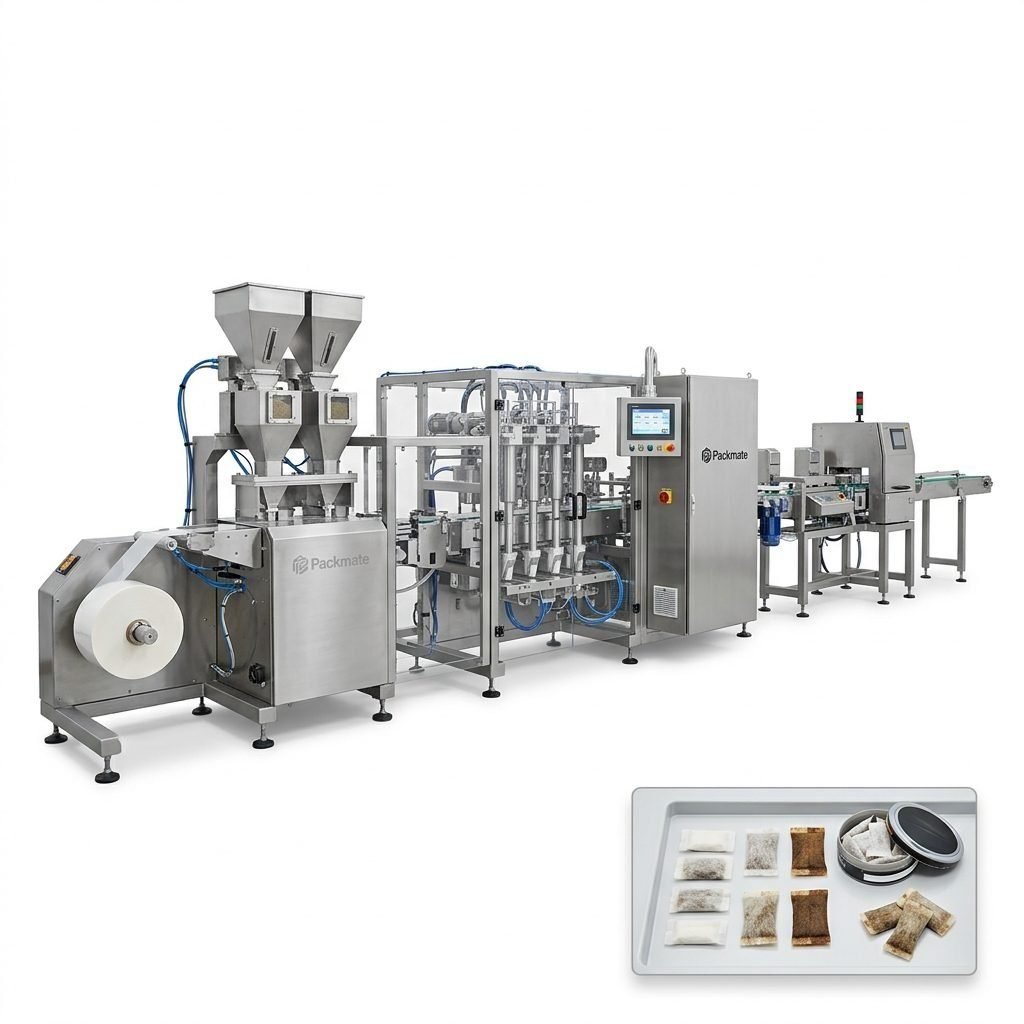
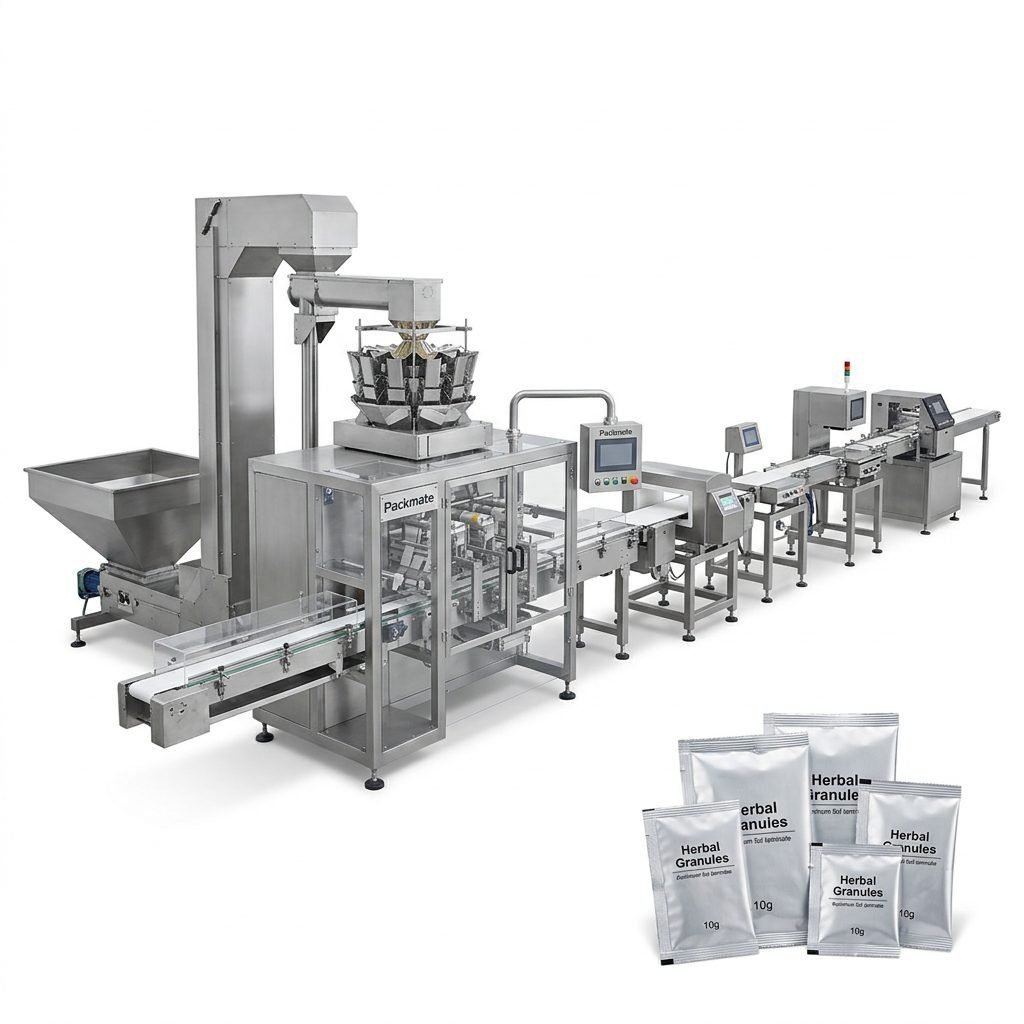
Accuracy is critical in packaging. Multi-head weighers and auger fillers ensure precise measurement of product into containers, minimizing giveaways and ensuring compliance with weight regulations. These are often integrated into complete filling and packaging lines for seamless operation.
5. Labeling and Coding Systems
Applying product information, barcodes, and shipping labels accurately is non-negotiable. Print-and-apply labelers, inkjet coders, and laser marking systems automate this process, reducing errors and ensuring traceability throughout the supply chain.
Key Consideration: Your product’s physical form—whether it’s solid, granular, powder, or liquid—will be the primary driver in selecting between these equipment types. A manufacturer like Packmate Machinery, with over 30 years of expertise, develops specialized solutions for each category, ensuring reliability and efficiency.
Tangible Benefits of Automation
Investing in automated packaging equipment delivers a compelling return on investment across several key operational areas.
Enhanced Productivity and Speed: Machines operate at consistent speeds far exceeding manual labor, dramatically increasing output per shift and allowing you to scale operations to meet demand spikes.
Significant Labor Cost Reduction: Automation reduces reliance on large manual packaging teams, allowing you to reallocate human resources to more skilled, value-added tasks while managing labor costs more predictably.
Improved Consistency and Quality: Machines eliminate human variability. Every seal, wrap, and fill is performed identically, leading to a uniform, professional-looking product presentation and reduced damage rates during shipping.
Material Savings and Sustainability: Automated systems precisely control the amount of packaging material used—be it film, tape, or labels—minimizing waste. This precision not only cuts costs but also aligns with corporate sustainability goals.
Enhanced Worker Safety: Automating repetitive and physically demanding tasks reduces the risk of strain injuries, cuts, and other workplace accidents, creating a safer environment.
A Step-by-Step Guide to Choosing Your Equipment
Selecting the right machinery is a strategic decision. Follow this structured approach to ensure your investment meets both current and future needs.
Step 1: Conduct a Thorough Needs Analysis
Begin by auditing your current process. Document your product types, dimensions, and materials. Calculate your average and peak daily output (e.g., boxes per hour, pallets per day). Identify your primary packaging materials (corrugated, poly bags, stretch film) and any special handling requirements (fragile, hazardous).
Step 2: Evaluate Key Machine Specifications
Match your needs to machine capabilities. Critical specs include:
Speed/Cycle Rate: Can it handle your required output?
Size Flexibility: Does it accommodate your range of box or bag sizes?
Integration Potential: Can it connect with your existing conveyors or ERP system?
Footprint: Does it fit within your available floor space?
Pro Tip: The Total Cost of Ownership (TCO)
Look beyond the initial purchase price. Factor in installation, training, ongoing maintenance, parts availability, and energy consumption. A slightly more expensive machine from a reputable supplier with excellent service support often has a lower TCO than a cheaper, less reliable alternative. Companies with a long history, such as Packmate with its 20,000㎡ modern facility and over 50 machine models, are often better positioned to provide this lifecycle support.
Step 3: Assess Supplier Credibility
The manufacturer is as important as the machine. Research their industry reputation, years in business, and client portfolio. Review their warranty terms, service network, and availability of spare parts. A supplier that offers comprehensive after-sales service and support is invaluable for minimizing downtime.
Step 4: Request a Live Demonstration or Trial
Never buy based on specifications alone. Arrange for a demo using your actual products and packaging materials. This is the best way to verify performance, ease of operation, and output quality.
Step 5: Plan for Implementation and Training
Successful integration requires planning. Ensure the supplier provides thorough operator and maintenance training. Develop standard operating procedures (SOPs) and schedule preventive maintenance from day one to ensure longevity and peak performance.
Conclusion
Selecting the right warehouse packaging equipment is a critical investment that drives operational excellence. By systematically understanding the different equipment types, quantifying their benefits, and following a disciplined selection process focused on your specific needs and total cost of ownership, you can implement a solution that boosts efficiency, cuts costs, and scales with your business growth. Partnering with an experienced and reliable manufacturer provides the technological foundation and support necessary for long-term success in a competitive market.
Frequently Asked Questions (FAQs)
1. What is the most important factor when choosing packaging equipment?
The single most important factor is compatibility with your specific product and packaging materials</strong. A machine must handle your product's form, weight, and dimensions reliably. Always test with your actual materials before purchasing.
2. How do I justify the cost of automated packaging machinery to management?
Build a business case focusing on Return on Investment (ROI). Calculate savings from reduced labor costs, lower material waste, increased output, and decreased product damage. Also highlight intangible benefits like improved safety, consistency, and scalability.
3. Can one machine handle all my different packaging sizes?
It depends on the machine’s design. Many modern machines offer quick-changeover features to accommodate a range of sizes with minimal downtime. However, if your size range is extremely vast, you may need dedicated machines or a highly flexible model, which should be a key point of discussion with your supplier.
4. How much maintenance does automated packaging equipment require?
Regular preventive maintenance is crucial. This typically includes daily cleaning, weekly inspections of wear parts (like seals and blades), and scheduled servicing as per the manufacturer’s manual. A reliable supplier will provide a clear maintenance schedule and ready access to spare parts.
5. What should I look for in a packaging equipment supplier?
Prioritize proven industry experience, a strong service and support network, availability of spare parts, and financial stability. Review their case studies and client testimonials. A supplier that acts as a partner, like those with a documented history of innovation and customer focus, will provide better long-term value than one that merely sells machines.