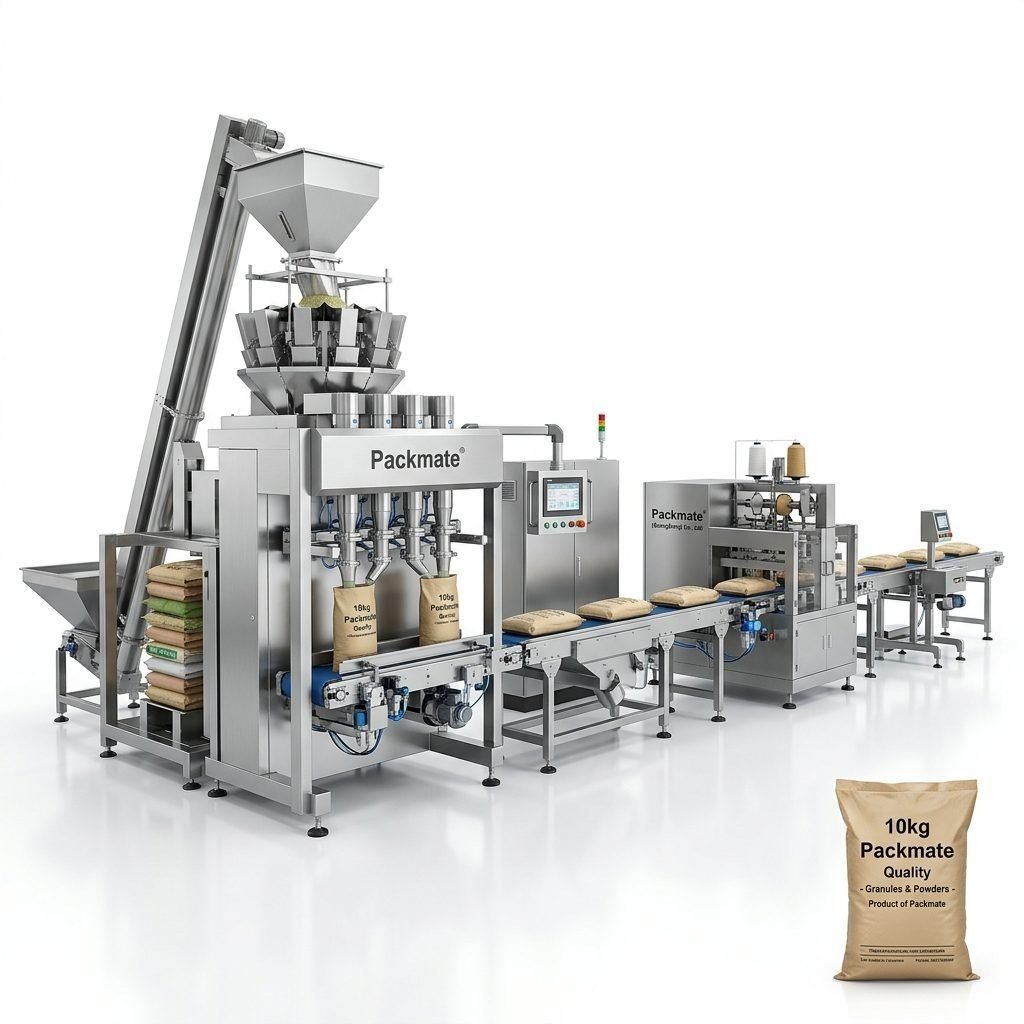
In the fast-paced world of snack production, efficiency and presentation are paramount. The right packaging machine is not just a piece of equipment; it’s a critical investment that impacts your product’s shelf life, market appeal, and overall production cost. This guide delves into the world of snack packaging machines, exploring their various types, outlining their key benefits, and providing a clear framework for making the optimal choice for your business needs.
Primary Types of Snack Packaging Machines
The snack industry is diverse, and so are its packaging solutions. Understanding the core machine types is the first step toward automation.
Vertical Form-Fill-Seal (VFFS) Machines
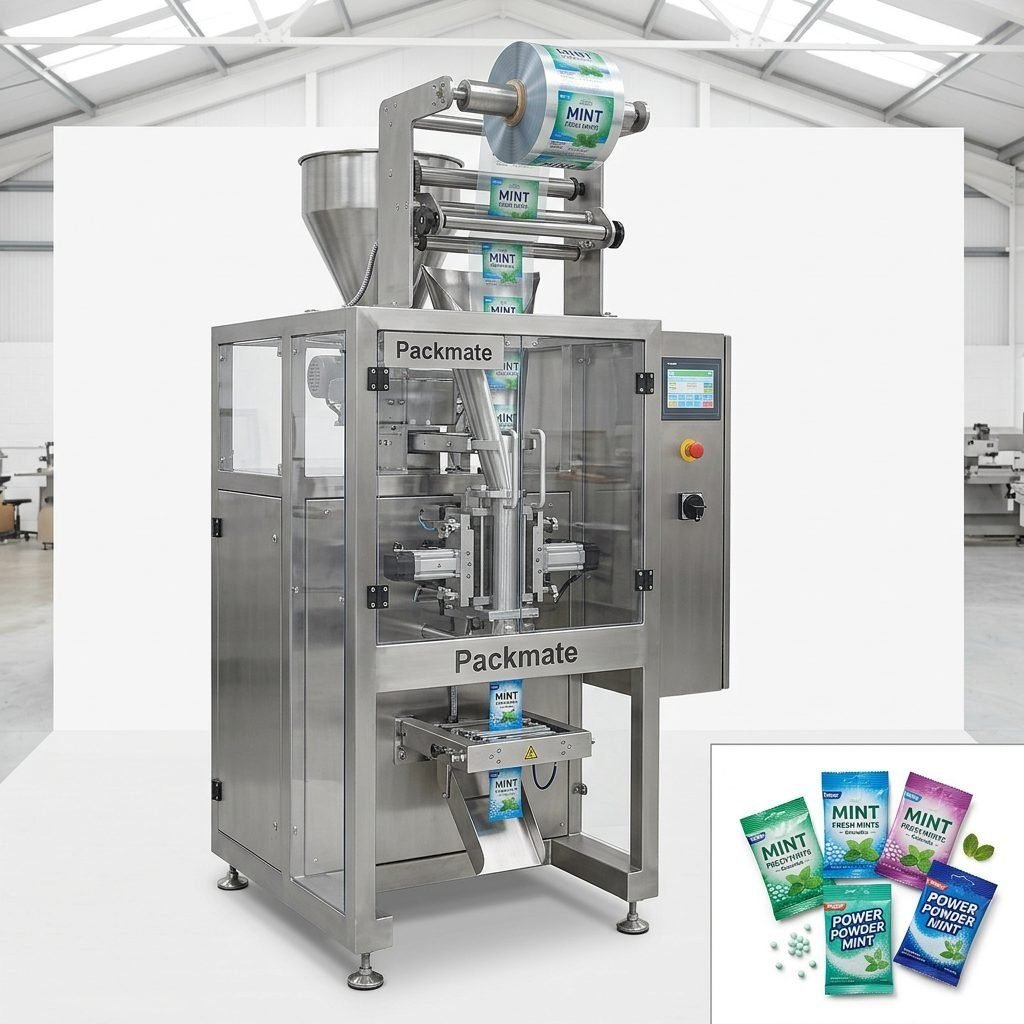
These are the workhorses of the snack packaging industry. VFFS machines form a bag from a roll of film, fill it with product, and seal it—all in a continuous vertical motion. They are incredibly versatile and cost-effective for packaging a wide range of dry snacks like chips, nuts, and candies in pillow bags or gusseted bags.
Horizontal Form-Fill-Seal (HFFS) Machines
Ideal for more delicate or irregularly shaped products that require a tray or base before sealing with a lid film. HFFS machines are commonly used for items like cookies, chocolate assortments, or bakery items where product presentation and protection are crucial.
Flow Wrappers
Also known as fin-seal wrappers, these machines are perfect for individually wrapping snack bars, biscuits, or granola bars. The product is fed into a tube of film, which is then sealed along a longitudinal fin seal and crimp-sealed at both ends, creating a tight, secure, and attractive package.
Sachet & Stick Pack Machines
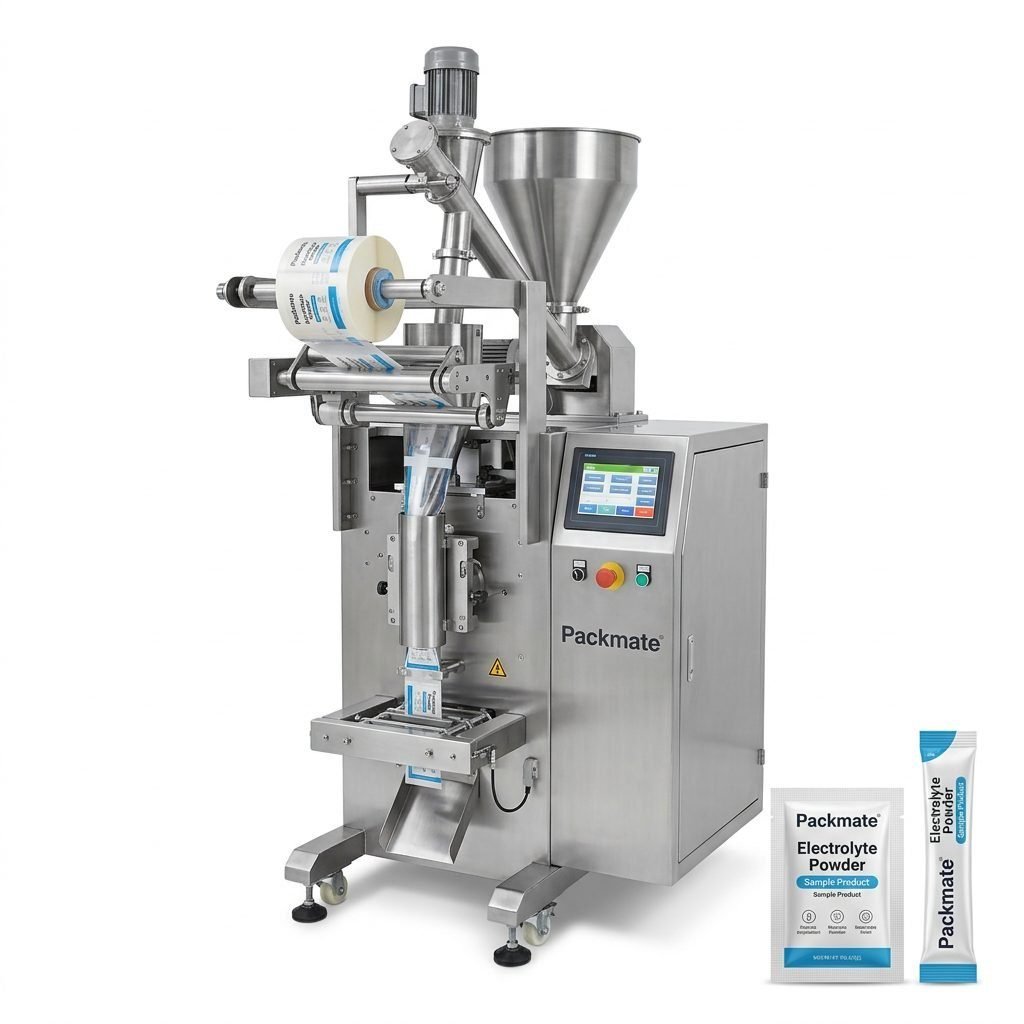
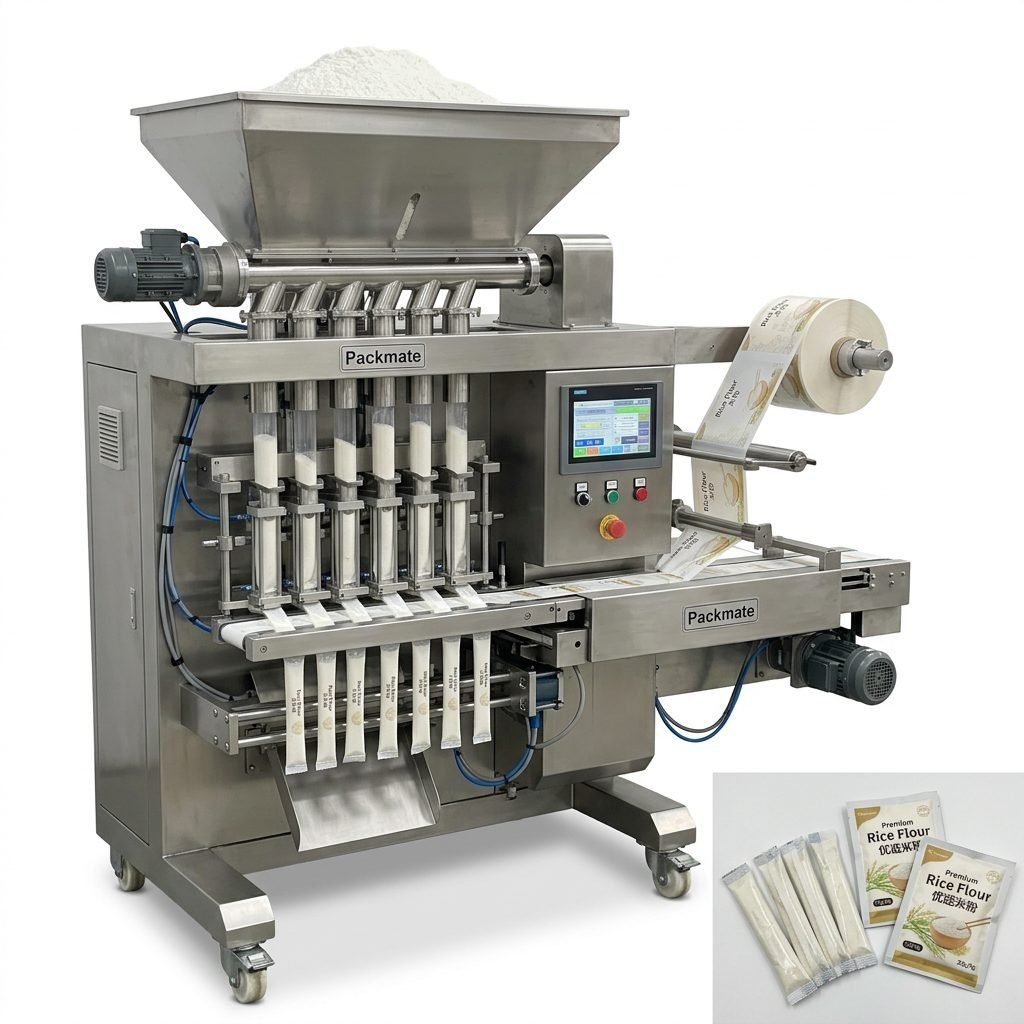
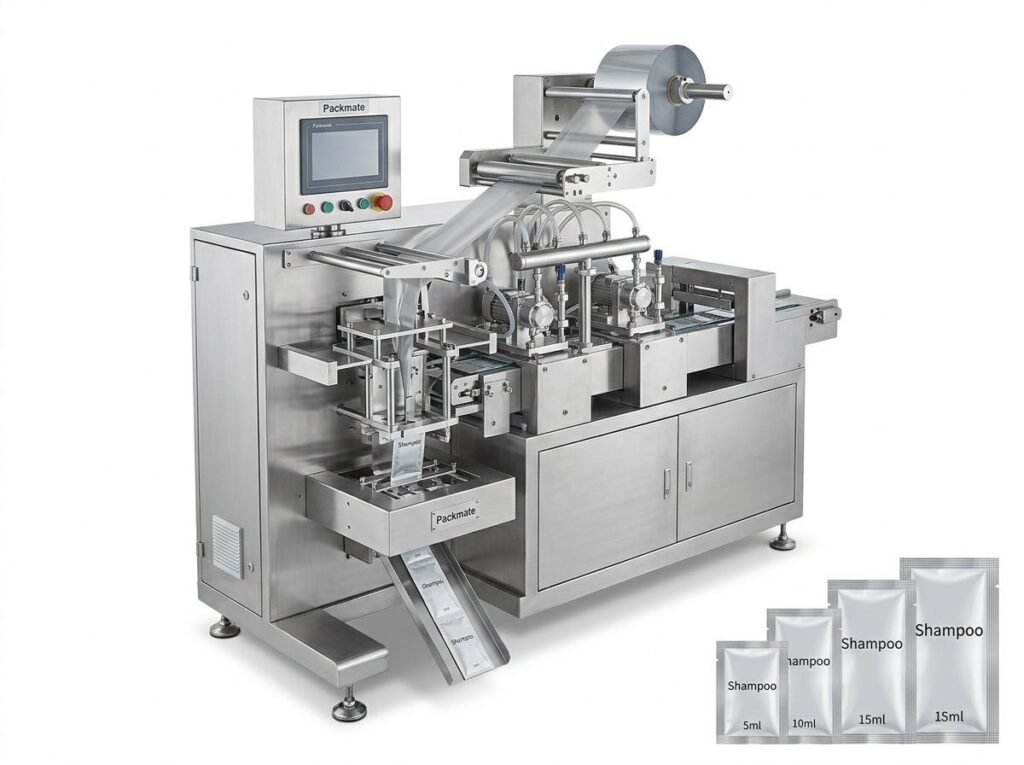
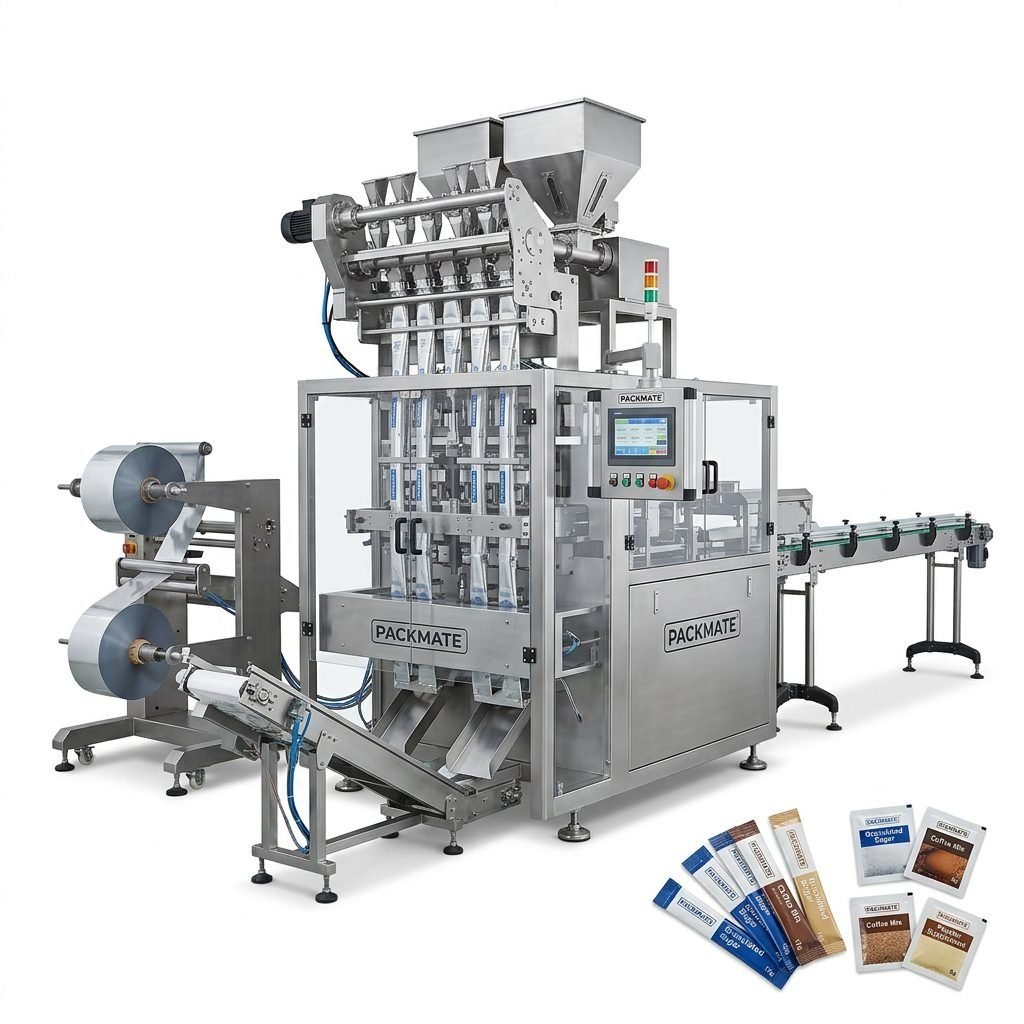
For single-serve portions of powders, liquids, or granules—such as drink mixes, condiments, or powdered snacks—sachet and stick pack machines are the go-to solution. Companies like Packmate Machinery specialize in high-speed, multi-lane versions of these machines, offering exceptional efficiency for high-volume production. You can explore their range of Sachet & Stick Pack Machines for more details.
Key Benefits of Automating Your Snack Packaging
Investing in automated packaging machinery delivers a compelling return on investment through multiple channels.
Enhanced Productivity & Speed
Automated machines operate at consistent, high speeds far beyond manual capabilities. This dramatically increases output, allows you to meet larger orders, and scales your production to match market demand.
Superior Consistency and Quality
Machines eliminate human error in weighing, filling, and sealing. Every package has the exact same amount of product, with uniform seals that ensure freshness, prevent contamination, and present a professional, brand-enhancing appearance on the shelf.
Significant Material and Labor Cost Savings
Precision control over film usage reduces material waste. Furthermore, automation reduces reliance on large manual labor teams for packaging, reallocating human resources to more skilled tasks and lowering long-term operational costs.
Improved Hygiene and Safety
Closed automated systems minimize direct human contact with the product, which is essential for meeting stringent food safety standards (like HACCP, ISO 22000) and reducing the risk of contamination.
How to Choose the Right Snack Packaging Machine: A Step-by-Step Guide
Selecting the ideal machine requires a careful analysis of your specific product and production goals.
1. Analyze Your Product Characteristics
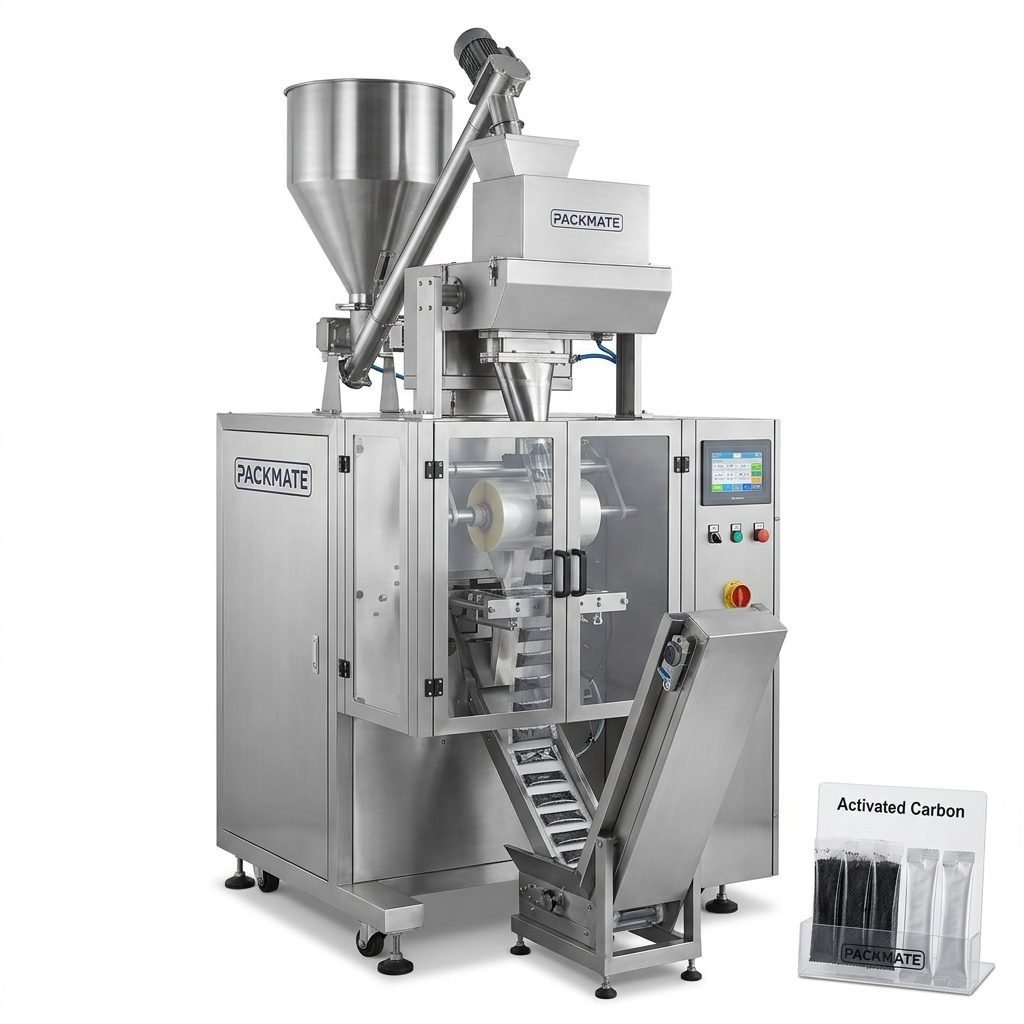
Start with the product itself. Is it dry, oily, powdery, or fragile? What is its shape and size? The product’s physical properties will dictate the type of feeding system (volumetric cup, auger filler, scale) and the film material required for optimal packaging.
2. Define Your Output Requirements
Be clear about your current and projected production volumes. Required speed (packages per minute) is a primary driver of machine selection and cost. A manufacturer with a broad portfolio, such as Packmate Machinery, can offer solutions ranging from semi-automatic to fully integrated high-speed lines.
3. Consider Packaging Materials and Design
The machine must be compatible with your desired packaging film (e.g., laminated films for barrier properties, recyclable materials). Consider if you need features like gas flushing for extended shelf life or zippers for re-closability. The machine’s capabilities should align with your packaging design.
4. Evaluate Machine Features and Build Quality
Look for robust construction (stainless steel contact parts), user-friendly PLC controls, and easy changeover features for different package sizes. Reliability is key to minimizing downtime. Review the manufacturer’s history; a company with over 22 years of development, like Packmate, often signifies accumulated expertise and refined engineering.
5. Assess Supplier Support and Service
The relationship with your machine supplier is long-term. Prioritize manufacturers who offer comprehensive after-sales service, readily available spare parts, operator training, and strong technical support. A reliable partner ensures your investment continues to perform for years. For a complete overview of a supplier’s capabilities, reviewing their Company Profile can provide valuable insights into their scale and commitment.
6. Plan for Integration and Future Growth
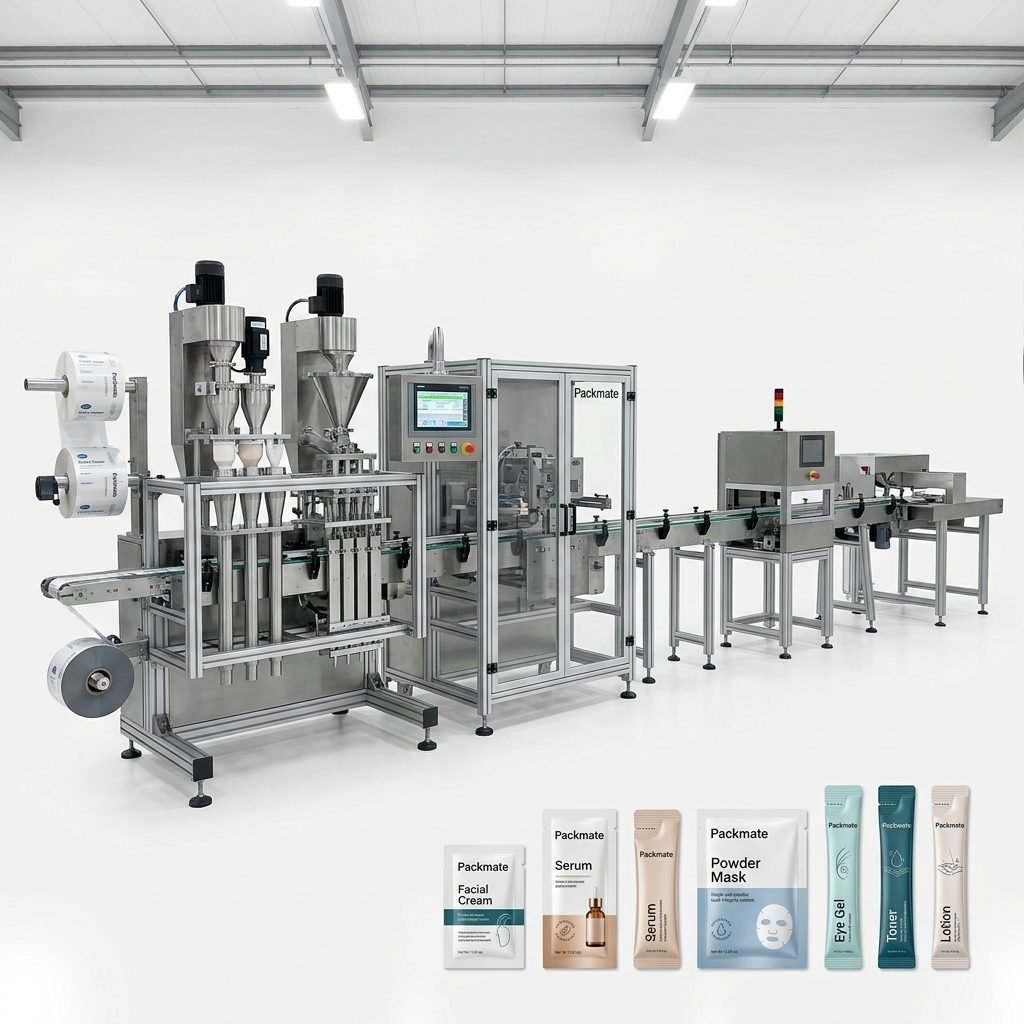
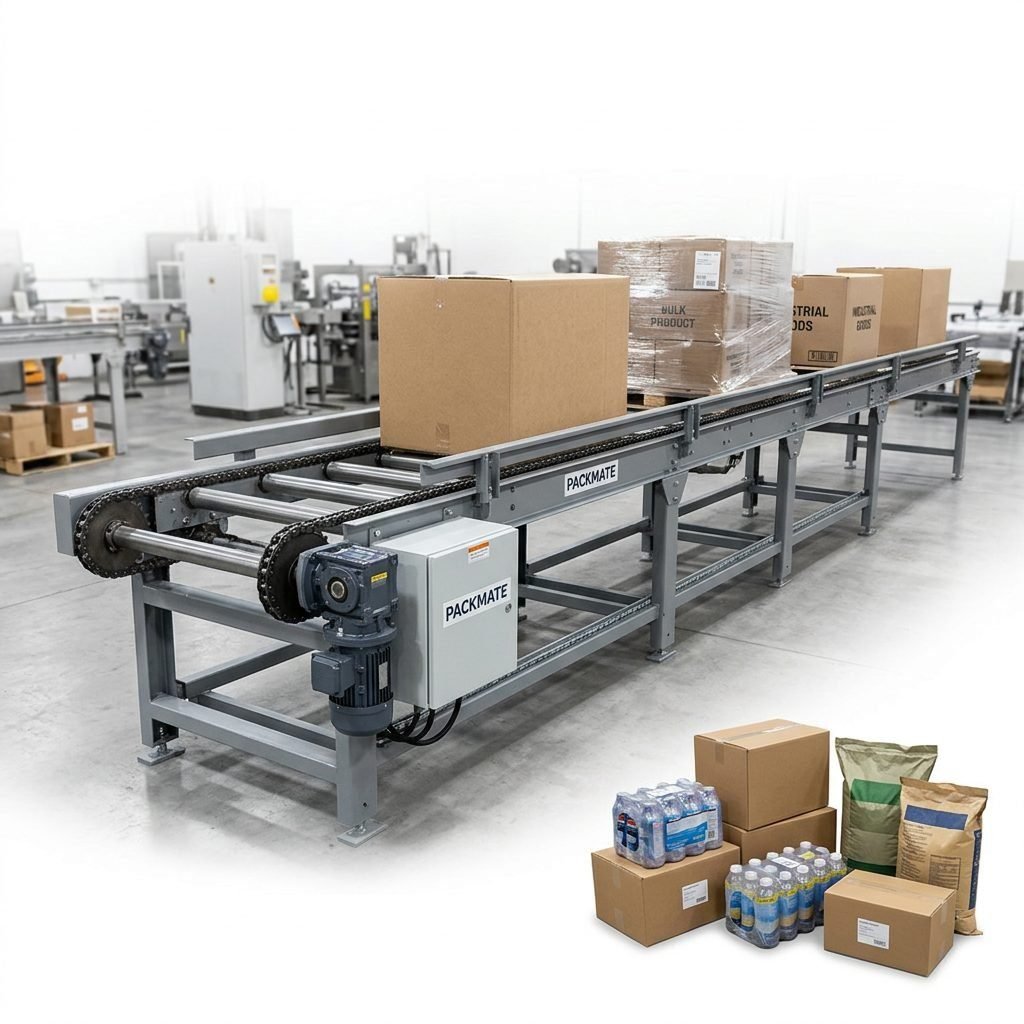
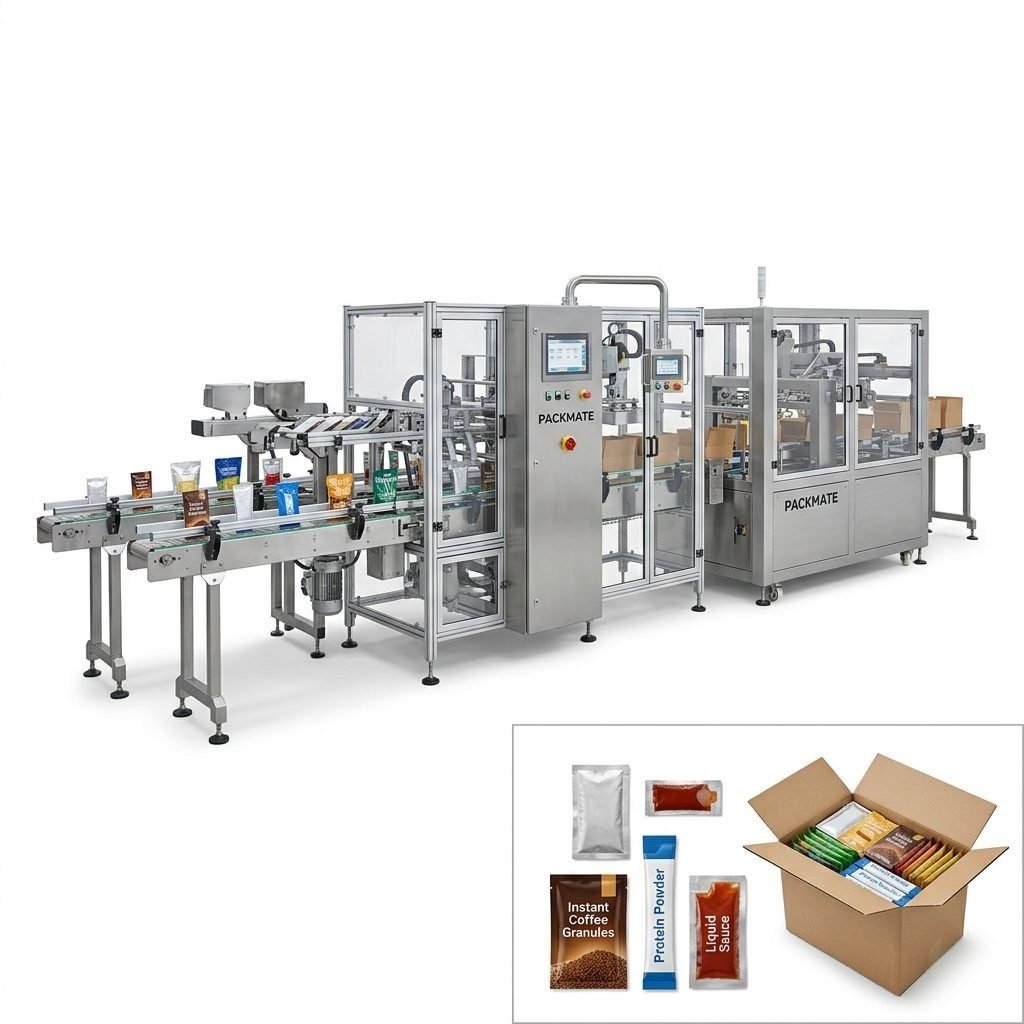
Think beyond a single machine. Will it need to integrate with existing checkweighers, labelers, or cartoners? Choose a supplier capable of providing a complete turnkey packaging solution to ensure seamless production flow. Also, consider the machine’s flexibility to adapt to future product changes or increased speed demands.