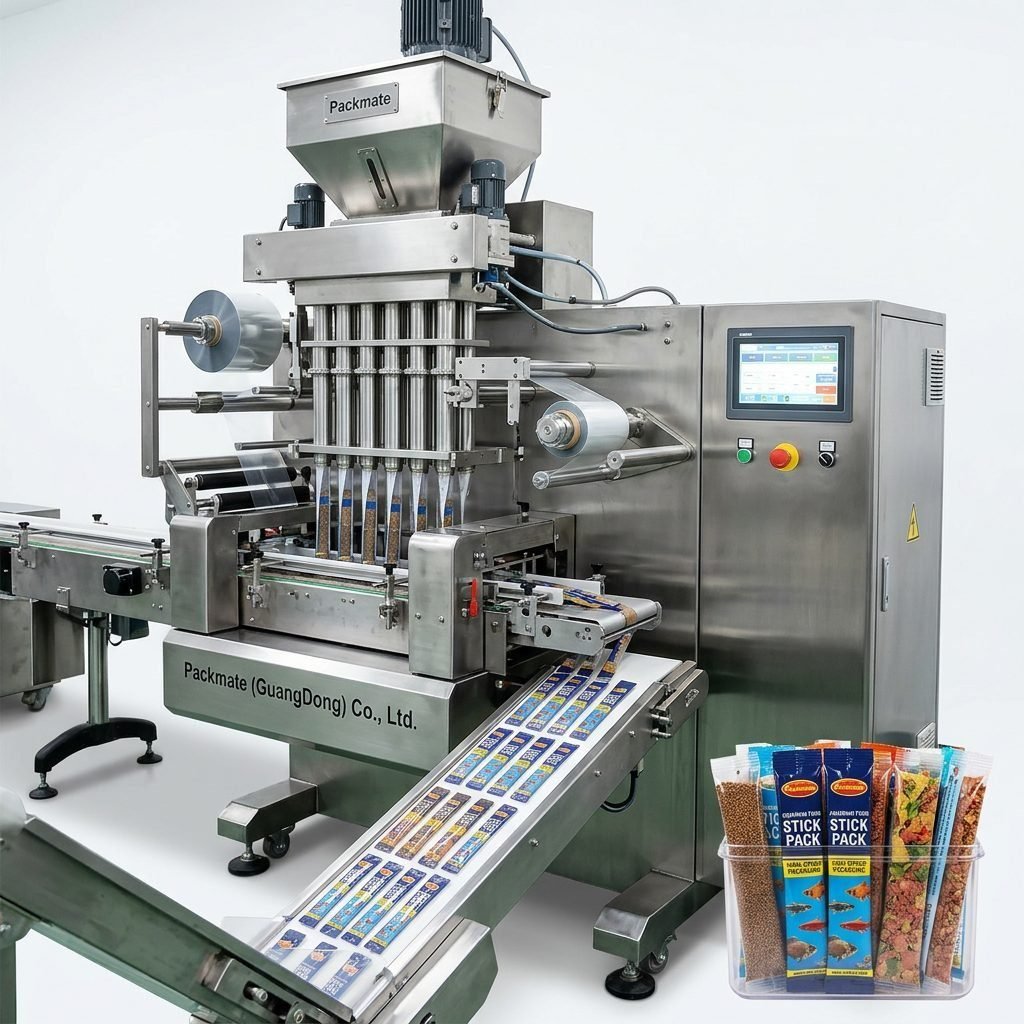
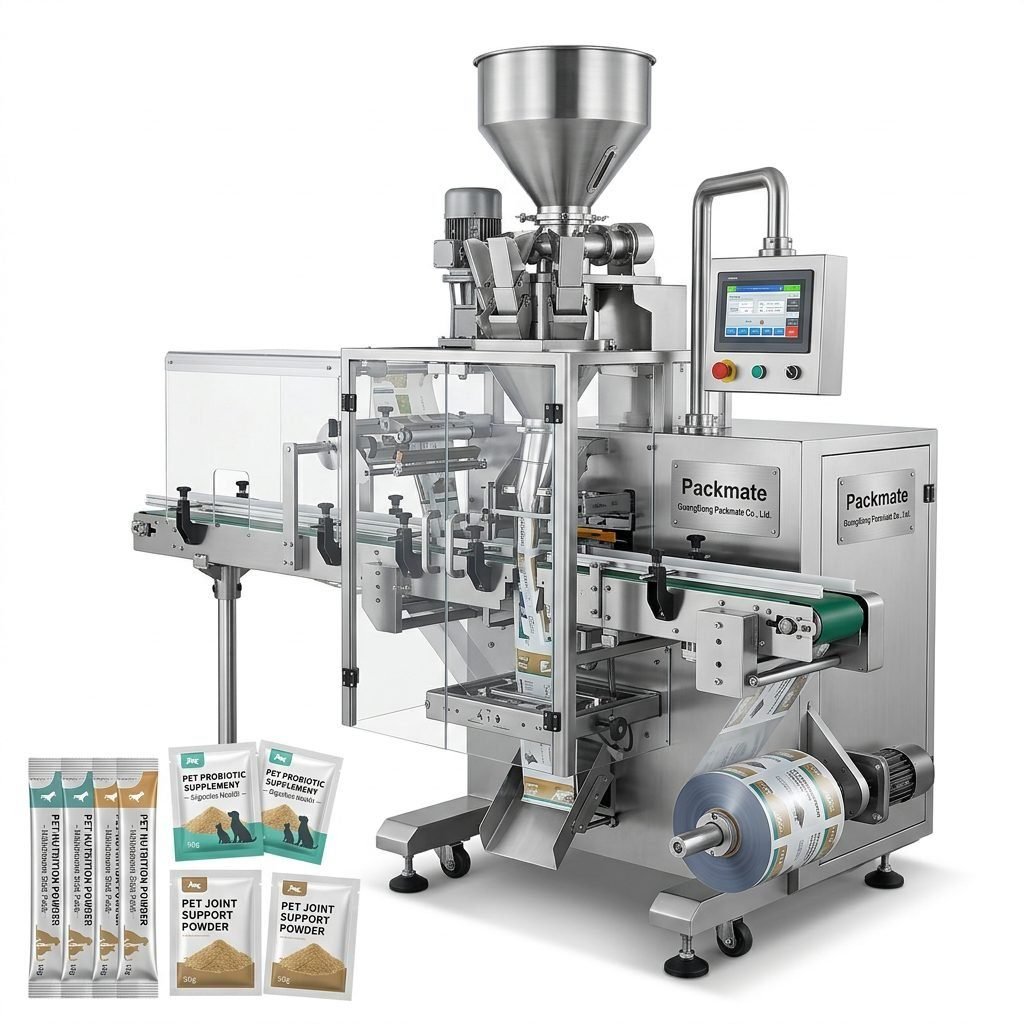
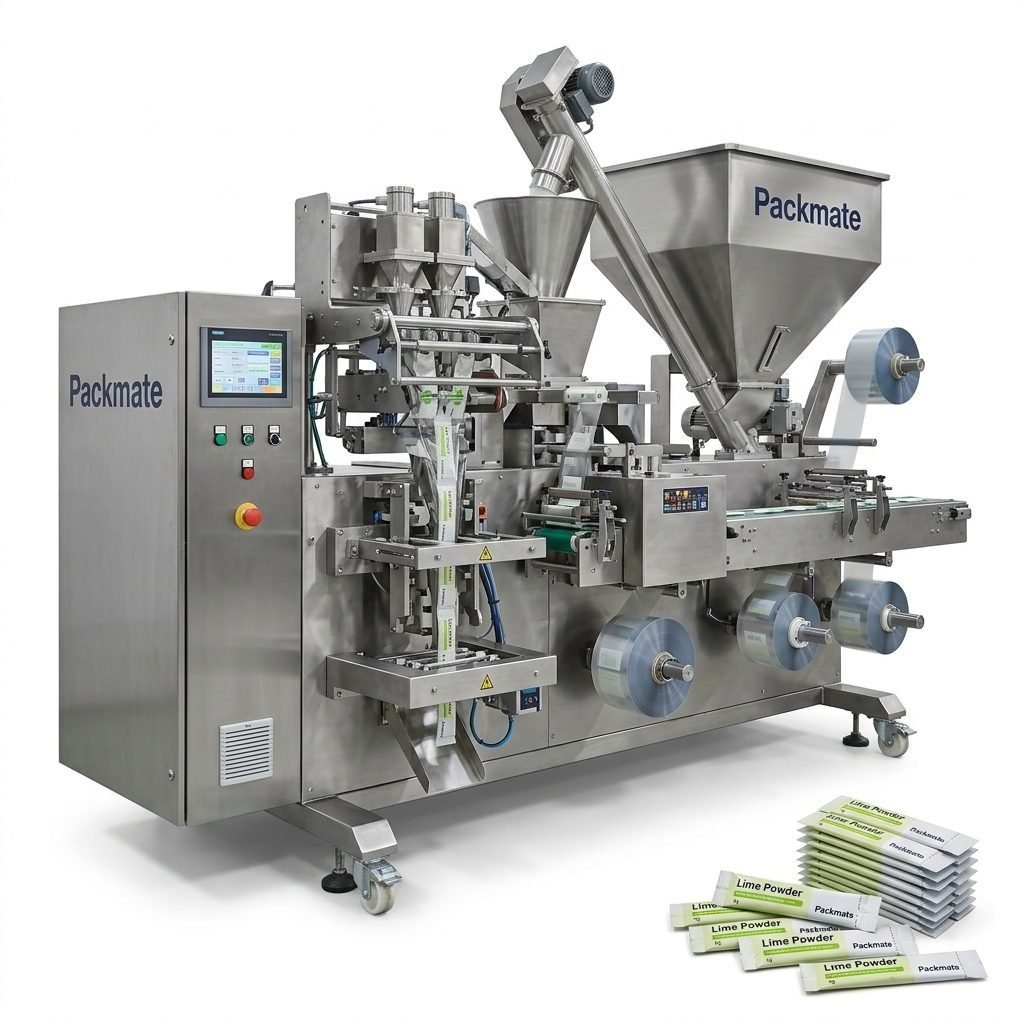
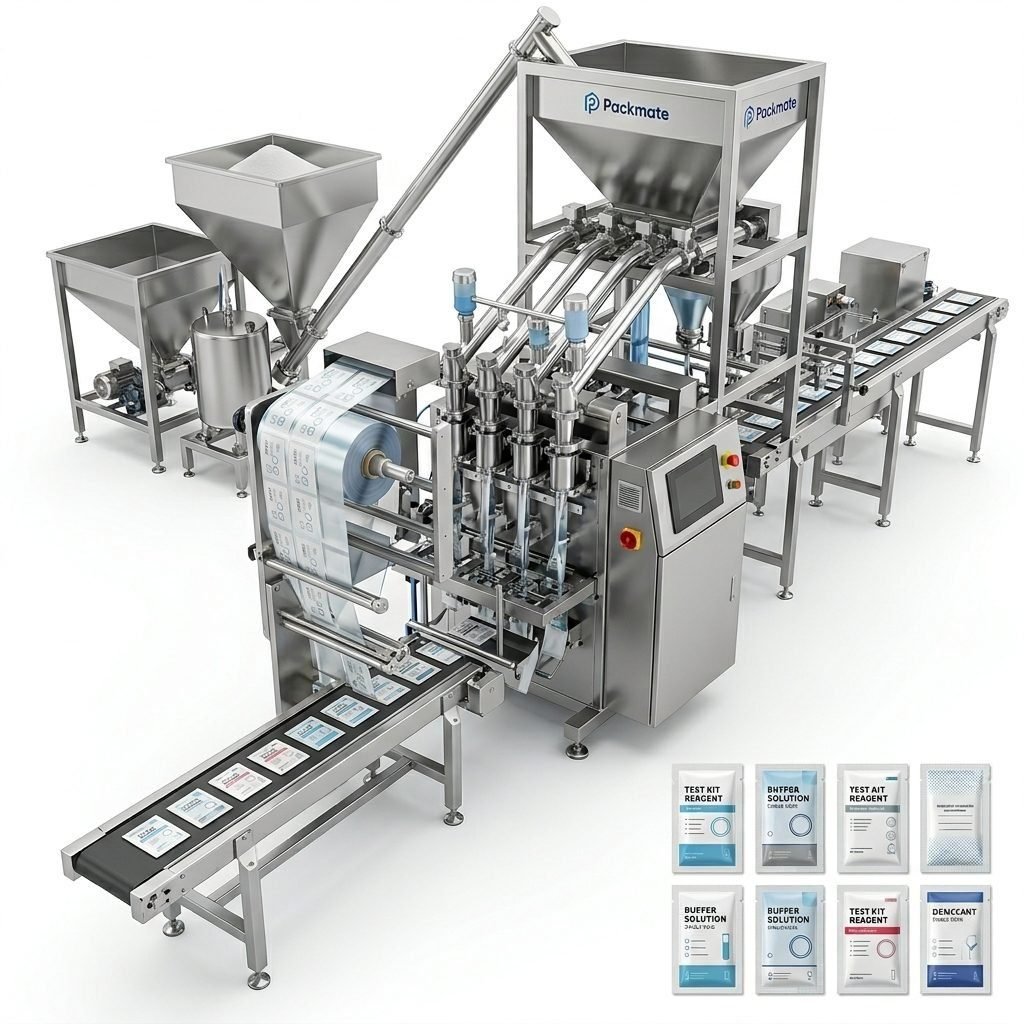
In the fast-paced world of manufacturing and product distribution, efficiency and product integrity are paramount. The seal and shrink packaging machine stands as a critical component in achieving these goals, offering a robust solution for protecting, preserving, and presenting a vast array of products. This guide delves into the mechanics, benefits, and selection criteria for these machines, providing a comprehensive overview for businesses seeking to optimize their packaging lines.
Understanding Seal and Shrink Packaging Technology
At its core, a seal and shrink packaging machine performs two primary functions. First, it creates a secure seal around a product using a thermoplastic film. This is often done with an L-sealer or a sleeve wrapper, which forms a pouch or tube around the item. Second, the machine then applies heat, causing the film to contract tightly around the product’s contours. This process, known as shrink wrapping, creates a taut, tamper-evident, and professional-looking package that is resistant to dust, moisture, and minor abrasions.
The technology is versatile, handling items from food bundles and software boxes to multi-packs of bottles and industrial components. The key lies in the film material—typically polyolefin (POF), polyethylene (PE), or polyvinyl chloride (PVC)—each offering different properties in terms of clarity, strength, shrink ratio, and environmental impact.
Key Components of the Machine
A standard seal and shrink system integrates several crucial parts:
Sealing Bar: The element that melts the film to create a hermetic seal. It can be impulse, constant heat, or ultrasonic.
Shrink Tunnel: A heated chamber where the packaged product passes through. Hot air circulates evenly to ensure consistent film shrinkage.
Conveyor System: Transports products through the sealing and shrinking stages at a controlled speed.
Film Unwind & Guidance System: Holds the film roll and ensures it feeds correctly onto the product.
Advantages of Implementing Seal and Shrink Packaging
Adopting this packaging method delivers significant operational and commercial benefits. The most immediate is enhanced product protection. The tight, conforming seal stabilizes products, preventing movement and damage during transit. It also acts as a barrier against contaminants.
From a marketing perspective, shrink wrap offers superior product presentation. The glossy, tight film highlights the product and allows for clear visibility, which is crucial for retail sales. Furthermore, it enables easy bundling of multiple items into a single saleable unit, a common practice in promotions.
Operationally, these machines, especially automated lines, dramatically increase packaging speed and consistency compared to manual methods. This leads to lower labor costs and higher throughput. The process is also relatively material-efficient, minimizing film waste when correctly calibrated.
Choosing the Right Machine for Your Needs
Selecting a seal and shrink packaging machine requires careful analysis of your specific requirements. Consider your product dimensions, production volume, and film type. For low to medium volumes, a semi-automatic L-sealer with a separate shrink tunnel may suffice. For high-speed production of uniform items, a fully automatic sleeve wrapping system is indispensable.
It is crucial to partner with a manufacturer that offers robust engineering, reliable after-sales service, and the ability to provide a complete turnkey packaging line. Companies with deep industry experience, such as Packmate Machinery, bring invaluable expertise. With over 30 years in designing intelligent packaging equipment, they understand how to integrate sealing and shrinking solutions seamlessly into broader production systems for food, pharmaceuticals, and other industries.
Integration and Operational Best Practices
Successful implementation goes beyond purchasing the machine. Proper integration into your existing workflow is key. Ensure the machine’s speed matches your production line’s pace. Staff must be trained on operation, routine maintenance, and film loading procedures.
Regular maintenance of the sealing bar and shrink tunnel heating elements is non-negotiable for consistent seal quality and avoiding downtime. Always use the film grade recommended by your machine supplier to prevent issues like poor sealing, uneven shrinkage, or tunnel contamination.
For businesses looking to expand their capabilities, exploring complementary equipment is wise. For instance, a seal and shrink line can be fed by automated weighing and packaging systems for granular products or paired with bagging machines for a comprehensive packaging solution.
Common Challenges and Solutions
Even with the best equipment, users may encounter challenges. Wrinkles or uneven shrinkage often point to incorrect temperature settings, excessive conveyor speed, or an unsuitable film type. Weak or broken seals can result from a dirty or worn sealing bar, insufficient pressure, or low sealing temperature.
A systematic approach to troubleshooting is essential. Start by verifying the machine settings (temperature, speed, pressure) against the film manufacturer’s specifications. Inspect mechanical components for wear and cleanliness. Often, consulting the machine manual or your supplier’s technical support team, like the service experts at Packmate, provides the fastest resolution.
Frequently Asked Questions (FAQ)
What types of products are best suited for seal and shrink packaging?
This method is exceptionally versatile. It is ideal for bundling multiple items (cans, bottles, boxes), protecting irregularly shaped goods, creating tamper-evident seals for software or media, and providing a weather-resistant layer for products in transit. It is widely used in food, beverage, publishing, pharmaceutical, and hardware industries.
What is the difference between an L-sealer and a sleeve wrapper?
An L-sealer is typically used for products placed into a pre-formed bag or for creating a pouch on three sides. It’s great for bundling or wrapping single items. A sleeve wrapper, often fully automatic, forms a film tube around the product and seals both ends, making it faster and more efficient for high-volume, uniform products like books or boxed goods.
How do I choose between POF, PE, and PVC shrink film?
POF (Polyolefin) is popular for its high clarity, strength, and eco-friendlier profile (contains no chlorine). PE (Polyethylene) is very durable and puncture-resistant, often used for heavy items. PVC (Polyvinyl Chloride) is cost-effective and has excellent clarity but is less environmentally favored and can emit fumes when heated. Your choice depends on product needs, budget, and environmental policies.
Can seal and shrink machines handle food-grade packaging?
Absolutely. Many machines are designed specifically for food contact. The critical factors are using food-grade certified shrink film (like certain POF or PE grades) and ensuring the machine’s sealing surfaces are made from appropriate, cleanable materials like Teflon-coated seal bars. Always verify certifications with your supplier.
What maintenance does a shrink packaging machine require?
Regular maintenance includes cleaning the sealing bar to remove film residue, checking and calibrating temperature sensors, ensuring the shrink tunnel’s air circulation vents are unobstructed, and lubricating moving parts like conveyor chains as per the manufacturer’s schedule. Consistent maintenance ensures seal integrity, prevents downtime, and extends machine life.