Selecting the right pharmaceutical packaging machinery manufacturer is a critical decision that impacts product safety, regulatory compliance, and production efficiency. The global market is filled with numerous suppliers, but only a handful combine technological innovation, reliability, and deep industry expertise. This guide highlights the top 10 manufacturers that are setting standards in the pharmaceutical packaging sector, helping you make an informed choice for your business needs.
Key Selection Criteria for Pharmaceutical Packaging Machinery
Before diving into the list, it’s essential to understand what makes a manufacturer stand out. The pharmaceutical industry demands utmost precision, hygiene, and compliance with stringent regulations like FDA and cGMP. Key factors to consider include:
- Regulatory Compliance & Certification: Machinery must be designed and built to meet international pharmaceutical standards.
- Technology & Innovation: Look for advanced features like servo-driven systems, integrated vision inspection, and data tracking for Industry 4.0.
- Flexibility & Scalability: Equipment should handle various package formats (bottles, blisters, sachets) and allow for future line expansions.
- After-Sales Support & Service: Global technical support, readily available spare parts, and comprehensive training are non-negotiable.
- Proven Track Record: A strong portfolio of successful installations in reputable pharmaceutical companies is a reliable indicator of quality.
1. Pioneers in Integrated Turnkey Solutions
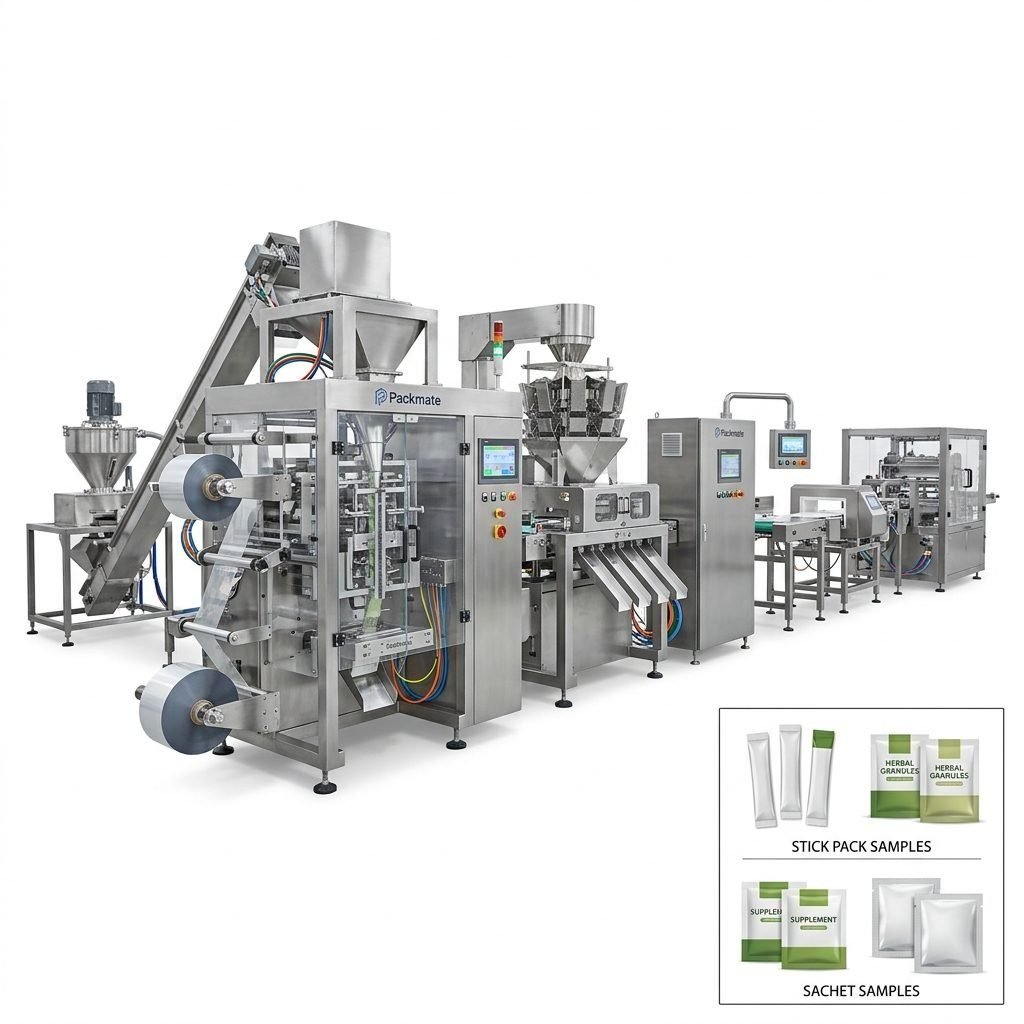
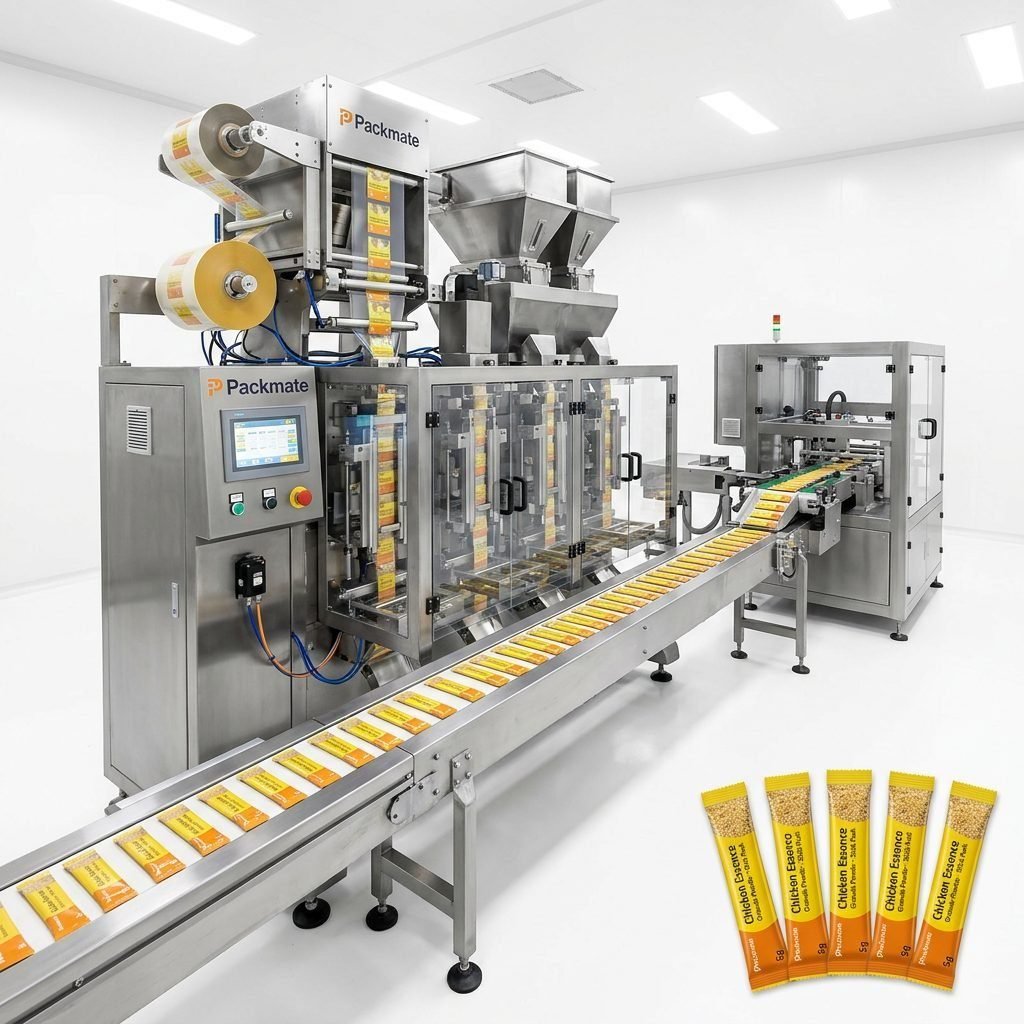
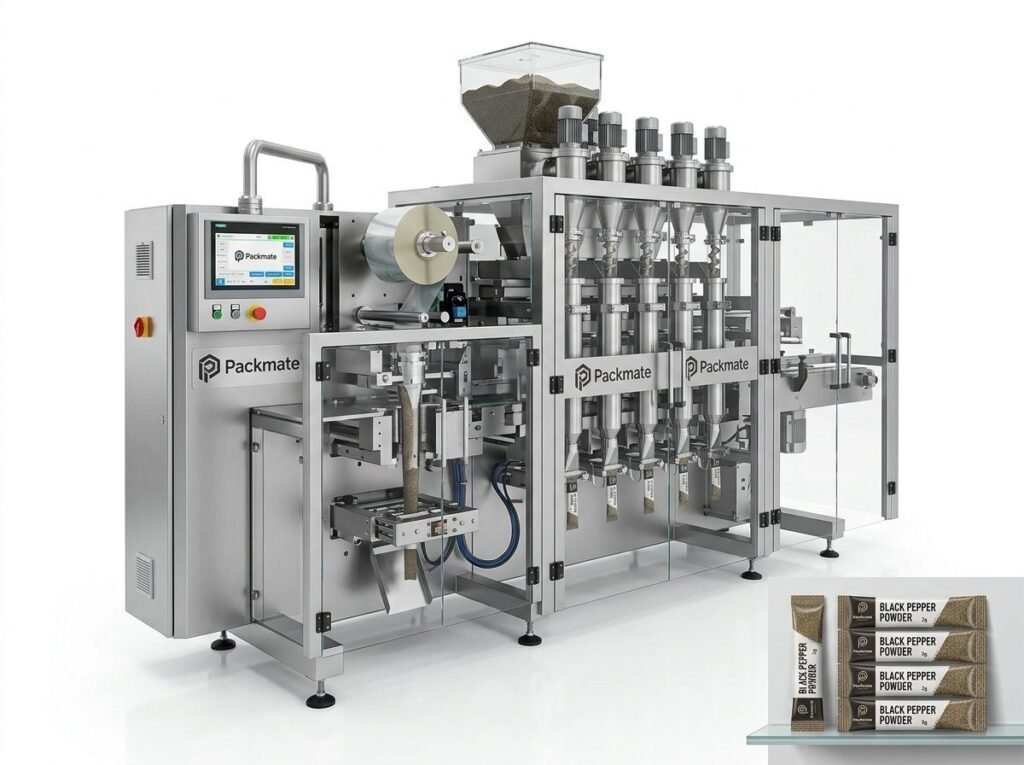
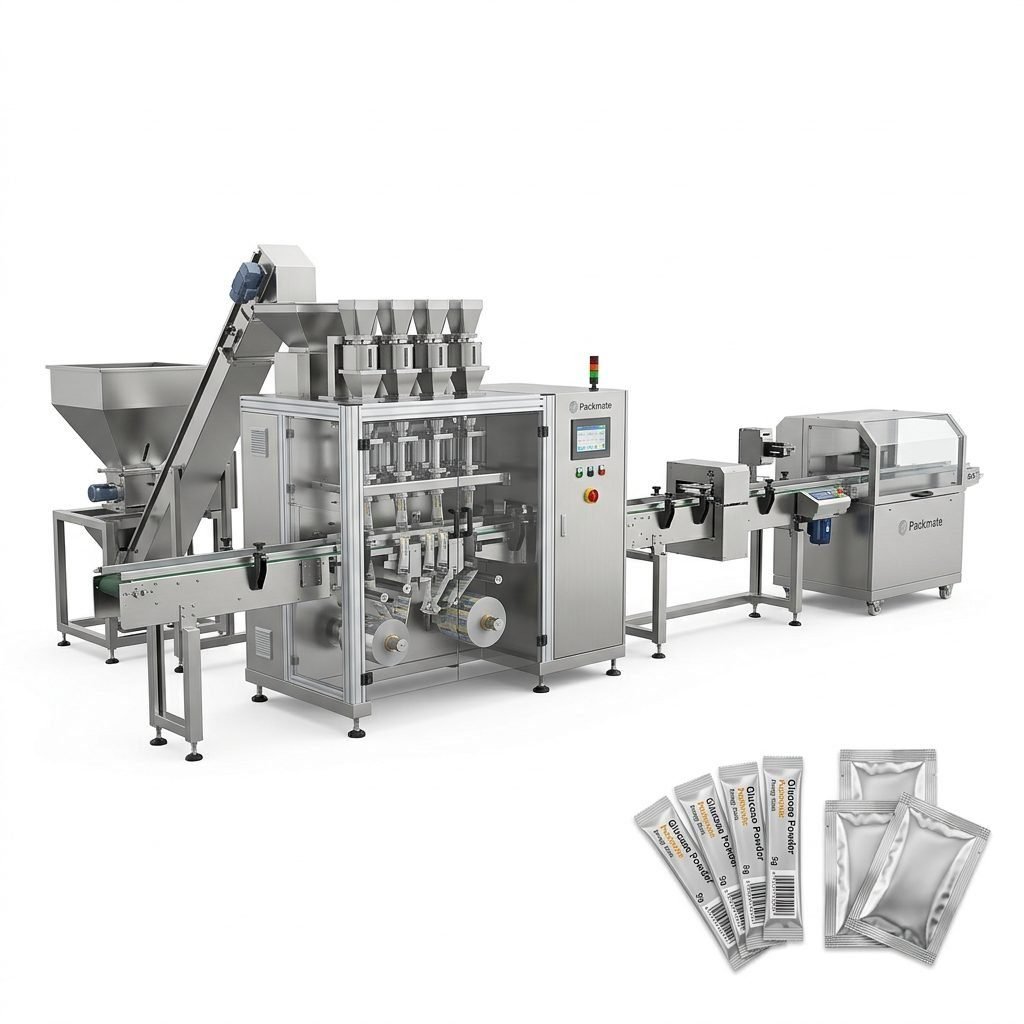
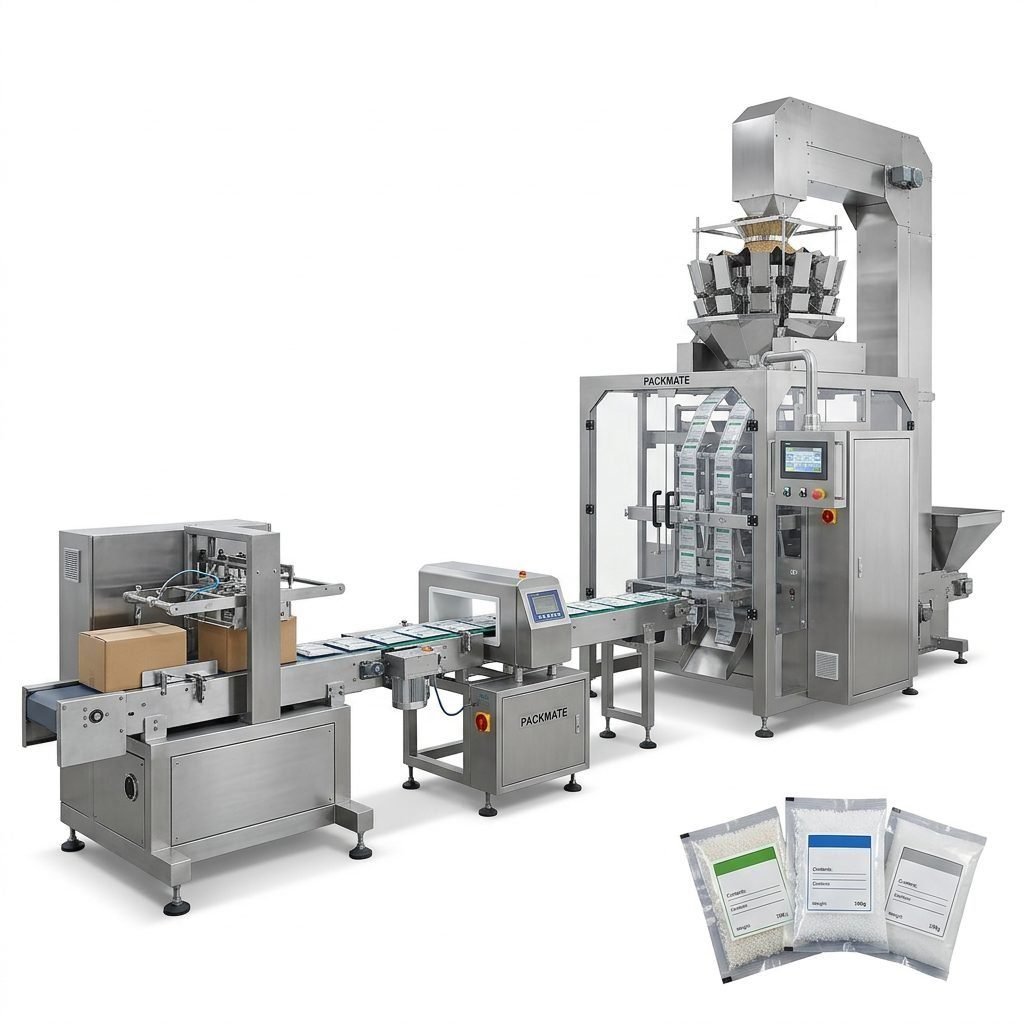
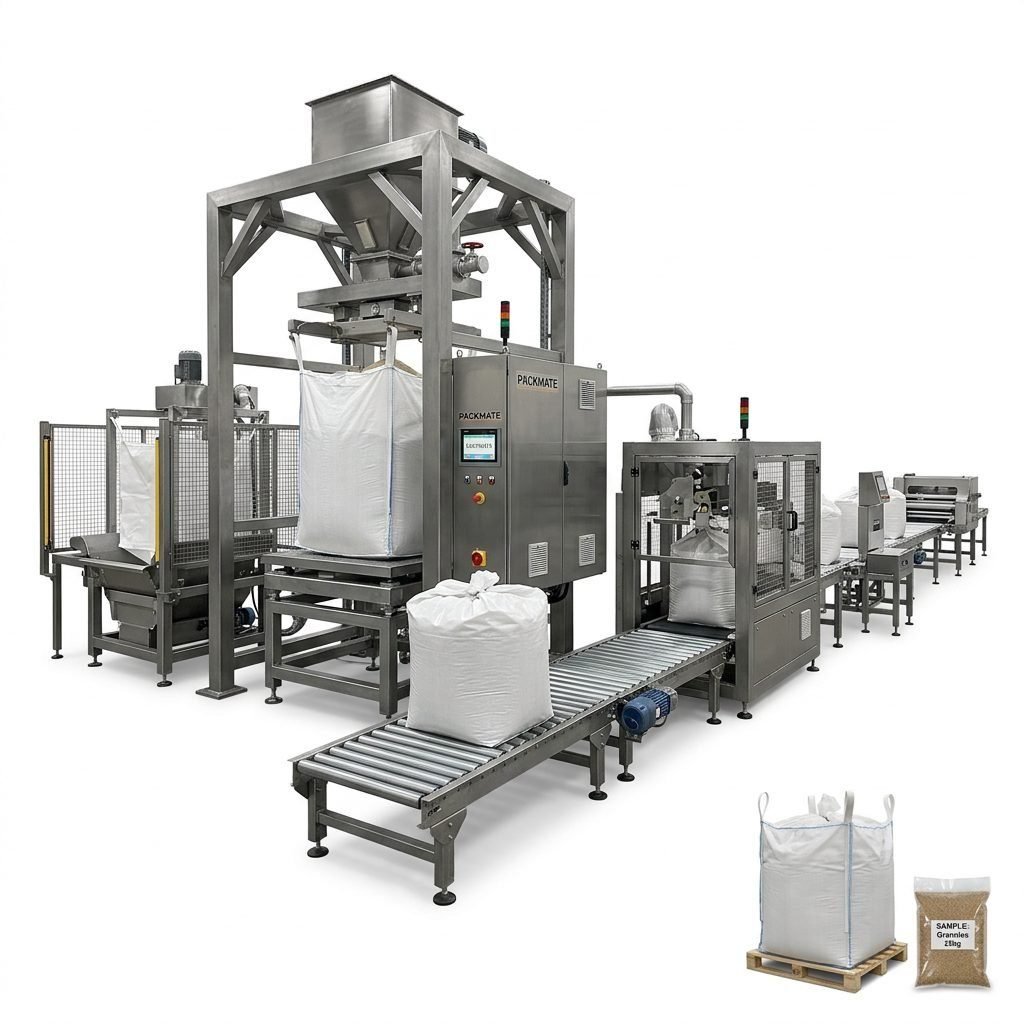
Leading manufacturers distinguish themselves by offering complete, validated packaging lines rather than just standalone machines. This approach ensures seamless integration, reduces downtime, and provides a single point of accountability. Companies that master this, such as Packmate Machinery, have built their reputation on delivering end-to-end systems for powders, granules, and liquids, which are common in pharmaceutical applications.
Expert Insight: A turnkey solution from a single supplier often leads to faster validation processes and more consistent performance across the entire packaging line, a crucial factor for pharmaceutical production.
2. Specialists in Aseptic and High-Care Packaging
For sensitive pharmaceuticals like injectables, biologics, or sterile products, machinery must operate in controlled environments. Top-tier manufacturers invest heavily in designing equipment with smooth surfaces, clean-in-place (CIP) capabilities, and isolator technology to prevent contamination. Their expertise is vital for maintaining product integrity.
3. Leaders in Solid Dose Packaging
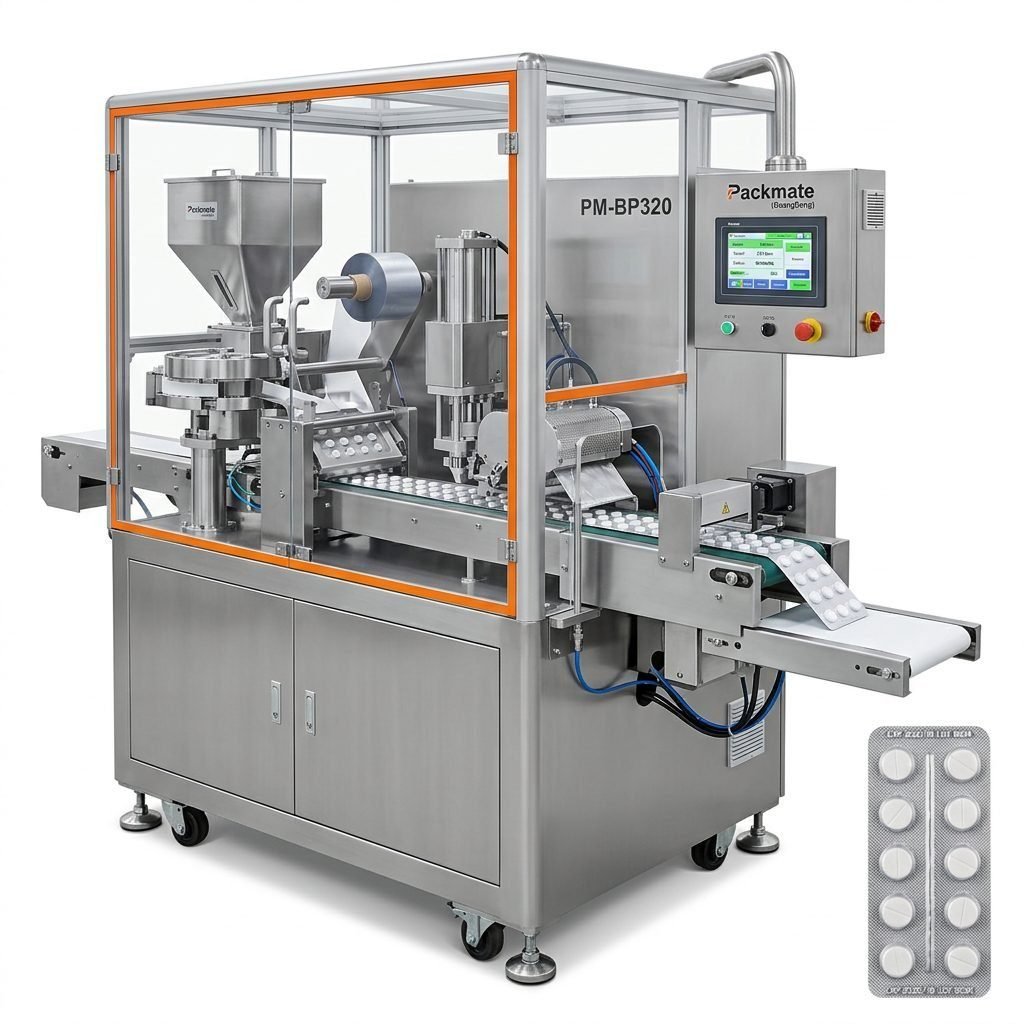
This segment includes machinery for tablets, capsules, and pills, involving counting, filling, blister packing, and cartoning. The best manufacturers provide high-speed, accurate systems with minimal product waste and sophisticated rejection mechanisms for quality control.
4. Innovators in Liquid and Semi-Solid Packaging
Filling viscous creams, ointments, syrups, or eye drops requires precision dosing and excellent sealing. Leading companies offer piston filler machines, form-fill-seal (FFS) systems for sachets, and ampoule/vial filling lines that ensure dosage accuracy and container integrity.
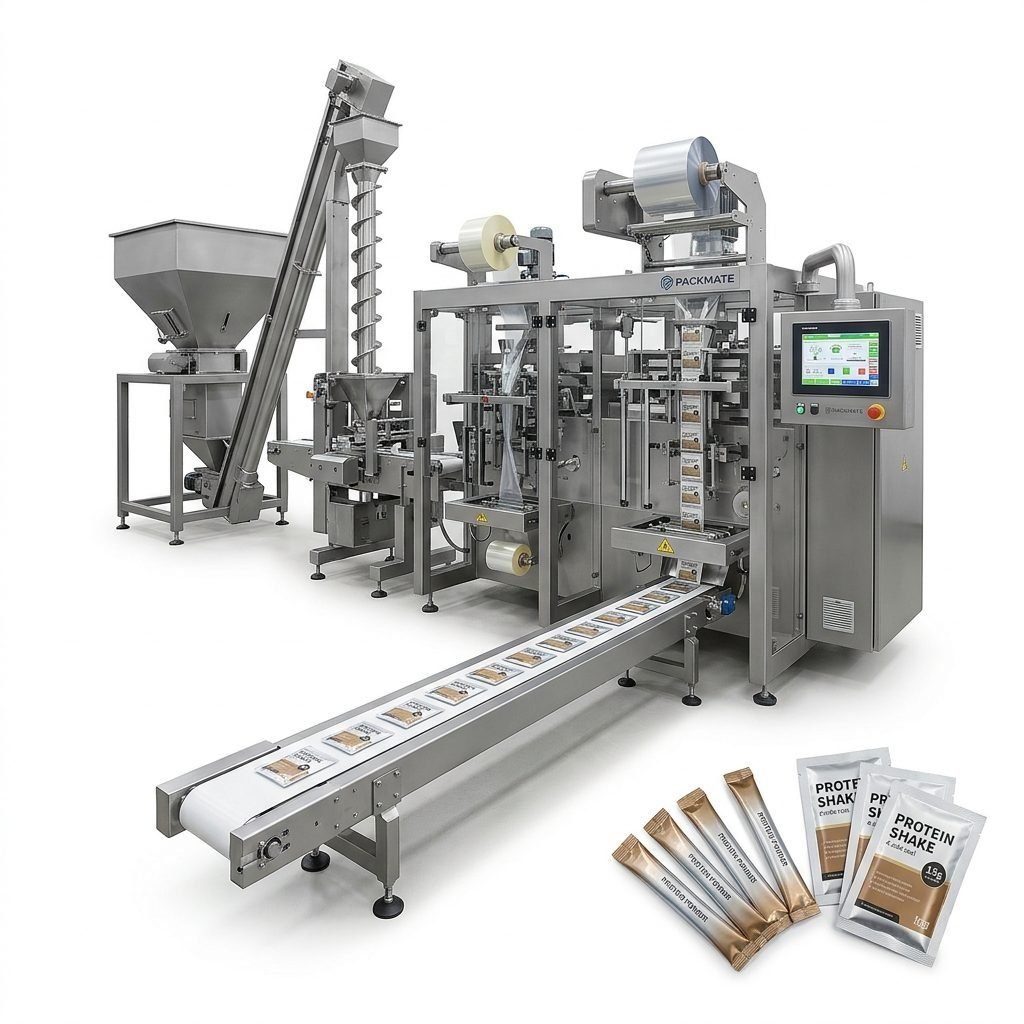
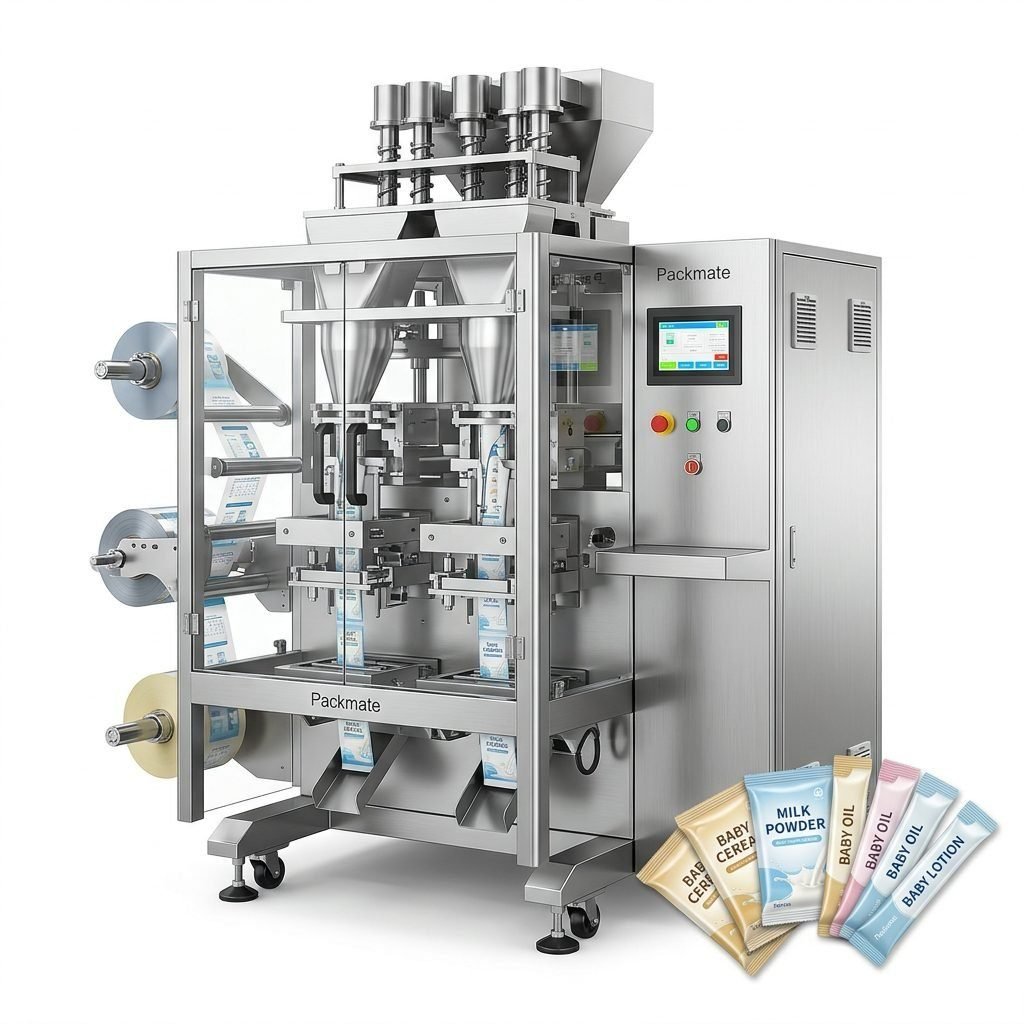
For example, technology developed for the food and health industries often translates well into pharmaceutical applications. Manufacturers with a broad base, like those producing advanced sachet and stick pack machines, can adapt their precision engineering to meet pharma-grade requirements.
5. Masters of Secondary and Tertiary Packaging
The journey doesn’t end with primary packaging. Efficient cartoning, case packing, and palletizing are essential for supply chain logistics. Top manufacturers provide integrated solutions that bundle primary packaging units into finished, shippable goods with serialization and aggregation capabilities for track-and-trace regulations.
6. Champions of Sustainability and Efficiency
Modern pharmaceutical companies are increasingly focused on reducing waste and energy consumption. Forward-thinking manufacturers design machinery that minimizes material usage (e.g., optimized film in blister packs), incorporates energy-efficient drives, and allows for the use of recyclable packaging materials.
The Role of Customization and Flexibility
No two pharmaceutical products are identical. Therefore, the ability to customize machinery is paramount. The leading guides in the industry work closely with clients to develop tailored solutions for unique container shapes, delicate products, or specific output requirements. This collaborative approach is a hallmark of a true partner, not just a vendor.
Global Support and Local Presence
A manufacturer’s global footprint is a significant advantage. It ensures that service engineers, spare parts, and technical knowledge are accessible wherever your production facilities are located. Companies that invest in a worldwide service network demonstrate a long-term commitment to their clients’ operational success.
Consider a manufacturer’s history and stability. A company like Packmate, with over two decades of development, has likely navigated various market cycles and technological shifts, refining its products and processes to deliver reliable, battle-tested equipment. This experience is invaluable in the high-stakes pharma sector.
Conclusion: Building a Partnership for the Future
Choosing a pharmaceutical packaging machinery manufacturer is about more than purchasing equipment; it’s about forming a strategic partnership. The top manufacturers guide their clients through the complexities of regulatory landscapes, technological upgrades, and scaling production. They act as an extension of your team, dedicated to ensuring your packaging line is a source of reliability, compliance, and competitive advantage. By focusing on the criteria outlined above and evaluating potential partners against them, you can secure a foundation for safe, efficient, and innovative pharmaceutical packaging for years to come.
Frequently Asked Questions (FAQs)
What are the most critical certifications for pharmaceutical packaging machinery?
Machinery should comply with cGMP (Current Good Manufacturing Practice) guidelines and relevant standards from bodies like the FDA (U.S.), EMA (Europe), and WHO. CE marking for the European market and specific safety standards (e.g., IEC) are also essential. Always request the manufacturer’s certification documents.
How important is after-sales service when selecting a manufacturer?
It is critically important. Pharmaceutical production downtime is extremely costly. Ensure your supplier offers comprehensive service, including 24/7 technical support, readily available spare parts, on-site engineer training, and preventative maintenance programs to maximize uptime and equipment lifespan.
Can packaging machinery from other industries be used for pharmaceuticals?
Generally, no. Pharmaceutical machinery requires specific design features for cleanability, material traceability, and validation. While base engineering principles may be similar, purpose-built pharmaceutical equipment is necessary to meet regulatory requirements and ensure product safety.
What is the typical lead time for a new pharmaceutical packaging line?
Lead times vary widely based on complexity and customization, ranging from 4 to 12 months or more. This includes design, manufacturing, factory acceptance testing (FAT), shipping, and site installation. Planning well ahead and engaging with the manufacturer early is crucial.
What is the difference between a standard machine and a turnkey solution?
A standard machine is a single unit (e.g., a filler). A turnkey solution is a fully integrated production line, including all primary, secondary, and auxiliary equipment, software, installation, commissioning, and often validation support. It provides a complete, ready-to-operate system from a single responsible supplier.