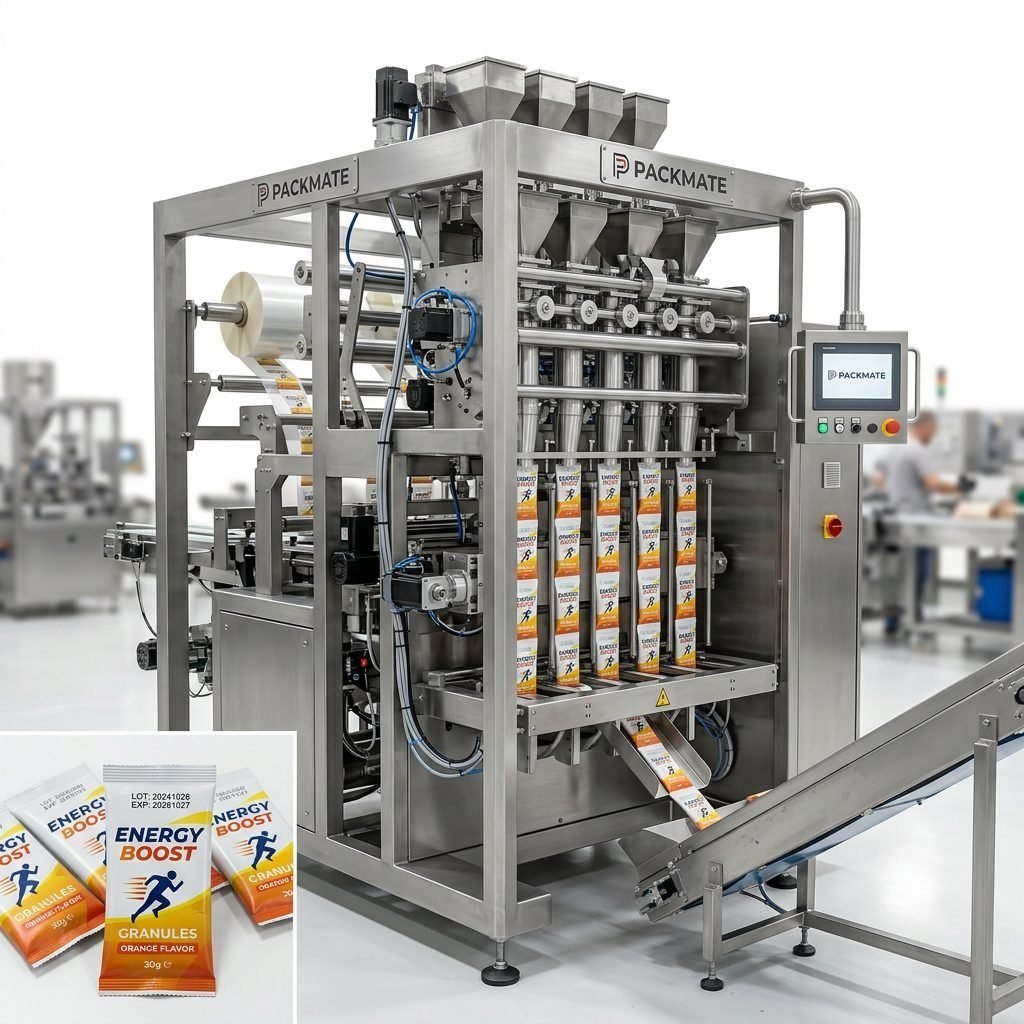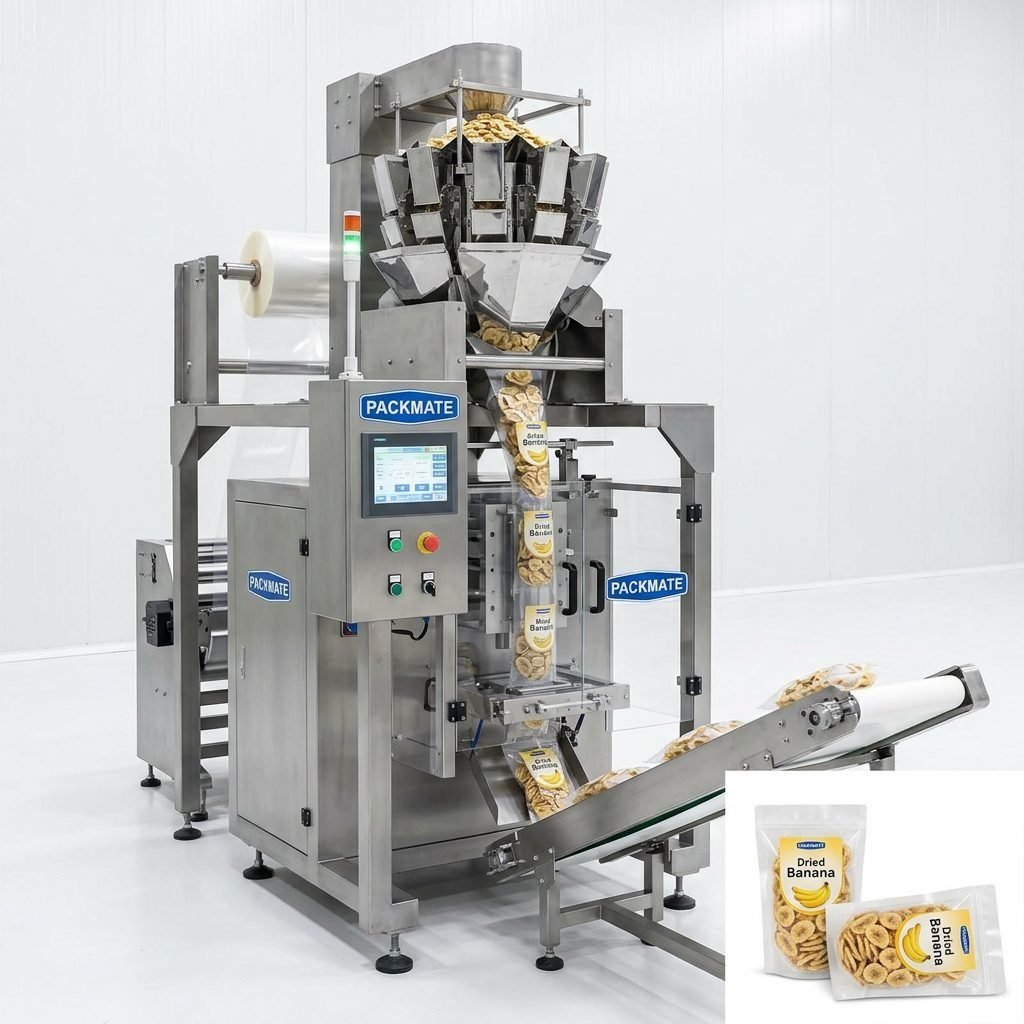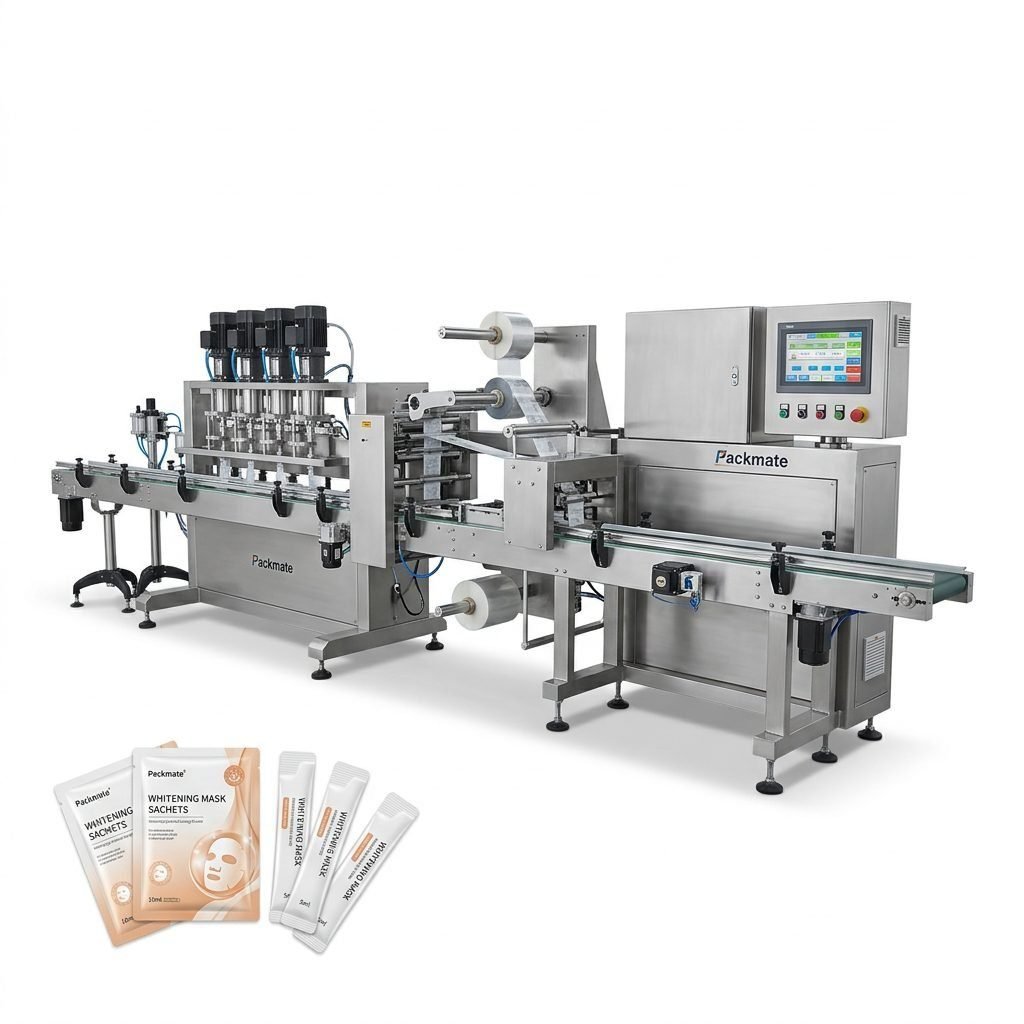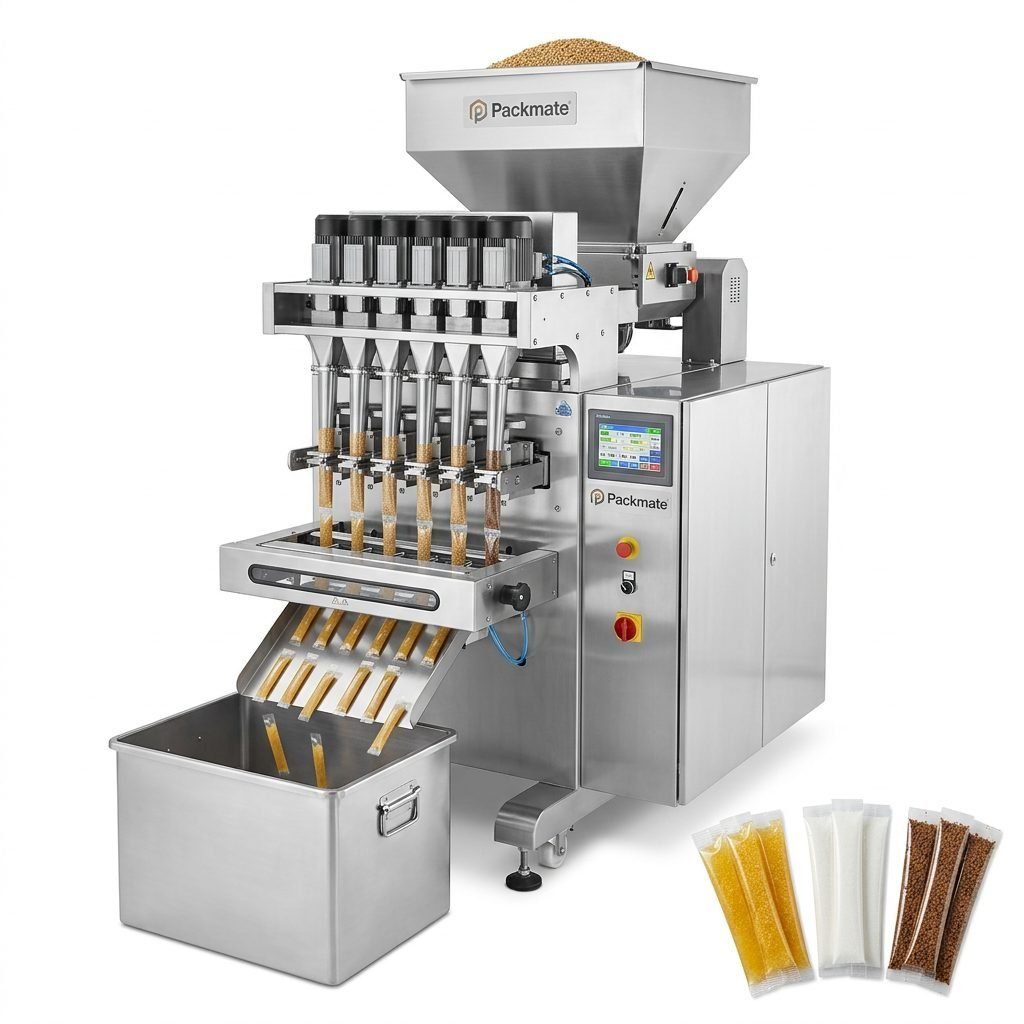
Selecting the right packaging machinery is a critical decision for any manufacturing or production business. The right equipment can dramatically improve efficiency, reduce waste, ensure product safety, and enhance brand presentation. This comprehensive guide explores the various types of packaging machinery, their key features, and provides a detailed buying guide to help you make an informed investment for your operations.
Understanding Core Packaging Machinery Types
The world of packaging machinery is diverse, with specialized equipment designed for different product forms, production speeds, and packaging styles. Understanding these core types is the first step in identifying the right solution for your needs.
Primary Packaging Machines
These machines handle the direct containment of the product. They are often the most critical link in the packaging line.
Filling Machines: Precisely dispense product into containers, bags, or pouches. They are categorized by the product type they handle:
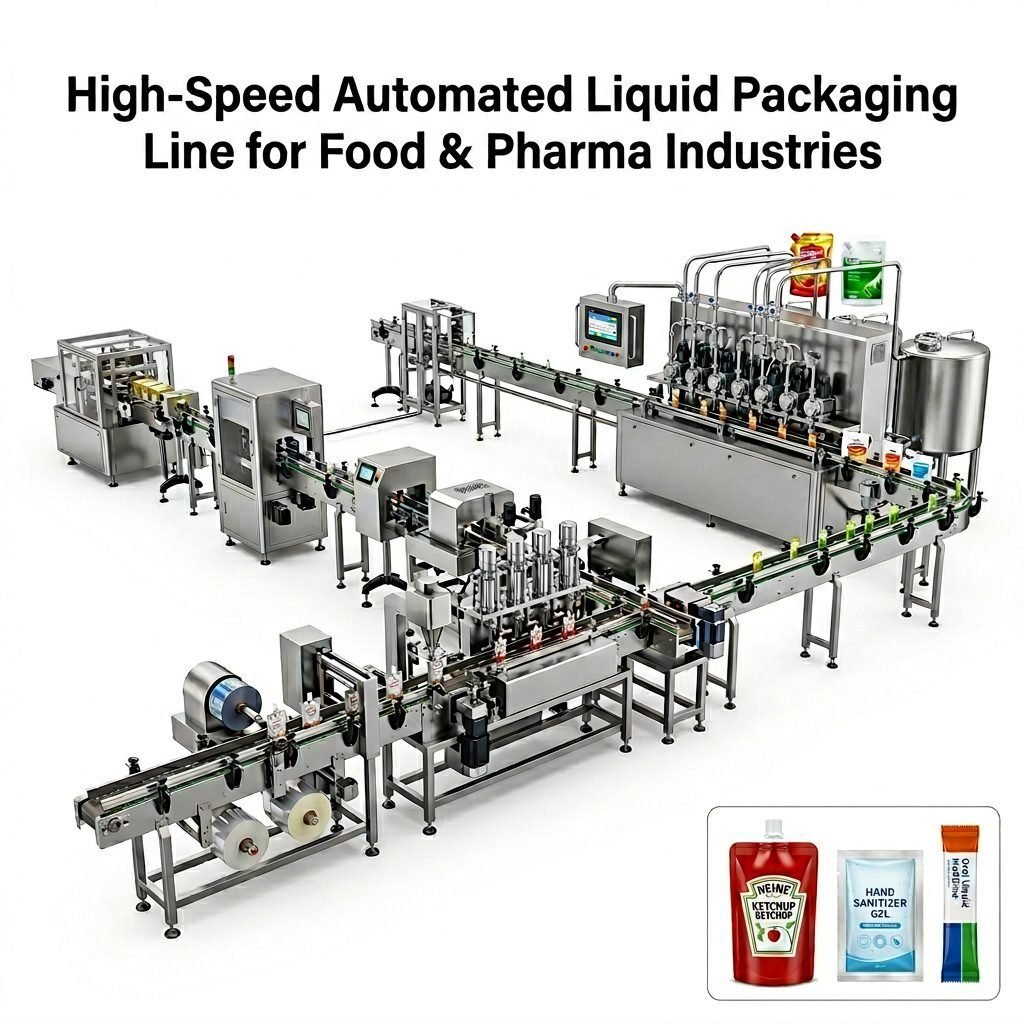
Liquid Fillers: For beverages, oils, sauces, and chemicals. They use technologies like gravity, pressure, or piston filling.
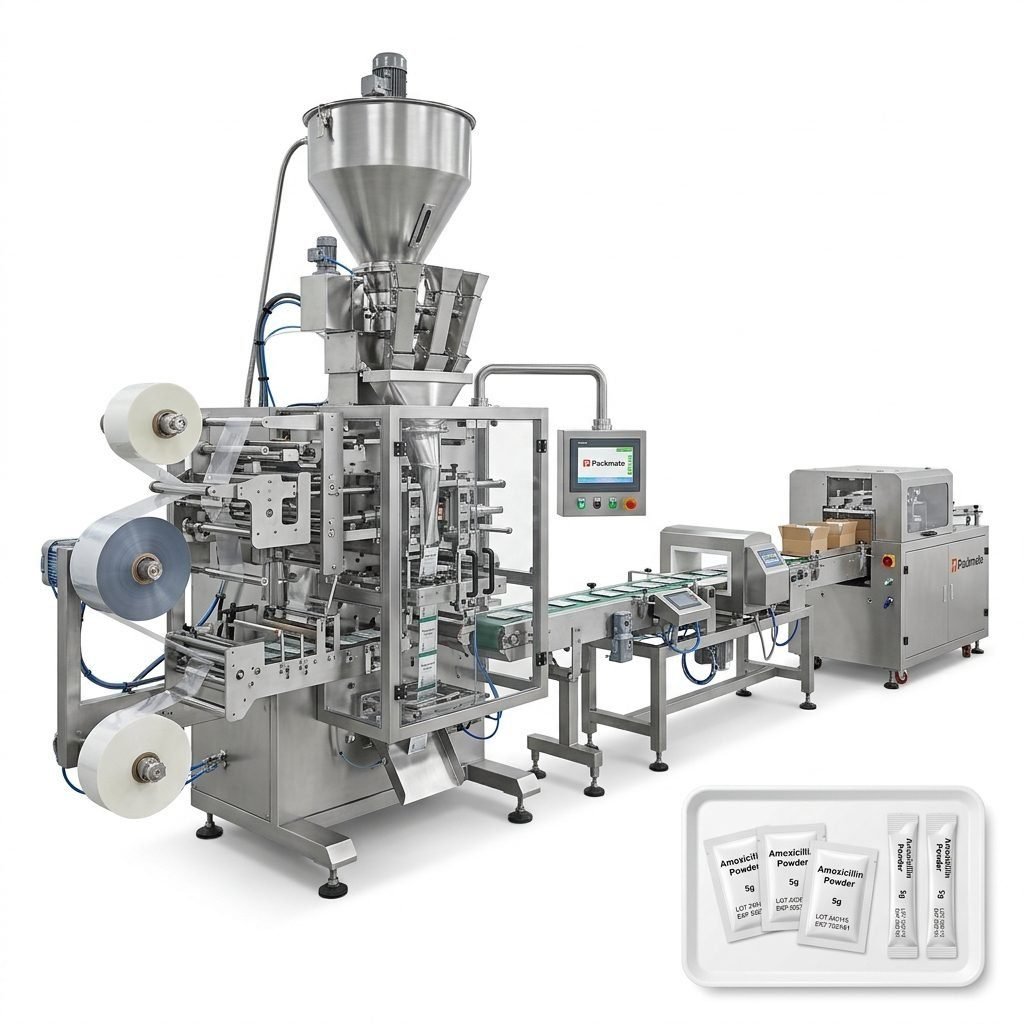
Powder Fillers: For spices, milk powder, pharmaceuticals, and chemicals. Auger fillers are the most common, using a screw mechanism for accuracy.
Granule Fillers: For coffee beans, nuts, seeds, and grains. Often use volumetric cup or weigh scale systems.
Sealing Machines: After filling, these machines securely close the package. Common types include heat sealers for plastic pouches, induction sealers for bottle caps, and cappers for screwing on lids. The integrity of the seal is paramount for product shelf life and safety.
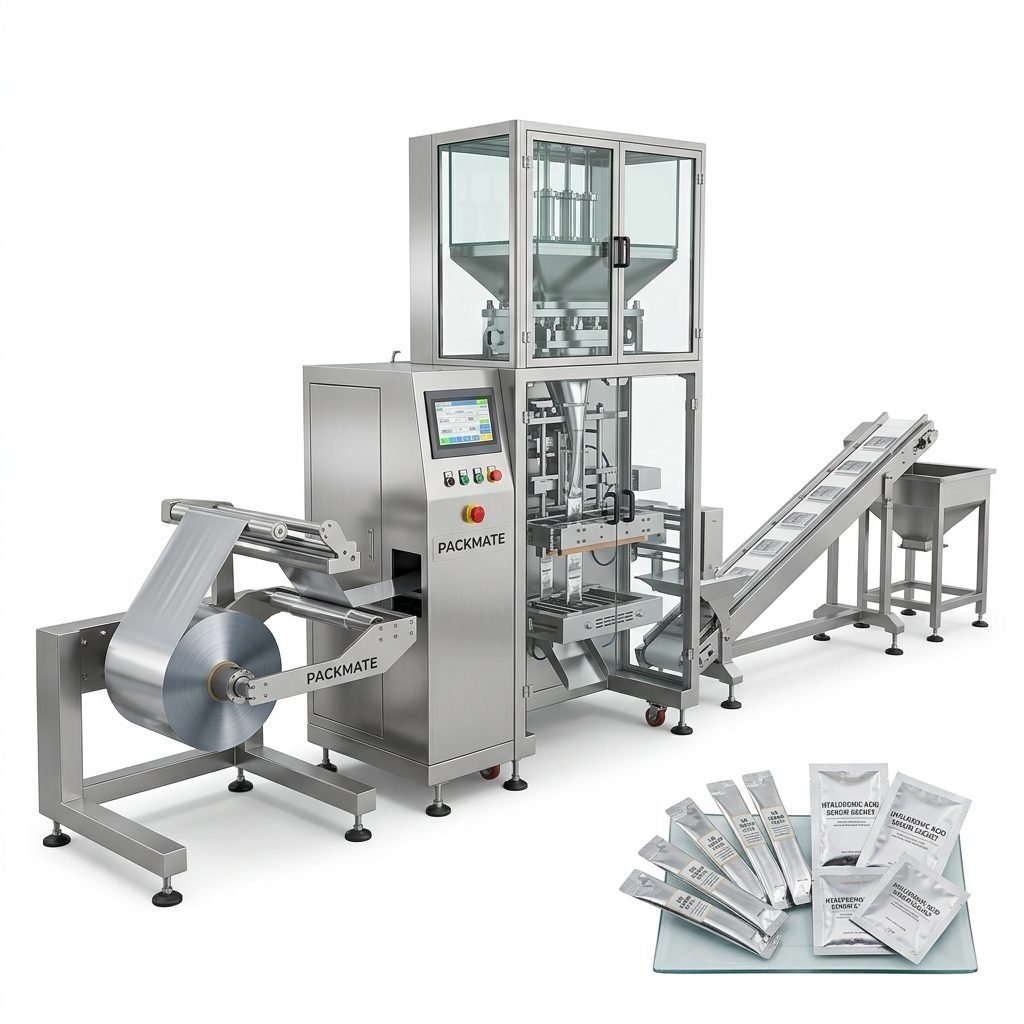
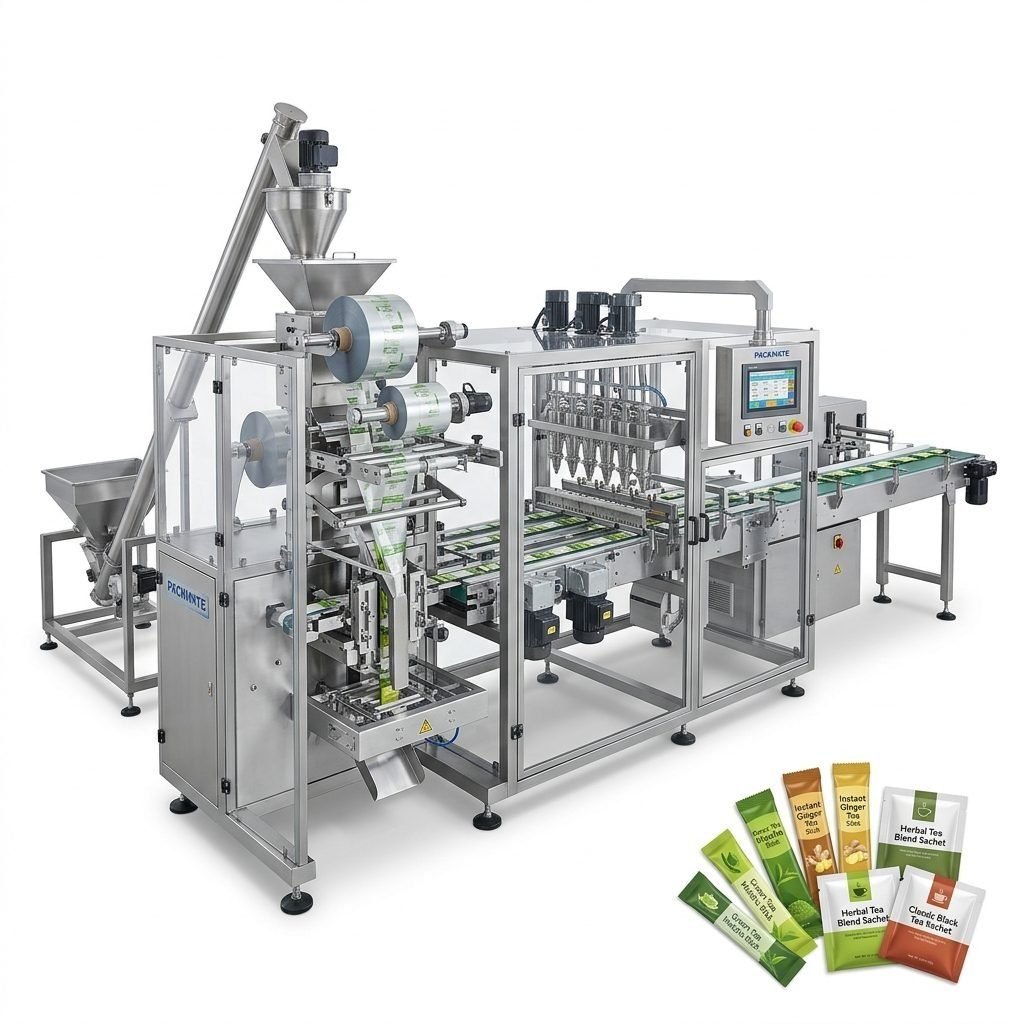
For businesses looking to package products in flexible formats like small pouches or slim sticks, specialized sachet & stick pack machines offer high-speed, efficient solutions ideal for single-serve portions.
Secondary & End-of-Line Packaging
This equipment handles the bundling, cartoning, and palletizing of primary packages for distribution and retail.
Cartoning Machines: Automatically erect, load, and close cartons (boxes). They can be horizontal (loading from the side) or vertical (loading from the top) depending on the product and package design.
Case Packers & Palletizers: Case packers place multiple primary packages into a shipping case, while palletizers stack these cases onto pallets in a stable pattern for forklift handling. These machines are essential for high-volume operations to reduce manual labor and ensure safe transport.
Essential Features to Evaluate
Beyond the machine type, several key features determine performance, flexibility, and long-term value.
Automation Level & Speed
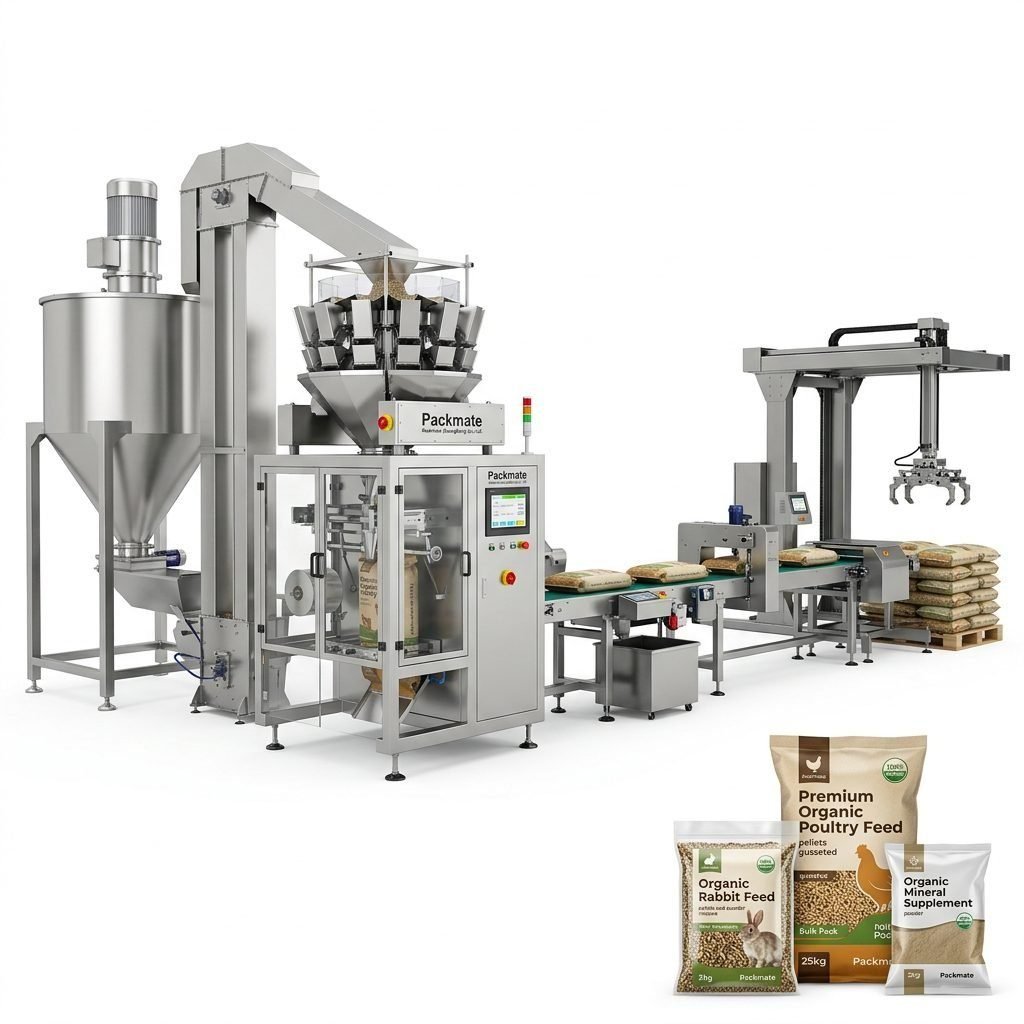
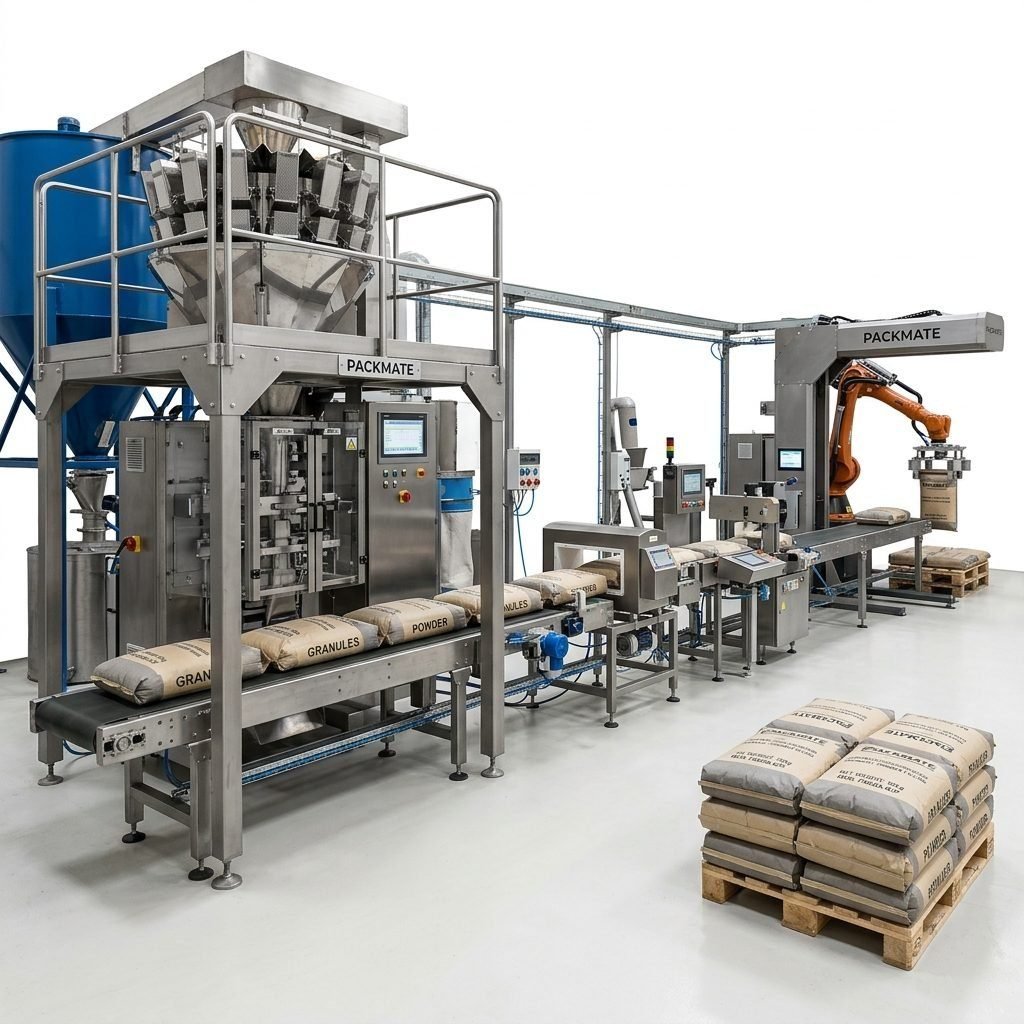
Machines range from semi-automatic (requiring an operator to feed product or packages) to fully automatic (integrated into a continuous line). Your required output speed (packages per minute, PPM) is a primary driver of cost and complexity. A complete filling & packaging line integrates multiple machines for a seamless, high-speed automated process.
Versatility and Changeover
How quickly and easily can the machine switch between different package sizes or products? Look for features like tool-less changeovers, digital settings recall, and adjustable parts. This flexibility is crucial for businesses running multiple SKUs.
Construction & Durability
Industrial machinery must withstand constant use. Evaluate the frame construction (stainless steel is preferred for food and pharmaceutical use), the quality of motors and drives, and the robustness of critical components. A machine built to last, like those from established manufacturers with over 30 years of expertise, minimizes downtime and maintenance costs.
Control System & HMI: The brain of the machine. A modern, user-friendly Human-Machine Interface (HMI) touchscreen allows for easy operation, recipe storage, and diagnostics. PLC (Programmable Logic Controller) based systems offer reliability and precise control.
Hygiene and Safety Standards
For food, pharmaceutical, and cosmetic applications, hygiene is non-negotiable. Machines should have smooth, easy-to-clean surfaces, be constructed from food-grade materials, and designed to prevent product trapping. Safety features like emergency stop buttons, light curtains, and guarding are mandatory to protect operators.
Comprehensive Buying Guide
Purchasing packaging machinery is a significant investment. Follow this structured guide to ensure you select the best equipment for your current and future needs.
Step 1: Define Your Requirements
Start with a clear internal assessment. What product are you packaging (format, viscosity, abrasiveness)? What is your target output (units per shift)? What is your primary packaging material (film type, bag style)? What are your floor space and utility (power, air) constraints? Answering these questions creates a foundational specification.
Step 2: Research and Shortlist Suppliers
Look for reputable manufacturers with a proven track record. Examine their company history, client portfolio, and industry reputation. A supplier like Packmate Machinery, which evolved from a technical workshop in 1993 to a modern manufacturer with a 20,000㎡ facility, demonstrates commitment and growth. Review their range of packing machines to see if they offer the specific technology you need.
Step 3: Request Detailed Proposals
Contact shortlisted suppliers with your specifications. A good proposal will include detailed machine specifications, layout drawings, a clear quote, delivery timeline, warranty terms, and information on after-sales support, spare parts availability, and training.
Step 4: Evaluate Total Cost of Ownership (TCO)
Look beyond the initial purchase price. Consider installation costs, expected energy consumption, maintenance schedules, the cost and availability of spare parts, and potential costs for future upgrades. A slightly higher initial investment in a robust, efficient machine often leads to much lower TCO.
Step 5: Request a Product Test (Factory Acceptance Test – FAT)
Whenever possible, arrange to see the machine run, ideally with a sample of your own product and packaging materials. This is the best way to verify speed, accuracy, and compatibility. It also allows your operators to get familiar with the equipment before installation.
Step 6: Finalize Support and Service Agreements
Ensure clear terms for installation, commissioning, and operator training are in place. Understand the supplier’s response time for technical support, their policy on warranty repairs, and the process for ordering spare parts. Reliable service is as important as the machine itself.
Frequently Asked Questions (FAQ)
1. What is the typical lead time for a new packaging machine?
Lead times vary significantly based on machine complexity, customization, and manufacturer backlog. For standard models, expect 8-16 weeks. For highly customized or large integrated lines, it can be 20 weeks or more. Always confirm the timeline during the quoting process.
2. How do I ensure the machine will work with my specific product?
The most reliable method is to conduct a product test at the manufacturer’s facility. Provide them with samples of your exact product and packaging materials. This allows them to fine-tune the machine settings and demonstrate its performance, giving you confidence before purchase.
3. What are the most common maintenance requirements?
Routine maintenance typically includes daily cleaning, lubrication of moving parts as specified in the manual, inspection and replacement of wear items (like seals, gaskets, and cutting blades), and periodic calibration of weighing or filling systems. Following the manufacturer’s preventative maintenance schedule is key to longevity.
4. Can I upgrade my machine in the future for new package sizes?
This depends on the machine’s design. Many modern machines are built with flexibility in mind and offer changeover kits for different sizes. Discuss your future plans with the supplier during the initial design phase. Choosing a modular machine or one from a supplier with a wide range of auxiliary equipment can facilitate future upgrades.
5. What training is provided for our operators and maintenance staff?
Reputable suppliers include comprehensive training as part of the commissioning process. This should cover safe operation, routine maintenance, basic troubleshooting, and how to perform size changeovers. Training should be hands-on and involve the staff who will actually work with the equipment. Ensure this is detailed in your purchase agreement.