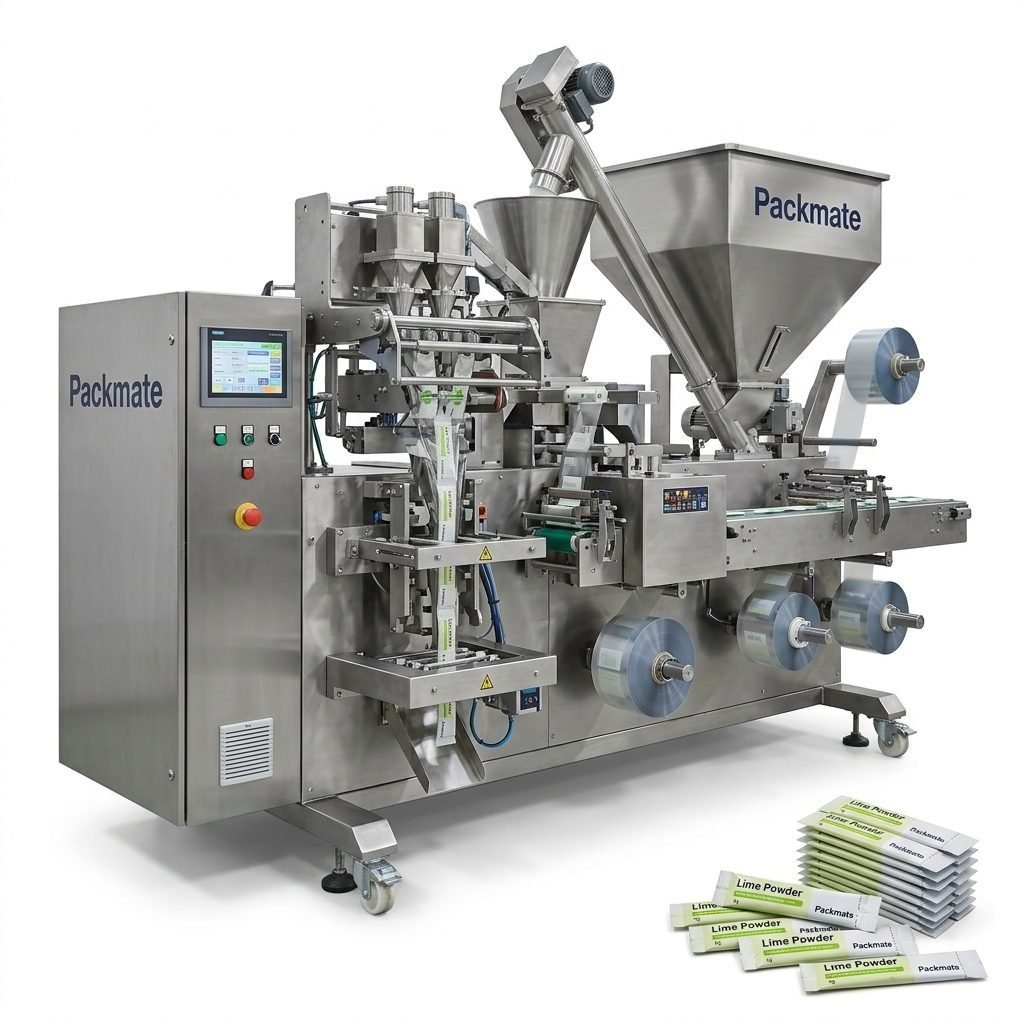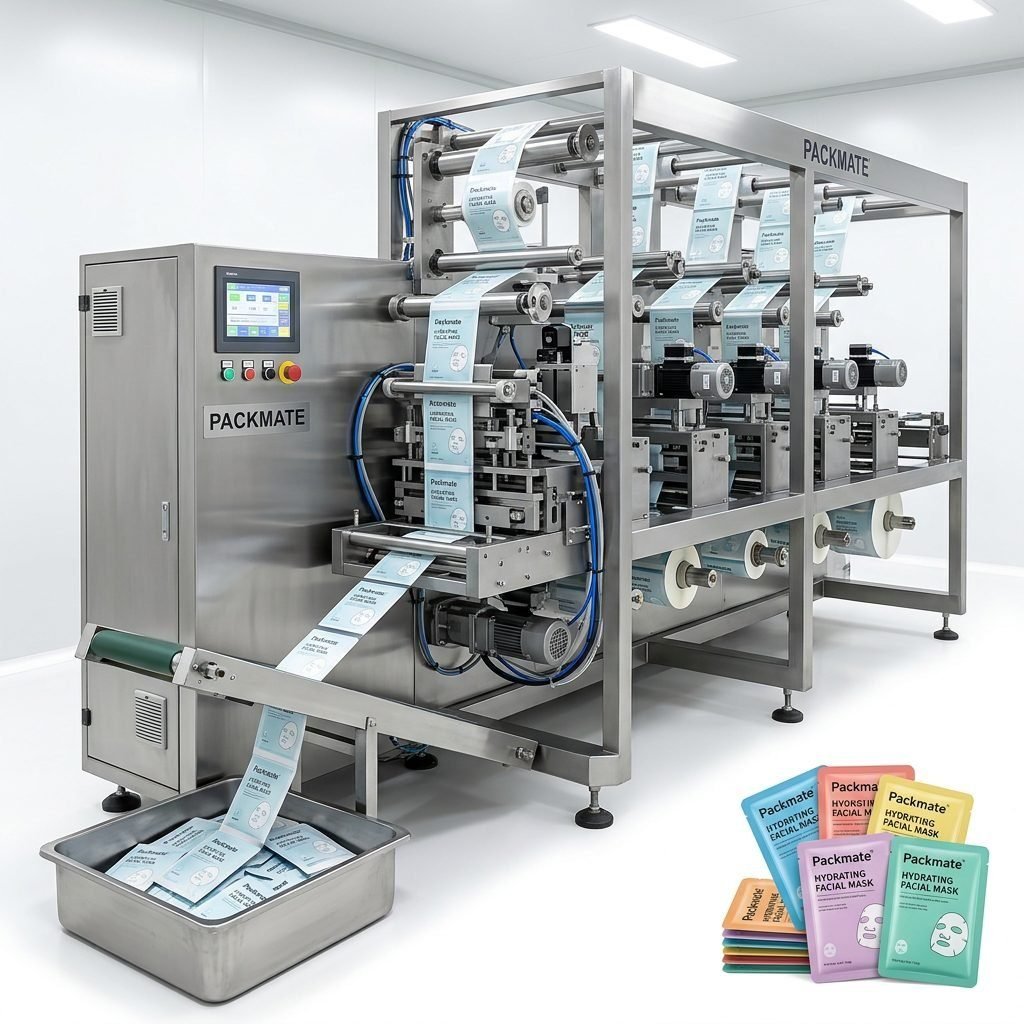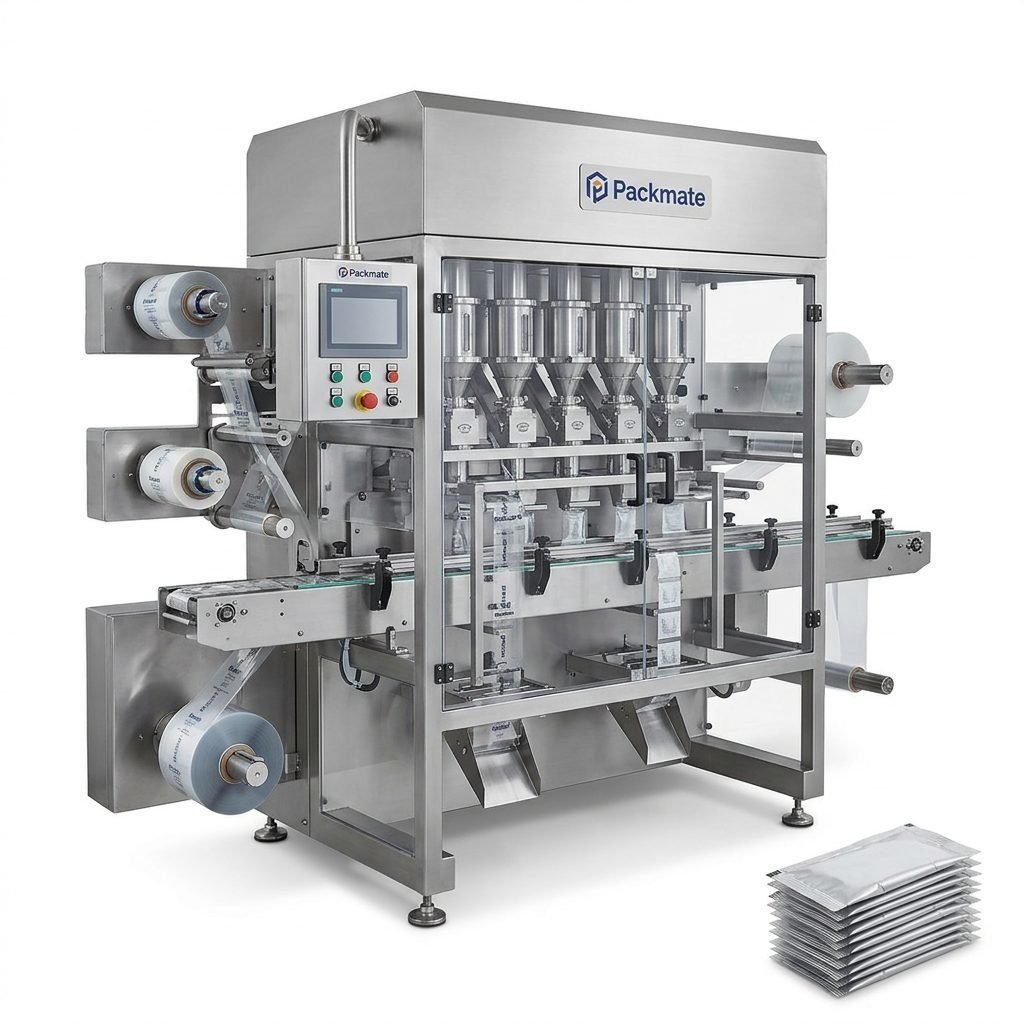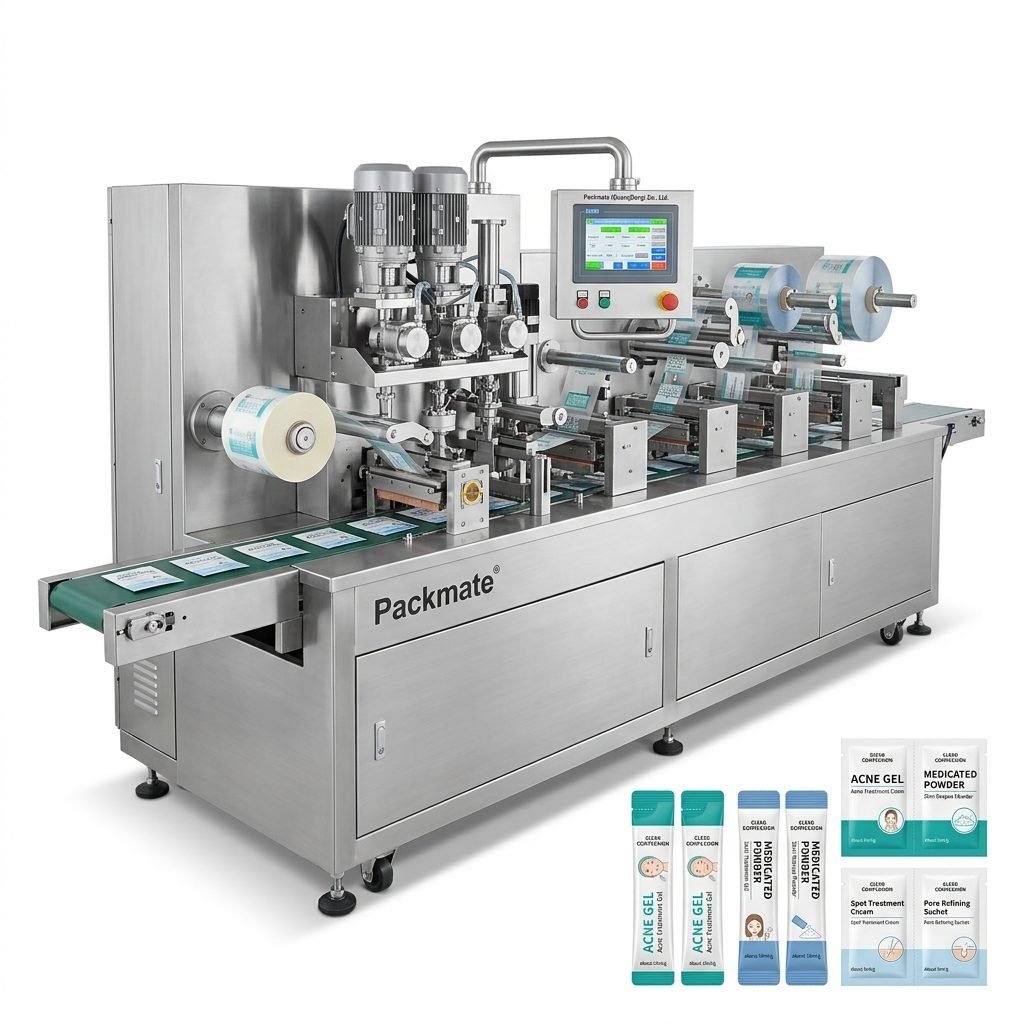
Deep drawing packaging machines represent a sophisticated and versatile segment of the packaging machinery industry. These systems utilize a forming process where a flat sheet of material—typically laminated film or aluminum—is mechanically drawn into a mold cavity to create a three-dimensional pouch or cup. This guide provides a comprehensive overview of the different types of deep drawing machines, their core applications across various industries, and the critical factors to consider when selecting the right system for your production needs. The technology is particularly valued for creating hermetically sealed, single-serve portions with excellent product presentation and extended shelf life.
Core Principles of Deep Drawing Technology
The fundamental operation of a deep drawing packaging machine involves several synchronized stages. First, a web of packaging film is fed from a roll. A heating station then softens the film before a forming station, equipped with a mold and a punch, draws the pliable material into cavities, creating precise pockets. These pockets are filled with the product—be it liquid, paste, powder, or solid. A second layer of lidding film is then applied on top, and a sealing station creates a strong, airtight seal. Finally, the individual packages are die-cut from the web. This continuous motion process allows for high-speed, automated production of uniform packages with minimal material waste.
The choice of film is paramount in deep drawing. Multi-layered laminates are common, combining materials like PET, aluminum foil, and PE to provide barriers against moisture, oxygen, and light. This makes the process ideal for sensitive products requiring robust protection.
Primary Types of Deep Drawing Packaging Machines
Deep drawing machines can be categorized based on their forming technology, orientation, and level of automation. Understanding these distinctions is key to matching the machine to your product and output goals.
1. Thermoforming Deep Drawing Machines
This is the most prevalent type. The packaging film is heated to a pliable state before being formed. This allows for deeper draws and more complex shapes, making it suitable for a wide range of products from yogurt and desserts to medical creams and hardware components. The versatility in cavity depth and shape is a significant advantage.
2. Cold Forming Deep Drawing Machines
In cold forming, specialized aluminum-based laminates are used. The material is drawn at room temperature under high pressure, creating an extremely high-barrier package with an opaque appearance. This type is almost exclusively used for highly sensitive pharmaceutical products (like moisture-sensitive tablets or sterile devices) and some premium food items where ultimate protection from light, oxygen, and moisture is non-negotiable.
3. Horizontal vs. Vertical Orientation
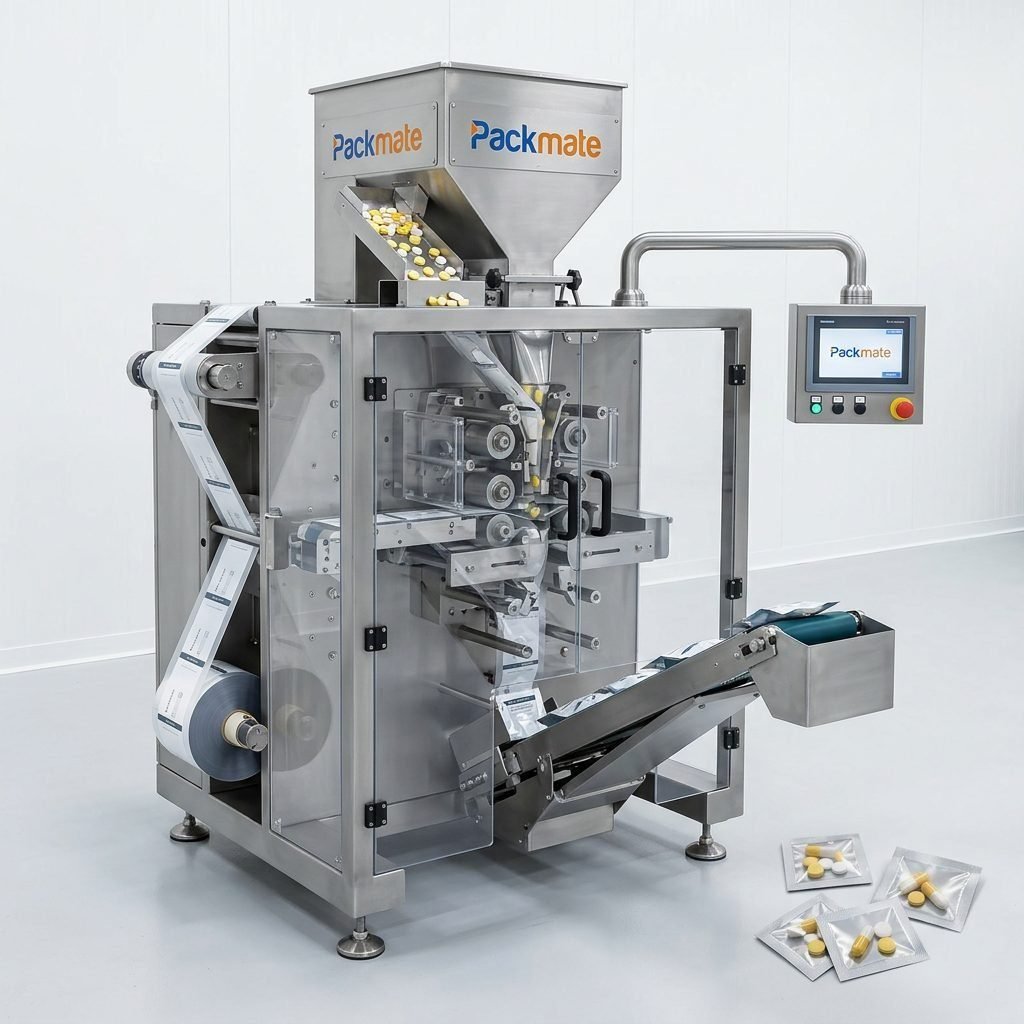
Machines are also designed in horizontal or vertical configurations. Horizontal deep drawing machines are common for food and general packaging, offering easy access for maintenance and integration into linear production lines. Vertical machines often have a smaller footprint and are favored in industries like pharmaceuticals and electronics where cleanroom integration or gravity-assisted filling is beneficial.
Key Industries and Applications
The unique benefits of deep drawing packaging—excellent barrier properties, attractive presentation, and portion control—make it indispensable across several sectors.
Food & Beverage Industry
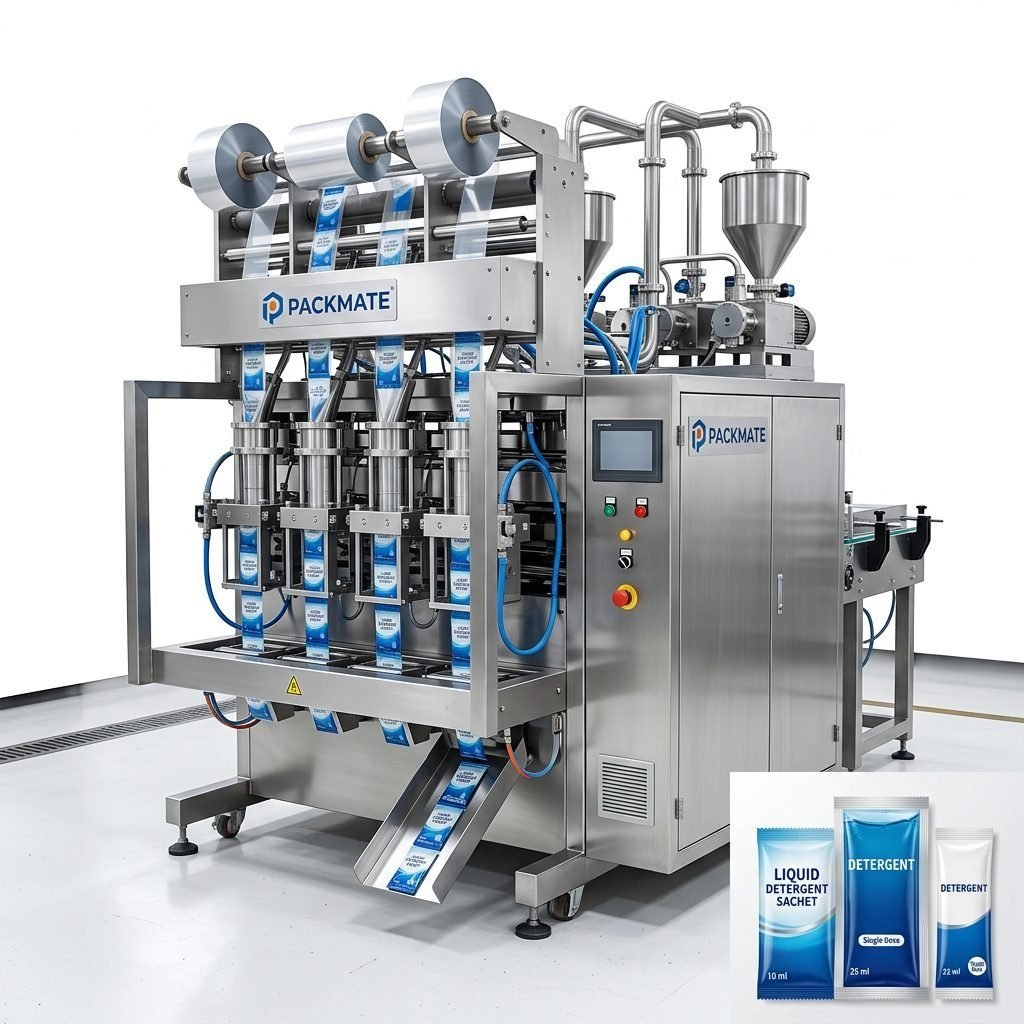
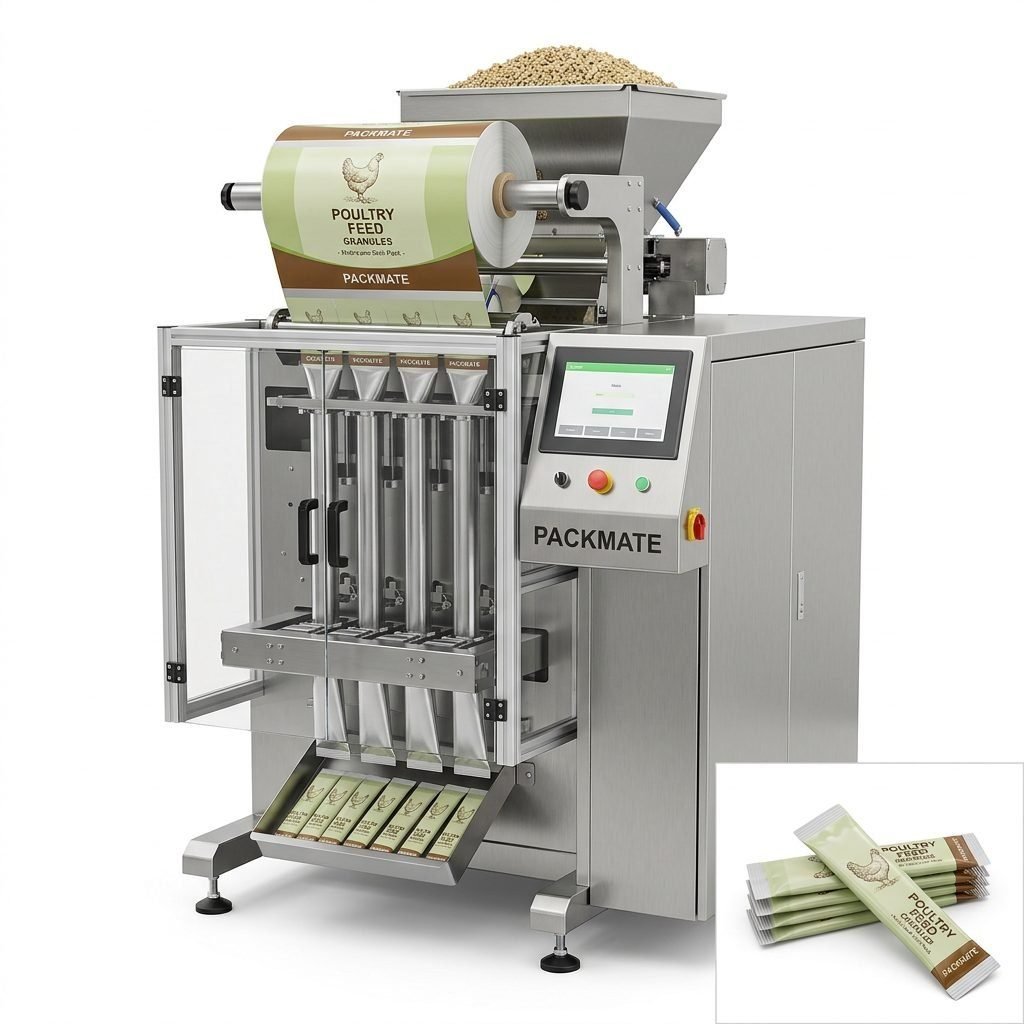
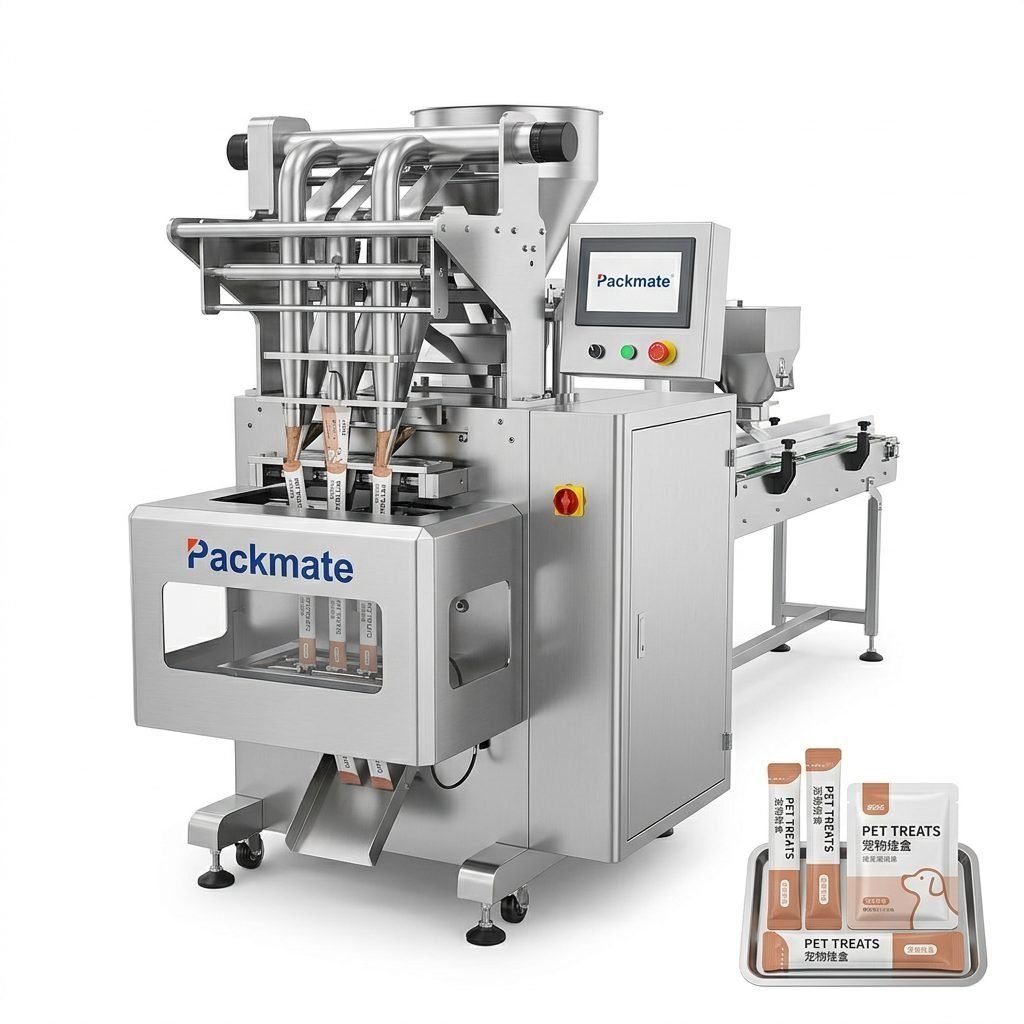
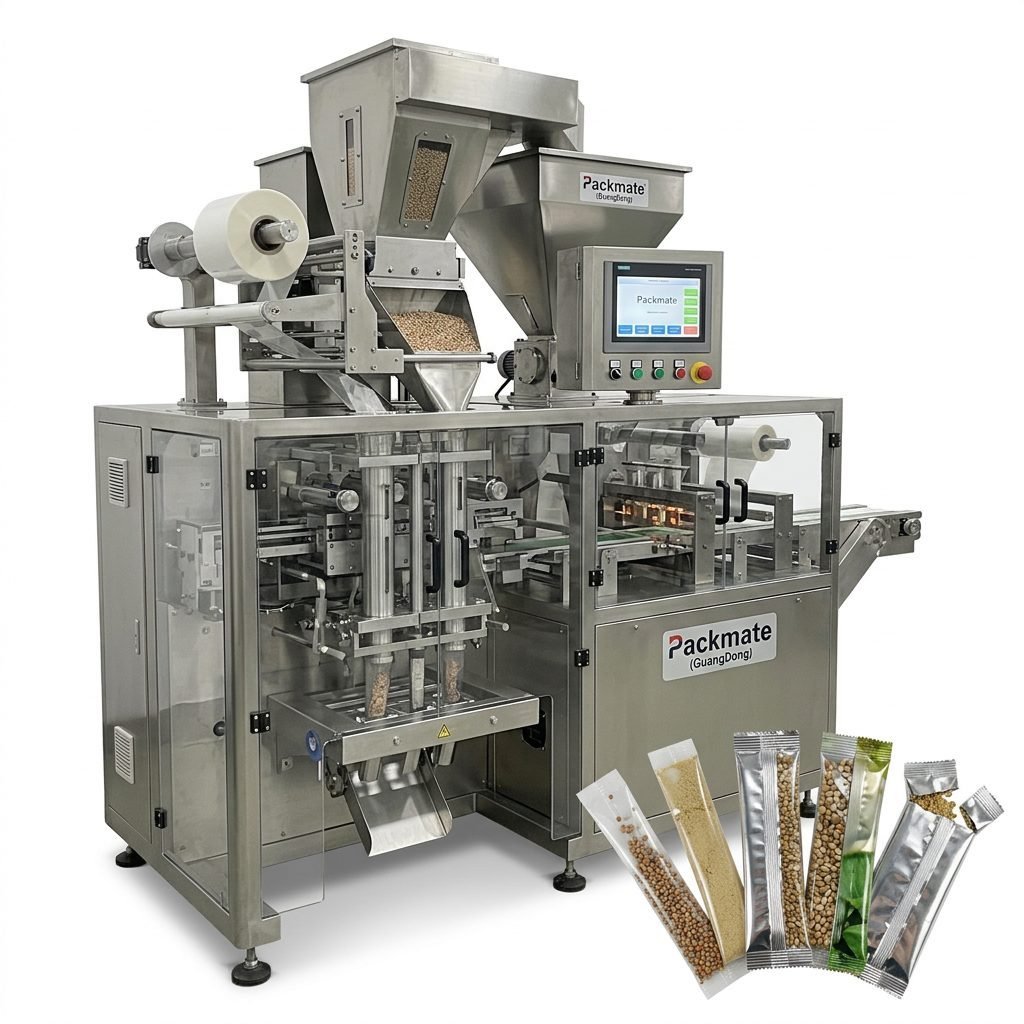
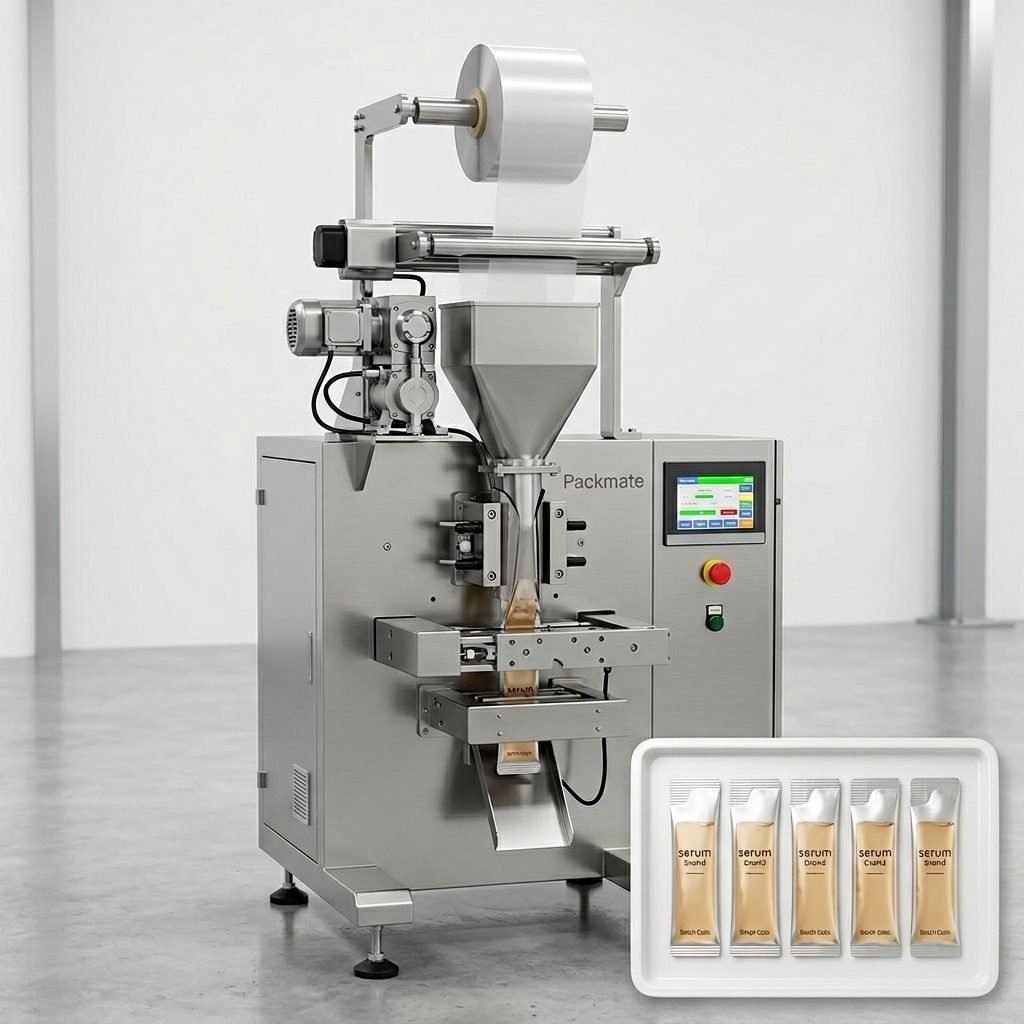
This is the largest application area. Machines produce single-serve packages for dairy products (yogurt, cream cheese), desserts (puddings, mousses), sauces, dips, and liquid coffee concentrates. The ability to create multi-compartment packages for products like snack packs with dip is a notable capability. For businesses looking to enter this market, exploring sachet and stick pack solutions can also be a complementary consideration for dry goods.
Pharmaceutical & Medical Industry
Here, the demand for sterility and product integrity is critical. Deep drawing, especially cold forming, is used to package unit-dose medications, medical creams and gels, diagnostic test kits, and sterile surgical tools. The hermetic seal prevents contamination and ensures accurate dosing.
Consumer Goods & Industrial Products
Beyond food and pharma, these machines package a diverse array of items. Examples include single-use portions of lubricants, adhesives, and sealants in hardware; cosmetic samples like creams and masks; and electronic components that require protection from static and moisture during shipping.
Advantages of Implementing Deep Drawing Systems
Investing in a deep drawing packaging line offers numerous operational and commercial benefits that justify its position as a premium packaging solution.
Superior Product Protection: The combination of high-barrier films and a hermetic seal offers unmatched defense against environmental factors, dramatically extending shelf life and maintaining product quality.
Enhanced Shelf Appeal: The sleek, formed packages provide a modern and premium look on retail shelves. Excellent print quality on the film allows for vibrant branding and clear product information.
High Efficiency and Low Waste: Modern machines operate at high speeds with precise material usage. The in-line process from film roll to finished pack reduces handling and minimizes scrap material compared to pre-made pouch systems.
Format Flexibility: With quick mold changes, a single machine can often produce packages of different sizes, shapes, and compartment configurations, allowing manufacturers to respond quickly to market trends.
Selecting the Right Machine: A Buyer’s Checklist
Choosing a deep drawing machine is a significant decision. Partnering with an experienced manufacturer like Packmate Machinery, with over two decades of expertise in packaging automation, is crucial. Key selection criteria include:
Product Characteristics: Analyze your product’s viscosity, acidity, sensitivity, and particulate size. This determines the required film type, filling system, and sealing parameters.
Production Volume & Speed: Define your required output (packs per minute). Machine speeds can vary widely, and your choice should align with both current and projected future demand.
Film and Material Compatibility: Ensure the machine can handle the specific laminate structure you need for your product’s barrier requirements.
Level of Automation: Consider integration with upstream and downstream equipment like filling stations, cartoners, and case packers for a complete turnkey packaging line.
Sanitation and Compliance: For food or pharmaceutical use, machines must be designed for easy cleaning (CIP/SIP) and comply with industry regulations (e.g., FDA, GMP).
Frequently Asked Questions (FAQs)
What is the main difference between thermoforming and cold forming deep drawing?
The core difference lies in the process temperature and material. Thermoforming heats the film to make it pliable for forming and is used with various laminates. Cold forming uses room temperature and high pressure with specialized aluminum laminates to create the highest possible barrier, primarily for ultra-sensitive pharmaceuticals.
Can deep drawing machines handle both liquids and solids?
Yes, they are highly versatile. With the appropriate filling system (piston pump, auger, volumetric cup), they can accurately package liquids, viscous pastes, free-flowing powders, and even small solid items or assemblies.
How difficult is it to change package shapes on a deep drawing machine?
Format changeovers involve replacing the forming mold, sealing die, and sometimes the filling nozzles. While not instantaneous, modern machines are designed for quick tooling changes, often accomplished in under an hour with proper procedures, allowing for flexible production scheduling.
Are deep drawing packages recyclable?
Recyclability is a complex issue due to the multi-material laminates used. However, the industry is actively developing mono-material and more easily separable film structures to improve sustainability. The process itself is material-efficient, generating less waste than some alternative packaging methods.
What kind of maintenance do these machines require?
Regular preventive maintenance is essential for longevity and consistent output. This includes daily cleaning, lubrication of moving parts, inspection of seals and heating elements, and calibration of filling and sealing systems. Reputable suppliers provide comprehensive service and training programs to support optimal machine performance.