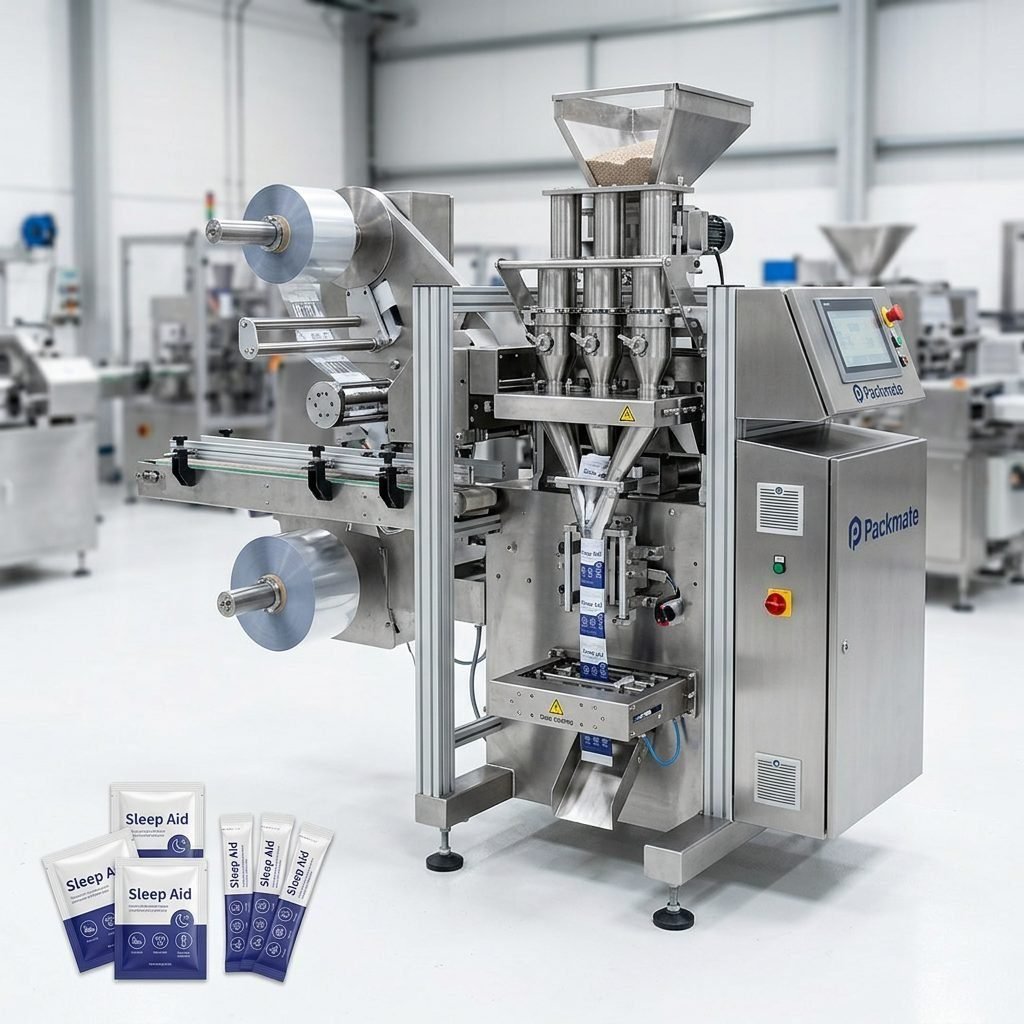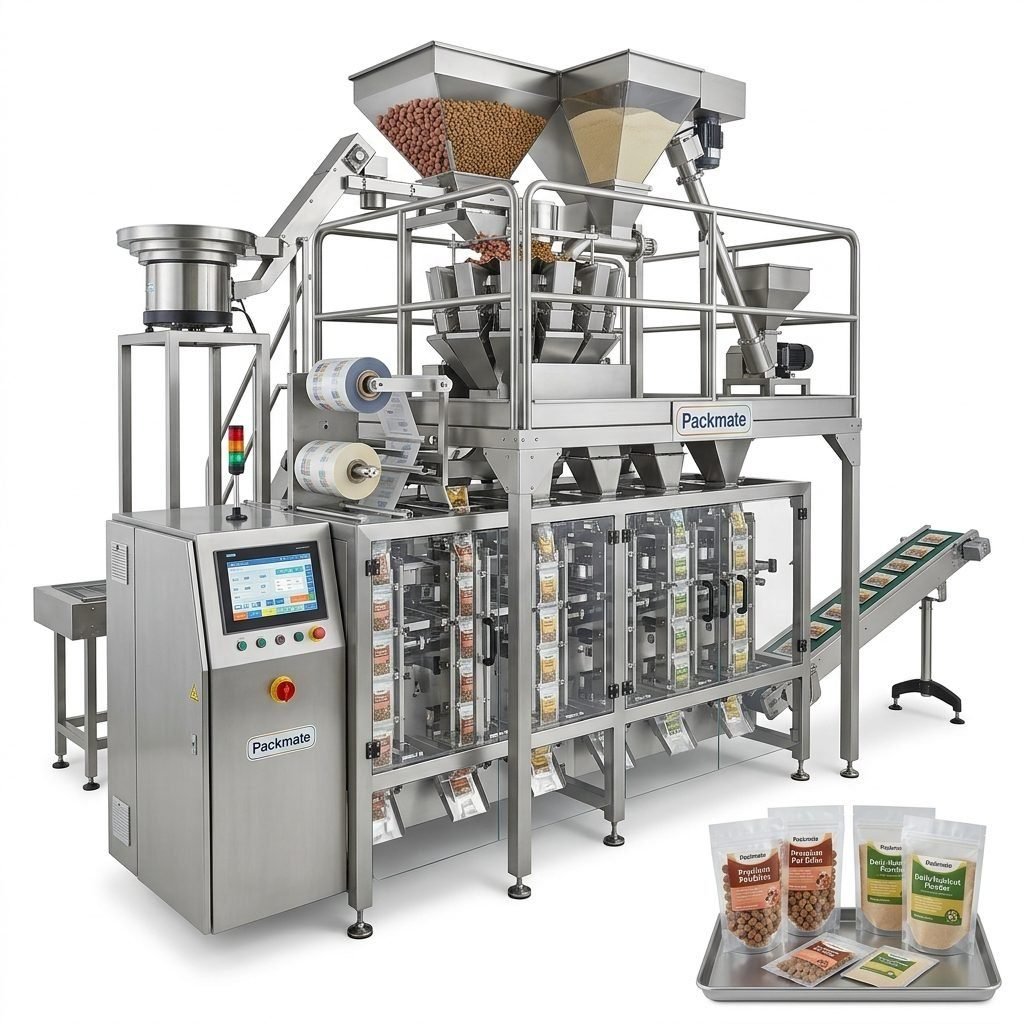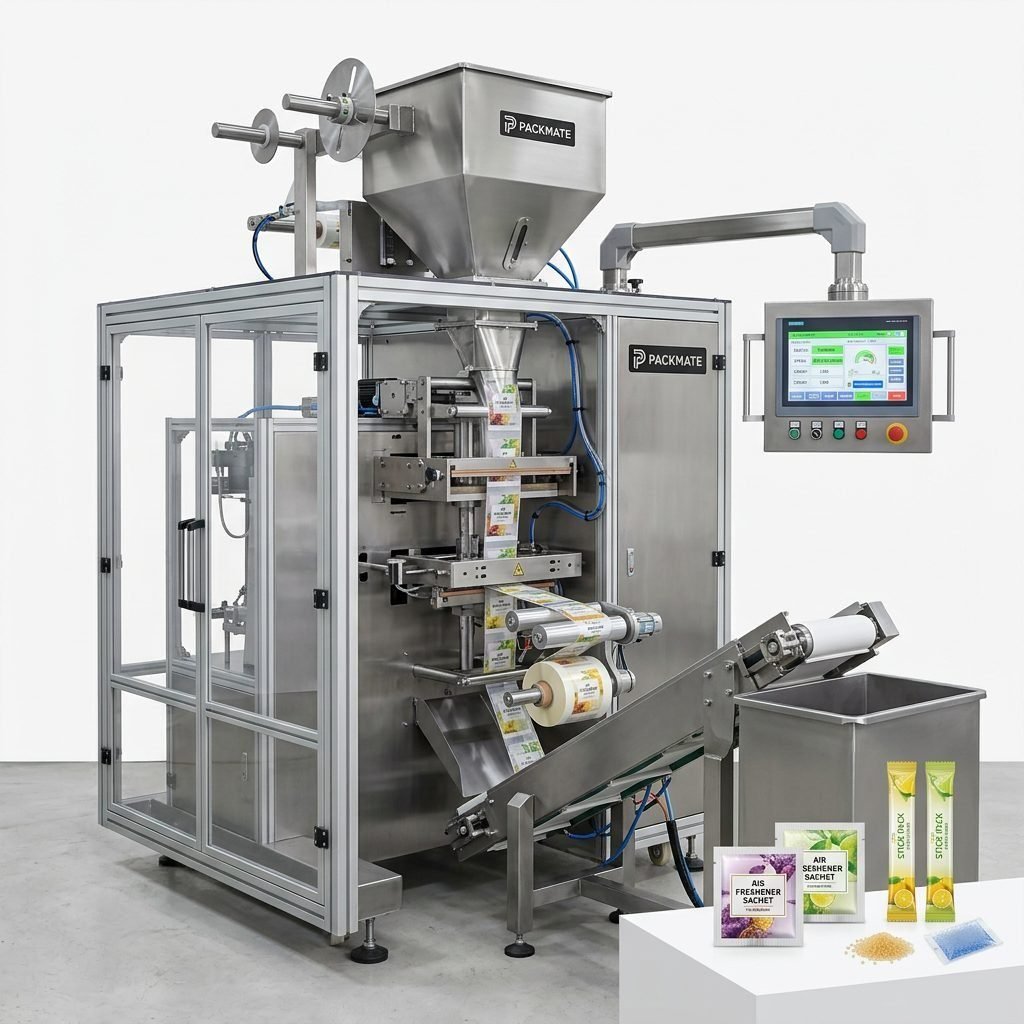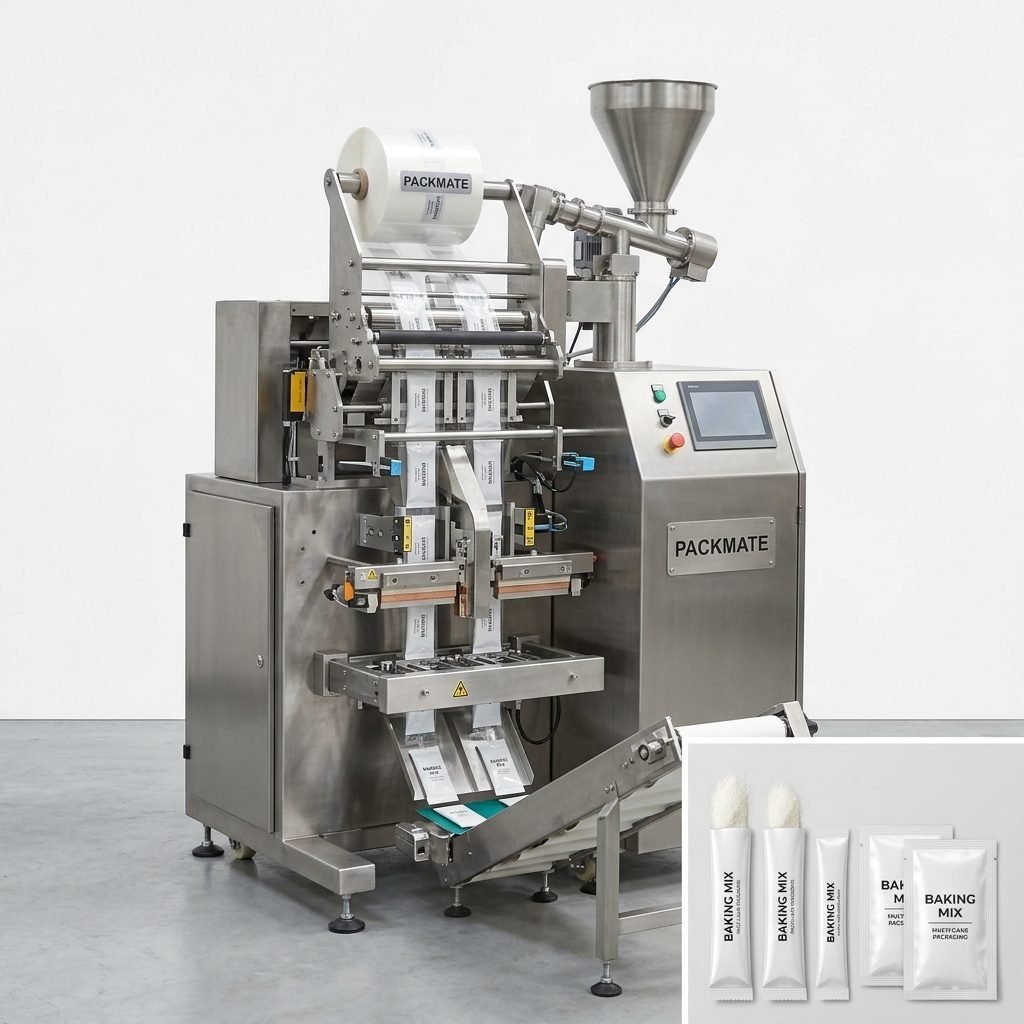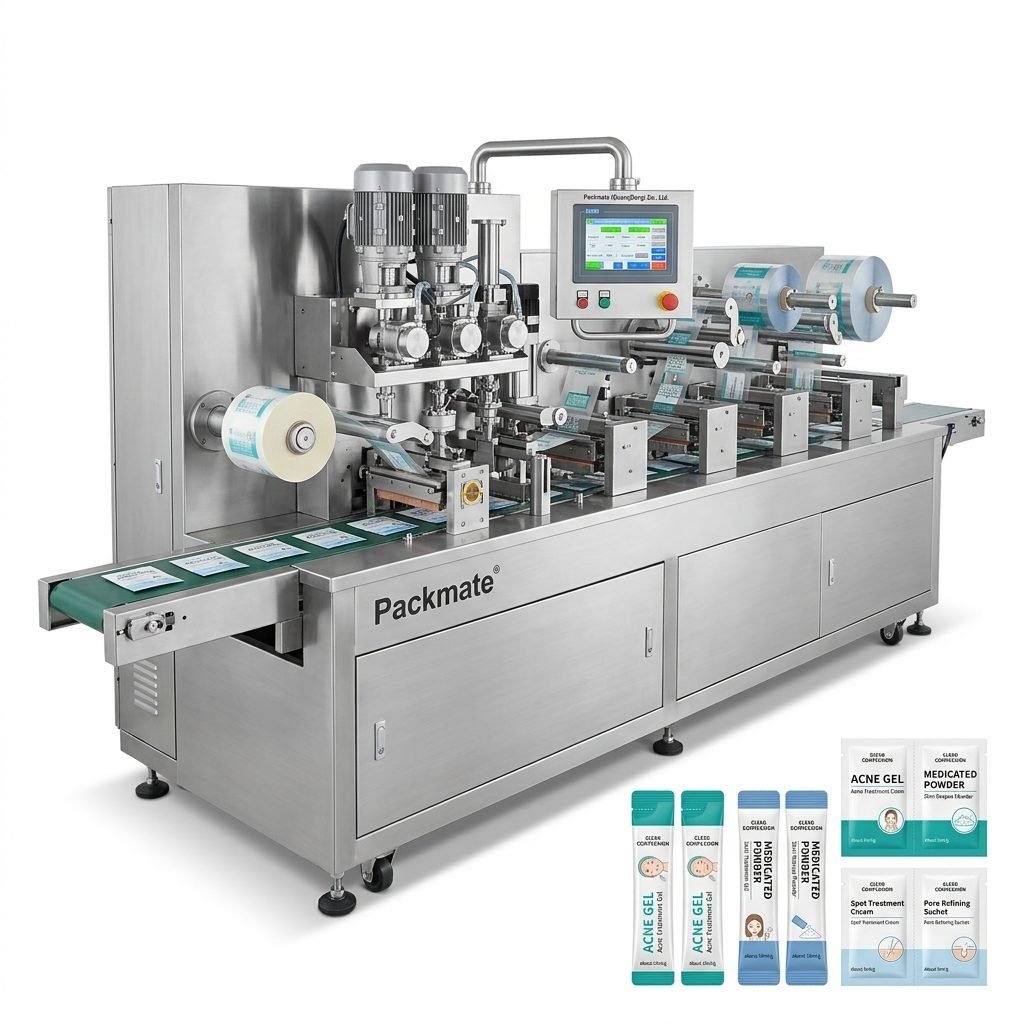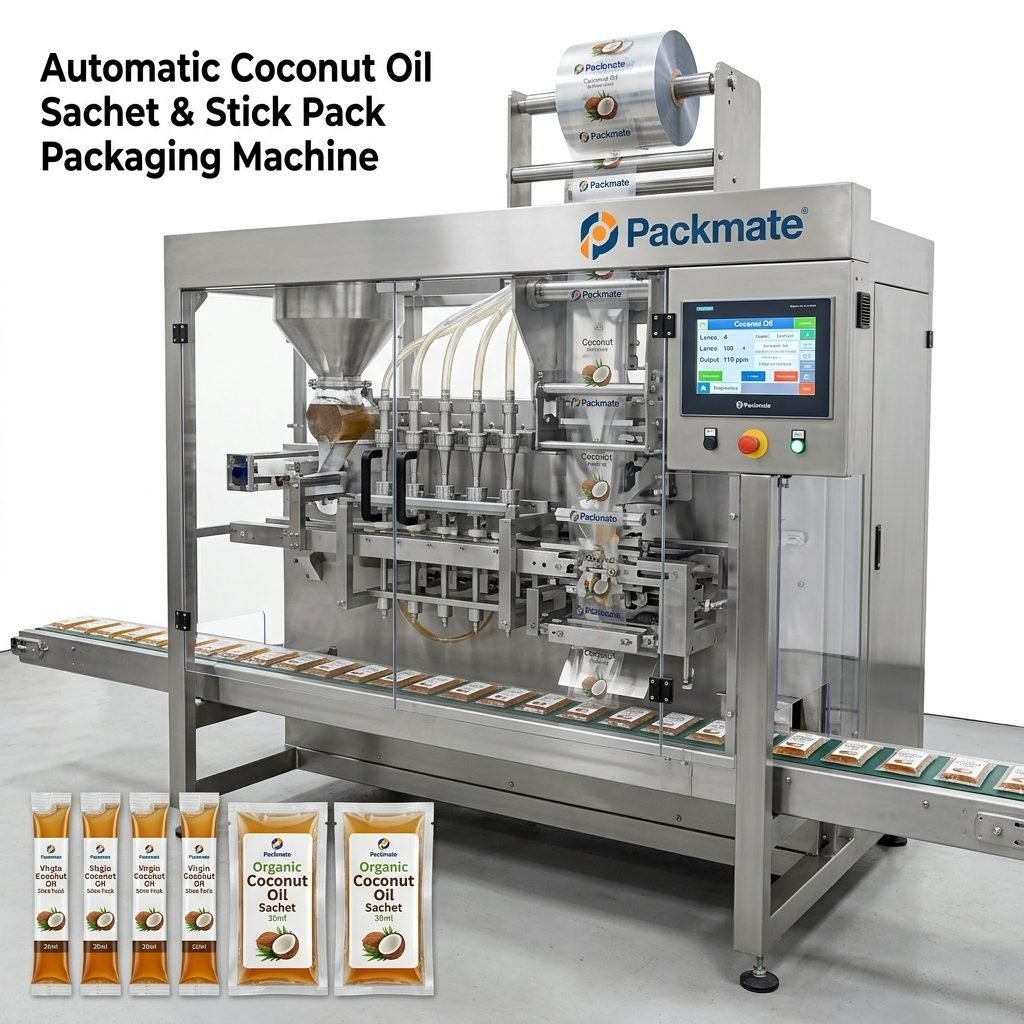
In the fast-paced world of product manufacturing and distribution, ensuring your goods remain fresh, secure, and presentable from production line to end-user is paramount. This is where the critical role of foil packaging machines comes into sharp focus. For businesses dealing with powders, granules, liquids, or pharmaceuticals, selecting the right foil sealing technology is not just an operational decision—it’s a strategic investment in product integrity, brand reputation, and operational efficiency. An efficient foil packaging machine provides a robust barrier against moisture, oxygen, light, and contaminants, significantly extending shelf life and protecting sensitive contents.
Why Foil Sealing is a Game-Changer for Modern Packaging
The superiority of foil as a packaging material lies in its exceptional barrier properties. Unlike many plastics, high-quality foil laminates offer near-total impermeability. This creates a hermetically sealed environment that is crucial for products prone to degradation. For instance, in the health supplement industry, where active ingredients like vitamins and probiotics are sensitive to environmental factors, foil packaging is non-negotiable for maintaining potency. Similarly, in the food sector, it locks in freshness and aroma for coffee, spices, and dairy powders, while in pharmaceuticals, it ensures sterility and precise dosing for tablets and powders.
Choosing a machine that consistently applies this seal is where engineering excellence matters. The best foil packaging machines integrate precision temperature control, consistent pressure application, and reliable film feeding systems to create a perfect seal every time, minimizing waste and maximizing throughput.
Key Features of Top-Tier Foil Packaging Machines
When evaluating foil packaging machines for your production line, several core features separate the adequate from the exceptional. Prioritizing these elements will lead to a more efficient, reliable, and cost-effective operation.
Precision Heat Sealing Jaws: The heart of any foil sealer. Look for machines with digitally controlled, adjustable heating elements that distribute heat evenly across the sealing surface. This prevents weak seals or burnt packaging material, ensuring uniform integrity across every sachet or pouch.
Versatile Film Handling: Top machines can handle a wide range of laminate materials, from standard aluminum foil composites to more sophisticated high-barrier metallized films. Compatibility with various roll widths and core sizes adds flexibility to your sourcing and packaging design options.
Advanced PLC Control Systems: Modern machines are governed by programmable logic controllers (PLCs) with user-friendly touchscreen interfaces. These systems allow for easy parameter setting (seal time, temperature, batch counting), troubleshooting, and often feature recipe memory for quick changeovers between different products.
Robust Construction and Easy Maintenance: Efficiency is tied to uptime. Machines built with high-grade stainless steel and durable components withstand 24/7 operation in demanding environments. A design that allows for easy access to key parts for cleaning and maintenance drastically reduces downtime.
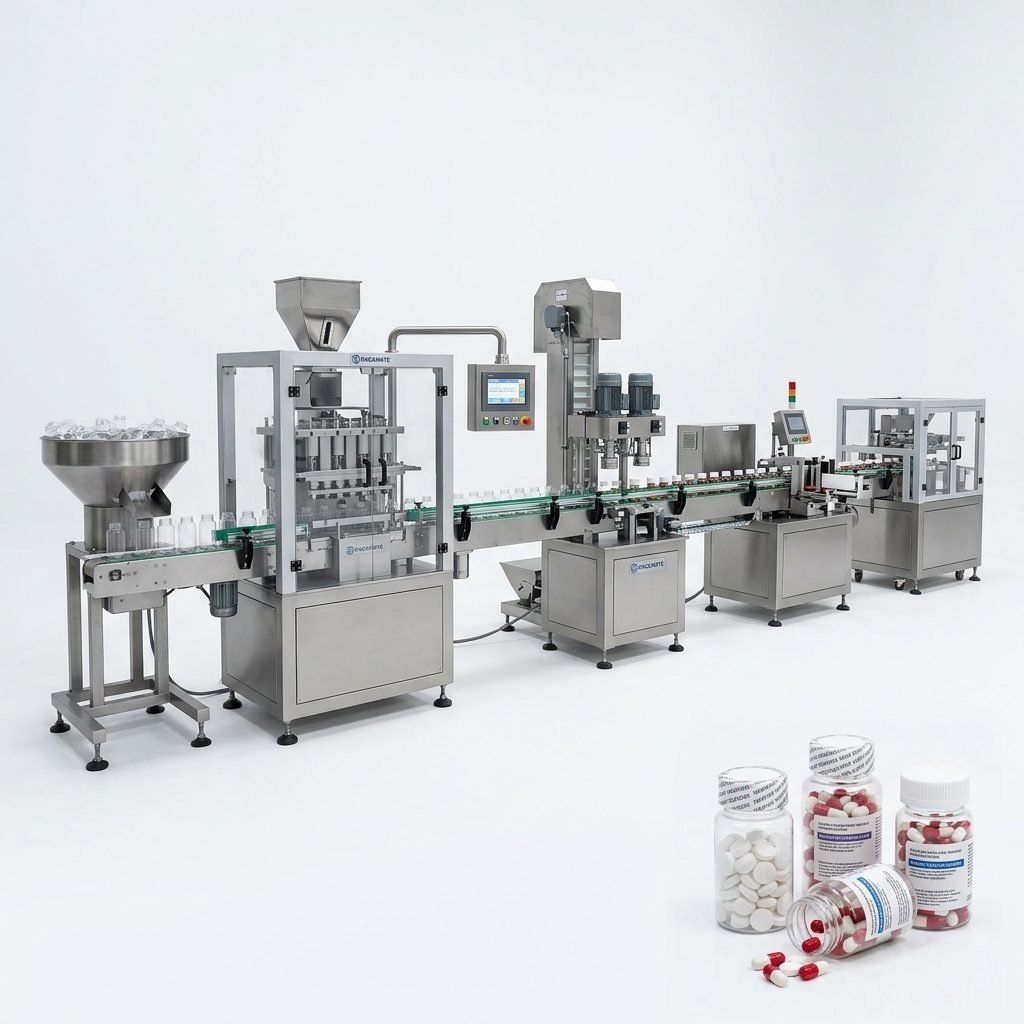
Integrating a high-performance foil packaging machine into a complete filling and packaging line can create a seamless, automated workflow from product dosing to final sealing, dramatically boosting overall plant efficiency.
Matching the Machine to Your Product and Output Needs
Not all products or production volumes are the same. The “best” machine is the one that aligns perfectly with your specific requirements.
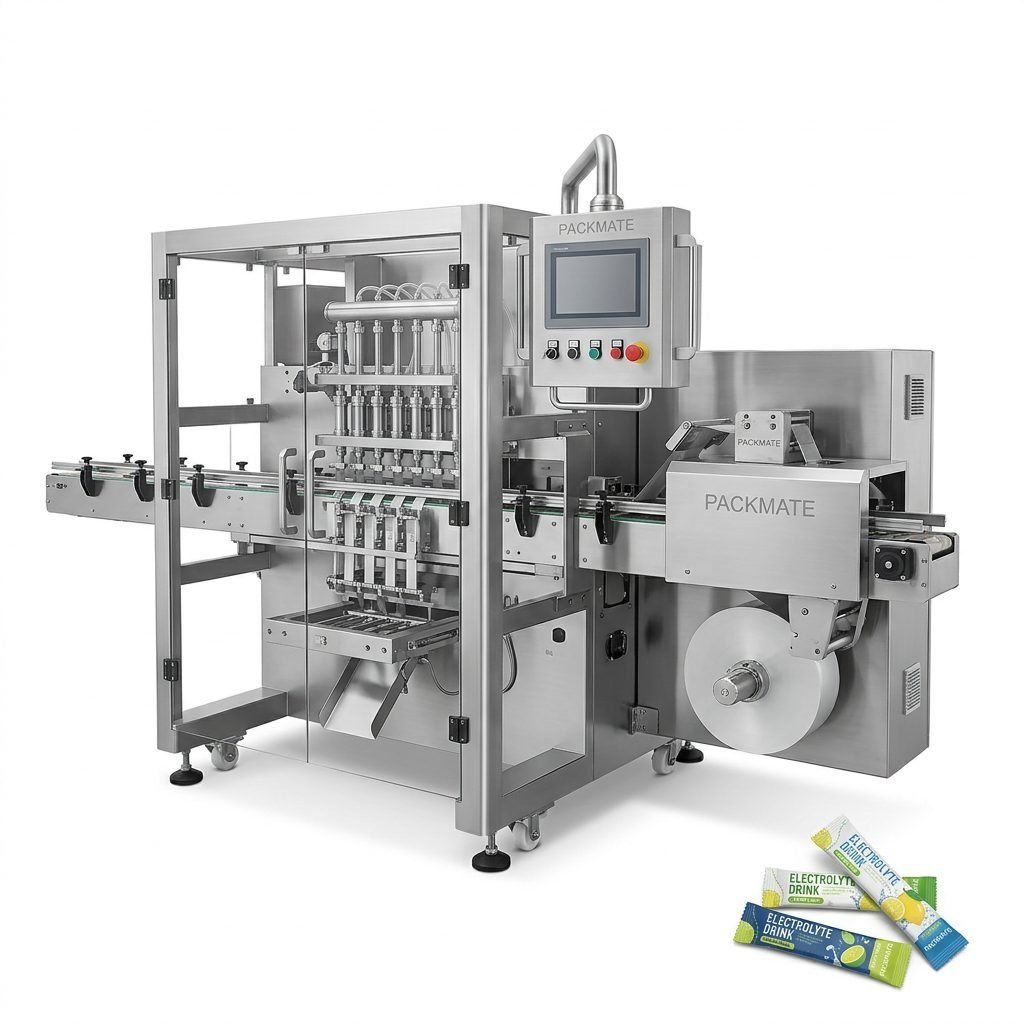
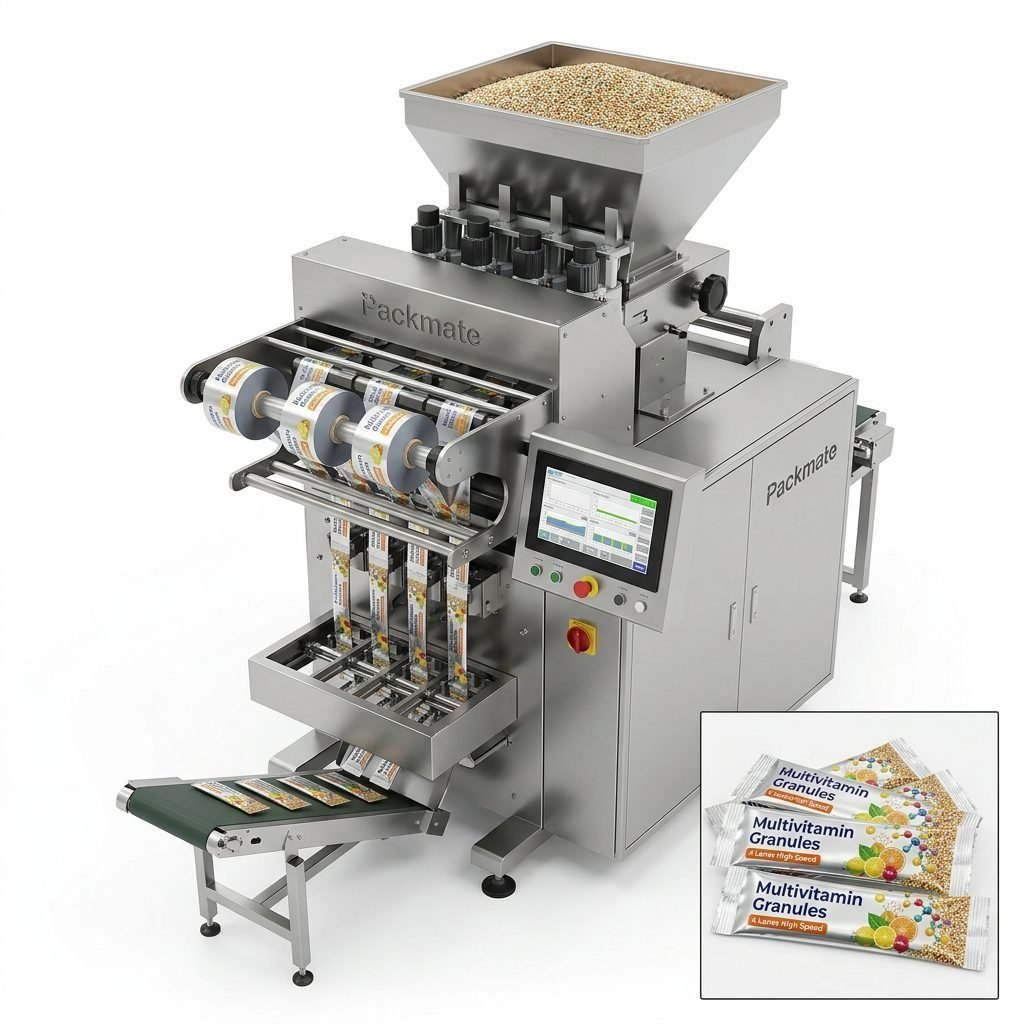
For High-Volume Production (e.g., Stick Pack Coffee, Protein Powder): Multi-lane, rotary-style foil packaging machines are essential. These systems, such as advanced sachet and stick pack machines, can simultaneously form, fill, and seal dozens of units per cycle, achieving outputs of hundreds of packs per minute. They are the backbone of large-scale consumer goods manufacturing.
For Medium-Scale or Versatile Operations: Vertical form-fill-seal (VFFS) machines with specialized foil sealing jaws offer an excellent balance. They are highly adaptable, allowing for quick size changes and capable of handling everything from granulated spices to liquid condiments in various pouch styles.
For Specialized Applications (e.g., Pharmaceuticals, Single-Serve Liquids): Here, precision and cleanliness are paramount. Machines often feature enhanced sterilization capabilities (like CIP systems), ultra-precise micro-dosing fillers, and validation-ready software to comply with strict industry regulations like GMP.
Exploring a manufacturer’s range of bag and pouch packaging machines is a good starting point to see the spectrum of foil-compatible solutions available.
The Hallmarks of a Reliable Machinery Partner
Investing in packaging machinery is a long-term commitment. The manufacturer behind the machine is as important as the specifications on the datasheet. A partner with deep industry experience brings invaluable expertise to the table.
Consider a company like Packmate Machinery, which has evolved over 22+ years from a specialized workshop into a leading manufacturer. Such a journey typically signifies a deep understanding of real-world production challenges and a commitment to iterative innovation. A partner with a substantial 20,000㎡ modern facility and over 100 units of advanced production equipment has the capacity for rigorous testing and quality control, ensuring each machine is built to last. Furthermore, a portfolio of over 50 machine models indicates a breadth of knowledge that can be leveraged to recommend the optimal solution, not just the most readily available one.
Ultimately, the right partner provides more than a machine; they offer a turnkey solution. This includes comprehensive support from initial consultation and factory testing to installation, operator training, and readily available after-sales service and spare parts. This holistic approach minimizes your risk and ensures a smooth integration into your production ecosystem.
Driving Efficiency Beyond the Seal
While the sealing unit is critical, true operational efficiency is achieved by viewing the foil packaging machine as part of a connected system. Integration with upstream and downstream equipment is key.
Upstream Integration: Pairing your foil sealer with automated weighing and packaging systems ensures accurate, consistent product filling. This eliminates underweight or overweight packs, saving product and ensuring compliance, while synchronizing the flow to the sealer.
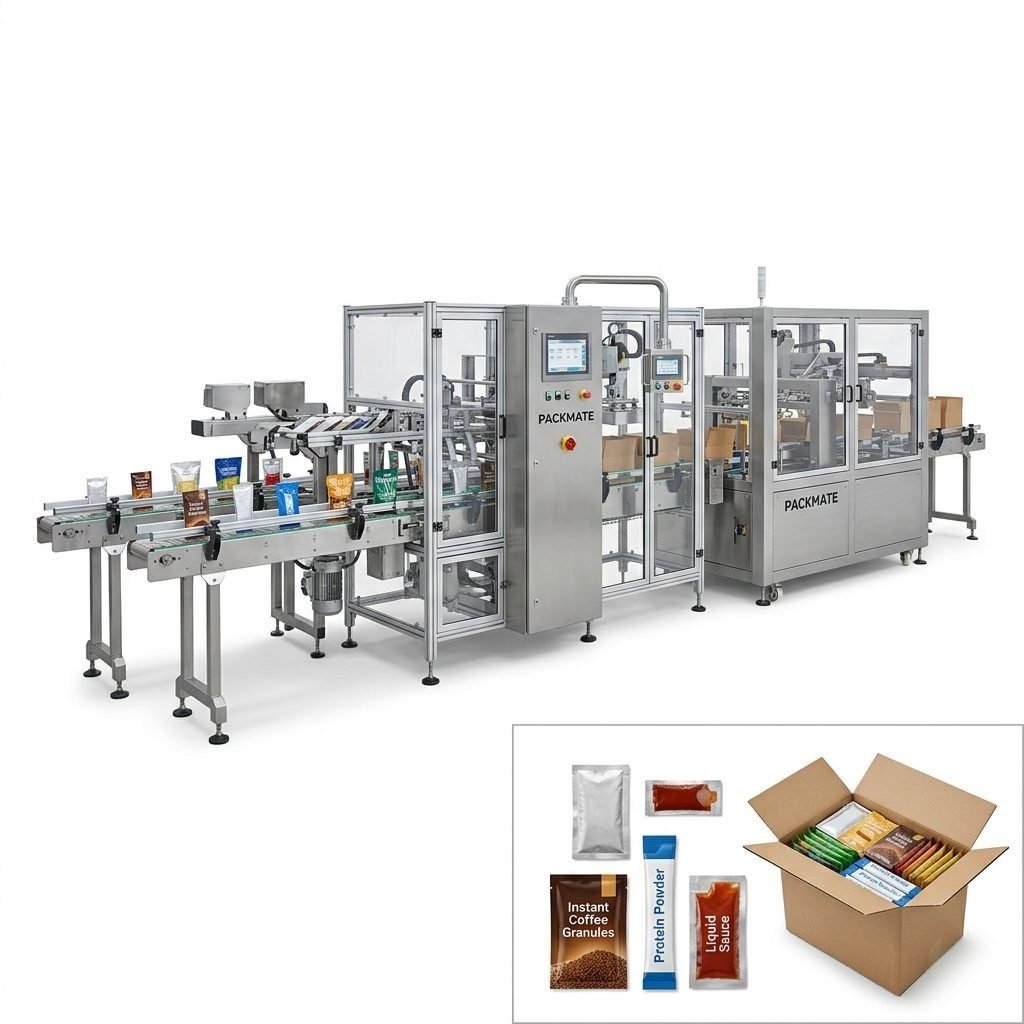
Downstream Integration: The output of high-speed foil packaging machines must be handled efficiently. Connecting to automatic cartoners, case packers, or palletizing robots creates a continuous, hands-off production line from primary packaging to shipping pallet.
Data and Monitoring: Modern machines offer connectivity for Industry 4.0. Data on production speed, seal quality metrics, downtime reasons, and maintenance schedules can be collected via OPC-UA or similar protocols. This data is invaluable for predictive maintenance, optimizing Overall Equipment Effectiveness (OEE), and making informed decisions for future capacity planning.
Conclusion: Sealing the Deal on Your Investment
Selecting the top foil packaging machine is a multifaceted process that balances technical specifications with strategic partnership. It requires a clear understanding of your product’s barrier needs, your required production throughput, and the long-term support you will need to maintain peak efficiency. By focusing on precision engineering, versatile performance, and choosing a manufacturer with a proven track record of quality and innovation—such as those with extensive experience in intelligent packaging solutions—you invest in more than just equipment. You invest in the protection of your product, the efficiency of your operation, and the strength of your brand in the marketplace. The right machine doesn’t just seal packages; it seals your success.
Frequently Asked Questions (FAQs)
What types of products are best suited for foil packaging?
Foil packaging is ideal for any product sensitive to moisture, oxygen, light, or aroma loss. This includes food products like coffee, spices, powdered milk, and soups; pharmaceuticals such as tablets, powders, and diagnostic strips; and health supplements including vitamins, protein powders, and probiotics. It is also widely used for chemical products and single-use condiment servings.
How do I choose between a single-lane and a multi-lane foil packaging machine?
The choice depends entirely on your required output. Single-lane machines are perfect for lower-volume production, pilot lines, or products with frequent changeovers. Multi-lane machines (like rotary or simultaneous sealing machines) are designed for high-speed, high-volume production, often creating multiple packs per cycle to achieve outputs of several hundred packs per minute.
Can one foil packaging machine handle different packaging materials?
Many modern machines are designed with versatility in mind. High-quality machines can often be adjusted or have interchangeable parts (like sealing jaws) to handle different laminate thicknesses and compositions, from standard polyester/aluminum/PE structures to more complex films. However, it’s crucial to discuss your specific material range with the manufacturer during the selection process.
What maintenance does a foil packaging machine require?
Regular maintenance is key to longevity and consistent seal quality. Daily tasks typically include cleaning the sealing jaws to remove any film residue, checking and cleaning film guides, and verifying temperature settings. Periodic maintenance involves inspecting and potentially replacing heating elements, lubricating moving parts as per the manual, and checking the alignment of the film web and sealing dies.
What should I look for in terms of after-sales support?
Comprehensive after-sales support is critical. Look for a supplier that offers: Detailed installation and operational training for your team, readily available technical support (preferably 24/7 for critical operations), a clear warranty policy, a reliable supply of genuine spare parts, and the availability of service engineers for on-site repairs if needed. A strong support network minimizes costly downtime.