In today’s fast-paced industrial landscape, the pressure to deliver products quickly, consistently, and cost-effectively is immense. Manual packaging processes are often the bottleneck, prone to human error, inconsistent output, and high labor costs. This is where automated packaging machinery steps in as a transformative force. By integrating intelligent systems into your production line, you can significantly boost efficiency, enhance product quality, and improve overall operational agility. The journey from a simple idea to a streamlined, automated process is the key to staying competitive.
The Core Advantages of Automation
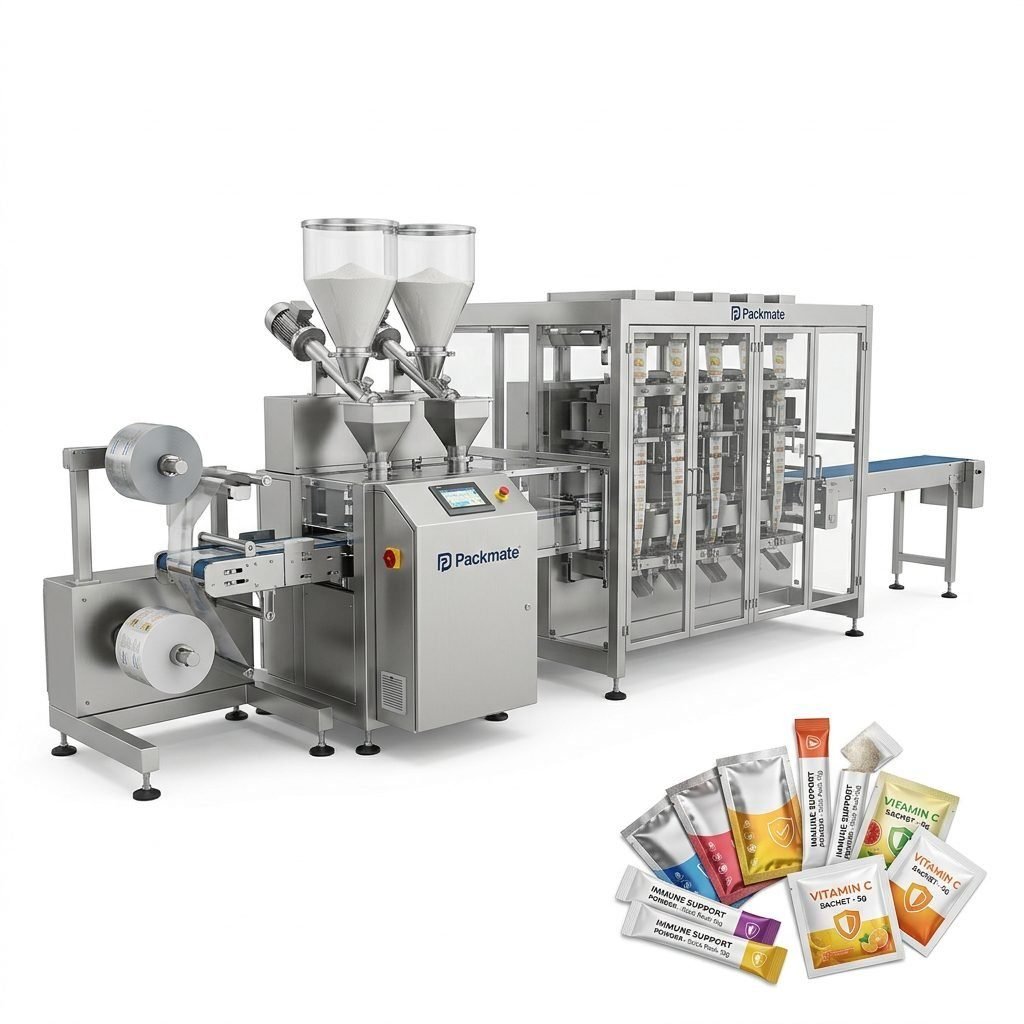
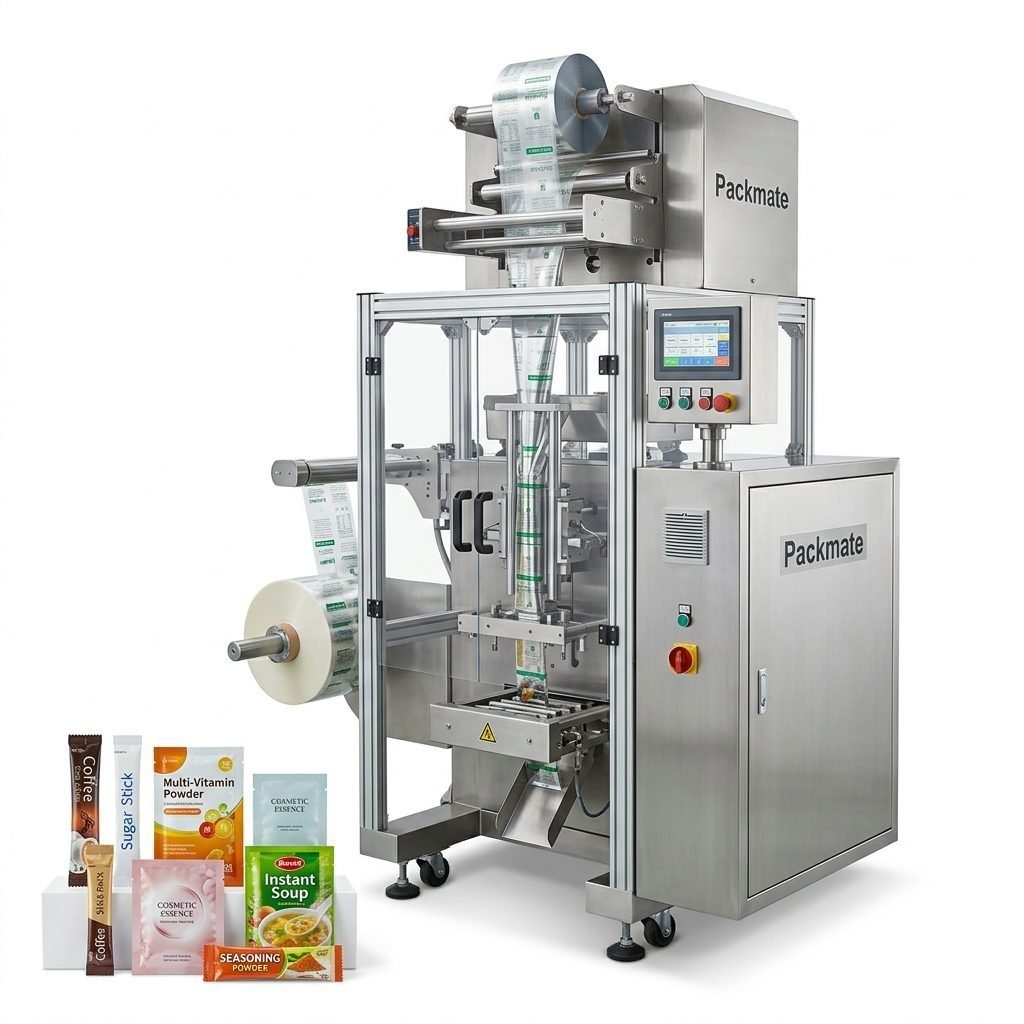
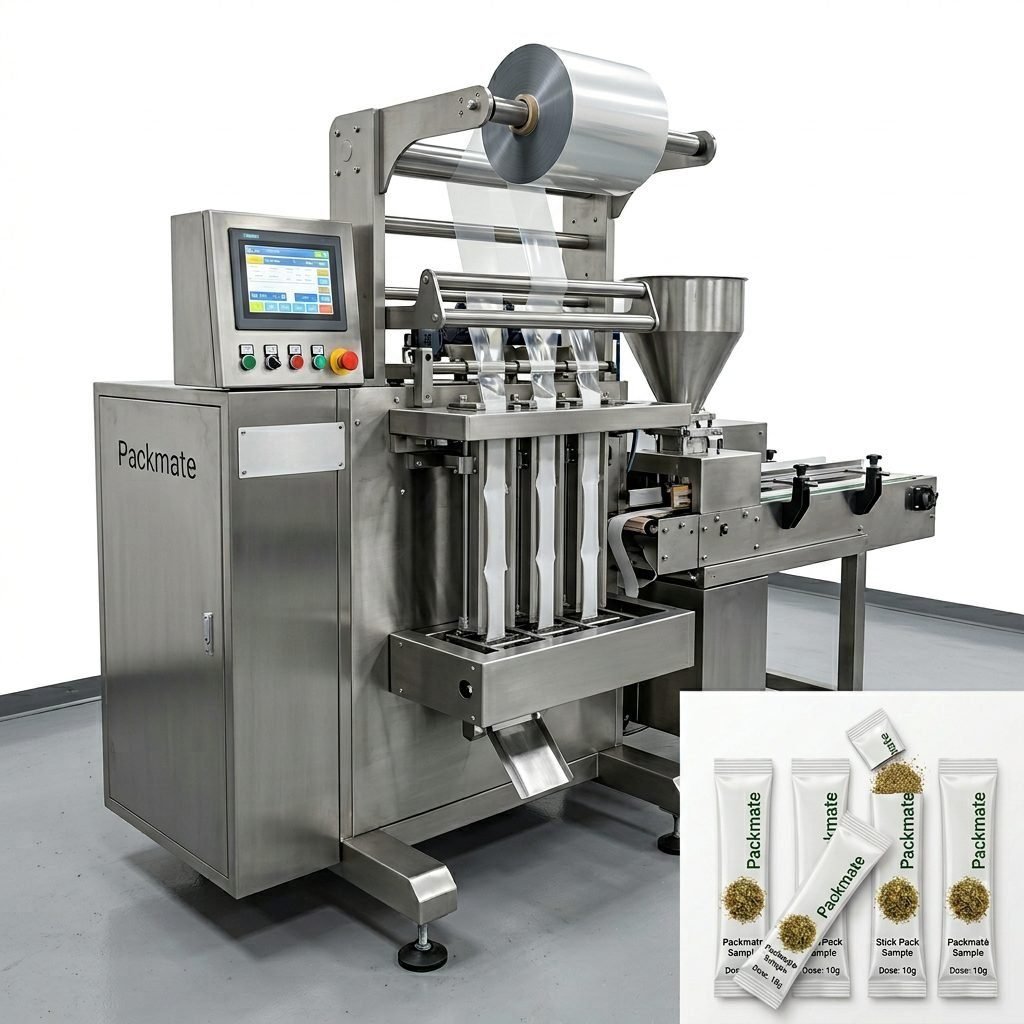
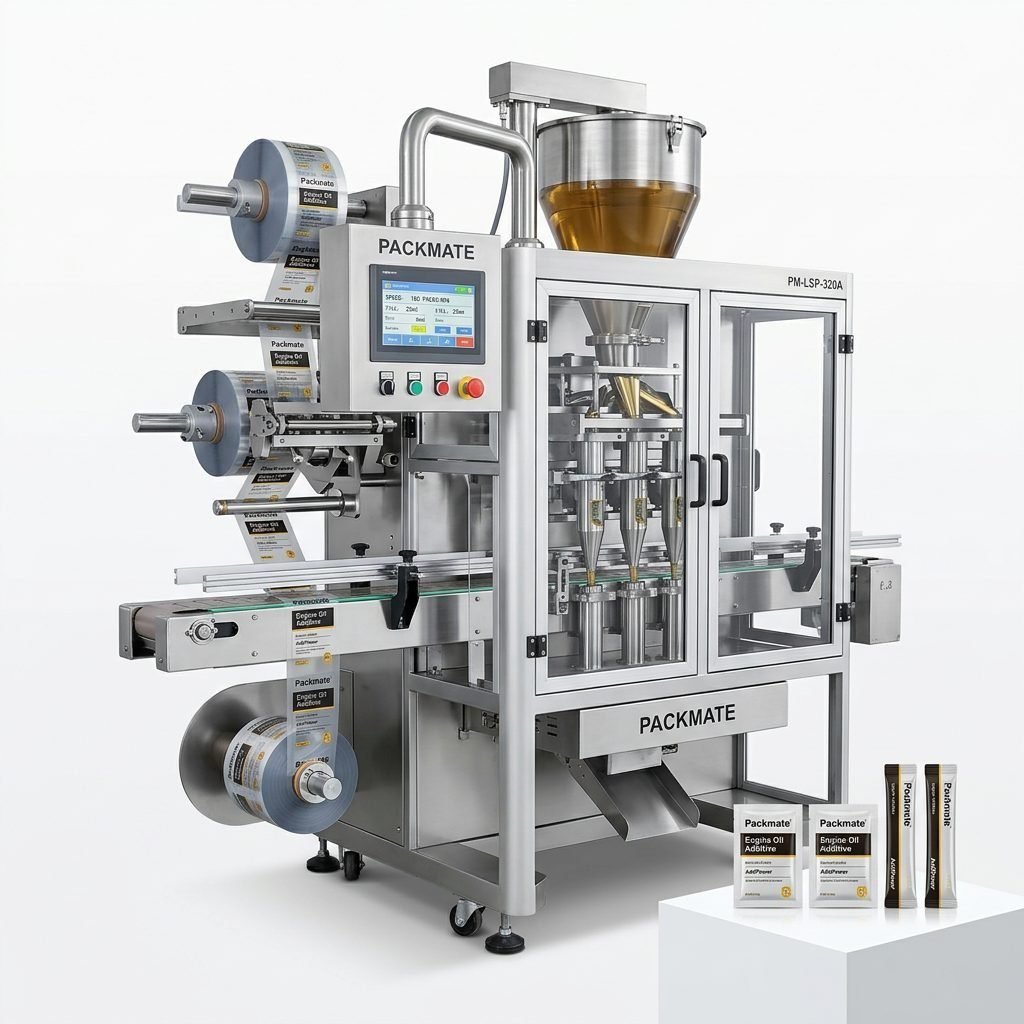
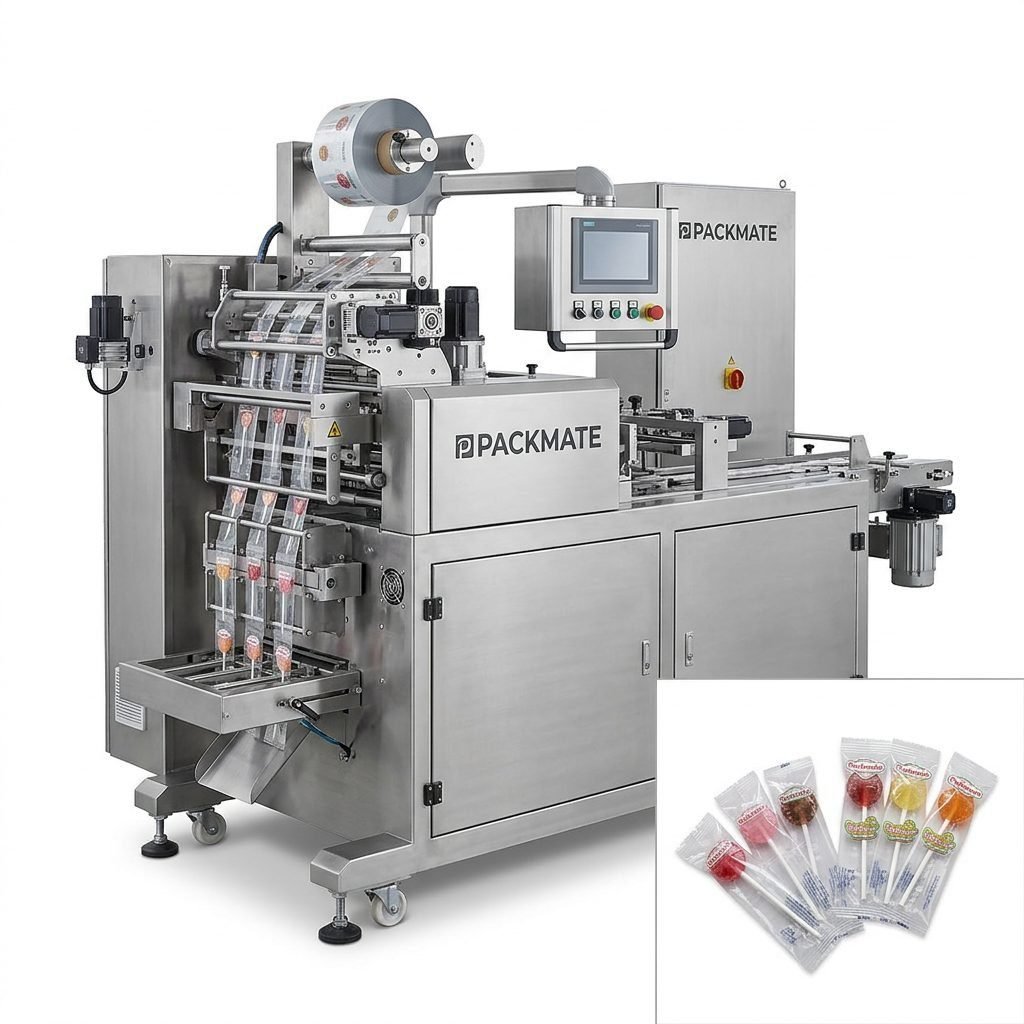
Transitioning to automated packaging solutions offers a multitude of benefits that directly impact your bottom line. The most immediate gain is a dramatic increase in speed and throughput. Machines like high-speed sachet & stick pack machines can operate continuously at precise speeds, far surpassing manual capabilities. This allows you to meet higher demand without proportionally increasing your workforce or floor space.
Beyond speed, consistency is king. Automated systems eliminate the variability inherent in human labor. Every package is filled, sealed, and labeled with identical precision. This ensures product integrity, reduces giveaway (overfilling), and guarantees that every unit that leaves your facility meets the same high standard, strengthening your brand reputation.
Furthermore, automation leads to substantial long-term cost savings. While the initial investment is a consideration, the reduction in labor expenses, minimized material waste, and decreased downtime due to errors create a compelling return on investment (ROI). It also allows you to reallocate your human resources to more complex, value-added tasks such as quality control, machine supervision, and process optimization.
Key Technologies Driving Modern Packaging Lines
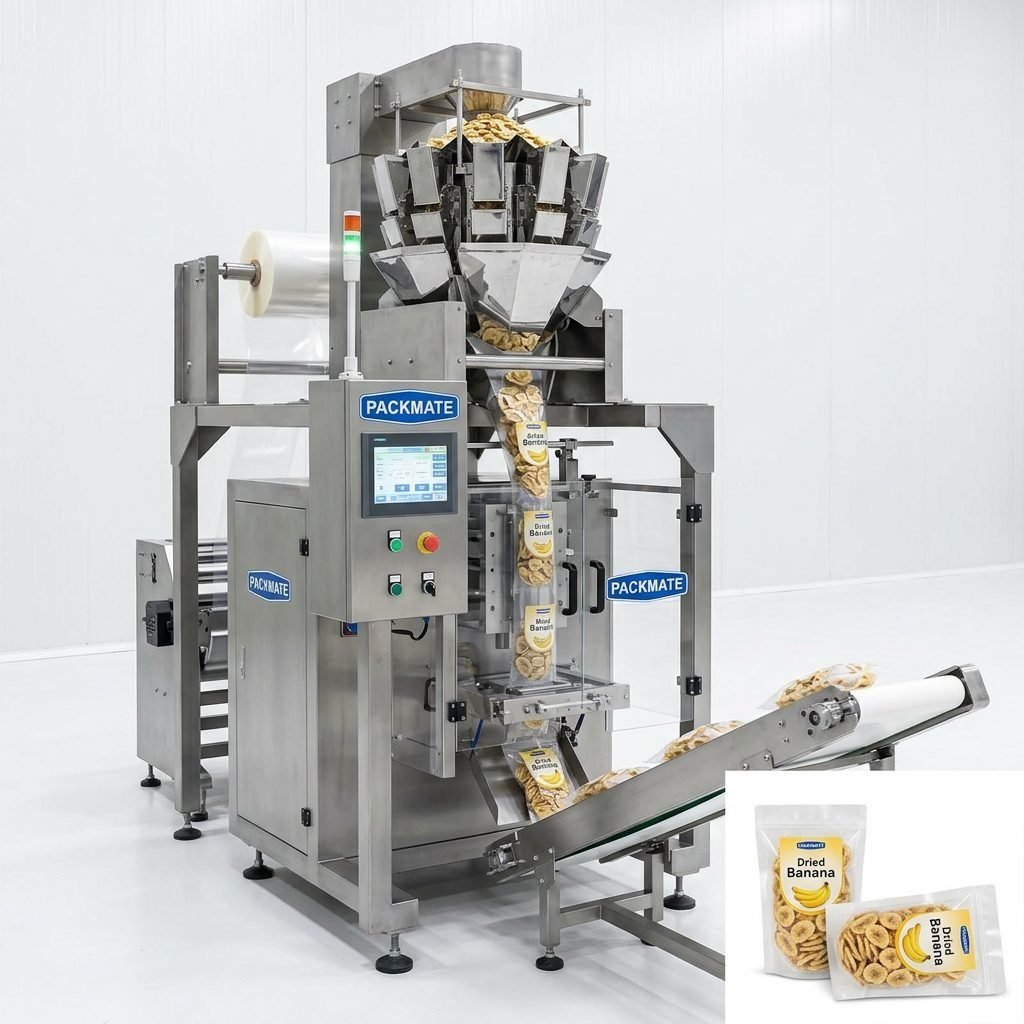
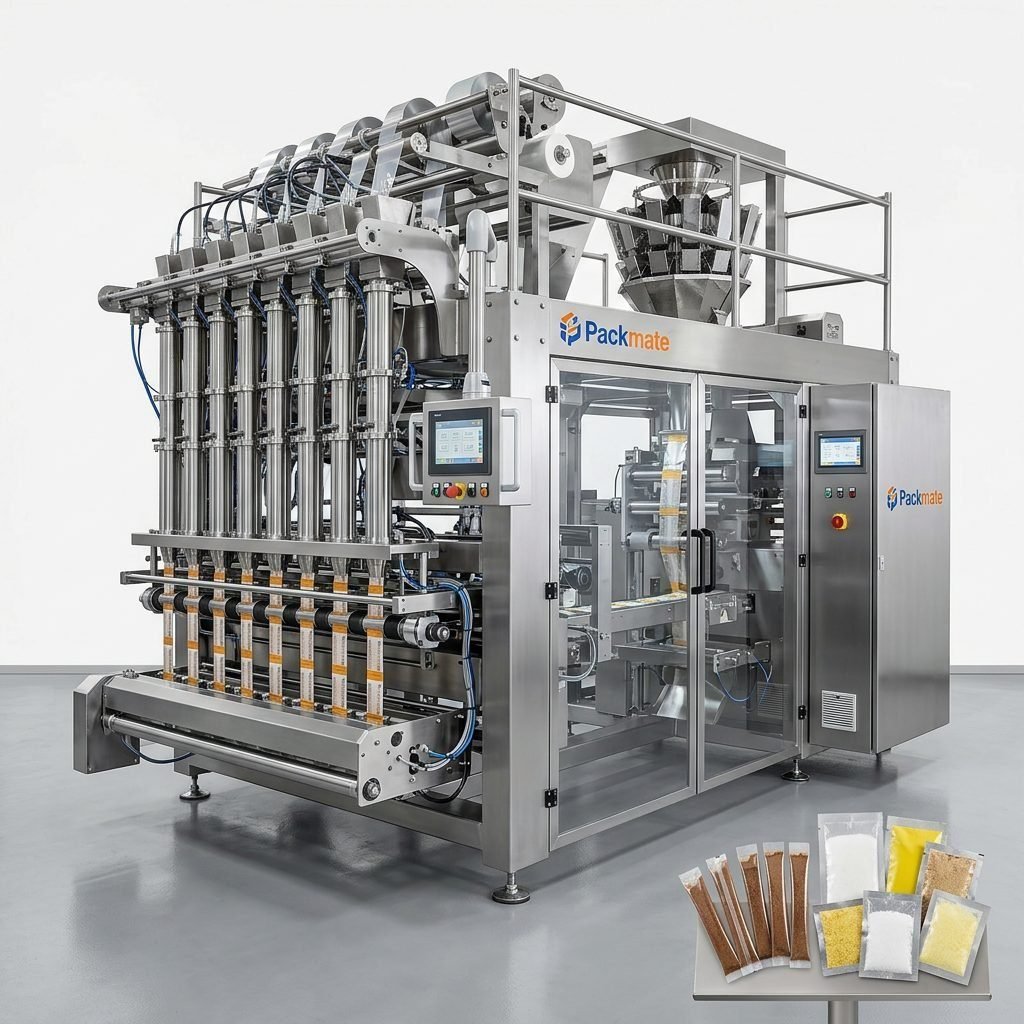
Modern automated packaging is not a single machine but a symphony of integrated technologies. At the heart lies precision weighing and filling. Advanced weighing & packaging systems use multi-head weighers and auger fillers to handle everything from fine powders to granular products with astonishing accuracy, crucial for industries with strict compliance requirements.
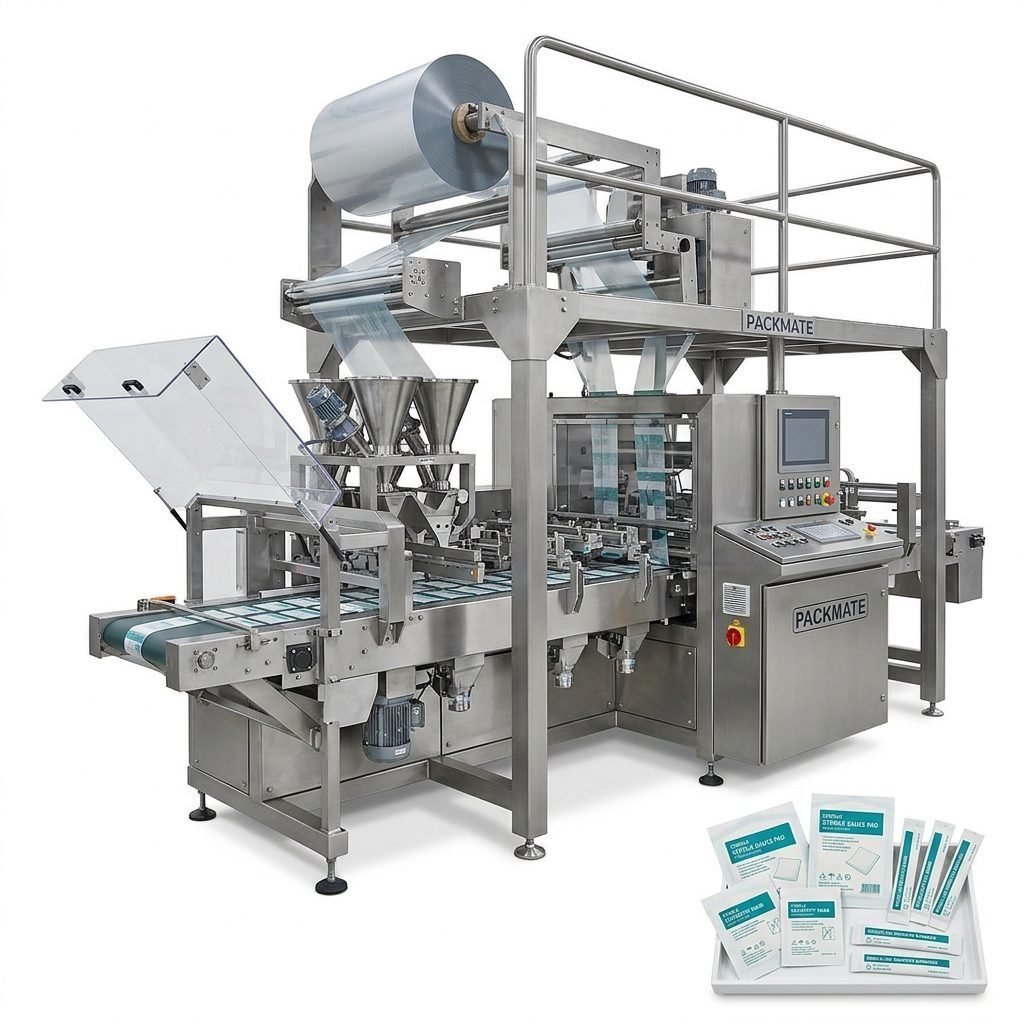
Another critical component is the flexible packaging former. Machines designed for bag & pouch packaging can create various package styles—stand-up pouches, flat bags, gusseted bags—from a roll of film on-demand. This flexibility allows manufacturers to quickly adapt to market trends and offer diverse product presentations without retooling entire lines.
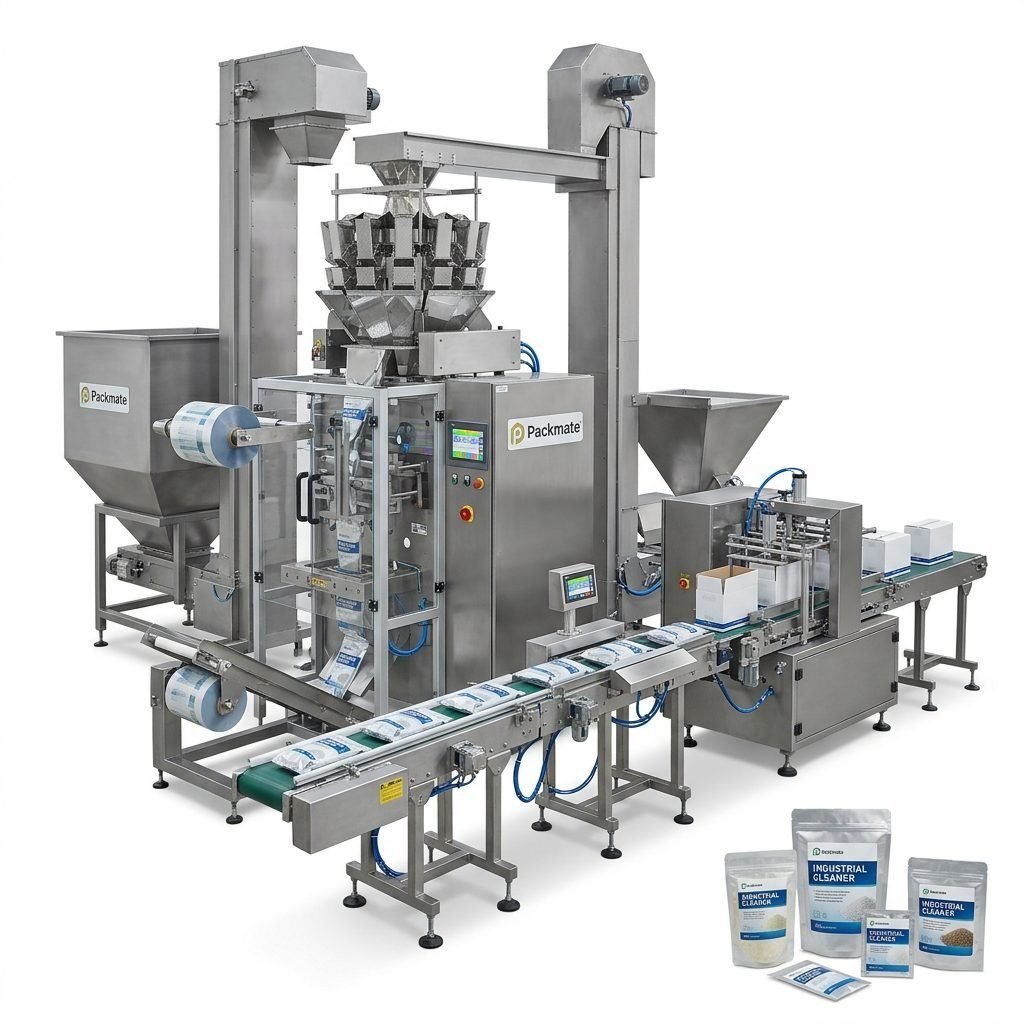
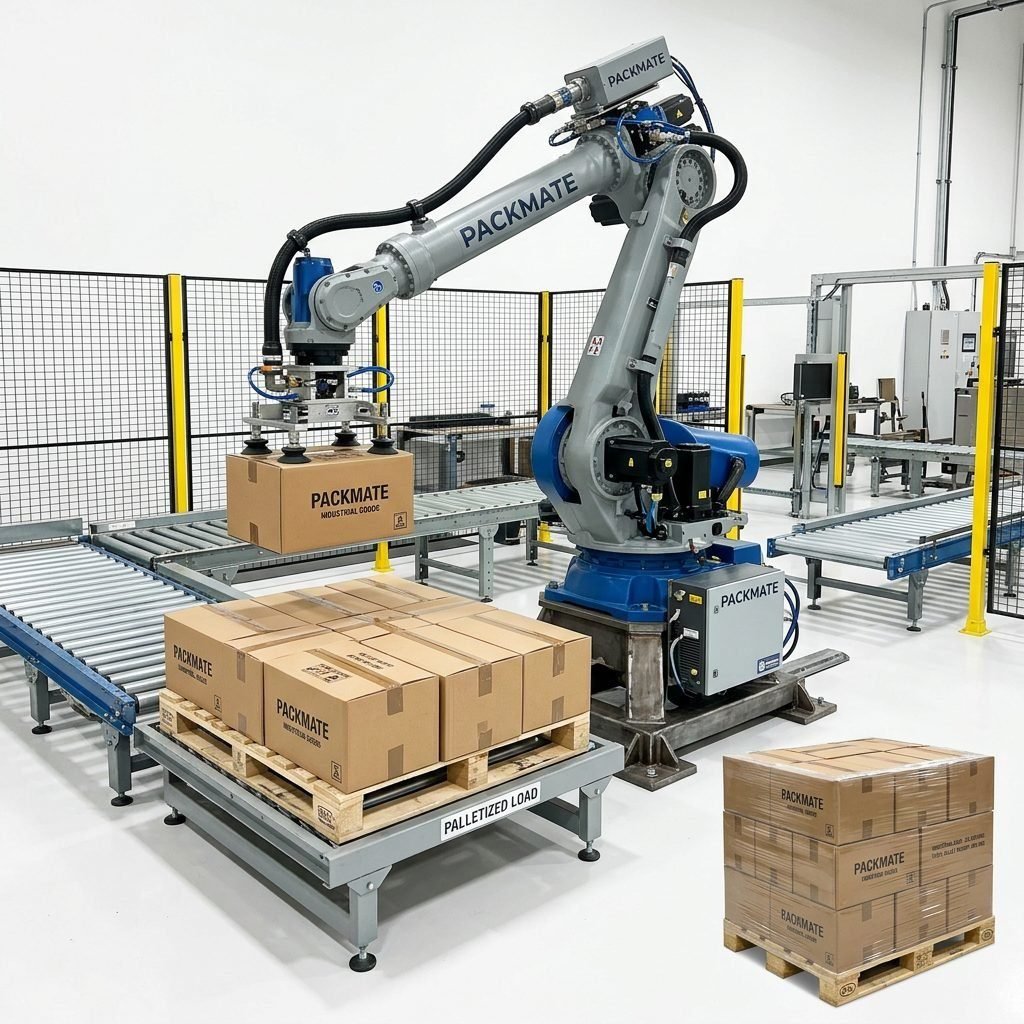
Integration is the final piece of the puzzle. A complete filling & packaging line seamlessly connects all these elements: feeding, weighing, filling, sealing, coding, and cartoning. This end-to-end automation minimizes human handling, maximizes throughput, and creates a cohesive, data-rich production environment where every step is monitored and controlled.
Choosing the Right Partner for Your Automation Journey
Implementing an automated packaging solution is a significant strategic decision. Success hinges not just on the hardware but on the expertise and support of the provider. A partner with deep industry experience can conduct a thorough analysis of your specific needs—product type, required output, factory layout, and future growth plans—to recommend the optimal machinery configuration.
Look for a manufacturer with a proven track record of innovation and reliability. For instance, a company like Packmate Machinery, with over two decades of development, has evolved from crafting single sachet machines to delivering sophisticated multi-lane and turnkey systems. This evolution demonstrates an ability to anticipate market needs and engineer durable, high-performance solutions.
Comprehensive after-sales service is non-negotiable. This includes professional installation, thorough operator training, readily available spare parts, and responsive technical support. A reliable partner ensures your investment is protected and your production line remains operational, minimizing costly interruptions.
The Future is Integrated and Intelligent
The next frontier for automated packaging is the deeper integration of Industry 4.0 principles. Smart machines equipped with IoT sensors can provide real-time data on production speed, maintenance needs, and component wear. This predictive analytics capability allows for proactive maintenance, reducing unplanned downtime and further optimizing efficiency.
Furthermore, automation is becoming more accessible and adaptable. Modular machine designs allow for easier reconfiguration and scaling. Whether you are a growing startup or an established multinational, there are scalable solutions that can grow with your business, ensuring your packaging operations are always an asset, not a constraint.
In conclusion, investing in automated packaging machinery is an investment in the future resilience and profitability of your business. It transcends mere labor replacement, offering a pathway to superior quality, operational excellence, and the agility needed to thrive in a dynamic market. By carefully selecting the right technologies and the right partner, you can unlock new levels of efficiency and set your production on a course for sustained success.
Frequently Asked Questions (FAQs)
What is the typical ROI period for an automated packaging machine?
The return on investment period varies based on machine complexity, output gains, and labor cost savings. For standard high-speed sachet or stick pack machines, many businesses see a full ROI within 1 to 3 years through increased production, reduced waste, and lower labor costs. A detailed analysis with your supplier can provide a more accurate forecast for your specific operation.
Can automated machines handle different package sizes and products?
Yes, modern machines are designed for flexibility. Many models feature quick-change parts and programmable settings that allow for efficient changeover between different package sizes, shapes, and product types (e.g., from granules to powders). Discuss your product range with your machinery provider to ensure the selected equipment meets your versatility needs.
How complex is the maintenance for automated packaging lines?
While more sophisticated than manual processes, maintenance is designed to be manageable. Reputable manufacturers provide comprehensive training, detailed manuals, and clear preventive maintenance schedules. Using standardized components and offering readily available spare parts, like those supported by established companies, ensures downtime for maintenance is minimized and can be planned.
Is automation only viable for large-scale production facilities?
Not at all. The market offers a wide range of solutions, from compact, semi-automatic machines perfect for small batches and startups to fully integrated high-speed lines for large corporations. The key is to match the machine’s capacity and functionality with your current and projected production volume.
What support can I expect after purchasing the equipment?
A full-service provider should offer a complete support package. This typically includes on-site installation and commissioning, comprehensive training for your operators and technicians, a warranty period, access to a global spare parts inventory, and ongoing technical support via phone, email, or remote diagnostics. Always clarify the scope of after-sales service before purchase.