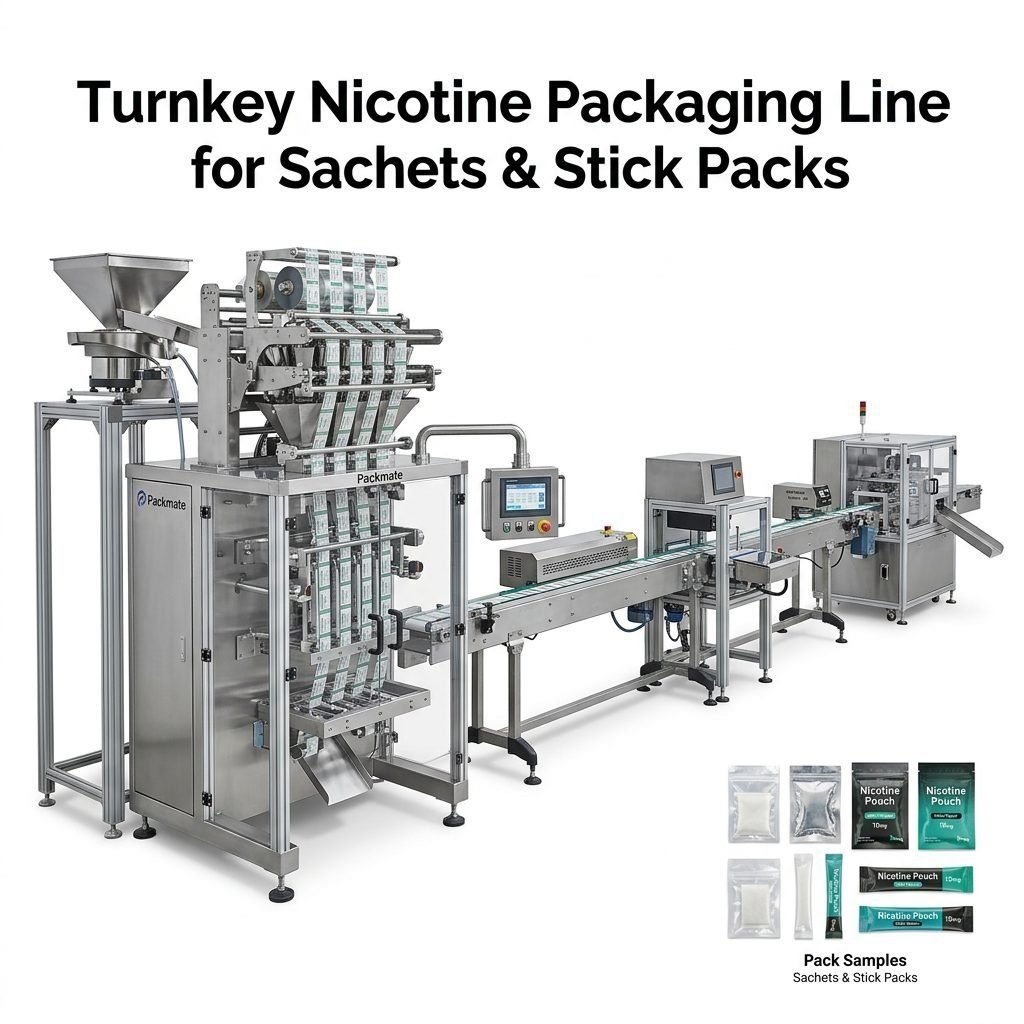
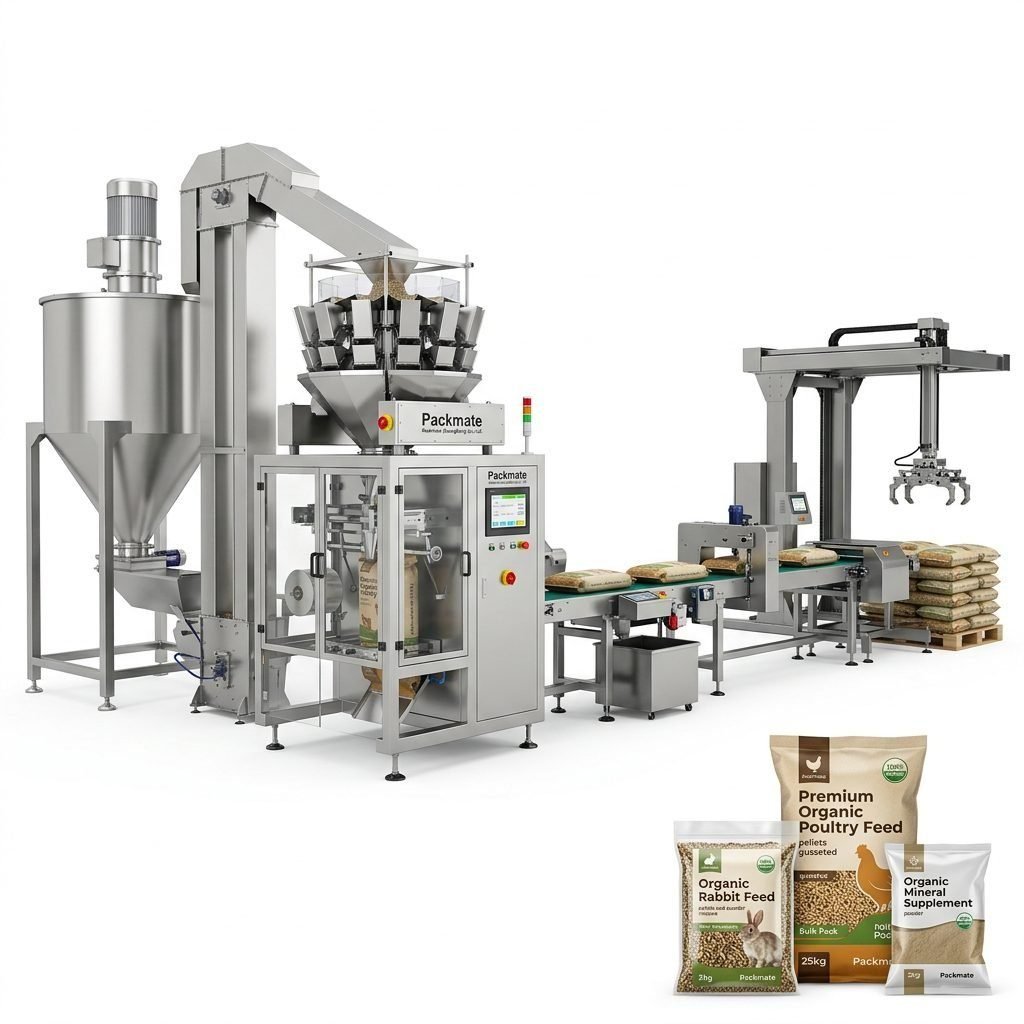
Selecting the right seasoning packaging equipment is a critical decision for any food manufacturer, spice producer, or culinary brand. The right machinery not only ensures product integrity and shelf life but also directly impacts production efficiency, brand presentation, and overall profitability. This comprehensive guide will walk you through the different types of seasoning packaging equipment, their specific uses, and essential buying tips to help you make an informed investment.
Understanding the Core Types of Seasoning Packaging Equipment
The market offers a diverse range of packaging solutions, each suited for different product forms, volumes, and packaging styles. Understanding these core types is the first step toward selecting the perfect machine for your operation.
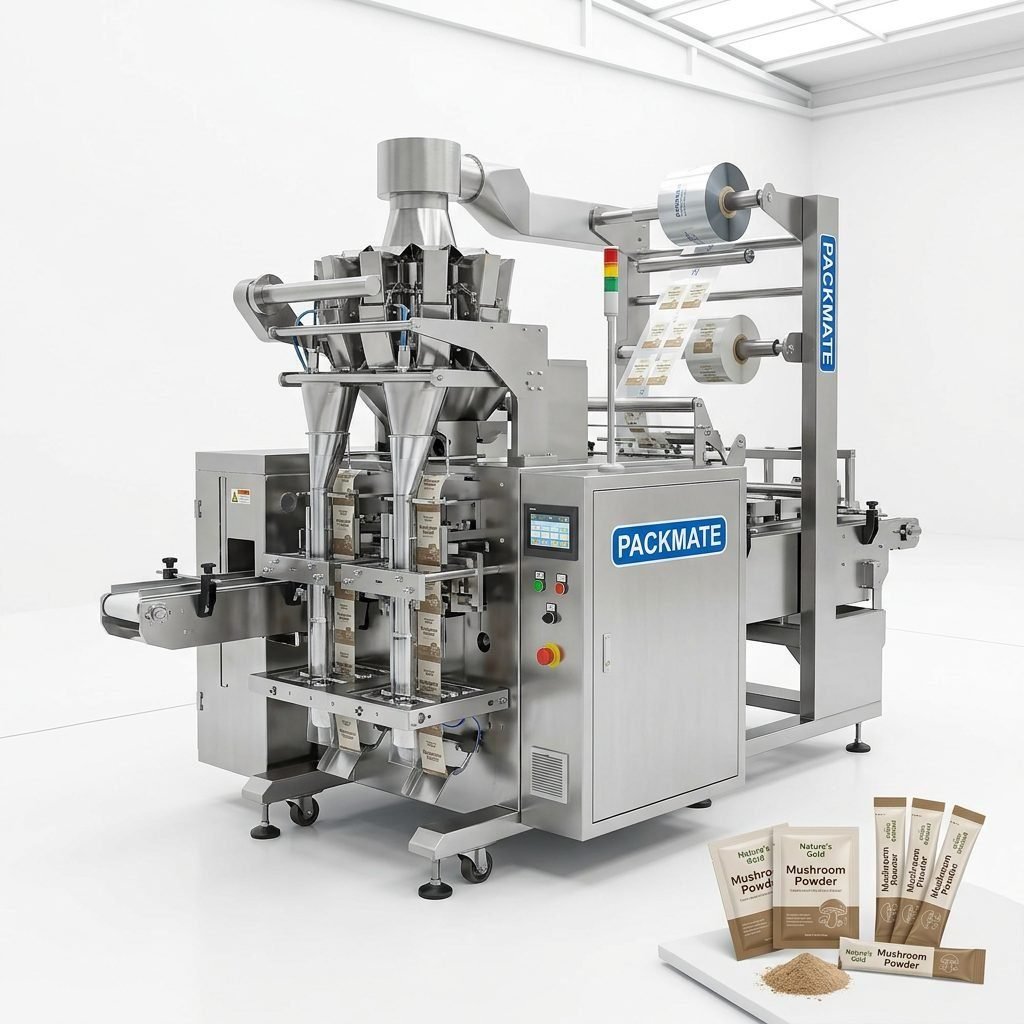
Vertical Form Fill Seal (VFFS) Machines
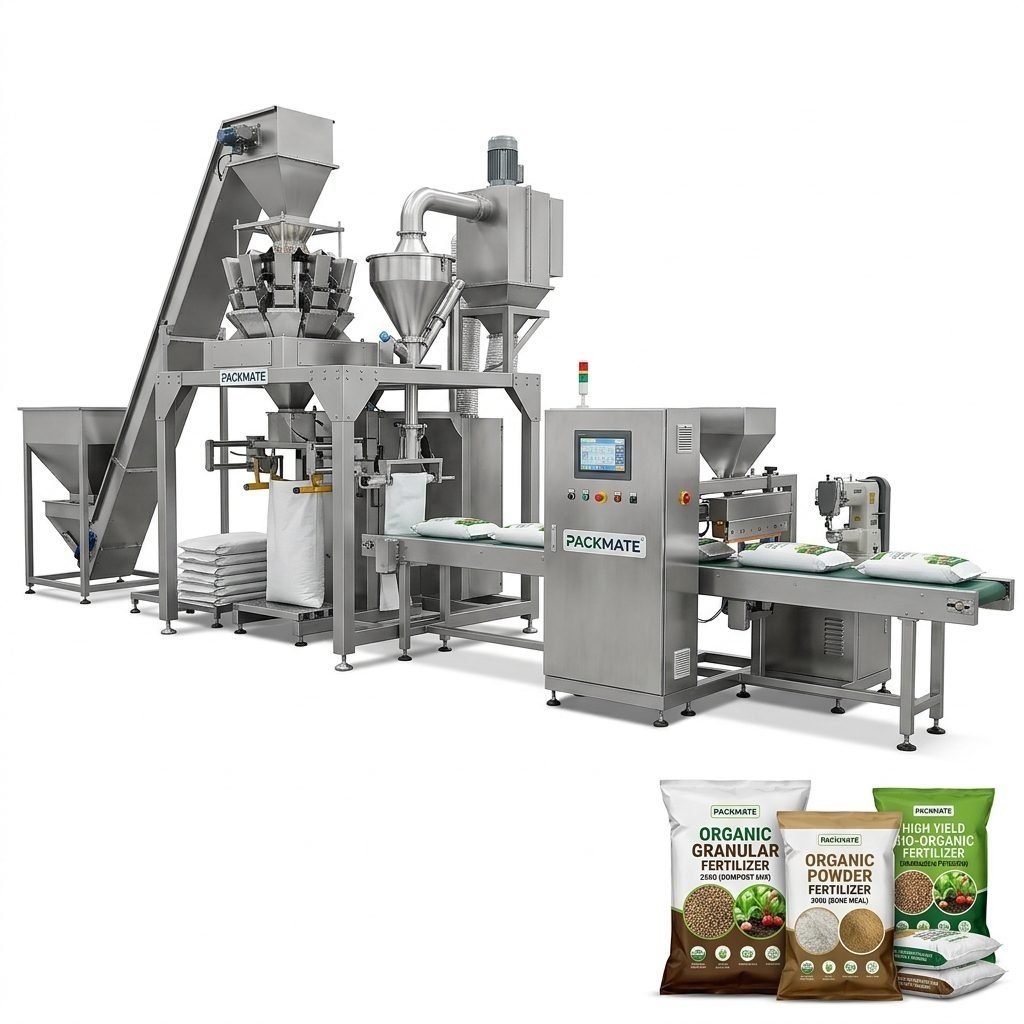
These are the workhorses of the industry, ideal for packaging free-flowing granular and powdered seasonings like salt, pepper, paprika, or dried herbs. The machine forms a bag from a roll of film, fills it with a pre-measured amount of product, and then seals it. They are highly versatile and can produce various bag styles, including pillow bags, gusseted bags, and stand-up pouches. For high-volume production of standard seasoning packets, a vertical bagging machine is often the most efficient choice.
Key Advantage: Excellent speed and efficiency for medium to high-volume runs. They offer a great balance of cost and output.
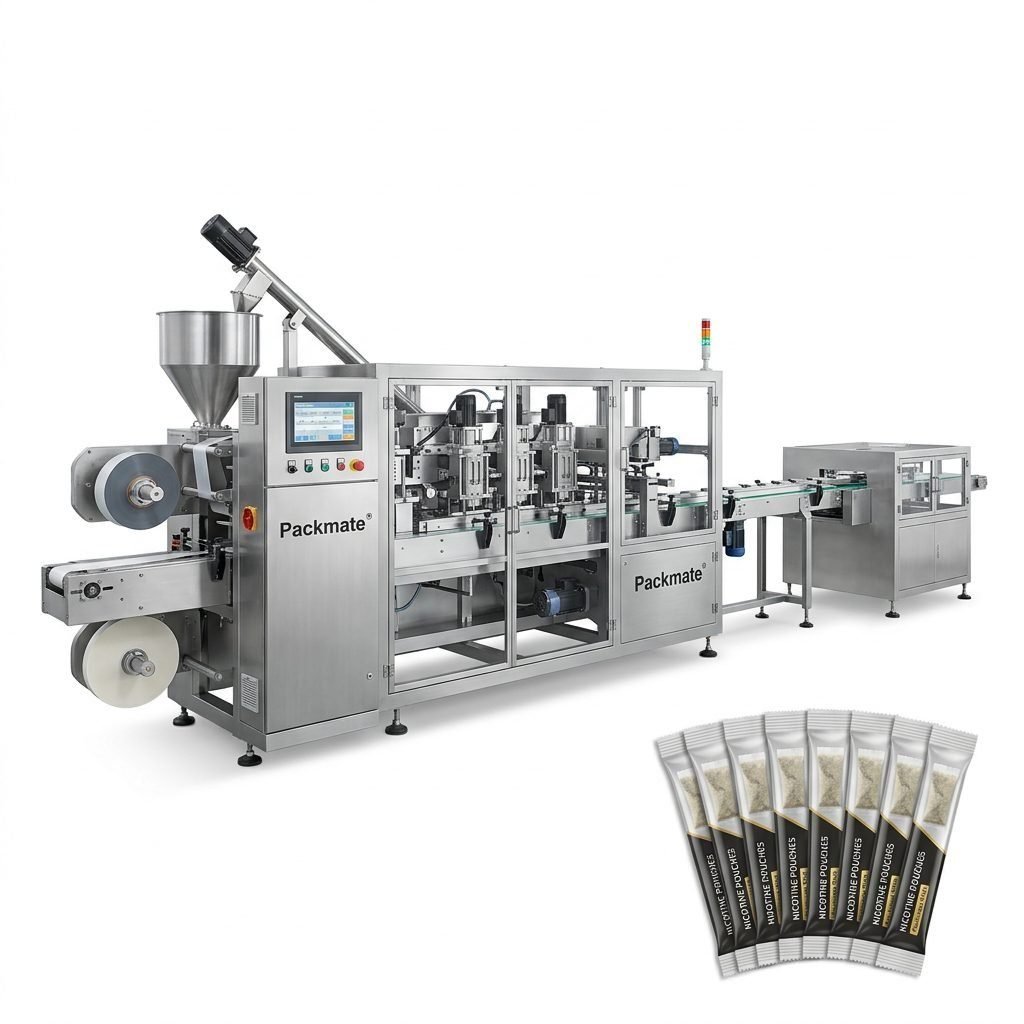
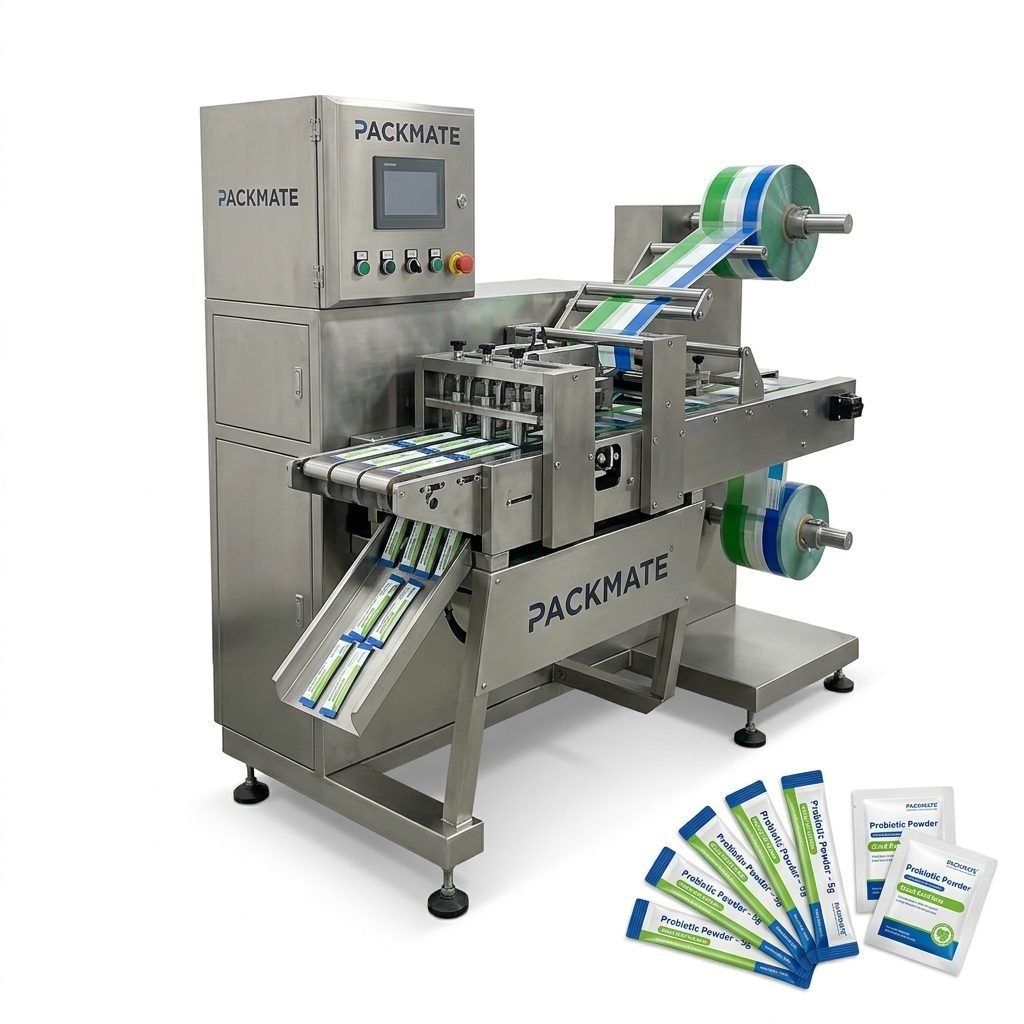
Horizontal Form Fill Seal (HFFS) Machines
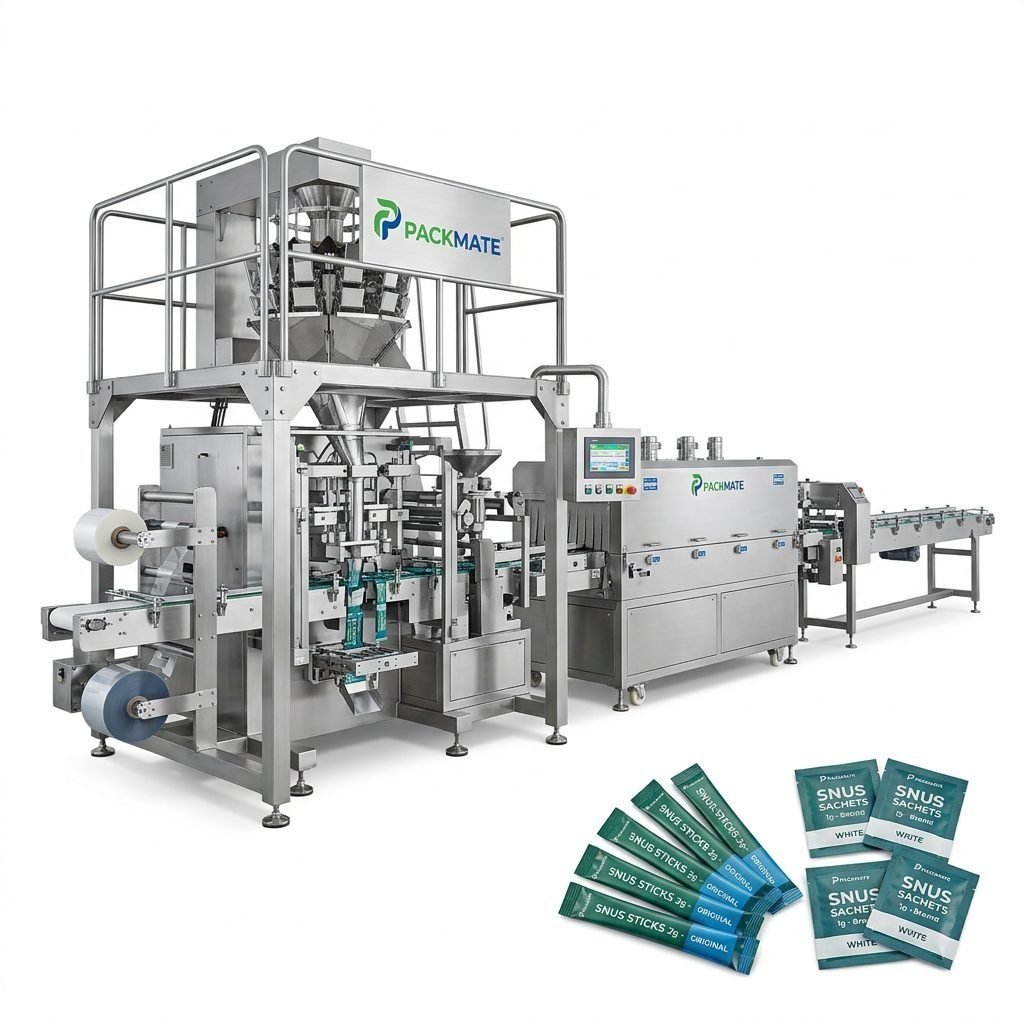
Best suited for creating sleek, branded sachets and stick packs. This type of machine is perfect for single-serve portions of seasoning blends, sauce powders, or liquid seasonings like soy sauce or vinegar. The film is fed horizontally, and the product is placed before the final seal is made, allowing for more complex and attractive packaging designs that enhance shelf appeal.
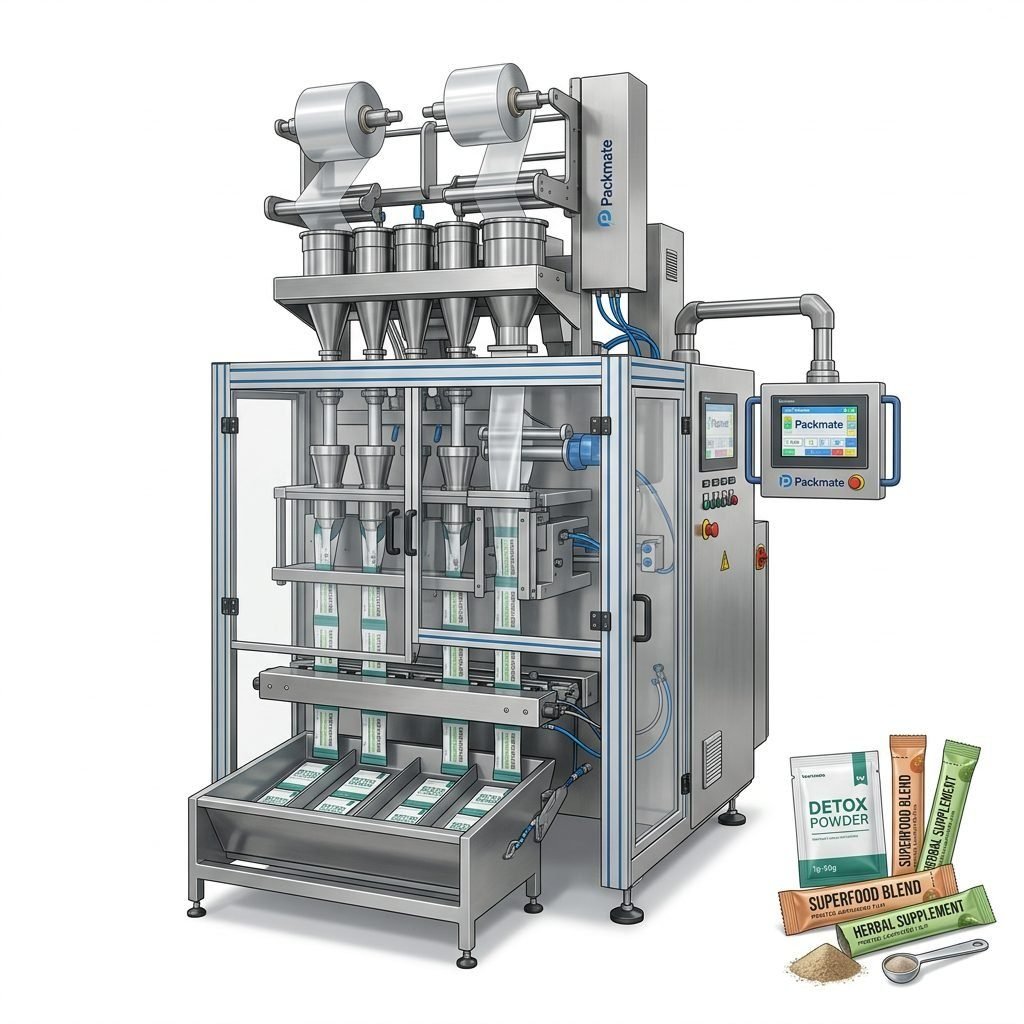
Auger Filling Machines
When precision is paramount, auger fillers are the go-to solution. They use a rotating auger (screw) to dispense a highly accurate volume of product, making them perfect for both powdered seasonings and cohesive blends that may not flow freely. They are often integrated with VFFS machines to ensure each bag contains the exact weight required, critical for compliance and cost control.
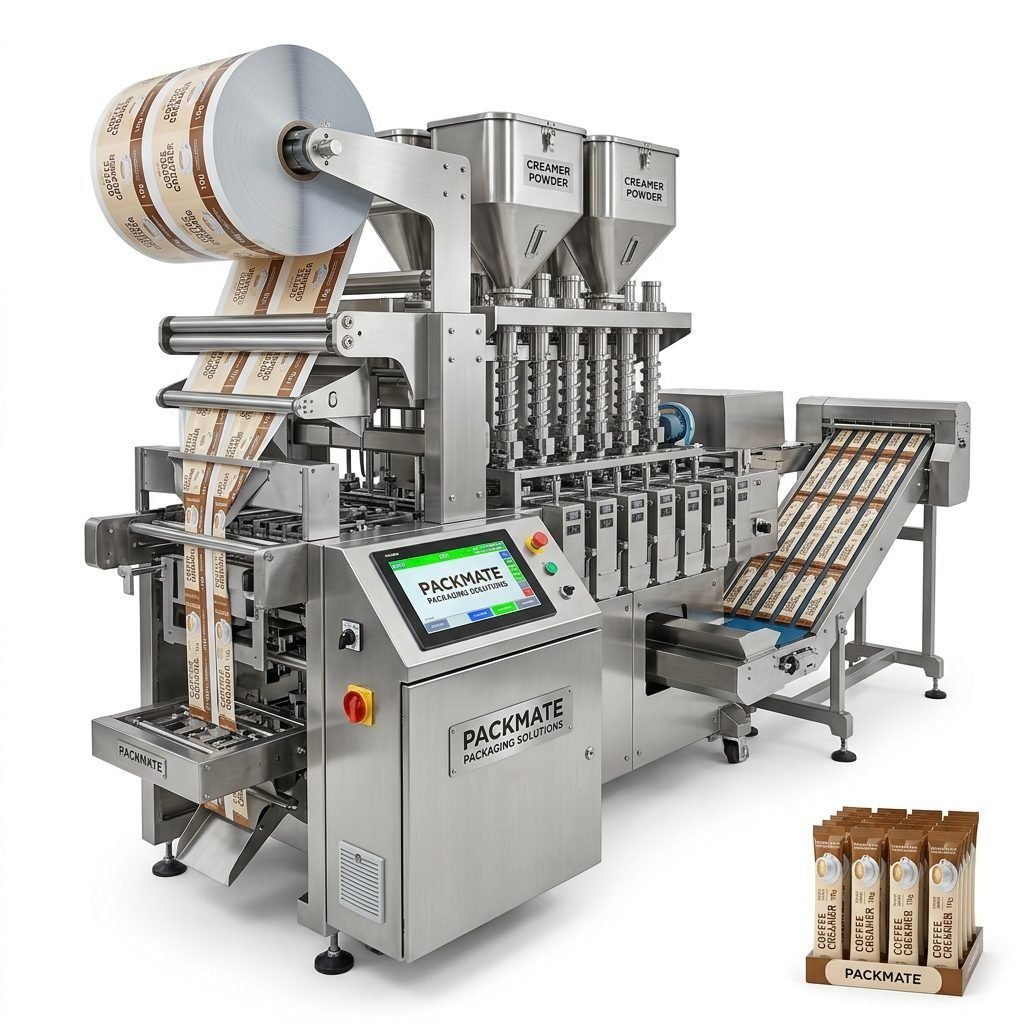
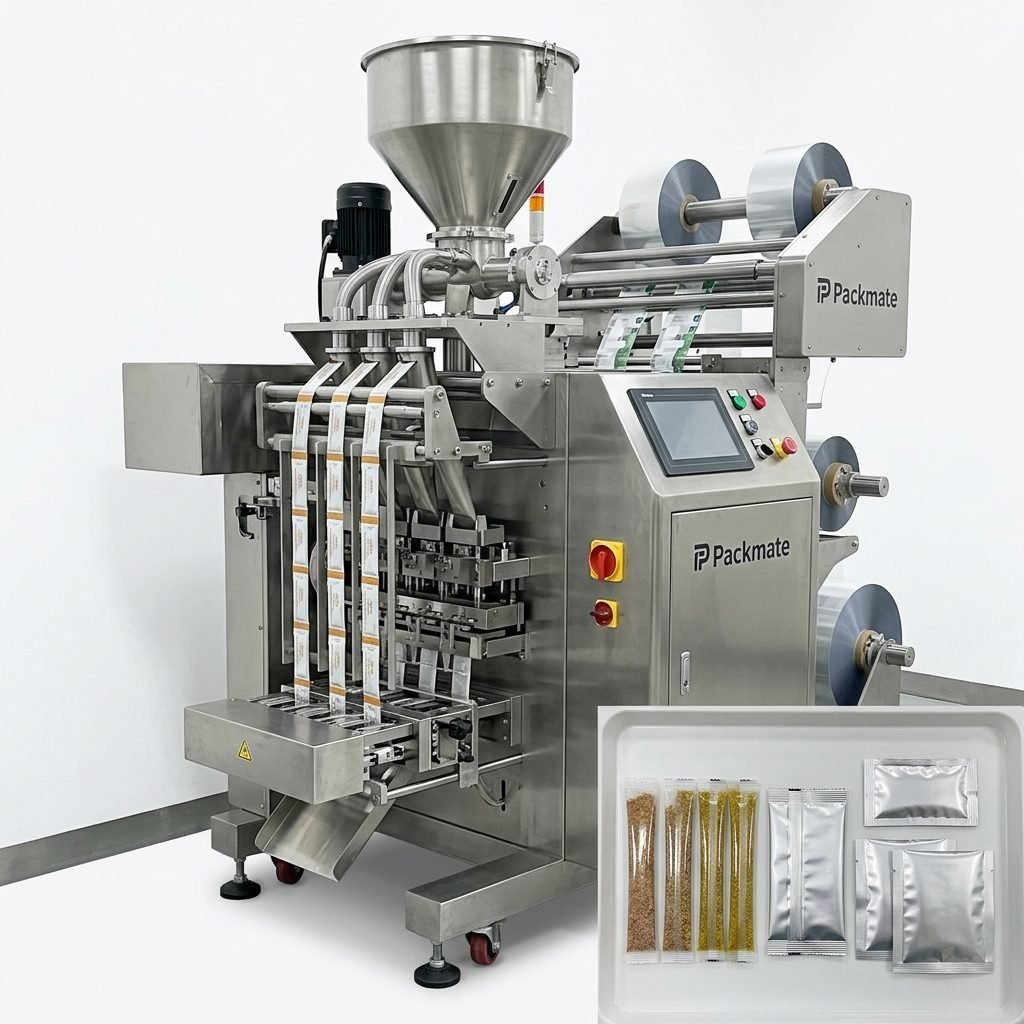
Multi-Lane and Stick Pack Machines
For ultra-high-speed production of small, single-serve packets, multi-lane machines are unparalleled. They can run multiple packaging lanes simultaneously from a single film roll, dramatically increasing output. Stick pack machines are a popular variant, producing the long, slender packs commonly used for drink mixes, which are also ideal for certain seasoning formats.
Pouch Packaging Systems
For premium seasoning blends, teas, or larger quantities, pre-made pouch systems are ideal. These machines automate the handling, opening, filling, and sealing of pre-formed stand-up or flat pouches. This method supports higher-quality printing and complex laminate structures for superior barrier properties, ensuring your seasoning stays fresh and flavorful.
Primary Uses and Applications in the Seasoning Industry
Each type of equipment serves a strategic purpose in the production line, addressing specific market needs and consumer preferences.
Single-Serve and Portion Control: HFFS sachet and stick pack machines are dominant here, catering to foodservice (restaurant condiments), instant meal kits, and beverage additives. Consistency and tamper-evidence are key.
Retail Consumer Packs: VFFS machines producing stand-up pouches or flat bags are standard for retail shelves. They balance cost-effectiveness with good visual appeal and product protection.
Bulk and Industrial Packaging: For selling to other businesses or in club stores, larger bag formats (often produced on heavy-duty VFFS machines) or even bag-in-box systems are used, prioritizing durability and cost per unit.
Specialty and High-Barrier Packaging: Sensitive seasonings prone to clumping or flavor loss require advanced barrier films. Machines compatible with these materials, often using gas flushing or vacuum options, are essential for product quality.
Critical Buying Tips for Your Investment
Purchasing packaging machinery is a significant capital expenditure. Here are the crucial factors to consider to ensure a successful purchase that delivers a strong return on investment.
1. Precisely Define Your Product and Needs: Start with your product. Is it a fine powder, a coarse grind, or a blend with oils? What is your target bag size, shape, and material? What is your required output speed (bags per minute)? Clearly documenting these specifications is non-negotiable.
2. Prioritize Machine Flexibility and Changeover: If you plan to run multiple seasoning products or different bag sizes, evaluate how quickly and easily the machine can be changed over. Look for features like tool-less change parts and digital recipe storage to minimize downtime.
3. Evaluate the Filling System’s Accuracy: Product giveaway is lost profit. Ensure the filling system (auger, volumetric cup, weigh scale) can consistently achieve your required weight accuracy, typically within ±1% or better for seasonings.
4. Assess Build Quality and Supplier Reputation: Inspect the machine’s construction—stainless steel contact parts are essential for food safety and durability. Research the manufacturer’s history, reputation, and after-sales support. A company like Packmate Machinery, with decades of experience and a global service network, offers reliability that mitigates long-term risk.
5. Consider Integration and Future Expansion: Will the machine need to integrate with existing conveyors, checkweighers, or cartoners? Consider a modular design or a supplier who can provide a complete turnkey packaging line for seamless operation and future scalability.
6. Analyze Total Cost of Ownership (TCO): Look beyond the initial purchase price. Factor in operational costs (energy, film waste), maintenance requirements, part availability, and the potential cost of unscheduled downtime. A slightly higher upfront cost for a more reliable machine often pays for itself.
Ensuring Success with Your New Equipment
Once you’ve selected your machine, proper implementation is key. Ensure your team receives comprehensive training from the supplier. Work closely with your film supplier to optimize material performance on the new equipment. Finally, establish a proactive preventative maintenance schedule to keep your line running smoothly for years to come.
Frequently Asked Questions (FAQs)
What is the most cost-effective seasoning packaging machine for a startup?
For startups with free-flowing products, a semi-automatic tabletop auger filler paired with a manual heat sealer offers the lowest entry cost. For higher volume, a basic single-lane Vertical Form Fill Seal (VFFS) machine provides a good balance of automation and affordability.
Can one machine handle both powdered seasonings and small leafy herbs?
It can be challenging. Powders require precise auger systems, while leafy herbs are best handled with volumetric cup fillers to avoid damage. Some advanced machines offer interchangeable filling systems, but it’s crucial to test your specific products during a factory assessment.
How important is the choice of packaging film for my seasoning?
Extremely important. The film provides the barrier against moisture, oxygen, and light that causes seasoning to clump, lose potency, or degrade. A metallized or aluminum laminate film is often required for long shelf life, especially for sensitive spices.
What are the key maintenance tasks for a seasoning packaging machine?
Daily cleaning of product contact parts, regular lubrication of moving components as per the manual, and inspection/replacement of wear parts like sealing jaws, cutting blades, and auger components are essential to prevent contamination and ensure consistent seal integrity.
Where can I see these machines in operation before purchasing?
Reputable manufacturers like Packmate Machinery often have demonstration facilities and showcase their equipment at global trade shows. Requesting a live video test with your own product sample is also a standard and highly recommended practice in the industry.