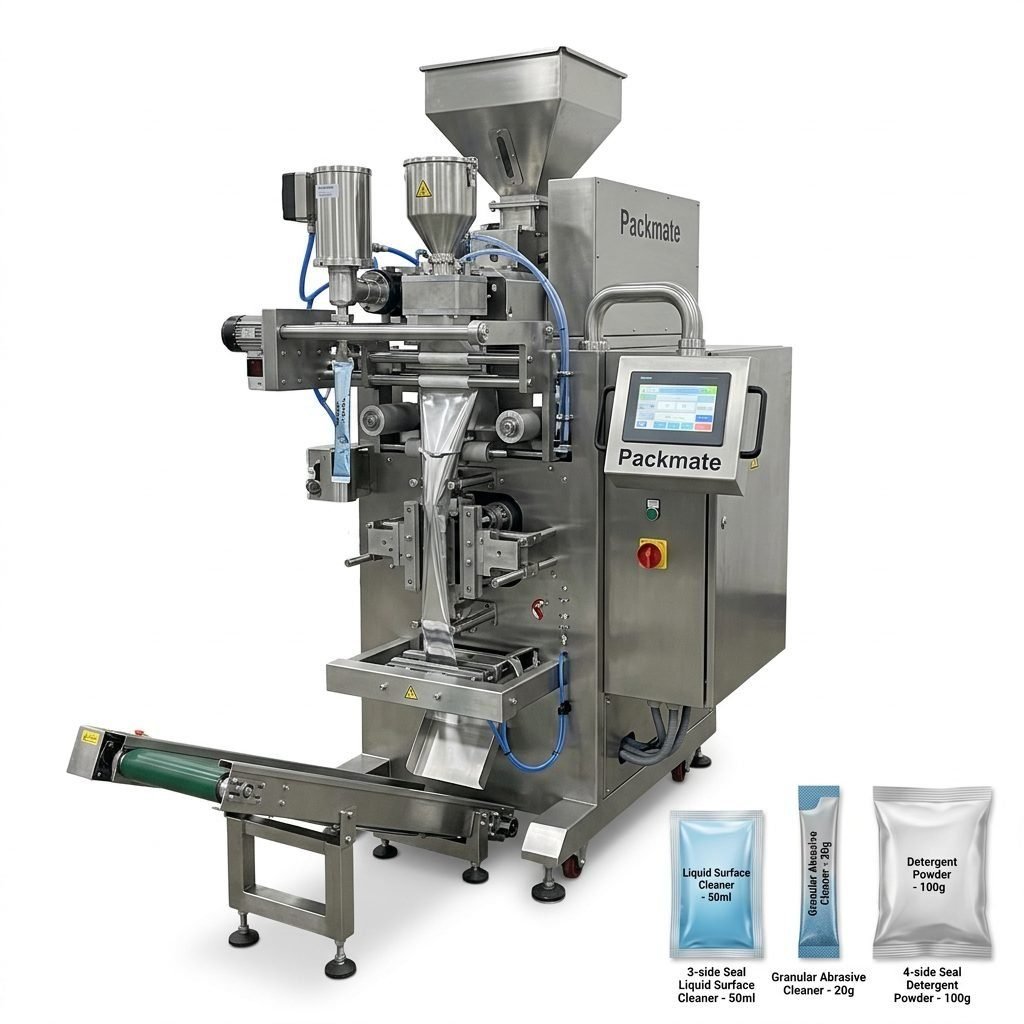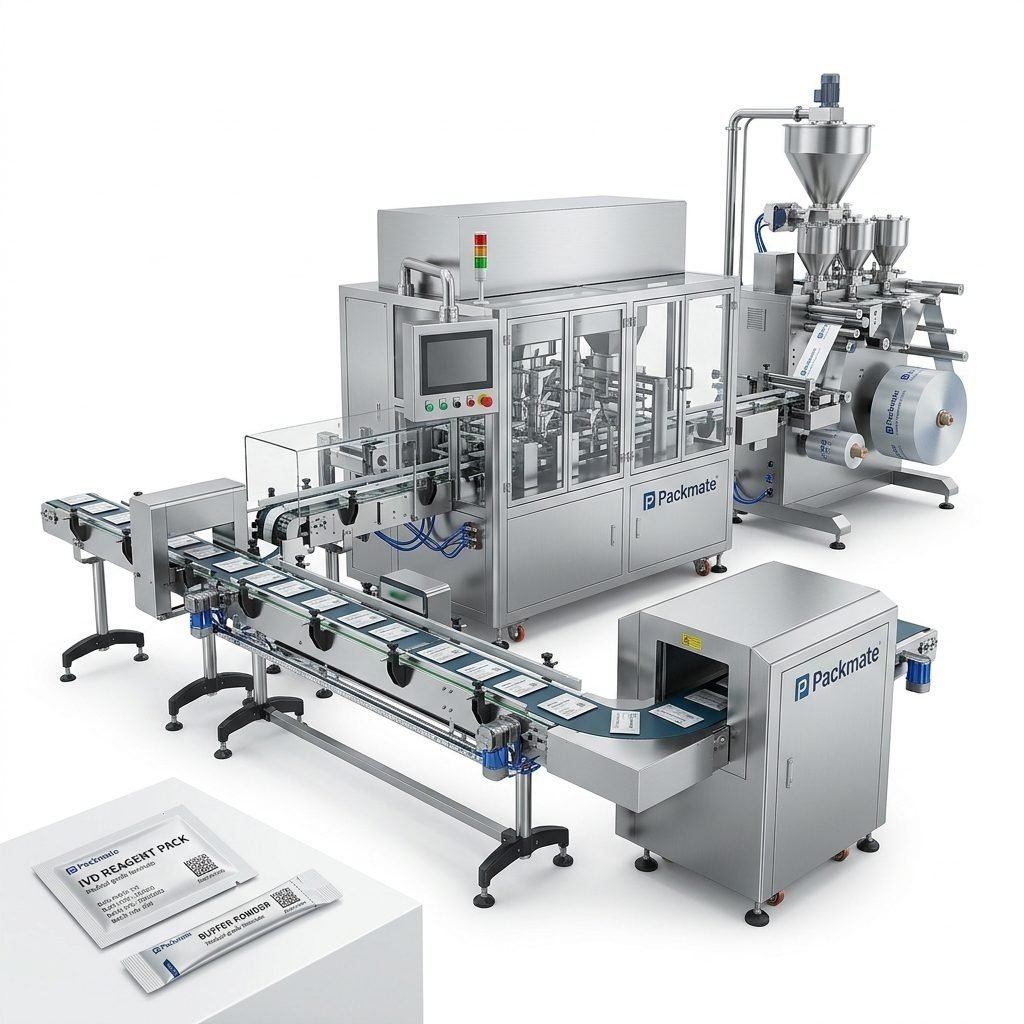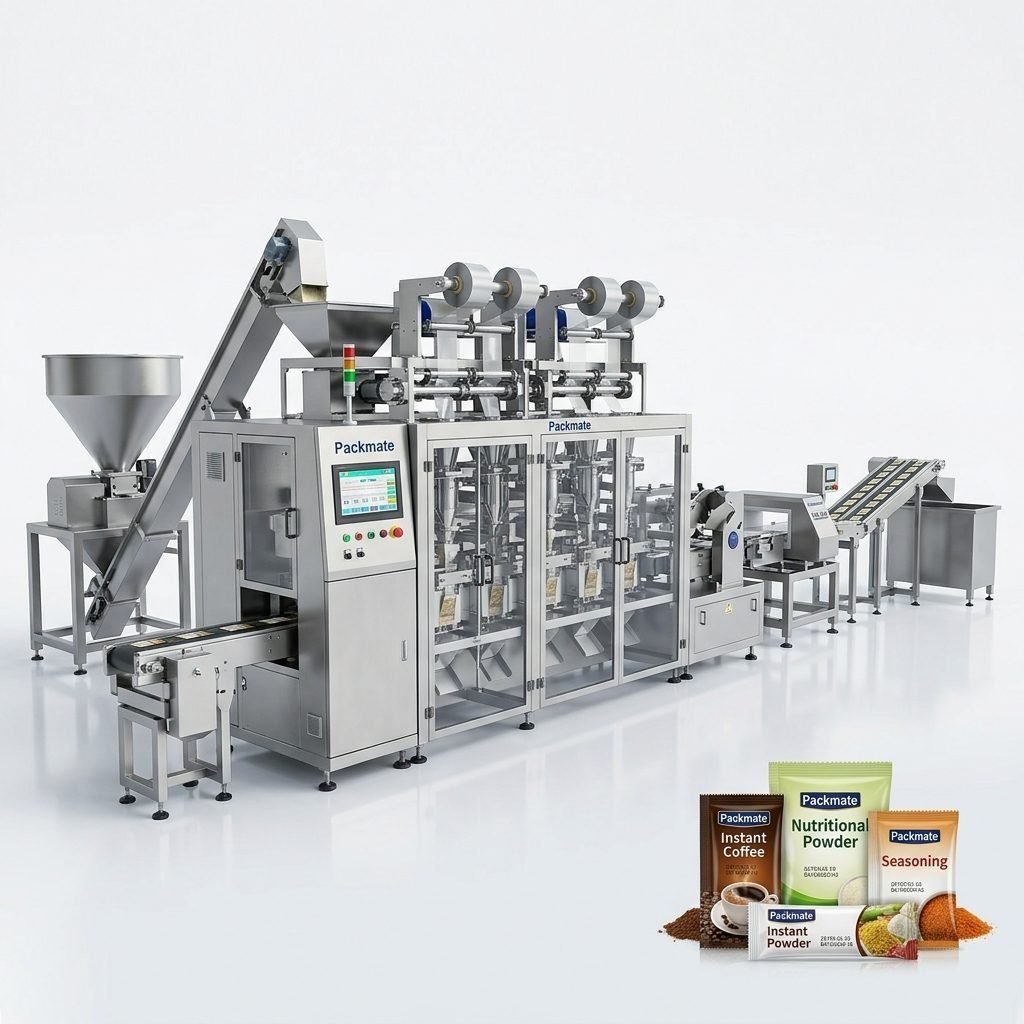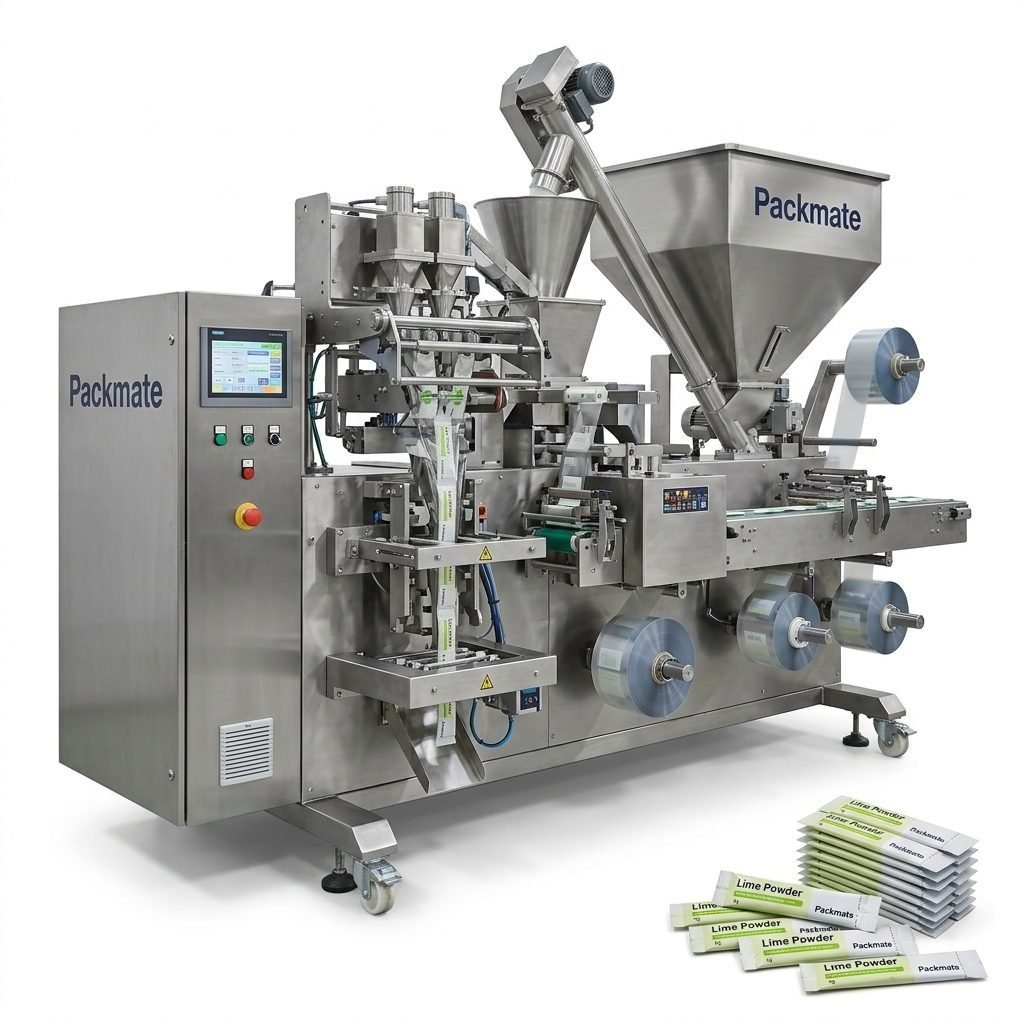
Choosing the right pouch packaging machine manufacturer is a critical decision for any business looking to enhance efficiency, ensure product integrity, and scale operations. The market is filled with numerous suppliers, but identifying the top manufacturers requires a deep understanding of their expertise, technological capabilities, and commitment to quality. This expert guide delves into the key factors that distinguish leading manufacturers and provides insights to help you make an informed investment.
Defining Excellence in Pouch Packaging Machinery
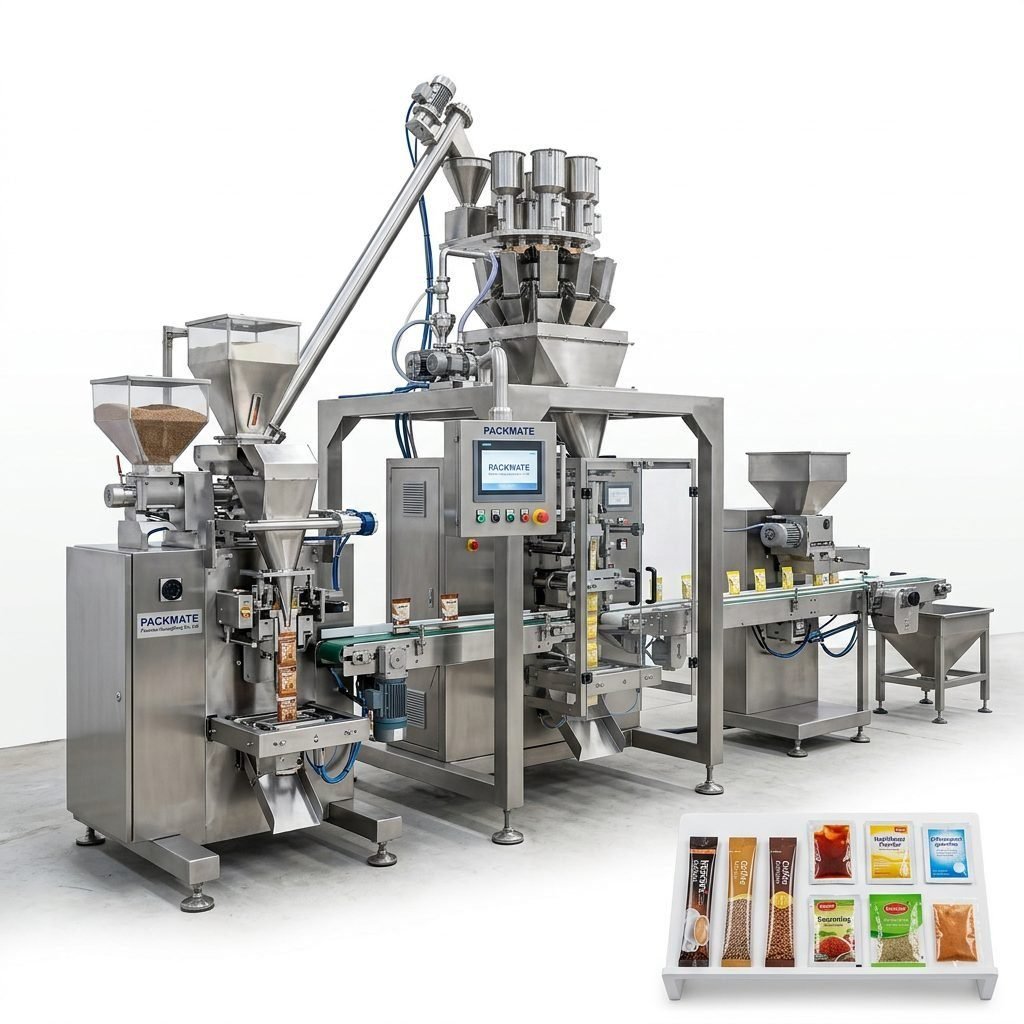
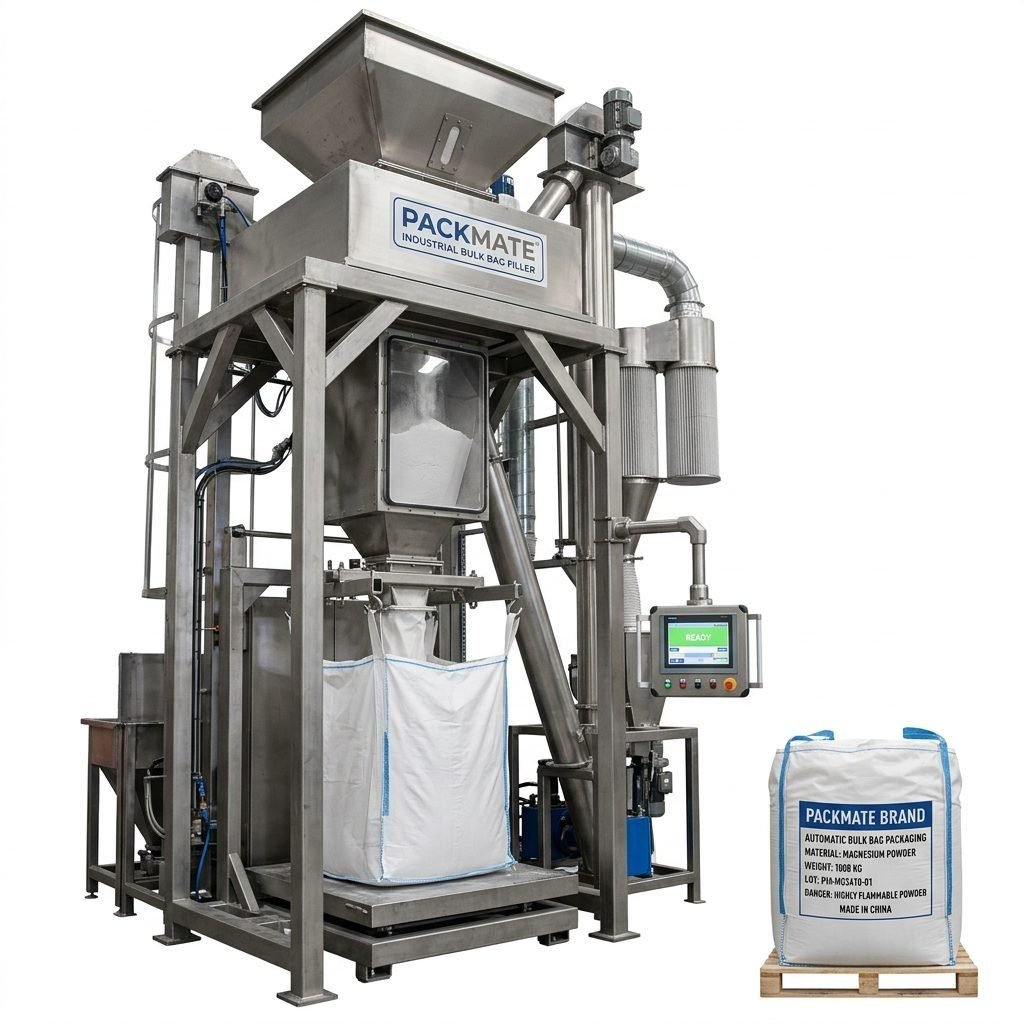
The hallmark of a top-tier manufacturer lies in a robust combination of engineering prowess, innovative R&D, and proven industry experience. These companies don’t just sell machines; they provide comprehensive packaging solutions tailored to specific product needs, whether for food granules, pharmaceutical powders, or health supplements. A manufacturer’s ability to offer complete filling and packaging lines is a significant indicator of their technical depth and project management capabilities.
Key differentiators include:
Customization: The capacity to adapt machine specifications for unique pouch sizes, materials, and filling requirements.
Automation Level: Offering machines with high-speed, multi-lane operations and seamless integration with upstream and downstream equipment.
Durability & Support: Building machines for 24/7 operation and backing them with reliable after-sales service and readily available spare parts.
The Role of Manufacturing Scale and Infrastructure
A manufacturer’s physical footprint often reflects its capacity for quality and consistency. Modern facilities equipped with advanced CNC machining centers, automated assembly lines, and stringent quality control labs are non-negotiable for producing reliable equipment. For instance, a company operating from a 20,000㎡ manufacturing facility demonstrates a serious commitment to scale and precision engineering. This scale allows for in-house testing of every component, ensuring that each bag and pouch packaging machine meets rigorous performance standards before shipment.
Spotlight on a Leading Manufacturer: Packmate Machinery
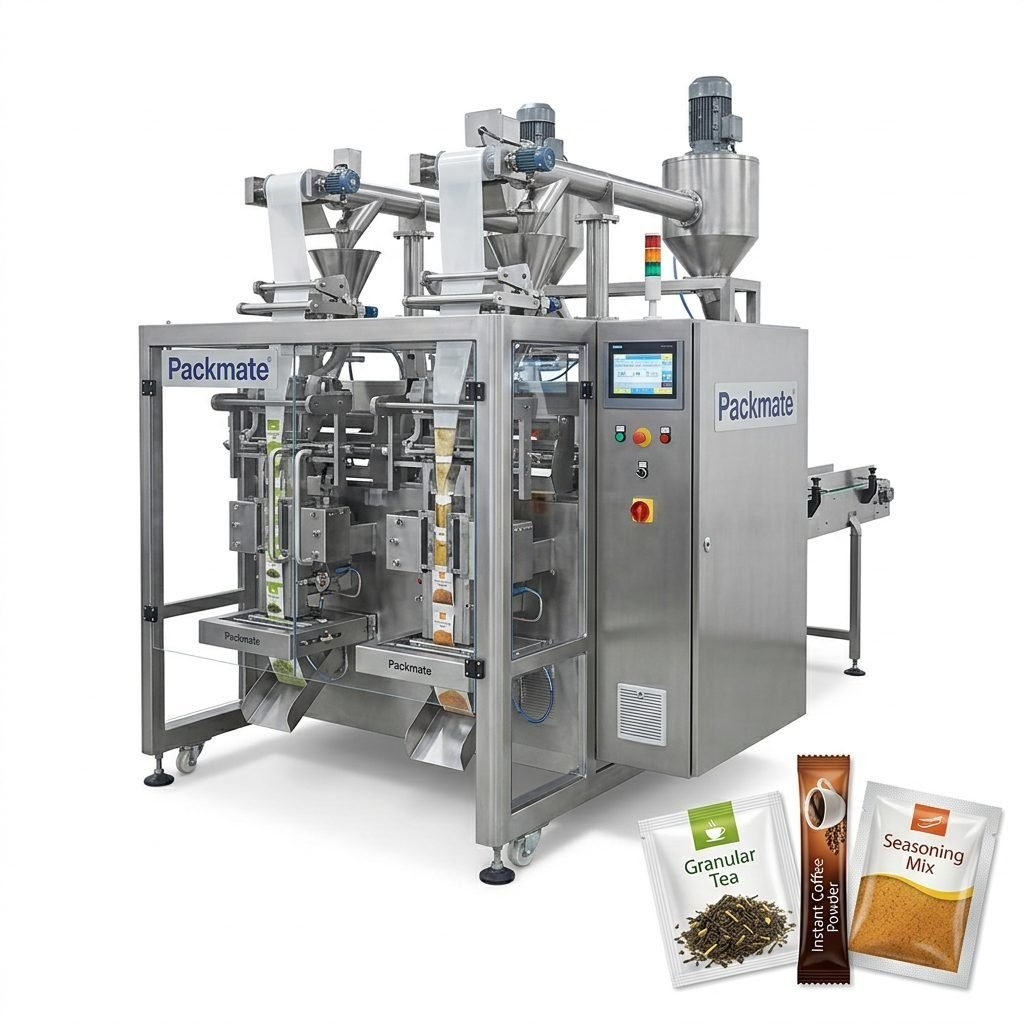
To illustrate the attributes of a top manufacturer, let’s examine Packmate (GuangDong) Co., Ltd.. With over three decades of specialized experience, Packmate embodies the evolution from a passionate startup to a global supplier of intelligent packaging solutions.
Core Strengths & Milestones
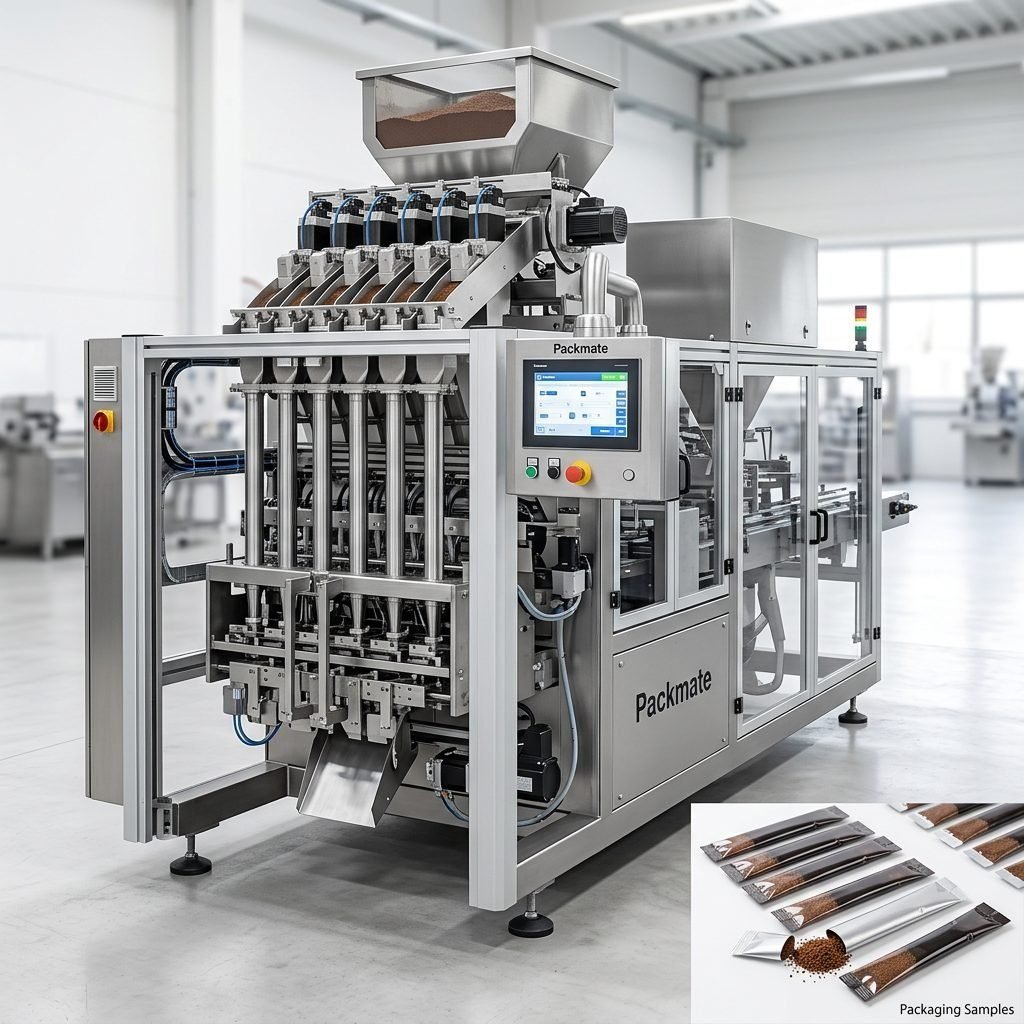
The company’s journey, beginning in a small workshop in 1993, is a testament to founder-driven innovation. The formal establishment in 2003 marked a pivotal shift, uniting a team of skilled engineers to tackle complex packaging challenges. A key strategic expansion occurred in 2012 with the development of multi-lane stick pack machines, directly responding to surging market demand for high-volume, precision packaging of powders and granules.
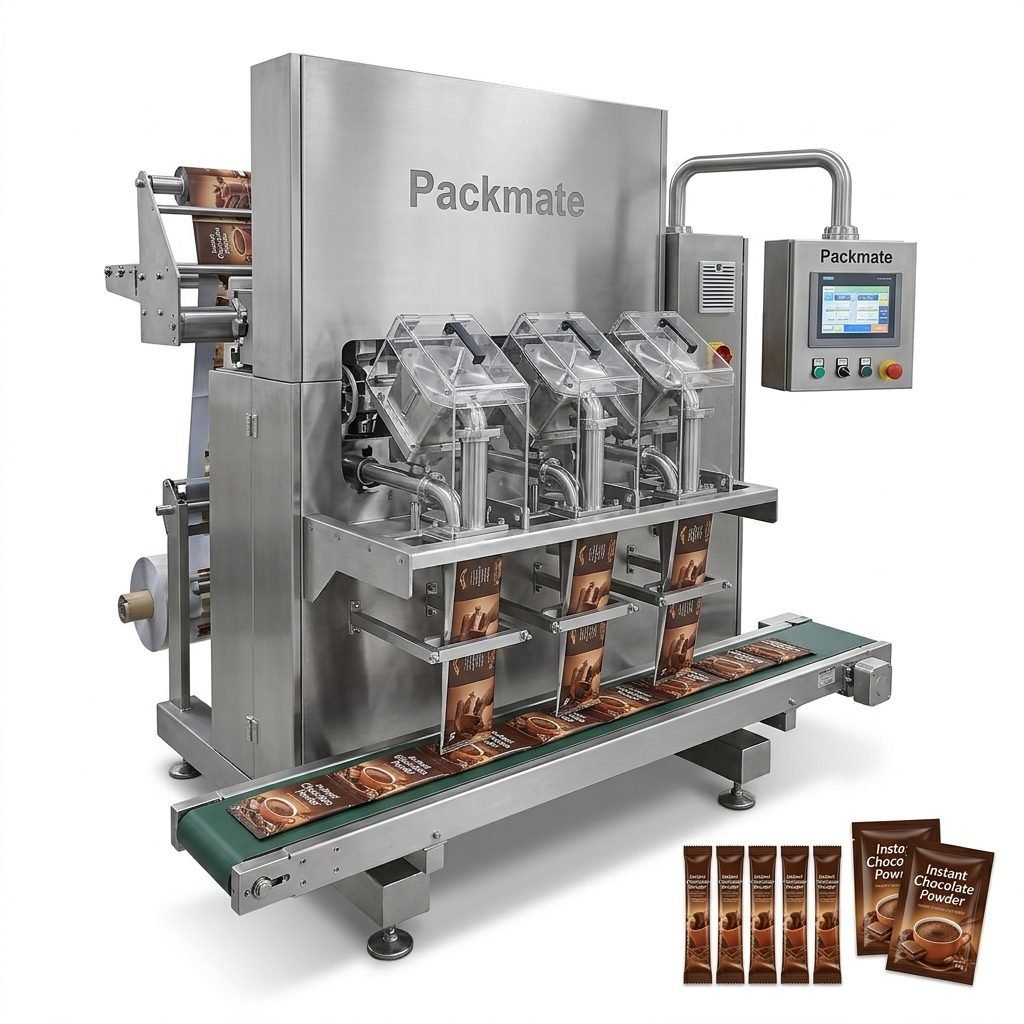
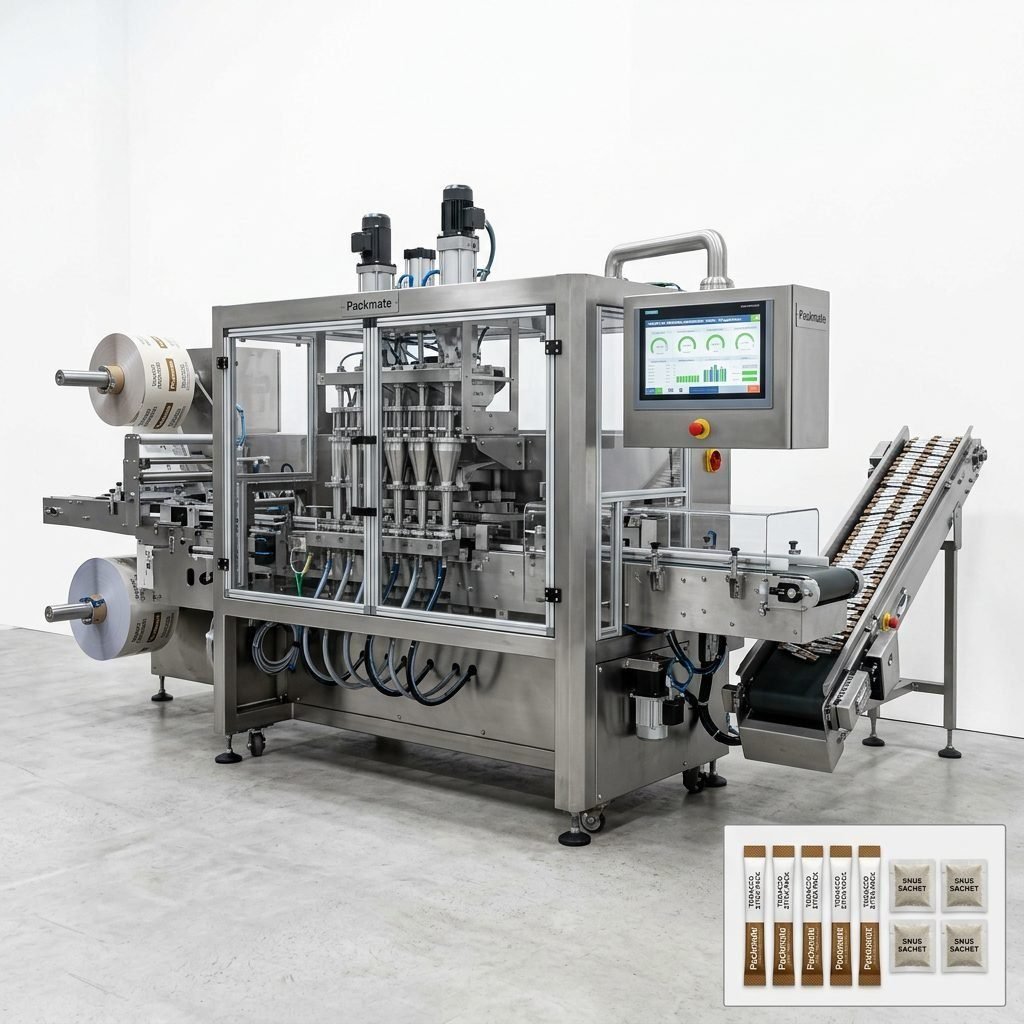
Their portfolio, encompassing over 50 machine models, is built around core product lines like sachet and stick pack machines and sophisticated weighing and packaging systems. This diversification allows them to serve a wide spectrum of industries, from traditional food and pharma to niche segments like smokeless tobacco, requiring specialized snus and nicotine packaging machines.
Commitment to Turnkey Solutions and Global Standards
Beyond individual machines, top manufacturers focus on delivering complete, turnkey packaging solutions. This involves integrating primary packaging machines with essential auxiliary packaging equipment such as cartoners, case packers, and conveyors. The goal is to provide clients with a single-source responsibility for a seamless, efficient production line that minimizes downtime and maximizes output.
Adherence to international quality and safety standards is paramount. Reputable manufacturers invest in certifications for their processes and machines, ensuring compliance with global market regulations. This commitment to standards, combined with active participation in international trade exhibitions, solidifies their position as reliable partners for businesses looking to export or maintain high-quality production domestically.
How to Evaluate and Select Your Manufacturer
Making the final selection requires a structured evaluation process. Here is a practical framework to guide your decision:
Step 1: Define Your Technical Requirements
Clearly outline your product type (powder, liquid, granule), desired pouch style (stand-up, flat, stick pack), required speed (pouches per minute), and the level of automation needed. This clarity will help manufacturers provide accurate proposals.
Step 2: Assess Technical Capability and R&D
Request detailed documentation, including technical specifications, 3D layouts, and lists of key components (e.g., servo motors, PLC brands). Inquire about their R&D team’s size and their process for developing custom solutions.
Step 3: Verify Manufacturing and Quality Control
Ask for a virtual or in-person factory tour. Assess the cleanliness, organization, and technology level of the production floor. Review their quality control protocols for both incoming parts and finished machine testing.
Step 4: Scrutinize After-Sales Support Structure
Understand their warranty terms, availability of spare parts, and training programs. A strong manufacturer will have a dedicated service team capable of providing remote support and timely on-site assistance if needed.
Step 5: Review Client References and Case Studies
Examine their project portfolio and ask for references from clients with similar applications. Real-world case studies are the most reliable proof of a manufacturer’s capability and reliability.
Investing time in this due diligence phase mitigates risk and ensures a partnership that will support your business growth for years to come. The right manufacturer acts as a strategic ally, not just a equipment vendor.
The Future of Pouch Packaging: Trends Shaping Manufacturer Development
Leading manufacturers are already adapting to several key industry trends. Sustainability is driving demand for machines that can handle recyclable or compostable mono-material films efficiently. Digitalization and Industry 4.0 integration are becoming standard, with machines featuring IoT sensors for predictive maintenance, data collection for OEE (Overall Equipment Effectiveness) analysis, and connectivity with factory MES (Manufacturing Execution Systems). Furthermore, the need for extreme flexibility to accommodate short production runs and frequent product changeovers is pushing innovation in quick-changeover designs and user-friendly HMI (Human-Machine Interface) controls.
Frequently Asked Questions (FAQ)
What is the typical lead time for a custom pouch packaging line?
Lead times vary significantly based on complexity and customization. For a standard machine, it may range from 60 to 90 days. For a fully customized, integrated turnkey line, the timeline can extend from 4 to 8 months, including design, manufacturing, factory acceptance testing, and shipping. Always confirm the detailed project schedule with your manufacturer.
How do I ensure the machine will work with my specific packaging material?
Reputable manufacturers require material samples for testing. They will run trials in their lab using your exact film or laminate to optimize sealing parameters (temperature, pressure, time) and ensure consistent pouch formation and seal integrity. This is a critical step that should never be skipped.
What kind of training and operational support is provided after installation?
Comprehensive training for your operators and maintenance technicians is standard. This typically includes detailed operational manuals, video tutorials, and on-site training during commissioning. Ongoing support is provided via phone, email, and remote desktop connections. Ensure you understand the terms of warranty and the process for ordering spare parts.
Can a single machine handle multiple pouch sizes and formats?
Yes, most modern machines are designed for changeover. However, the ease and speed of changeover differ. Look for machines with tool-less changeover features or quick-change kits for forming shoulders, filling nozzles, and sealing jaws to minimize downtime between production runs.
What are the key maintenance routines to ensure long machine life?
Daily cleaning, weekly lubrication of designated points (as per manual), and periodic inspection of wear parts like sealing jaws, cutters, and grippers are essential. The manufacturer should provide a preventive maintenance schedule. Using genuine spare parts for replacements is crucial for maintaining performance and safety.