In the highly regulated industries of food, pharmaceuticals, and health products, packaging is far more than just a container. It is a critical component of product safety, integrity, and consumer trust. Compliance packaging machines are engineered specifically to meet the stringent regulations and standards that govern these sectors. For manufacturers, navigating this complex landscape of global and regional requirements is not optional—it’s a fundamental business imperative.
Understanding the Regulatory Landscape
The world of packaging regulations is multifaceted, involving food safety, pharmaceutical good practices, material safety, and labeling accuracy. Non-compliance can lead to severe consequences, including product recalls, legal penalties, and irreparable damage to a brand’s reputation.
Key Point: A compliance packaging machine is designed from the ground up to facilitate adherence to these rules. It’s not just about the machine’s output, but its entire operational process—from the materials it can handle to the data it records.
Major regulatory frameworks include the U.S. Food and Drug Administration (FDA) regulations for food contact substances and Current Good Manufacturing Practices (cGMP), and the European Union’s regulations like EC 1935/2004 for materials contacting food. In the pharmaceutical realm, cGMP for drugs and Annex 1 of the EU GMP for sterile products set the bar for contamination control.
Core Standards for Machine Design & Operation
Beyond product-specific regulations, the machines themselves must conform to international safety and quality standards. These ensure operator safety, machine reliability, and hygienic design.
- ISO Standards: ISO 22000 for food safety management and ISO 13485 for medical devices are crucial. For the machinery, ISO 14159 (safety of machinery – hygienic requirements) dictates principles for cleanability and prevention of contamination.
- Safety Standards (e.g., IEC 60204-1): These govern the electrical safety of industrial machines, protecting operators from hazards.
- Hygienic Design Principles: Surfaces must be smooth, non-porous, and easy to clean without dead zones where product or bacteria can accumulate. The use of approved materials like stainless steel (often 304 or 316 grade) is standard.
Material Compliance: The First Layer of Defense
The packaging film, pouch, or stick pack material is the primary barrier between the product and the consumer. Compliance machines must be compatible with a wide range of approved materials.
This includes films that meet FDA 21 CFR or EU 10/2011 requirements for food contact. For sensitive products like pharmaceuticals or nutraceuticals, materials may need additional certifications for low migration and high barrier properties against moisture, oxygen, and light. A versatile machine from a provider like Packmate Machinery is engineered to handle these diverse, compliant substrates reliably.
The Role of Automation in Ensuring Compliance
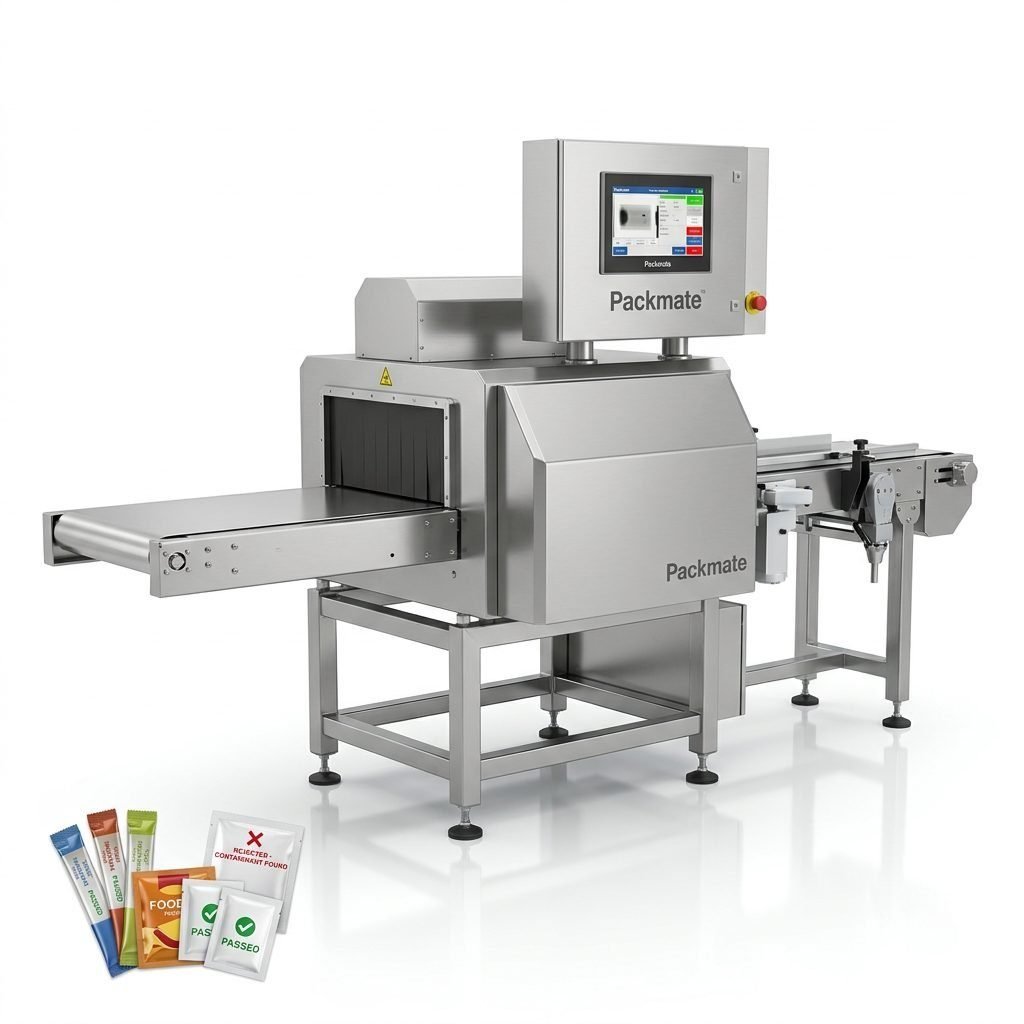
Modern compliance packaging integrates sophisticated automation. Weight checkers ensure every sachet or stick pack meets labeled claim, adhering to weights and measures regulations. Vision inspection systems detect printing errors, seal integrity issues, or foreign particles. Most importantly, these systems generate electronic records and audit trails, which are essential for demonstrating due diligence during regulatory inspections.
Selecting a Compliance-Focused Packaging Partner
Choosing the right equipment manufacturer is perhaps the most critical step in achieving packaging compliance. Look for a partner with a proven track record and deep industry knowledge.
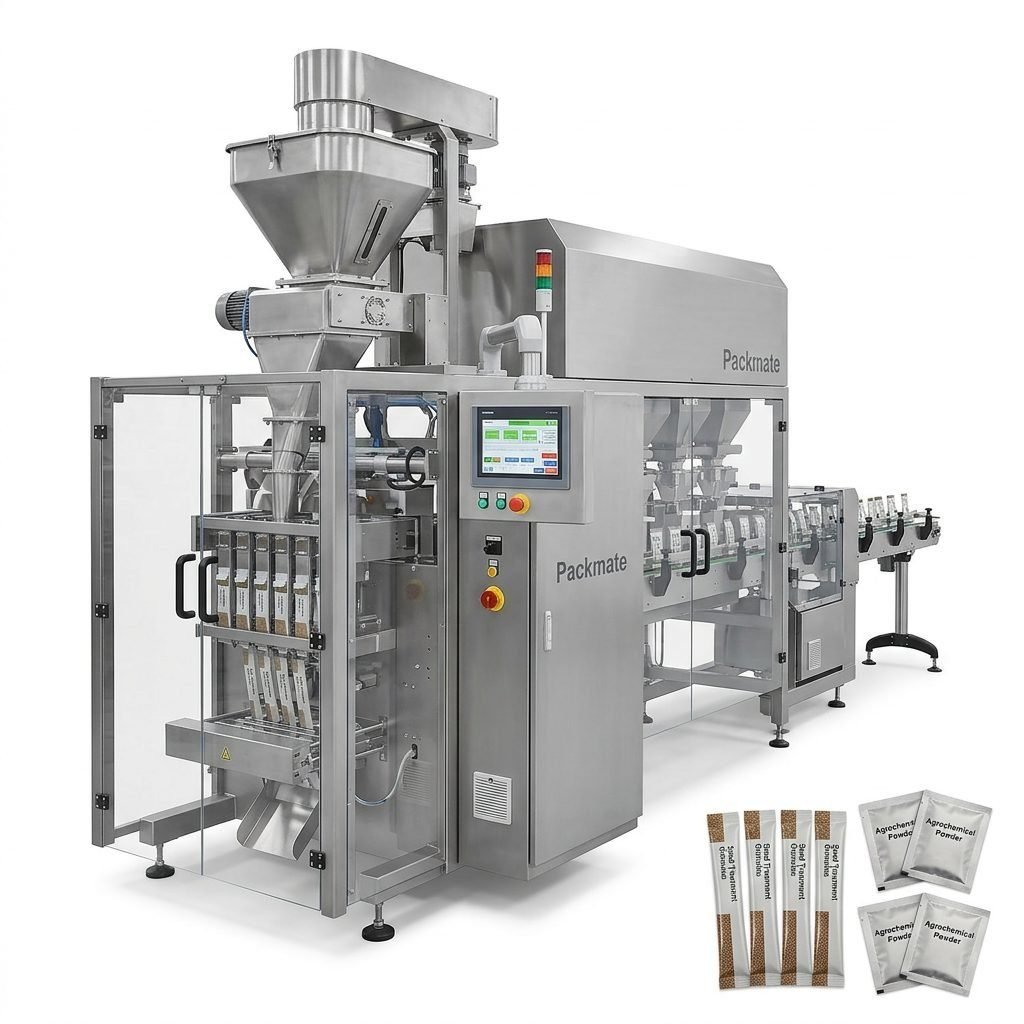
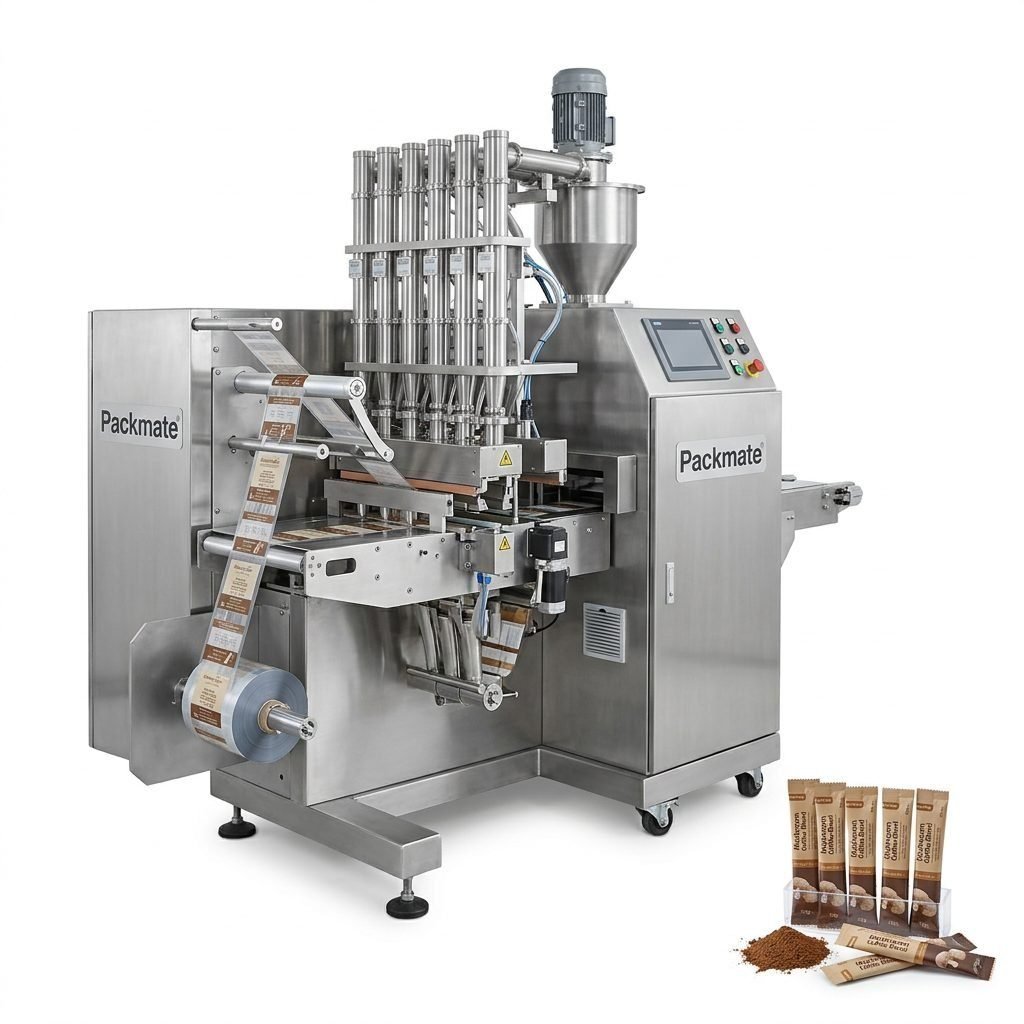
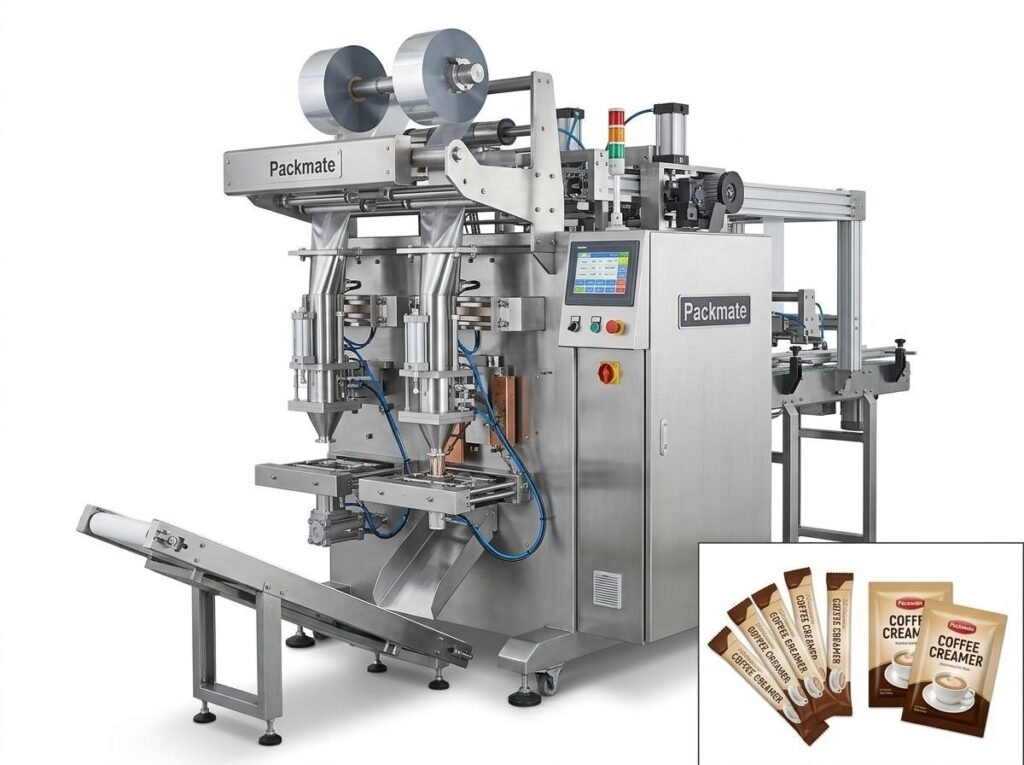
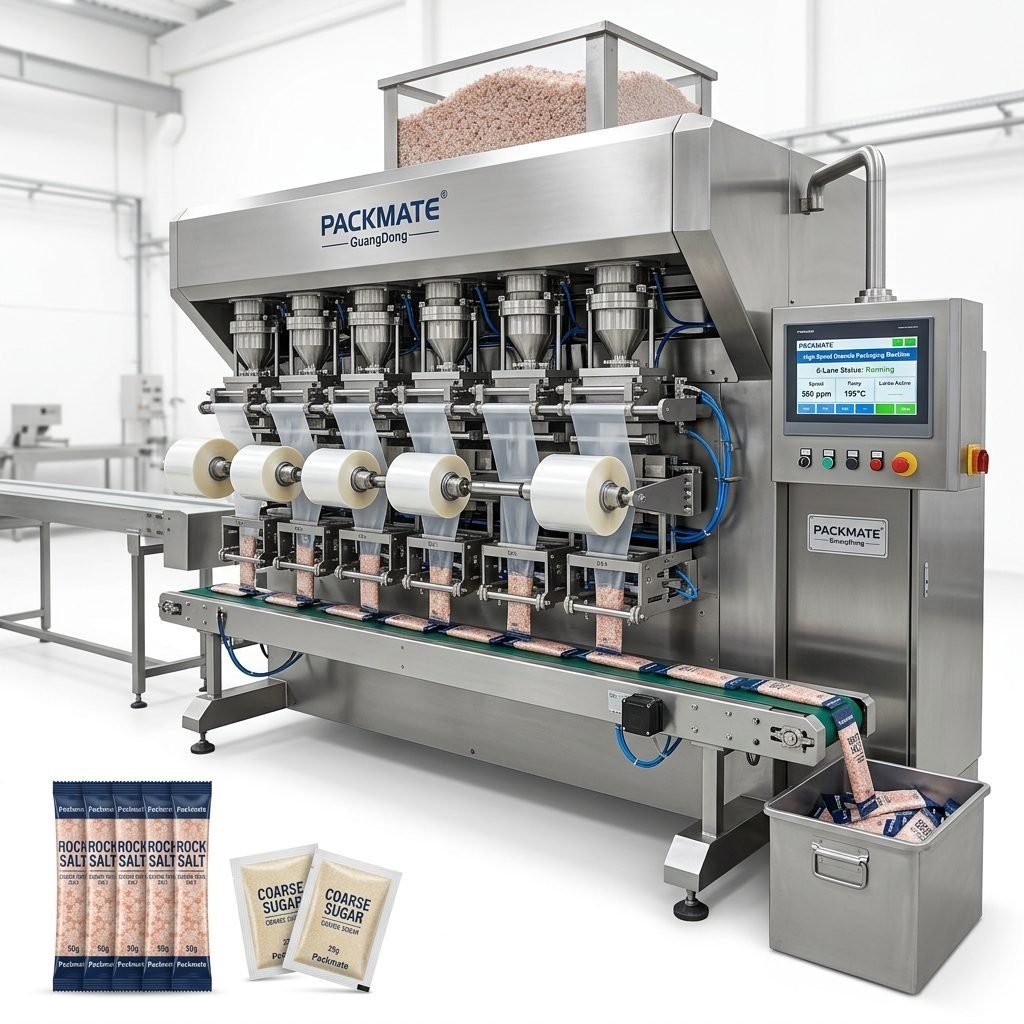
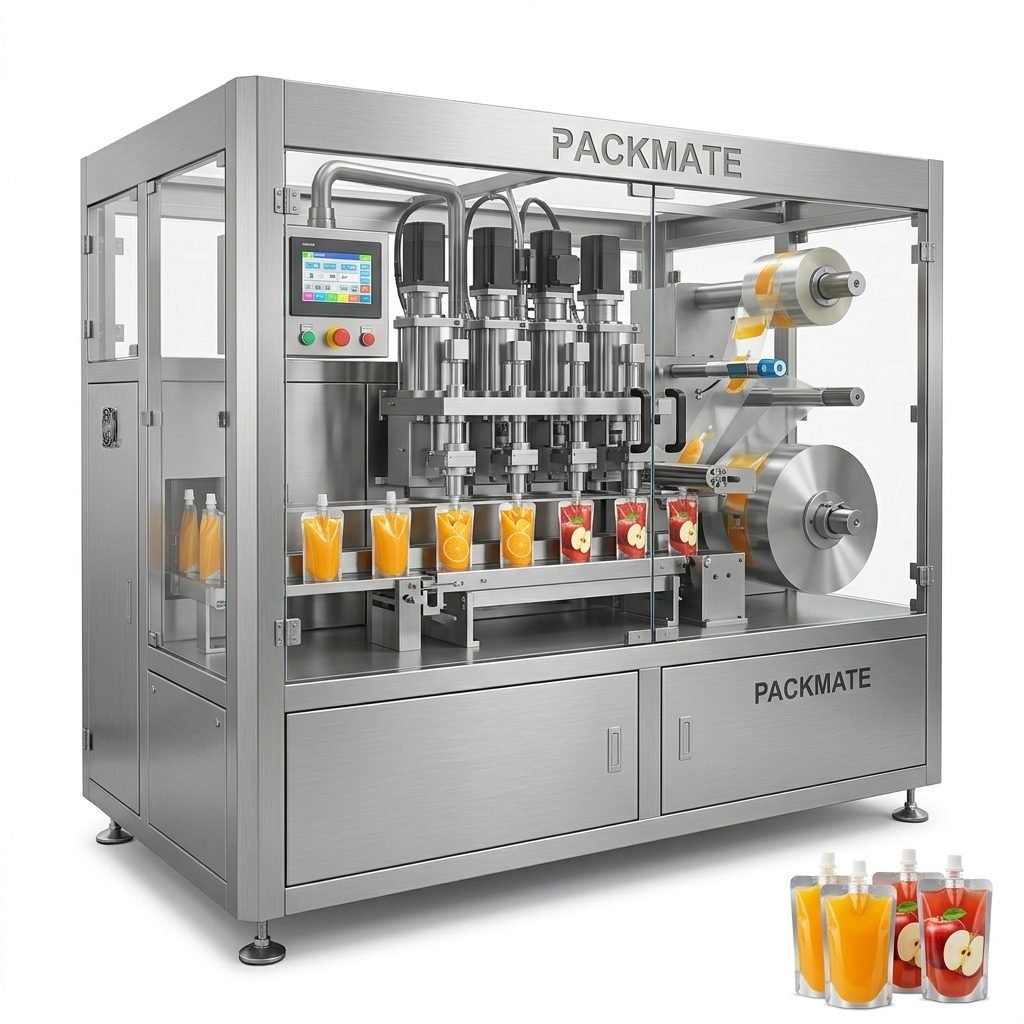
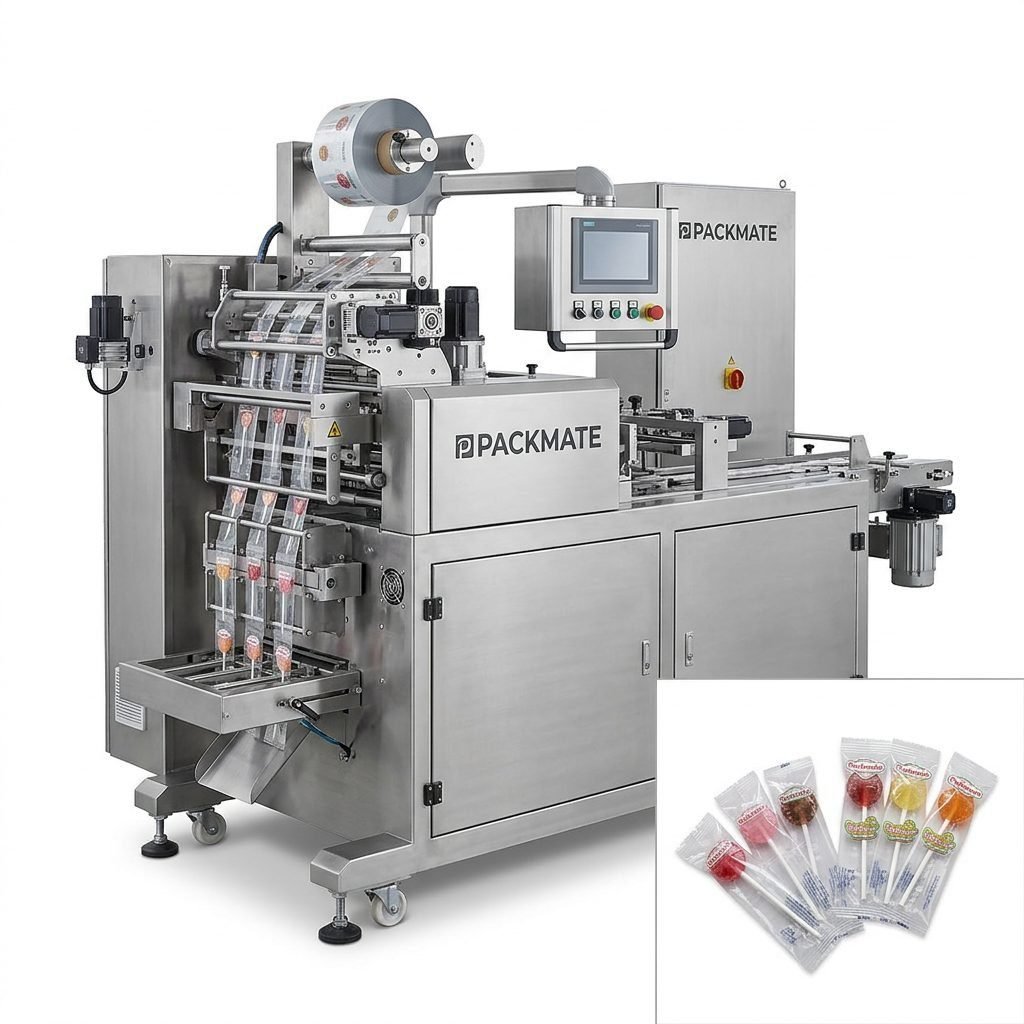
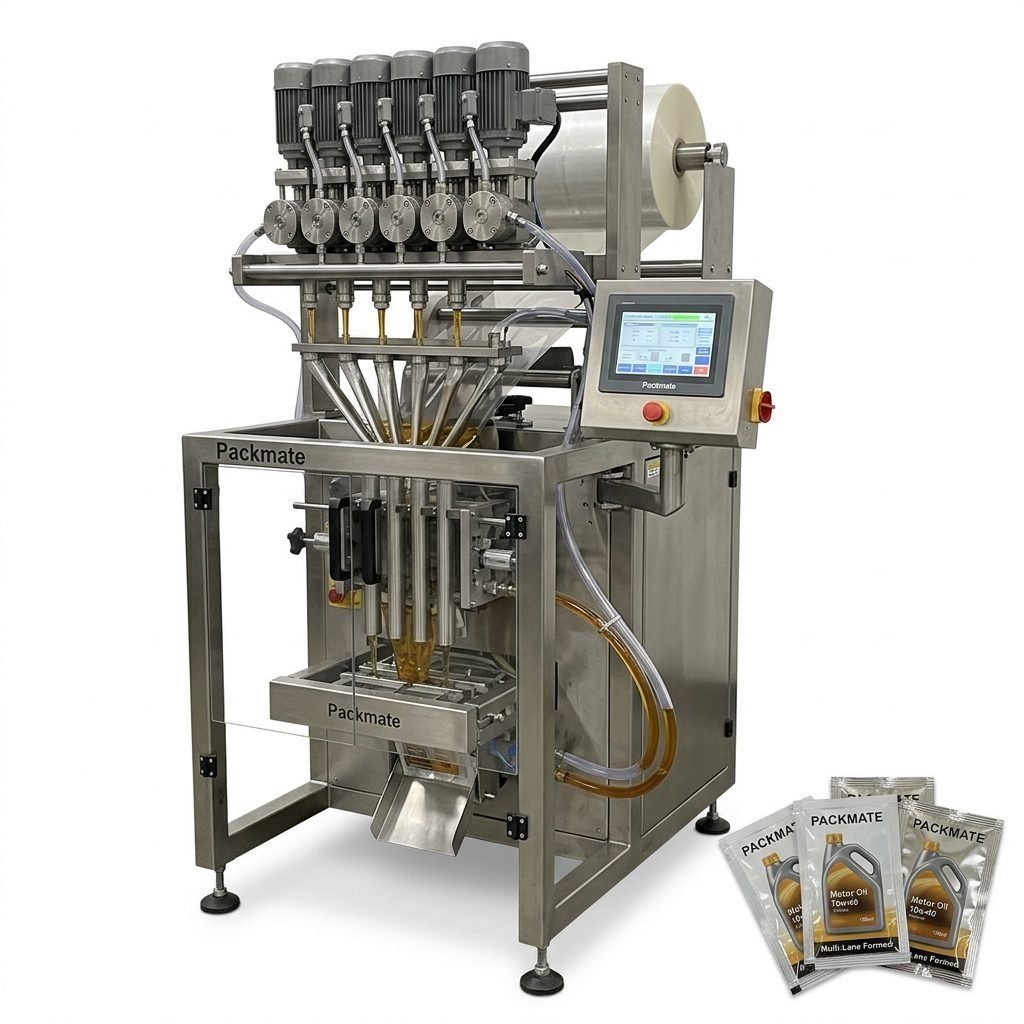
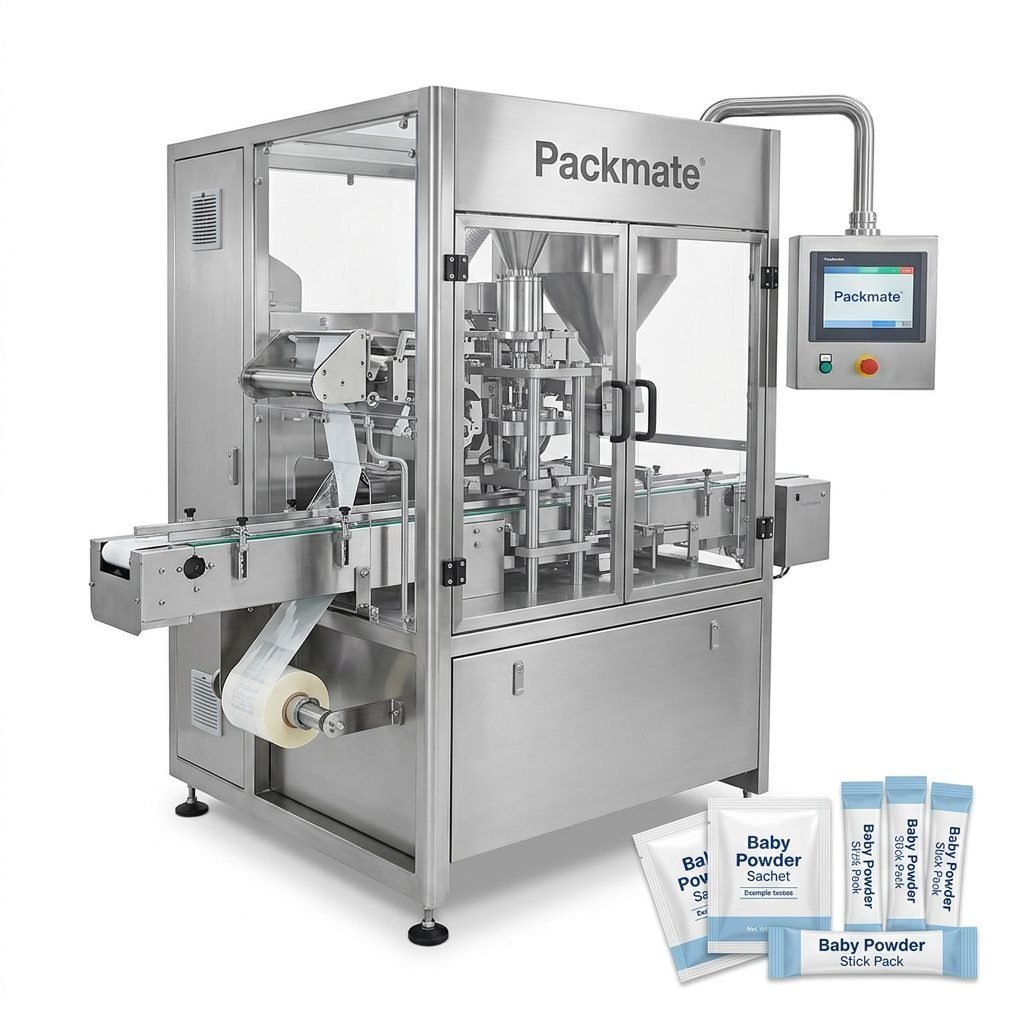
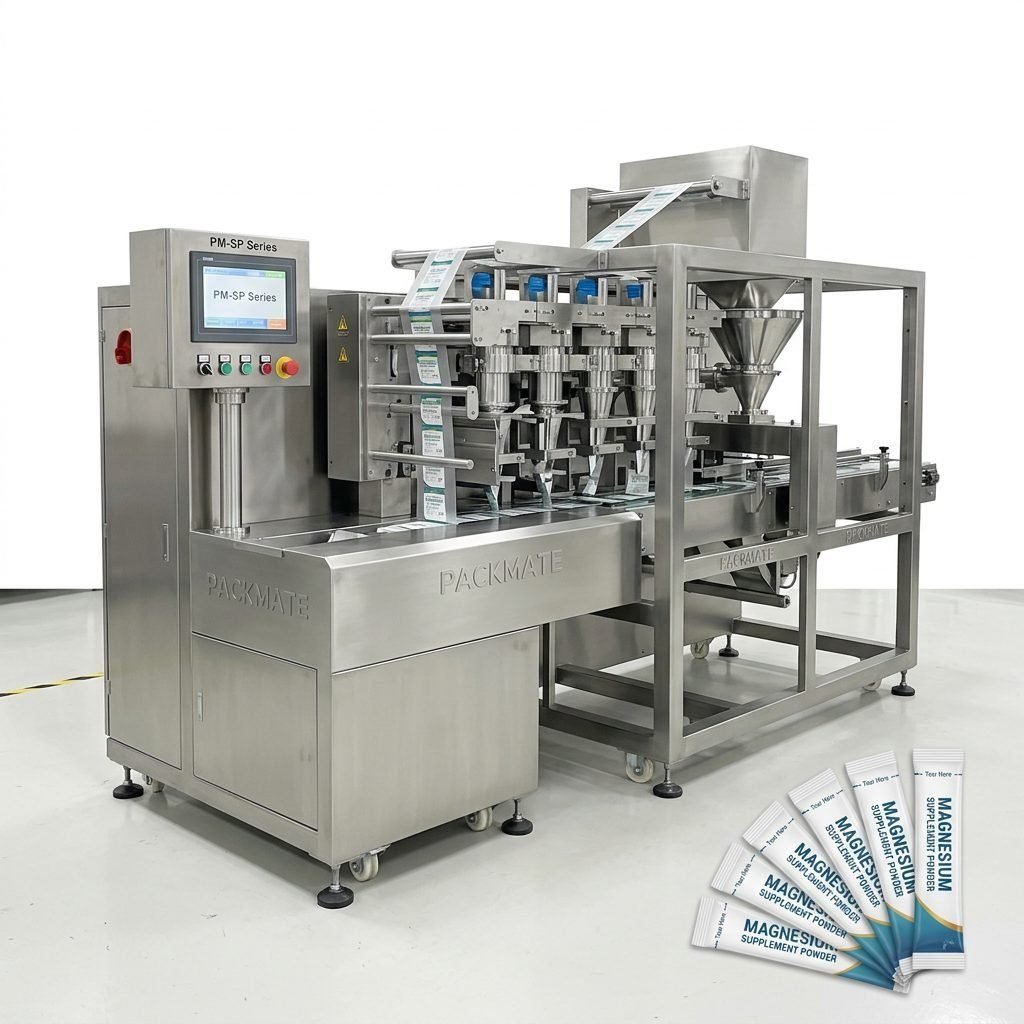
A manufacturer like Packmate (GuangDong) Co., Ltd., with over 30 years in the industry, exemplifies this approach. Their expertise in building machines for granules, powders, and liquids means their designs inherently consider the regulatory challenges of these product types. Their sachet and stick pack machines are developed with hygienic zones, easy-clean surfaces, and integration points for checkweighers and inspectors.
Key questions to ask a potential supplier include:
- Can you provide a risk assessment for contamination points in the machine design?
- Are your machines constructed with certified materials (e.g., FDA-compliant seals, food-grade lubricants)?
- What documentation and validation support (IQ/OQ/PQ protocols) do you offer to aid our regulatory submissions?
Validation & Documentation: Proving Compliance
Having a compliant machine is only half the battle; you must prove it operates consistently within specified parameters. This is achieved through a rigorous validation process:
- Installation Qualification (IQ): Documenting that the machine is received and installed correctly per the manufacturer’s specifications.
- Operational Qualification (OQ): Testing that the machine functions as intended across its operating ranges.
- Performance Qualification (PQ): Running the machine under actual production conditions with the intended product and packaging materials to prove consistent, compliant performance.
Comprehensive documentation from the machine supplier, including material certificates, design drawings, and maintenance manuals, forms the backbone of your technical file for auditors.
Staying Ahead: The Future of Compliance Packaging
Regulations evolve, and technology advances. The future of compliance packaging lies in connectivity and data intelligence. Machines with Industrial Internet of Things (IIoT) capabilities can provide real-time data on machine performance, predictive maintenance alerts, and seamless batch reporting. This shift from reactive record-keeping to proactive quality management will define the next generation of compliant packaging lines. Exploring integrated filling and packaging lines from innovative suppliers is a step toward this future-proofed approach.
Ultimately, investing in true compliance packaging machinery is an investment in brand protection, market access, and consumer confidence. It transforms regulatory requirements from a constraint into a competitive advantage, ensuring products are not only packaged efficiently but also safely and legally, anywhere in the world.
Frequently Asked Questions (FAQs)
Q1: What is the most common regulatory mistake companies make with packaging machines?
A1: A common mistake is focusing solely on the final package and neglecting the machine’s hygienic design and cleanability. Regulatory bodies inspect the entire process. Trapped product in machine crevices can spoil and contaminate subsequent batches, leading to major non-compliance issues.
Q2: Can I modify a standard packaging machine to make it compliant?
A2: While minor modifications are possible, core compliance—especially regarding hygienic design, material contacts, and safety systems—must be engineered into the machine from the start. Retrofitting is often costly and may not achieve the same level of assurance as a machine built for compliance from the ground up.
Q3: How important is supplier certification when choosing a compliance packaging machine?
A3: Extremely important. Certifications like ISO 9001 for quality management demonstrate a manufacturer’s commitment to consistent processes. For specific industries, relevant certifications (though not always applicable to the machine itself) show the supplier understands your regulatory environment. Always review the supplier’s technical documentation and validation support offerings.
Q4: Are compliance requirements different for exporting products?
A4: Yes, absolutely. You must comply with the regulations of the destination market. A machine that helps you meet EU standards may need different validations or material compatibilities for the US, Asian, or Middle Eastern markets. Your packaging machine should be versatile enough to adapt to these regional material and operational standards.
Q5: What role does software play in packaging compliance?
A5: Modern machine software is critical. It controls parameters that affect product safety (like seal temperature/time) and, most importantly, it maintains electronic batch records, audit trails, and user access logs. This data is indispensable for proving control and consistency during production runs to regulators.