Selecting the right lubricant packaging machine is a critical investment for any manufacturing or distribution business. The correct equipment ensures product integrity, optimizes production speed, and maximizes your return on investment. This comprehensive guide will walk you through the different types of lubricant packaging machines available, key factors affecting their prices, and essential tips for making an informed purchase decision.
Primary Types of Lubricant Packaging Machines
The packaging process for lubricants—including engine oils, greases, industrial fluids, and synthetic blends—requires specialized machinery designed to handle various viscosities and container types. The main categories are defined by their filling technology and the final package format.
1. By Filling Technology
Gravity Fillers are ideal for thin, free-flowing oils. They rely on the product’s natural flow into containers and are known for their simplicity, cost-effectiveness, and ease of cleaning. They are best suited for low to medium-speed production lines.
Piston Fillers offer high precision for a wide range of viscosities, from light oils to thick greases. A piston draws a measured volume of product from a hopper and dispenses it into the container. This type is highly accurate and versatile, making it a popular choice for many lubricant producers.
Pump Fillers use rotary gear, lobe, or peristaltic pumps to transfer product. They are excellent for handling abrasive or shear-sensitive fluids and provide consistent fills. Pump systems are often integrated into fully automated lines.
2. By Package Format
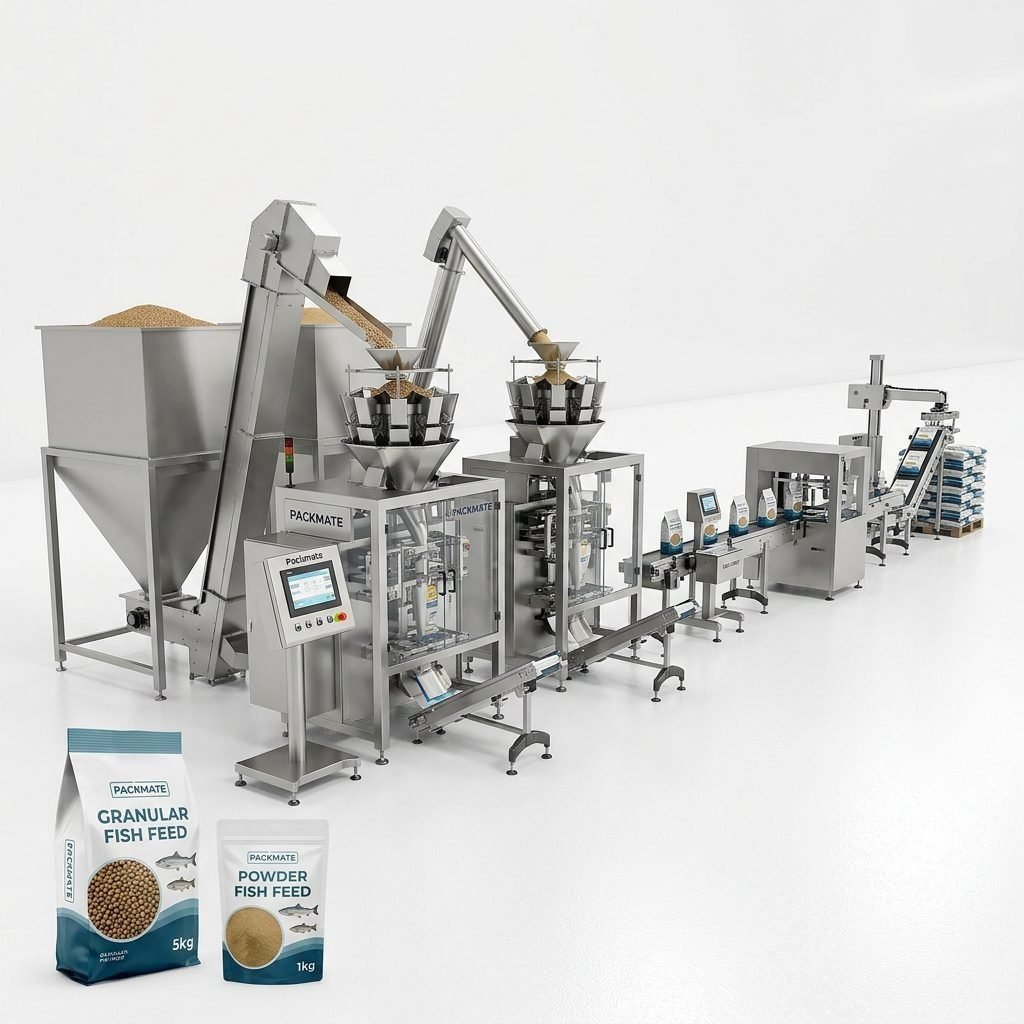
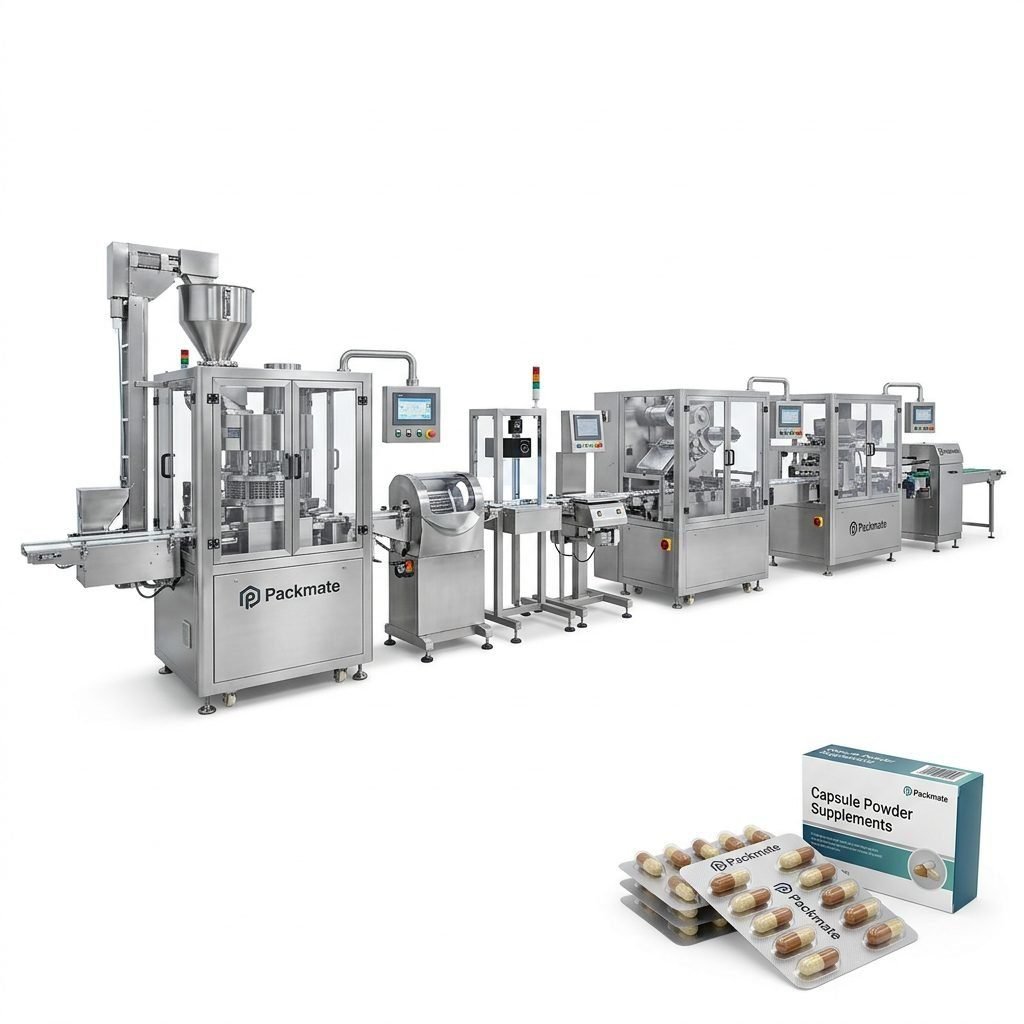
Bottle Fillers: These machines handle plastic (HDPE, PET) or metal containers ranging from small 100ml bottles to large 5-gallon jugs. A complete line often includes a bottle unscrambler, filler, capper (screw capper or snap capper), and labeler. For high-volume operations, fully integrated filling and packaging lines are the most efficient solution.
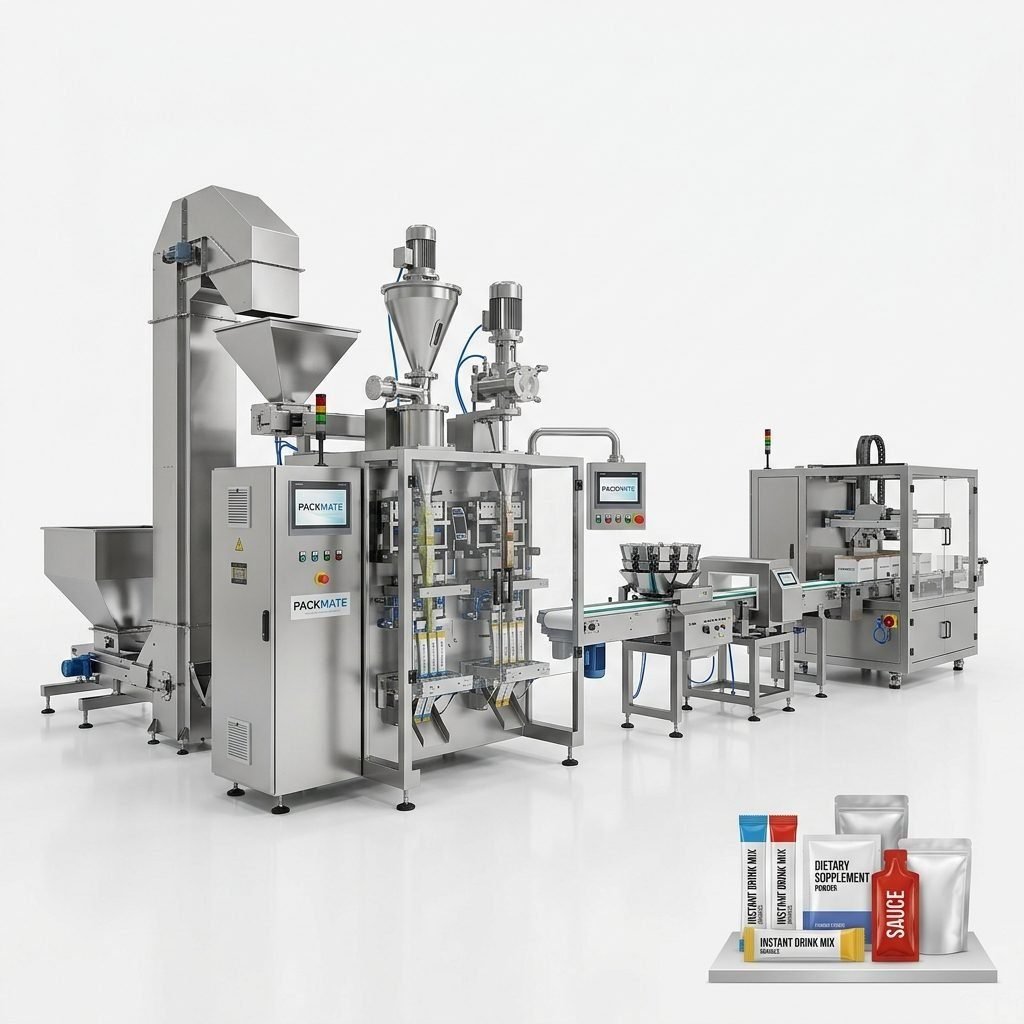
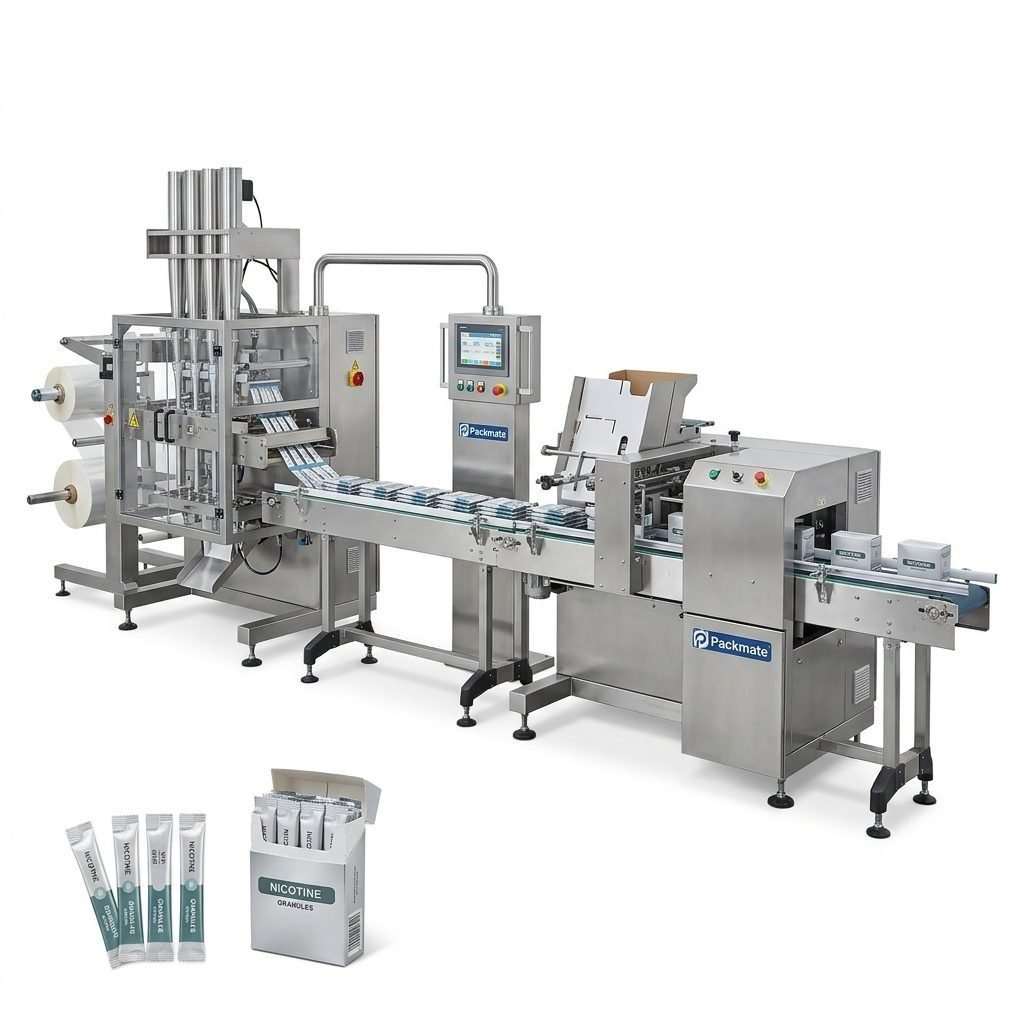
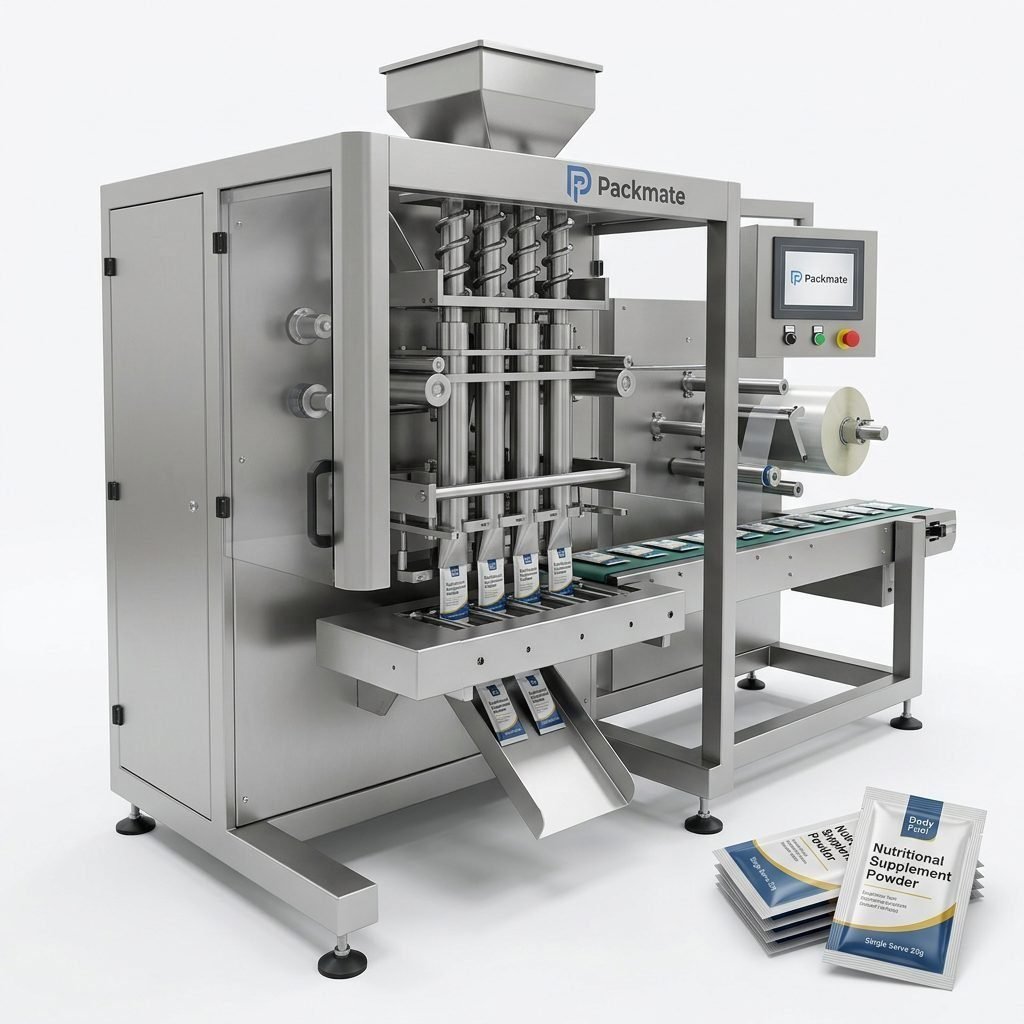
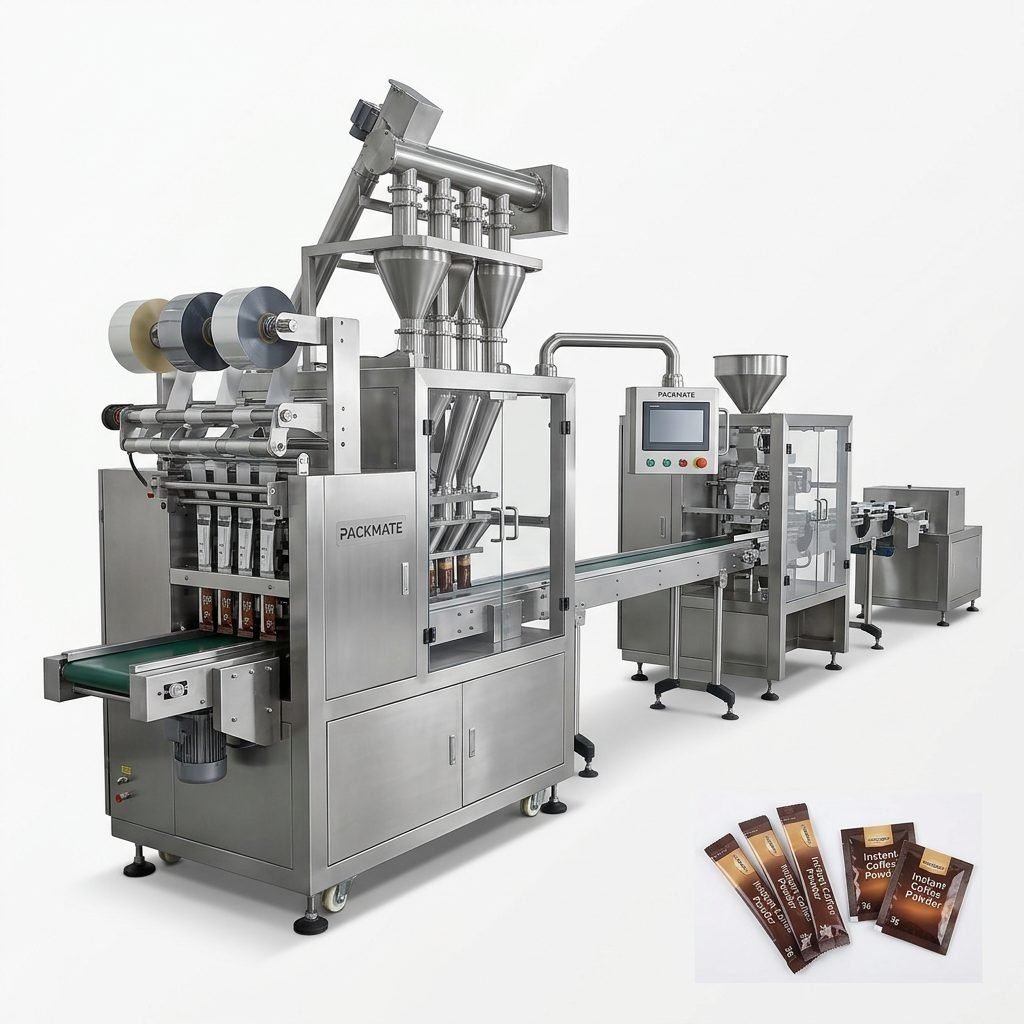
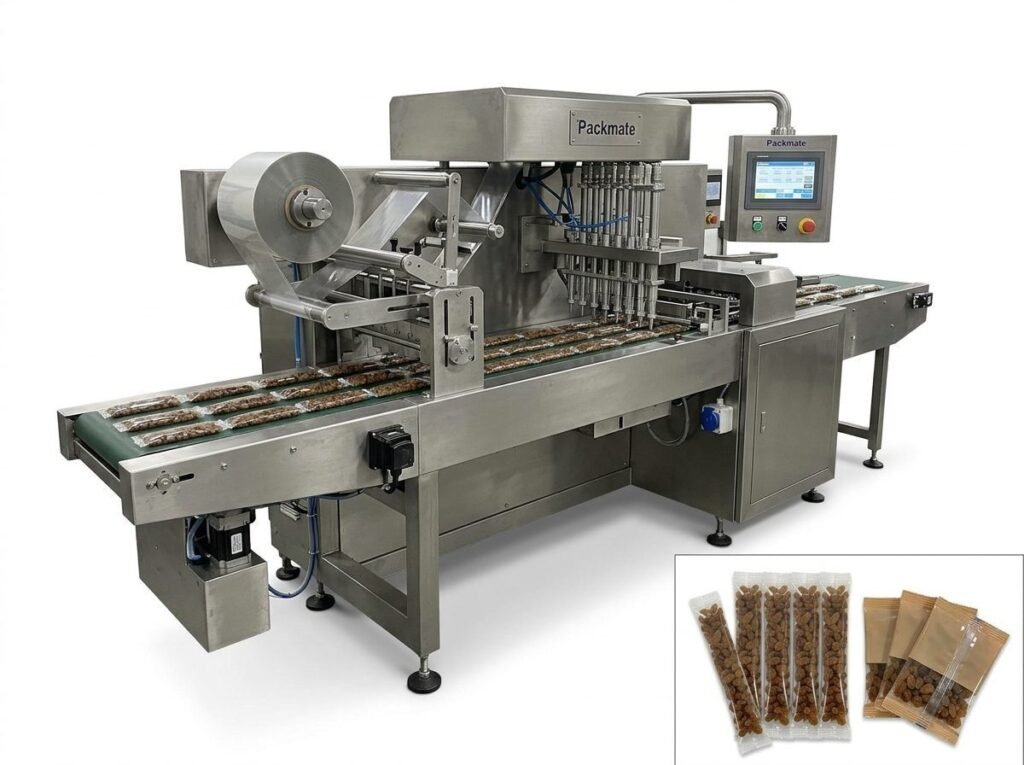
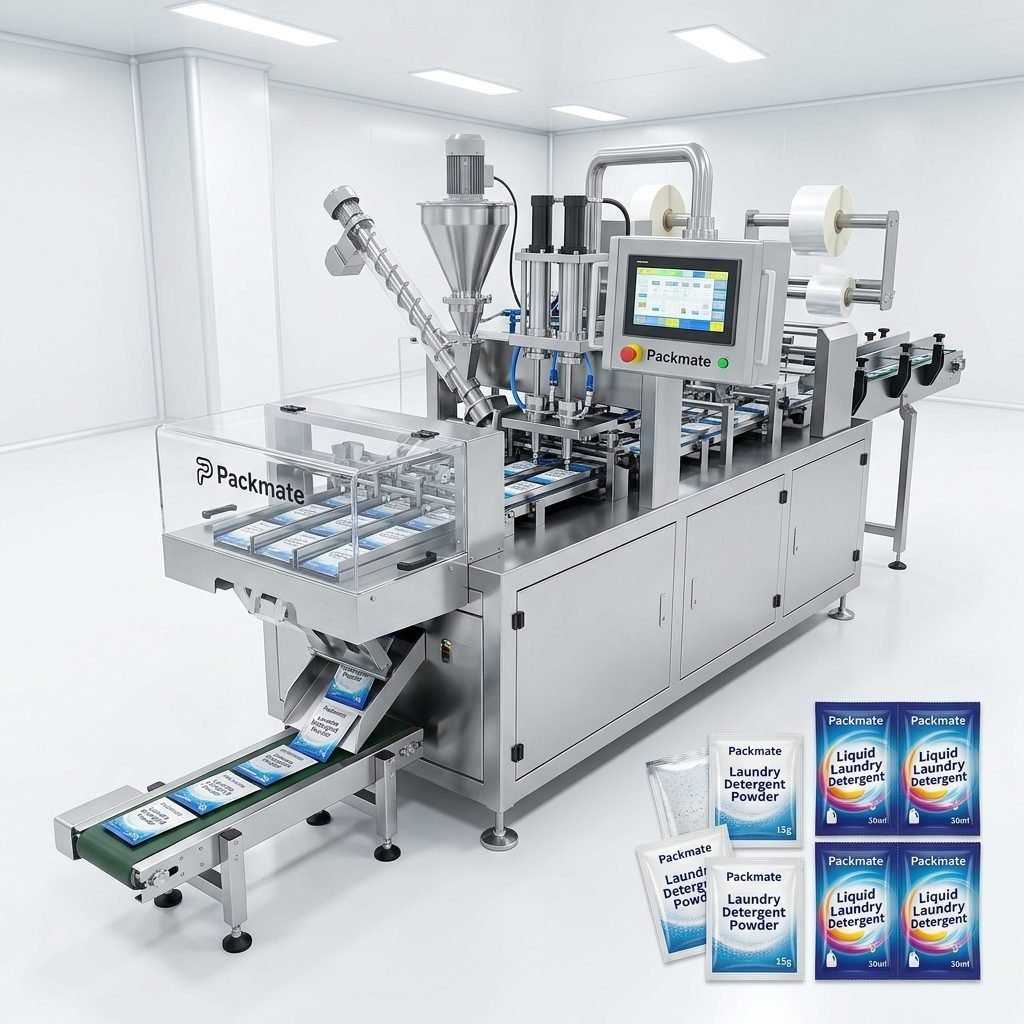
Pouch & Sachet Fillers: For single-use lubricant applications, such as sample packs or industrial maintenance kits, sachet and stick pack machines are ideal. They form, fill, and seal pre-printed laminated film into precise, portable packages.
Drum & Pail Fillers: Designed for bulk industrial packaging, these robust machines fill large metal or plastic drums (55 gallons) and smaller pails. They typically use heavy-duty piston or pump fill heads and may include automatic lid placement and sealing stations.
Cartridge Fillers: Specialized for packaging greases and adhesives into plastic or metal cartridges. The process requires precise filling to avoid air pockets, followed by plunger insertion and end-cap sealing.
Understanding Machine Prices: Key Cost Factors
The price of a lubricant packaging machine is not a single figure but a range determined by several interconnected factors. A basic semi-automatic machine may start around $15,000, while a high-speed, fully automated turnkey line can exceed $200,000.
Core Factors Influencing Investment:
- Automation Level: Semi-automatic (manual container handling) machines are the most affordable. Automatic and fully automated systems, which include conveyors, robotic loaders, and PLC controls, command a premium but offer vastly higher output and labor savings.
- Production Speed (Output): Price increases significantly with required speed. A machine filling 20 bottles per minute is far less complex than one filling 300 bottles per minute, which requires advanced engineering for stability and accuracy.
- Machine Construction & Materials: Machines built with high-grade stainless steel (e.g., SS304, SS316) for contact parts are more expensive but are essential for durability, corrosion resistance, and meeting food or pharmaceutical-grade hygiene standards, which can be relevant for certain specialty lubricants.
- Filling Accuracy & Technology: Systems requiring ±0.1% accuracy (critical for expensive synthetic oils) use more sophisticated weighing or volumetric technology than those with ±1% tolerance. Net weighing systems add cost but deliver unparalleled precision.
- Brand & Manufacturer Expertise: Established manufacturers with a proven track record, like Packmate Machinery, often price their machines higher due to superior R&D, reliability, and comprehensive after-sales support. Their 30+ years of expertise in packaging equipment translates into long-term value.
Essential Buying Tips for Your Investment
Purchasing a packaging machine is a long-term partnership. Beyond the initial price tag, consider these strategic points to ensure a successful outcome.
1. Define Your Requirements Precisely
Before contacting suppliers, document your exact needs: Product viscosity range, container types and sizes, required output (bottles/hour), available factory space, and future growth plans. This clarity prevents overspending on unnecessary features or underbuying a machine that can’t meet demand.
2. Prioritize Flexibility and Scalability
The lubricant market evolves. A machine that can handle multiple container sizes or be easily upgraded (e.g., adding more fill heads) protects your investment. Modular designs from experienced manufacturers offer this advantage.
3. Evaluate the Total Cost of Ownership (TCO)
Look beyond the purchase price. Factor in installation costs, energy consumption, spare parts pricing, and expected maintenance downtime. A reliable, well-supported machine from a reputable company like Packmate (GuangDong) Co., Ltd. typically has a lower TCO despite a potentially higher initial cost, thanks to its 20,000㎡ modern facility ensuring quality and a professional team for support.
4. Insist on Testing and References
Always request a live or video product test using your specific lubricant and containers. This demonstrates the machine’s actual performance. Also, ask for customer references, especially those with similar applications, to verify the supplier’s claims about reliability and service.
5. Scrutinize After-Sales Service & Support
The relationship begins after installation. Ensure the supplier offers comprehensive training, detailed manuals, readily available spare parts, and responsive technical support (remote and on-site). A strong global service network is crucial for international buyers.
Why Partner with an Experienced Manufacturer?
Choosing a manufacturer with deep industry roots, such as Packmate Machinery, founded on a vision for automation in 1993 and formally established in 2003, brings immense value. Their journey from small sachet machines to providing complete turnkey packaging solutions means they understand the entire production ecosystem. With over 50 machine models developed, they can offer unbiased advice on the best system for your lubricant packaging needs, ensuring you get a solution engineered for quality, innovation, and long-term reliability.
Frequently Asked Questions (FAQ)
Q1: What is the most important specification to check when buying a lubricant filler?
Filling accuracy and repeatability are paramount. Inconsistent fills lead to product giveaway (costing you money) or underfills (regulatory and customer satisfaction issues). Specify your required tolerance (e.g., ±0.5ml) and verify it during a product test.
Q2: Can one machine package both thin oils and thick greases?
It depends on the technology. A well-designed piston filler is often the most versatile, as it can handle a very wide viscosity range by simply changing the piston cylinder and seals. However, for extreme differences, two dedicated machines might be more efficient.
Q3: How do I choose between a volumetric filler and a net weigh filler?
Volumetric fillers (piston, gravity) are cost-effective and fast for uniform products. Net weigh fillers are slower and more expensive but are the most accurate method, especially for high-value products or when the product density might vary. They are considered the “gold standard” for precision.
Q4: What are the key maintenance requirements for these machines?
Regular maintenance is essential. Daily cleaning of product contact parts, weekly checks of seals and gaskets for wear, and periodic lubrication of moving parts according to the manufacturer’s manual will ensure longevity and consistent performance. Always use recommended spare parts.
Q5: How long does it typically take from order to machine installation?
Lead times vary greatly. For a standard machine from stock, it could be 4-8 weeks. For a custom-configured or fully automated line, lead times of 12-20 weeks are common, factoring in engineering, manufacturing, factory testing, and shipping. Clear communication with your supplier about timelines is crucial.