In today’s fast-paced manufacturing world, efficient and reliable parts packaging is not just a final step; it’s a critical component of product integrity, supply chain efficiency, and customer satisfaction. Choosing the right parts packaging equipment can mean the difference between a smooth operation and a logistical nightmare. This comprehensive guide delves into the various types of equipment available and provides essential tips for selecting the perfect system for your specific needs.
Understanding the Core of Parts Packaging
Parts packaging involves the processes and machinery used to protect, contain, and organize individual components or assembled products for storage, shipping, and sale. The primary goals are to prevent damage, facilitate handling, and provide clear identification. The equipment used ranges from simple manual tools to fully automated, integrated lines that handle everything from counting and sorting to sealing and palletizing.
The selection of packaging equipment is a strategic decision. It impacts your operational speed, labor costs, material waste, and overall product presentation. Investing in the right technology from reputable manufacturers is crucial for long-term profitability and scalability.
Primary Types of Parts Packaging Equipment
The market offers a diverse array of machinery, each designed for specific tasks and scales of operation. Understanding these categories is the first step toward making an informed choice.
1. Bagging and Pouch Packaging Machines
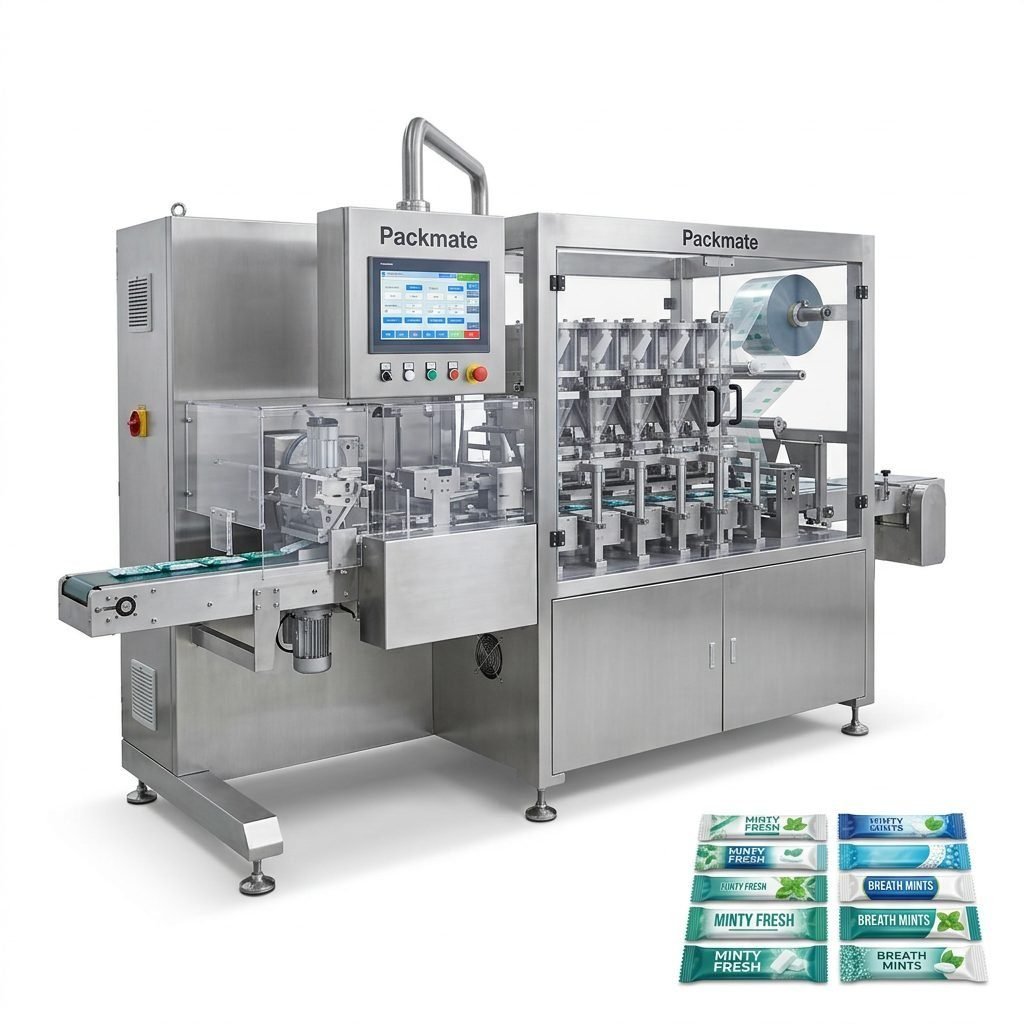
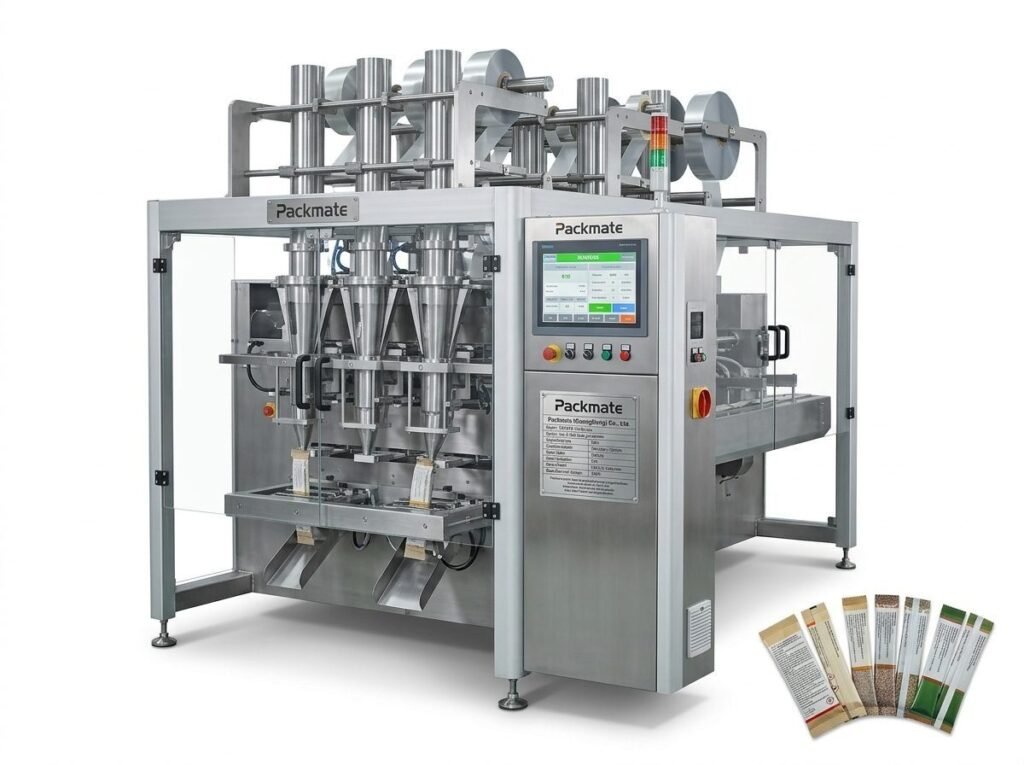
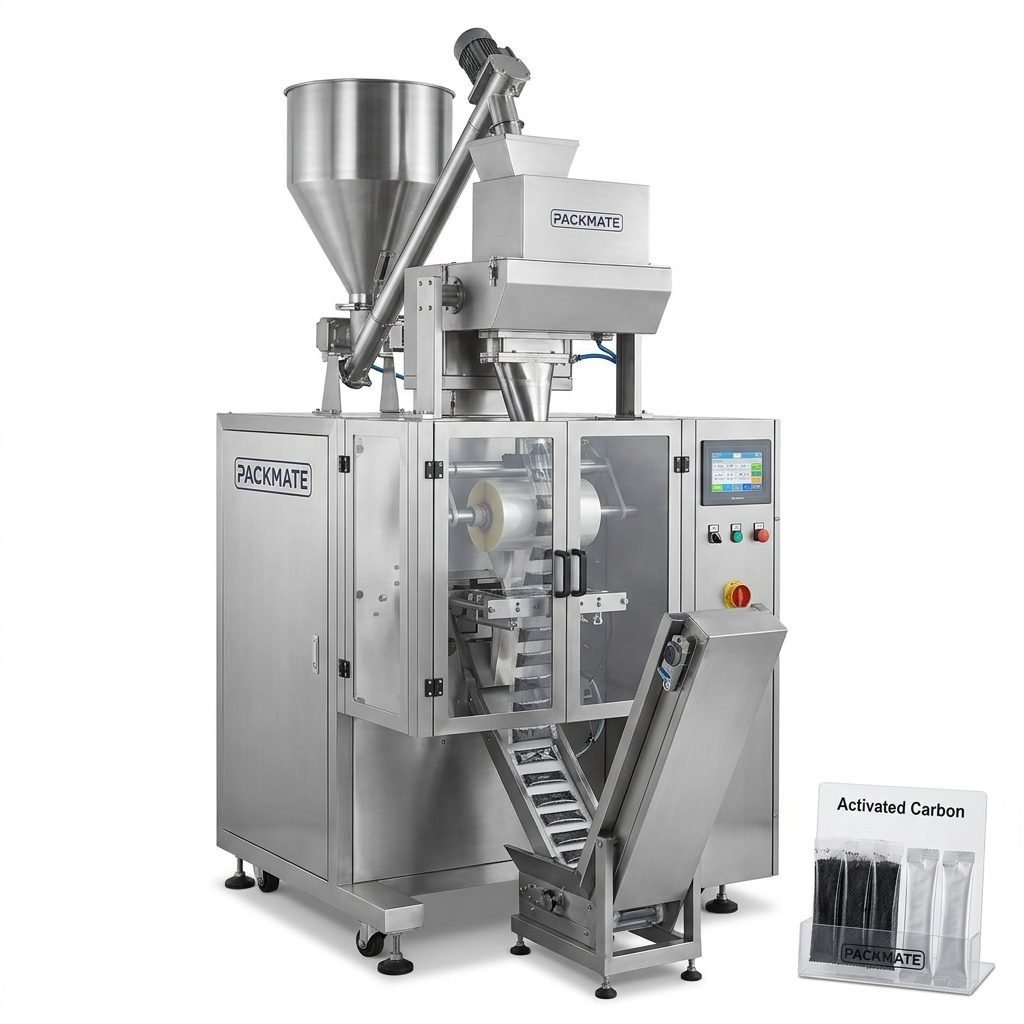
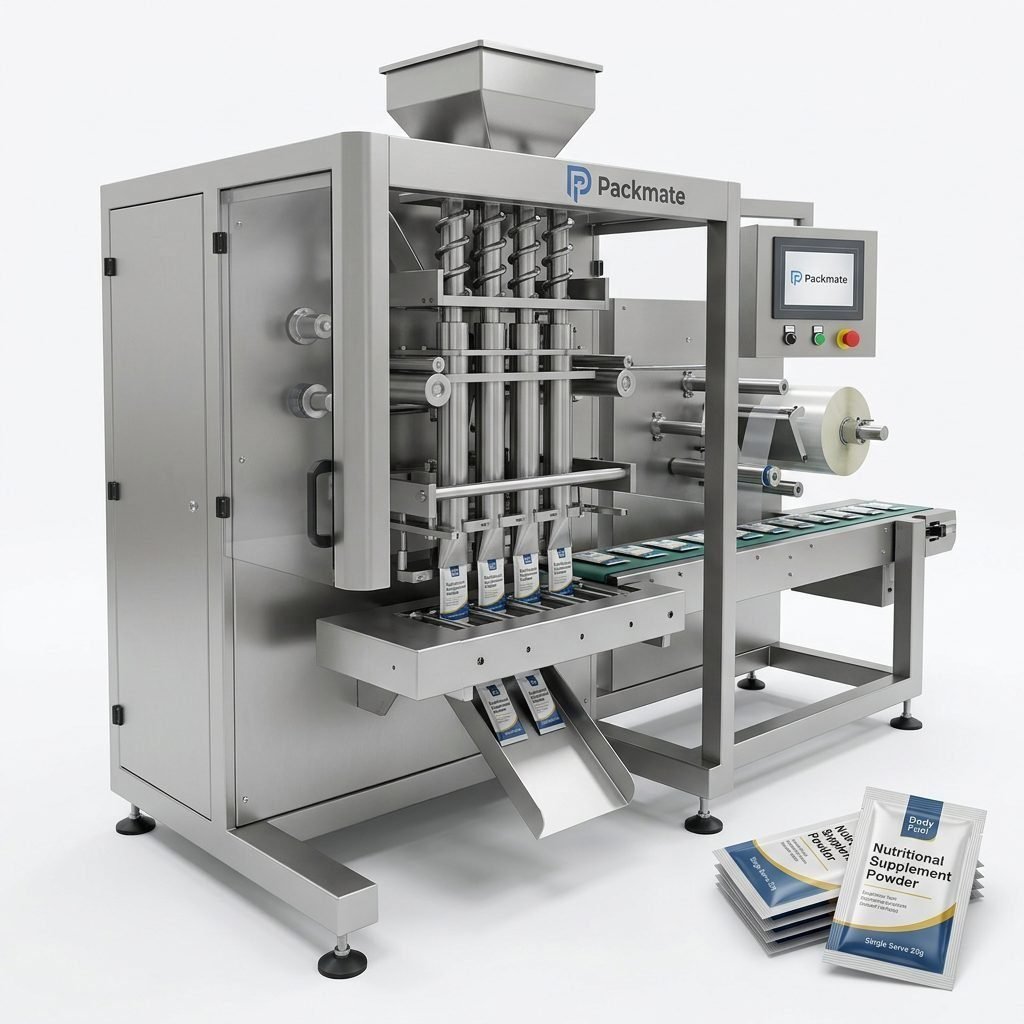
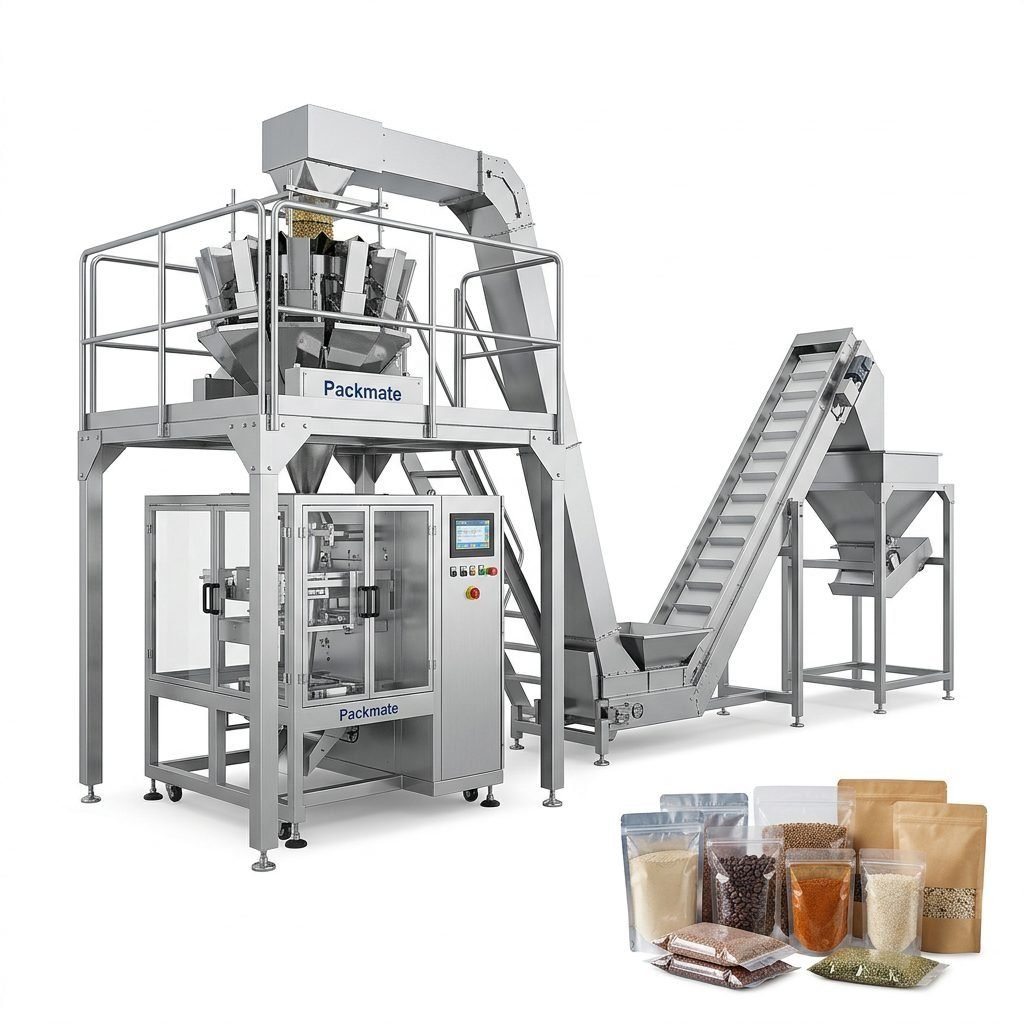
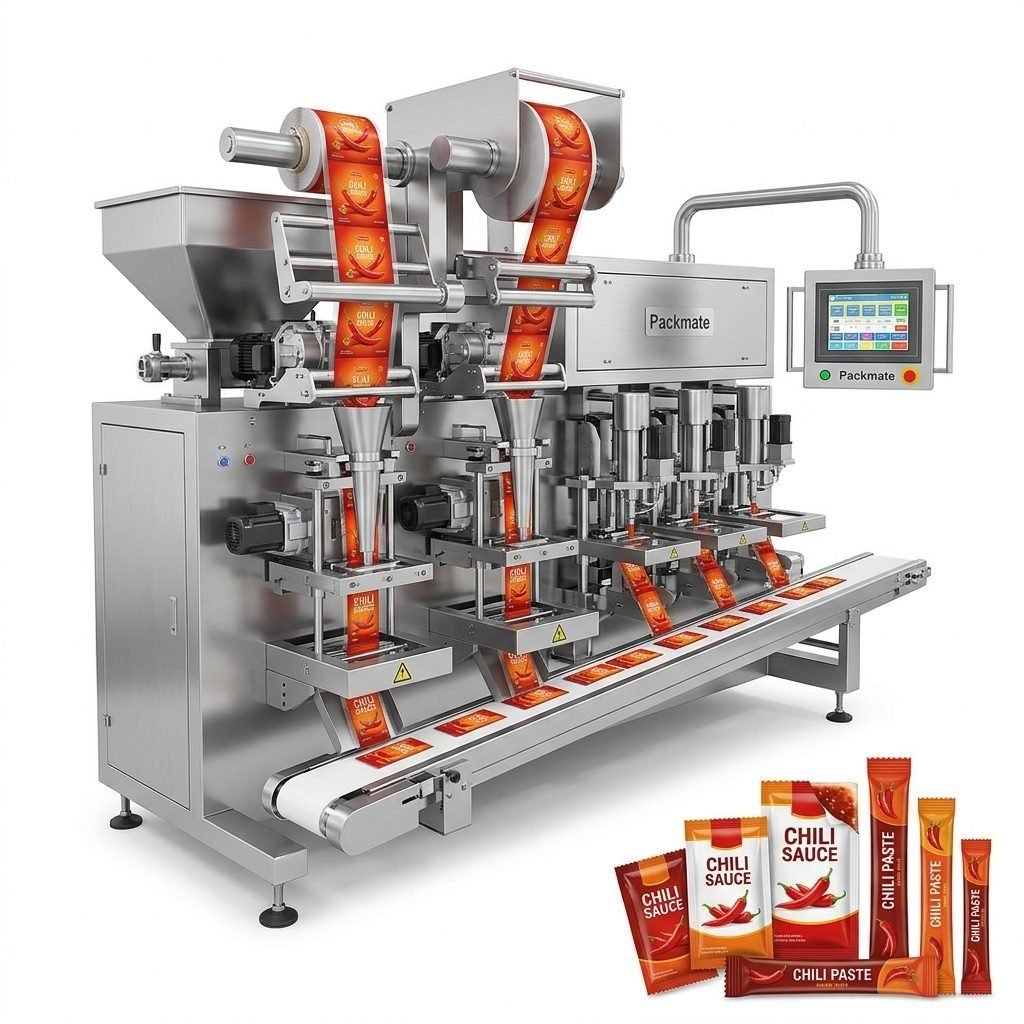
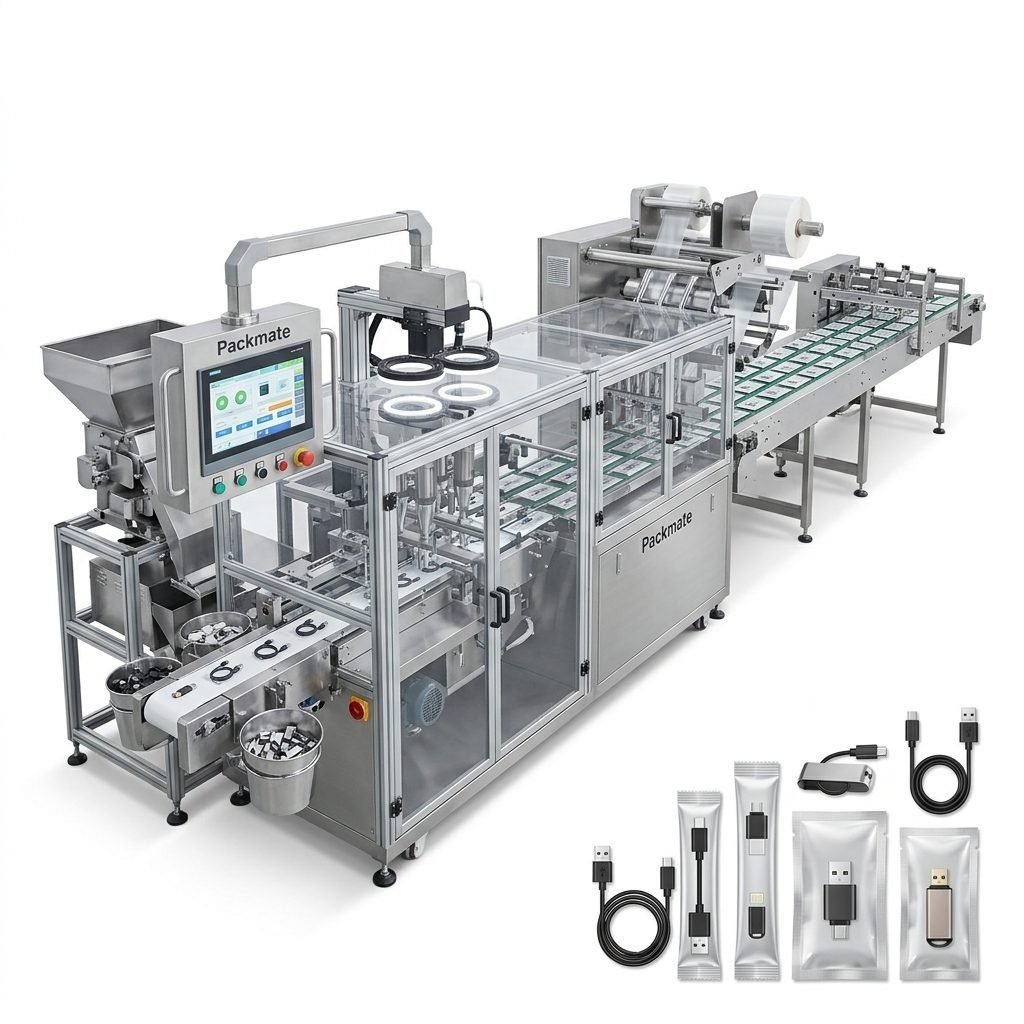
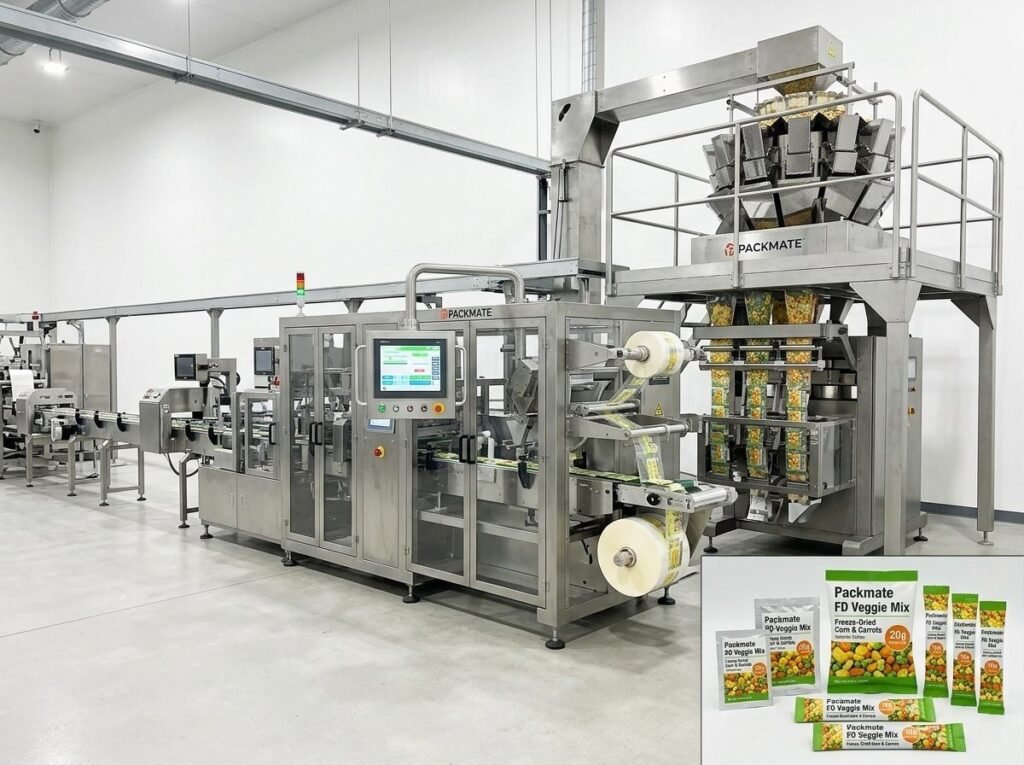
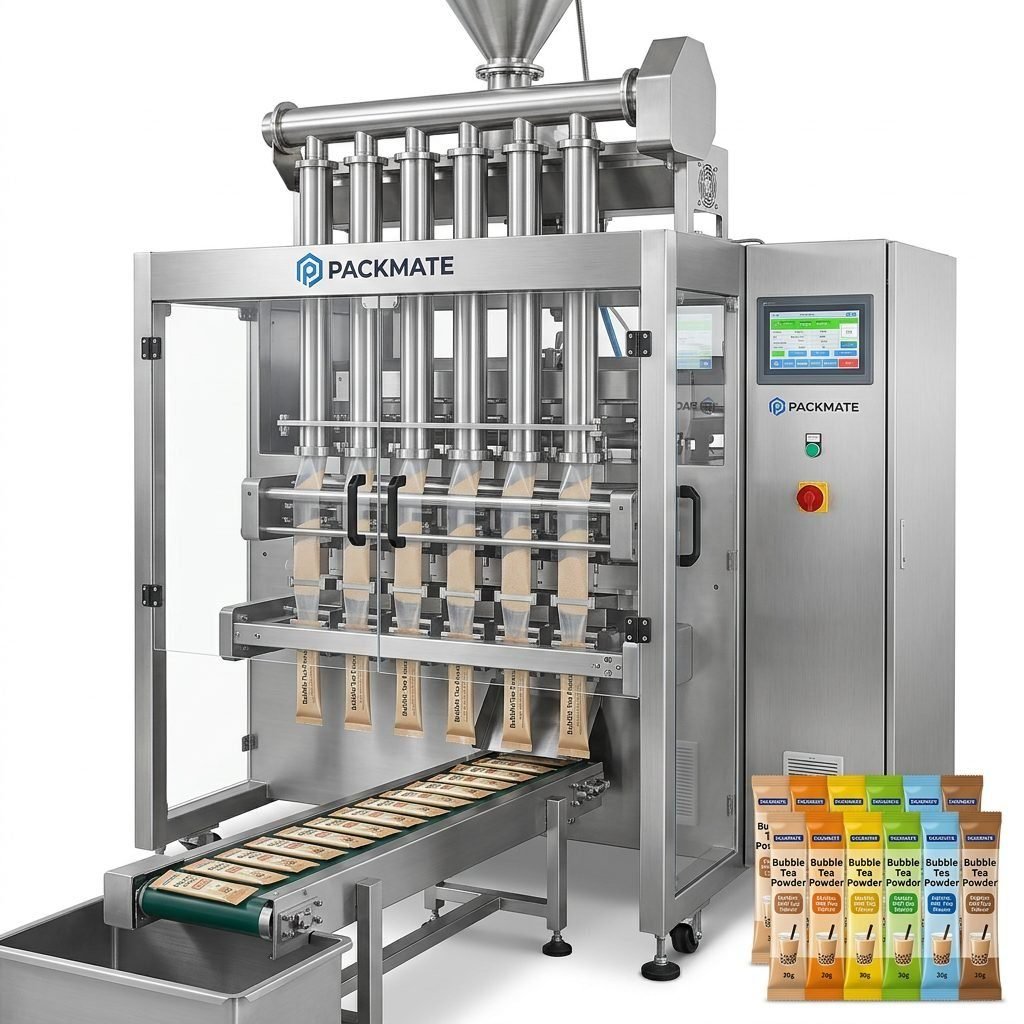
These machines are ideal for packaging small to medium-sized parts that are not overly fragile. They use pre-made bags or form-fill-seal (FFS) technology to create pouches from roll stock. Options include vertical form-fill-seal (VFFS) machines, which are excellent for free-flowing items, and horizontal systems for more irregular shapes. For durable components like hardware, automotive parts, or electronic accessories, robust bag & pouch packaging machines offer high-speed, reliable sealing and can integrate printing for labels or barcodes.
2. Counting and Weighing Systems
Accuracy is paramount in parts packaging. Counting systems use vibratory bowls, linear feeders, or vision systems to precisely count a predetermined number of parts before they are directed into a bag, box, or blister. Weighing systems, or combination weighers, are used when parts are uniform but best measured by weight. These systems are often the heart of an automated weighing & packaging system, ensuring every package contains the exact quantity promised.
3. Cartoning and Case Packing Equipment
After parts are bagged or placed in inner packaging, they often need to be organized into larger containers. Automatic cartoners erect, load, and seal cardboard cartons. Case packers then take these cartons or other primary packages and neatly arrange them into shipping cases or trays. This equipment is essential for creating efficient, stackable pallet loads for distribution.
4. Tray and Blister Packaging Machines
Common in retail for small consumer goods, electronics, and pharmaceuticals, these machines use thermoforming to create plastic cavities (blisters) that hold parts securely in place. A card or foil is then heat-sealed over the top. This method provides excellent product visibility, protection from dust and moisture, and a professional retail-ready appearance.
5. Auxiliary and End-of-Line Equipment
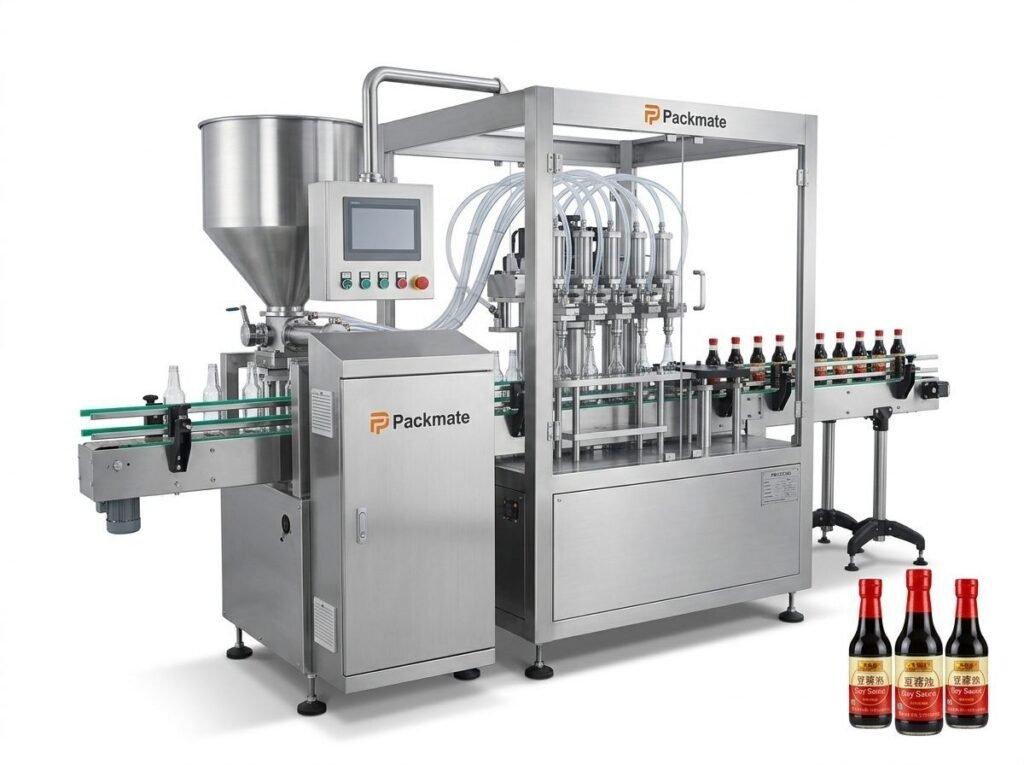
This category includes all the supporting machinery that completes a packaging line. It encompasses label printers and applicators, checkweighers to verify package weight, metal detectors, vision inspection systems, and palletizers. Integrating the right auxiliary packaging equipment ensures quality control, traceability, and efficient handling right up to the shipping dock.
Critical Selection Tips for Your Packaging Line
With so many options, selecting equipment can be daunting. Focus on these key factors to narrow down your choices and find the optimal solution.
Analyze Your Product and Throughput
Start with a deep analysis of the part itself: its size, shape, weight, fragility, and material (e.g., metal, plastic, electrostatic-sensitive). This determines the handling method. Next, define your required output speed (parts per minute) and consider future growth. A machine that operates at 120% of your current need offers valuable room for expansion.
Evaluate Flexibility and Changeover Time
If you package multiple part numbers or frequently update packaging designs, flexibility is critical. Look for equipment with quick-change parts, tool-less adjustments, and easy-to-program controls. Machines with long, complex changeover times kill productivity in multi-SKU environments.
Consider Integration and Footprint
Will the machine operate as a standalone unit or as part of an integrated filling & packaging line? Ensure it has standard interfaces (mechanical and electronic) to communicate with upstream and downstream equipment. Also, measure your available floor space carefully—including access for maintenance and material loading.
Prioritize Reliability and Supplier Support
Downtime is the enemy of production. Research the manufacturer’s reputation for build quality and reliability. A machine with a slightly higher upfront cost but a proven track record of uptime is often the better investment. Crucially, assess the supplier’s technical support, availability of spare parts, and service network. Companies with a long history, like Packmate Machinery with over two decades of development, often provide more dependable long-term partnerships.
Total Cost of Ownership (TCO)
Look beyond the purchase price. Calculate the Total Cost of Ownership, which includes energy consumption, required consumables (like film or labels), maintenance costs, and the labor needed to operate the machine. An automated system might have a higher initial cost but significantly lower TCO by reducing labor and material waste over five years.
Trends Shaping the Future of Parts Packaging
The industry is continuously evolving. Smart factories and Industry 4.0 are driving the adoption of IoT-enabled machines that provide real-time data on performance, predictive maintenance alerts, and seamless integration with Manufacturing Execution Systems (MES). Sustainability is another major force, pushing for equipment that can handle recyclable or biodegradable materials and designed to minimize film and energy waste.
Ultimately, the “ultimate” system is one that aligns perfectly with your unique product requirements, production goals, and business strategy. It should be a reliable workhorse that enhances your efficiency, protects your product, and grows with your company.
Frequently Asked Questions (FAQs)
1. What is the most important factor when choosing parts packaging equipment?
The most critical factor is a thorough understanding of your specific product characteristics (size, shape, fragility) and your required production throughput. The equipment must be capable of handling your part gently and accurately at the speed your business demands. All other decisions stem from this foundation.
2. Can one machine handle packaging for multiple different parts?
Yes, many machines are designed for flexibility. The key is the changeover time and process. Look for machines with quick-release mechanisms, adjustable settings saved in recipes, and broad compatibility with different packaging materials. The trade-off is often that highly flexible machines may have a lower maximum speed than dedicated, single-purpose machines.
3. How do I justify the cost of automated packaging equipment?
Justification comes from calculating Return on Investment (ROI) and Total Cost of Ownership (TCO). Consider savings from reduced labor, lower material waste (precise counting/sealing), increased output, improved consistency and quality (fewer errors), and enhanced safety by removing workers from repetitive manual tasks. A detailed ROI analysis typically reveals a payback period of 1-3 years for many automated systems.
4. What kind of maintenance do these machines require?
Maintenance varies by machine type but generally includes regular cleaning, lubrication of moving parts, inspection and replacement of wear items (like seals, cutting blades, or filters), and calibration of sensors and scales. Choosing a supplier that provides clear maintenance manuals, training, and readily available spare parts is essential for minimizing unexpected downtime.
5. Where can I see this equipment in operation before purchasing?
Reputable manufacturers typically offer several options: in-factory demonstrations at their facility, video case studies of real-world applications, and visits to trade shows and exhibitions where they run live equipment. For instance, you can explore real-world case studies or inquire about upcoming global exhibitions to see machinery in action and discuss your application with engineers.