In the competitive world of pillow manufacturing, efficiency and presentation are paramount. An automatic pillow packaging machine is a critical investment that streamlines the final stage of production, ensuring products are protected, look professional, and are ready for distribution. This guide explores the different types of machines available, their significant benefits, and provides a clear framework for making the right purchasing decision for your business.
Understanding Automatic Pillow Packaging Machines
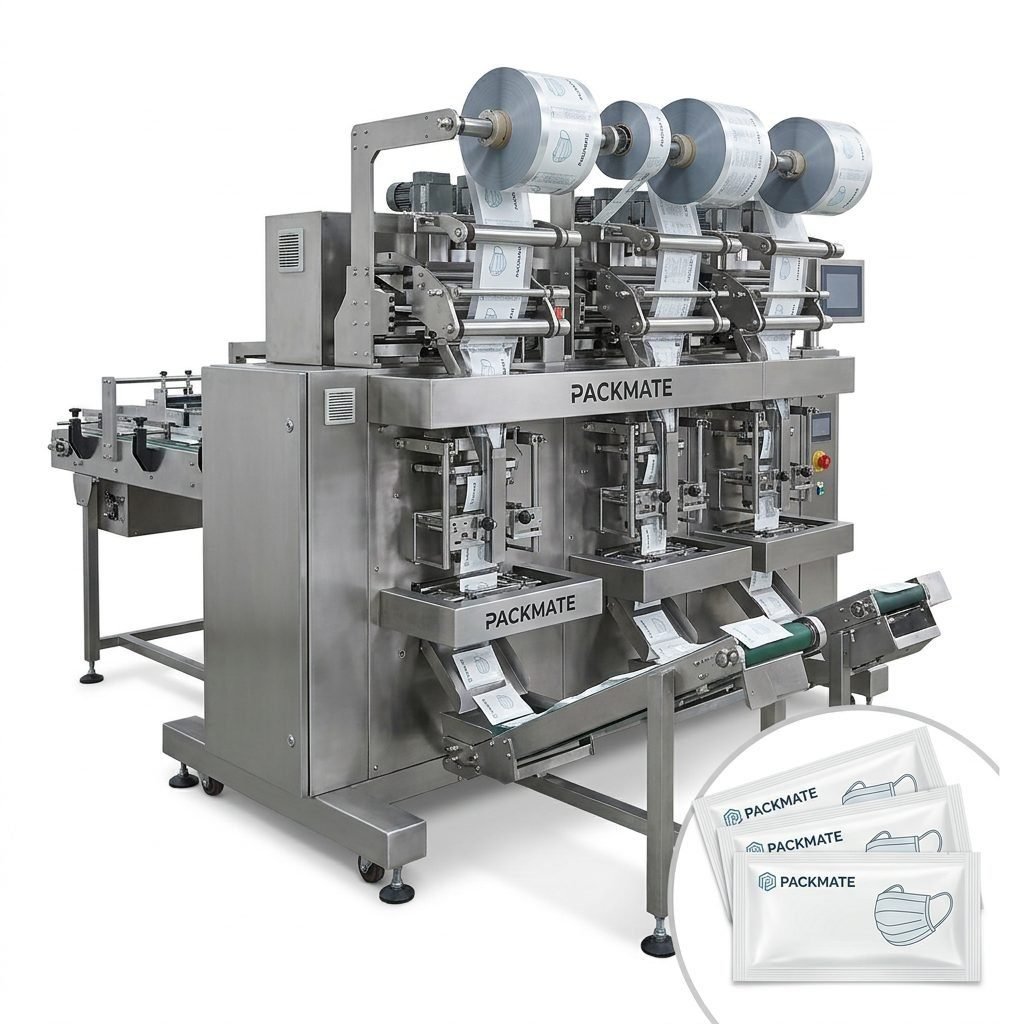
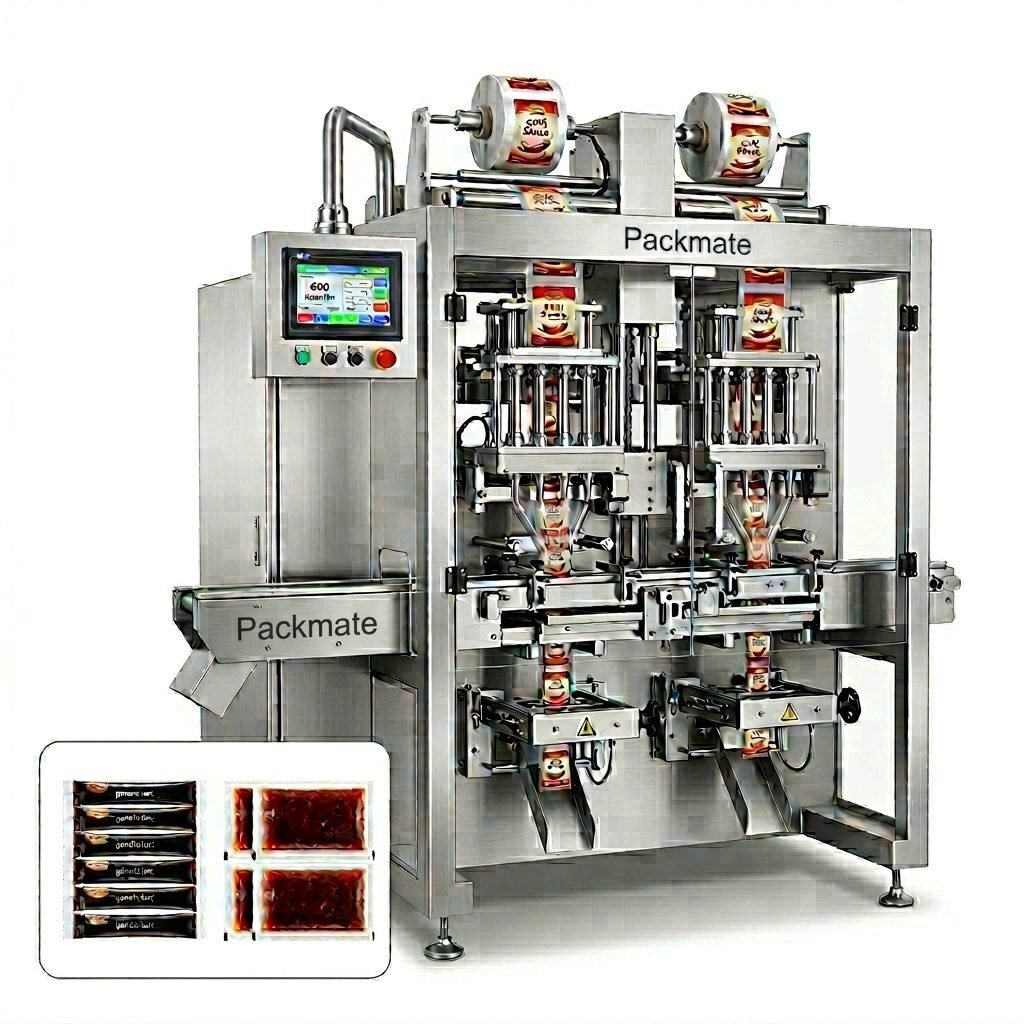
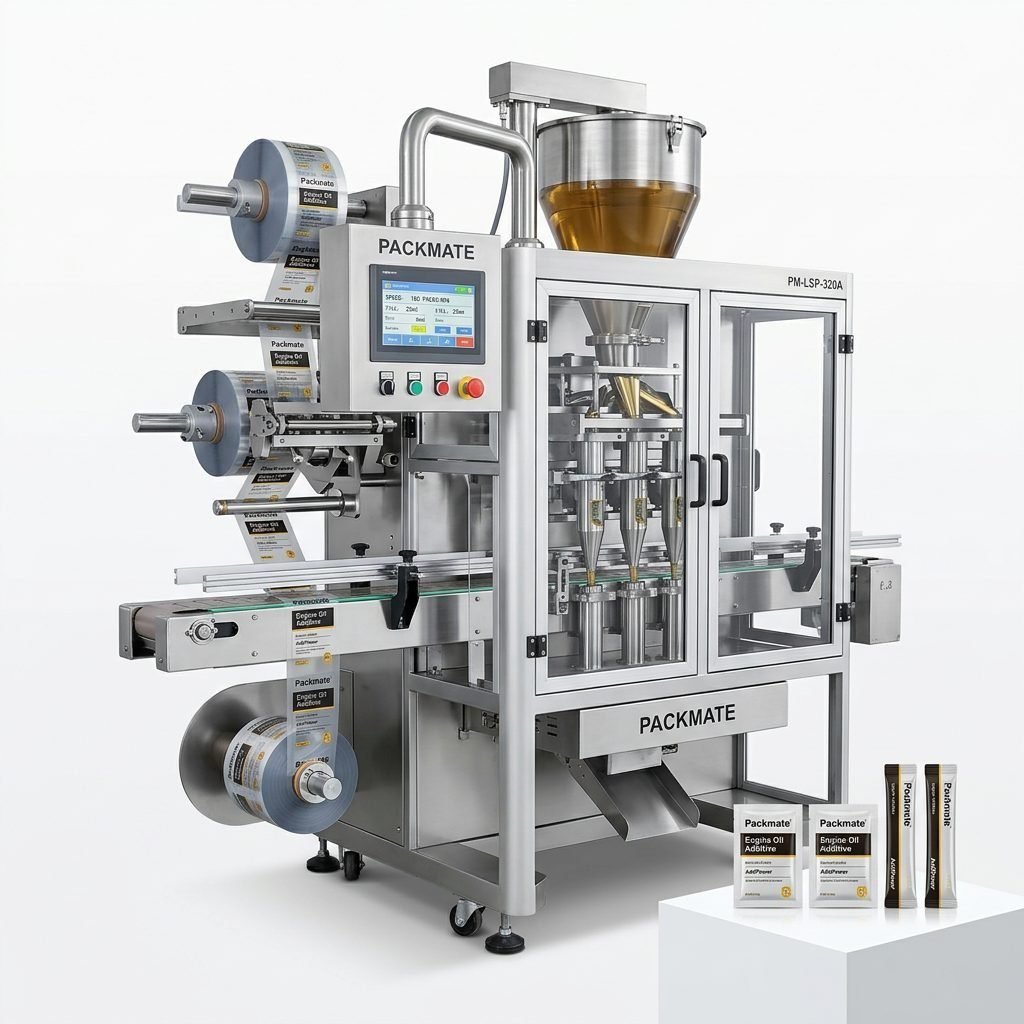
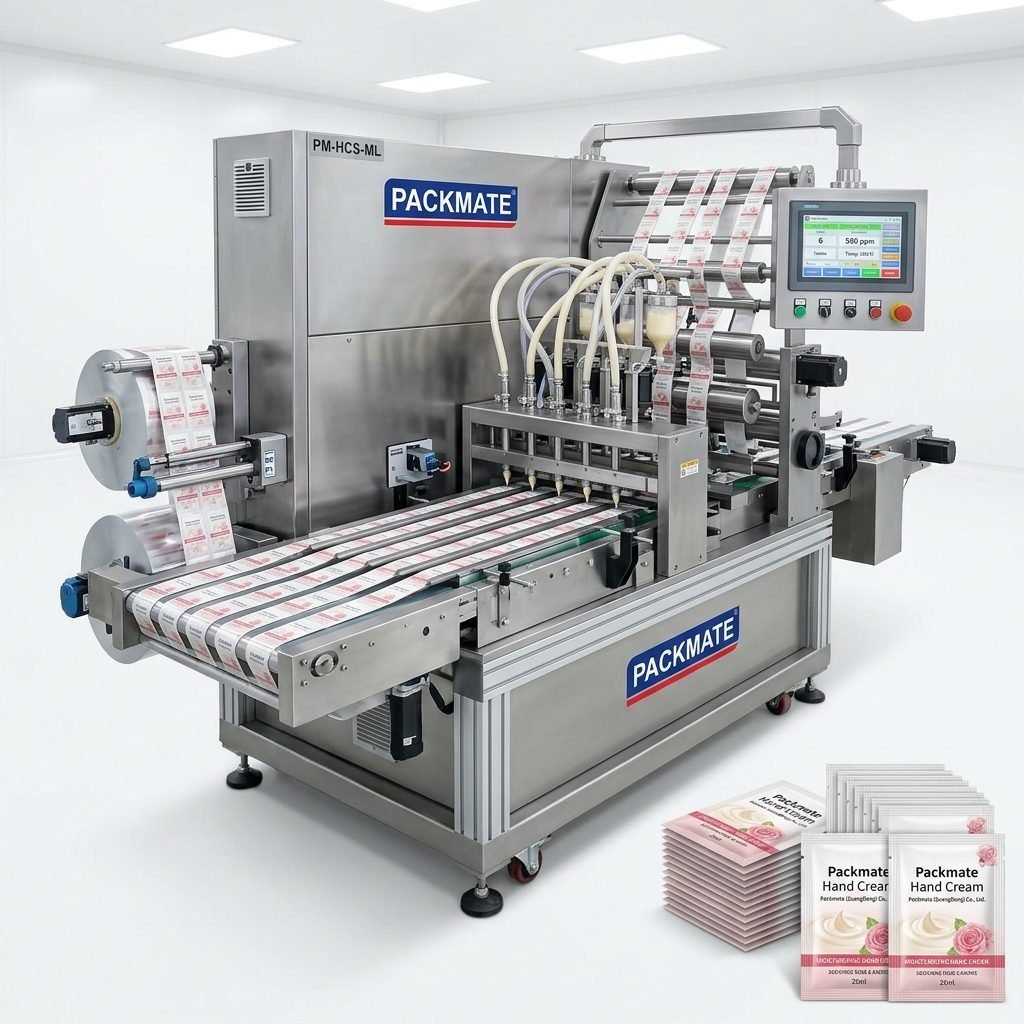
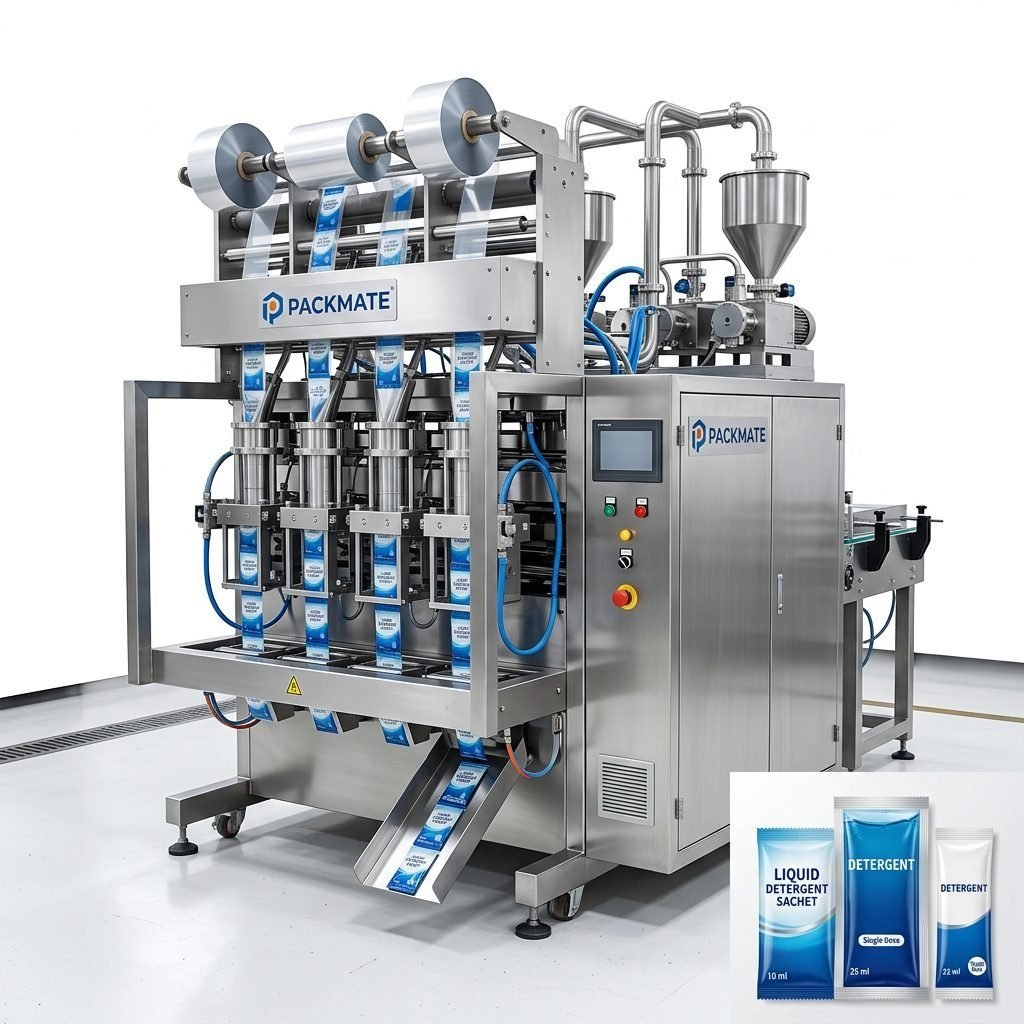
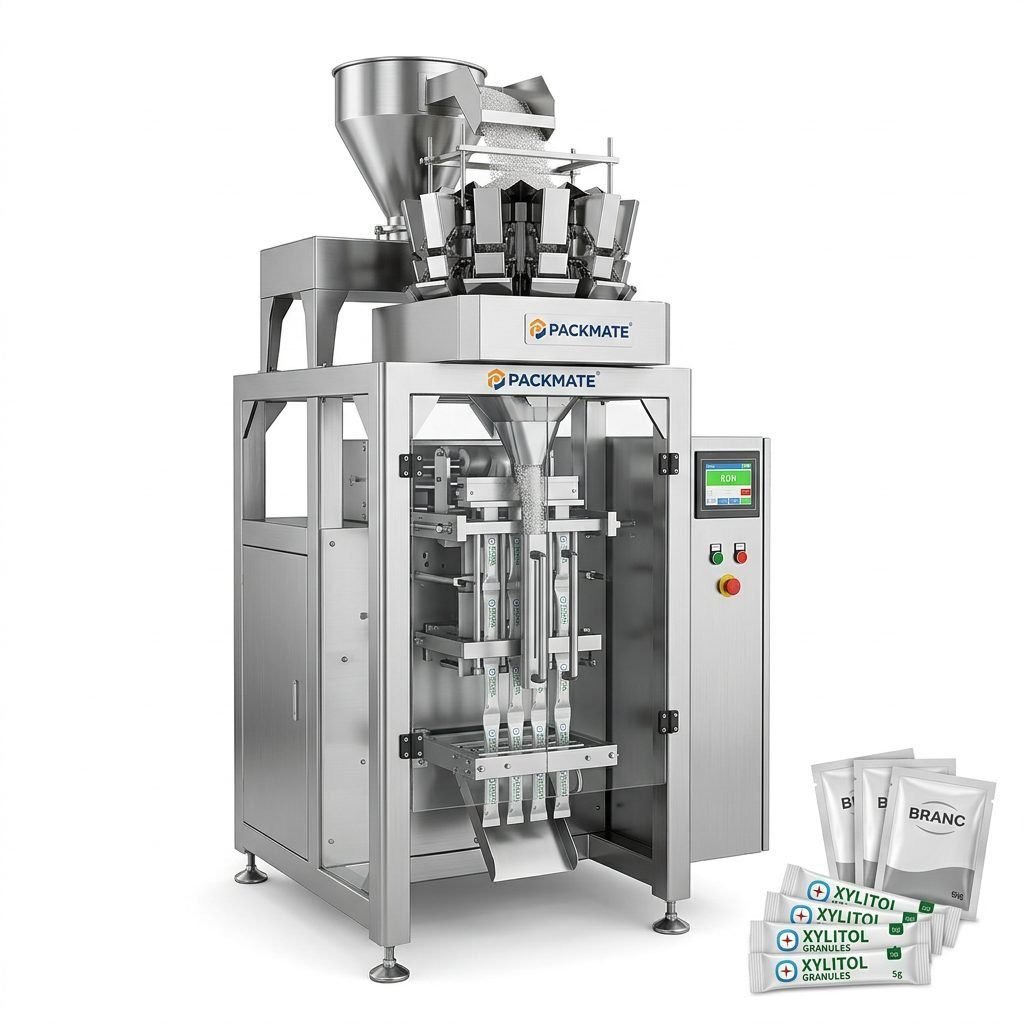
An automatic pillow packaging machine is a specialized piece of equipment designed to encase finished pillows in protective plastic film or bags at high speeds. These systems typically integrate functions like film unwinding, forming, sealing, and cutting, creating a tight, secure, and visually appealing package. The automation eliminates the slow, inconsistent, and labor-intensive process of manual bagging, directly impacting your bottom line and product quality.
Core Function: The primary role of these machines is to provide a consistent, airtight, and tamper-evident seal around pillows of various sizes, from standard bed pillows to large body pillows. This not only enhances shelf appeal but also protects against dust, moisture, and damage during storage and shipping.
Primary Types of Pillow Packaging Machines
The market offers several configurations, each suited to different production volumes, pillow sizes, and packaging styles. Choosing the correct type is the first step toward optimization.
1. Vertical Form-Fill-Seal (VFFS) Machines
VFFS machines are among the most common and versatile for packaging pillows. They form a bag from a roll of flat plastic film, fill it with the pillow, and then seal it. They are ideal for low to medium-volume production and offer excellent flexibility for changing pillow sizes. The vertical operation saves valuable floor space in the factory.
2. Horizontal Flow Wrappers
Horizontal flow wrappers, or pillow pack machines, wrap the product in a single piece of film, creating seals on the bottom and ends. This style is often used for higher-speed applications and provides a very neat, snug fit around the pillow. It’s excellent for creating a tight, professional-looking package that clearly displays the product.
3. Shrink Wrapping Systems
These systems involve placing a pillow into a loose bag or sleeve and then passing it through a heat tunnel (shrink tunnel). The heat causes the film to contract tightly around the contours of the pillow. This method is superb for bundling multiple pillows together or for creating a very tight, form-fitting package that enhances product visibility and security. You can explore our range of integrated solutions on our Filling & Packaging Lines page.
Key Benefits of Automation
Investing in an automatic system delivers a rapid return on investment through tangible operational improvements.
Dramatically Increased Output: Machines can package hundreds of pillows per hour, far surpassing manual capabilities and meeting high market demand.
Unmatched Consistency & Quality: Every package is identical—seal strength, film tension, and appearance are perfectly uniform, elevating your brand’s reputation.
Significant Labor Cost Reduction: Automation frees up staff for more skilled tasks, reducing long-term payroll expenses and dependence on manual labor.
Enhanced Product Protection: Airtight seals guard against dust, pests, and moisture, extending shelf life and reducing customer complaints and returns.
Improved Workspace Safety: Automating the packaging process minimizes repetitive strain injuries and other risks associated with manual handling.
How to Choose the Right Machine for Your Factory
Selecting the ideal machine requires a careful assessment of your specific needs. Here is a step-by-step guide to inform your decision.
Step 1: Assess Your Production Requirements
Begin by quantifying your needs. What is your current and projected daily/weekly output? What are the dimensions and thickness ranges of the pillows you produce? Answering these questions will determine the necessary machine speed (packages per minute) and size capacity. For high-volume operations, a robust horizontal wrapper or a high-speed VFFS system from our Bag & Pouch Packaging Machines lineup may be required.
Step 2: Define Your Packaging Materials
The type of film you plan to use is critical. Common options include polyethylene (PE), polypropylene (PP), and barrier films. Ensure the machine you choose is compatible with your desired material thickness and can handle the film roll size you intend to use. The sealing technology (heat seal, impulse seal) must also be appropriate for the material.
Step 3: Evaluate Key Machine Features
Look beyond basic specs. A user-friendly touchscreen HMI (Human-Machine Interface) simplifies operation and changeovers. Quick-change parts for different pillow sizes drastically reduce downtime. Consider integration capabilities with upstream conveyors or downstream labeling systems. Reliability is paramount, so research the machine’s construction quality and the reputation of the manufacturer, like Packmate Machinery, which brings over two decades of engineering expertise.
Step 4: Consider Total Cost of Ownership
The purchase price is just one component. Factor in installation costs, ongoing maintenance, spare part availability, and energy consumption. A slightly more expensive machine from a reputable supplier with excellent local service support often proves more cost-effective in the long run than a cheaper, unsupported model. Review our Service commitments to understand the support available.
Step 5: Prioritize Supplier Support
Your relationship with the manufacturer doesn’t end at delivery. Ensure they offer comprehensive installation, training, warranty, and readily available technical support. A supplier with a proven track record and a library of resources, such as an FAQ section, can be invaluable for troubleshooting and optimizing your packaging line over its lifetime.
Frequently Asked Questions (FAQs)
1. What is the typical production speed of an automatic pillow packager?
Speeds vary widely by machine type and pillow size. Entry-level VFFS machines may handle 10-20 pillows per minute, while high-speed horizontal wrappers can achieve 60+ packs per minute. The key is to match the machine’s rated speed to your actual production requirements.
2. Can one machine handle different pillow sizes?
Yes, most modern machines are designed for quick changeover. However, the ease and speed of this process depend on the machine’s design. Look for models with tool-less adjustments or quick-change sealing jaws and forming parts to minimize downtime when switching sizes.
3. How do I choose between VFFS, horizontal wrapping, and shrink wrapping?
The choice depends on your desired package style, speed, and budget. VFFS is great for versatile bagging, horizontal wrappers offer high-speed, neat packages, and shrink wrapping provides the tightest “second-skin” fit and is best for bundling. Consulting with an experienced supplier like Packmate is recommended for a tailored assessment.
4. What kind of maintenance do these machines require?
Regular maintenance is essential for longevity. This typically includes daily cleaning of sealing surfaces, periodic lubrication of moving parts as per the manual, and inspection of wear items like sealing wires, cutter blades, and film guides. A good supplier will provide a clear maintenance schedule.
5. Are these machines difficult to operate and maintain?
Not at all. Contemporary machines feature intuitive touchscreen controls with preset recipes for different products. Comprehensive training from the supplier is standard. Routine maintenance is straightforward, and a reliable supplier will offer accessible technical support and spare parts to ensure smooth, continuous operation.