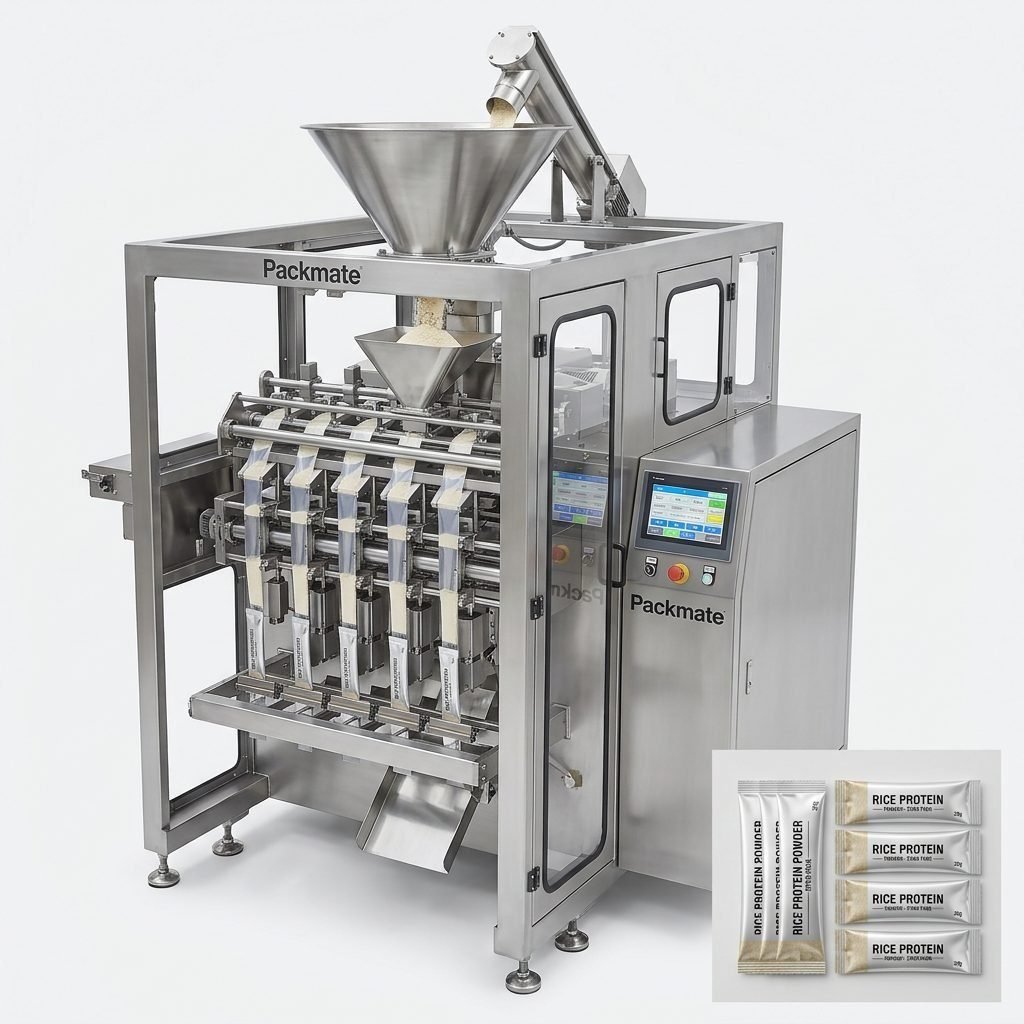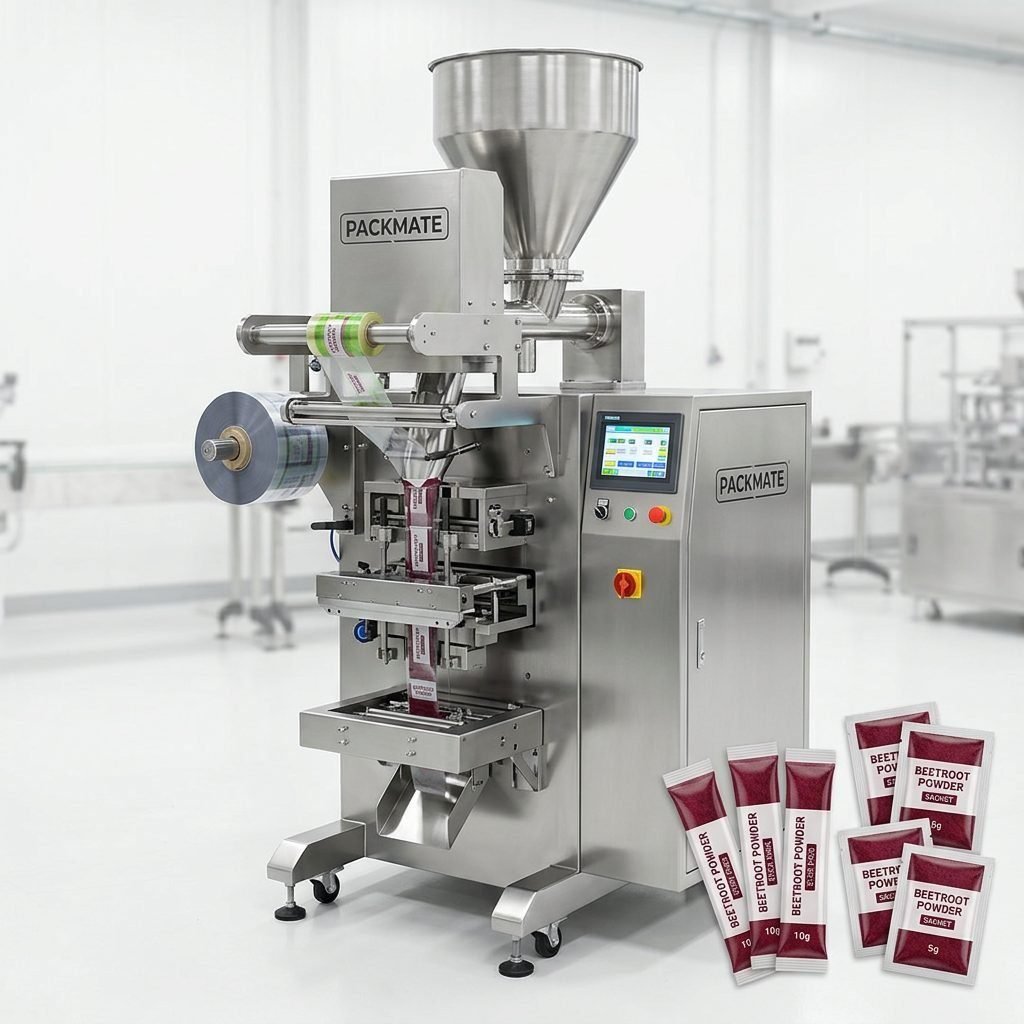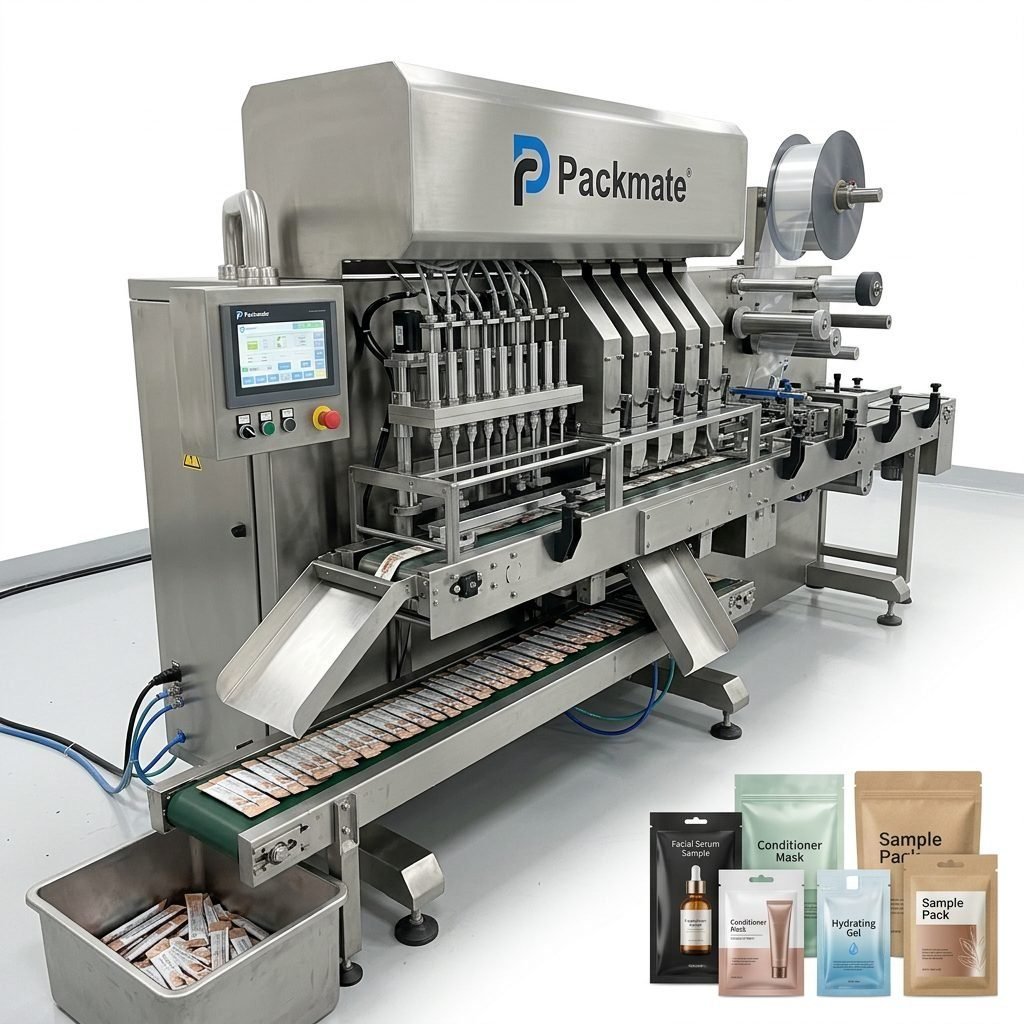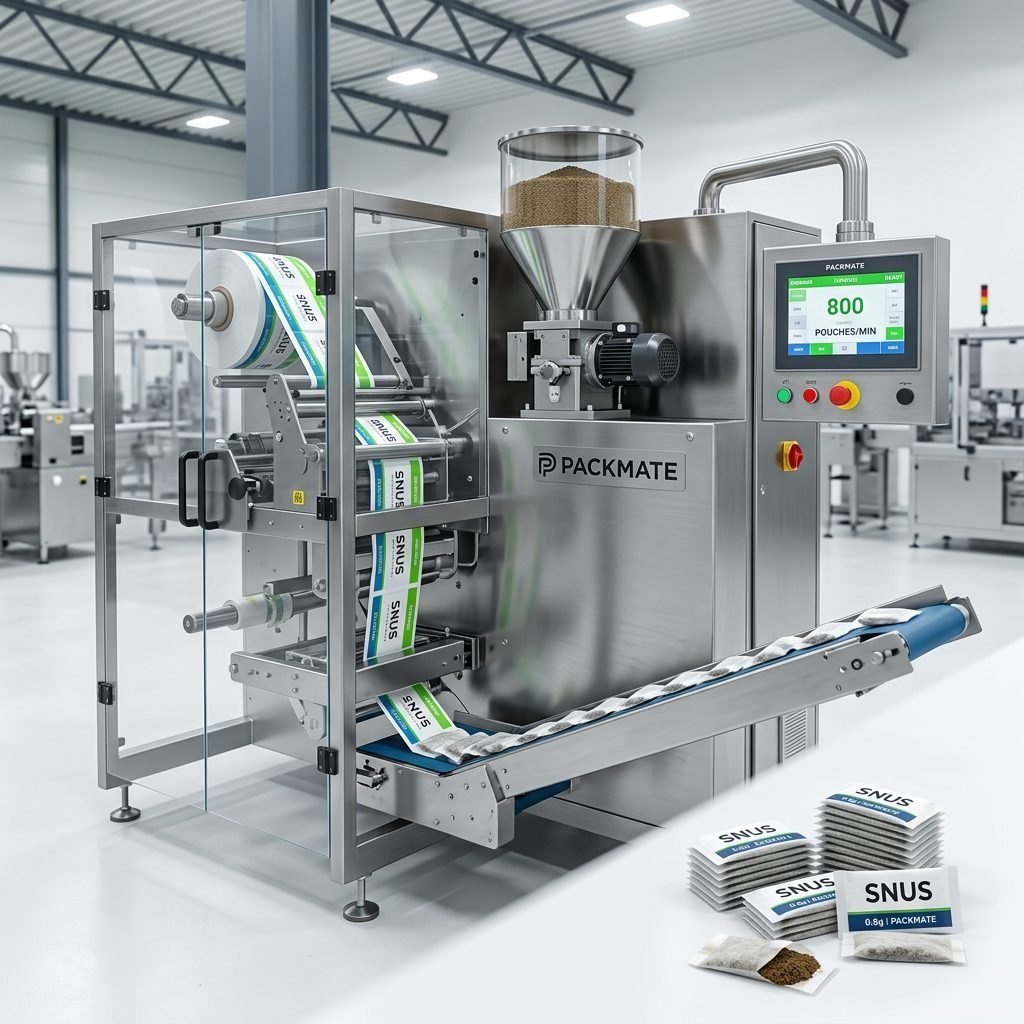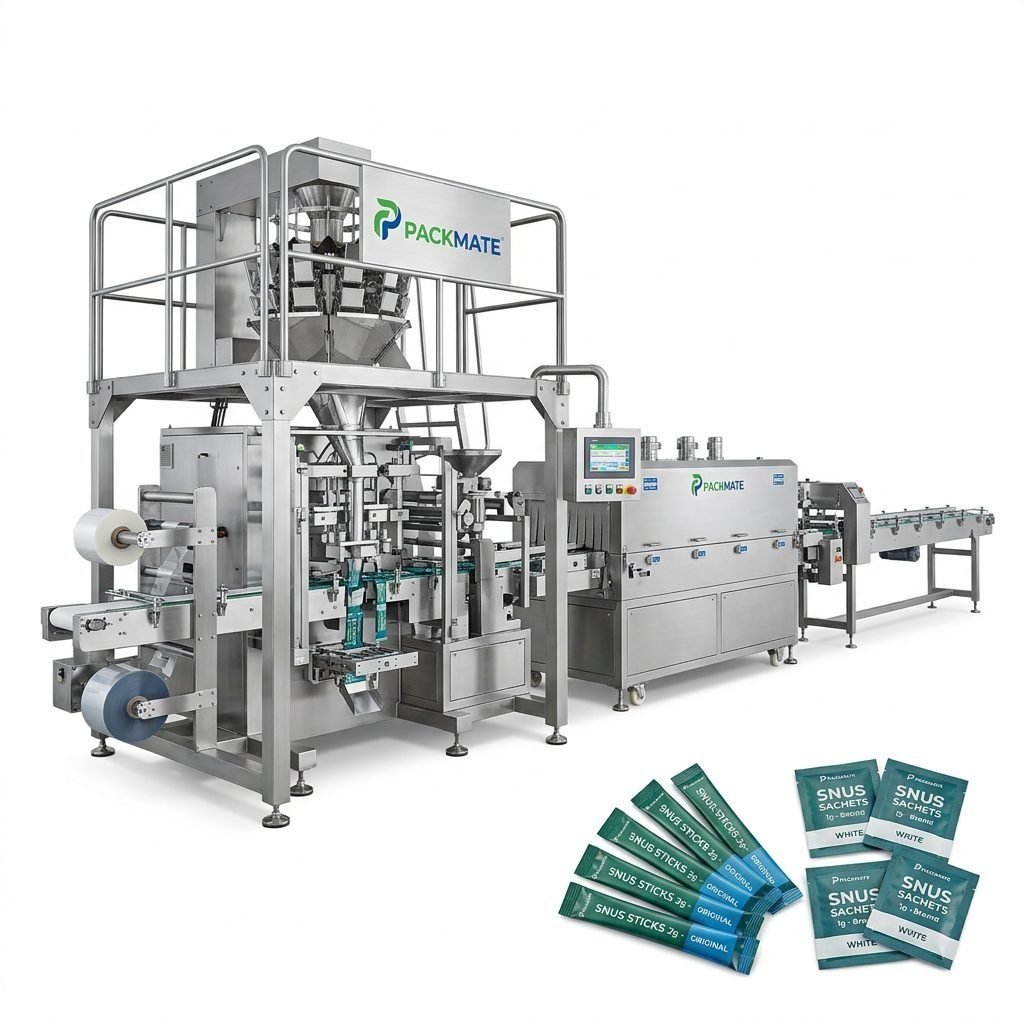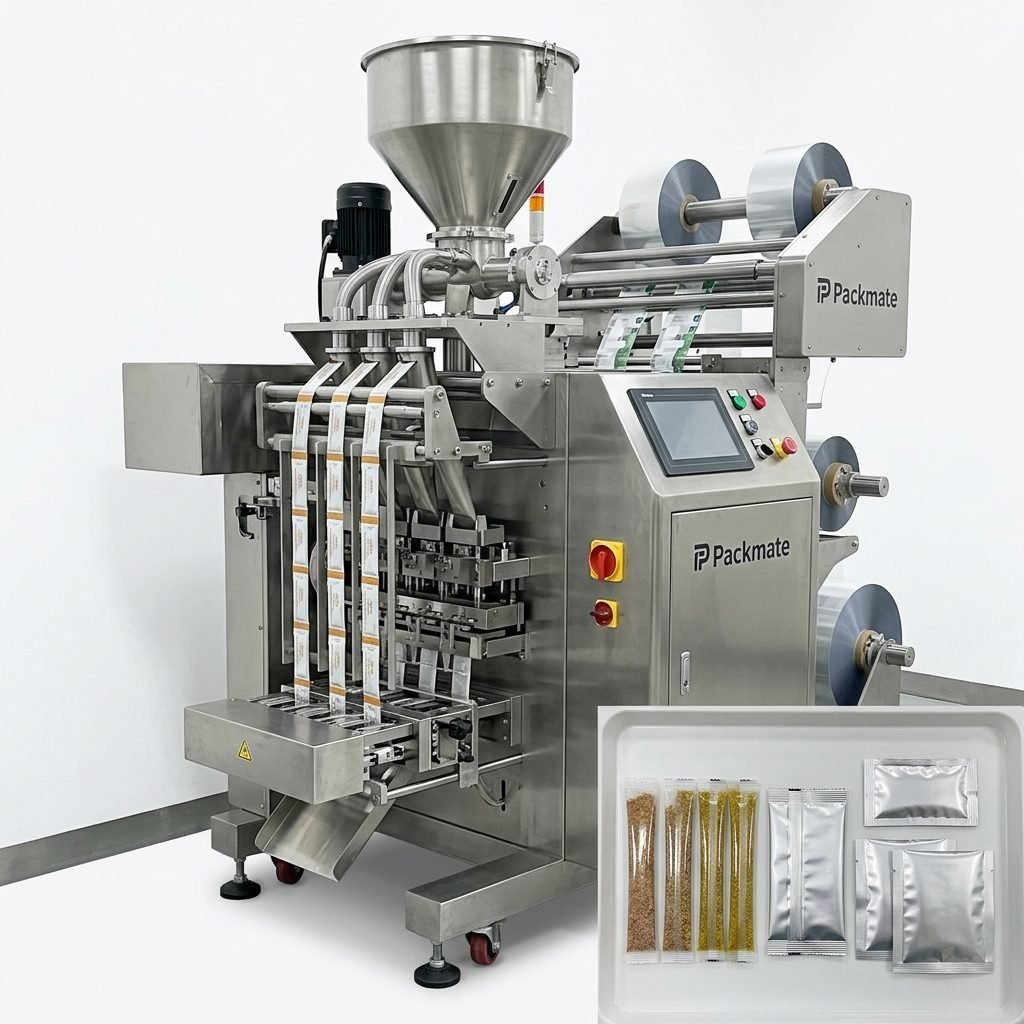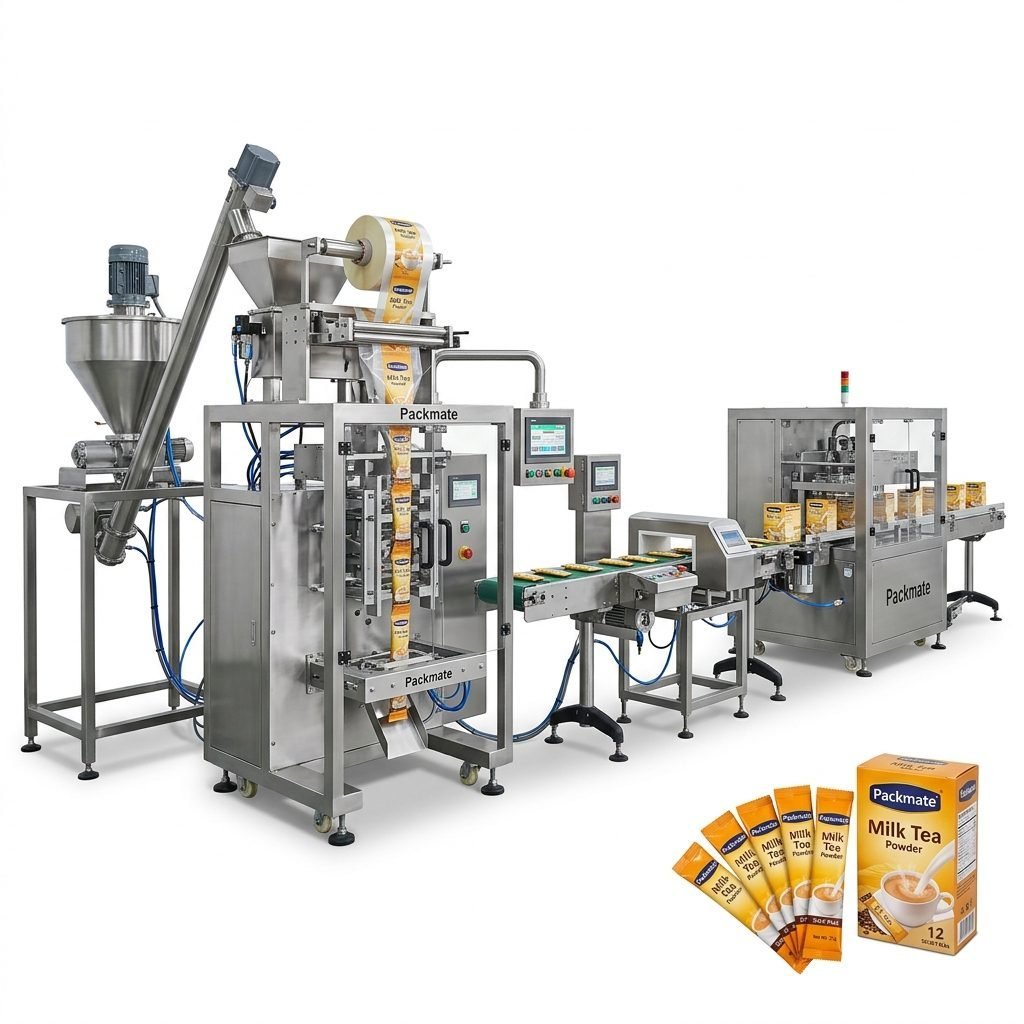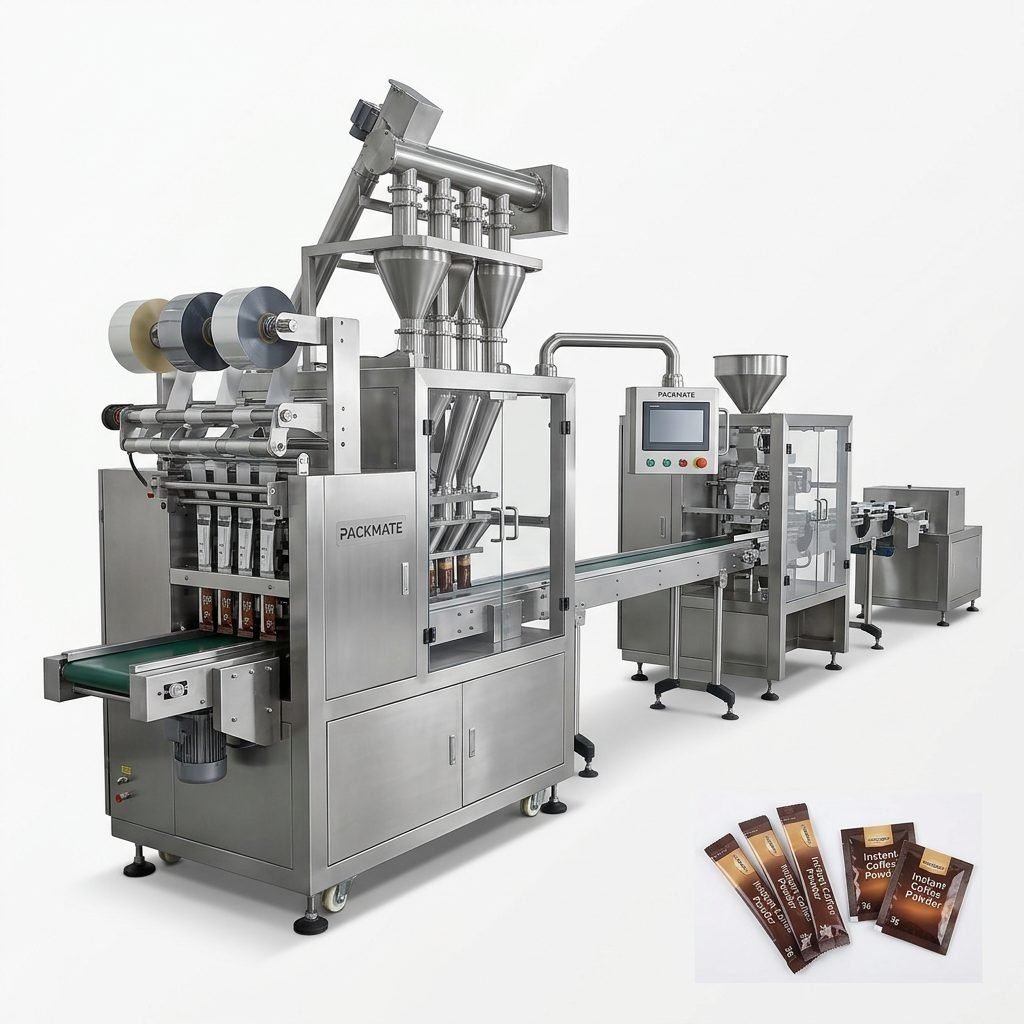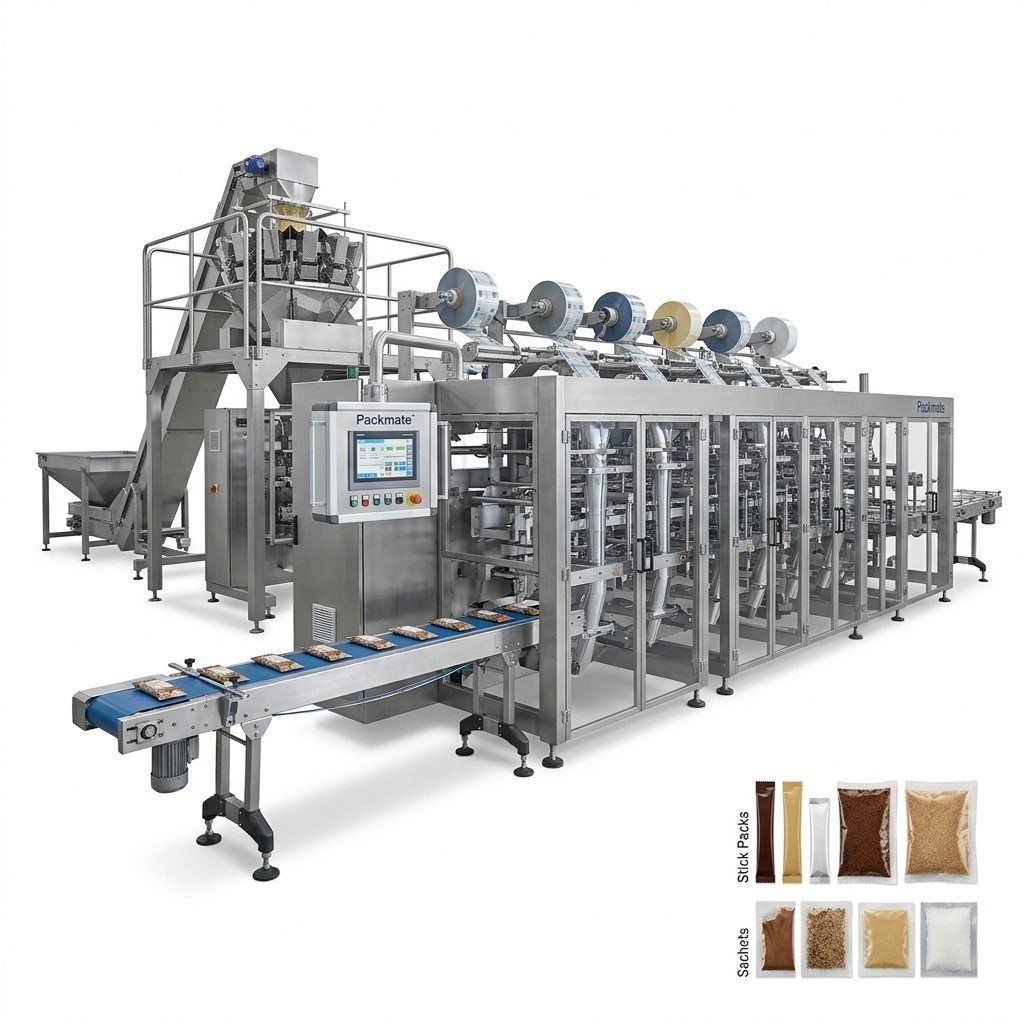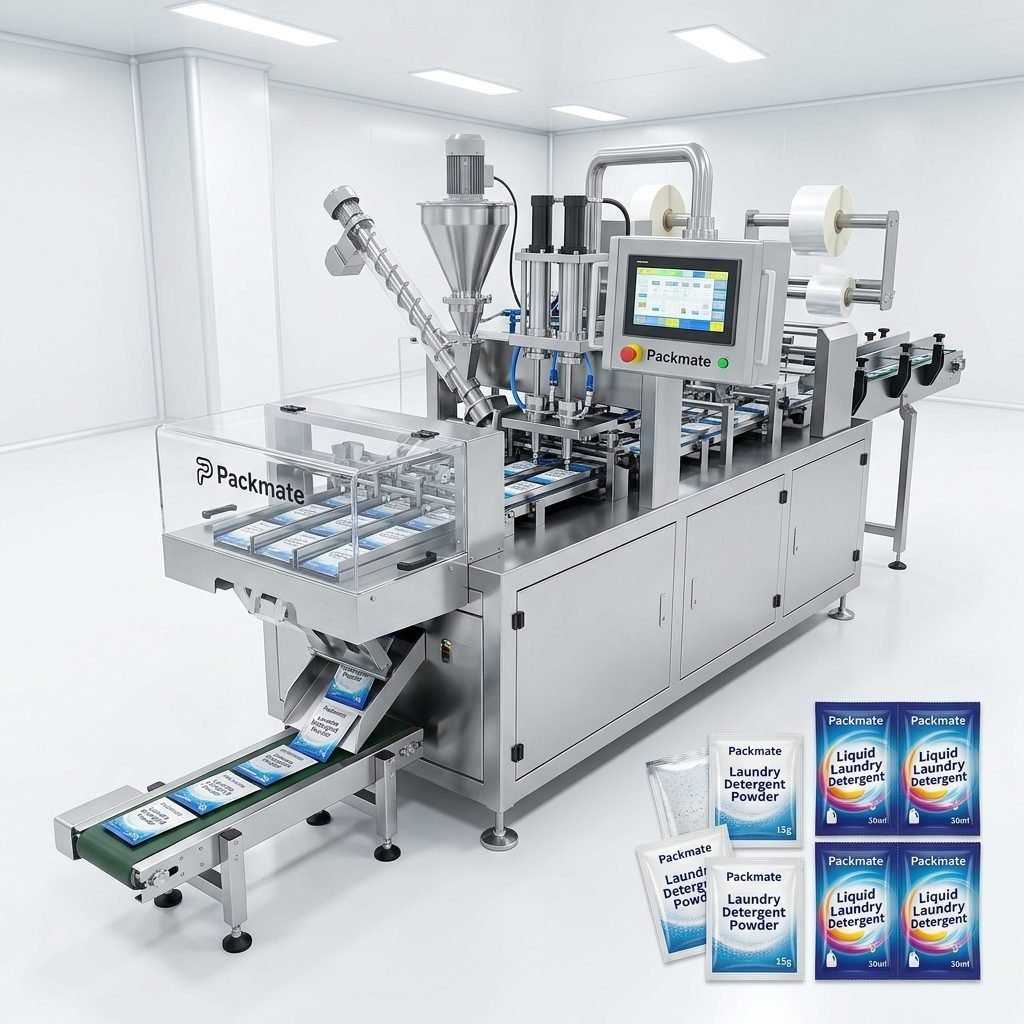
In the world of automated packaging, the efficiency and reliability of the entire system hinge on the performance of its most critical consumable components: the cutting tools. These precision instruments are responsible for creating clean, consistent seals and cuts on a vast array of packaging materials, from delicate films to multi-layered laminates. For businesses relying on high-speed sachet and stick pack machines or robust bag and pouch packaging lines, selecting the right cutting tools is not a maintenance afterthought—it is a core strategic decision impacting productivity, product quality, and operational cost.
Key Takeaway:
Cutting tools are the unsung heroes of packaging automation. Their condition directly determines seal integrity, production speed, and overall equipment effectiveness (OEE). Investing in the correct tools and maintenance protocol is investing in uninterrupted production.
Core Benefits of Optimized Cutting Tools
Understanding the tangible advantages of high-quality, well-maintained cutting tools justifies the investment and attention to detail they require.
1. Uncompromising Seal Integrity and Product Protection
The primary function of a cutting tool in thermo-sealing applications is to create a hermetic seal. A sharp, correctly aligned blade or sealing jaw applies uniform heat and pressure. This ensures a complete molecular bond between packaging layers, creating a barrier against moisture, oxygen, and contaminants. For industries like pharmaceuticals, nutraceuticals, and premium foods, this integrity is non-negotiable for preserving shelf life, potency, and safety.
2. Maximized Production Efficiency and Uptime
Dull or damaged tools are a leading cause of unplanned downtime. They can lead to film jams, incomplete seals requiring rework, or even damage to other machine components. Optimized tools cut cleanly on the first pass, allowing machines like high-speed filling and packaging lines to operate at their designed cycle rates without hesitation or stoppages, directly boosting output.
3. Superior Cut Quality and Aesthetic Appeal
Beyond function, the cut defines the product’s look. A clean, straight, and burr-free cut edge presents a professional, high-quality appearance on retail shelves. Ragged or melted edges, caused by poor tooling, can detract from brand perception and consumer confidence.
4. Reduced Material Waste and Operational Cost
Precise cutting minimizes “web” waste—the excess material between packages. Furthermore, reliable tools prevent costly film breaks and the production of off-spec packages that must be discarded. Over time, the savings on packaging film and reduced product waste significantly outweigh the cost of premium tooling.
5. Enhanced Operator Safety
Properly maintained tools function predictably. Dull blades require more force and can slip, while tools causing film jams tempt operators to intervene unsafely. Reliable tooling contributes to a smoother, safer operational environment.
Your Selection Guide: Choosing the Right Tool for the Job
Selecting cutting tools is a multi-factorial process. A tool perfect for one application may fail in another. Consider this framework for decision-making.
Selection Criteria Checklist
Packaging Material: Identify the specific film (e.g., LDPE, PET/AL/PE, paper composites). Abrasive materials wear tools faster.
Cut Type: Is it a straight cut, serrated cut, kiss-cut (perforation), or a hot knife seal-and-cut?
Machine Compatibility: Tools are model-specific. Ensure the tool is designed for your exact machine make and model, such as those from a trusted manufacturer like Packmate Machinery.
Tool Material & Coating: Common materials include hardened tool steel, tungsten carbide, and ceramics. Coatings like titanium nitride (TiN) can dramatically extend life.
Operational Parameters: Consider required temperature (for hot knives), cutting speed, and pressure.
Material-Specific Considerations
For Polyethylene Films (LDPE, HDPE): Standard hardened steel tools often suffice, but coated versions resist polymer buildup.
For Laminated Films (with foil or metallized layers): These are highly abrasive. Tungsten carbide or ceramic blades are recommended for their extreme hardness and wear resistance, maintaining a sharp edge far longer than steel.
For Paper or Non-woven Composites: Serrated or perforating blades may be needed for a clean tear. Anti-stick coatings prevent adhesive or fiber residue buildup.
The Importance of OEM vs. Aftermarket Tools
While aftermarket tools can be cheaper initially, Original Equipment Manufacturer (OEM) tools, like those provided by Packmate for their equipment, offer guaranteed compatibility, precision, and reliability. They are engineered alongside the machine, ensuring perfect alignment, heat distribution, and performance. Using non-OEM tools can void warranties and lead to subpar results or machine damage.
Best Practices for Maintenance and Longevity
Proper care extends tool life and ensures consistent performance.
- Regular Cleaning: Remove plastic residue, dust, and adhesive buildup after each shift or production run using appropriate, non-abrasive cleaners and tools.
- Proper Storage: Store tools in a dry, protected environment. Use edge protectors and individual slots to prevent nicks and corrosion.
- Scheduled Inspection: Implement a routine to check for nicks, blunting, wear patterns, and alignment. Measure critical dimensions against OEM specifications.
- Professional Sharpening & Re-coating: Don’t attempt to sharpen precision tools in-house unless you have the proper equipment and expertise. Use specialist services that can re-sharpen and re-apply hard coatings to restore tools to near-original condition.
- Keep Spares: Maintain an inventory of critical cutting tools to facilitate immediate changeover during scheduled maintenance or unexpected failure, minimizing downtime.
Final Recommendation
View cutting tools as a critical capital investment, not a disposable commodity. Partner with your machine supplier to understand the specific tooling requirements for your materials and products. A proactive tool management strategy, centered on quality selection, disciplined maintenance, and professional refurbishment, is one of the most effective ways to safeguard your packaging line’s productivity, quality, and profitability.
Frequently Asked Questions (FAQs)
1. How often should I replace or sharpen the cutting tools on my packaging machine?
There’s no universal interval; it depends on the material abrasiveness, production volume, and tool material. Monitor cut quality and seal integrity daily. A performance drop or increased waste is the primary indicator. For high-volume lines running abrasive films, inspection might be weekly, while others may last months. Consult your machine manual and supplier for guidelines.
2. Can I use a generic cutting blade instead of the OEM-recommended part?
It is not recommended. OEM tools are precision-engineered for specific machine kinematics, heat profiles, and tolerances. A generic blade may fit but can cause poor sealing, uneven wear on machine components, increased downtime, and may void your equipment warranty. The risk to production output and product quality typically outweighs any initial cost saving.
3. What are the signs that my hot knife or sealing jaw needs maintenance?
Key warning signs include: incomplete or weak seals (leaking packages), excessive film drag or tearing, burn marks or uneven cut lines on the packaging, a visible build-up of charred material on the tool, or the machine faulting due to misaligned cuts.
4. What is the difference between a hardened steel blade and a tungsten carbide blade?
Hardened steel is durable and cost-effective for many standard plastic films. Tungsten carbide is significantly harder (nearing diamond hardness) and more wear-resistant, making it ideal for abrasive materials like foil laminates, fiber-reinforced packages, or continuous high-speed production. While more expensive upfront, carbide’s vastly longer life often results in a lower total cost of ownership.
5. How should I clean the residue from my sealing or cutting tools?
Always follow the machine manufacturer’s guidelines. Generally, allow the tool to cool slightly but remain warm. Use a brass wire brush or specific plastic cleaning compounds (never steel wool or abrasive pads that can scratch the surface). For stubborn buildup, a specialized solvent approved for use on the tool material may be needed. Always wear appropriate personal protective equipment.