In today’s fast-paced manufacturing world, hardware packaging machines are the unsung heroes that ensure products reach consumers safely, efficiently, and with a professional appearance. These sophisticated systems automate the process of placing hardware items—from screws and nails to complex assemblies—into their final retail or shipping containers. The right packaging machine is not just a purchase; it’s a strategic investment in operational efficiency, brand consistency, and cost management.
What Are Hardware Packaging Machines?
Hardware packaging machines are specialized pieces of industrial equipment designed to automate the handling, counting, sorting, and packaging of hardware products. They replace manual, labor-intensive processes with high-speed, precise automation. This technology is crucial for businesses looking to scale production, reduce errors, and maintain consistent packaging quality for items that can vary greatly in size, shape, and weight.
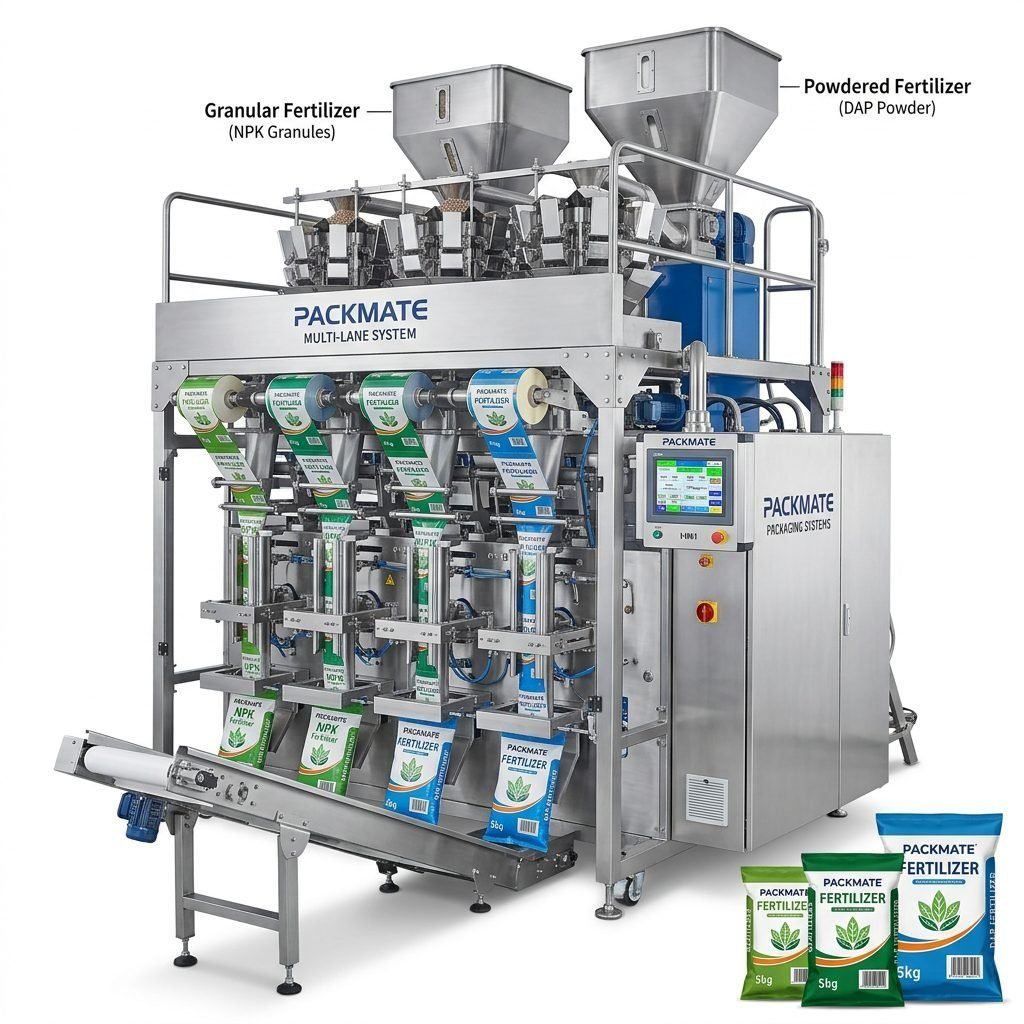
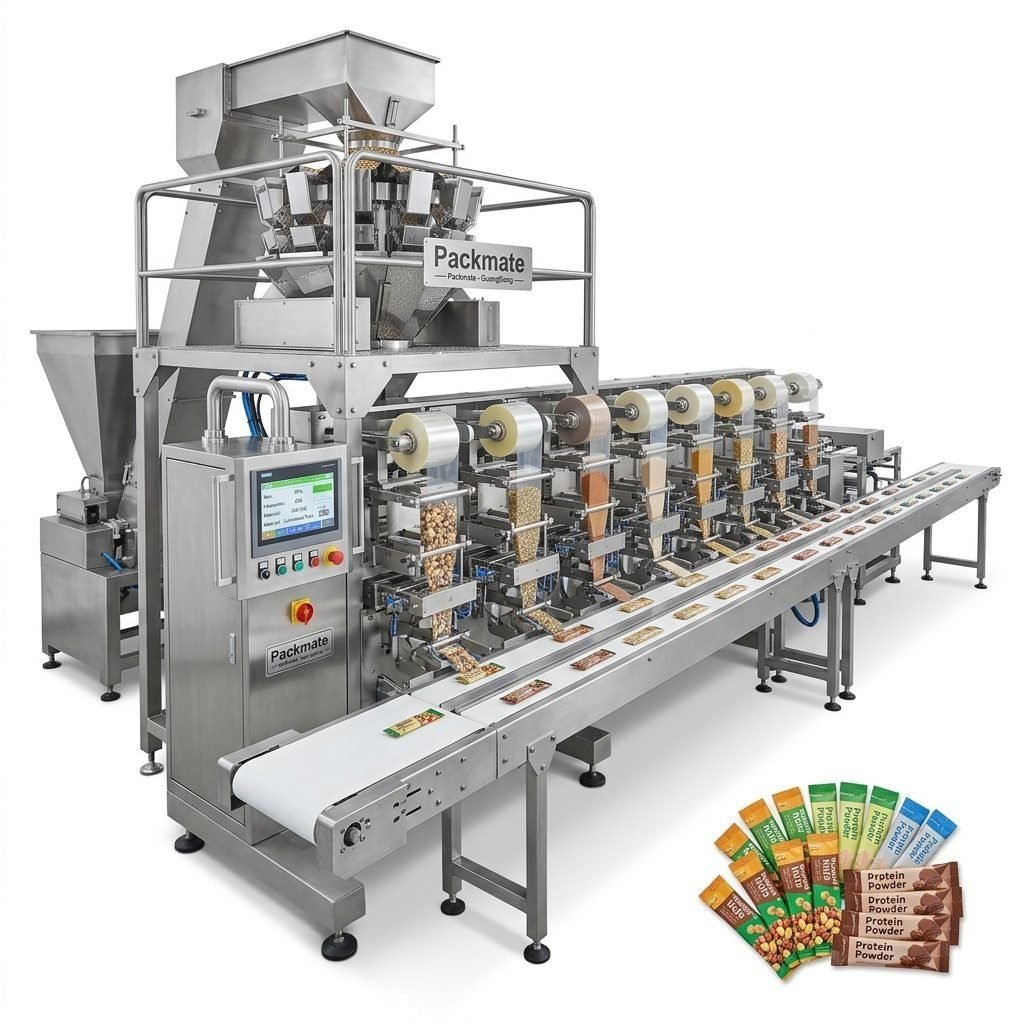
Core Function: At their heart, these machines perform a sequence of critical operations: product feeding, precise counting or weighing, placement into packaging material (like bags, boxes, or clamshells), and finally, sealing and labeling. Advanced systems are integrated with weighing & packaging systems for unparalleled accuracy.
Key Components of a Modern Packaging Line
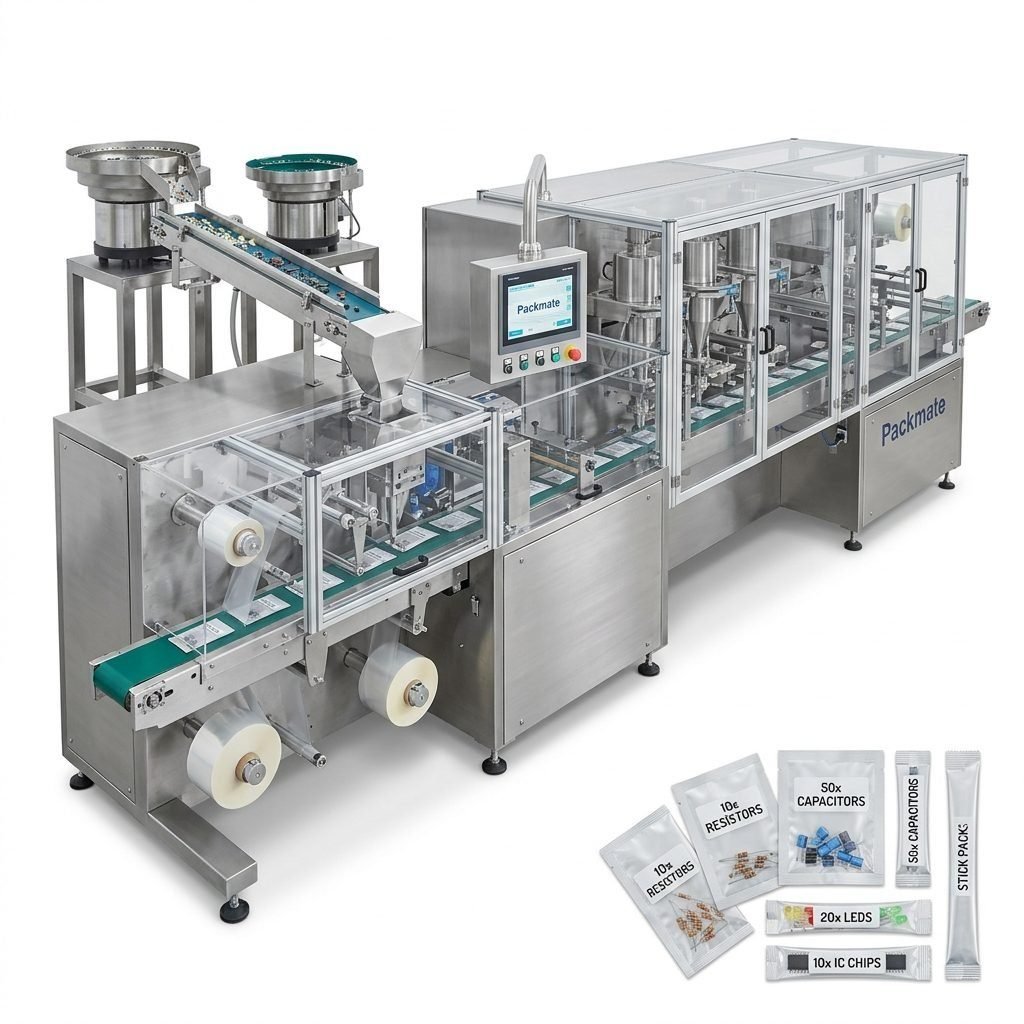
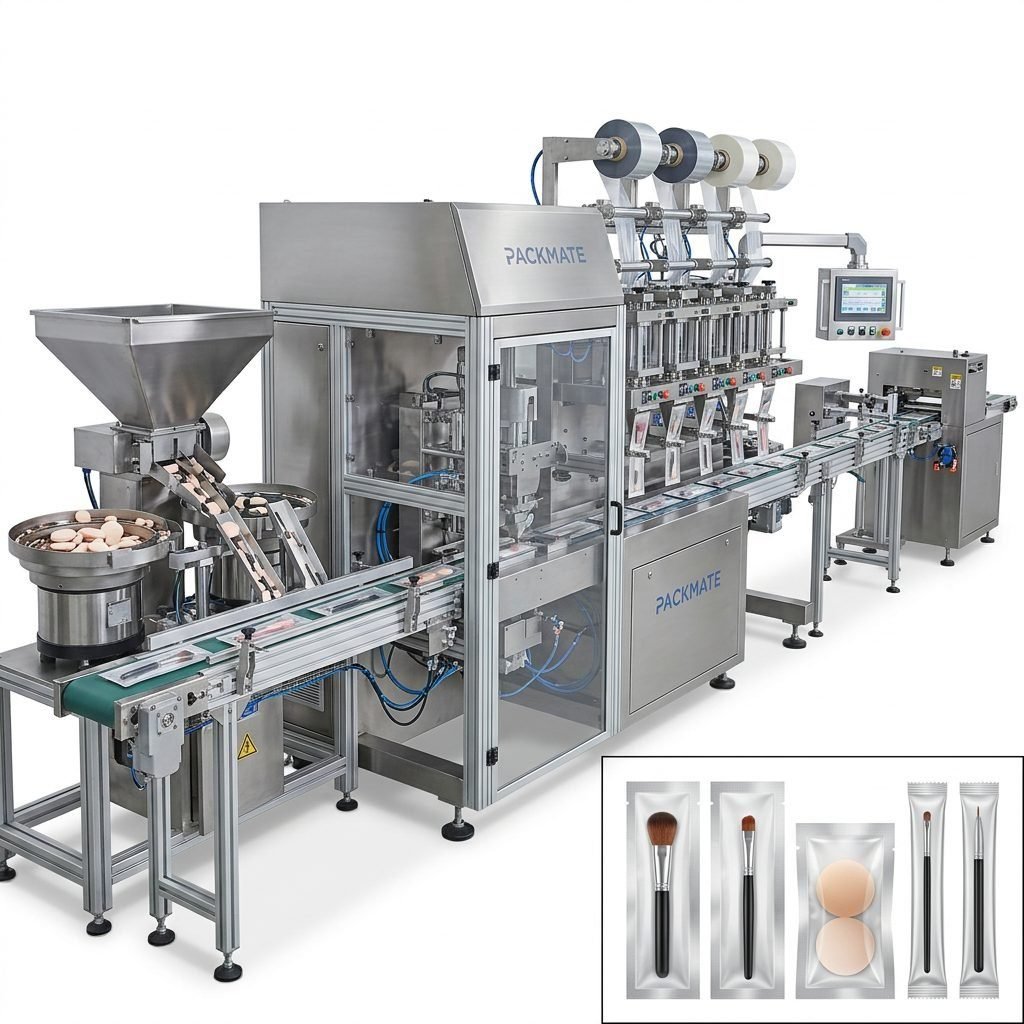
A complete hardware packaging solution is often a synchronized line of machines. It typically starts with a vibratory bowl feeder or conveyor that orients and feeds components. This is followed by a counting or weighing module, which is the brain of the operation, ensuring the exact quantity is dispensed. The packaging module, which could be a form-fill-seal machine for bags or a cartoning machine for boxes, then receives the product and encloses it. Finally, auxiliary packaging equipment like labelers, coders, and case packers complete the process.
Major Types of Hardware Packaging Machines
The diversity of hardware products necessitates different packaging technologies. Choosing the correct type is fundamental to achieving optimal results.
1. Counting & Bagging Machines
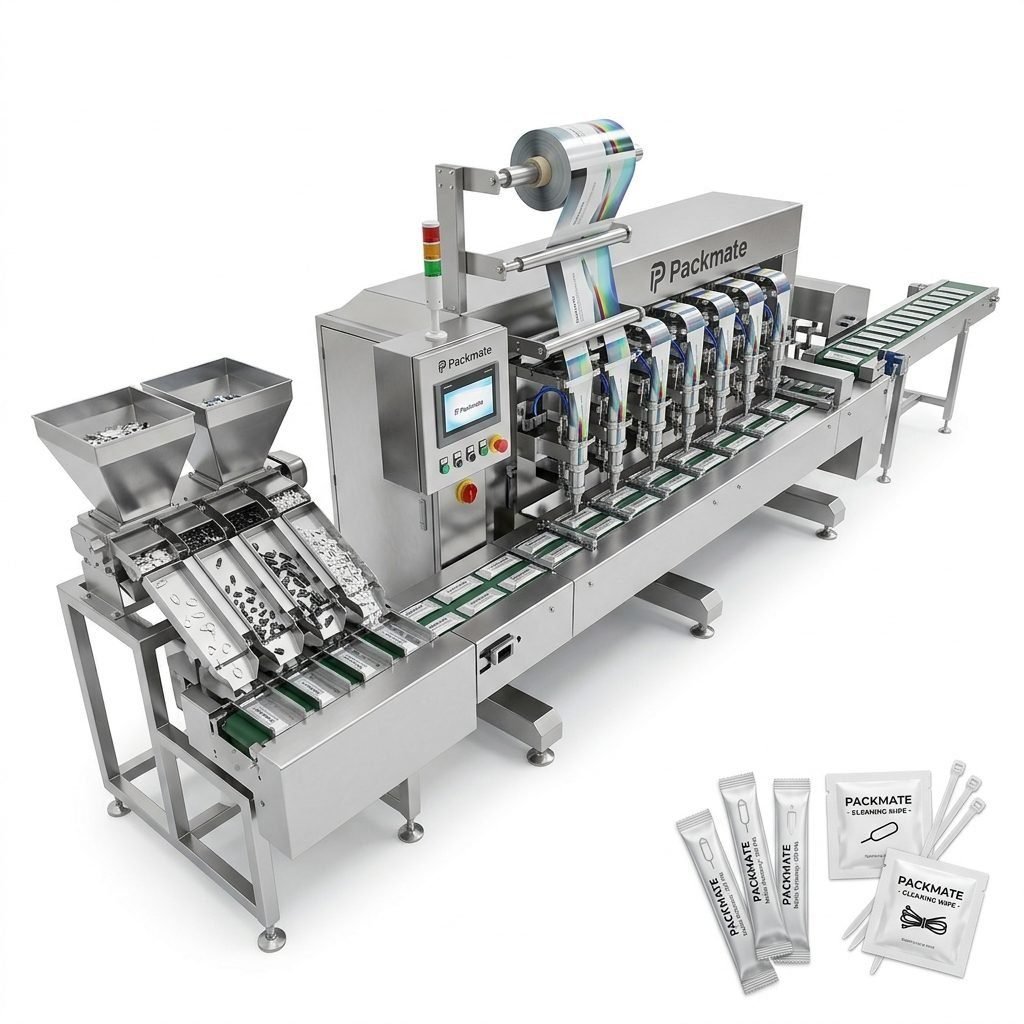
These are the most common machines for packaging small, discrete items like screws, bolts, washers, and nails. They use optical sensors, weigh scales, or mechanical cavities to count items with extreme accuracy before depositing them into pre-made or form-fill-seal bags. High-speed multi-lane counters can process thousands of pieces per minute, making them ideal for bulk packaging.
2. Blister & Clamshell Packaging Machines
For retail-ready presentation of hardware, blister and clamshell machines are essential. They create a secure, visible package by forming a plastic blister around the product and sealing it to a cardboard backing. This type of packaging is excellent for DIY kits, tool accessories, and electronic components, as it provides product visibility while deterring theft.
3. Cartoning & Case Packing Machines
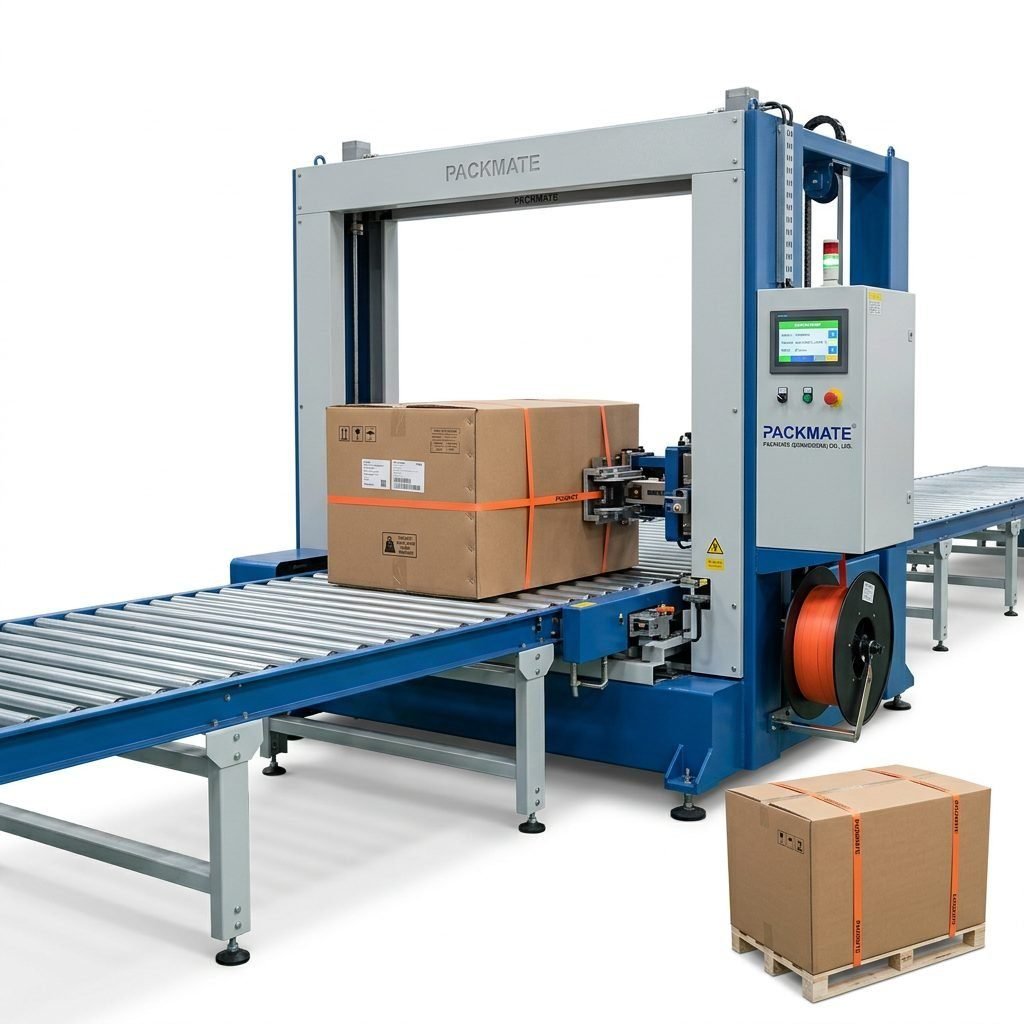
Larger hardware items or multi-pack sets require sturdier containers. Cartoning machines erect, load, and seal cardboard cartons automatically. Case packers then take these filled cartons and neatly place them into shipping cases for palletization. These systems integrate seamlessly with upstream bagging or blister lines to create a fully automated filling & packaging line.
4. Vertical Form-Fill-Seal (VFFS) Machines
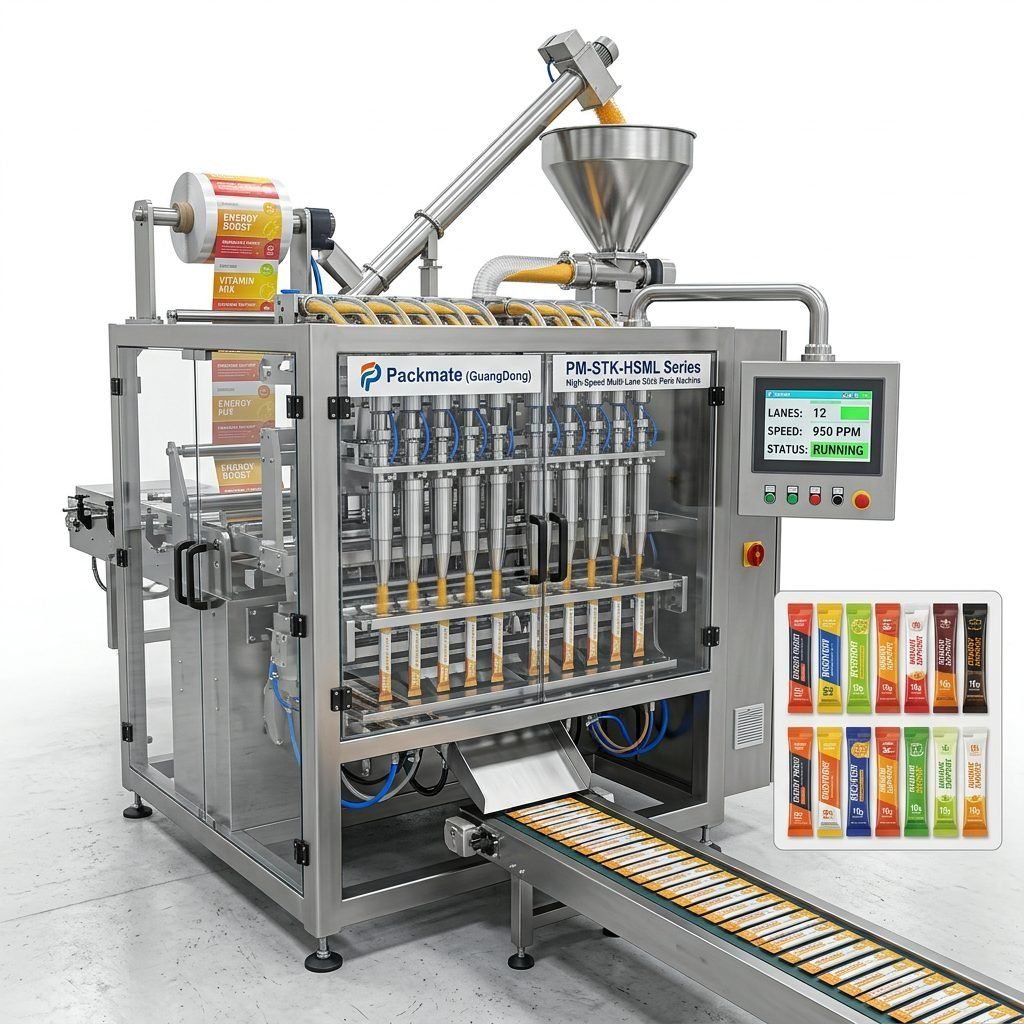
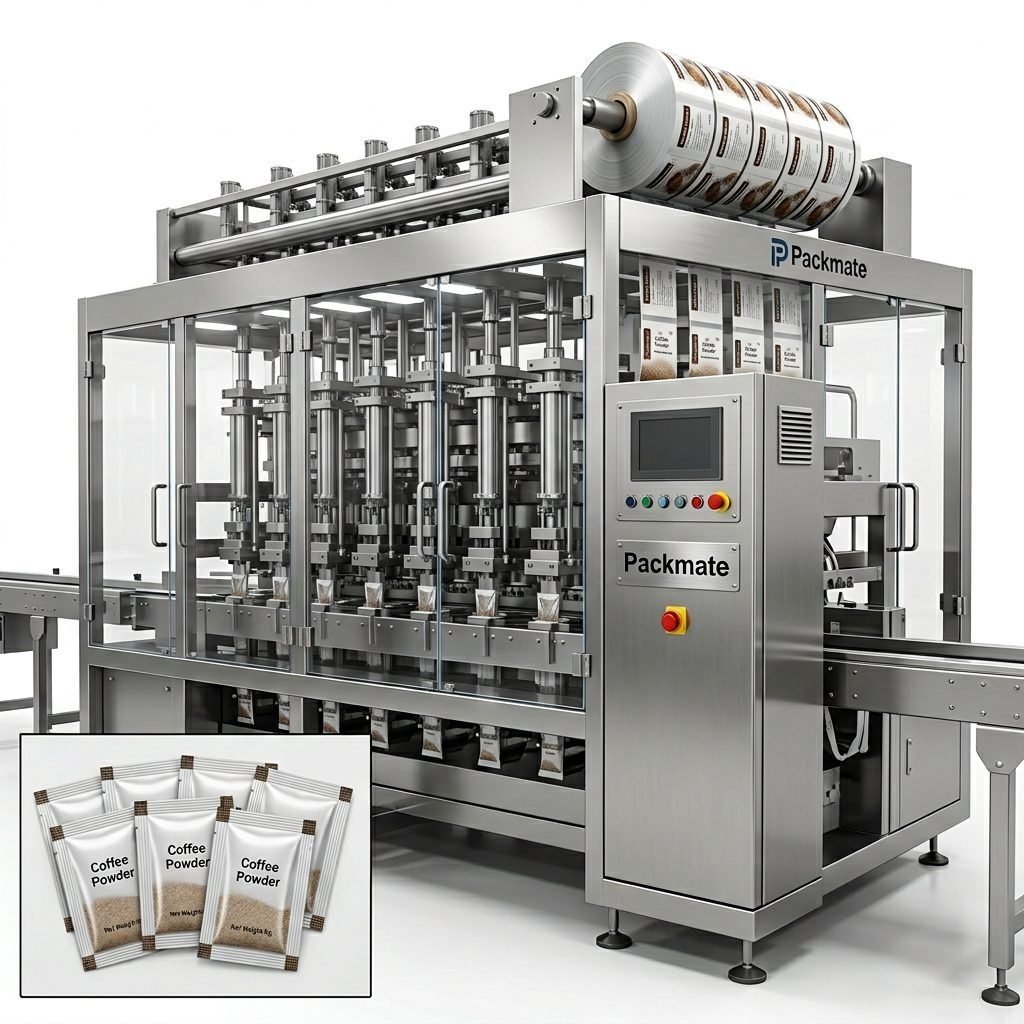
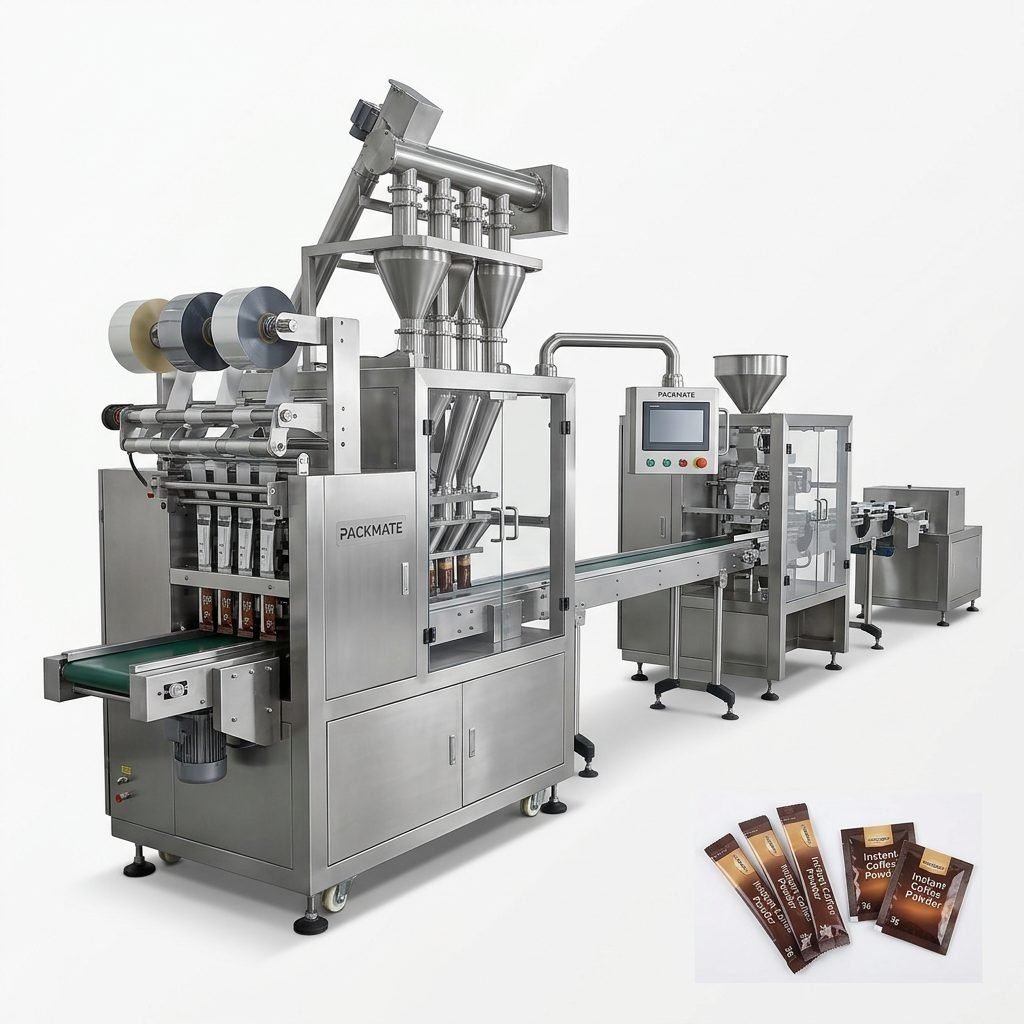
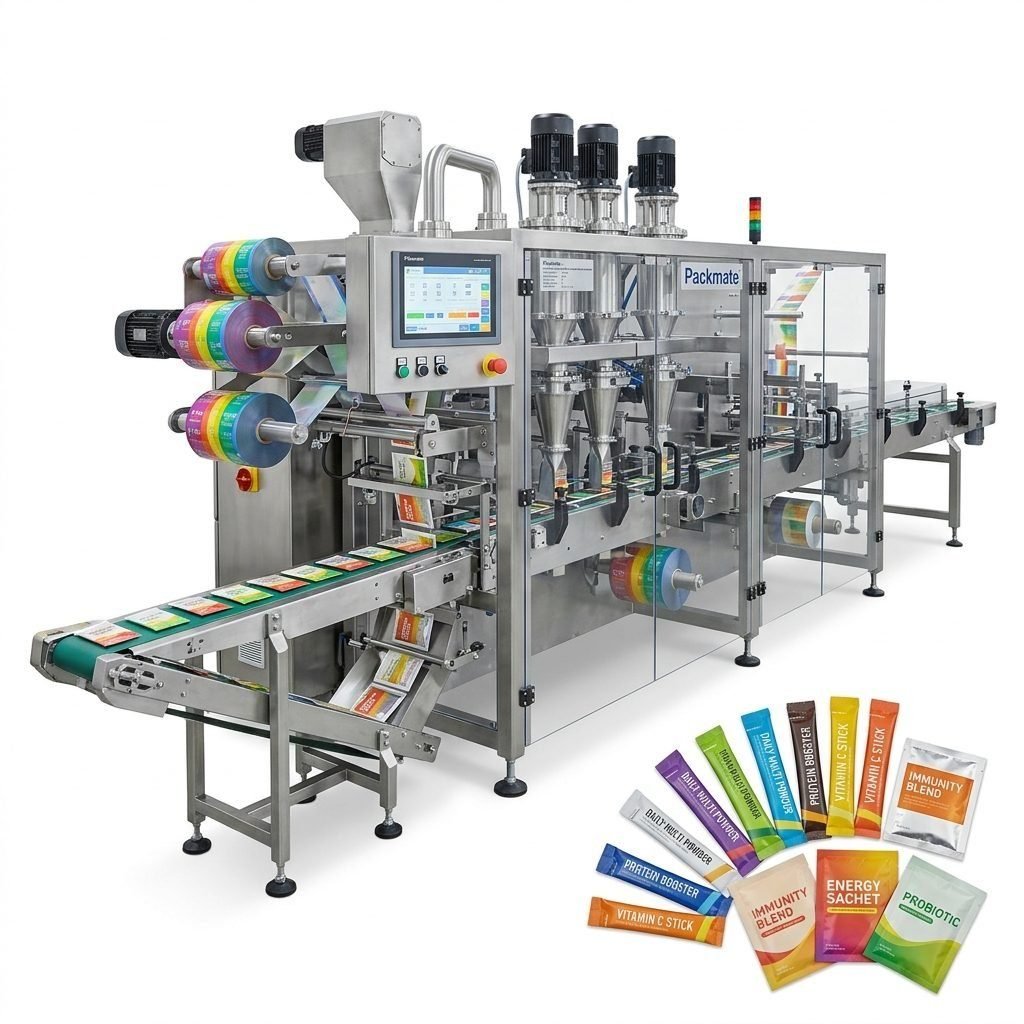
VFFS machines are incredibly versatile. They form packaging bags from a roll of film, fill them with a measured amount of product (by count or weight), and then seal them—all in one continuous operation. They are perfect for packaging loose hardware like nails, anchors, or mixed fittings into various bag sizes. For smaller, precise doses, technology from sachet & stick pack machines can be adapted.
Choosing the Right Machine: A Quick Guide
- Product Characteristics: Consider size, shape, weight, and fragility.
- Packaging Material: Determine if you need bags, boxes, blisters, or pouches.
- Required Output Speed: Match the machine’s capacity to your production volume.
- Accuracy Needs: Weighing systems offer higher precision for valuable items.
- Footprint & Integration: Ensure it fits your floor space and connects with existing lines.
The Compelling Benefits of Automation
Investing in automated hardware packaging yields a significant return across multiple facets of your business.
Dramatically Increased Efficiency & Output: Machines work tirelessly at constant, high speeds, far surpassing manual packaging rates. This allows you to meet large orders and scale your business without a linear increase in labor costs.
Unmatched Accuracy & Reduced Waste: Automated counting and weighing eliminate human error in quantity control. This means no more “short” packages that damage customer trust or “overfilled” packages that eat into your profit margins. It also minimizes material waste from sealing errors.
Enhanced Product Safety & Consistency: Automated systems handle products gently and uniformly. Every package looks identical, reinforcing your brand’s reputation for quality and professionalism. Secure sealing also protects hardware from moisture, dust, and damage during transit.
Significant Labor Cost Savings: While an initial investment is required, automation reduces long-term reliance on large packaging crews. Employees can be upskilled to supervise, maintain, and manage the automated lines, leading to a more skilled workforce.
Improved Workplace Safety: Packaging hardware can be repetitive and lead to strain injuries. Machines take over these repetitive tasks, creating a safer work environment and reducing the risk of accidents and associated costs.
Partnering with an Expert Manufacturer
The success of your packaging automation hinges on the quality and support of the machinery. This is where partnering with an experienced manufacturer like Packmate Machinery becomes invaluable. With over 30 years of expertise in building intelligent packaging solutions, a manufacturer with a deep understanding of different product types can provide more than just a machine—they provide a reliable, tailored solution. Look for a partner with a robust portfolio, proven global experience, and a commitment to after-sales support to ensure your packaging line runs smoothly for years to come.
Conclusion
From simple counting systems to complex integrated lines, hardware packaging machines are transformative assets. They directly address core industrial challenges: boosting productivity, ensuring accuracy, cutting costs, and enhancing brand value. By understanding the different types available and their respective benefits, businesses can make an informed investment that streamlines operations and provides a competitive edge in the market. The journey from a loose component to a perfectly packaged product is a critical one, and the right packaging machine ensures it is a journey of precision, efficiency, and growth.
Frequently Asked Questions (FAQs)
Q1: How accurate are automated hardware counting machines?
A: Modern counting machines are highly accurate, often achieving 99.9%+ accuracy using combination weighers or advanced optical sensors. The exact accuracy depends on the machine type, product characteristics, and calibration.
Q2: Can one machine handle different sizes and types of hardware?
A: Many machines offer flexibility with quick-change parts or adjustable settings. However, significant changes in product size or shape may require retooling. Discuss your product range with the manufacturer, like Packmate, to find a machine that balances flexibility with speed.
Q3: What is the typical payback period for a hardware packaging machine?
A: The payback period varies based on machine cost, labor savings, increased output, and reduced waste. Many businesses see a return on investment within 12 to 24 months through direct labor reduction and efficiency gains.
Q4: How important is after-sales service and technical support?
A> It is absolutely critical. Choose a manufacturer known for reliable support, readily available spare parts, and comprehensive training. This ensures minimal downtime and protects your long-term investment.
Q5: Are these machines suitable for small to medium-sized businesses (SMBs)?
A: Absolutely. The market offers a range of machines, from compact, semi-automatic models perfect for SMBs to high-speed fully automatic lines for large enterprises. The key is to analyze your current and projected volume to select a machine that scales with your growth.