In the fast-paced world of manufacturing and product distribution, efficiency, precision, and reliability are non-negotiable. For businesses handling granules, powders, and liquids—from the food and pharmaceutical sectors to health and wellness industries—the choice of packaging machinery can make or break operational success. This is where CVP (Continuous Vertical Form-Fill-Seal) packaging machines come into play. As a cornerstone of modern automated packaging, these machines offer unparalleled speed and consistency. This ultimate guide delves deep into the world of CVP packaging machines, exploring their various types, undeniable benefits, and how they serve as the backbone for countless production lines worldwide.
Understanding CVP Packaging Machines: The Core Technology
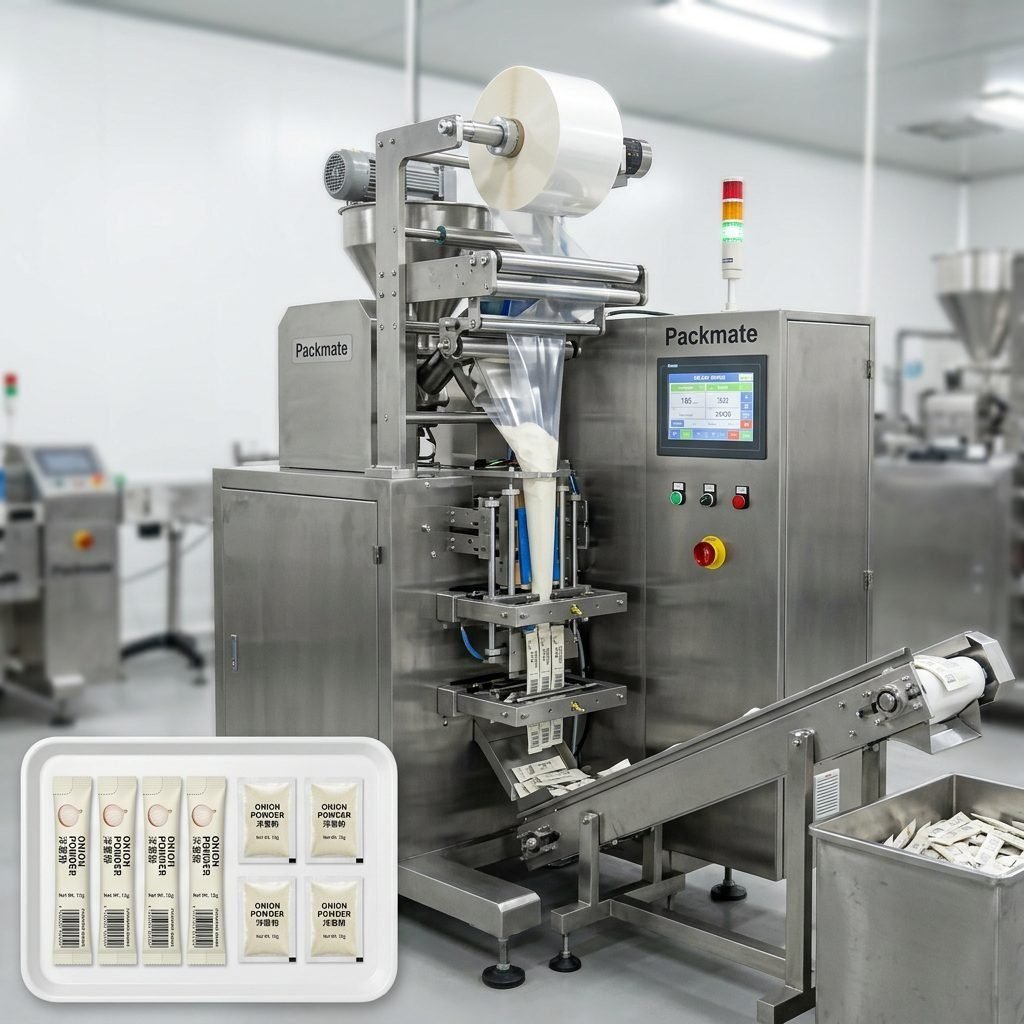
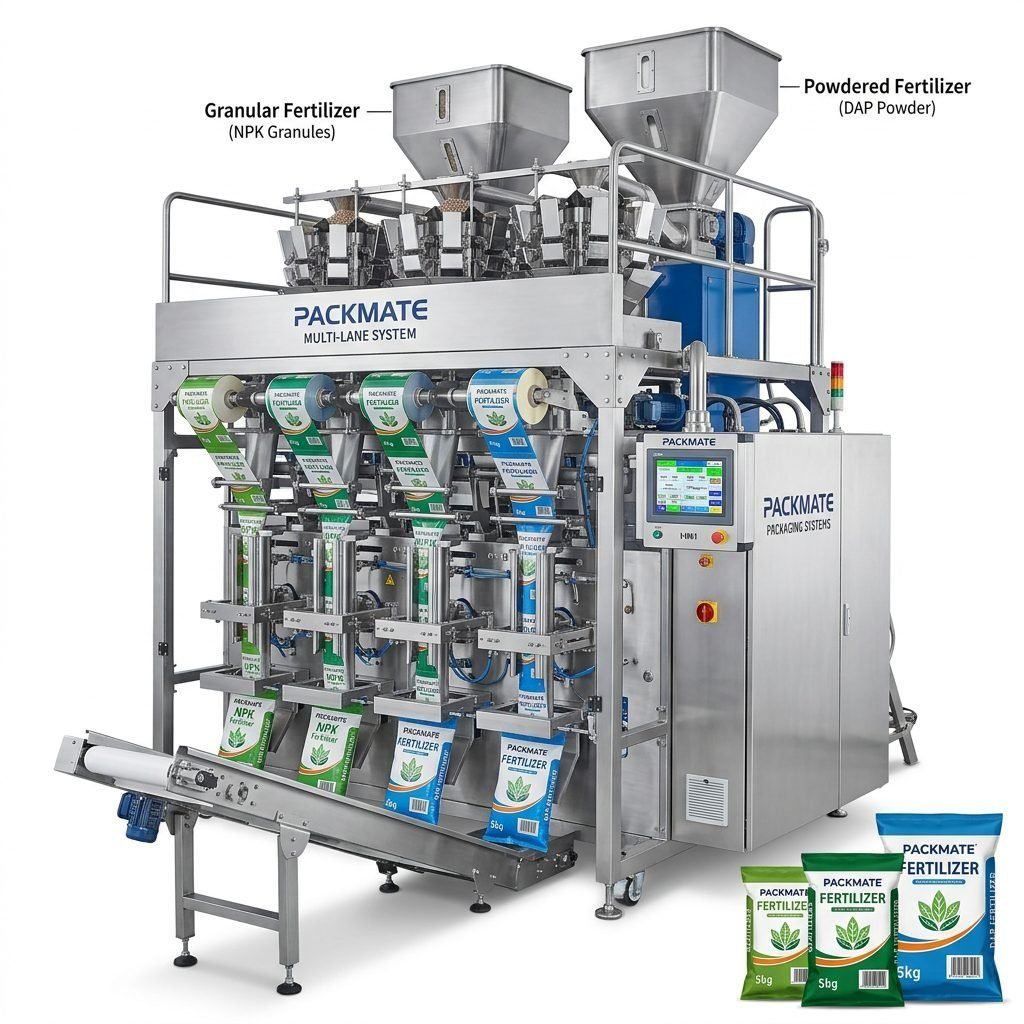
At its heart, a CVP machine is a marvel of automation. It performs three critical functions in one continuous, seamless process: It forms a tube from a roll of packaging film, fills the formed pouch with a precise amount of product, and then seals and cuts it to create individual, finished packages. This vertical operation is key to saving valuable floor space in production facilities. The “continuous” aspect means there is minimal downtime between cycles, enabling high-output production that is essential for meeting large-scale demand. For companies looking to scale their operations, integrating a robust CVP system is often the first major step toward achieving packaging autonomy and efficiency.
Key Components and Their Functions
To appreciate how a CVP machine achieves such seamless operation, it’s helpful to understand its main components:
Film Unwind System: This holds and feeds the roll of packaging material, whether it’s laminated film, foil, or paper composites.
Forming Shoulder and Tube: The film is guided over a forming shoulder, which shapes it into a vertical tube—the foundational structure of the future pouch.
Vertical Sealing Mechanism: As the film travels downward, a longitudinal sealer creates the back seam of the tube.
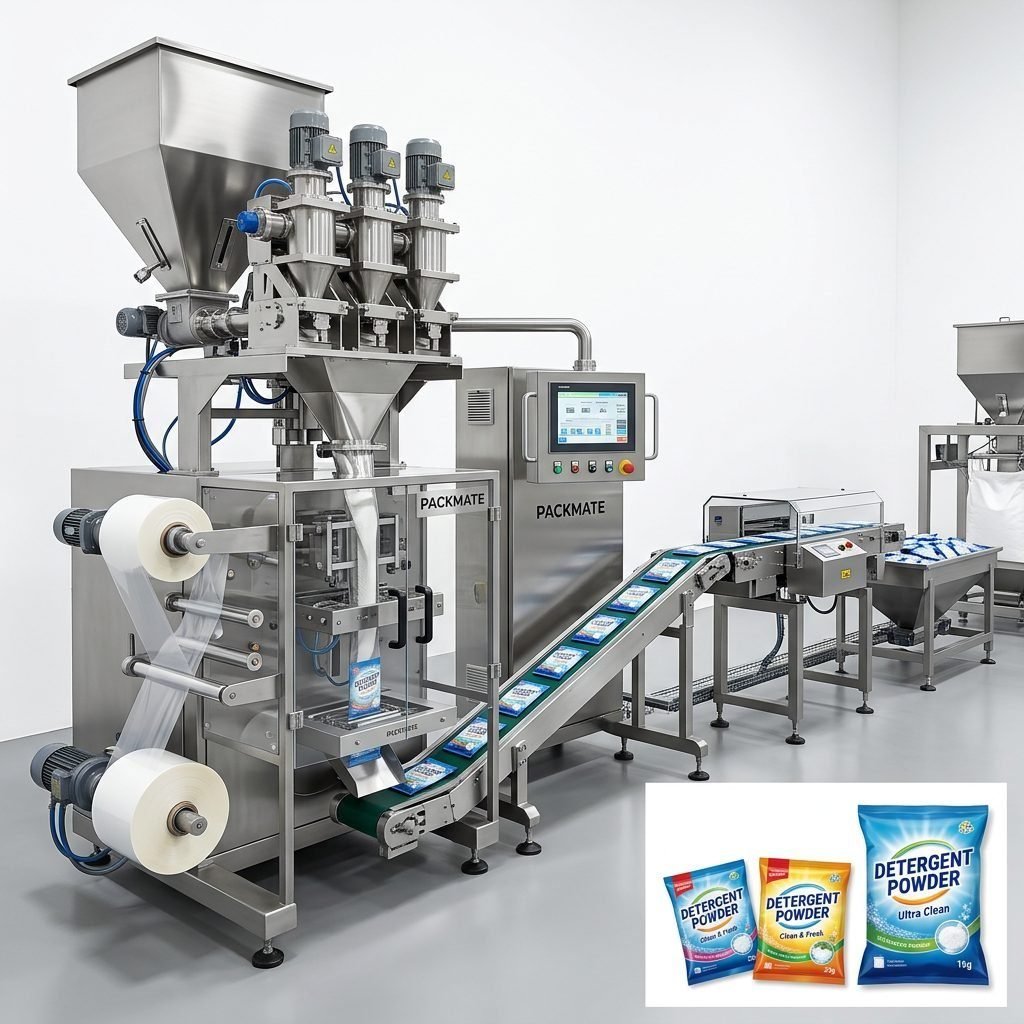
Product Filling System: Located above the forming tube, this system dispenses the product—be it coffee, spices, pharmaceuticals, or detergent powder—into the waiting pouch with exceptional accuracy.
Cross-sealing Jaws: These are the workhorses of the machine. They move in a reciprocating motion to create the top seal of the finished pouch and the bottom seal of the next one, simultaneously cutting the packages apart.
The synchronization of these components, driven by advanced programmable logic controllers (PLCs), is what allows for speeds of over 200 bags per minute on some models. This high-speed, precision engineering is what manufacturers like Packmate Machinery have perfected over decades, ensuring every machine delivers consistent, reliable performance.
Exploring the Different Types of CVP Machines
Not all products or production needs are the same, and neither are CVP machines. The market offers a variety of types, each designed to excel in specific scenarios. Understanding these differences is crucial for selecting the right equipment for your line.
Single-Tube CVP Machines
The most basic and common configuration, single-tube machines produce one stream of packages. They are ideal for lower to medium-volume production, product changeovers, or for businesses with limited space. Their simplicity makes them easier to operate and maintain, offering a cost-effective entry point into automated packaging.
Multi-Tube (or Multi-Lane) CVP Machines
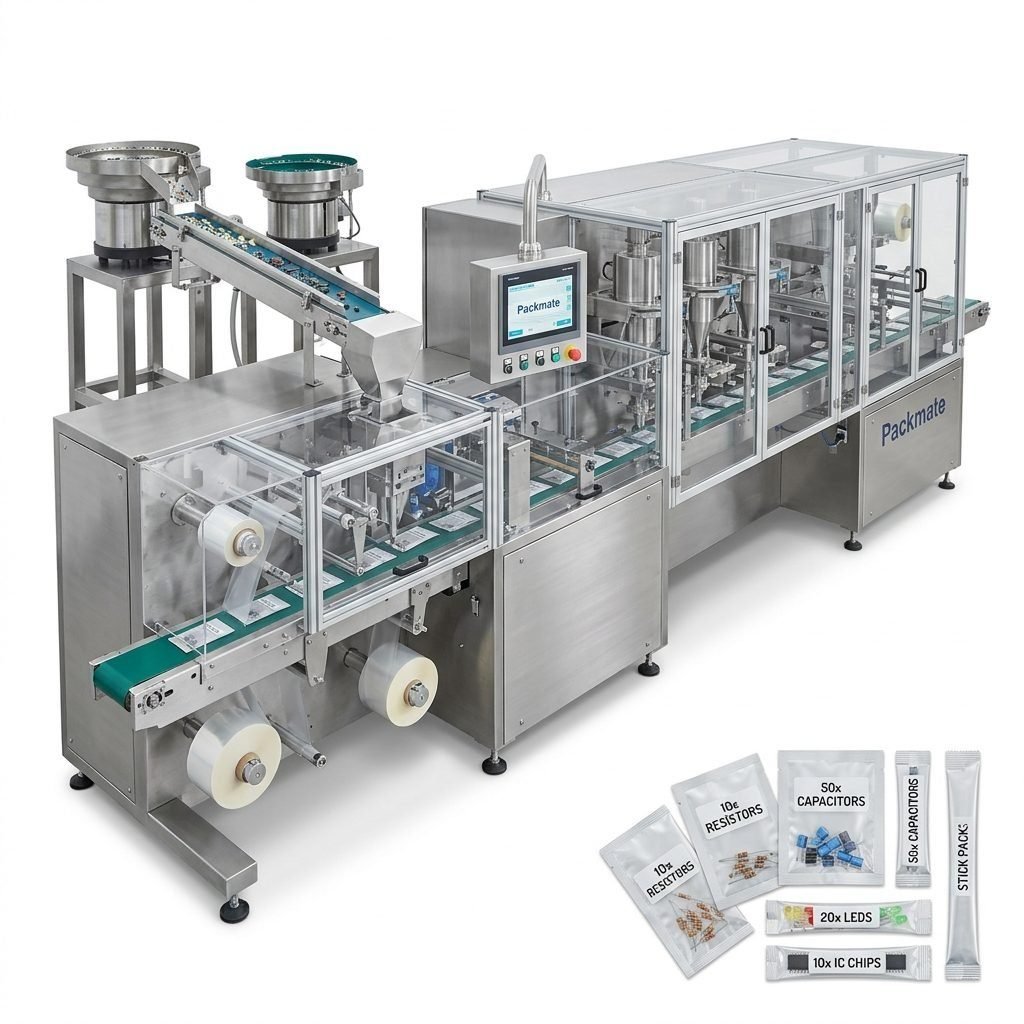
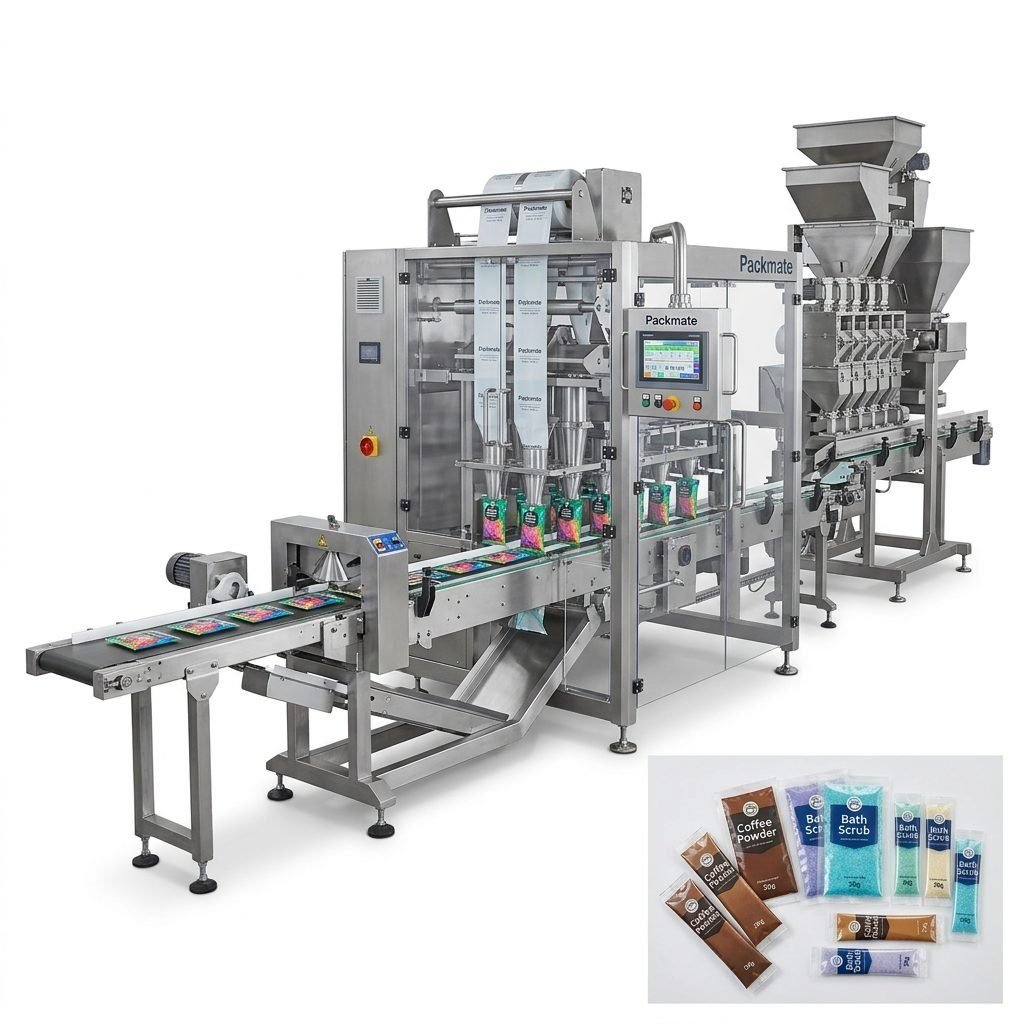
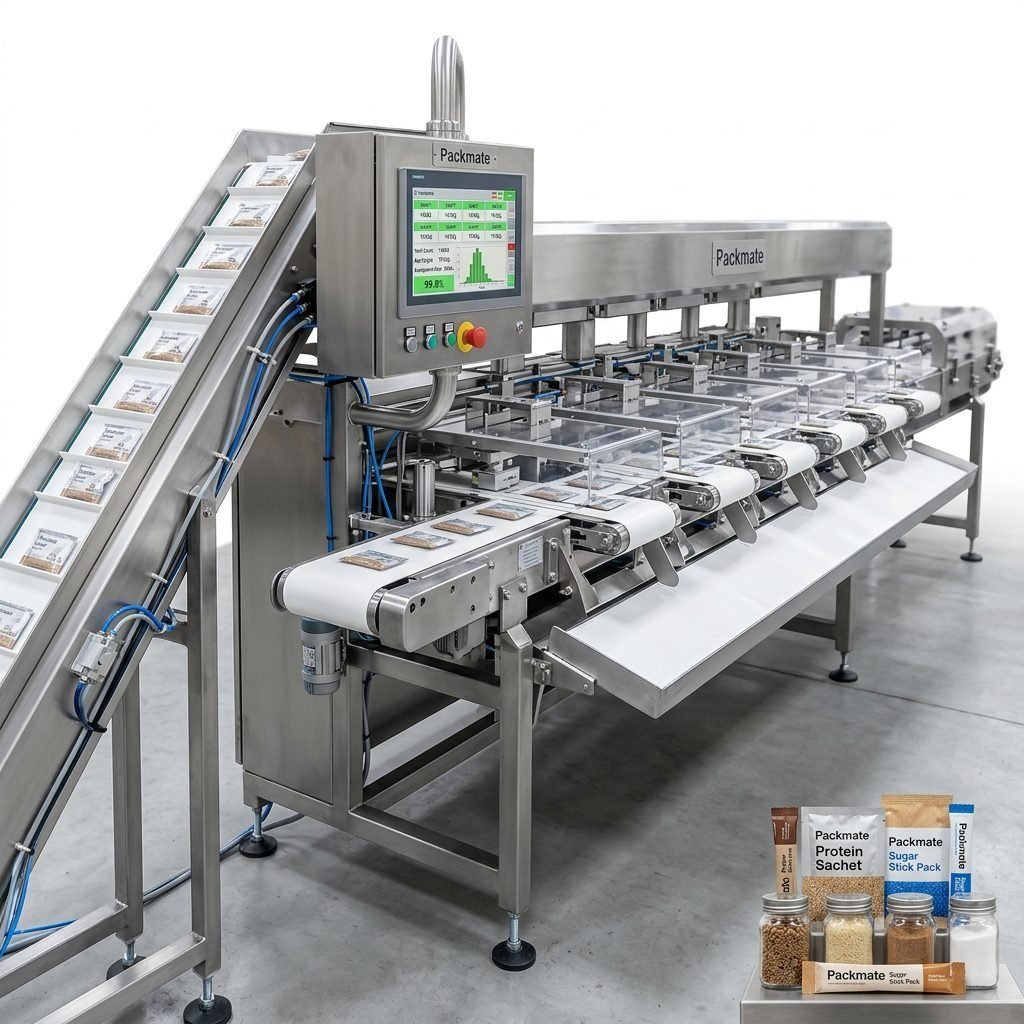
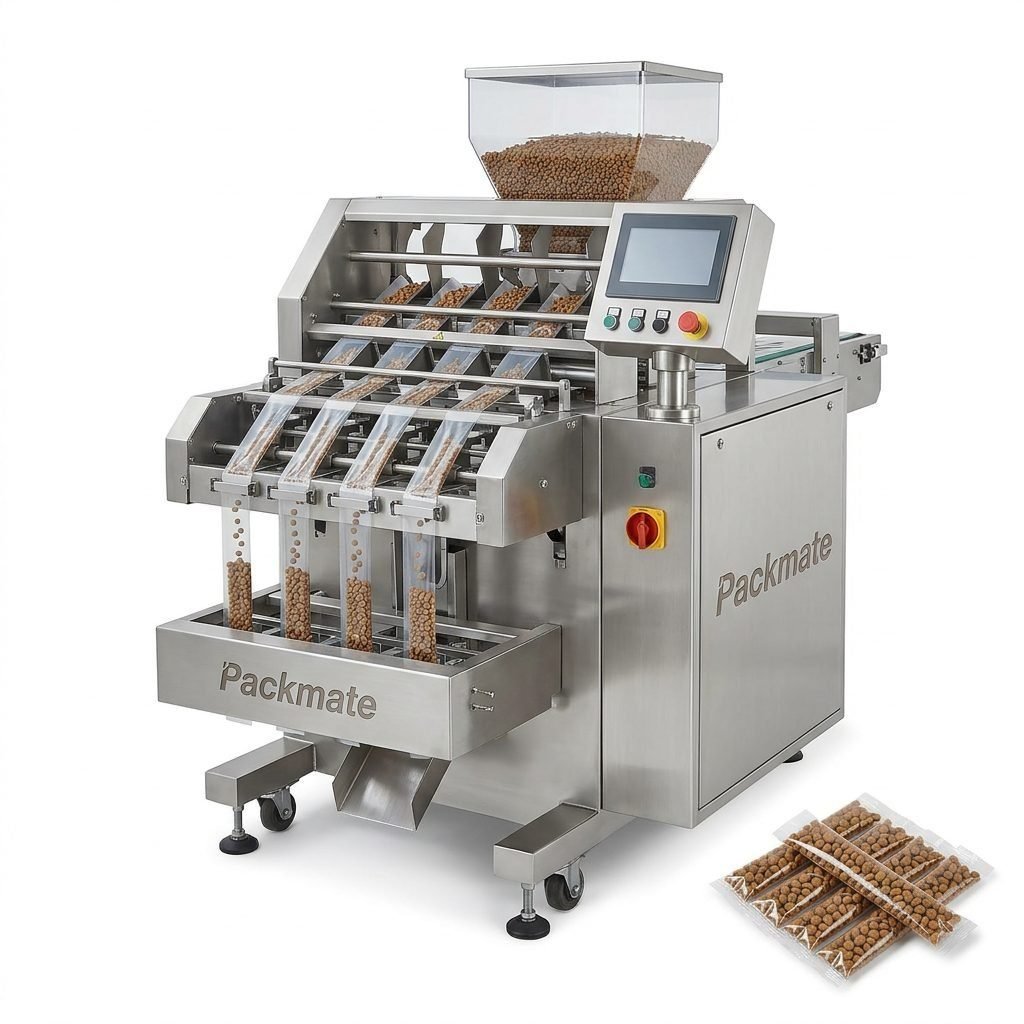
For high-volume requirements, multi-tube machines are the industry standard. These systems feature multiple forming tubes operating in parallel from a single film web, which is then split. This design can multiply output dramatically, with some machines producing several hundred stick packs or sachets per minute. They are perfect for products like sugar, instant drink mixes, or pharmaceutical powders where demand is immense. You can explore advanced multi-lane solutions in the Sachet & Stick Pack Machines category.
Auger-Filler vs. Volumetric Cup-Filler Machines
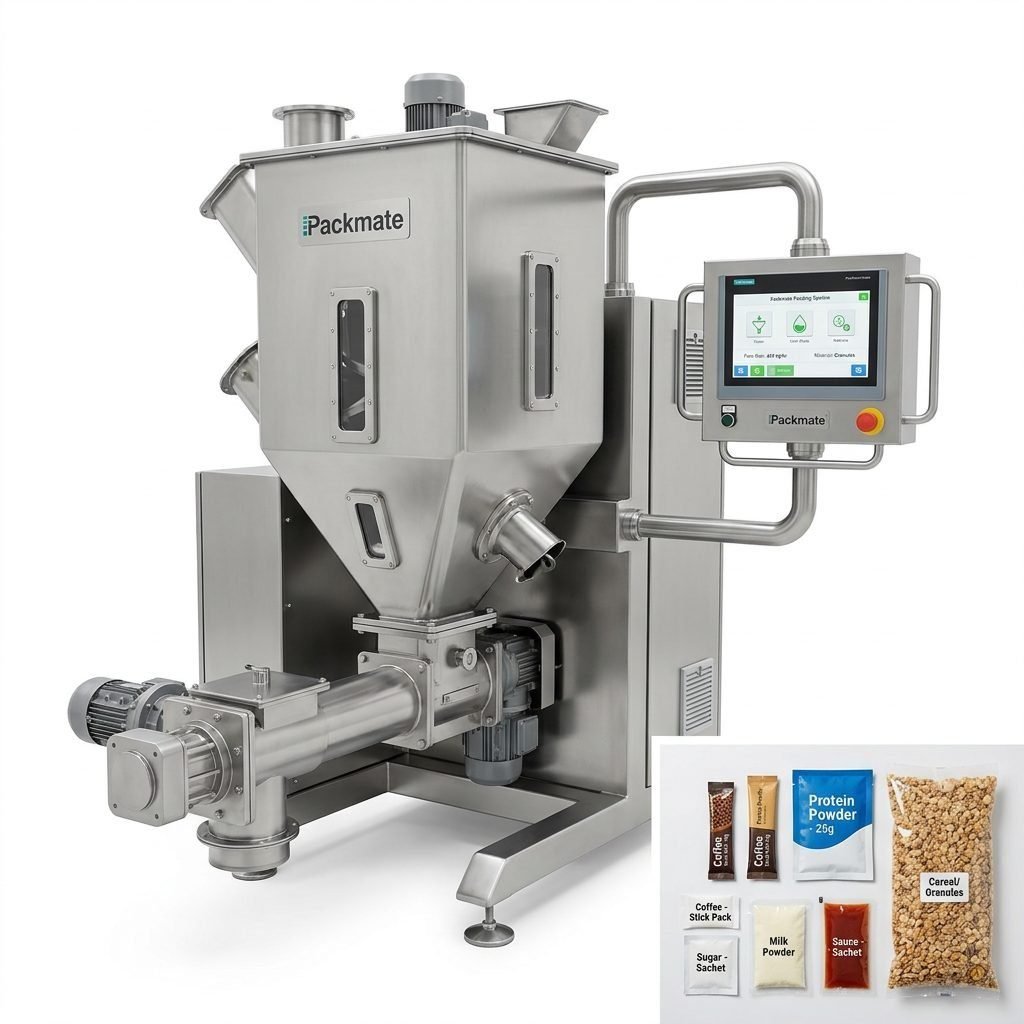
The filling system is another major differentiator. Auger filler machines use a rotating screw (auger) to dispense powders and granules. They are renowned for their high accuracy, especially with fine, non-free-flowing, or compactable products. Volumetric cup-filler machines, on the other hand, use measuring cups to dispense a set volume of product. They are typically faster and excellent for free-flowing granules like rice or seeds. The choice depends entirely on the product’s characteristics and the required filling precision.
Specialized CVP Machines for Unique Applications
The versatility of CVP technology allows for customization to meet niche demands. For instance, machines can be equipped with gas flushing systems for modified atmosphere packaging (MAP) to extend the shelf life of snacks or coffee. Others are built with stringent hygiene standards for pharmaceutical or food-grade applications, often featuring stainless-steel construction and easy-clean designs. Specialized solutions, such as those for snus and nicotine pouch packaging, demonstrate how the core CVP principle can be adapted to highly specific market needs.
The Multifaceted Benefits of Investing in CVP Packaging
Transitioning from manual or semi-automatic packaging to a CVP system unlocks a spectrum of advantages that directly impact the bottom line and operational smoothness.
Unmatched Speed and Increased Productivity
The most immediate benefit is a dramatic increase in output. By automating the forming, filling, and sealing processes, CVP machines operate at speeds human labor simply cannot match. This allows businesses to fulfill larger orders faster, reduce lead times, and scale production up or down with market demands efficiently.
Superior Consistency and Product Quality
Human operators can tire, leading to variations in seal quality, fill weight, or package appearance. A CVP machine, once calibrated, performs the same task identically for every single cycle. This ensures every package leaving the line has a perfect seal (crucial for product freshness and safety), an accurate fill weight (avoiding giveaways and regulatory issues), and a uniform, professional look that enhances brand perception.
Significant Material and Labor Cost Savings
While the initial investment is notable, the long-term savings are substantial. Precise control over the film feed and sealing parameters minimizes material waste. More importantly, one automated machine can replace several manual packaging stations, reducing labor costs and reallocating human resources to more value-added tasks like quality control and machine supervision.
Enhanced Flexibility and Quick Changeovers
Modern CVP machines are designed with flexibility in mind. With quick-change parts and user-friendly PLC interfaces, operators can switch between different package sizes or products with minimal downtime. This is vital for manufacturers producing a diverse range of SKUs, allowing them to respond agilely to custom or small-batch orders without sacrificing efficiency.
The cumulative effect of these benefits is a stronger, more competitive, and more profitable operation. It’s the reason why leading manufacturers invest in comprehensive filling and packaging lines built around reliable CVP technology.
Choosing the Right CVP Machine: A Strategic Decision
Selecting a CVP machine is not a one-size-fits-all process. It requires a careful analysis of your specific needs. Start by defining your product characteristics (flowability, abrasiveness, density), your required production speed and volume, and the packaging materials you plan to use. Consider future growth—will the machine accommodate increased demand? Partnering with an experienced manufacturer is crucial. A company with a strong track record, like Packmate Machinery with over 22 years of development and a 20,000㎡ modern facility, can provide not just a machine, but a tailored solution. They offer the expertise to guide you from selection through installation and after-sales service, ensuring the technology integrates perfectly into your workflow. Reviewing real-world case studies can provide invaluable insight into machine performance in scenarios similar to your own.
Common Questions About CVP Packaging Machines (FAQ)
What is the main difference between a CVP machine and a horizontal form-fill-seal (HFFS) machine?
CVP machines form bags vertically from a single roll of film, making them ideal for powders and granules where product flows well downward. HFFS machines form bags horizontally and are often better suited for inserting solid items or products that don’t flow as easily.
How difficult is it to operate and maintain a CVP packaging machine?
Modern CVP machines are designed for user-friendly operation with touch-screen PLC interfaces. Routine maintenance (cleaning, lubrication) is straightforward. Comprehensive training from the supplier and access to reliable technical support are key to smooth long-term operation.
Can one CVP machine handle different types of products?
Yes, with proper configuration and changeover. Machines can be adjusted for different bag sizes and, with the appropriate filling system (e.g., switching augers), can handle various powder or granule types. However, extensive product changes may require cleaning and part adjustments.
What kind of packaging materials can be used with a CVP machine?
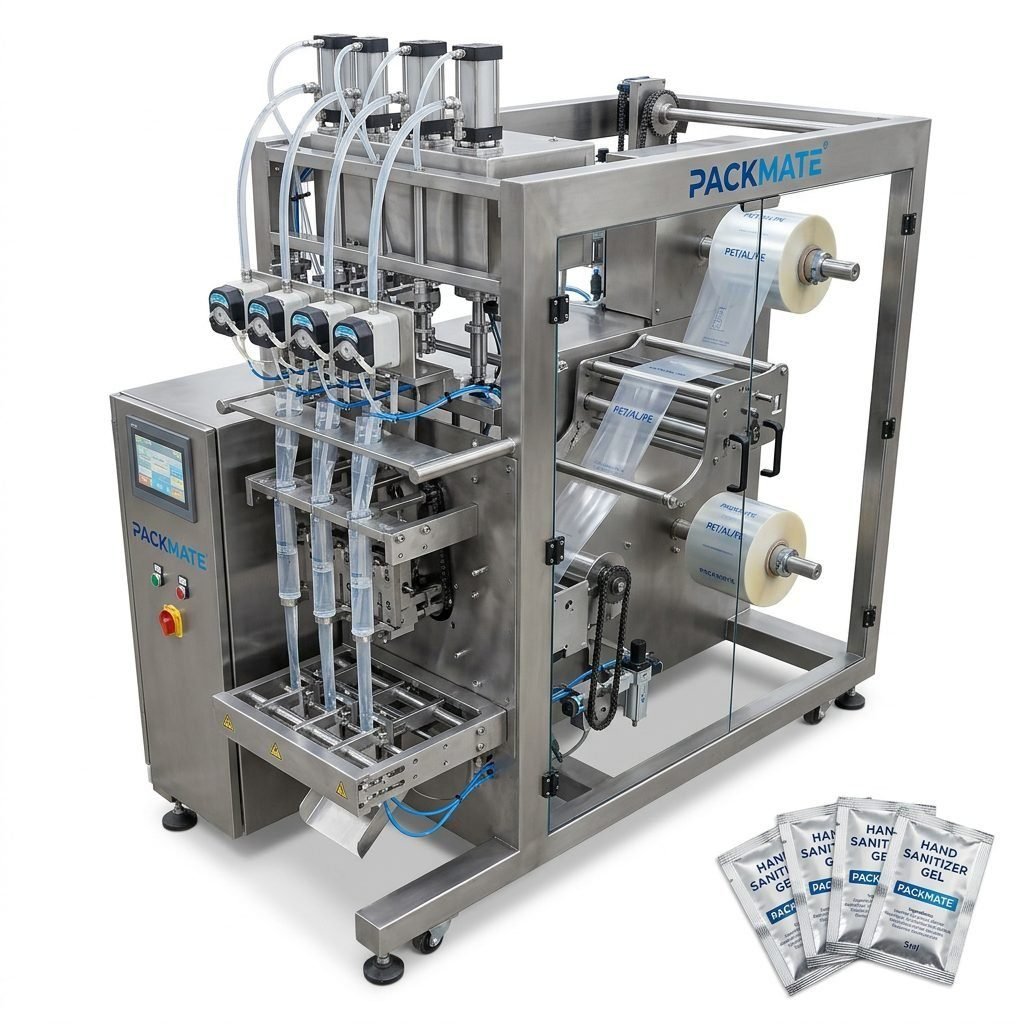
CVP machines are compatible with a wide range of heat-sealable laminates, including PET/PE, OPP/CPP, paper/foil/PE, and other composite structures. The machine’s sealing jaws must be configured to match the material’s sealing temperature and pressure requirements.
What should I look for in a CVP machine supplier?
Prioritize suppliers with proven industry experience, a portfolio of successful installations, robust after-sales service (including spare parts availability), and the ability to provide a complete, tested solution rather than just an isolated machine. Certifications and a transparent company history are also strong indicators of reliability.