In the competitive world of coffee, from artisanal roasters to global brands, the final presentation is as crucial as the bean’s origin. The right coffee packaging machine is the unsung hero, ensuring product freshness, enhancing shelf appeal, and safeguarding quality from production to consumption. This guide delves into the types of machines available, their key benefits, and provides a clear framework for making the best investment for your business.
Understanding Different Types of Coffee Packaging Machines
The landscape of coffee packaging equipment is diverse, designed to handle various formats, volumes, and materials. Choosing the correct type is the first critical step.
Single-Serve Sachet and Stick Pack Machines
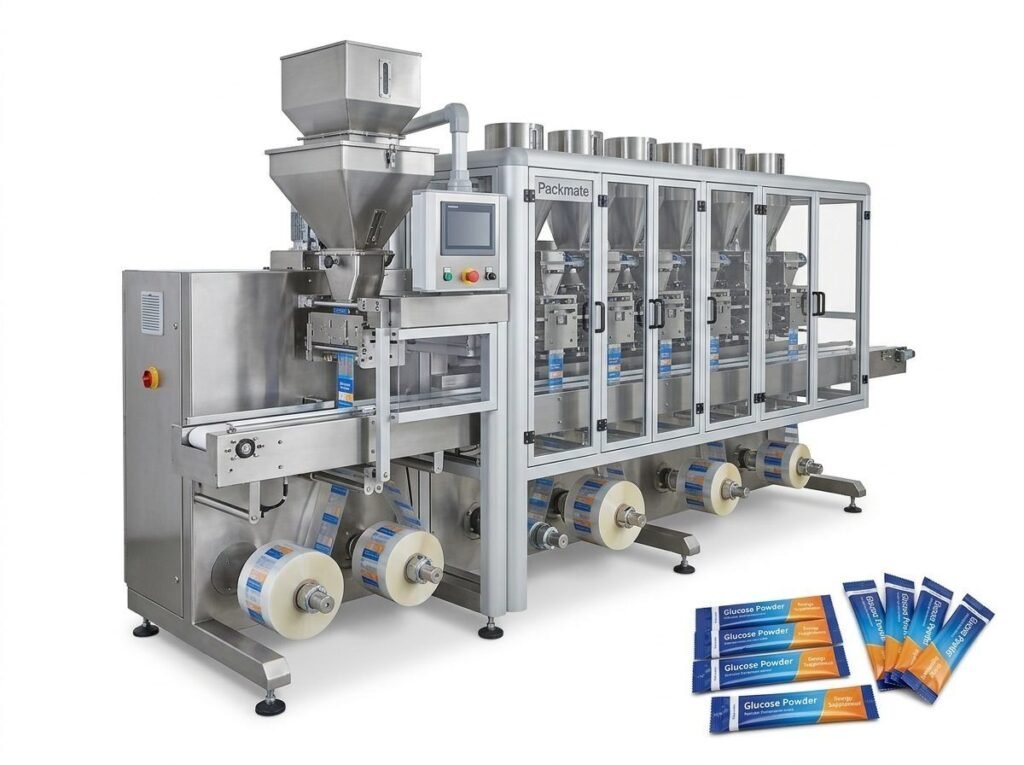
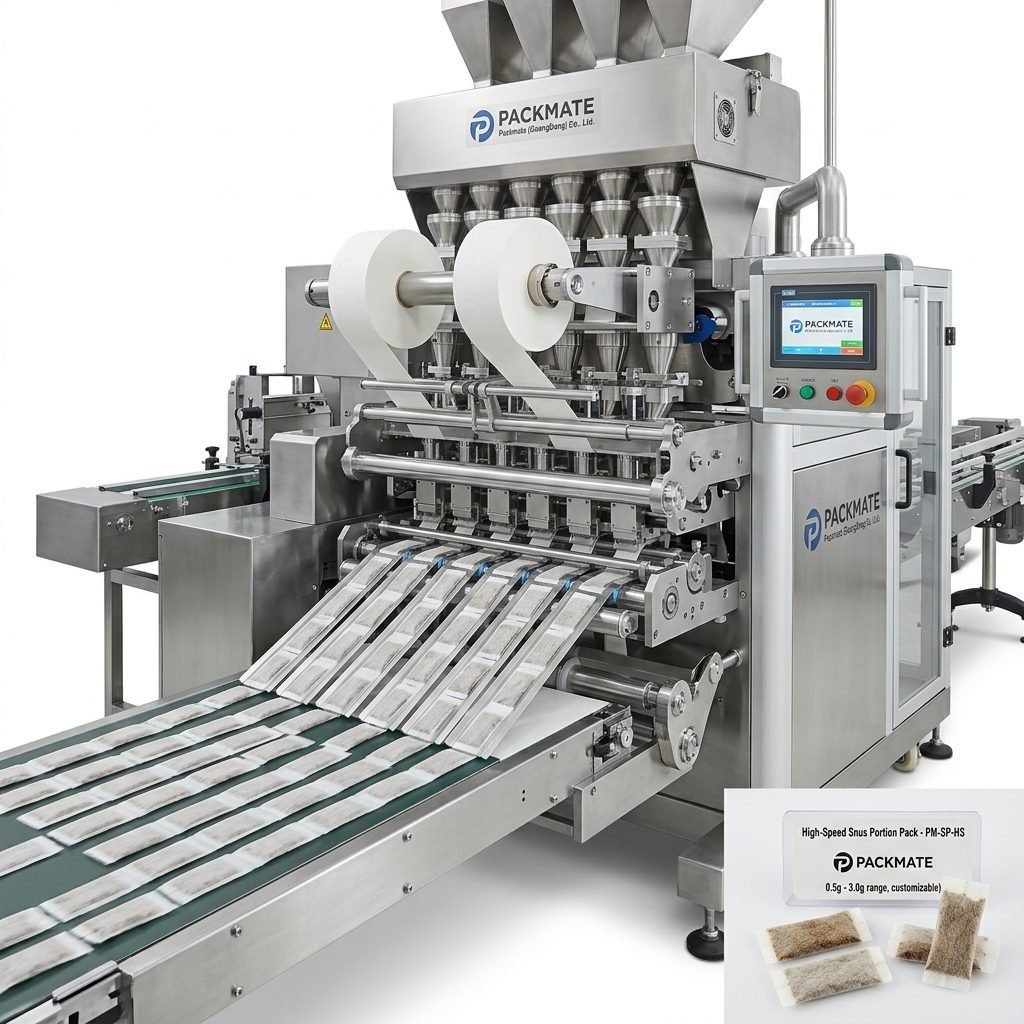
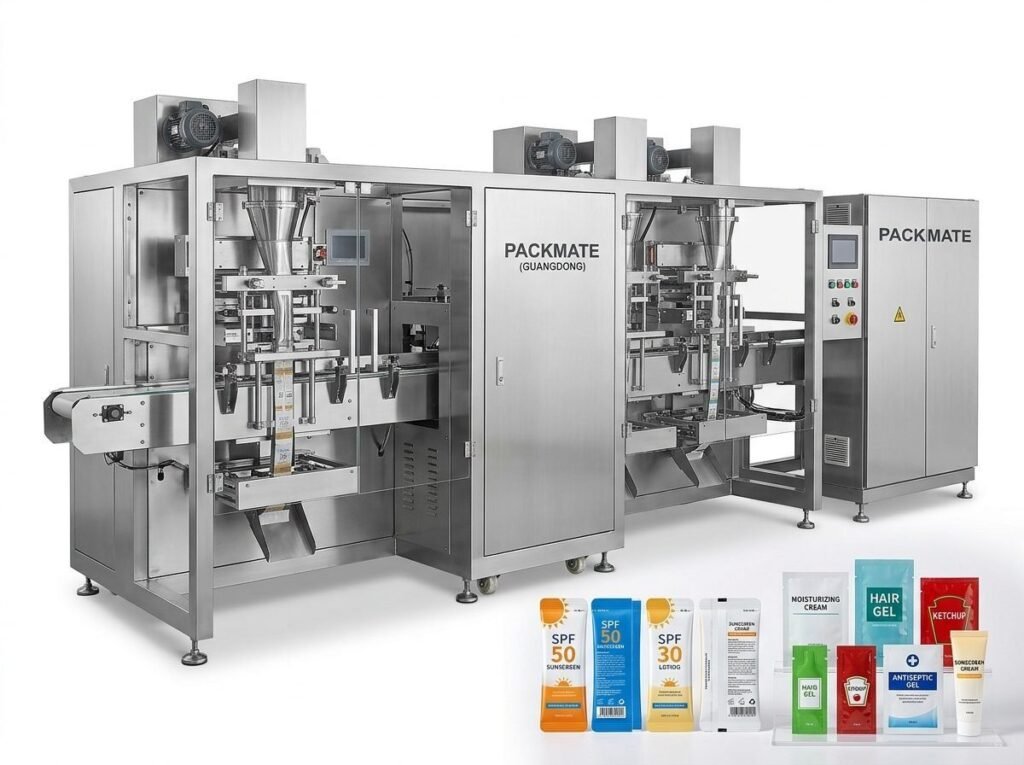
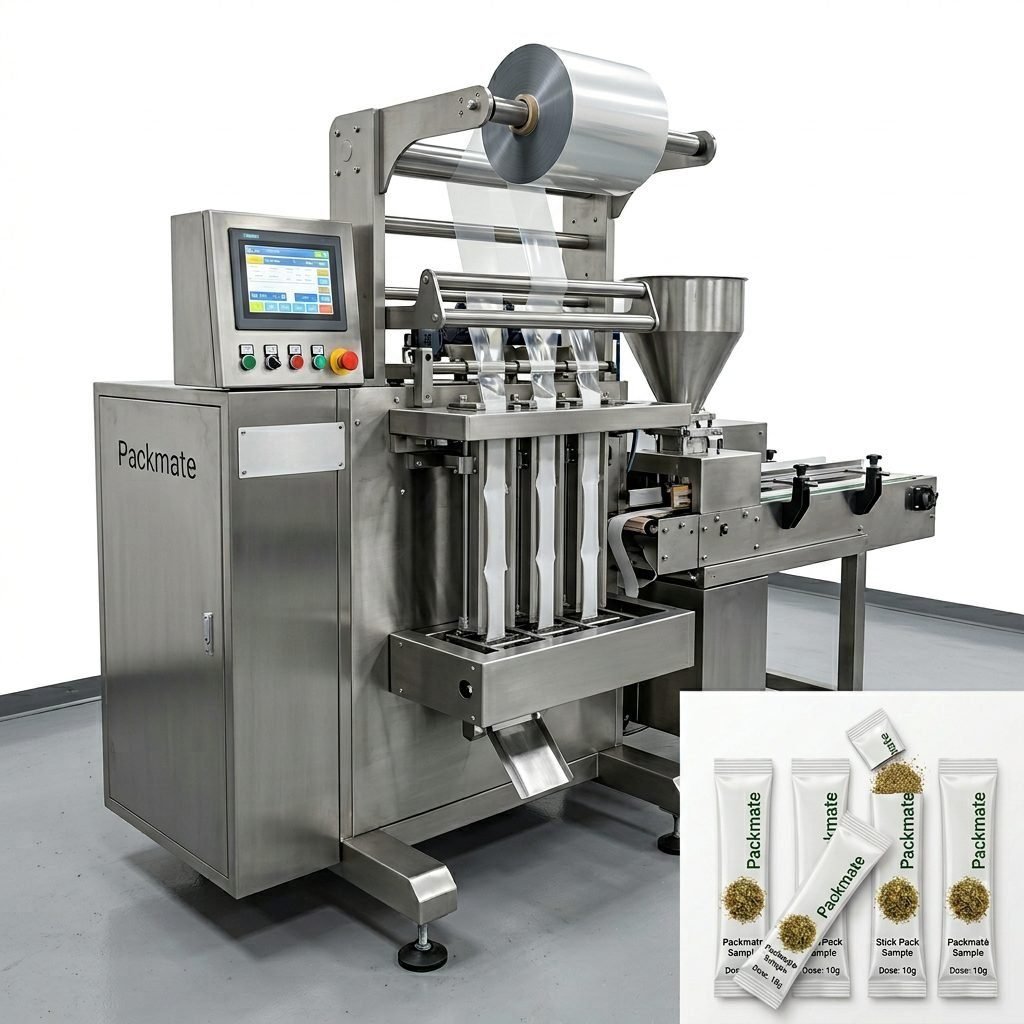
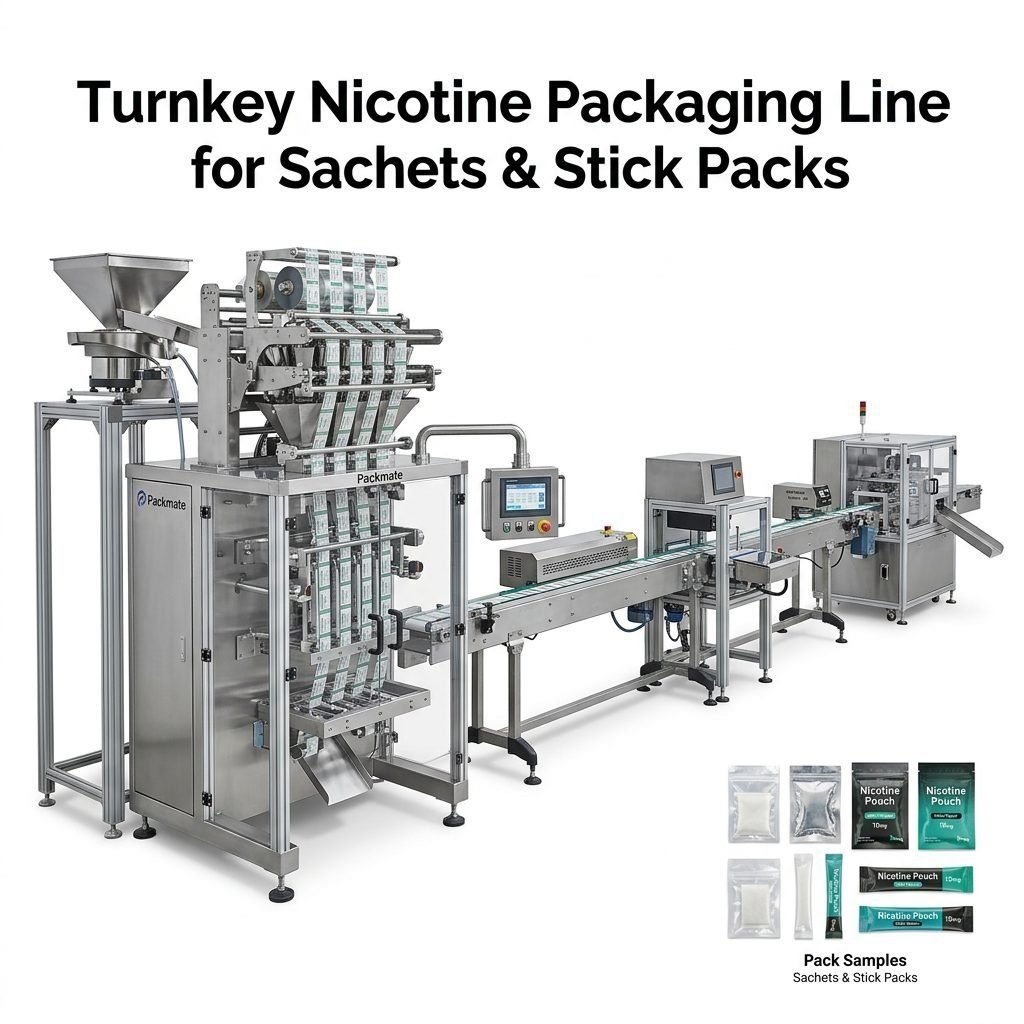
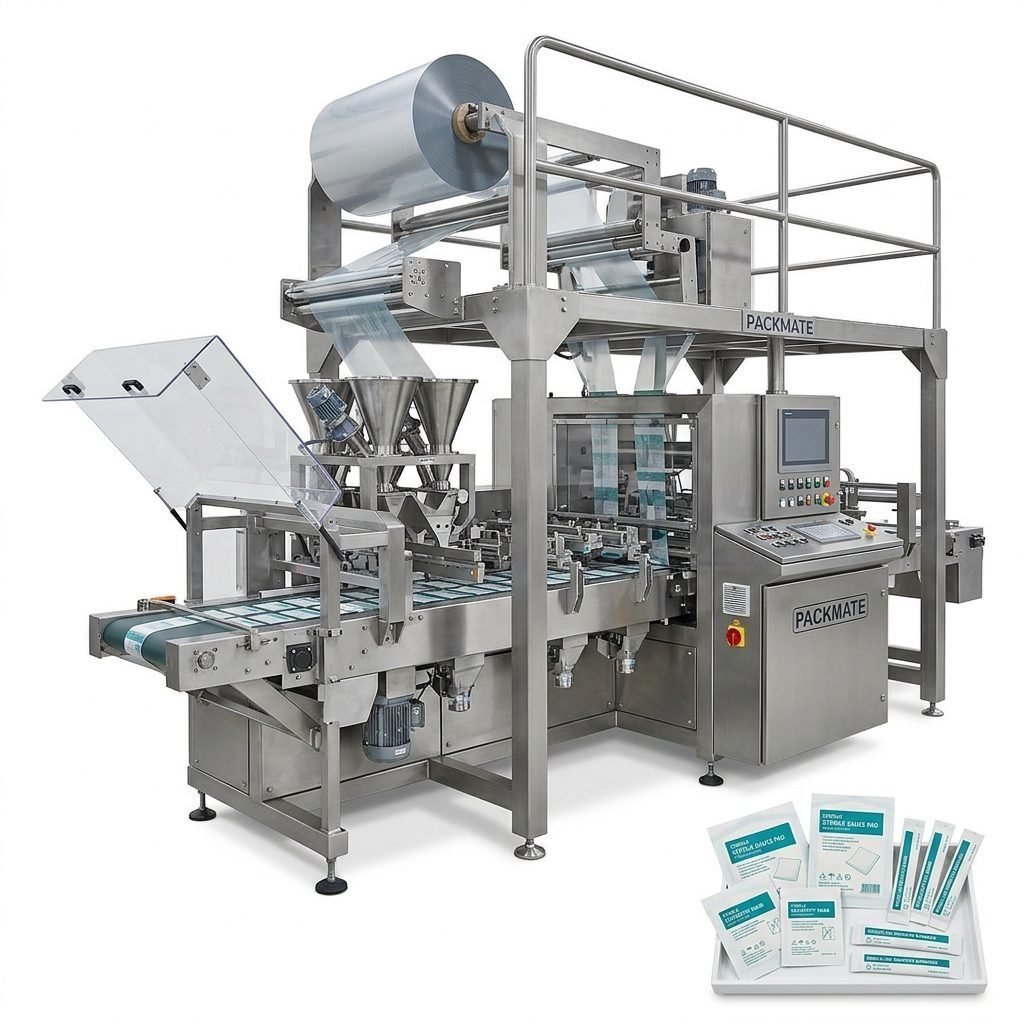
Perfect for instant coffee, coffee mixes, or premium single-origin ground coffee samples, these machines produce small, sealed pouches. Sachet & Stick Pack Machines are ideal for creating convenient, portion-controlled products that cater to on-the-go consumers or for use in hospitality. Modern multi-lane versions offer impressive speeds, making them efficient for high-volume production of promotional items or retail samples.
Key Advantage:
They offer exceptional flexibility in packaging design and are excellent for market testing new blends or creating low-cost entry products without committing to large bag formats.
Bag and Pouch Packaging Machines
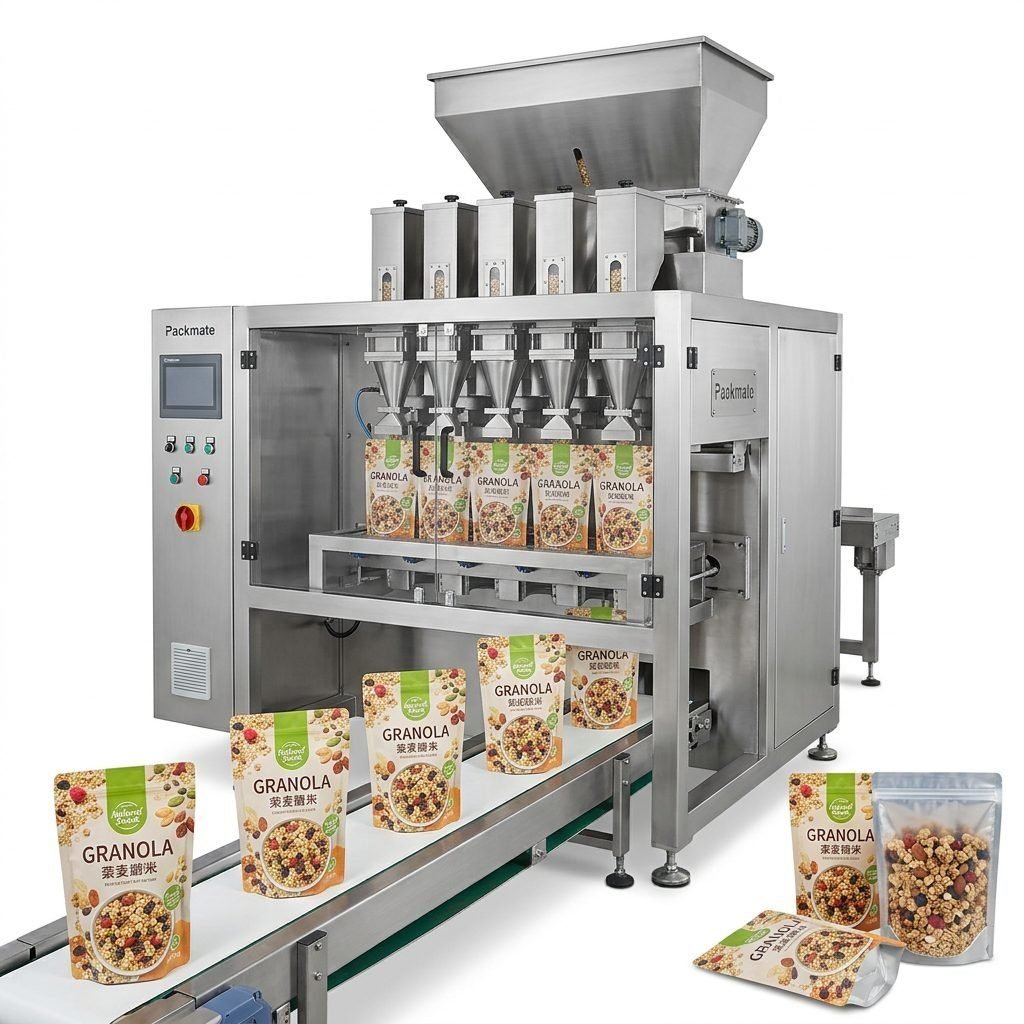
This is the most common category for retail coffee, encompassing everything from 250g whole bean bags to 1kg ground coffee pouches. Bag & Pouch Packaging Machines can handle flat-bottom, stand-up, side-gusseted, and three-side-seal pouches. They often integrate with weighing systems for precise filling and can include features for gas flushing (nitrogen or carbon dioxide) to create a modified atmosphere that drastically extends shelf life by displacing oxygen.
Integrated Weighing and Packaging Systems
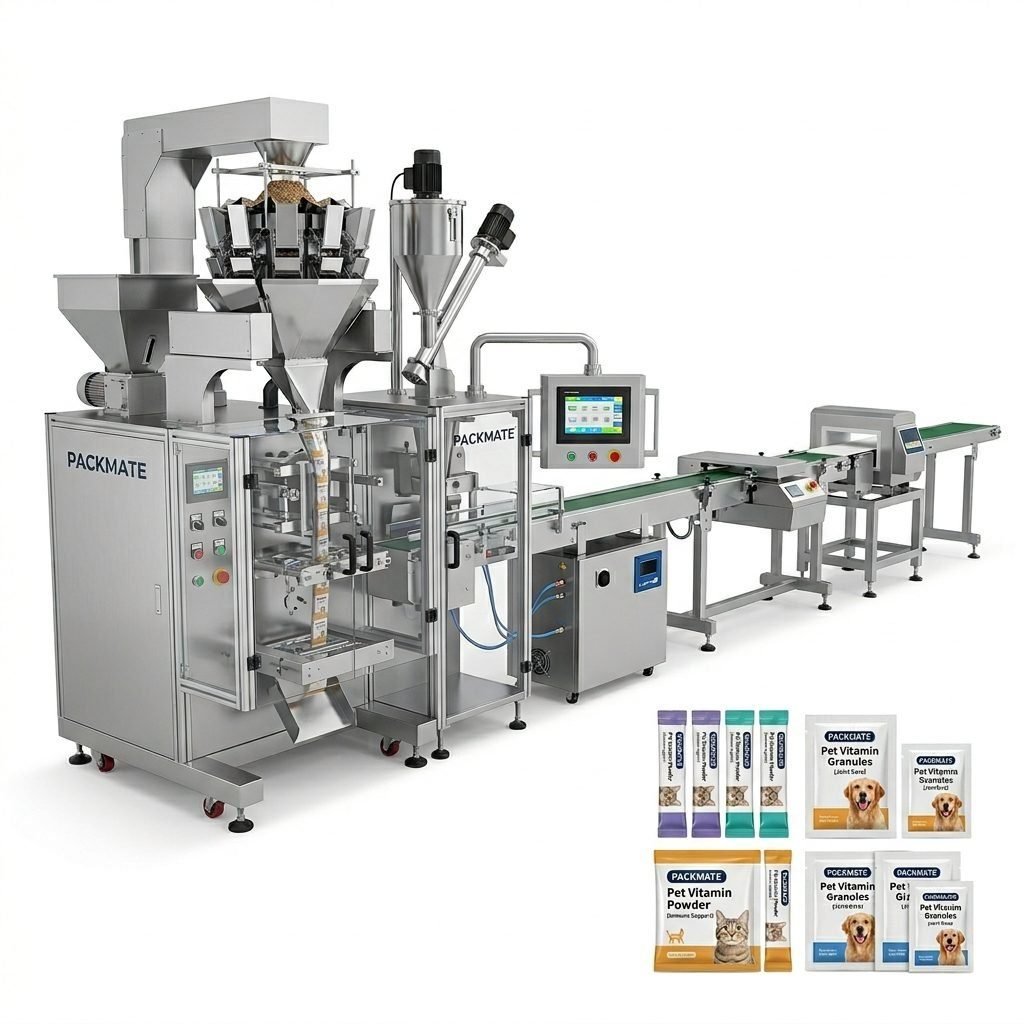
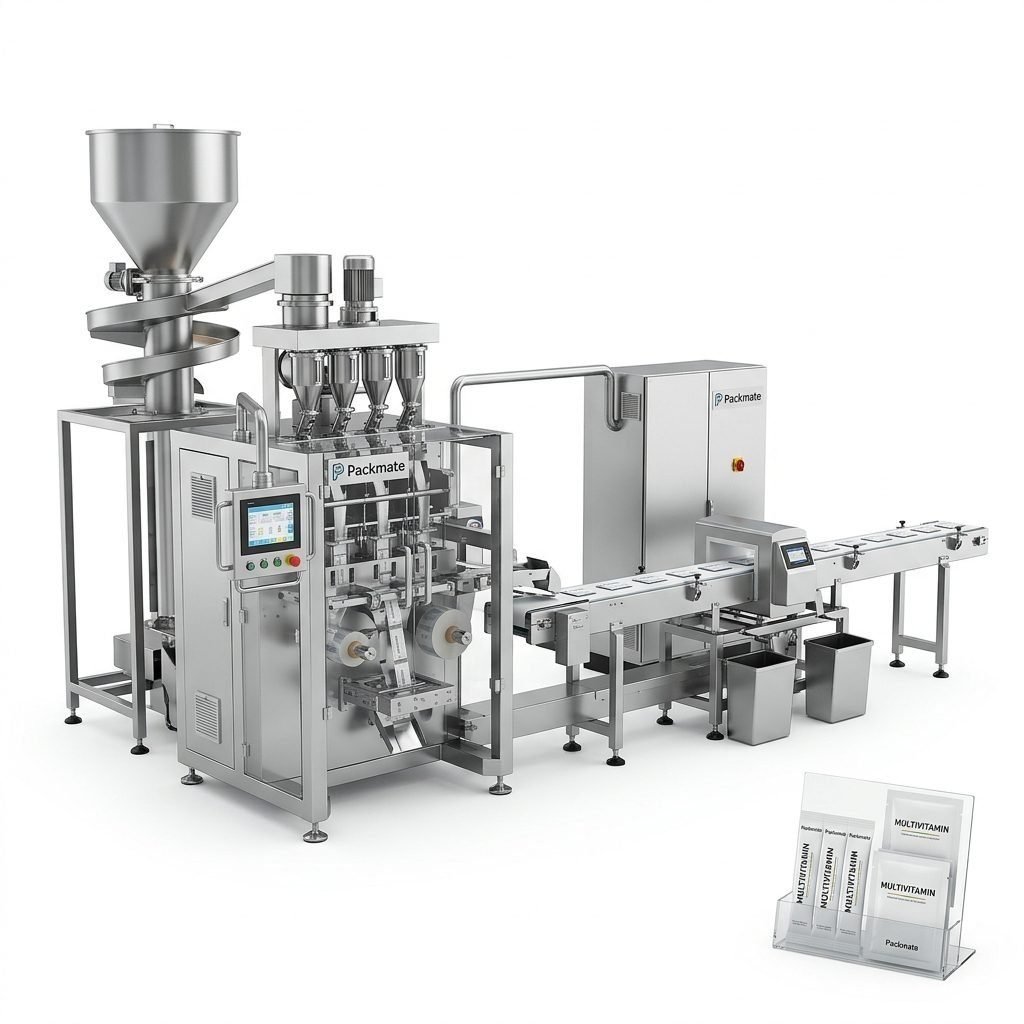
For operations focused on accuracy and efficiency, a combined system is paramount. These lines seamlessly integrate precision scales with the packaging machine. The coffee is weighed to exact specifications—critical for cost control and regulatory compliance—before being automatically transferred into the forming bag or pre-made pouch. This automation minimizes waste and maximizes throughput. Explore options for Weighing & Packaging Systems to understand how they streamline the production process.
Complete Filling and Packaging Lines
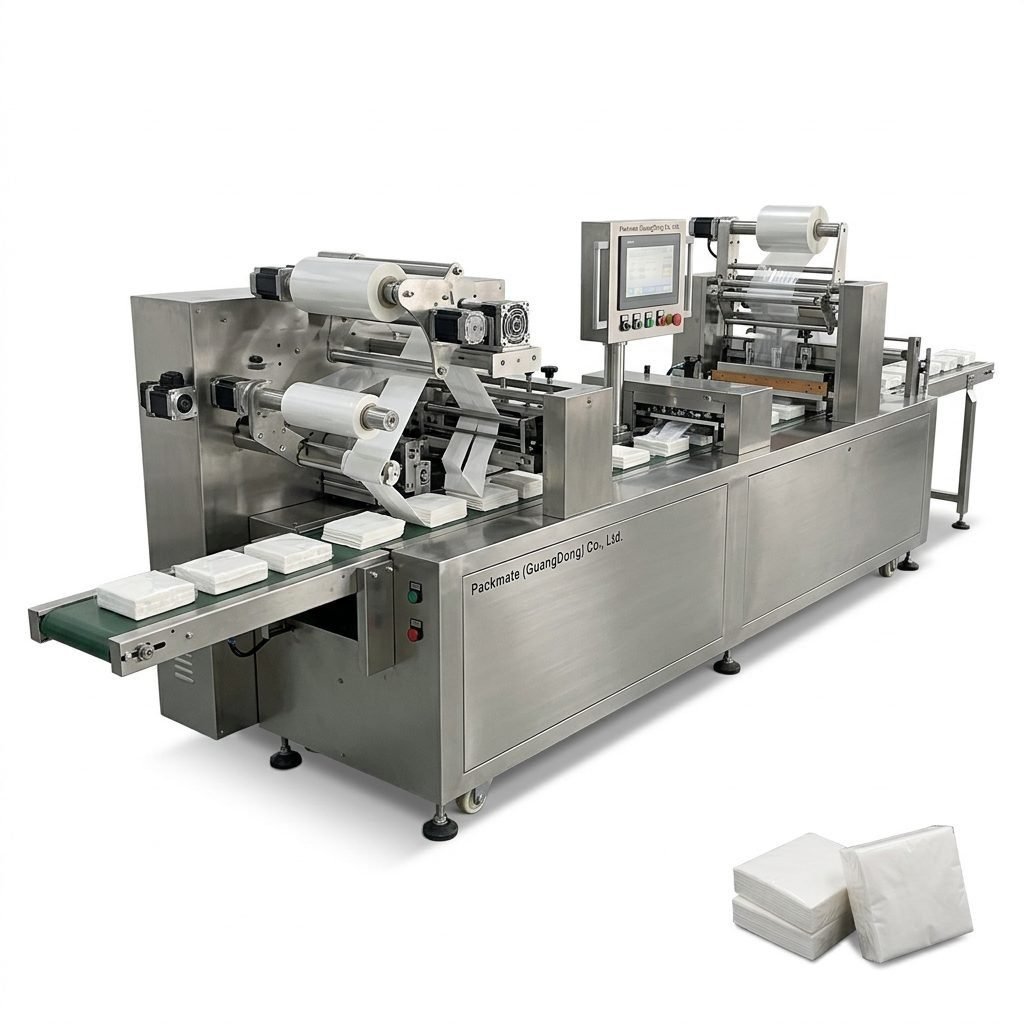
For large-scale production, a turnkey line is the solution. These systems are engineered to perform a sequence of operations: forming the bag from roll stock, precisely filling it with coffee, evacuating air and flushing with inert gas, sealing, and finally coding or labeling. A robust Filling & Packaging Line provides a cohesive, high-speed solution that reduces manual handling and ensures consistent, high-quality output.
The Tangible Benefits of Investing in Professional Packaging Equipment
Moving beyond manual or semi-automatic methods to an automated coffee packaging machine delivers a significant return on investment through multiple channels.
Extended Shelf Life and Freshness Preservation: Oxygen is coffee’s greatest enemy, leading to staleness and flavor degradation. Automated machines with integrated gas flushing capabilities create a protective atmosphere inside the package, preserving aroma and taste for months. This allows for broader distribution and reduces product returns.
Enhanced Product Presentation and Brand Consistency: A machine produces clean, uniform, and professional seals every time. This consistency strengthens brand perception on the shelf. The ability to use high-quality laminates or films also allows for superior printing quality, making your design and logo stand out.
Operational Efficiency:
Automation directly translates to higher output with lower labor costs. What takes a team minutes to do manually, a machine can accomplish in seconds. This efficiency frees up staff for quality control, logistics, and other value-added tasks, while also allowing your business to scale production up or down with demand more easily.
Reduced Material Waste and Cost Savings: Precision filling minimizes product giveaway, and accurate sealing reduces the rate of rejected packages due to leaks or imperfections. Over time, these savings on both coffee and packaging materials contribute substantially to the bottom line.
Improved Hygiene and Safety: Automated packaging limits direct human contact with the product, which is a critical factor in food safety. Enclosed systems protect the coffee from environmental contaminants, ensuring a cleaner, safer product for the end consumer.
How to Choose the Right Coffee Packaging Machine: A Step-by-Step Guide
Selecting equipment is a strategic decision. Follow this framework to align your choice with your business goals.
Step 1: Analyze Your Product and Packaging Format
Define the specifics: Are you packaging whole beans, fine grind, or pods? What is your target bag size and style (e.g., stand-up pouch with degassing valve)? The product’s characteristics directly determine the required filling technology (volumetric cup, auger filler, scale) and the type of film or laminate needed for an effective barrier.
Step 2: Evaluate Your Production Volume and Growth Plans
Be realistic about your current daily/weekly output and your projected growth for the next 3-5 years. A machine that runs at maximum capacity from day one offers no room for expansion. Conversely, buying a vastly oversized machine is a capital drain. Look for modular systems or machines with speed ranges that can grow with you.
Pro Tip:
Partner with a manufacturer like Packmate Machinery, which has over 30 years of expertise, as they can provide scalable solutions and advise on future-proofing your investment based on real-world case studies.
Step 3: Consider Key Machine Features and Specifications
Create a checklist of non-negotiable features. This likely includes: Gas flushing capability for freshness, compatibility with your desired packaging materials, ease of changeover for different bag sizes, user-friendly PLC control interface, and robust construction for durability. Also, consider auxiliary needs like an inline date coder or labeler.
Step 4: Assess Supplier Reliability and After-Sales Support
The machine is a long-term asset, and the supplier is your long-term partner. Investigate the manufacturer’s reputation, history, and commitment to support. Do they offer comprehensive training, readily available spare parts, and responsive technical service? A company with a strong track record, like one with a 20,000㎡ modern facility and a history of innovation, is often a safer bet than an unknown vendor.
Step 5: Calculate Total Cost of Ownership (TCO)
Look beyond the initial purchase price. Factor in installation costs, expected maintenance, energy consumption, required operator training, and the long-term availability and cost of spare parts. A slightly higher upfront cost for a more reliable, efficient machine from a reputable supplier almost always results in a lower TCO and less downtime.
Frequently Asked Questions (FAQs)
What is the most important feature to look for in a coffee packaging machine?
For most coffee products, an integrated gas flushing (nitrogen flushing) system is paramount. It is the single most effective feature for preserving freshness and extending shelf life, which directly impacts product quality and customer satisfaction.
Can one machine handle different bag sizes and types of coffee?
Yes, many machines are designed with quick-changeover capabilities. You can switch between different bag dimensions and, often, between whole bean and ground coffee by changing the forming parts and adjusting the filling system (e.g., switching from a scale to a volumetric cup). However, the ease and speed of this changeover vary by model, so it’s a key question to ask suppliers.
How much floor space is typically required for an automated packaging line?
Space requirements vary widely. A compact vertical form-fill-seal machine might need only 4-6 square meters. A full integrated line with a weigh scale, metal detector, and conveyor could require 15-25 square meters. Always request the machine footprint layout from the manufacturer during the planning stage.
What kind of maintenance do these machines require?
Regular daily cleaning is essential. Periodic maintenance includes lubricating moving parts, checking seal jaw temperatures and pressures, inspecting and replacing worn components like sealing jaws or cutting blades, and ensuring electrical connections are secure. A good supplier will provide a detailed maintenance schedule and training.
Is it better to buy a new machine or a used one?
For a core production asset, a new machine from a reliable manufacturer is generally recommended. It comes with a full warranty, the latest technology, energy efficiency, and manufacturer support. A used machine can be a cost-effective option for a secondary line or very limited budget, but it carries risks like hidden wear, obsolete parts, and limited or no technical support, which can lead to costly downtime.