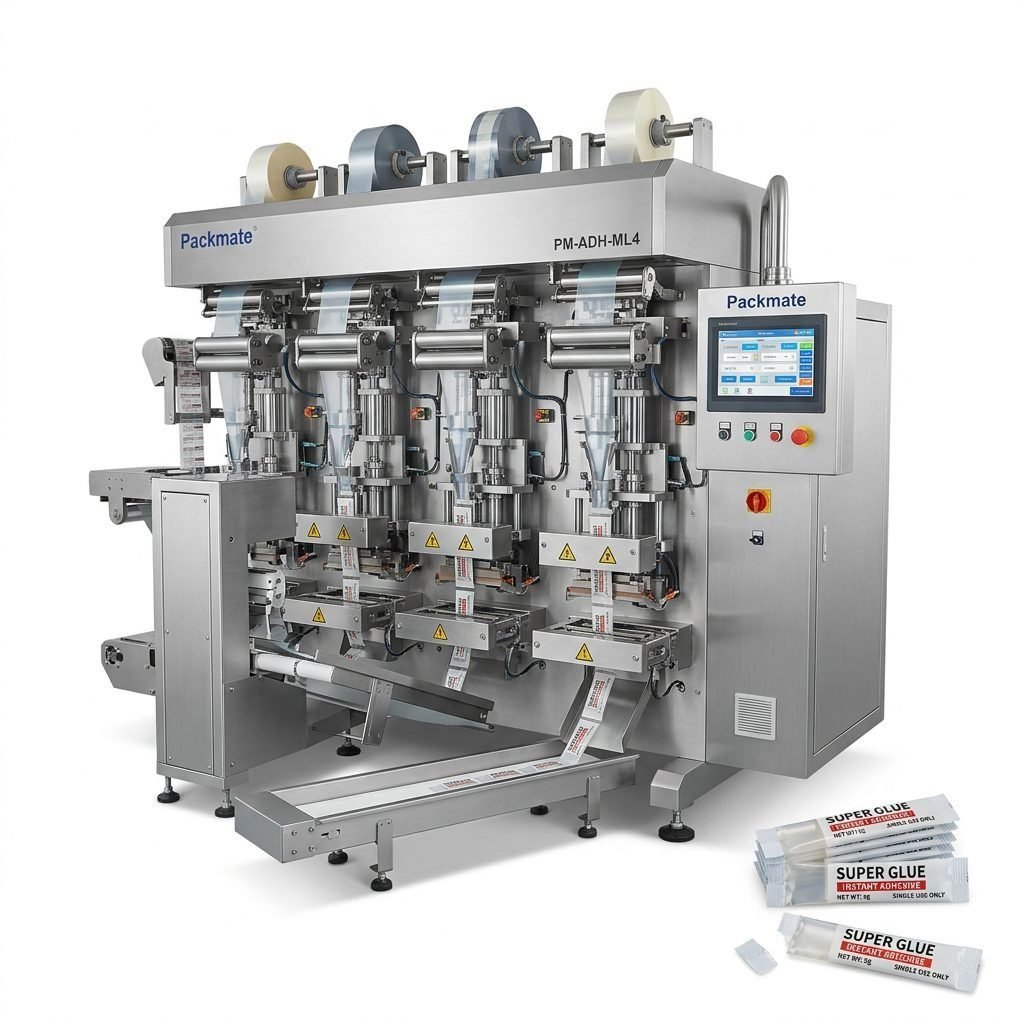
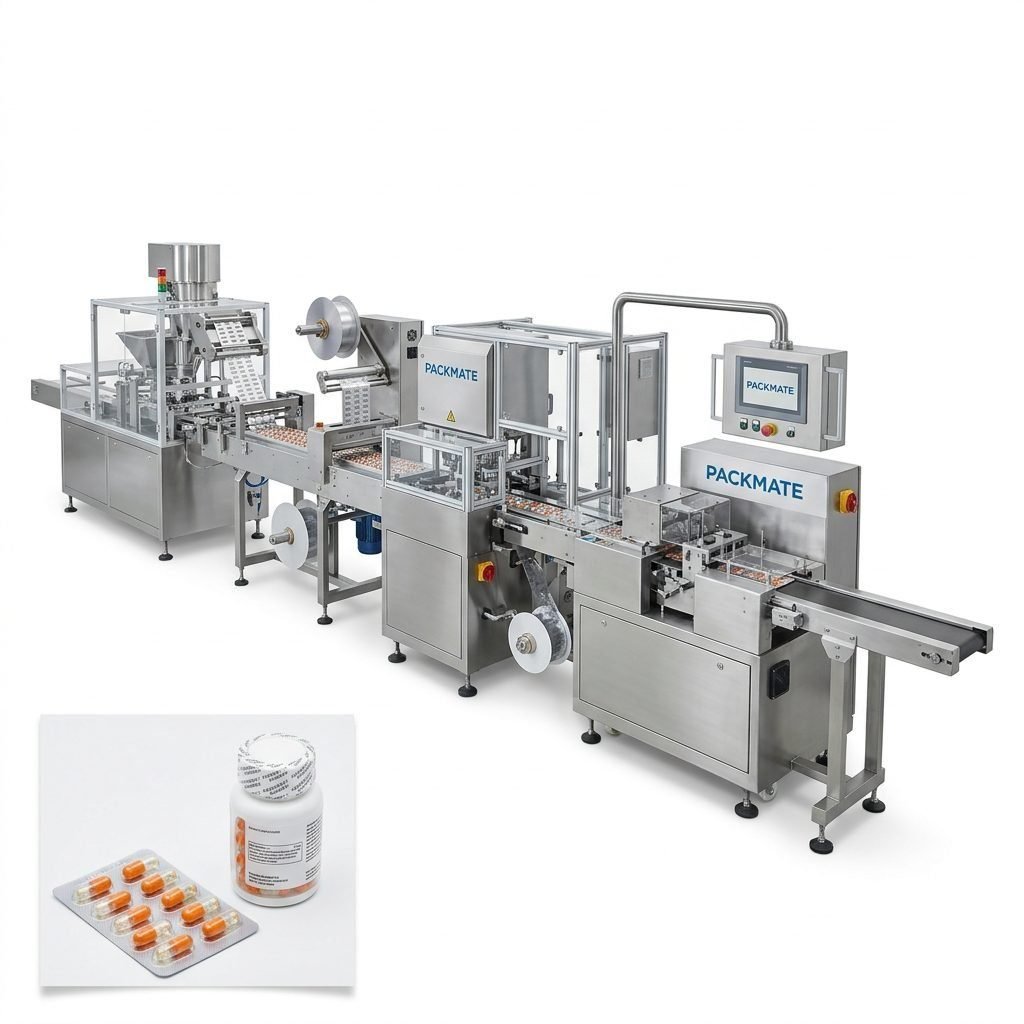
In the world of packaging, primary packaging gets the most attention as it directly touches the product. However, the crucial role of secondary packaging in protecting, branding, and streamlining logistics cannot be overstated. Secondary packaging machines are the workhorses that automate the assembly of cartons, cases, trays, and wraps around primary packages, transforming them into secure, salable, and shippable units. This guide delves into the types, significant benefits, and key considerations for selecting the right secondary packaging machinery for your production line.
Understanding Secondary Packaging and Its Machines
Secondary packaging refers to the outer layer that groups primary packages together. Its purposes are multifaceted: it provides physical protection during transit, creates a branded presentation for retail shelves (like a 12-pack soda carton), and facilitates efficient handling and distribution. Secondary packaging machines automate these processes, replacing slow, inconsistent, and labor-intensive manual operations with high-speed, precise, and reliable systems.
Core Function:
These machines take primary packages (bottles, pouches, cans, etc.) and efficiently form them into grouped units—such as cartons, trays, or shrink-wrapped bundles—ready for palletizing and shipment.
Major Types of Secondary Packaging Machines
The technology varies based on the packaging material and the desired final pack style. Here are the most common types:
1. Cartoning Machines
These are perhaps the most ubiquitous secondary packers. They erect, load, and seal pre-glued or lock-style cartons. Variations include:
- Horizontal Cartoners: Products are loaded horizontally into the carton. Ideal for items like bottles, vials, or multiple sachets placed side-by-side.
- Vertical Cartoners: Products are dropped vertically into the carton from above. Perfect for stacked items, bags of snacks, or single tall products.
- Wrap-Around Cartoners: These form a carton from a flat blank directly around the product group, offering excellent material efficiency and a tight, secure fit.
2. Case Packers and Erectors
Designed for heavier-duty applications, these machines form regular slotted containers (RSCs) or trays from flat corrugated blanks and then automatically load primary packages or cartoned groups into them. They are essential for creating shipping cases for bulk distribution. For high-volume operations, integrating a case packer with a complete filling & packaging line creates a seamless workflow from product to shippable pallet.
3. Shrink Wrapping Machines
This method uses a loose sleeve or overwrap of plastic film that is then heated, causing it to shrink tightly around the product bundle. It’s highly versatile, cost-effective for bundling multiple items (e.g., water bottles, canned goods), and provides good stability and weather resistance. A robust auxiliary equipment portfolio often includes tunnel sealers and L-sealers for this purpose.
4. Tray Forming and Packing Systems
These systems form trays from paperboard or corrugated blanks and then place products into them. The tray can be the final retail unit or can be subsequently shrink-wrapped or placed into a larger case. They offer an excellent balance of presentation and protection.
5. Multipacking Machines
Specialized machines that group primary packages using carriers, clips, or adhesive applied directly to the products (like can multipacks). They minimize material usage compared to full cartons.
The Compelling Benefits of Automation
Investing in automated secondary packaging machinery delivers a substantial return on investment across several key areas:
Operational Efficiency & Cost Savings
Machines operate at consistent, high speeds far beyond manual capabilities, dramatically increasing output. They reduce direct labor costs, minimize errors like incorrect counts or poor sealing, and lower material waste through precise forming and application.
Enhanced Product Protection & Quality
Automated systems apply uniform pressure and sealing, ensuring every unit is securely packaged. This reduces damage in transit, leading to fewer customer returns and protecting brand reputation. Consistent, professional-looking packs also enhance shelf appeal.
Improved Worker Safety & Ergonomics
Automation removes workers from repetitive, strenuous tasks like bending, lifting, and constant motion, significantly reducing the risk of musculoskeletal injuries and creating a safer work environment.
Scalability and Flexibility
Modern machines, especially from innovative manufacturers like Packmate Machinery, are designed with changeover in mind. Quick-adjust mechanisms and programmable logic controllers (PLCs) allow faster transitions between different pack patterns or sizes, supporting production agility.
Your Guide to Selecting the Right Machine
Choosing the ideal secondary packaging machine requires a careful analysis of your specific needs. Use this checklist to guide your decision:
1. Analyze Your Product and Primary Package
- Physical Characteristics: Size, weight, shape, and fragility of your primary containers (bottles, sachets, cans).
- Surface & Material: Is the surface suitable for adhesive? Is it prone to scuffing?
- Grouping Pattern: How many units per pack? (e.g., 6, 12, 24). What is the arrangement? (e.g., 3×2, 4×3).
2. Define Your Output Requirements
- Production Speed (Units/Minute/Hour): Match the machine’s speed to your upstream filling and primary packaging lines to avoid bottlenecks.
- Shift Patterns & Uptime: Consider required daily output and the machine’s reliability and ease of maintenance.
3. Choose the Secondary Packaging Style
Decide based on marketing needs, supply chain requirements, and cost:
Cartons for premium branding,
Shrink Wrap for economy and visibility,
Trays for stability. The choice may also dictate the machine type, such as a specific bag & pouch packaging machine feeder system.
4. Evaluate Machine Features and Supplier
- Flexibility & Changeover: How quickly can it switch between products or pack sizes? Look for tool-less adjustments.
- Construction & Durability: Robust frame, quality components (motors, drives, sensors).
- Control System & Integration: User-friendly HMI (Human-Machine Interface), connectivity for Industry 4.0 data collection.
- Supplier Reputation & Support: Choose an established manufacturer with proven expertise, like Packmate Machinery with over 30 years in intelligent packaging solutions. Assess their technical support, spare parts availability, and training offerings.
5. Consider Total Cost of Ownership (TCO)
Look beyond the initial purchase price. Factor in installation, operational costs (energy, consumables), maintenance, potential for future upgrades, and the expected lifespan of the equipment.
Finalizing Your Investment
Always request a product sample test using your actual primary packages. A live demonstration at the supplier’s facility or a reference site is invaluable. It validates machine performance, output quality, and true changeover times, ensuring the machine is the right fit before commitment.
Frequently Asked Questions (FAQs)
1. What is the main difference between primary, secondary, and tertiary packaging?
Primary packaging is in direct contact with the product (e.g., bottle, pouch). Secondary packaging groups primary packages together for sale and handling (e.g., carton, shrink wrap). Tertiary packaging is for bulk handling and shipping, like pallets and stretch wrap.
2. How do I know if my production line needs a secondary packaging machine?
Consider automation if you face high labor costs, inconsistent pack quality, bottlenecks after primary packaging, increasing order volumes, or a high rate of in-transit damage. An audit of your post-primary packaging process will reveal these pain points.
3. Can one machine handle different sizes or types of secondary packs?
Yes, many machines are designed for flexibility. The key is the changeover time and complexity. Look for machines with quick-adjust features and digital settings recall. Discuss your full range of required pack configurations with the supplier during the selection process.
4. What are the common challenges with secondary packaging automation?
Initial integration with existing lines, training staff on operation and maintenance, and ensuring a consistent, jamming-free feed of primary packages into the machine are common hurdles. Partnering with an experienced supplier who provides comprehensive support is crucial to overcome these.
5. How important is the supplier’s after-sales service?
Extremely important. Reliable technical support, readily available spare parts, and operator/maintenance training are essential for maximizing machine uptime and lifespan. A supplier’s commitment to service is as critical as the quality of the machine itself.