The coffee industry thrives on consistency, speed, and presentation. In a market where consumer expectations are high and competition is fierce, the right packaging can be the difference between a product that flies off the shelves and one that gathers dust. An automatic coffee packaging machine is no longer a luxury but a fundamental necessity for roasters and producers aiming for efficiency, scalability, and brand integrity. This guide delves into the complete ecosystem of these machines, outlining efficient solutions that can transform your packaging line.
Understanding Automatic Coffee Packaging
At its core, an automatic coffee packaging machine is designed to measure, fill, and seal pre-formed bags or pouches with minimal human intervention. These systems handle various coffee formats—whole bean, ground, single-serve pods, and even instant coffee powders. The primary goal is to achieve a high-speed, accurate, and hygienic packaging process that protects the coffee’s freshness, aroma, and flavor from the production line to the consumer’s cup.
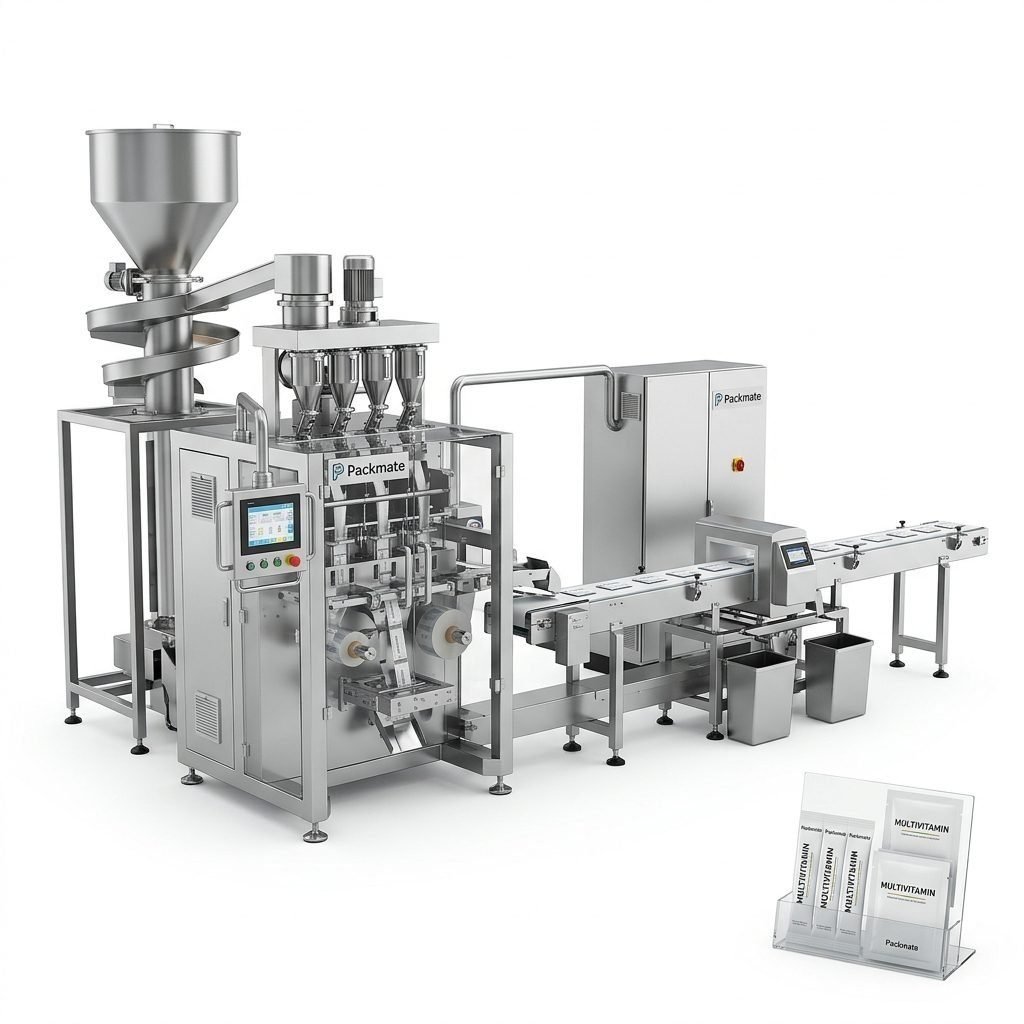
Key Components of a Packaging Line
A fully integrated line is more than just a filler. It typically includes:
- Bag Dispenser: Automatically feeds and opens empty pouches.
- Weighing & Filling System: The heart of the machine, ensuring precise weight measurement, crucial for cost control and regulatory compliance.
- Gas Flushing System (for modified atmosphere packaging): Replaces oxygen inside the bag with inert gases like nitrogen to dramatically extend shelf life.
- Sealing Unit: Creates a hermetic seal, often with date coding.
- Discharge Conveyor: Transfers finished packages for boxing or palletizing.
Types of Machines for Different Needs
Selecting the right machine depends on your production volume, bag style, and product type. Here are the main categories:
Vertical Form-Fill-Seal (VFFS) Machines
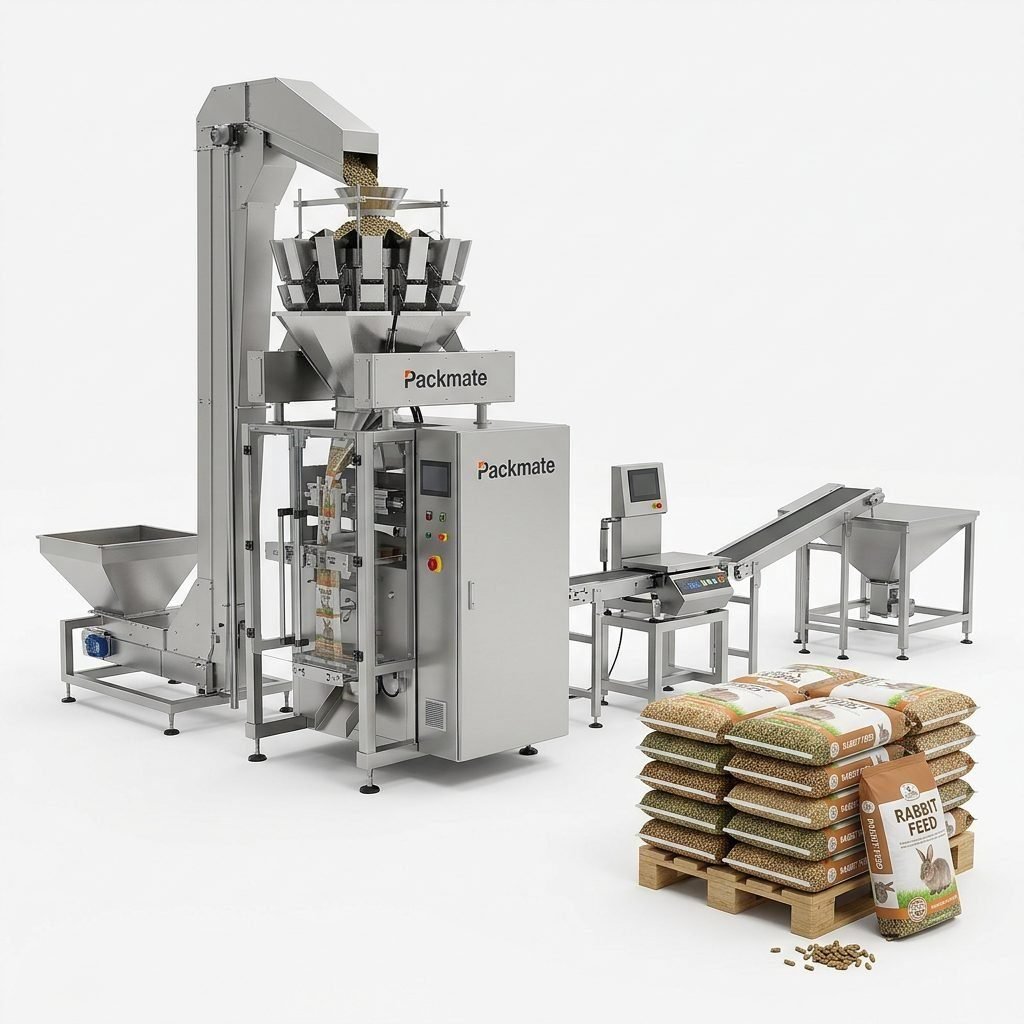
These are the workhorses of the industry. They form bags from a roll of film, fill them with product, and seal them in one continuous, vertical operation. Ideal for high-volume production of ground coffee or whole beans in stand-up pouches or flat bags. They offer excellent flexibility for bag size changes.
Pre-Made Pouch Fillers
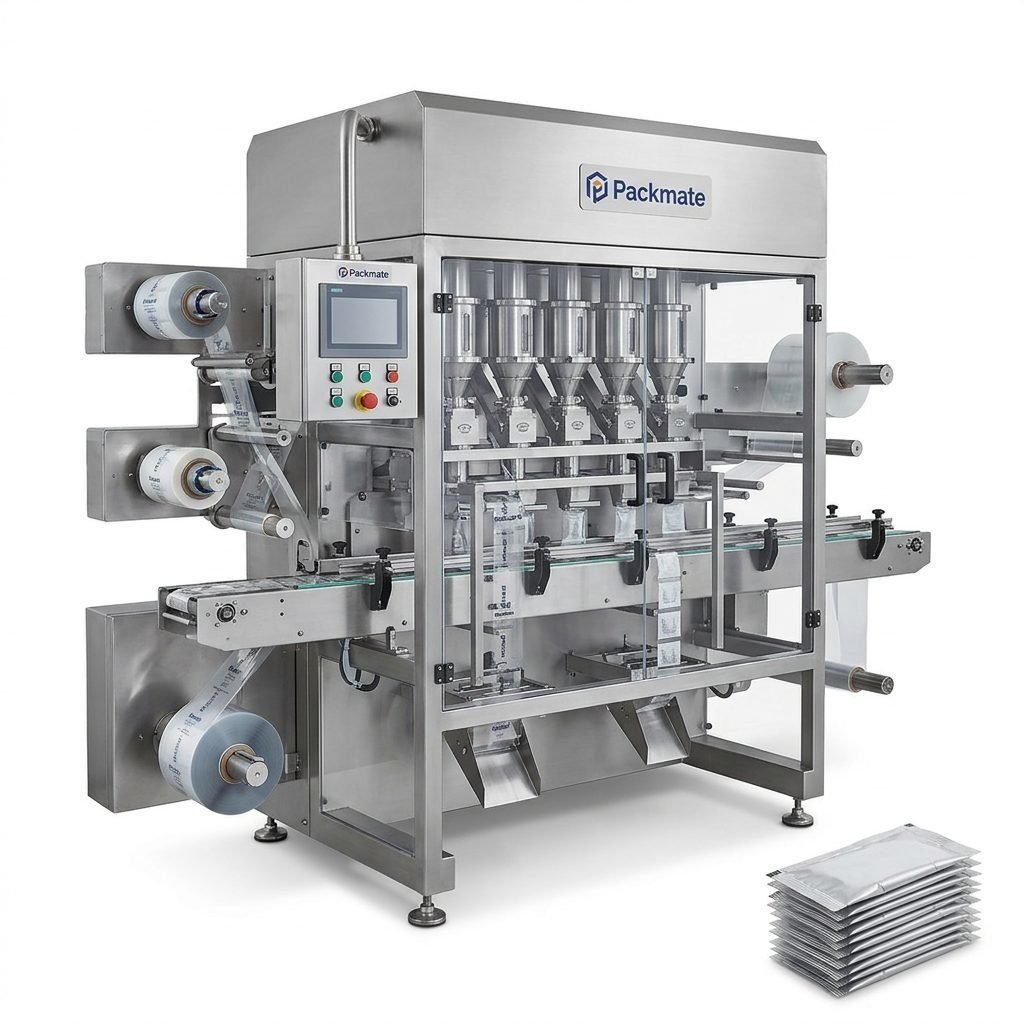
These machines use already manufactured, often more premium-looking, stand-up pouches with zippers or degassing valves. They are perfect for specialty coffee roasters who prioritize bag design and brand image. The process involves picking, opening, filling, gas flushing, and sealing the pre-made pouch.
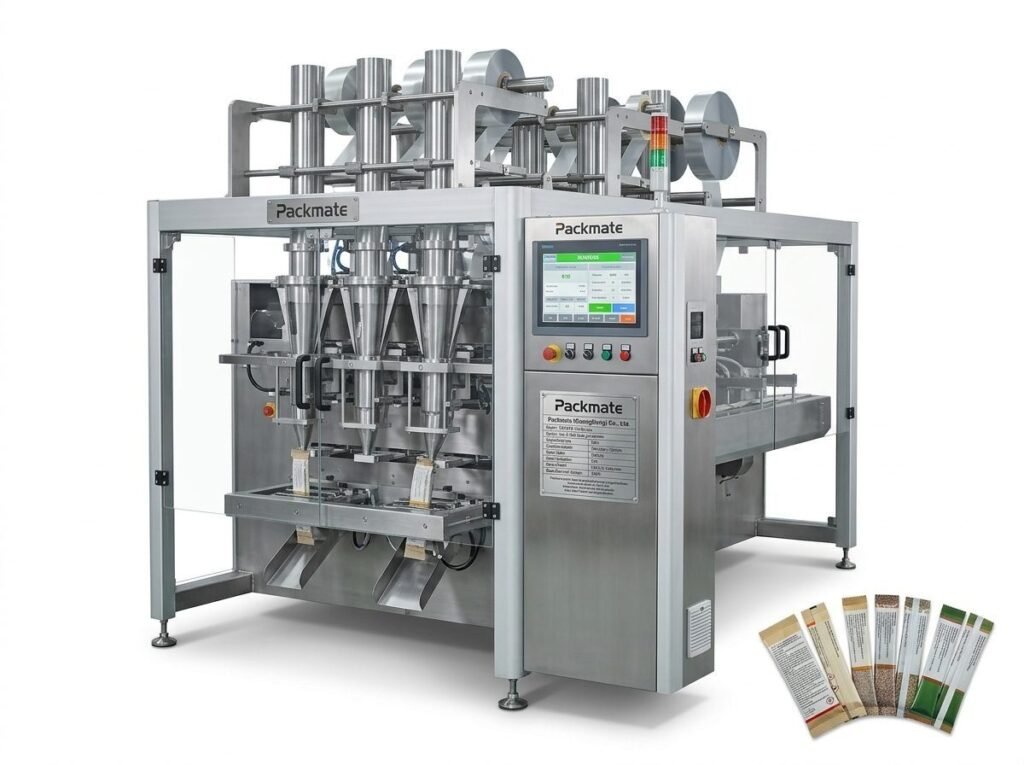
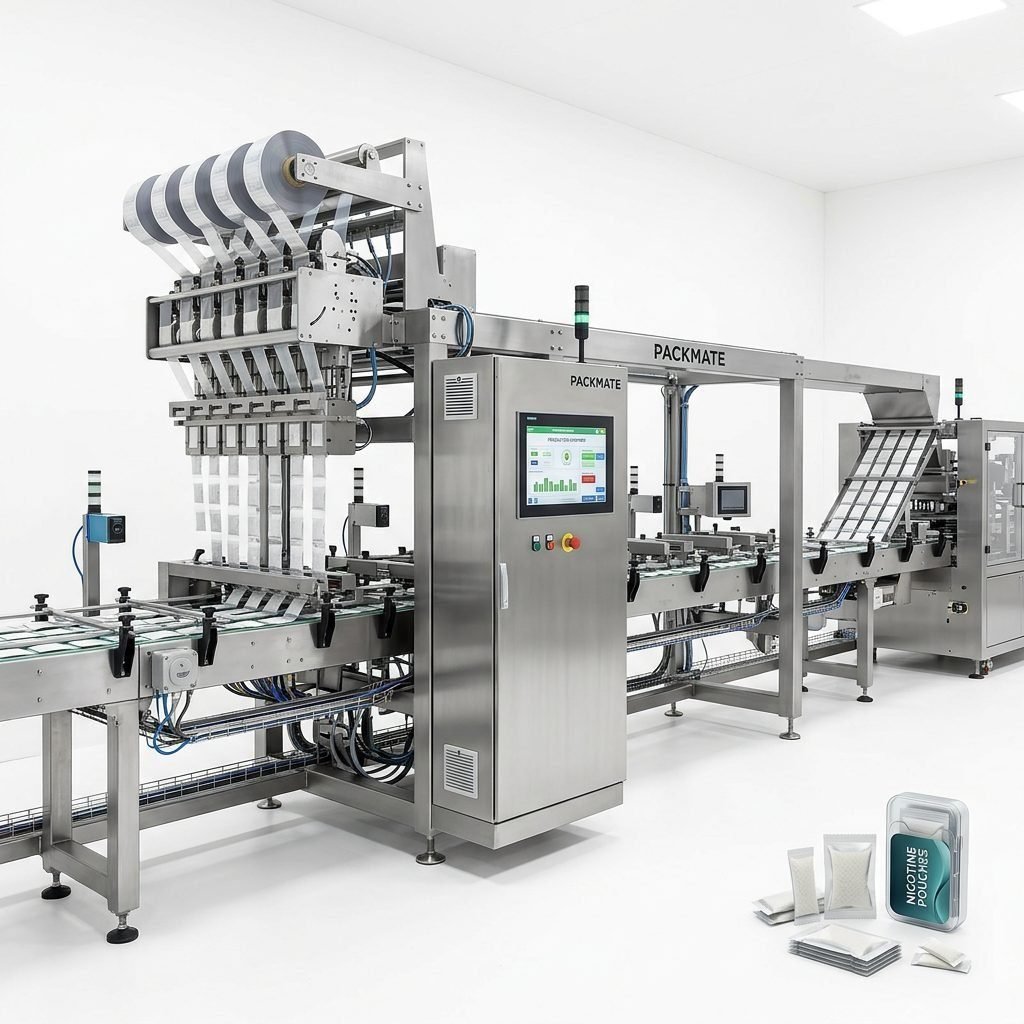
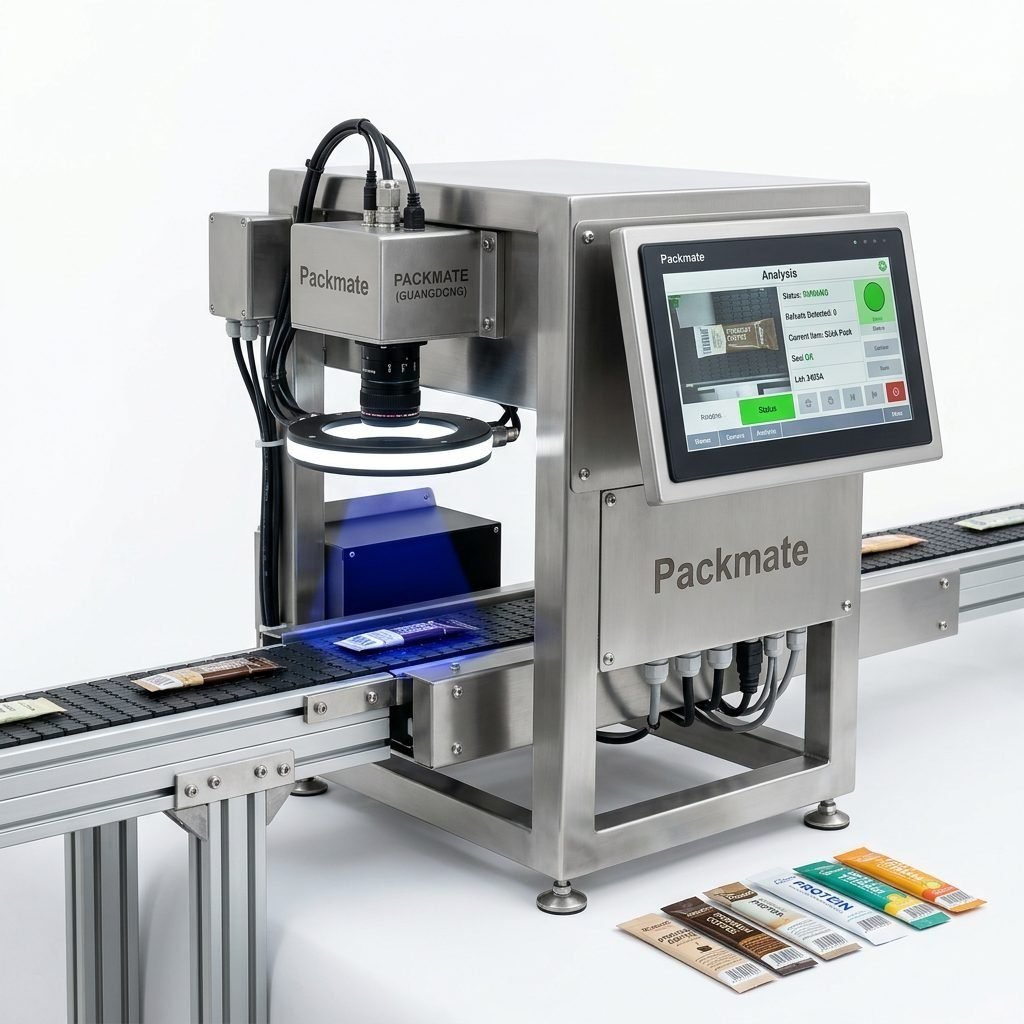
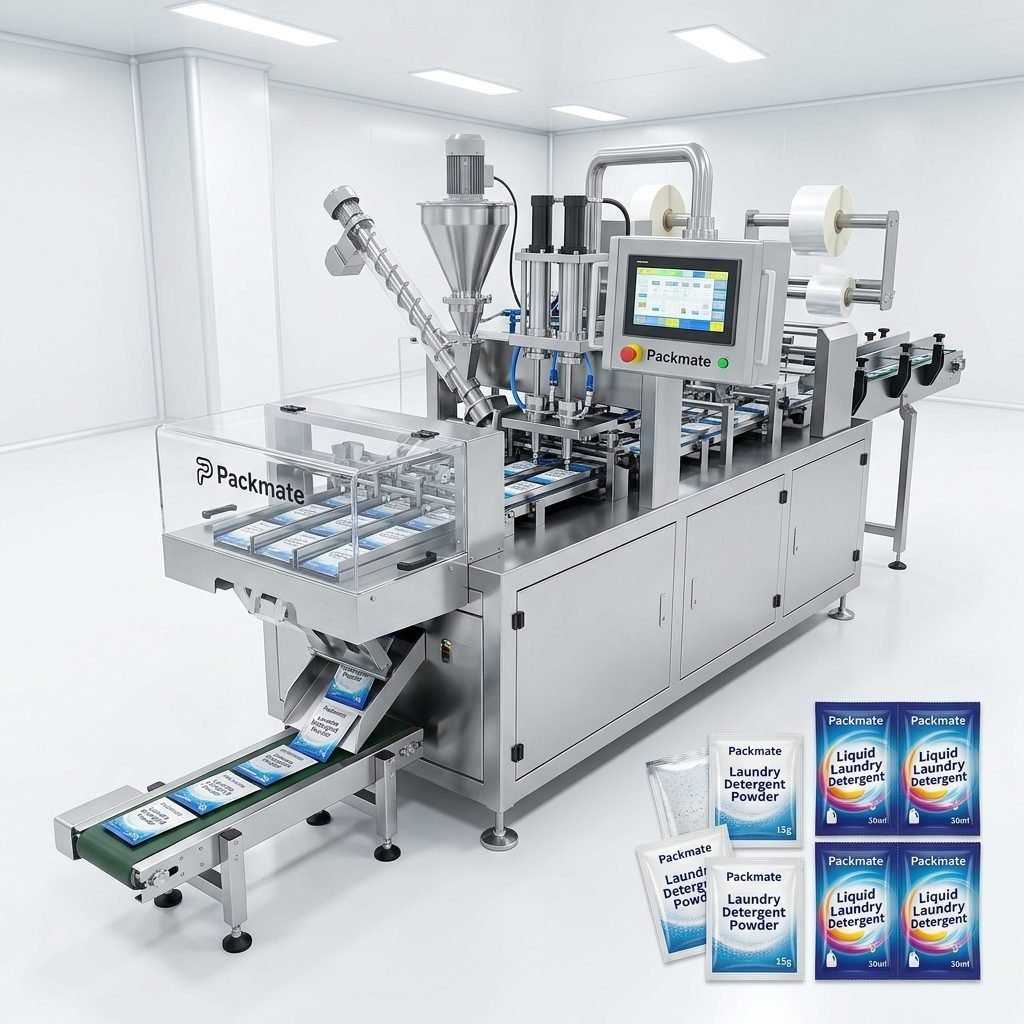
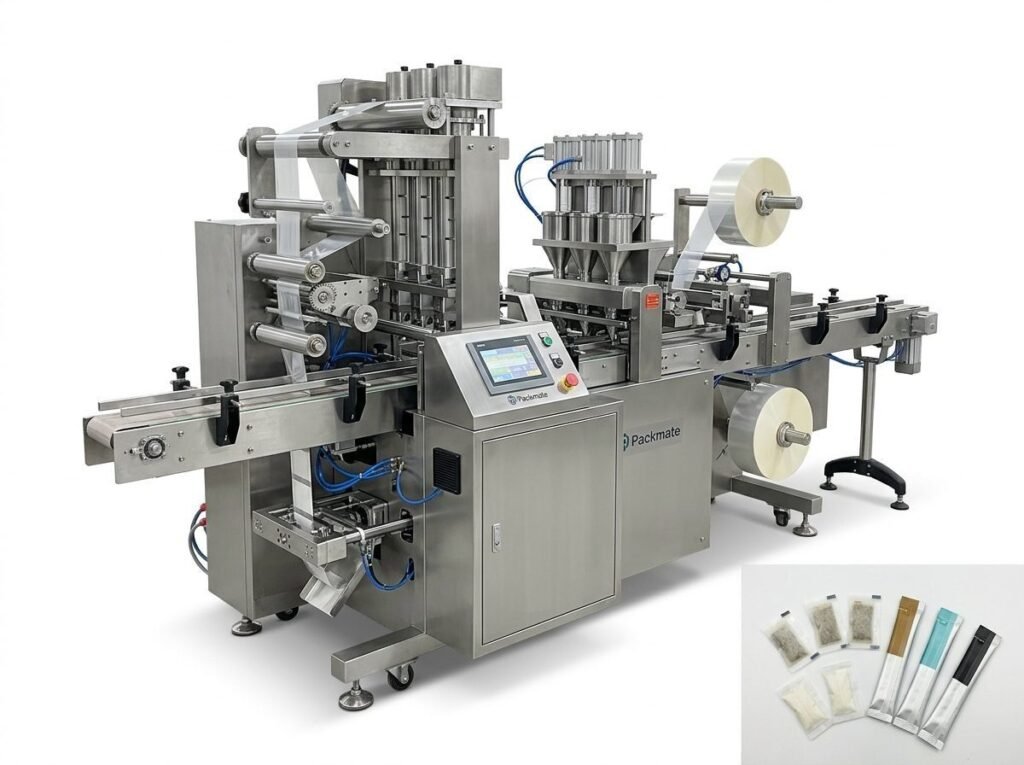
For specialized formats like single-serve stick packs or sachets for instant coffee mixes, multi-lane stick pack and sachet packaging lines are the optimal choice, offering incredible speeds for portion-controlled products.
The Drive for Efficiency: What to Look For
Efficiency isn’t just about speed. It encompasses uptime, changeover time, waste reduction, and energy consumption.
- Speed & Output: Measured in bags per minute (BPM). Match the machine’s capacity to your current and projected needs.
- Accuracy: Look for machines with multi-head weighers or precision auger fillers to minimize product giveaway, a critical factor with a valuable commodity like coffee.
- Quick Changeover: Systems that allow for fast bag size or product switches reduce downtime and enable smaller, more flexible production runs.
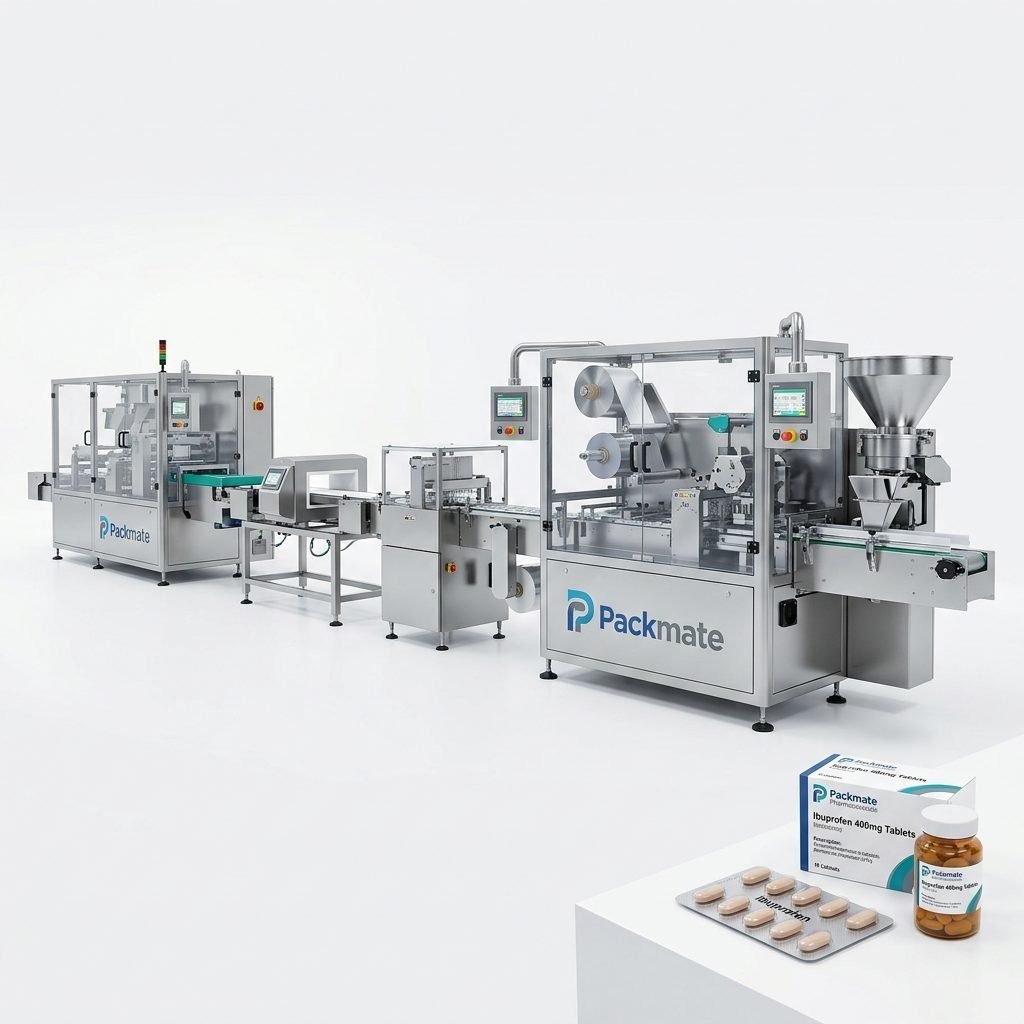
- Integrated Solutions: A complete filling and packaging line from a single supplier, like Packmate Machinery, ensures compatibility, simplifies training, and provides single-point service support.
The Role of a Trusted Manufacturer
Investing in packaging machinery is a significant decision. Partnering with an experienced manufacturer is crucial. A company like Packmate (GuangDong) Co., Ltd., with over 30 years of expertise, brings more than just hardware. They bring a deep understanding of the challenges in packaging granules and powders. Their 20,000㎡ modern facility and commitment to R&D translate into reliable, innovative machines designed for real-world production environments. From the initial consultation to after-sales service, a strong partner ensures your packaging line is an asset, not a liability.
Beyond the Machine: Ensuring Success
Deploying an automatic packaging solution requires planning.
- Packaging Material: The machine must be compatible with your chosen film or pouch structure. Work with your supplier to test materials for seal integrity and machinability.
- Factory Environment: Ensure you have adequate space, stable power, compressed air, and a clean, dry environment, especially for hygroscopic products like coffee.
- Operator Training: Well-trained staff are essential for routine operation, basic troubleshooting, and preventive maintenance, maximizing machine lifespan.
Ultimately, the right automatic coffee packaging machine streamlines your operation, safeguards product quality, and presents your brand professionally. It’s an investment that pays dividends in reduced labor costs, minimized waste, and enhanced market competitiveness.
Frequently Asked Questions (FAQs)
1. What is the typical speed range for an automatic coffee packaging machine?
Speeds vary widely based on the machine type and bag size. Vertical Form-Fill-Seal machines can range from 30 to over 120 bags per minute. Pre-made pouch fillers typically operate between 20 to 60 bags per minute. High-speed sachet lines for single-serve products can exceed 500 sticks per minute.
2. How does gas flushing work, and is it necessary for all coffee?
Gas flushing replaces the oxygen inside the coffee bag with an inert gas like nitrogen. This is highly recommended for whole bean and ground coffee to prevent oxidation and staling, significantly extending shelf life from weeks to months. It may be less critical for instant coffee powders but is still used for premium preservation.
3. Can one machine handle different bag sizes and coffee types?
Yes, most modern machines are designed for flexibility. The key is the changeover time and process. Machines with quick-change parts and recipe storage in the PLC (Programmable Logic Controller) allow producers to switch between different bag dimensions and products (e.g., from whole beans to fine grind) with minimal downtime, often in under 15-30 minutes.
4. What is the importance of weighing accuracy in coffee packaging?
Weighing accuracy is paramount for two main reasons: cost control and regulatory compliance. Overfilling (giveaway) directly erodes profit margins on every bag. Underfilling can lead to customer complaints and legal issues for selling underweight products. Precision weighers ensure you meet the stated weight consistently.
5. What kind of after-sales support should I expect from the manufacturer?
Comprehensive support is essential. Look for a manufacturer that offers detailed installation guidance, thorough on-site operator training, readily available spare parts, and responsive technical support (remote and on-site). Companies with a strong global service network, like those with extensive international case studies, provide greater long-term security for your investment.