In the dynamic world of product packaging, glass bottles continue to symbolize quality, purity, and premium appeal for countless industries, from food and beverages to pharmaceuticals and cosmetics. The machinery used to package products into these bottles is a critical component of the production line, directly impacting efficiency, cost, and product integrity. This guide delves into the various types of glass bottle packaging machines, their specific applications, and provides a comprehensive buying guide to help you select the ideal equipment for your operation.
Understanding Glass Bottle Packaging Machines
At its core, a glass bottle packaging machine automates the process of filling, capping, sealing, and labeling products into glass containers. These systems range from semi-automatic units suitable for small-batch producers to fully automated, high-speed rotary lines designed for large-scale manufacturing. The primary goal is to ensure hygienic, accurate, and consistent packaging while minimizing product waste and labor costs.
Key Components of a Packaging Line
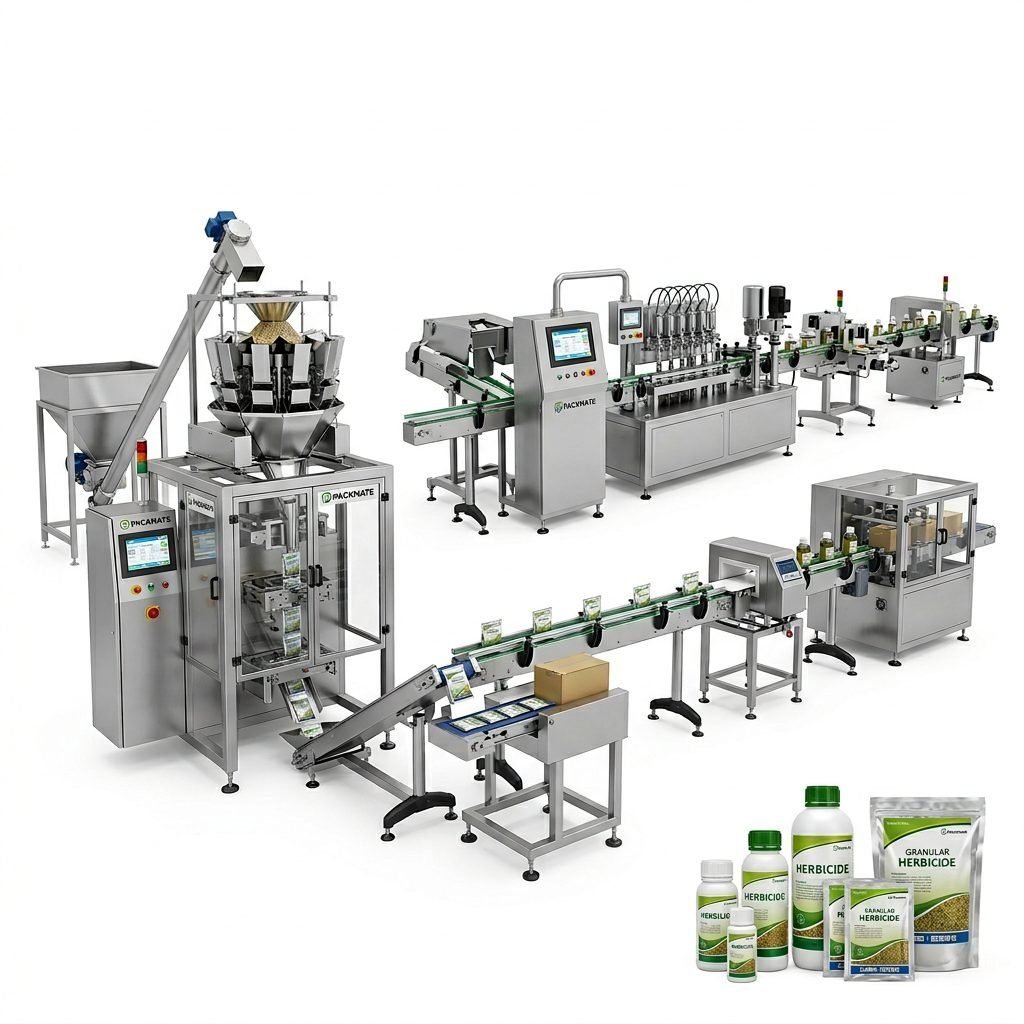
A complete line typically integrates several machines: an unscrambler to orient bottles, a cleaner/rinser, a filler, a capper or sealer, a labeler, and sometimes a cartoner or case packer. The choice of each component depends on the product’s viscosity (liquid, paste, or powder), bottle size and shape, and desired output speed.
Primary Types of Glass Bottle Packaging Machines
1. By Automation Level
Semi-Automatic Machines: These require manual bottle placement and often manual capping. They are cost-effective, flexible for short runs, and perfect for startups or businesses like craft breweries and boutique cosmetic brands. However, they have lower output speeds.
Fully Automatic Machines: These form a continuous, integrated line where bottles are automatically handled from start to finish. They offer high speed, superior consistency, and reduced labor, making them essential for large-scale producers in sectors like beverage or pharmaceutical filling.
2. By Filling Technology
The filling method is crucial and depends on the product characteristics.
Gravity Fillers: Ideal for free-flowing, non-foamy liquids like water, juices, or oils. Product flows by gravity into the bottle. Simple and easy to clean.
Piston Fillers: Excellent for viscous products such as sauces, pastes, creams, or cosmetic gels. A piston draws a precise volume of product and dispenses it, ensuring high accuracy.
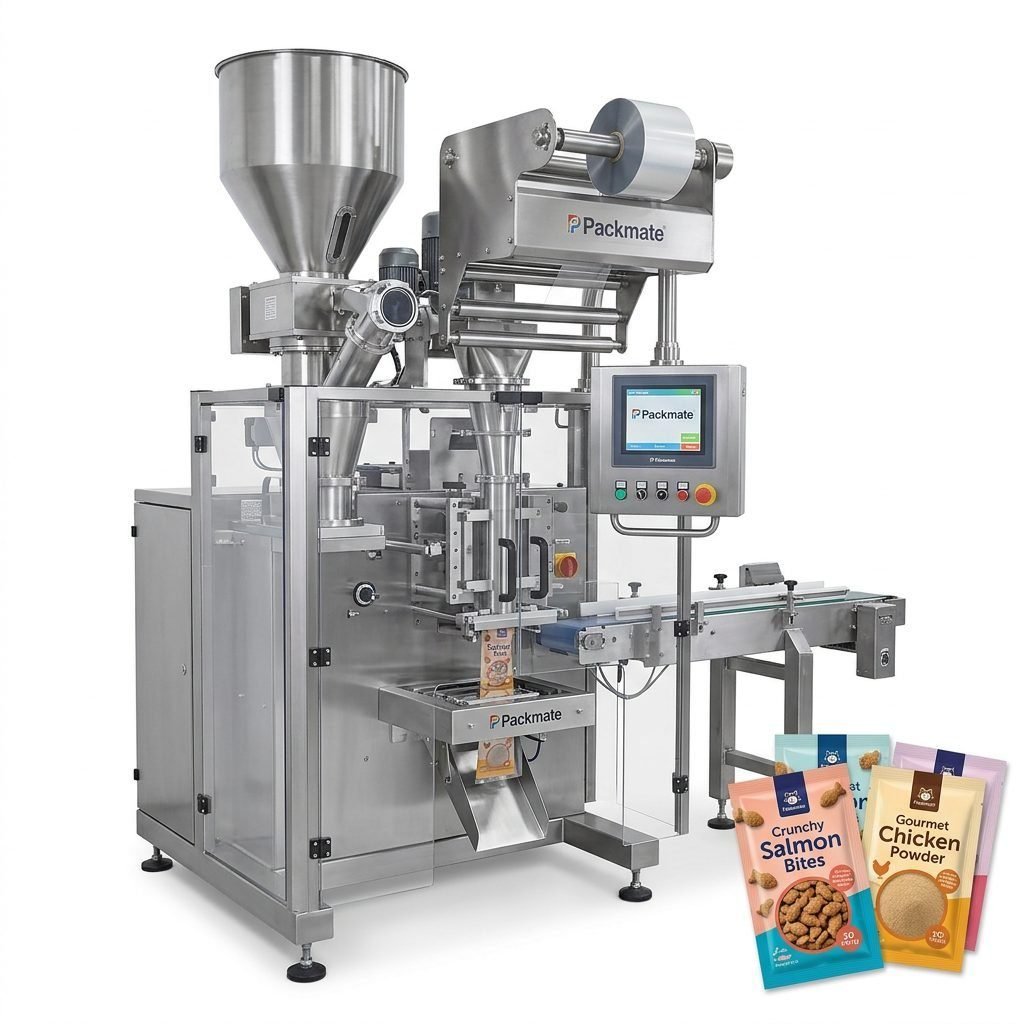
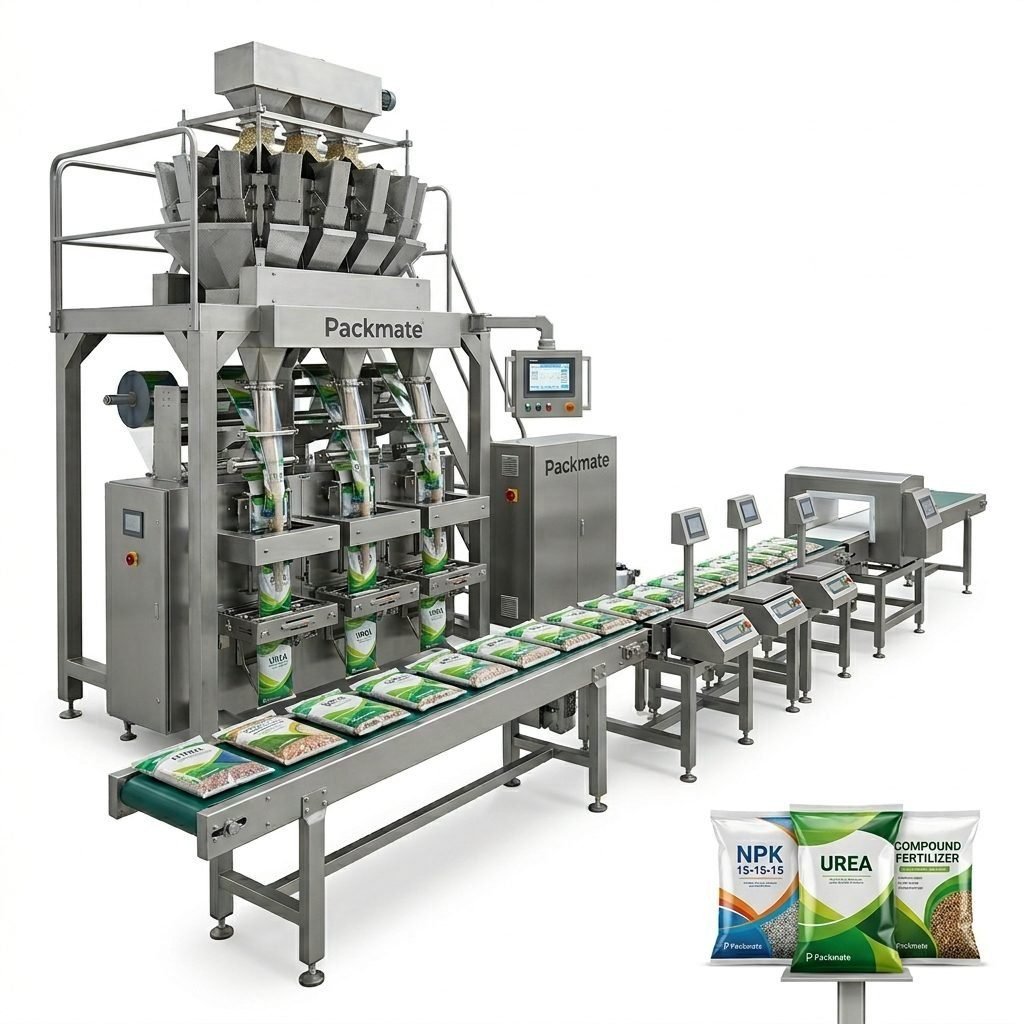
Volumetric Cup Fillers: Suitable for granules, powders, or small solid items. Pre-measured cups scoop the product for transfer. For advanced powder handling, integrated weighing and packaging systems offer even greater precision.
Pressure Fillers: Used for carbonated beverages or foamy liquids. The bottle is pressurized to match the tank, allowing for fill without excessive foam or product loss.
3. By Capping/Sealing Method
The closure must match the bottle and product requirements. Common machines include screw cappers for twist-off lids, press-on cappers for crown caps (beer), snap cappers, and induction sealers that apply a tamper-evident foil liner under a plastic cap.
Diverse Uses Across Industries
Glass bottle packaging machines serve a vast array of sectors. In the food and beverage industry, they package everything from olive oil, vinegar, and sauces to wine, spirits, and craft beer. The pharmaceutical and healthcare sector relies on them for sterile filling of syrups, tinctures, and liquid medicines, where accuracy and contamination control are paramount. Cosmetics and personal care manufacturers use them for perfumes, lotions, serums, and essential oils, where aesthetic presentation and precise filling are key. Even the chemical and industrial fields use them for specialty liquids and reagents.
Essential Buying Guide: How to Choose the Right Machine
Selecting the correct packaging machinery is a significant investment. Here are the critical factors to consider:
1. Define Your Product and Bottle Specifications
Start with a clear analysis. What is the product’s physical state (liquid, viscous, powder)? Is it corrosive, foamy, or sterile? What are the dimensions, neck finish, and material of your glass bottle? This information dictates the necessary filling technology, nozzle size, and cap handling system.
2. Determine Required Output Speed (Bottles Per Hour)
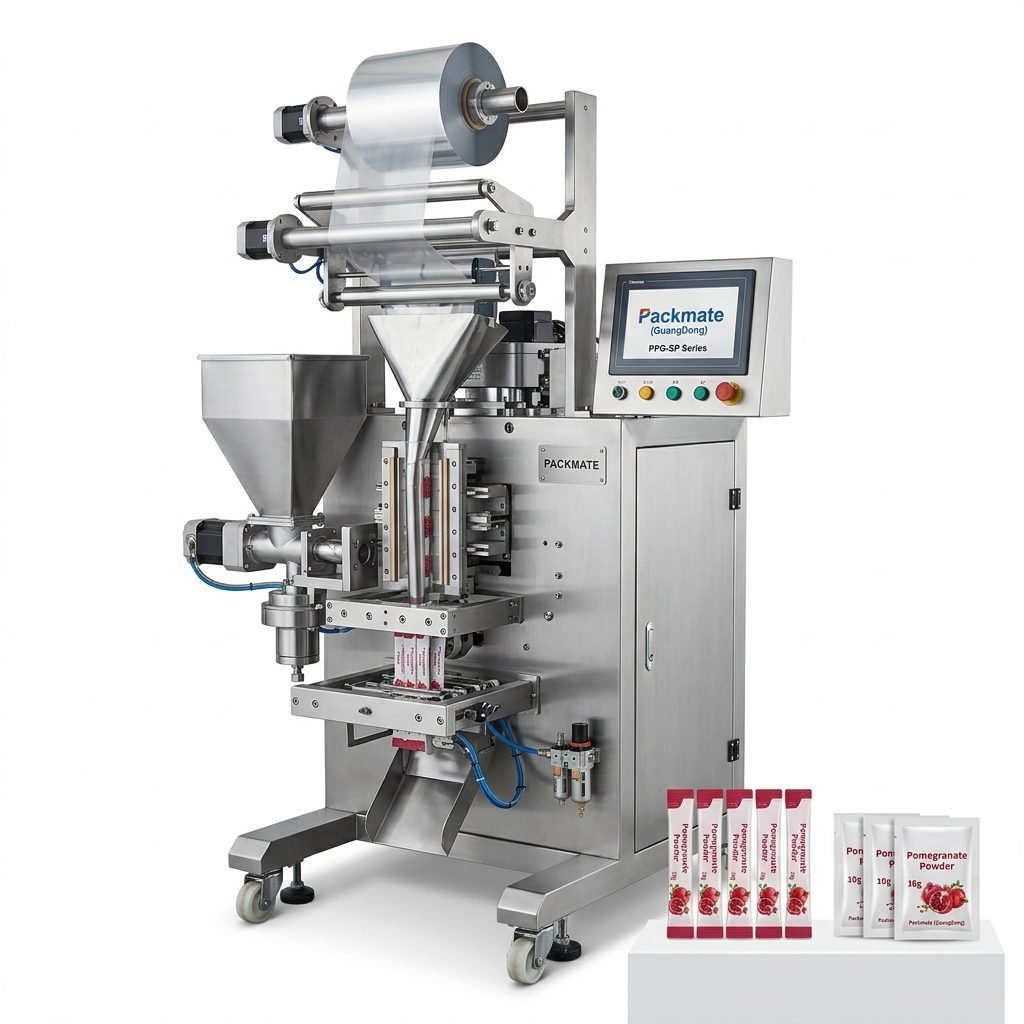
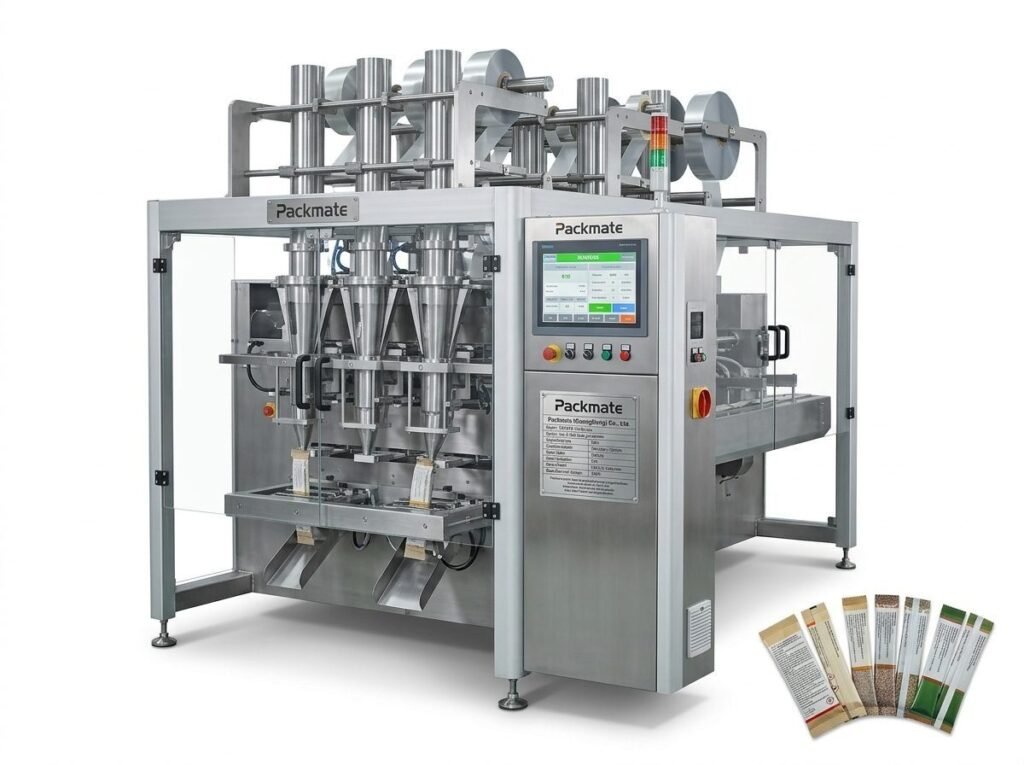
Calculate your current and projected future production needs. A semi-automatic machine may handle 500-1,500 BPH, while a multi-head rotary filler can exceed 20,000 BPH. Choose a machine that meets your peak demand with some room for growth. For high-volume sachet or stick pack production, exploring dedicated sachet and stick pack machines might be a parallel consideration for different product formats.
3. Evaluate Automation Level and Budget
Balance your upfront capital with long-term operational costs (labor, efficiency, waste). A fully automatic line has a higher initial cost but lowers cost-per-unit at high volumes. Consider modular systems that allow you to start with a core filler and add capbers or labelers later.
4. Prioritize Hygiene and Material Compatibility
For food, pharmaceutical, or cosmetic use, ensure the machine contact parts are made from food-grade or sanitary stainless steel (e.g., SS316L). The design should allow for easy cleaning, disassembly (CIP/SIP where needed), and prevent cross-contamination.
5. Assess Manufacturer Reputation and Support
This is perhaps the most crucial step. Partner with a reputable manufacturer like Packmate Machinery, which brings over 30 years of expertise in intelligent packaging solutions. A reliable supplier will offer robust after-sales service, comprehensive training, readily available spare parts, and assistance with installation and maintenance. Review their case studies and client testimonials to gauge real-world performance.
Conclusion
Investing in the right glass bottle packaging machine is a strategic decision that enhances your production capability, ensures product quality, and strengthens your brand in the marketplace. By thoroughly understanding the different machine types, aligning them with your specific product needs and output goals, and choosing a trusted equipment partner, you can build a packaging line that delivers reliability and efficiency for years to come. For a complete overview of packaging solutions, you can always start your search at the Packmate Machinery homepage.
Frequently Asked Questions (FAQs)
1. What is the typical maintenance required for a glass bottle filler?
Regular maintenance includes daily cleaning of product contact parts, lubrication of moving components as per the manual, inspection of seals and gaskets for wear, and calibration of filling volumes. A scheduled preventative maintenance plan from your supplier is highly recommended.
2. Can one machine handle different bottle sizes and shapes?
Yes, but with changeover. Many machines are designed for quick changeovers. This involves switching out parts like bottle guides, filling nozzles, and cap chucks. The time and complexity of changeover vary by machine design, so consider this if you have multiple SKUs.
3. How do I ensure filling accuracy, especially for expensive products?
Accuracy depends on the filling technology. Piston and volumetric fillers are highly accurate for viscous products. For critical applications, choose machines with micro-adjustments for volume control. Always run tests with your actual product and bottle before finalizing the purchase.
4. What utilities are required to run a packaging line? Common requirements include electrical power (voltage/phase specific to the machine), compressed air (clean and dry), and sometimes water for cooling or cleaning. Your machine supplier will provide detailed utility specifications.
5. Are turnkey solutions available?
Yes, many manufacturers, including Packmate Machinery, offer complete turnkey solutions. This means they supply, integrate, and commission the entire line—from unscrambler to case packer—ensuring all components work harmoniously, which saves significant time and project management effort.