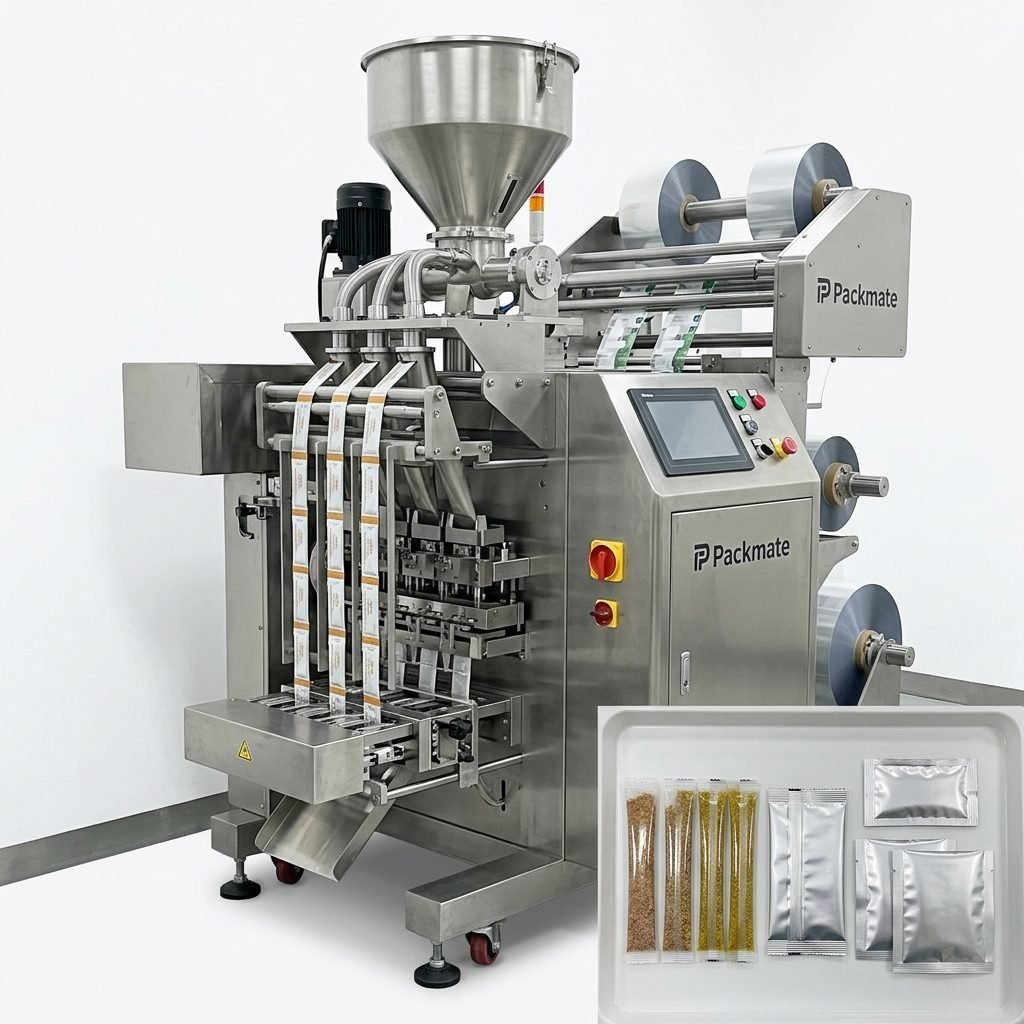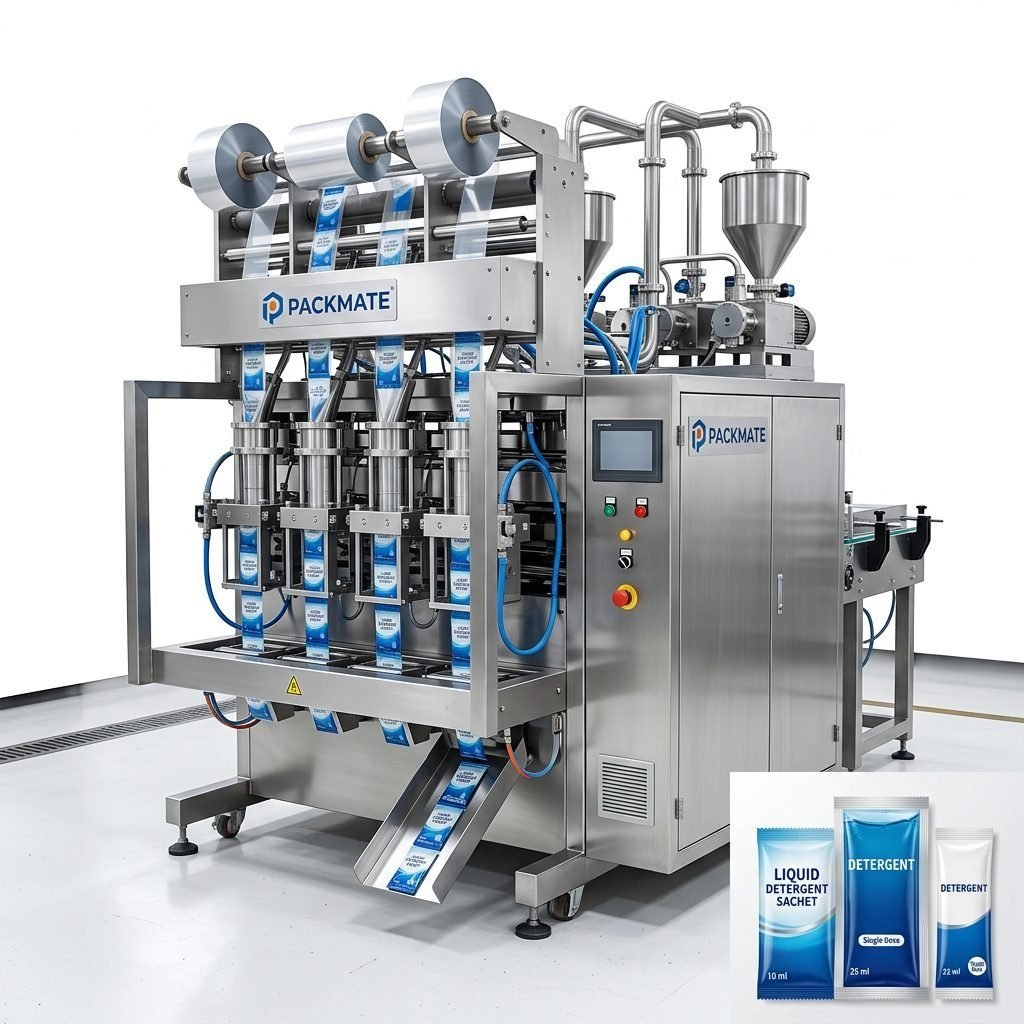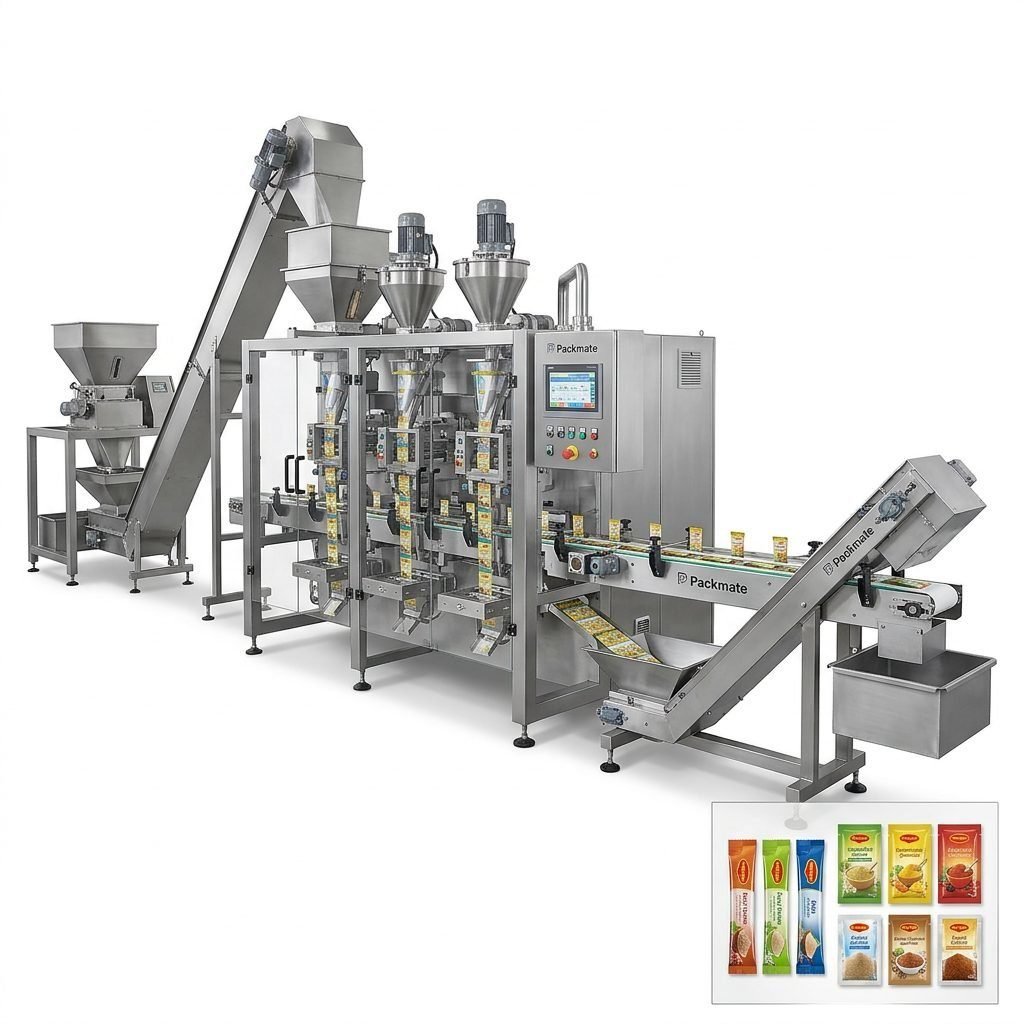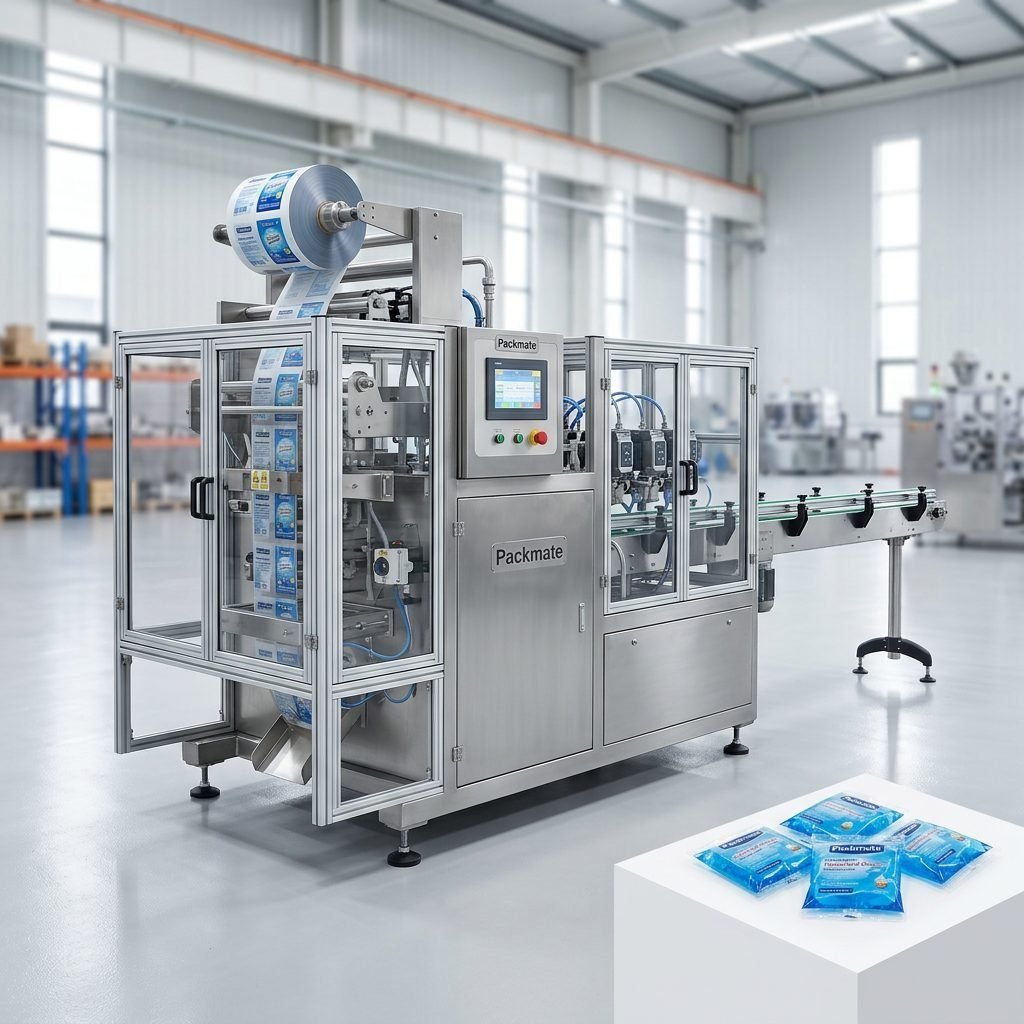
In the fast-paced world of manufacturing and product distribution, efficiency is the cornerstone of profitability. For businesses handling powders, granules, liquids, or solids, the choice of packaging machinery is not merely an operational decision—it’s a strategic investment in the future. Selecting the right packaging machine can dramatically enhance production speed, ensure product integrity, reduce material waste, and ultimately, strengthen your competitive edge in the market.
Why Investing in the Right Packaging Machine is Crucial
The packaging line is often the final and most visible step in your production process. It directly impacts product presentation, shelf life, and customer perception. A reliable, high-speed packaging machine minimizes downtime, ensures consistent package quality, and allows for scalability as your business grows. Conversely, outdated or inefficient equipment can become a bottleneck, leading to increased labor costs, higher error rates, and missed delivery deadlines.
Modern packaging solutions go beyond simple bagging. They integrate precision weighing, advanced sealing technologies, and intelligent control systems to handle a diverse range of products—from delicate food seasonings and pharmaceutical powders to robust hardware items and granular chemicals. The goal is to achieve a seamless, automated flow that maximizes output while maintaining the highest standards of hygiene and accuracy.
Key Factors to Consider Before You Buy
Navigating the market for packaging equipment requires careful consideration of several core factors to ensure your investment aligns perfectly with your operational needs.
Product Type & Characteristics: The physical form of your product is the primary driver. Is it a free-flowing powder, a sticky paste, abrasive granules, or fragile flakes? Machines are specifically engineered for different product behaviors. For instance, a machine designed for sachet packaging of instant coffee requires different auger or volumetric fillers than one handling liquid shampoo.
Production Speed & Output Requirements: You must match the machine’s capacity (packages per minute) with your current and projected future demand. Under-specifying will limit growth, while over-specifying leads to unnecessary capital expenditure. Consider whether you need a single-lane machine or a high-output multi-lane packaging system.
Packaging Materials: The machine must be compatible with your chosen film or laminate (e.g., PET/AL/PE, OPP, kraft paper). Consider seal type (heat seal, ultrasonic seal, cold seal) and whether you need features like gas flushing for modified atmosphere packaging (MAP) to extend shelf life.
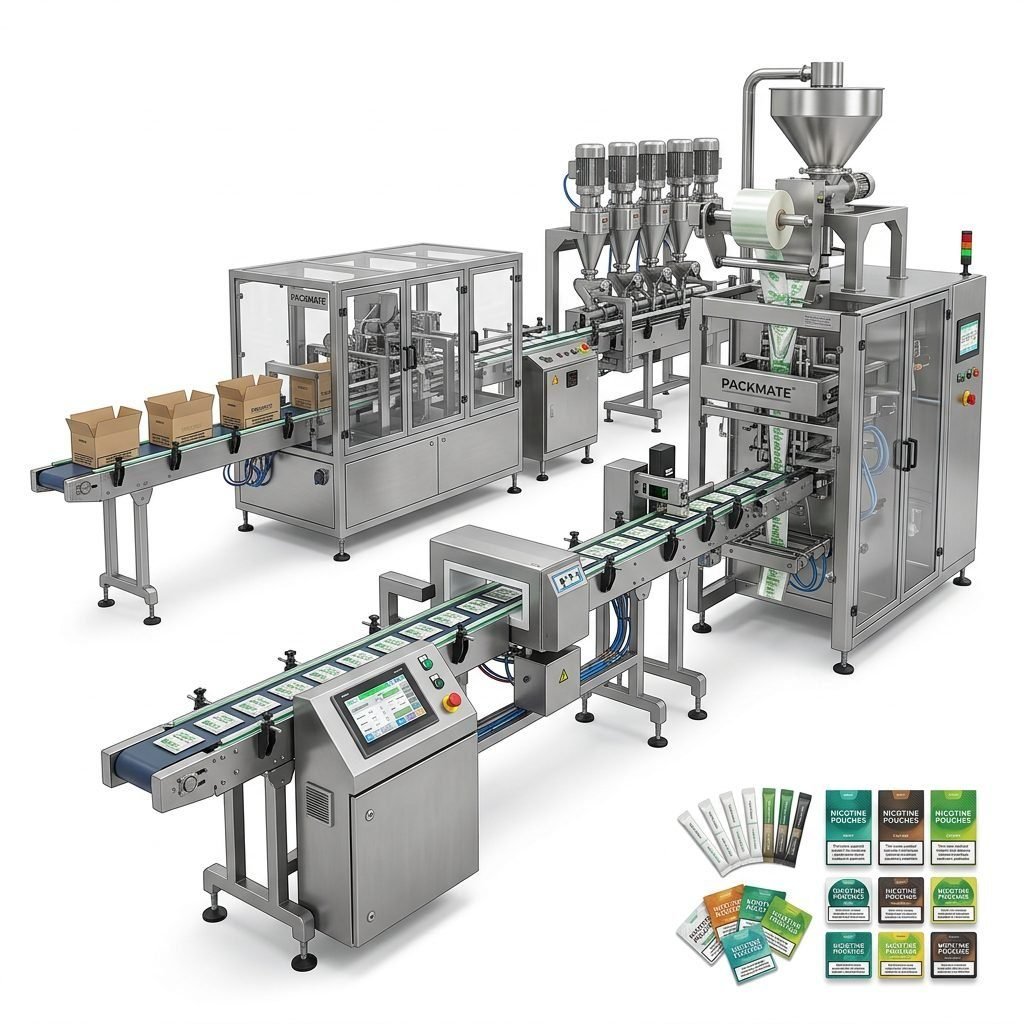
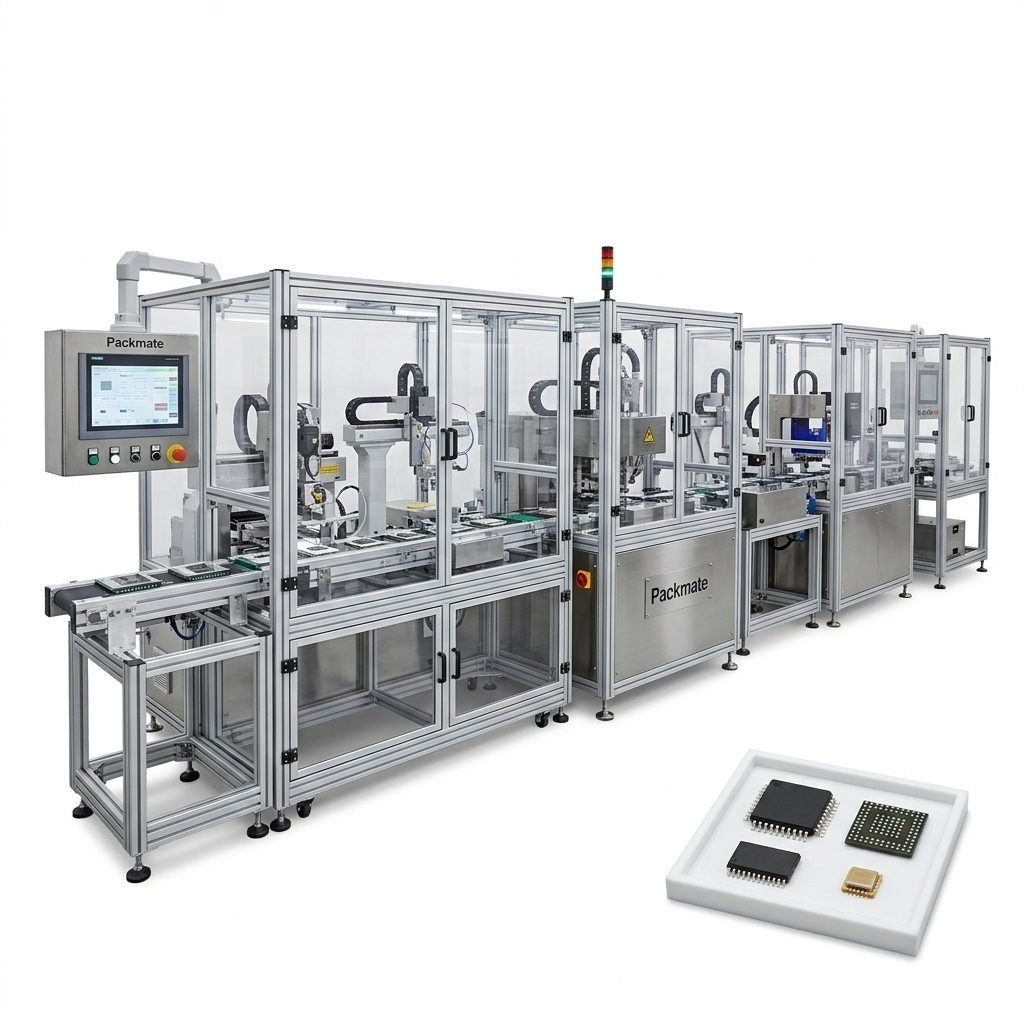
Floor Space & Integration: Assess the available space in your facility. A complete turnkey packaging line includes not just the primary machine but also upstream and downstream equipment like conveyors, checkweighers, and cartoners. Planning for a smooth material flow is essential.
Top Packaging Machine Models for Enhanced Efficiency
The market offers a variety of specialized machines. Here’s a breakdown of some of the top models that drive efficient business operations across industries.
1. Vertical Form-Fill-Seal (VFFS) Machines
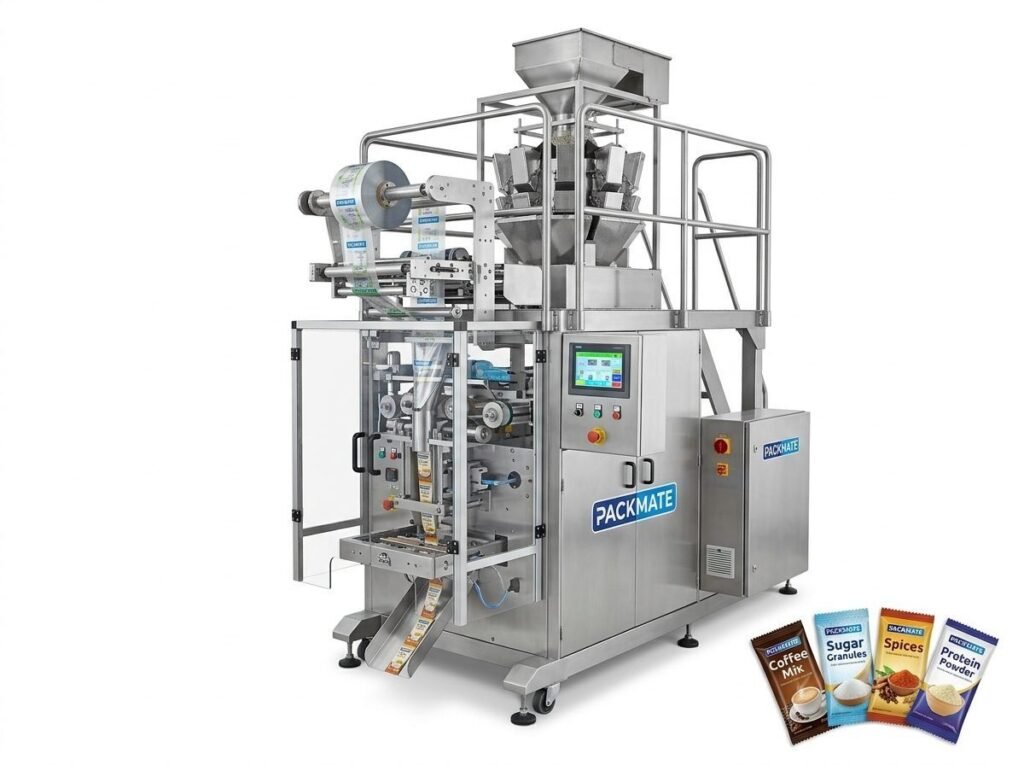
These are the workhorses of the packaging industry, ideal for a vast array of free-flowing products like snacks, pasta, nuts, and hardware. They form bags from a roll of film, fill them with a precise amount of product, and seal them in one continuous, vertical operation. Modern VFFS machines feature servo-driven technology for exceptional accuracy, quick changeover capabilities for different bag sizes, and touch-screen PLC controls for easy operation and recipe management.
2. Stick Pack & Sachet Packaging Machines
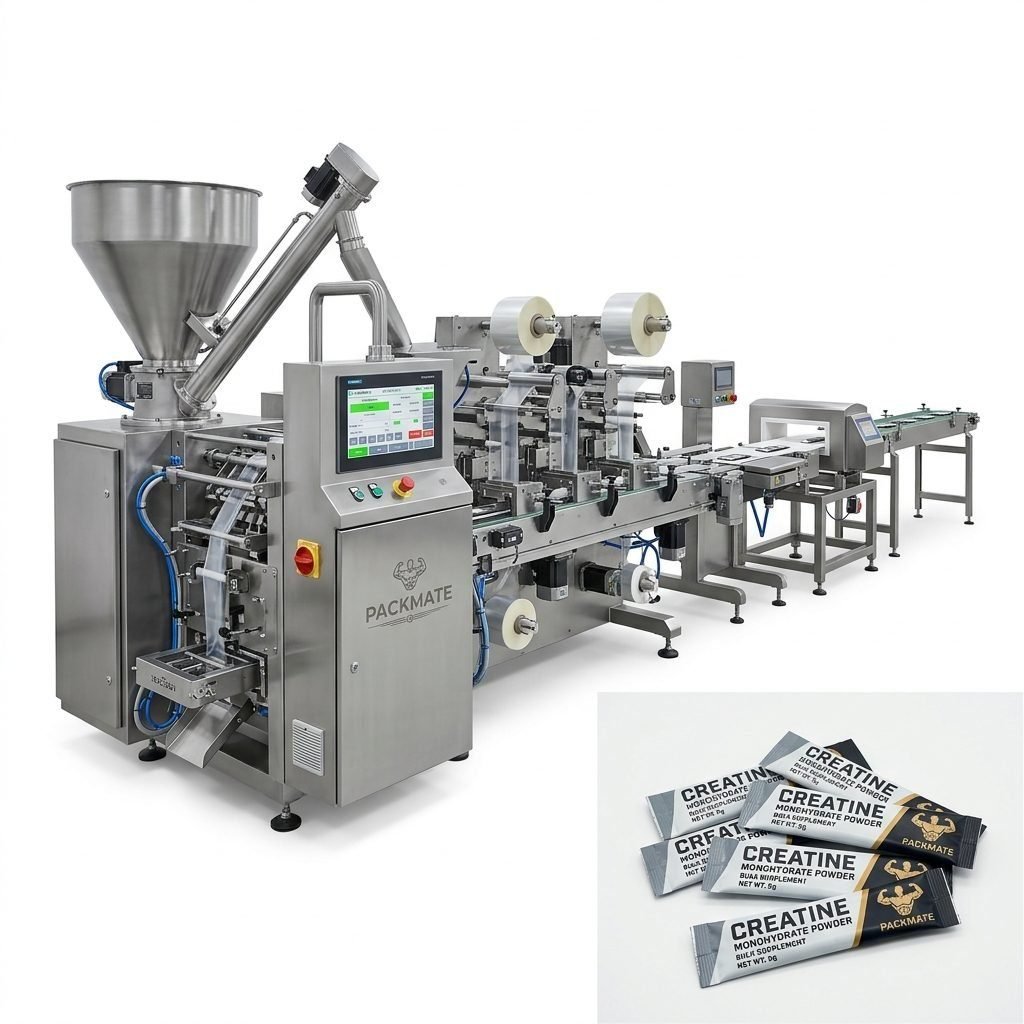
Perfect for single-serve portions of products like sugar, instant coffee, condiments, pharmaceuticals, and skincare samples. These machines produce sleek, portable packets with excellent barrier properties. High-speed, multi-lane stick pack machines can produce thousands of units per minute, making them incredibly efficient for high-volume applications. They are a cornerstone technology for companies like Packmate Machinery, which has over two decades of expertise in this segment.
3. Liquid & Pouch Filling Machines
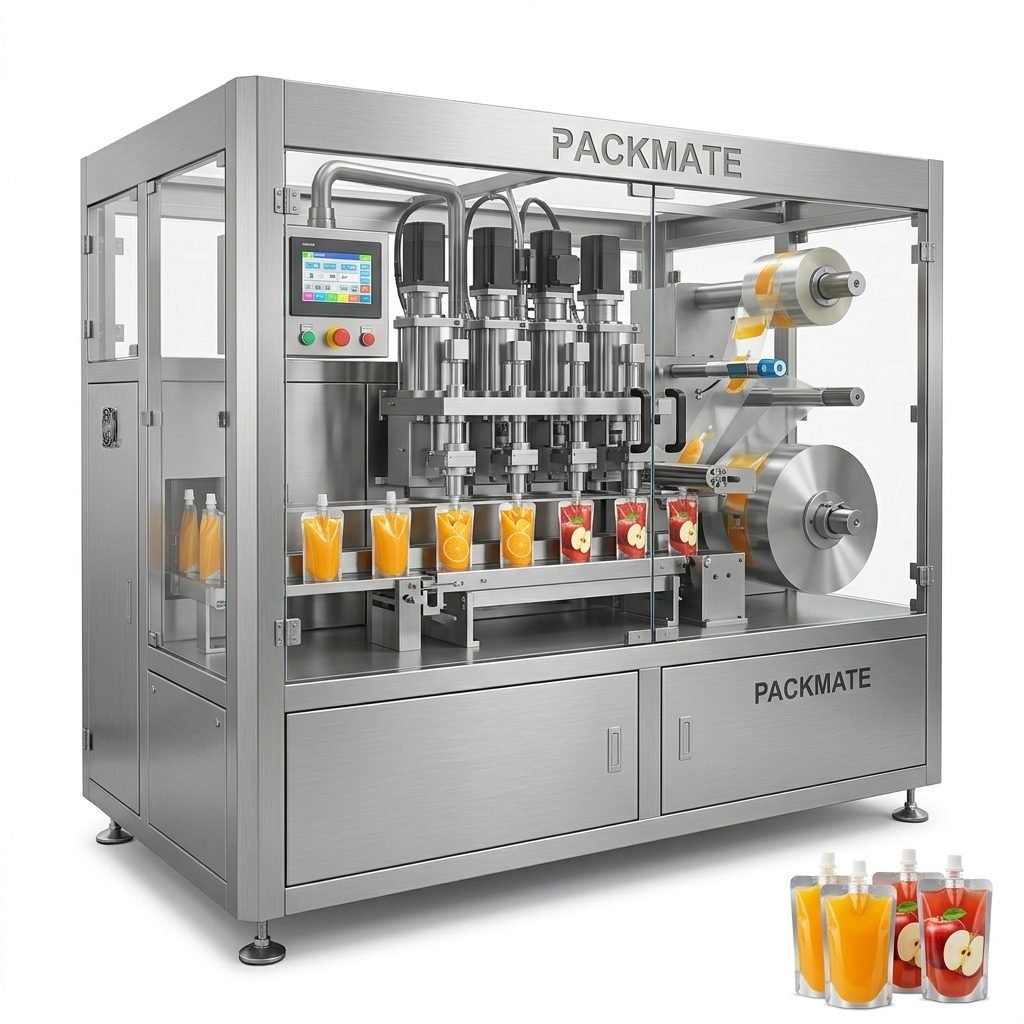
Designed for viscous products like sauces, oils, shampoos, and dairy products. These systems often use piston pumps or peristaltic pumps for non-drip, precise filling into pre-made pouches or bags formed on-site. Advanced models include features like nitrogen flushing to remove oxygen, preventing oxidation and spoilage, and inline capping or nozzle sealing.
4. Multi-Lane Weighing & Packaging Systems
For the ultimate in speed and accuracy, multi-head weighers combined with packaging machines are unbeatable. They distribute product across multiple weighing buckets to achieve a target weight through combinatorial logic, resulting in ultra-high-speed packaging with minimal giveaway. This system is critical for products where weight accuracy is legally or commercially paramount, such as premium food items or pharmaceuticals.
The Role of a Trusted Manufacturer: Packmate Machinery
Choosing a machine is also about choosing a partner. A manufacturer’s reputation, support, and technological prowess are integral to your long-term success. Packmate (GuangDong) Co., Ltd. exemplifies this partnership approach. With roots dating back to 1993 and formal incorporation in 2003, the company has built its legacy on a foundation of innovation and reliability.
Operating from a modern 20,000㎡ facility in Zhongshan, Guangdong—a hub within China’s dynamic Greater Bay Area—Packmate leverages over 30 years of collective expertise. They specialize in intelligent packaging solutions for the food, pharmaceutical, and health industries, offering a portfolio of more than 50 machine models. Their journey from a small workshop to a leading provider of complete packaging lines underscores a commitment to transforming client challenges into efficient, automated solutions.
Core Strength: Packmate’s focus on granules, powders, and liquids has allowed them to develop deep, specialized knowledge. Their machines are known for robust construction, user-friendly interfaces, and the ability to integrate seamlessly into existing production environments, providing true turnkey solutions for clients worldwide.
Maximizing Your Investment: Post-Purchase Considerations
Buying the machine is just the beginning. To ensure sustained efficiency, proactive planning for installation, training, and maintenance is key.
Installation & Commissioning
Work with your supplier to plan the installation. A professional commissioning service ensures the machine is calibrated correctly for your specific product and materials, and that it reaches its promised performance metrics from day one.
Operator Training & Technical Support
Comprehensive training for your operators and maintenance staff is non-negotiable. It empowers your team to run the machine optimally, perform basic troubleshooting, and conduct routine maintenance, minimizing dependency on external service and reducing downtime.
Spare Parts & Preventive Maintenance
Establish a relationship for easy access to genuine spare parts. Implementing a scheduled preventive maintenance plan, as recommended by the manufacturer, is the most effective way to avoid unexpected breakdowns and extend the equipment’s operational lifespan.
Frequently Asked Questions (FAQs)
Q1: How do I determine the right speed/capacity for my packaging machine?
A: Analyze your current daily/weekly output and forecast growth for the next 3-5 years. Choose a machine that meets your peak demand with about 15-20% additional capacity for flexibility. It’s better to have slightly more capacity than to constantly run at 100%, which increases wear and tear.
Q2: What is the typical lead time for receiving a new packaging machine?
A: Lead times vary significantly based on machine complexity, customization, and manufacturer backlog. For standard models, it can range from 8 to 16 weeks. For highly customized or large turnkey lines, it may take 20 weeks or more. Always confirm timelines with your supplier during the quotation process.
Q3: Can one machine handle different types of products and package sizes?
A> Many modern machines are designed for quick changeover. Look for features like servo motors, tool-less adjustments, and saved product recipes in the PLC. However, there are limits—a machine designed for fine powder may not handle large granules well without significant reconfiguration. Discuss your product range with the supplier.
Q4: What kind of after-sales service should I expect?
A: A reputable manufacturer should offer a comprehensive warranty (typically 12 months), remote technical support via phone/video, on-site engineering support if needed, and readily available spare parts. Ask about their service network, especially if you are located overseas from the manufacturer.
Q5: How important is energy efficiency in packaging machinery?
A: Extremely important. Energy-efficient servo motors, smart heating systems for sealers, and optimized compressed air usage not only reduce your operational carbon footprint but also lead to substantial cost savings on electricity over the machine’s lifetime, improving your overall return on investment.