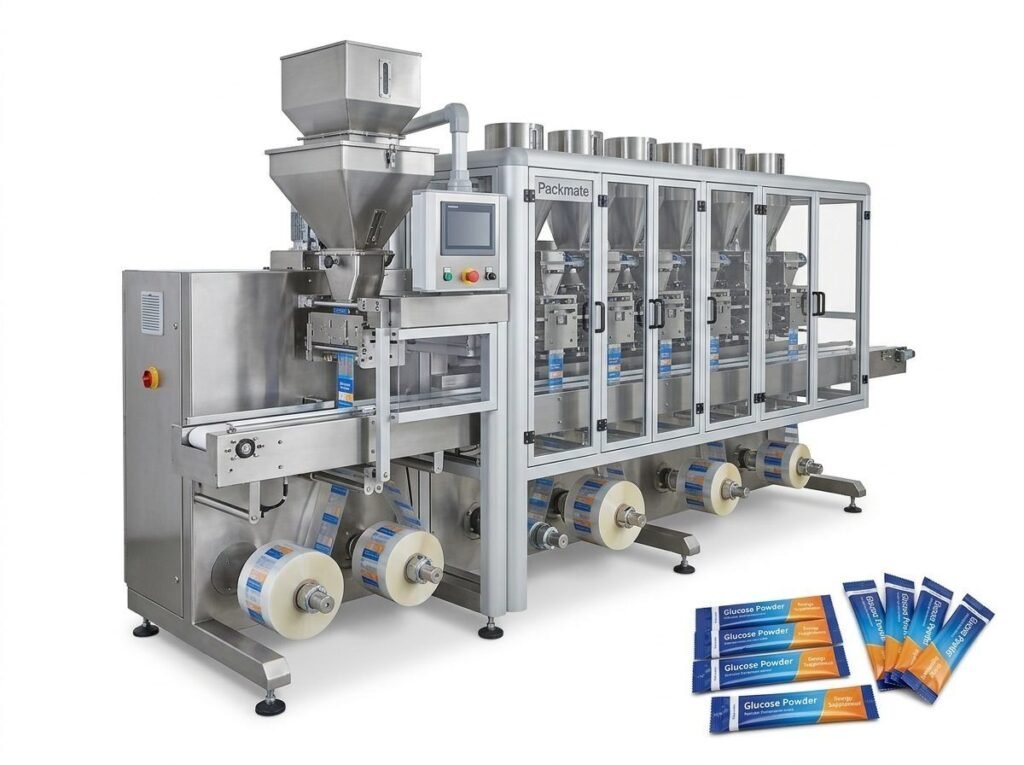
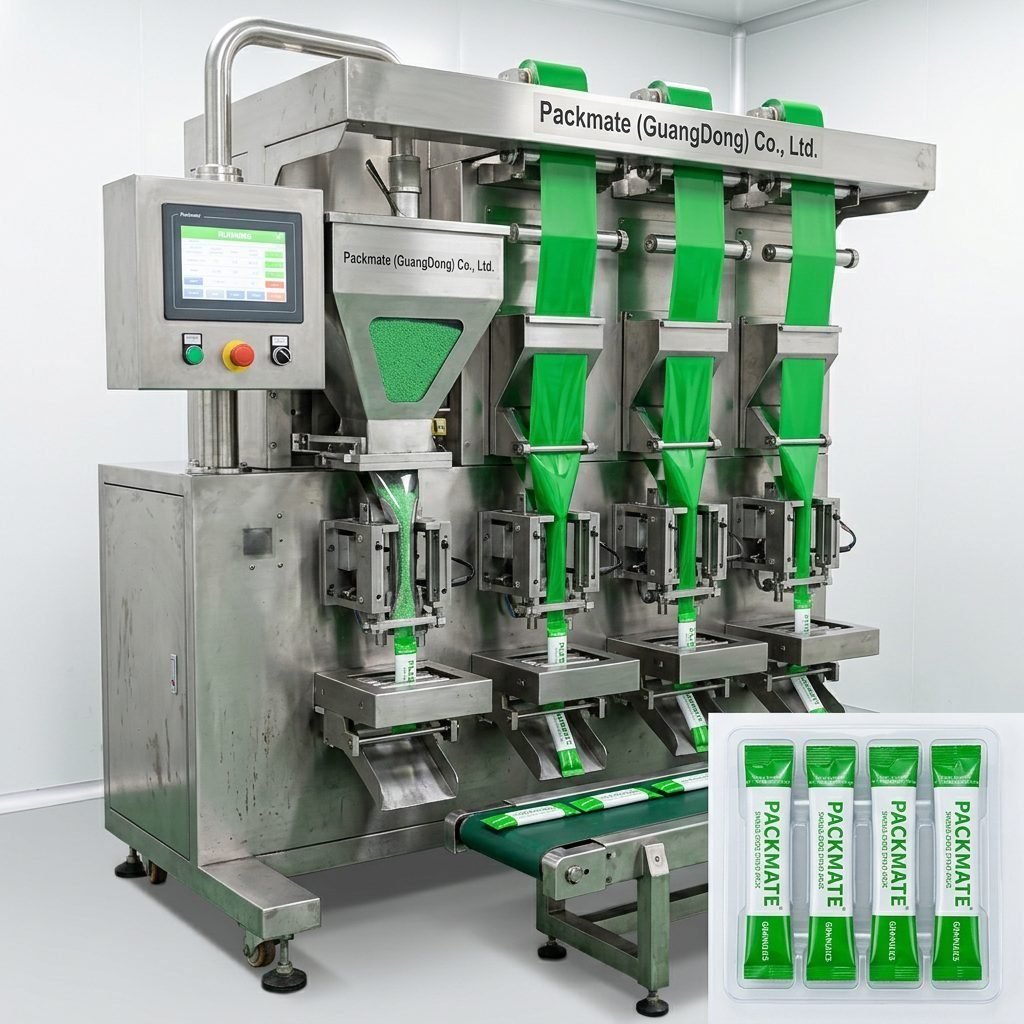
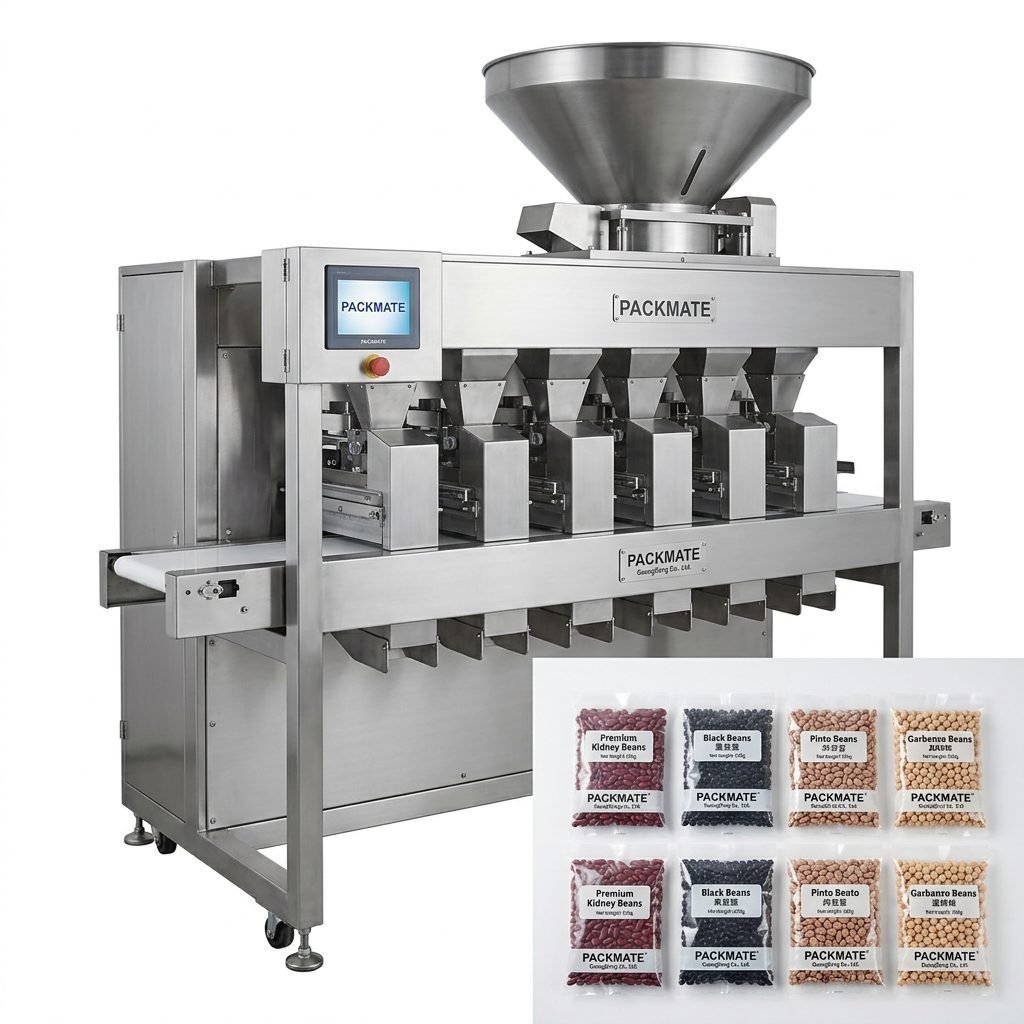
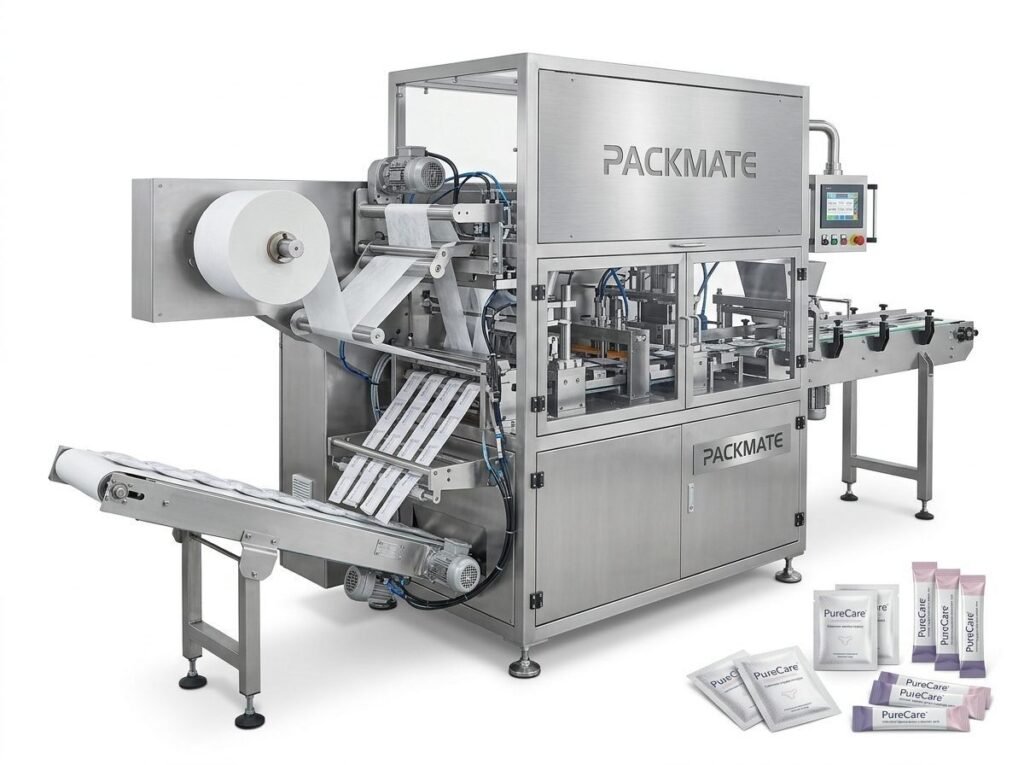
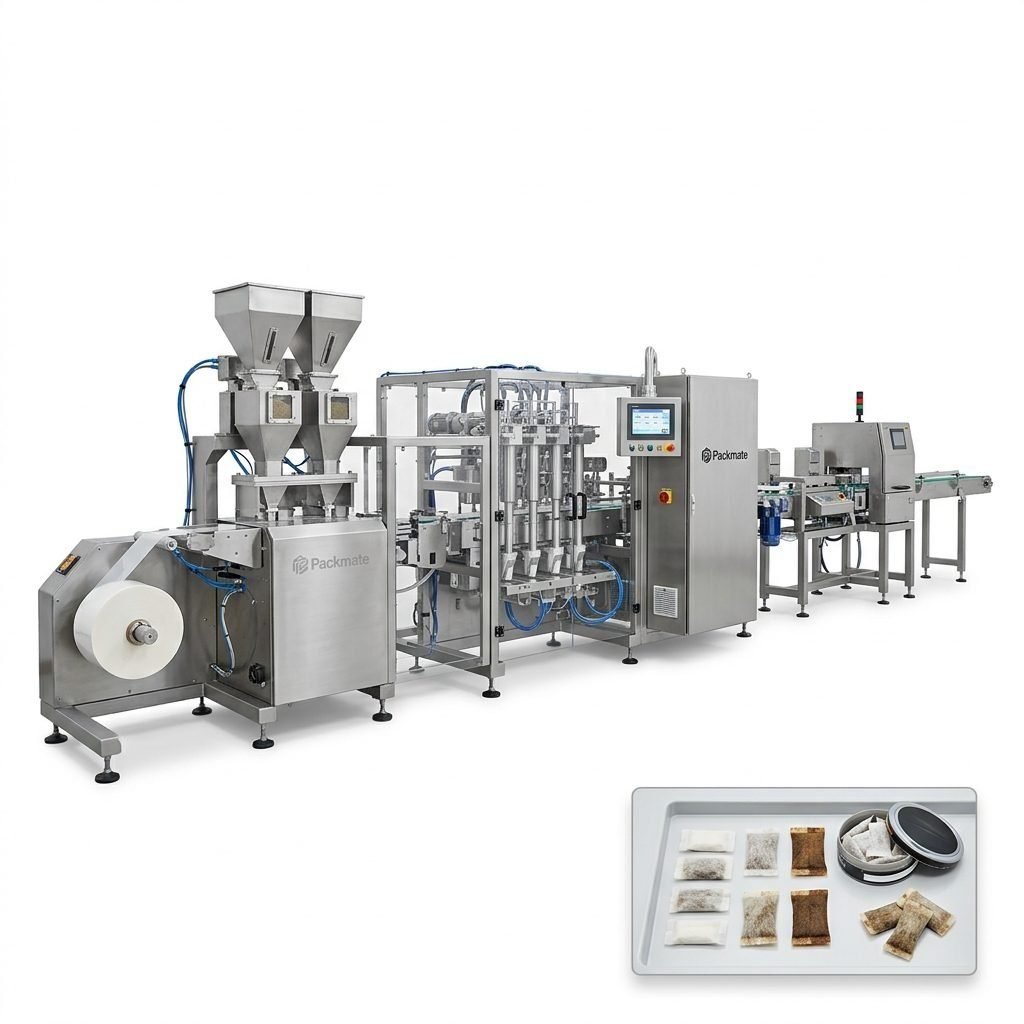
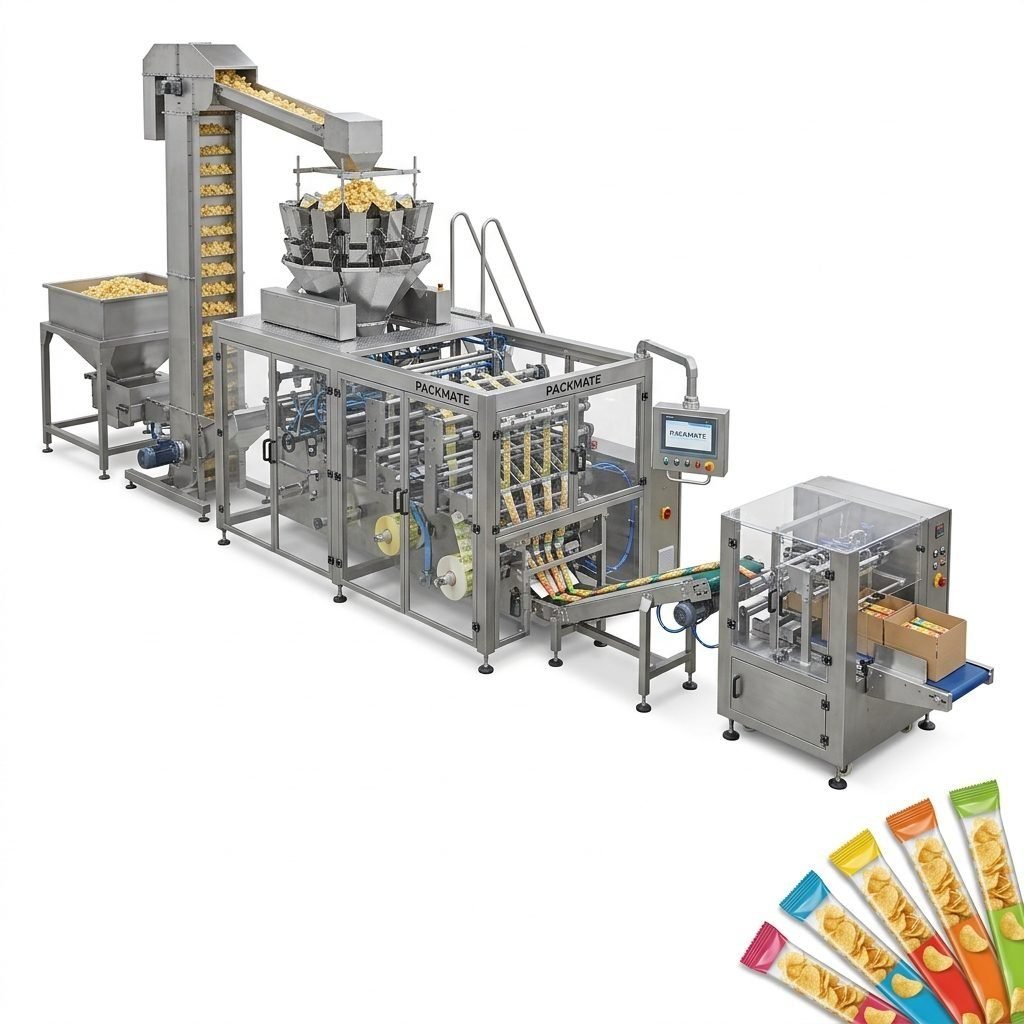
In today’s fast-paced manufacturing world, efficient packaging is not just a final step—it’s a critical component of operational success, brand perception, and cost management. The right packaging equipment and machinery can transform your production line, boosting output, ensuring product integrity, and significantly reducing waste. This guide delves into the essential machinery, key considerations for selection, and how innovative solutions from industry leaders like Packmate Machinery are shaping the future of efficient operations.
Understanding the Packaging Machinery Ecosystem
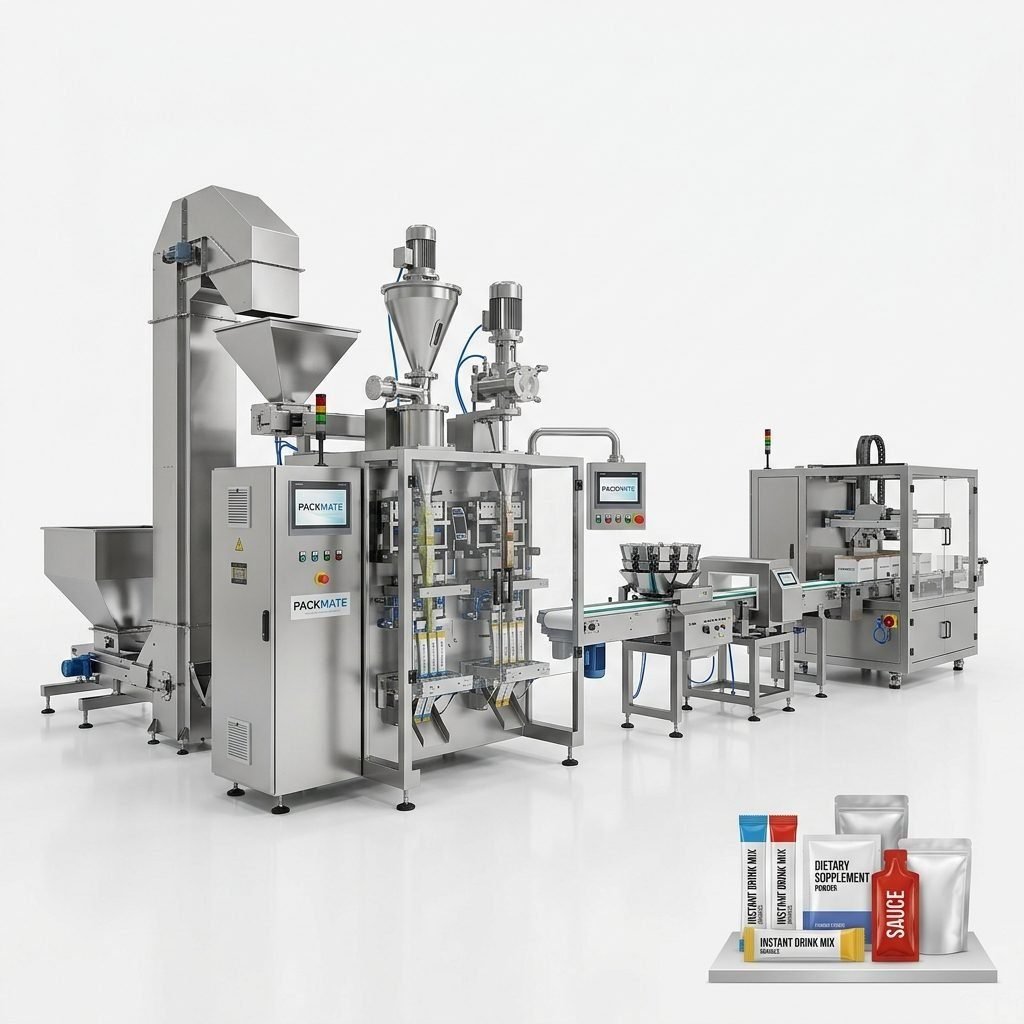
Modern packaging lines are sophisticated ecosystems. They move far beyond a single machine, integrating various equipment types to handle forming, filling, sealing, and finishing. Understanding this flow is the first step toward optimization.
Core Machinery Categories:
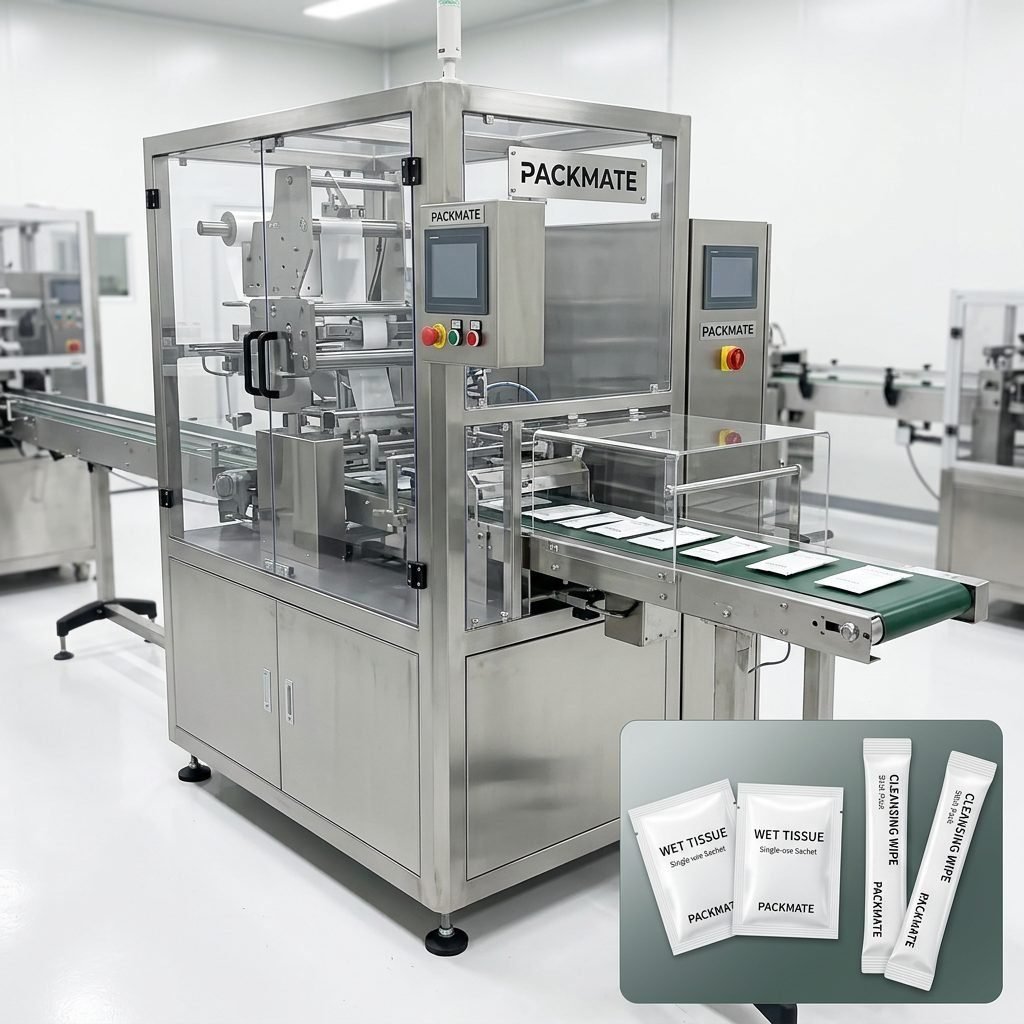
Form-Fill-Seal (FFS) Machines: The workhorses of primary packaging. They create the pouch or bag from a roll of film, precisely dose the product, and hermetically seal it—all in one continuous, high-speed operation. These are ideal for granules, powders, and liquids.
Filling Machines: Dedicated to accurate product dispensing. Options range from volumetric cup fillers and auger fillers for powders to precise liquid pumps and advanced net weigh scales, ensuring every package meets its declared weight.
Sealing Machines: Ensure product safety and longevity. This includes heat sealers for flexible packaging, cappers for bottles, and induction sealers for tamper-evident closures.
Labeling & Coding Equipment: Apply vital information, branding, and traceability data. This includes pressure-sensitive labelers, inkjet printers, and laser coders.
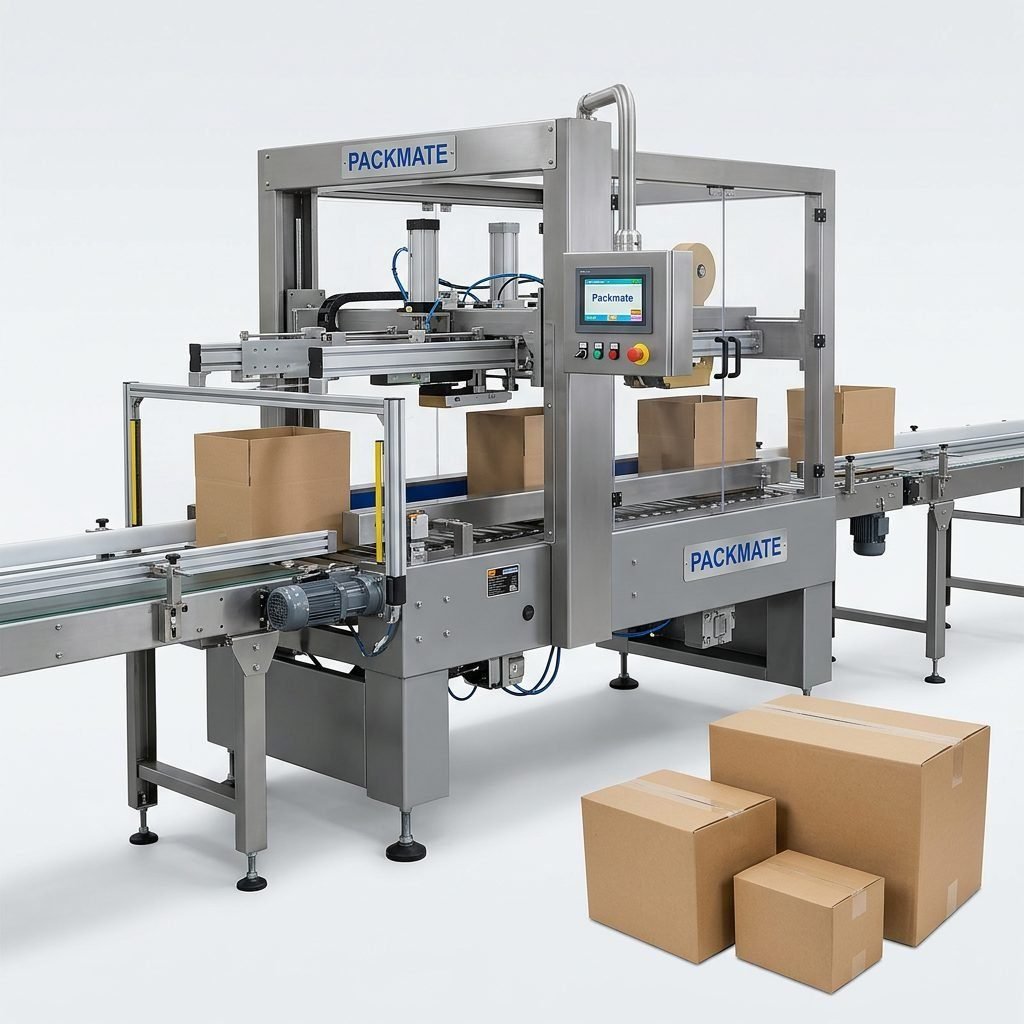
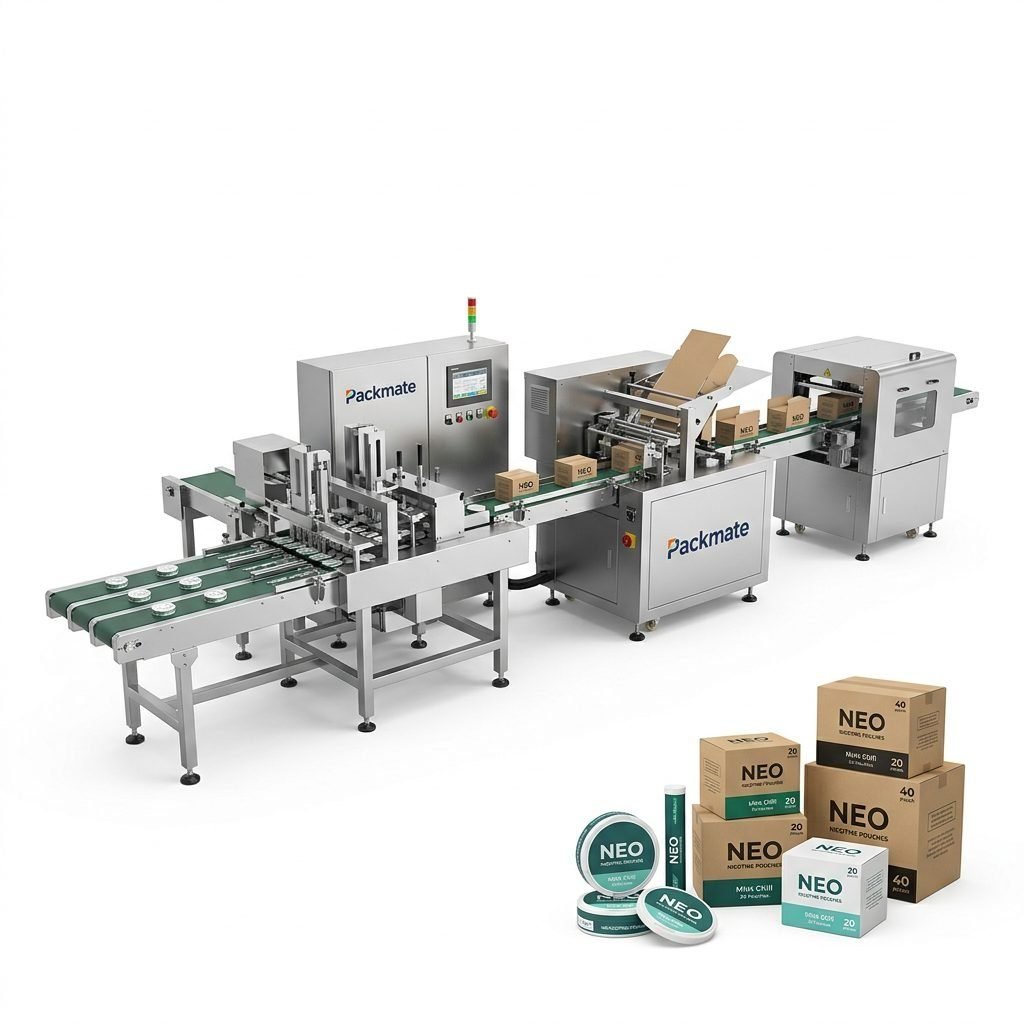
End-of-Line & Palletizing Systems: Handle the secondary packaging stage, including cartoning machines, case packers, stretch wrappers, and robotic palletizers that prepare goods for shipment.
Key Factors for Selecting Efficient Packaging Equipment
Choosing machinery is a significant investment. Efficiency isn’t just about speed; it’s about total operational harmony. Here are the critical factors to evaluate.
1. Product Characteristics & Compatibility
Your product dictates the machine. Consider its physical state (powder, liquid, granule), abrasiveness, hygroscopicity, and required hygiene level (e.g., food-grade or pharmaceutical standards). A machine designed for sachet and stick pack formats, for instance, is engineered for precision with smaller, often free-flowing products.
2. Production Speed & Output Requirements
Match the machine’s capacity (packages per minute/hour) to your current and projected output. Under-specifying leads to bottlenecks, while over-specifying wastes capital and energy. Calculate the total cost of ownership, not just the purchase price.
3. Flexibility & Changeover Time
Markets change. Can the machine handle different package sizes, materials, or products with minimal downtime? Quick-changeover systems, often with digital settings recall, are invaluable for manufacturers running multiple SKUs, a common feature in advanced bag and pouch packaging machines.
4. Integration & Automation Potential
Standalone machines create islands of automation. True efficiency comes from a seamlessly integrated line. Consider equipment with PLC controls, industry-standard communication protocols (like OPC UA), and the ability to connect with upstream and downstream processes, including sophisticated weighing and packaging systems.
5. Reliability, Service, and Support
Downtime is the enemy of efficiency. Investigate the manufacturer’s reputation for machine durability and mean time between failures (MTBF). A robust global service network, readily available spare parts, and comprehensive training are non-negotiable for maintaining peak operational efficiency.
The Packmate Advantage: Engineering Efficiency from the Ground Up
With over 30 years of specialized expertise, Packmate (GuangDong) Co., Ltd. embodies the principles of efficient packaging. Operating from a modern 20,000㎡ facility in the heart of China’s Greater Bay Area manufacturing hub, the company designs intelligence into every machine.
Their philosophy centers on reliable, turnkey solutions. By offering more than 50 machine models and complete filling and packaging lines, they ensure each component is optimized to work in concert, eliminating integration friction. This end-to-end approach, rooted in founder Mr. Jiang Sha’s original 1993 vision for automation, translates directly to smoother, more efficient operations for clients worldwide.
Implementing Your Efficient Packaging Line
Implementation is a phased process. Start with a thorough audit of your current process to identify waste—in time, materials, and motion. Engage with equipment suppliers early for feasibility studies and factory acceptance tests (FAT). Plan for phased installation and thorough operator training to ensure a smooth transition and rapid ramp-up to full efficiency.
Future Trends: The Smart, Sustainable Packaging Line
Efficiency is evolving. The future lies in Industry 4.0 connectivity, where machines self-diagnose issues, predict maintenance needs, and optimize performance in real-time based on data analytics. Simultaneously, sustainability is becoming a core efficiency metric. This drives demand for machinery that can handle mono-material, recyclable films and operates with minimal energy consumption, reducing both environmental impact and long-term operational costs.
Frequently Asked Questions (FAQs)
What is the most important factor when choosing packaging equipment for efficiency?
The most critical factor is total system compatibility and integration. A high-speed machine is inefficient if it causes jams at the next station or cannot communicate with your production management software. Evaluate the entire line’s workflow, not just individual machine specs.
How can I reduce changeover time on my packaging line?
Invest in equipment with quick-change features like tool-less adjustments, digital recipe storage, and interchangeable parts kits (like formers and sealing jaws). Standardizing package sizes where possible and implementing Single-Minute Exchange of Die (SMED) principles for manual steps also drastically cut downtime.
Is fully automated packaging machinery always more efficient?
Not always. Full automation offers peak efficiency for high-volume, consistent products. For lower volumes or highly variable products, semi-automated or flexible modular systems may offer a better return on investment and operational agility. The key is matching the automation level to your specific production profile.
What role does preventative maintenance play in operational efficiency?
It is absolutely fundamental. A rigorous, scheduled preventative maintenance program prevents unplanned catastrophic failures that halt production. It ensures machines run at designed speeds, maintain accuracy (like fill weight), and have a longer operational lifespan, protecting your efficiency investment.
How do I justify the investment in new, efficient packaging machinery?
Build a business case focusing on Total Cost of Ownership (TCO) and Return on Investment (ROI). Quantify savings from: increased output (revenue), reduced material waste, lower labor costs, decreased energy consumption, fewer product rejects/returns, and minimized unplanned downtime. The payback period for modern, efficient equipment is often surprisingly short.