In the fast-paced world of tea production, efficiency, hygiene, and product presentation are paramount. A tea bag packaging machine stands as the cornerstone of a modern production line, automating the process from filling and sealing to shaping and counting. This guide delves into the critical aspects of selecting and operating these machines to achieve streamlined, cost-effective, and high-quality output.
Core Functions of a Modern Tea Bag Machine
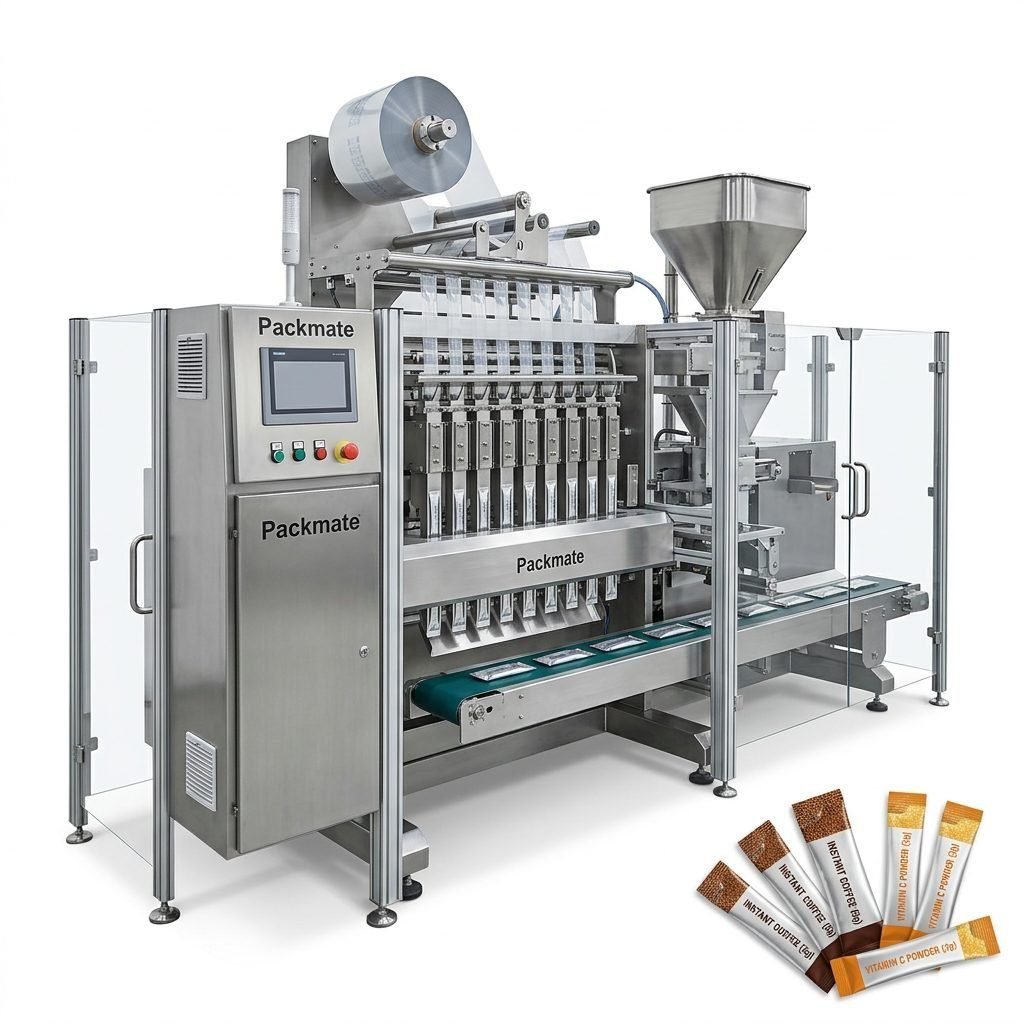
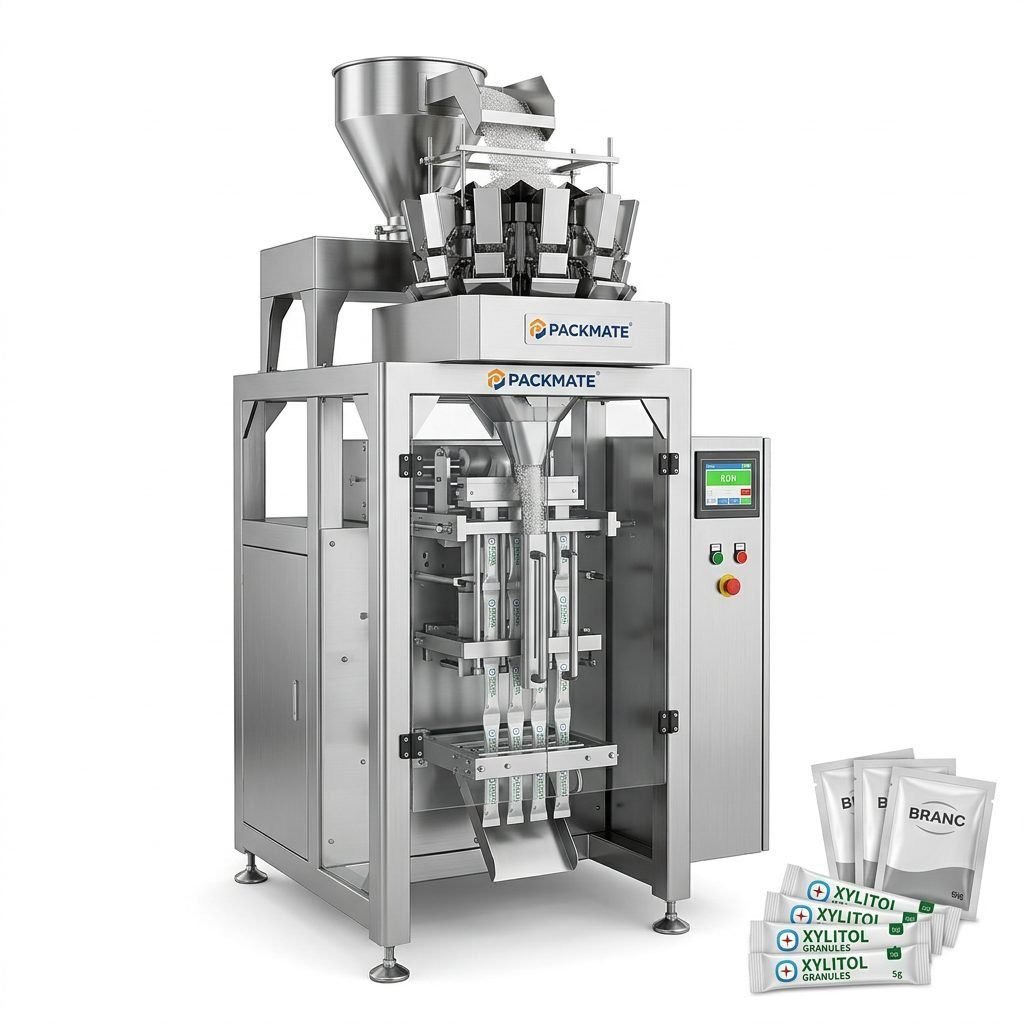
The primary role of these machines is to transform loose tea leaves into the convenient, ready-to-use bags consumers know. A standard automated line performs several integrated functions. It precisely measures the tea, typically using a volumetric or auger filler, into a continuous filter paper web. The machine then forms the bag, often creating the classic rectangular pouch or a round, stringless style, and seals it with a heat-sealing mechanism. Finally, it attaches the string and tag (if applicable), cuts the individual bags, and counts them for packaging into boxes or overwraps.
Key Advantage: Automation drastically reduces labor costs, minimizes human contact (ensuring hygiene), and ensures consistent bag weight and seal integrity, which are crucial for product quality and shelf life.
Choosing the Right Machine for Your Needs
Selecting the appropriate machine is not a one-size-fits-all decision. Your choice must align with your specific production goals. Consider your output speed requirements—machines range from semi-automatic models suitable for small-batch artisanal producers to high-speed rotary machines capable of producing hundreds of bags per minute. The type of tea bag is equally important; will you produce traditional string-and-tag bags, pyramid sachets for whole leaf tea, or round, tagless bags?
Furthermore, the packaging material itself dictates machine compatibility. Machines are designed to handle specific types of filter paper, whether it’s heat-sealable non-woven fabric, muslin, or biodegradable PLA materials. The flexibility to run different bag styles and materials on a single machine can be a significant asset for brands with diverse product lines.
Integrating into a Complete Production Line
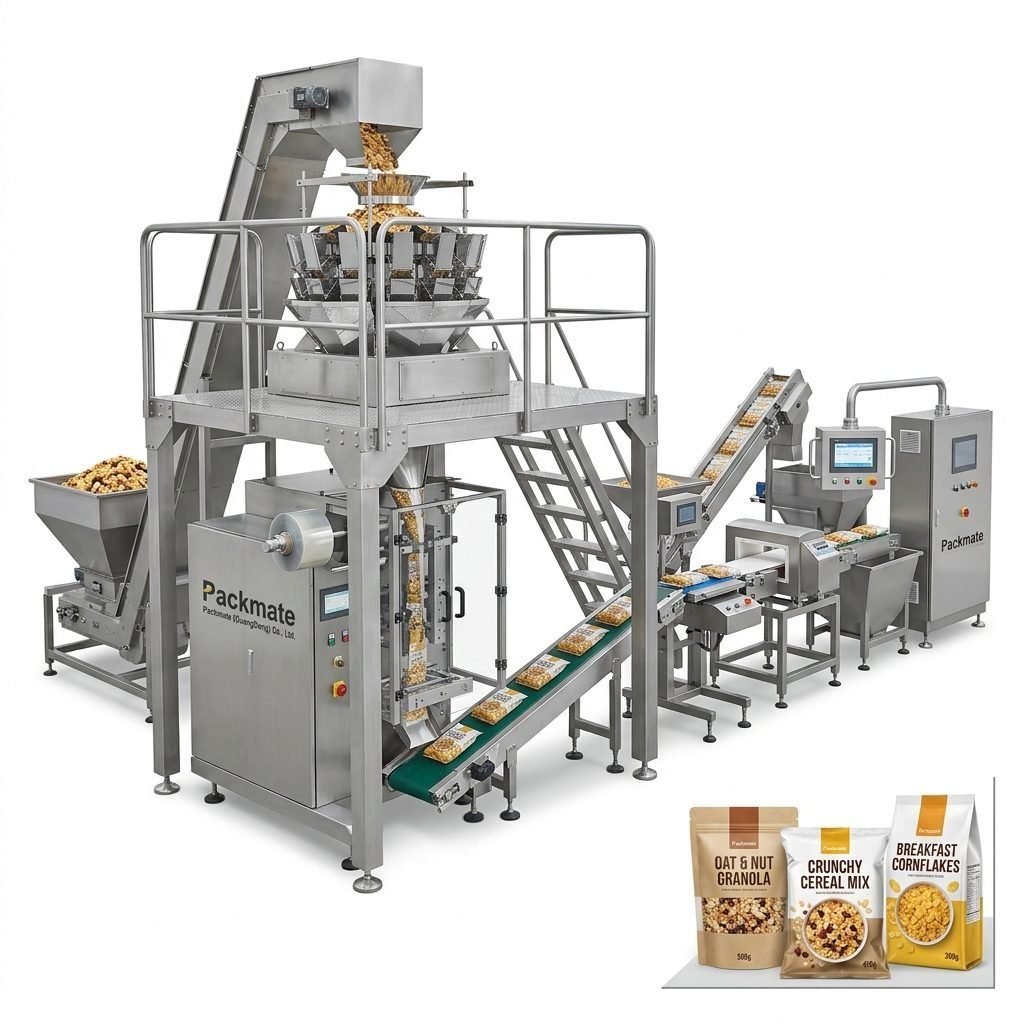
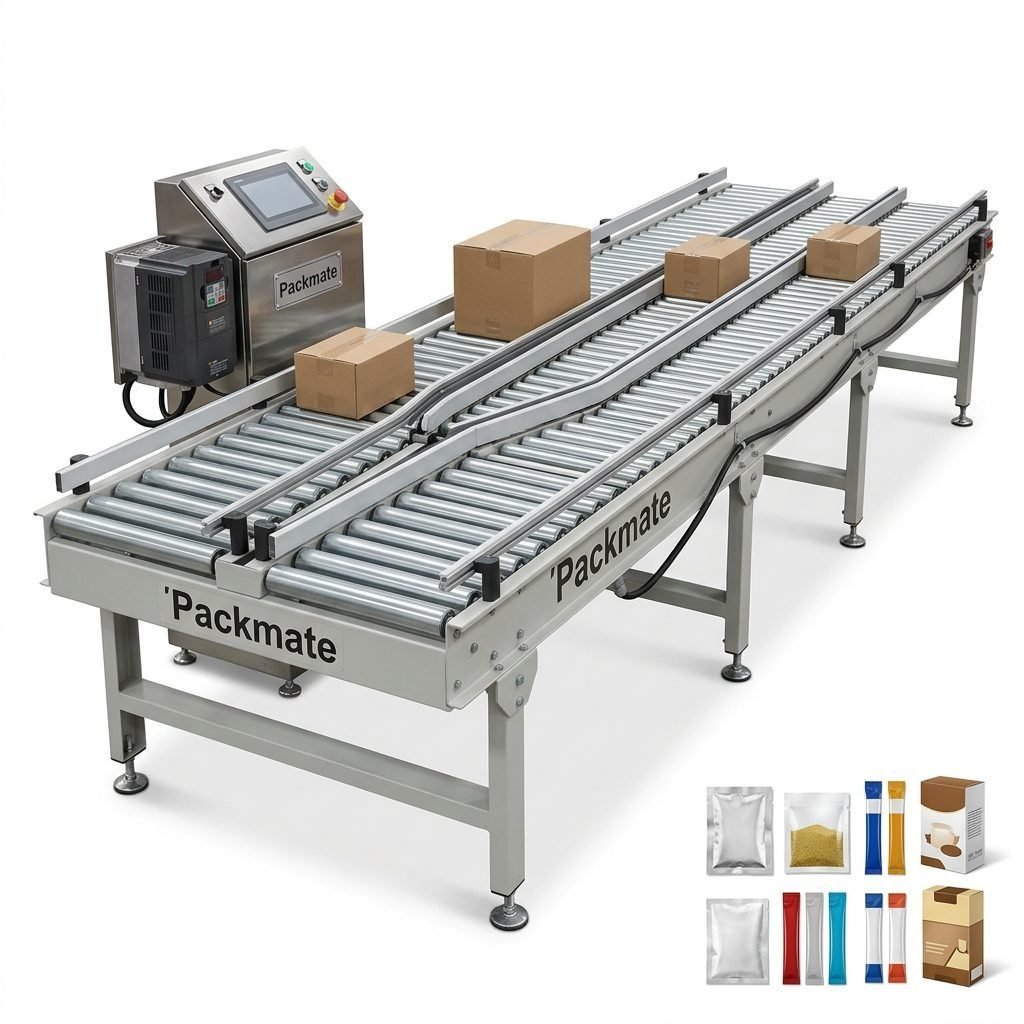
A standalone tea bag machine is powerful, but its efficiency multiplies when integrated into a full packaging line. Upstream, a bulk tea weighing and feeding system ensures a consistent supply. Downstream, auxiliary equipment takes over. This can include automatic bag collectors, cartoners that place a specified number of bags into individual boxes, and overwrapping machines that bundle the boxes for retail sale. A well-synchronized line minimizes downtime, reduces manual handling, and creates a seamless flow from raw material to shippable product.
Operational Best Practices for Peak Performance
To ensure your machine delivers on its promise of efficient production, adherence to rigorous operational protocols is non-negotiable.
- Preventive Maintenance: Establish and follow a strict schedule for cleaning, lubrication, and inspection of critical components like sealing jaws, cutters, and feed systems. This prevents unexpected breakdowns.
- Material Consistency: Use packaging materials (filter paper, strings, tags) that meet the machine’s specifications. Variations in paper thickness or coating can lead to sealing failures and jams.
- Operator Training: Skilled operators who understand the machine’s mechanics and control system can quickly troubleshoot minor issues, perform changeovers efficiently, and maintain optimal running parameters.
- Quality Checks: Implement regular in-process checks for seal strength, bag weight, and tag attachment. Early detection of drift in these parameters prevents large-scale waste.
The Role of Innovation and Reliability
The evolution of tea bag packaging is driven by machinery innovation. Modern machines feature touch-screen PLC controls for easy parameter setting and recipe storage, servo-driven mechanisms for precision and energy savings, and robust stainless-steel construction for durability in food-grade environments. Partnering with an experienced manufacturer like Packmate Machinery, which brings over 30 years of expertise in packaging automation, provides access to this reliable technology. Their focus on building intelligent equipment ensures that your investment is in a machine designed for long-term, efficient production with minimal downtime.
Ultimately, investing in the right tea bag packaging machine is an investment in your brand’s future. It enhances your capacity to meet market demand, guarantees the consistent quality that builds consumer trust, and improves your overall operational profitability. By carefully considering your needs and partnering with a trusted supplier, you can build a production foundation that is both efficient and adaptable for growth.
Frequently Asked Questions (FAQs)
1. What is the typical production speed of an automated tea bag machine?
Speeds vary widely based on the machine type. Standard single-lane machines may produce 60-120 bags per minute, while advanced multi-lane or rotary machines from manufacturers like Packmate can achieve speeds of 200-400 bags per minute or more, depending on the bag style and configuration.
2. Can one machine produce different styles of tea bags?
Many modern machines are designed with changeover flexibility. With interchangeable forming tools and adjustable settings, a single machine can often produce multiple styles, such as switching between rectangular string-and-tag bags and round tagless bags. However, significant changes (e.g., to pyramid sachets) may require a different machine model.
3. How important is the choice of filter paper?
Extremely important. The machine’s sealing system is calibrated for specific paper types (heat-seal coating, thickness, porosity). Using incompatible paper will result in poor seals, machine jams, and production waste. Always consult your machine supplier for approved material specifications.
4. What are the key maintenance routines?
Daily cleaning to remove tea dust, weekly lubrication of moving parts, and periodic inspection/replacement of wear parts like sealing jaws, cutting blades, and feed belts are essential. Following the manufacturer’s maintenance schedule is crucial for longevity and consistent performance.
5. Can these machines handle other products besides tea?
Yes, with appropriate adjustments. Similar machines are often used to package other granular or fine powdered products into sachets, such as instant coffee, sugar, soup mixes, or medicinal powders. The filling system and sometimes the forming tools would be adapted to suit the product’s characteristics.