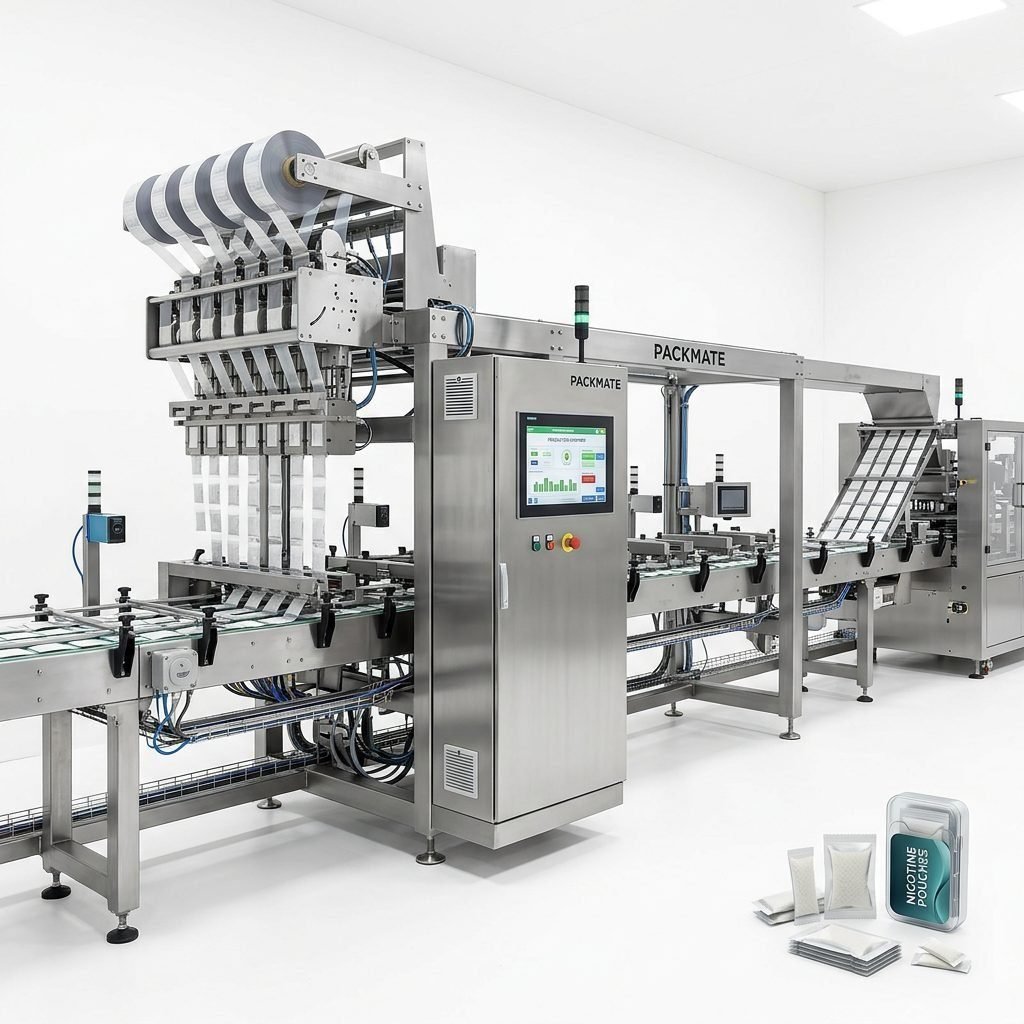
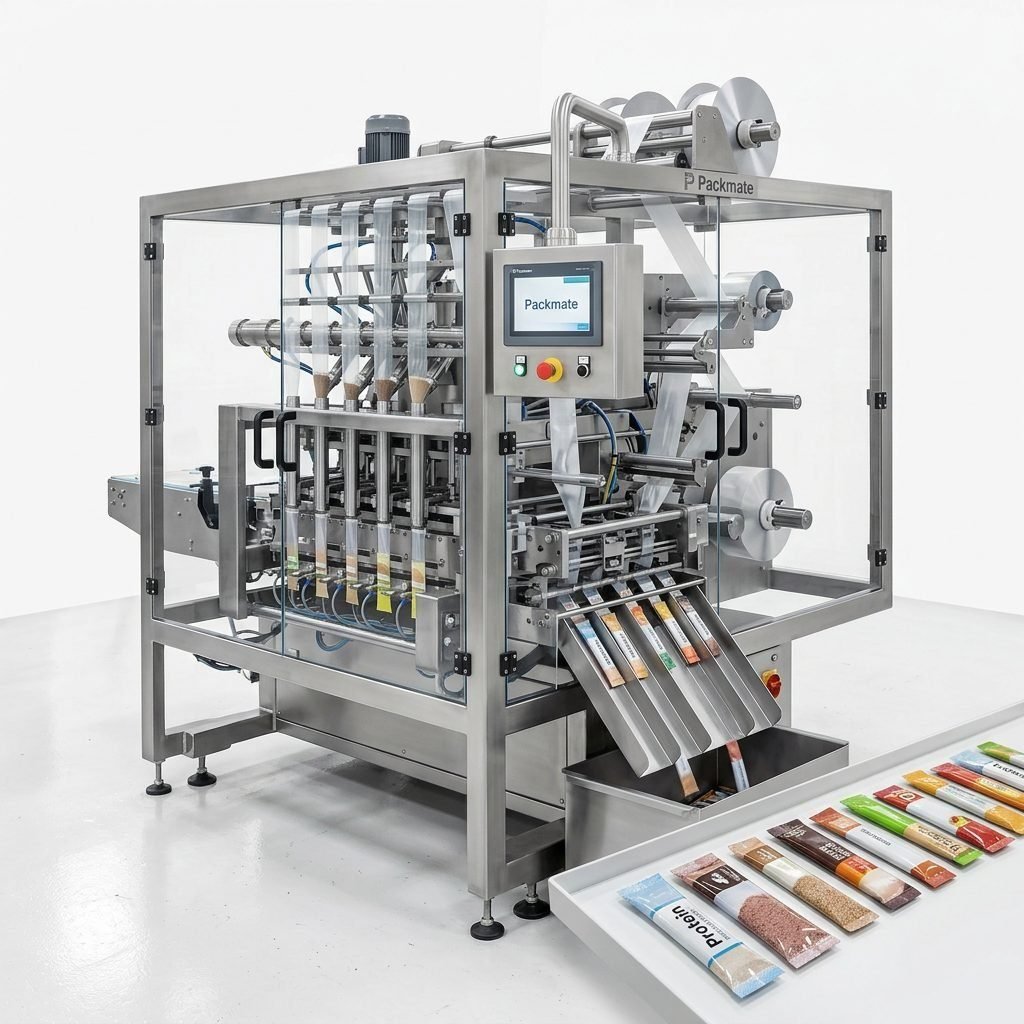
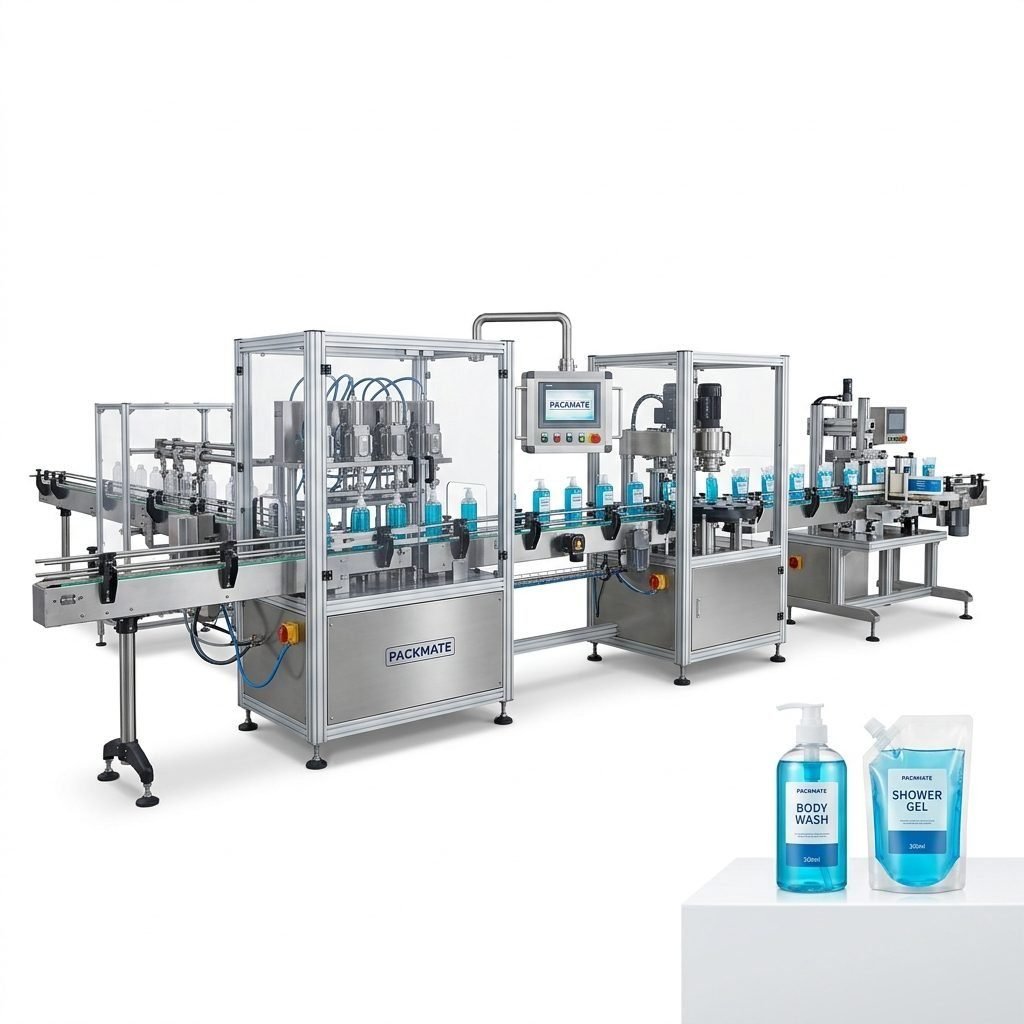
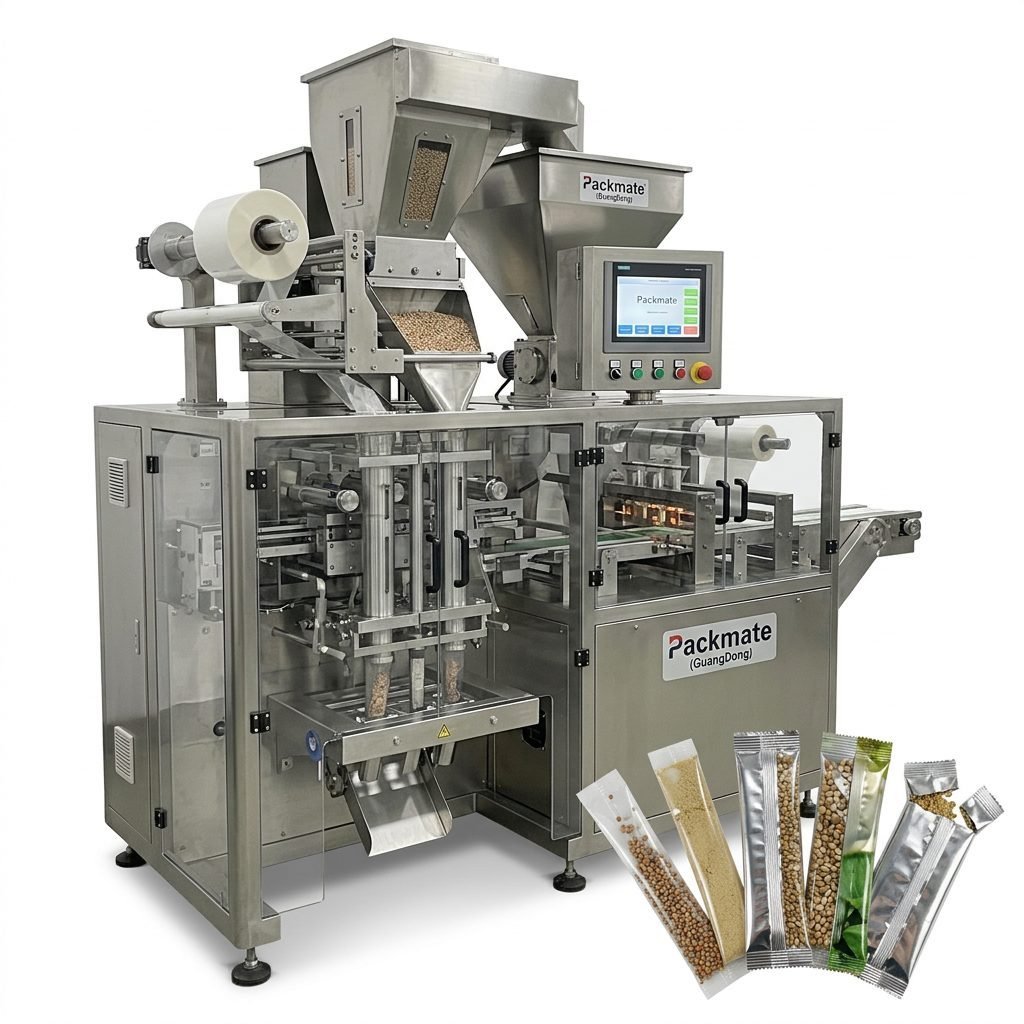
The global beverage industry is undergoing a profound transformation, driven by shifting consumer preferences, sustainability imperatives, and the relentless pursuit of operational efficiency. At the heart of this evolution lies the critical technology of automated beverage carton packaging machinery. This equipment is no longer a mere production line component; it is a strategic asset that directly impacts brand competitiveness, supply chain resilience, and environmental footprint. The market for these sophisticated systems is experiencing dynamic growth, shaped by several interconnected trends that are redefining how beverages are packaged and delivered to consumers worldwide.
Key Market Drivers: Efficiency and Sustainability Lead the Charge
The primary force propelling the automated beverage carton packaging machinery market is the industry-wide demand for heightened production efficiency and reduced operational costs. Manual and semi-automated packaging processes are increasingly unsustainable for large-scale beverage producers facing volatile demand cycles. Automated machinery offers unparalleled speed, precision, and consistency, minimizing product waste and maximizing throughput. This allows manufacturers to scale production up or down with agility, a crucial capability in today’s fast-paced market.
Equally powerful is the global sustainability mandate. Consumers and regulators are demanding eco-friendly packaging solutions, making cartons—often made from renewable, recyclable paperboard—a preferred choice for juices, dairy alternatives, plant-based beverages, and liquid foods. Modern automated cartoners are engineered to handle these materials with extreme care, ensuring perfect seals and structural integrity while minimizing material usage through precise dosing and forming. This alignment with circular economy principles is a significant competitive advantage for brands and a core focus for machinery innovators.
Technological Integration: The Rise of Smart Packaging Lines
Modern packaging lines are becoming intelligent ecosystems. The latest trend involves the deep integration of Industrial Internet of Things (IIoT) sensors, artificial intelligence, and advanced robotics. These technologies enable real-time monitoring of machine performance, predictive maintenance to prevent unplanned downtime, and automated quality control. For instance, vision systems can instantly detect and reject cartons with imperfect seals or print registration, ensuring only flawless products reach the consumer.
This shift towards Industry 4.0 compatibility allows for seamless data exchange between the packaging machinery and broader enterprise resource planning (ERP) systems. Production managers gain unprecedented visibility into line efficiency, material consumption, and output quality, enabling data-driven decision-making. For manufacturers like Packmate Machinery, with decades of engineering expertise, this means developing machines that are not only robust but also data-ready, providing clients with the tools to build the smart factories of the future.
Flexibility and Customization: Catering to a Diversified Market
The beverage market itself is fragmenting. The rise of niche products, limited-edition runs, and personalized nutrition demands packaging machinery that is highly flexible. Leading manufacturers are responding by designing modular systems capable of quick changeovers between different carton sizes, shapes, and designs. This flexibility reduces downtime when switching products and allows brands to experiment with packaging formats to stand out on crowded shelves.
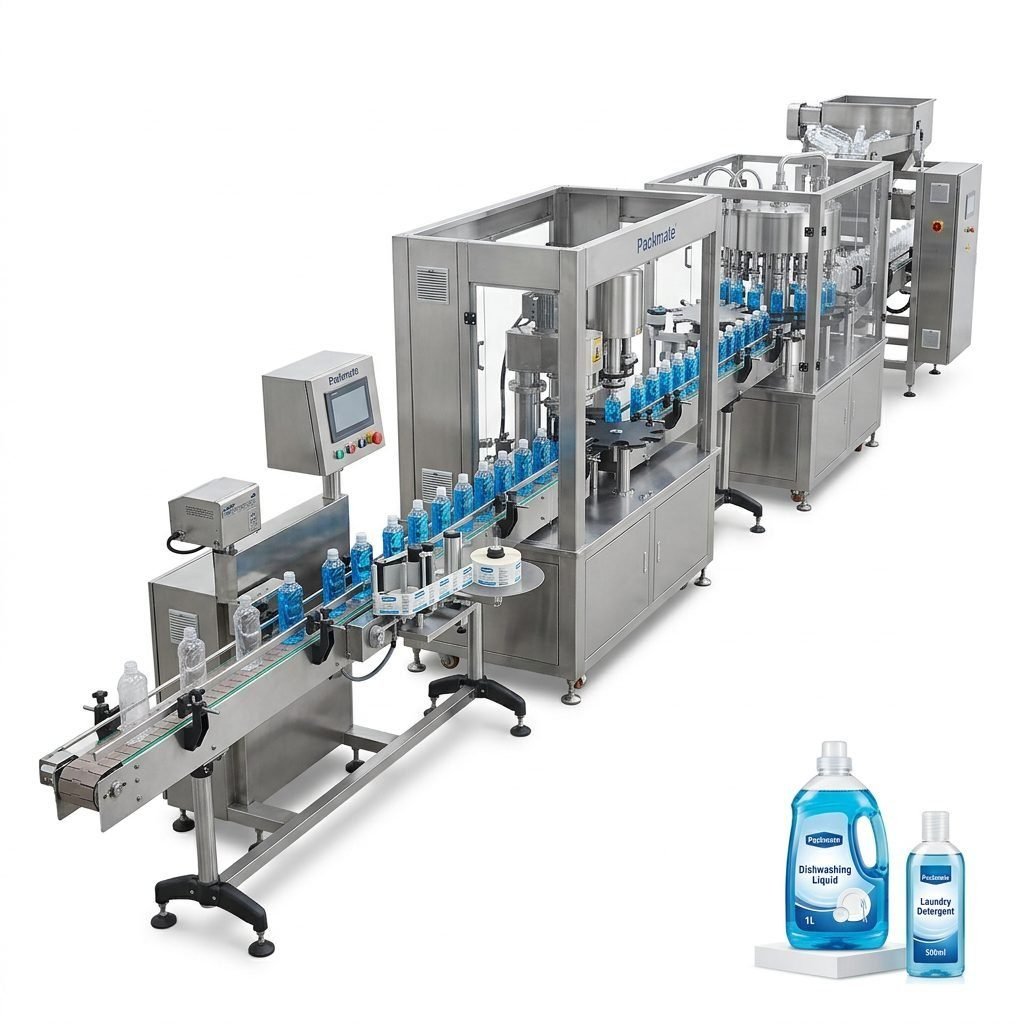
This need for adaptability extends to handling diverse product types, from low-viscosity juices to viscous dairy products or particulate-filled beverages. Advanced filling technology is crucial here, ensuring accurate, hygienic, and splash-free filling regardless of product characteristics. The ability to offer complete, customized turnkey solutions—from the filler to the carton former, closer, and secondary packaging—is what sets top-tier suppliers apart.
Regional Market Dynamics and Future Outlook
Market growth is robust across both established and emerging economies. In North America and Europe, the drive is largely modernization and replacement of aging lines with smarter, more sustainable equipment. In the Asia-Pacific region, particularly in high-growth markets, the demand is fueled by new facility construction, rising disposable incomes, and the rapid expansion of the beverage industry. The trend towards on-the-go consumption globally also favors convenient, portable carton packaging, further stimulating investment in high-speed automated machinery.
Looking ahead, the convergence of sustainability, digitalization, and flexibility will continue to define the market. We can expect further advancements in aseptic packaging technology to extend shelf-life without preservatives, greater use of lightweight and bio-based materials, and even more sophisticated AI-driven optimization of entire packaging lines. Success for beverage producers will hinge on partnering with machinery providers who possess not only technical prowess but also a deep understanding of these macro-trends and the vision to implement them.
Companies with a long-term commitment to innovation, such as Packmate Machinery, are well-positioned in this landscape. By leveraging extensive experience in packaging solutions for food and pharmaceuticals, they can translate precision engineering and reliability to the demanding beverage carton sector, helping clients navigate these complex market trends effectively.
Frequently Asked Questions (FAQs)
What are the main benefits of switching to fully automated beverage carton packaging? The key benefits include significantly increased production speed and output, superior consistency and packaging quality, reduced labor costs and dependency, lower material waste through precise operation, and enhanced ability to collect production data for process optimization and traceability.
How does automated machinery support sustainability goals? Modern machines are designed for efficiency, minimizing energy and material use. They excel at handling recyclable carton materials reliably and can be integrated with systems that use recycled content. Precise filling reduces product waste, and data analytics help optimize overall resource consumption throughout the production line.
Can one machine handle different carton sizes and product types? Yes, a major trend is toward modular and flexible machinery. Many advanced models allow for quick changeovers between different carton formats. The critical factor is ensuring the filling system is compatible with your product’s viscosity and characteristics; suppliers like Packmate offer various weighing and filling systems to match specific needs.
What is the importance of IIoT and smart features in this machinery? IIoT-enabled machines provide real-time operational insights, enable predictive maintenance to avoid costly breakdowns, ensure consistent quality through automated monitoring, and facilitate integration with factory-wide management systems. This “smart” capability is essential for achieving high levels of Overall Equipment Effectiveness (OEE) and building a resilient, data-driven production environment.
What should I consider when choosing a supplier for automated carton packaging equipment? Key considerations include: the supplier’s proven experience and industry reputation, the flexibility and technology level of their machine portfolio, their ability to provide comprehensive after-sales service and parts support, the total cost of ownership (not just purchase price), and their capacity to deliver a validated, turnkey solution tailored to your specific products and output goals.