The food packaging machinery manufacturing sector is a dynamic and critical component of the global food industry. It bridges the gap between food production and consumption, ensuring products reach consumers safely, efficiently, and in a manner that preserves quality and freshness. As consumer demands evolve and technological advancements accelerate, manufacturers are continuously innovating to provide sophisticated solutions. This article delves into the top manufacturing solutions and prevailing trends shaping the future of food packaging machinery.
The Core of Modern Manufacturing: Intelligent & Automated Solutions
At the heart of contemporary food packaging are intelligent and fully automated systems. These solutions go beyond simple mechanization, integrating sensors, vision systems, and programmable logic controllers (PLCs) to create self-regulating production lines. The primary goal is to maximize operational efficiency, minimize human error, and ensure consistent, high-quality output.
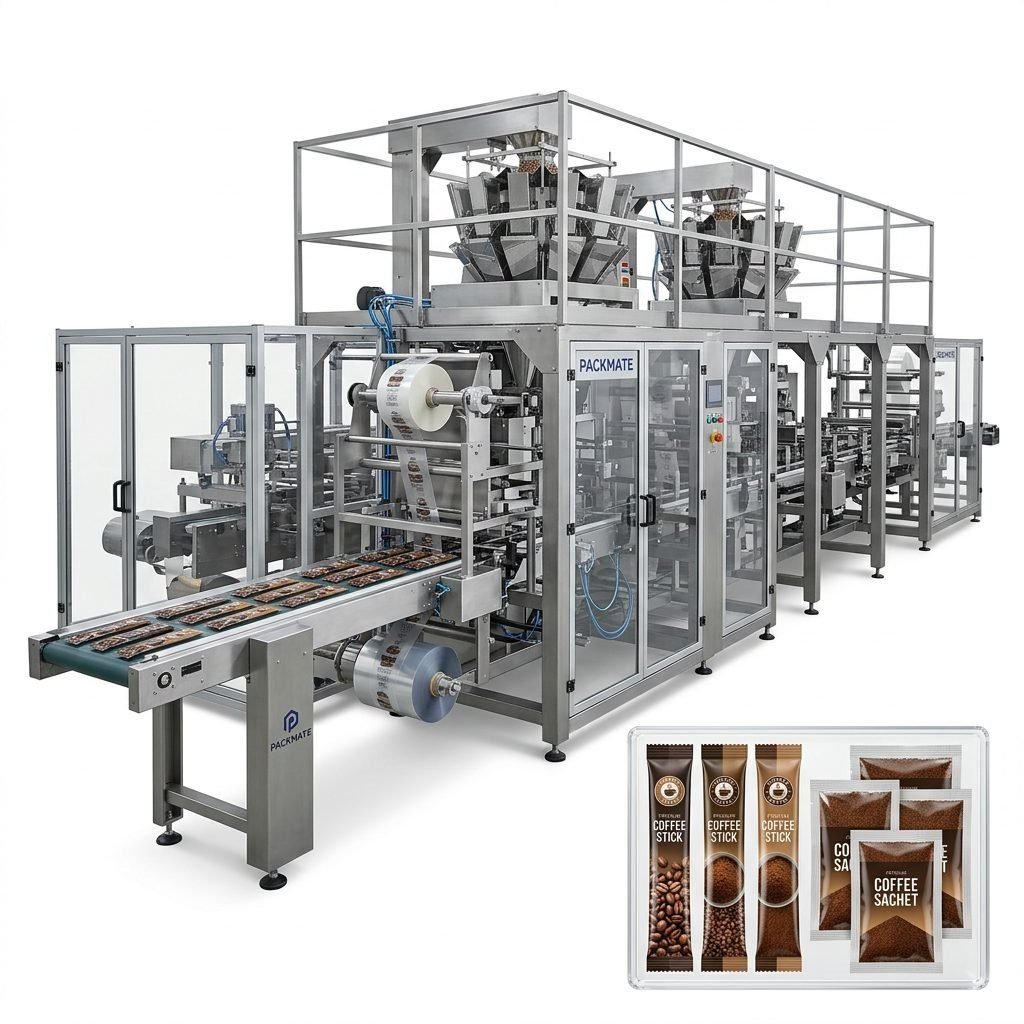
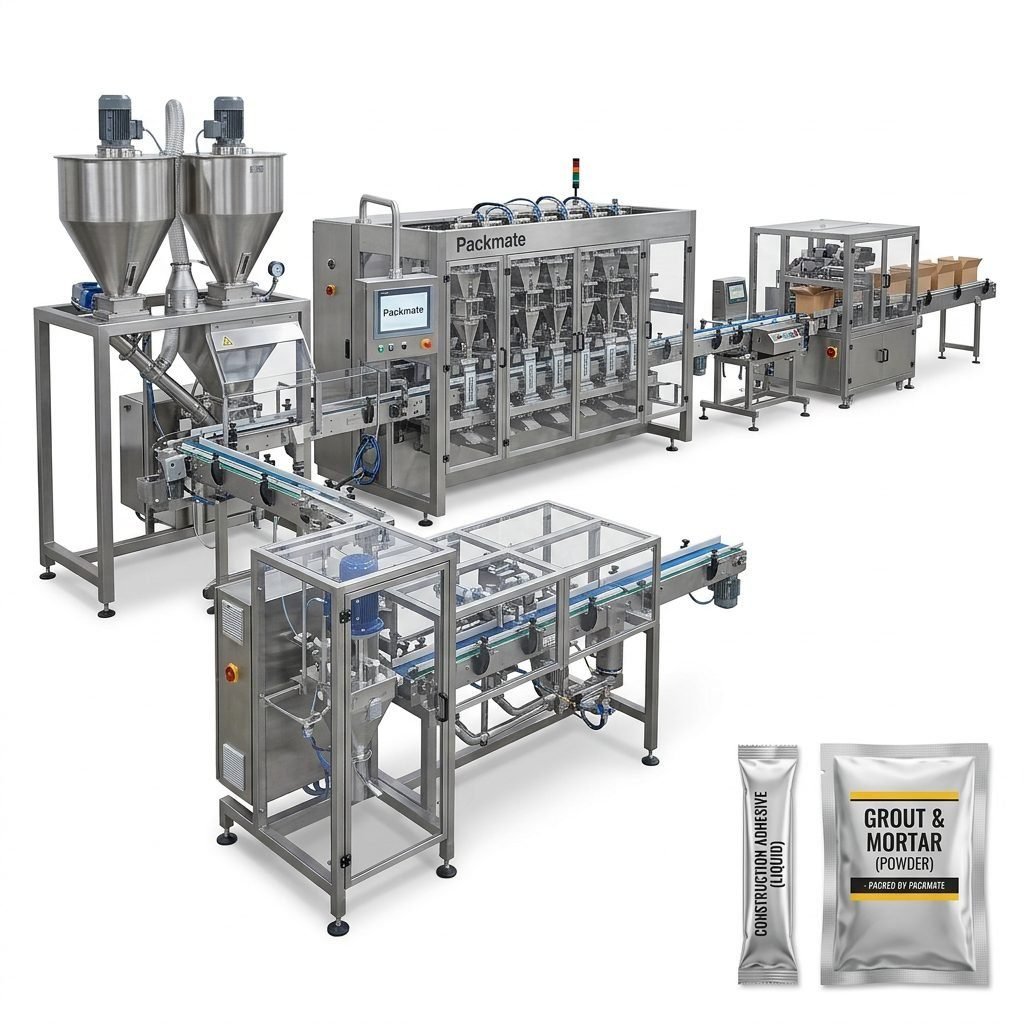
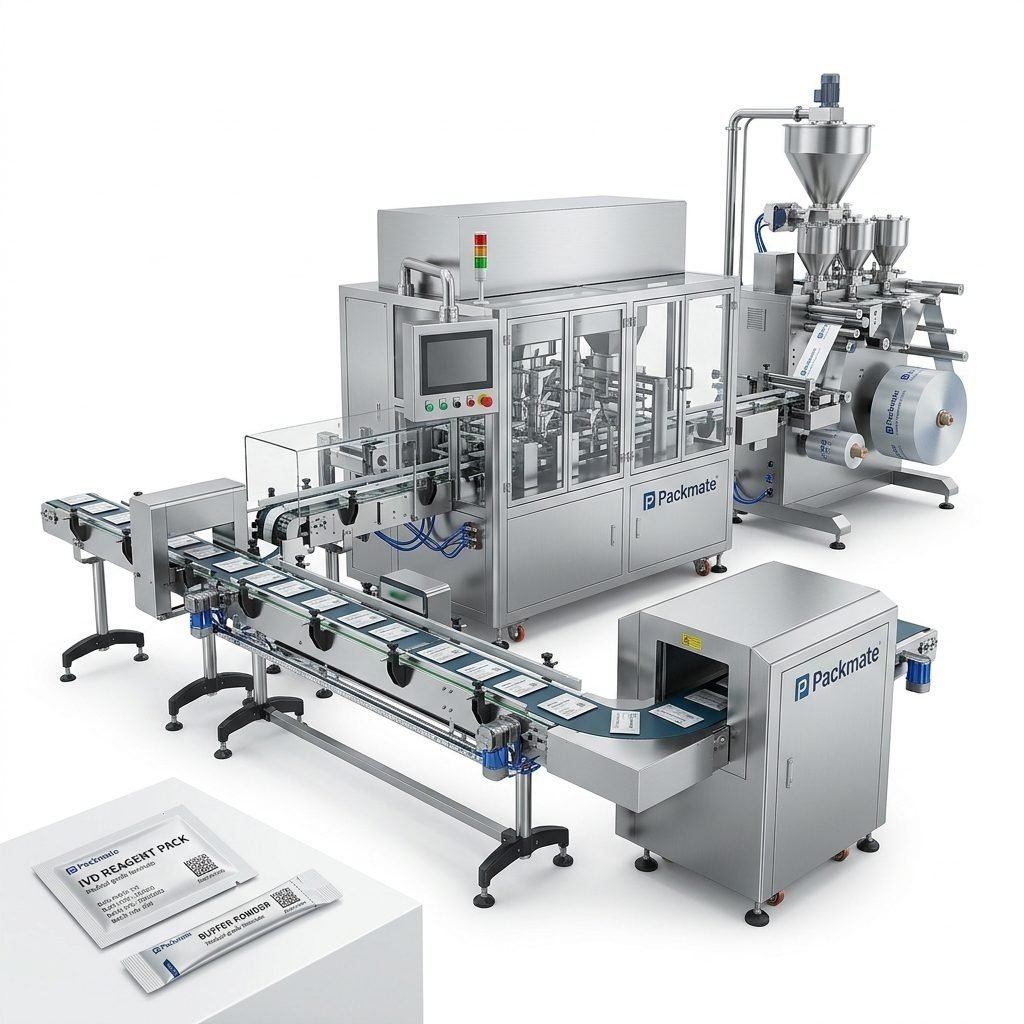
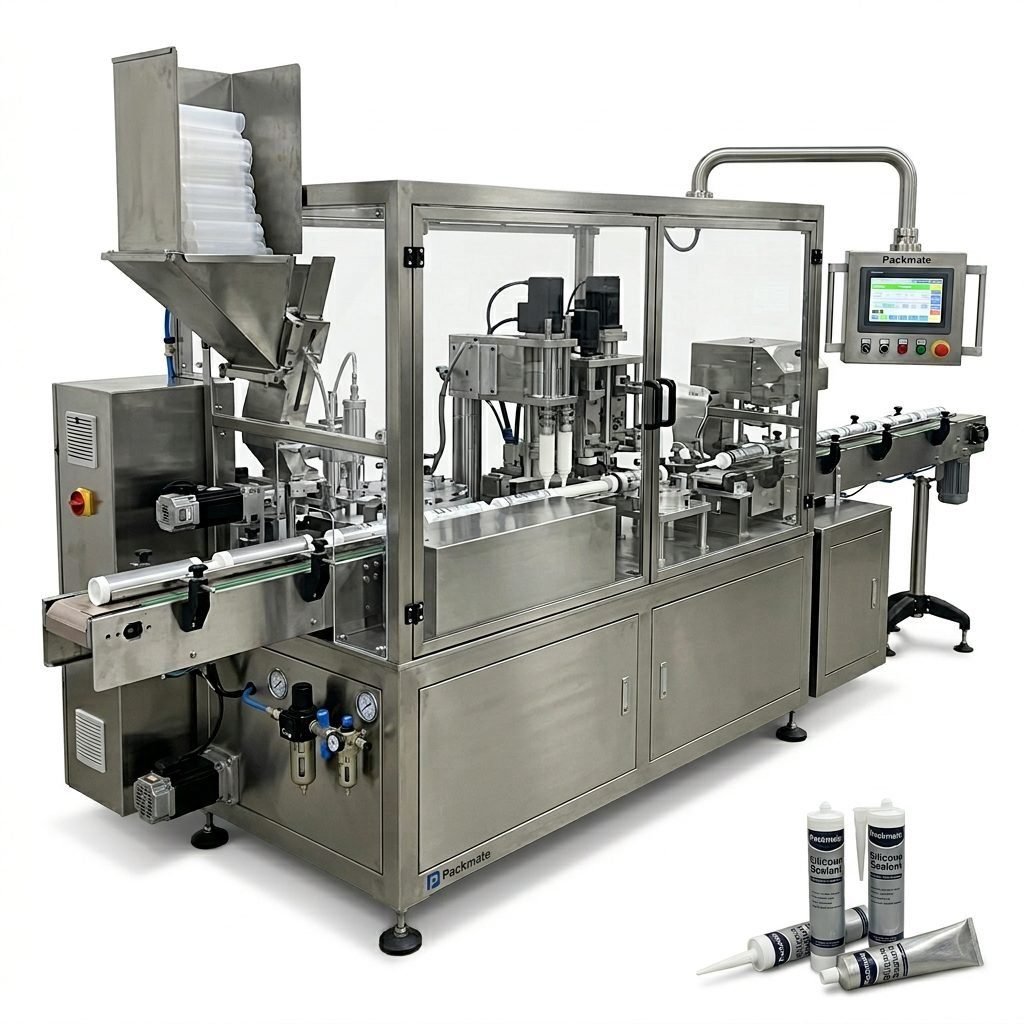
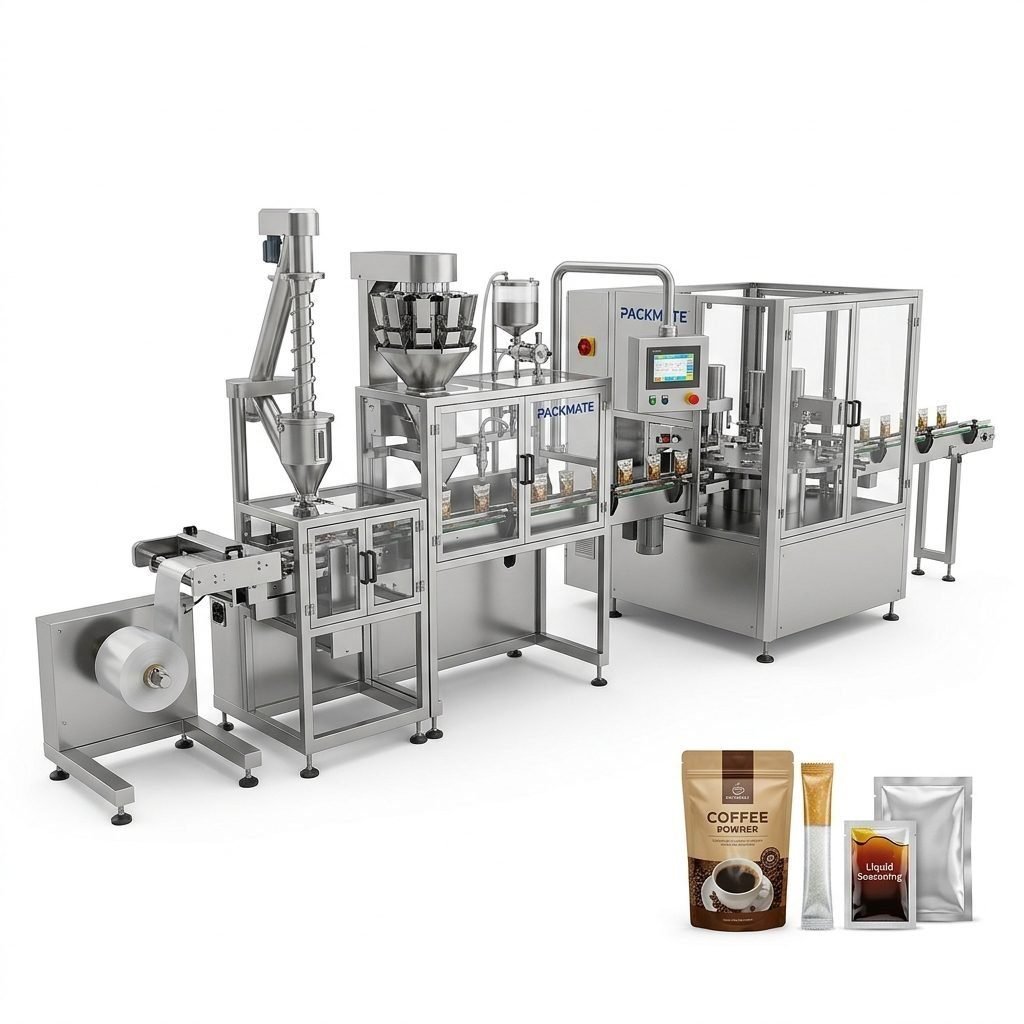
Leading manufacturers, such as Packmate Machinery, exemplify this shift. With over three decades of expertise, they have developed a comprehensive range of over 50 machine models designed for granules, powders, and liquids. Their solutions often encompass complete filling and packaging lines that can handle everything from precise weighing to final sealing with minimal manual intervention. This turnkey approach allows food producers to streamline their operations from a single, reliable source.
Key Automated Machinery Types
The landscape of automated machinery is diverse, catering to different packaging formats and product types:
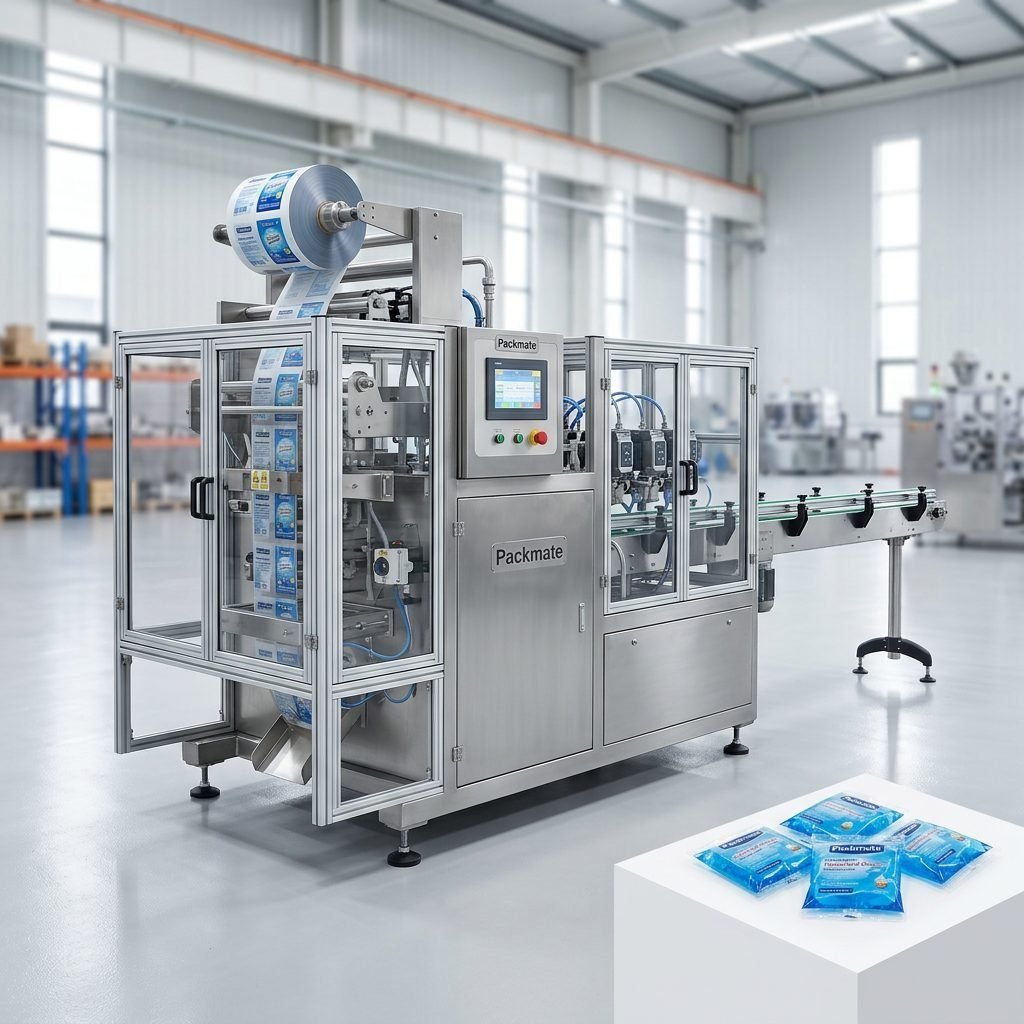
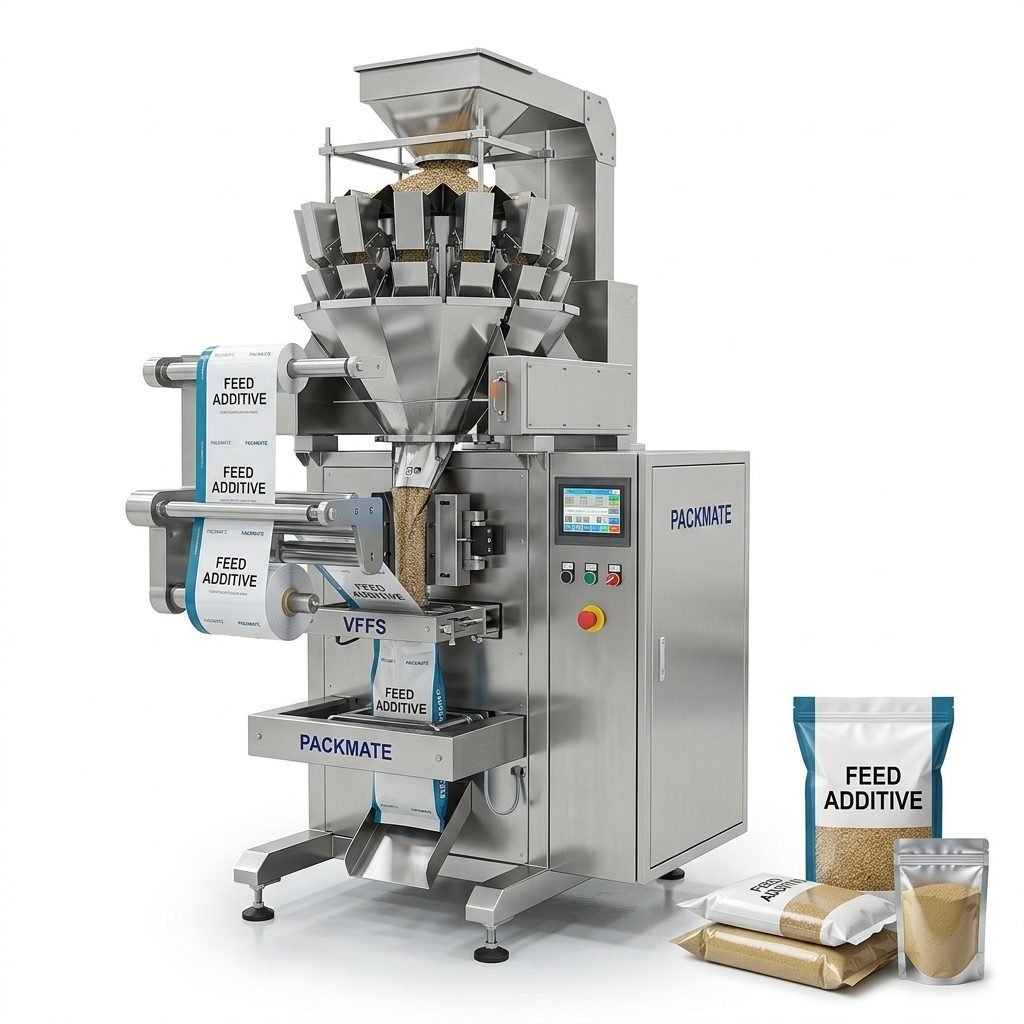
Vertical Form-Fill-Seal (VFFS) Machines: The workhorses of the industry, these machines form bags from a roll of film, fill them with product, and seal them in one continuous, high-speed operation. They are incredibly versatile for snacks, frozen foods, and dry goods.
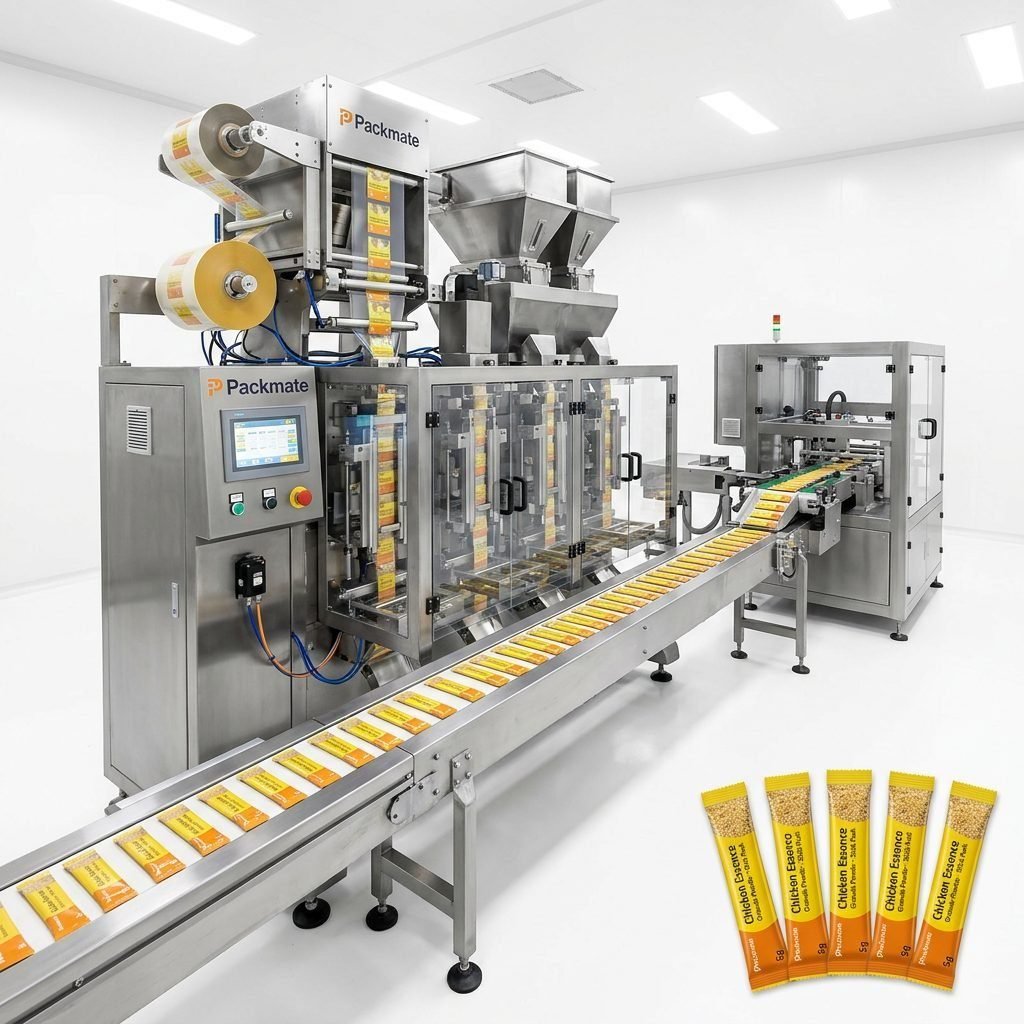
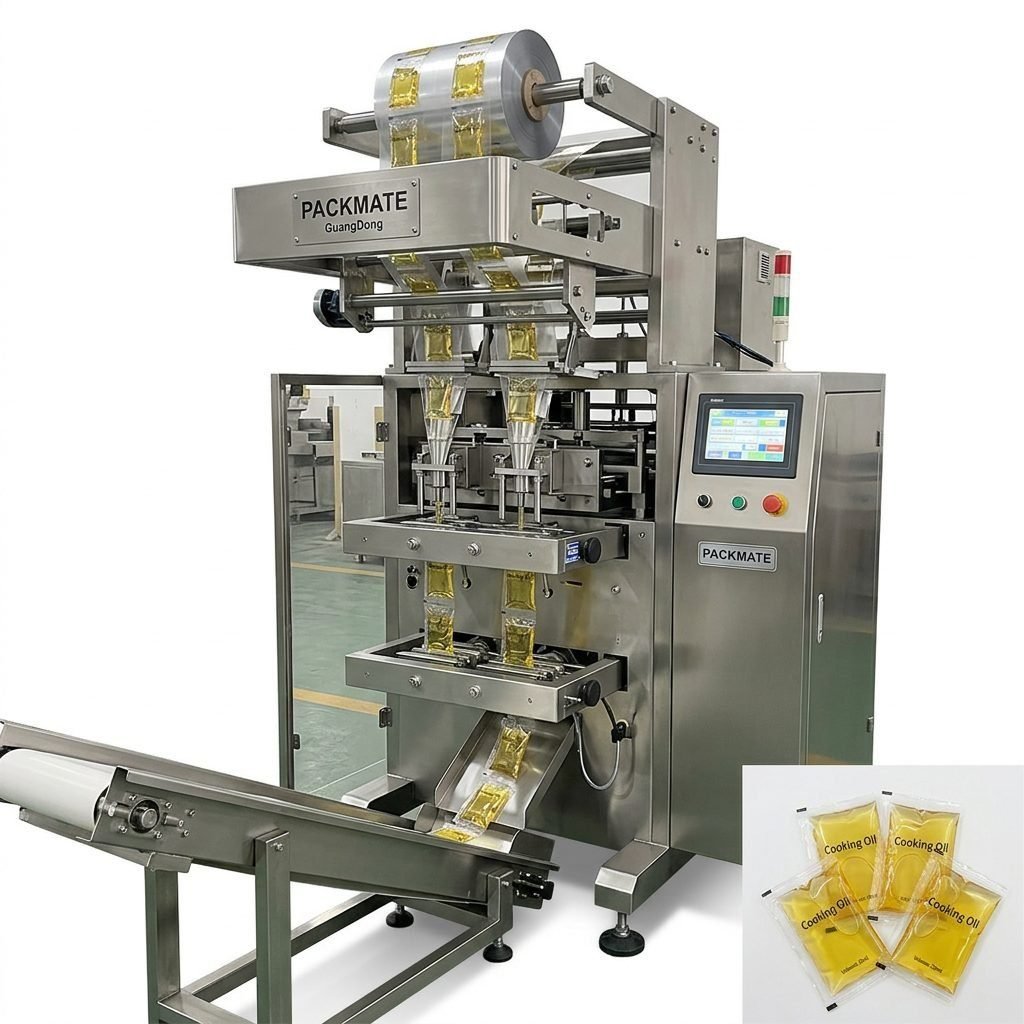
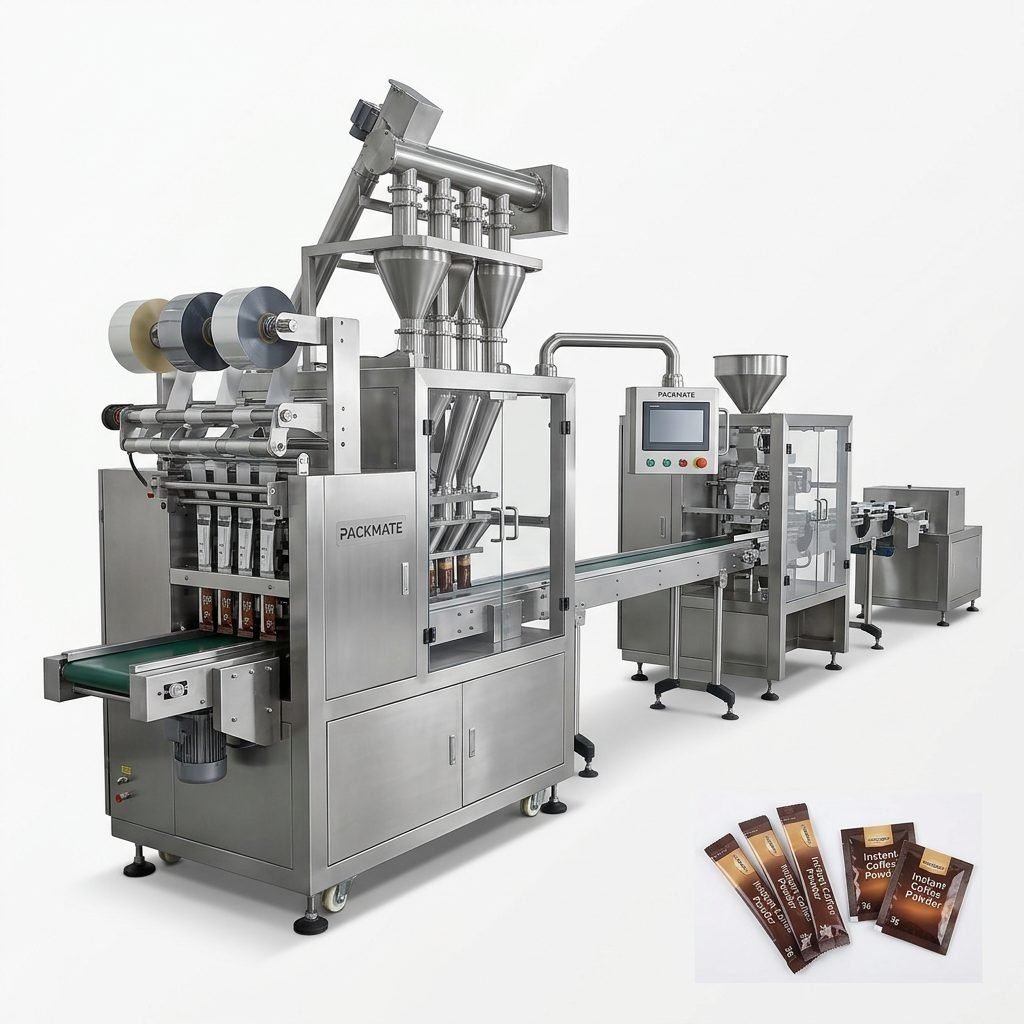
Multi-Lane Stick Pack & Sachet Machines: Essential for single-serve portions of sauces, condiments, supplements, and instant beverages. Advanced multi-lane systems, like those offered for sachet and stick pack packaging, dramatically increase output by running multiple packaging lanes simultaneously.
Robotic Palletizing and Case Packing: Robots have revolutionized the end-of-line process. They can gently and accurately pick, place, and palletize packaged products, adapting to different patterns and box sizes with ease, reducing labor strain and increasing safety.
Dominant Trends Reshaping the Industry
The industry is not static; it is being reshaped by several powerful trends driven by technology, sustainability, and market needs.
1. Sustainability and Circular Economy Focus
Perhaps the most significant trend is the push toward sustainable packaging. Machinery manufacturers are responding by developing equipment that can handle:
- Recyclable and Monomaterials: Machines optimized to run with films that are easier to recycle, such as single-polymer structures.
- Compostable and Biodegradable Films: These alternative materials often have different sealing and handling characteristics, requiring precise temperature and tension control from the machinery.
- Source Reduction: Engineers are designing machines that create packages using the absolute minimum amount of material necessary without compromising integrity, reducing both waste and cost.
2. Integration of Industry 4.0 and IoT
The Fourth Industrial Revolution is firmly embedding itself in packaging halls. Internet of Things (IoT) connectivity allows machines to communicate data in real-time. This enables:
- Predictive Maintenance: Sensors monitor component health, predicting failures before they cause unplanned downtime.
- Real-Time Production Monitoring: Managers can track Overall Equipment Effectiveness (OEE), output rates, and waste percentages from a dashboard, enabling data-driven decisions.
- Remote Diagnostics and Support: Manufacturers like Packmate can often connect securely to a customer’s machine to diagnose issues, update software, or provide virtual training, reducing service response times.
3. Flexibility and Quick Changeover
With the rise of limited-edition products and shorter product lifecycles, packaging lines must be agile. The trend is toward modular machinery with tool-less or quick-change components. This allows producers to switch between different package sizes, shapes, or materials in minutes rather than hours, maximizing production uptime and enabling small-batch runs to be economically viable.
4. Enhanced Hygiene and Food Safety Design
In the post-pandemic world and with ever-stricter food safety regulations (like FDA and EU standards), hygienic machine design is paramount. Trends include:
- Stainless steel constructions with smooth, crevice-free surfaces.
- Easy-clean access panels and wash-down capabilities (IP ratings).
- Integration of automated cleaning-in-place (CIP) systems for liquid filling lines, eliminating manual disassembly.
Choosing the Right Manufacturing Partner
Selecting a machinery manufacturer is a strategic decision. Beyond the machine specifications, consider the partner’s industry experience, commitment to R&D, and service capabilities. A partner with a long history, like Packmate which traces its roots to a 1993 workshop vision, brings invaluable practical knowledge. Their evolution into a company with a 20,000㎡ modern facility demonstrates growth and commitment to scale. Evaluating a manufacturer’s project case studies and their range of auxiliary equipment can provide insight into their ability to deliver a complete, integrated solution rather than just an isolated machine.
The Future Outlook
The future of food packaging machinery manufacturing is intelligent, sustainable, and deeply connected. We will see further convergence of artificial intelligence for quality control, more advanced robotics for collaborative tasks, and a continued emphasis on reducing the environmental footprint of packaging operations. Manufacturers who invest in these areas, prioritizing innovation alongside reliability—as seen in the journey from a small workshop to an international provider of turnkey packaging solutions—will lead the market and empower food brands to meet the challenges of tomorrow.
Frequently Asked Questions (FAQs)
What are the main benefits of automated food packaging machinery?
The core benefits include significantly increased production speed and output, improved packaging consistency and accuracy, reduced labor costs and physical strain on workers, enhanced hygiene control, and better overall operational data for decision-making. Automation also allows for running production lines continuously.
How do I choose between a stick pack machine and a sachet machine?
The choice depends primarily on your product and market preference. Stick packs are tall and slender, ideal for powders that are poured (like drink mixes). Sachets are typically rectangular or square and are better for viscous products (like sauces or creams) that are squeezed out. Many modern machines, however, are versatile and can produce both formats with changeable forming tools.
Can new packaging machinery handle sustainable/biodegradable materials?
Many new-generation machines are designed with this in mind, but it is a critical question to ask your supplier. Sustainable materials often require specific adjustments to sealing temperature, dwell time, film tension, and forming mechanics. Reputable manufacturers will have tested their equipment with these materials and can provide guidance and possibly modifications.
What is meant by a “turnkey” packaging solution?
A turnkey solution means the supplier takes full responsibility for delivering a complete, ready-to-operate production line. This goes beyond selling individual machines. It includes system design, integration of all components (filling, sealing, coding, etc.), installation, commissioning, training, and ongoing support. It provides a single point of contact and accountability for the entire line.
How important is after-sales service and support?
Extremely important. Packaging machinery is a long-term investment. Reliable after-sales service—including readily available spare parts, technical support, preventive maintenance programs, and operator training—is crucial for minimizing downtime and ensuring the longevity and productivity of your equipment. Always evaluate a manufacturer’s service network and reputation.