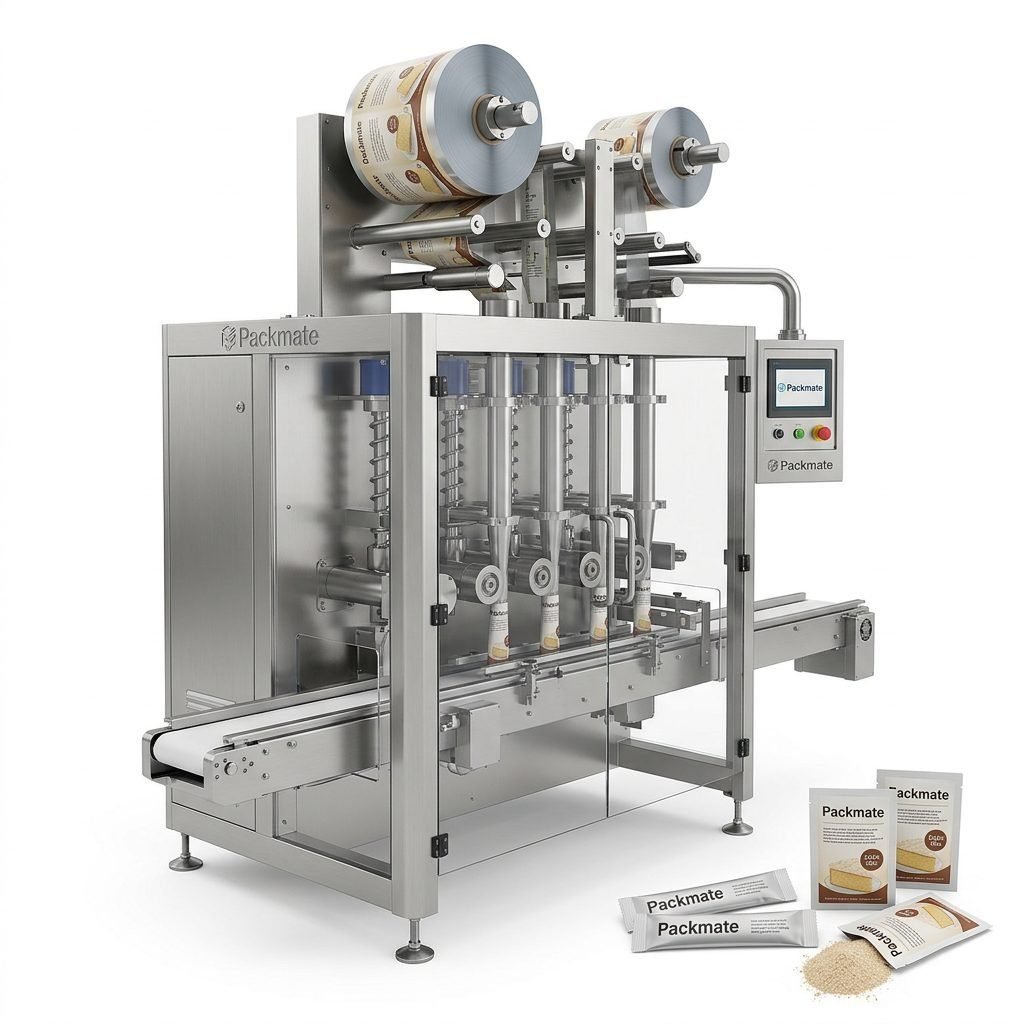
In the fast-paced world of food manufacturing, efficiency and presentation are paramount. For producers of condiments like ketchup, soy sauce, mayonnaise, and specialty dips, the final step—packaging—can make or break market success. A dipping sauce packaging machine is not just a piece of equipment; it’s a critical investment that impacts production speed, product shelf life, brand image, and ultimately, profitability. Choosing the right machine requires understanding the different types available, their specific benefits, and the key factors that guide a smart purchasing decision.
Understanding Different Types of Dipping Sauce Packaging Machines
The packaging landscape for liquid and semi-liquid products is diverse, with machines designed for specific formats and production scales. The primary function of these machines is to accurately measure, fill, and seal the sauce into a hygienic, attractive, and functional package.
Vertical Form-Fill-Seal (VFFS) Machines
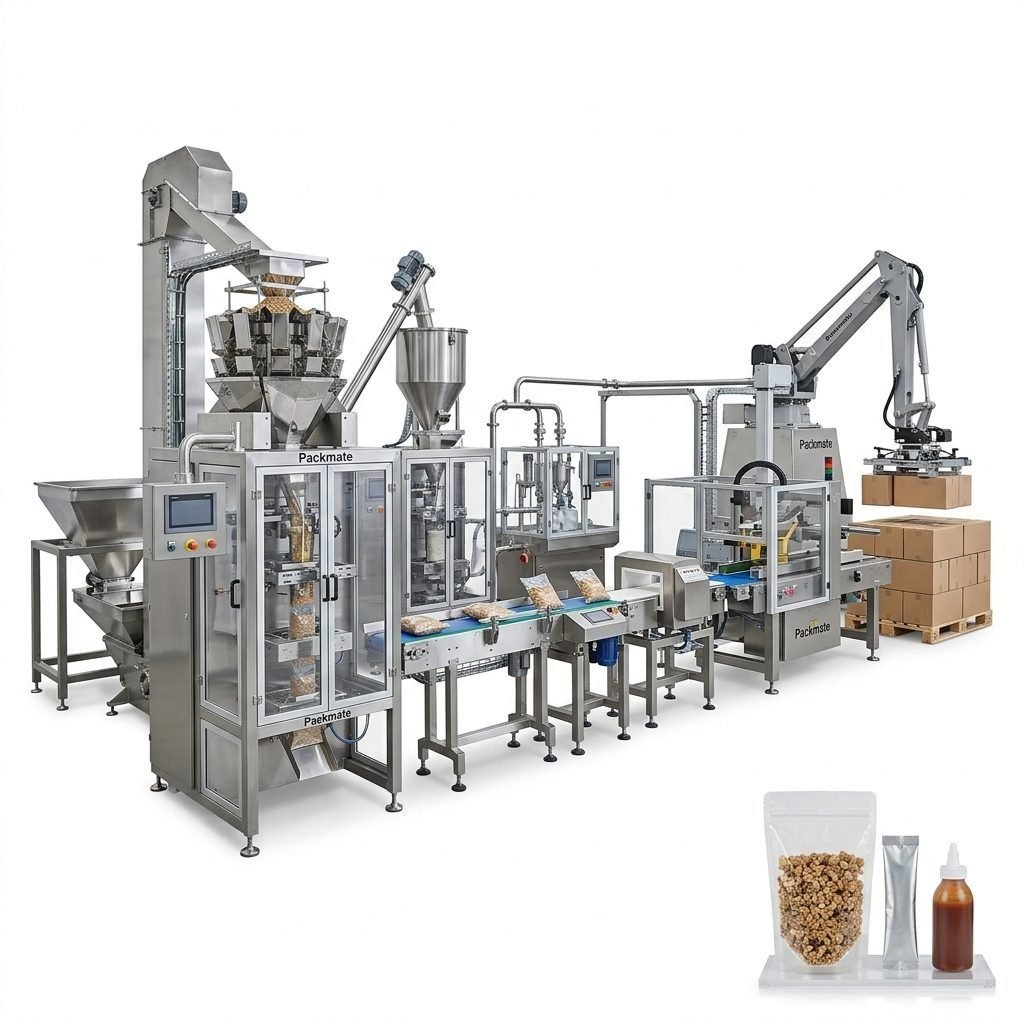
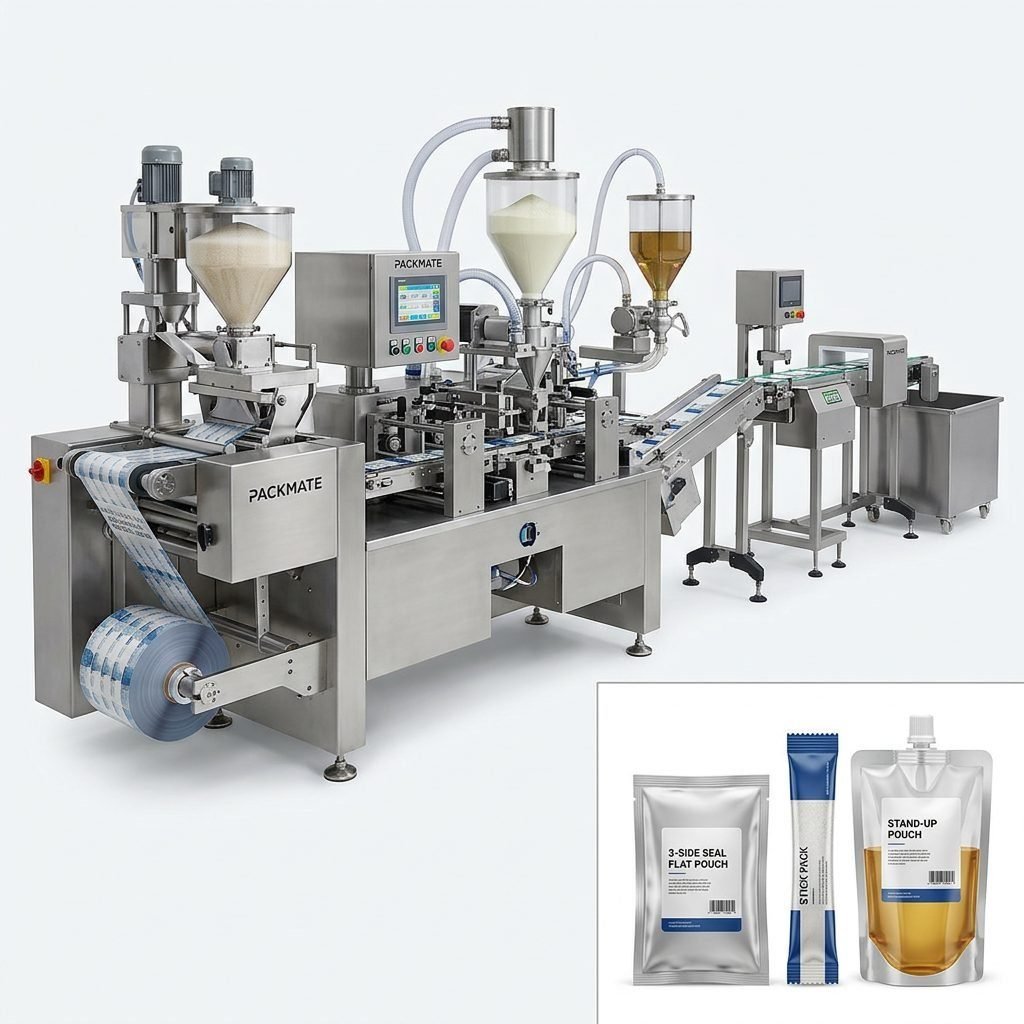
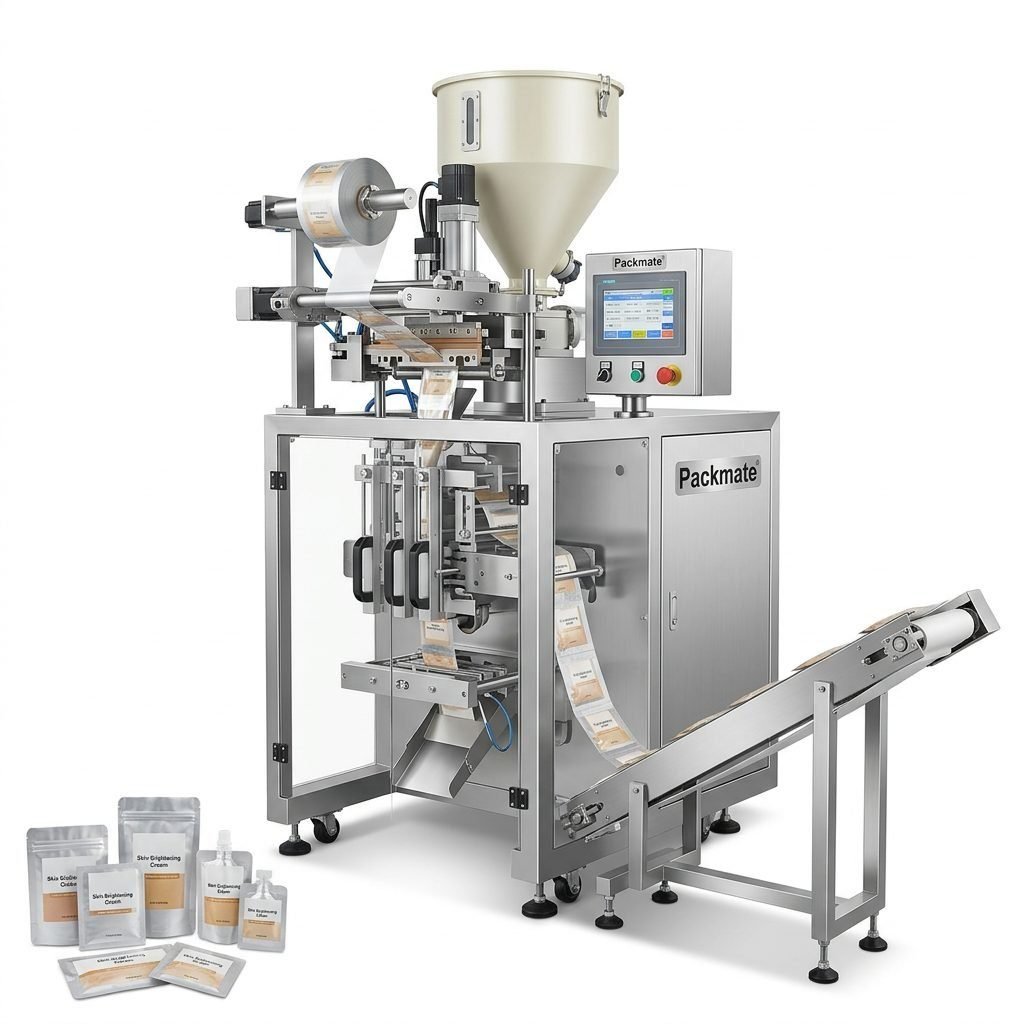
These are among the most common and versatile machines. They form a bag from a roll of packaging film, fill it with a pre-measured volume of sauce, and then seal it. VFFS machines are ideal for creating stand-up pouches, pillow packs, and gusseted bags, which are popular for single-serve condiment portions in fast-food chains or for retail sale. Their flexibility in bag size and the ability to incorporate features like spouts or zippers make them a go-to choice for many manufacturers.
Pouch Packaging Machines
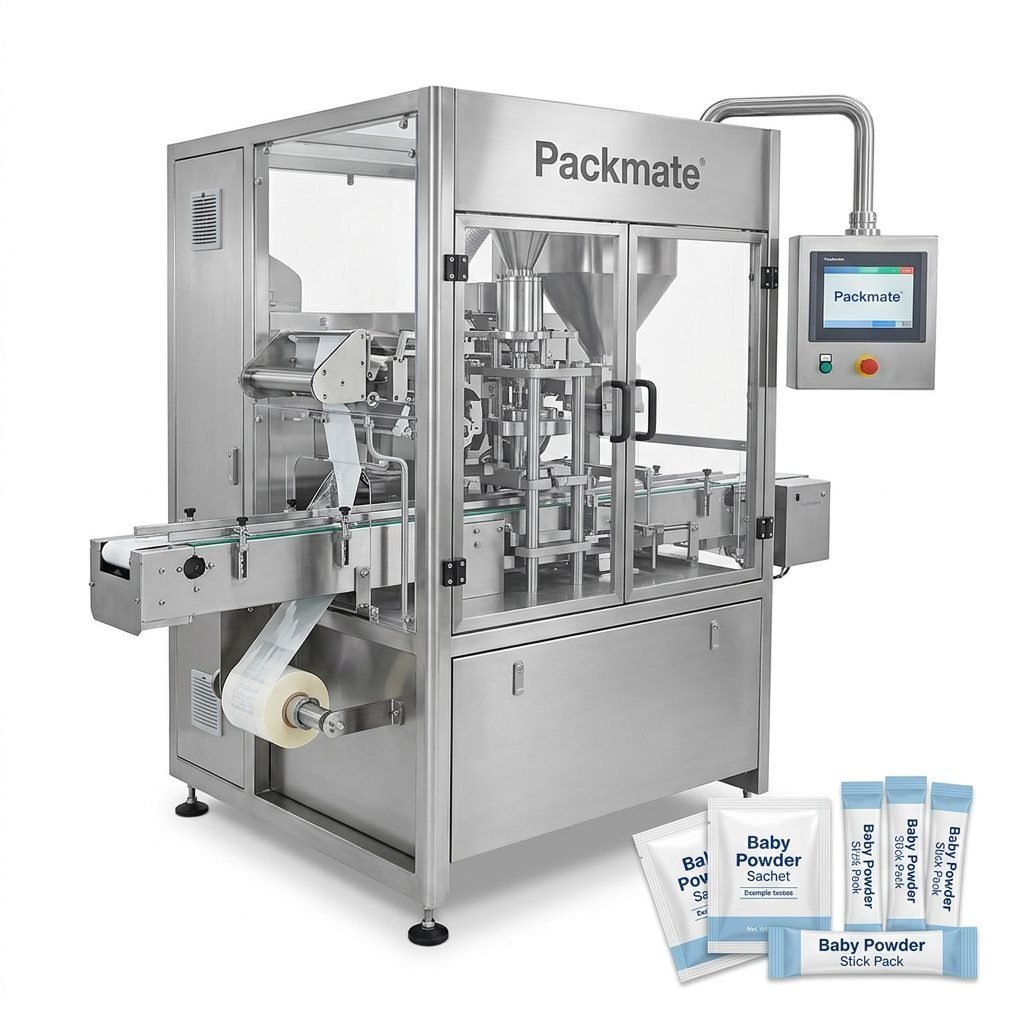
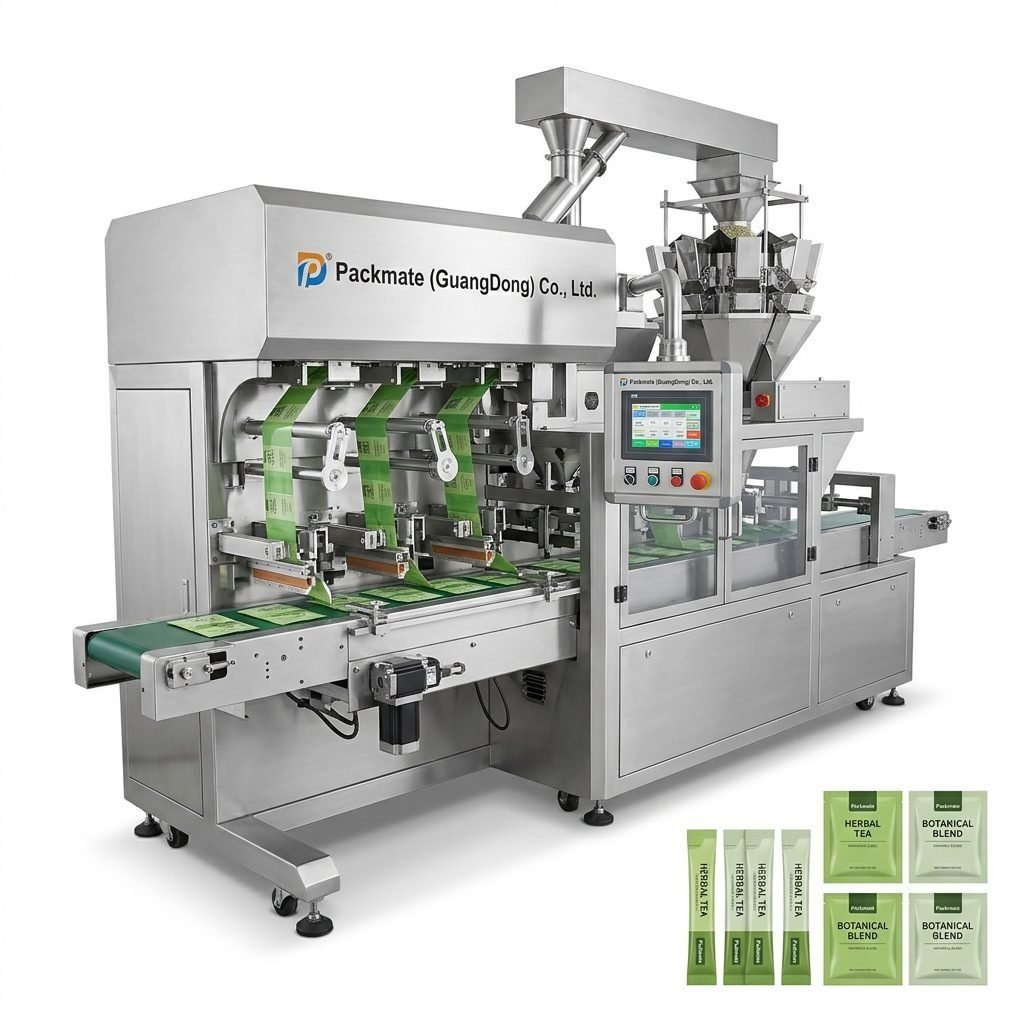
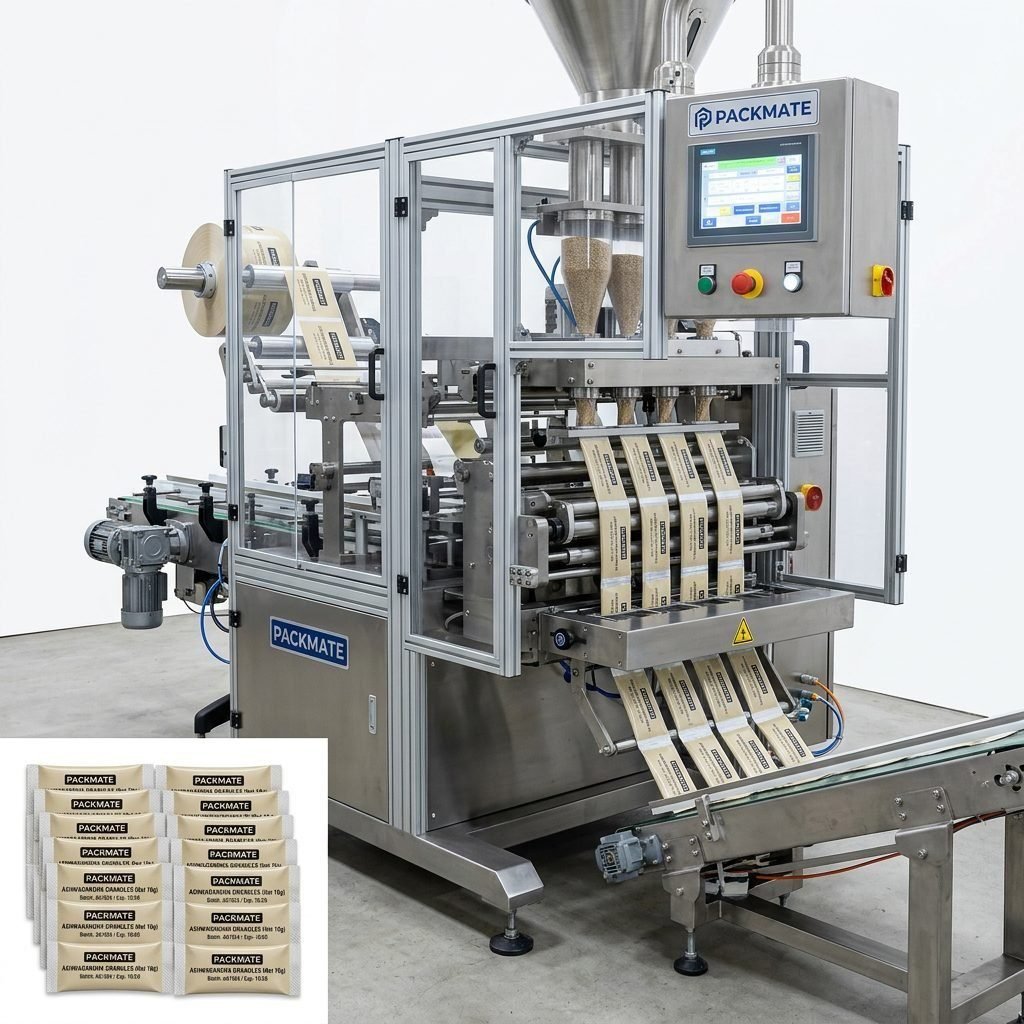
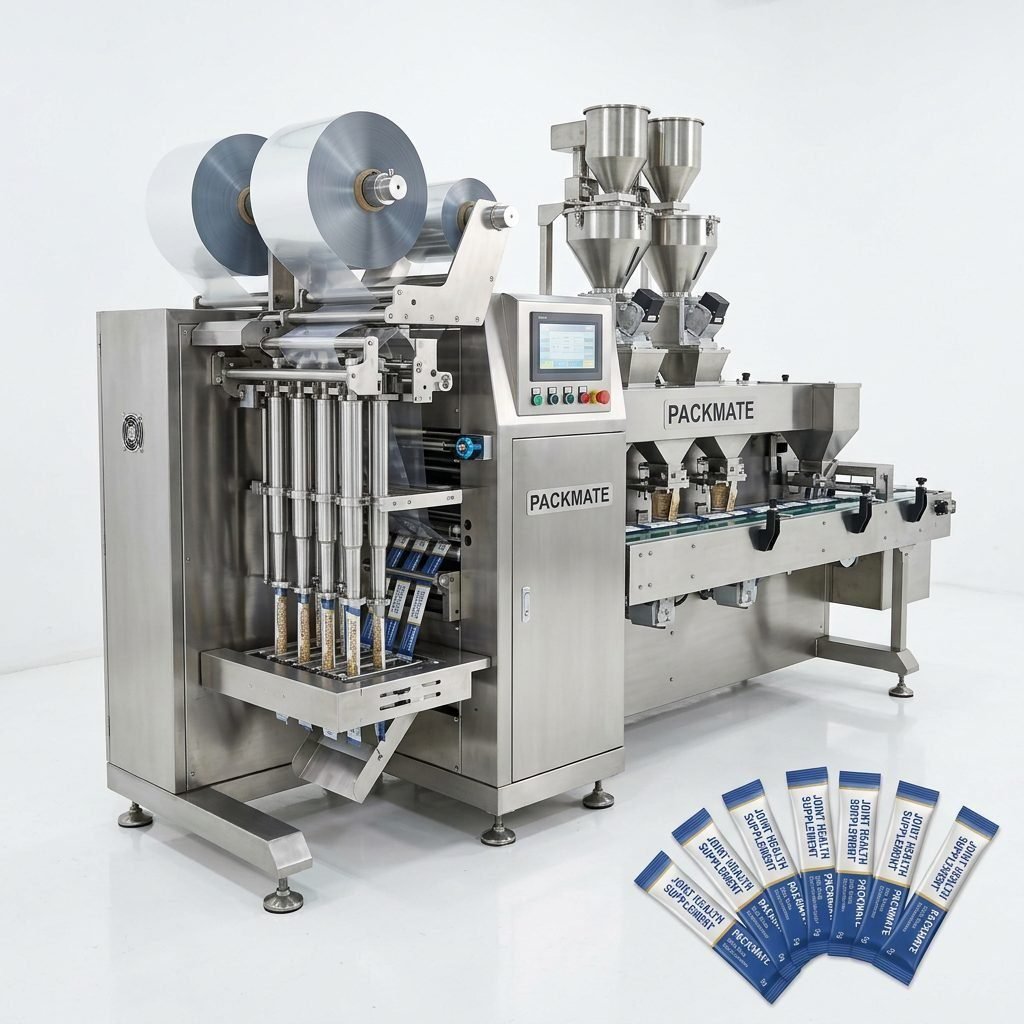
While VFFS machines create pouches from a roll, dedicated pouch packagers often handle pre-made pouches. These machines are exceptionally fast and are perfect for high-volume production of sachets and stick packs. They excel at packaging small, precise amounts of sauce—think the ketchup or soy sauce packets you get with takeout. For businesses focused on this specific, high-demand format, a specialized sachet & stick pack machine offers unparalleled efficiency.
Key Takeaway: Format Dictates Machine Type
The first decision point is your desired final package. Do you need retail-ready stand-up pouches, or millions of single-serve sachets? Your answer will immediately narrow down whether you need a VFFS system, a pouch packager, or a bottle-filling line.
Liquid Filling Machines for Bottles and Jars
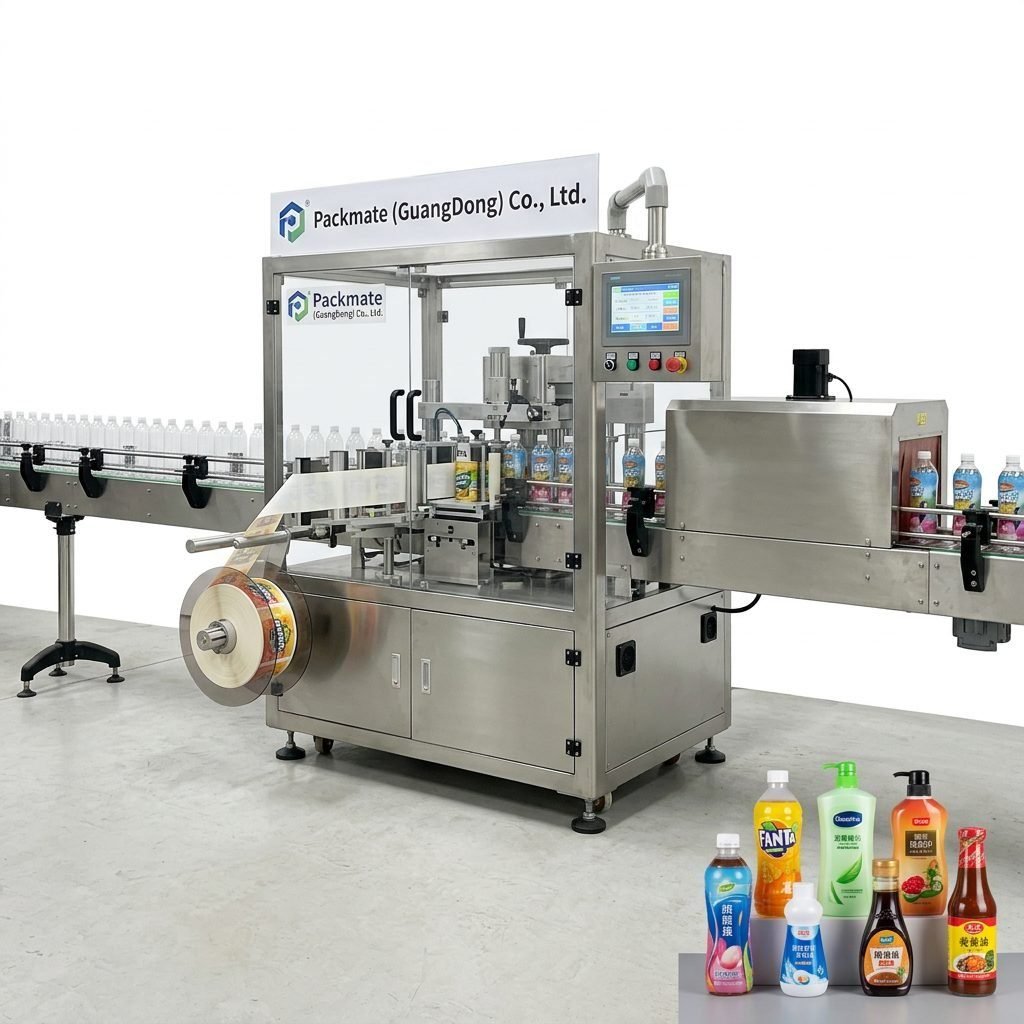
For sauces sold in glass or plastic bottles, jars, or cups, a liquid filling line is essential. These systems typically involve a conveyor that moves containers through several stations: cleaning, filling, capping, and labeling. Filling can be done via gravity, piston, or pump mechanisms, chosen based on the sauce’s viscosity. This type of machine is central to creating the classic shelf presence for brands in supermarkets.
Automatic Weighing and Filling Systems
For operations that package sauces into larger containers or require extreme weight accuracy, an integrated weighing and packaging system is crucial. These systems combine precision scales with filling heads to ensure every container meets exact weight specifications, minimizing product giveaway and ensuring compliance with trade regulations.
Tangible Benefits of Automating Your Sauce Packaging
Moving from manual or semi-automatic processes to a fully automated dipping sauce packaging line delivers a cascade of advantages that strengthen your entire operation.
Dramatically Increased Production Speed and Output: Automated machines can fill and seal hundreds, even thousands, of units per minute, a rate impossible to achieve manually. This allows you to meet large orders, scale your business, and reduce lead times.
Enhanced Product Consistency and Quality: Machines provide precise, repeatable fills and seals. Every sachet or bottle contains the exact same amount, and every seal is uniformly strong and airtight. This consistency protects your brand’s reputation for quality and reduces customer complaints.
Significant Reduction in Labor Costs and Human Error: Automation minimizes the need for large manual packaging teams, leading to substantial long-term savings on wages and training. It also virtually eliminates errors like under-filling, over-filling, or improper sealing that are common in manual processes.
Improved Hygiene and Food Safety: Closed, automated systems limit product exposure to the environment and human contact. This is a critical factor in complying with stringent food safety standards (like HACCP, FDA, or EU regulations) and extending the shelf life of your sauce by reducing contamination risk.
Material Savings and Reduced Waste: Precision filling means less product spillage and “giveaway.” Advanced machines can also handle thinner, more cost-effective packaging films without compromising seal integrity, further reducing material costs.
The Competitive Edge
Beyond operational metrics, automated packaging gives you a market edge. It enables faster time-to-market for new products, allows for more creative and durable packaging designs, and provides the reliability needed to build strong, trusting relationships with large distributors and retailers. Investing in robust machinery from a reputable manufacturer like Packmate Machinery secures this advantage.
How to Choose the Right Machine: A Strategic Guide
Selecting a dipping sauce packaging machine is a significant capital decision. A systematic evaluation ensures your investment pays dividends for years to come.
1. Analyze Your Product and Production Requirements
Start with the specifics of your sauce and your business goals.
- Sauce Characteristics: What is the viscosity (thin like vinegar, or thick like mayonnaise)? Does it contain particulates (like chili flakes or herbs)? Is it acidic, oily, or corrosive? The machine’s filling pump, valves, and contact parts must be compatible (e.g., food-grade stainless steel).
- Desired Package Format and Size: Define your target package: sachet, stick pack, pouch, bottle? What are the dimensions and volume? The machine must be capable of forming or handling this specific format.
- Required Production Speed (Output per Minute/Hour): Calculate your current and projected future output needs. Don’t just buy for today; consider growth plans over the next 3-5 years.
2. Evaluate Machine Features and Technology
Look beyond the basic function. Modern machines offer features that boost efficiency.
- Filling Accuracy: What is the tolerance (e.g., ±1%)? High accuracy is non-negotiable for cost control and compliance.
- Ease of Changeover: How quickly and easily can you switch between different package sizes or sauces? Look for machines with quick-release parts and digital recipe storage.
- Control System and Automation Level: A user-friendly PLC touchscreen interface simplifies operation, monitoring, and troubleshooting. Consider integration potential with upstream (mixing) and downstream (cartoning) equipment for a complete filling & packaging line.
- Hygienic Design: The machine should be easy to clean, with smooth surfaces, minimal crevices, and CIP (Clean-in-Place) capabilities if possible.
3. Assess Manufacturer Credibility and Support
The machine is only as good as the company behind it. This is where a partner like Packmate Machinery stands out. With over 30 years of expertise and a 20,000㎡ modern facility, they embody the reliability you need.
- Experience and Reputation: Research the manufacturer’s history in the food packaging industry. Look for client testimonials and case studies.
- Service and Technical Support: What does the warranty cover? Is local technical support available for installation, training, and maintenance? Reliable after-sales service is critical to minimize downtime.
- Availability of Spare Parts: Ensure that wear-and-tear parts are readily available to avoid prolonged production stoppages.
- Customization Ability: Can the manufacturer tailor the machine to your unique needs? A partner that offers customized packaging solutions is invaluable.
4. Consider Total Cost of Ownership (TCO)
Look beyond the initial purchase price. Calculate the TCO, which includes:
- Initial machine cost
- Installation and commissioning fees
- Cost of utilities (power, compressed air)
- Annual maintenance and spare parts costs
- Expected energy consumption
A slightly more expensive but robust and energy-efficient machine from a quality manufacturer often has a lower TCO than a cheaper, less reliable alternative that suffers from frequent breakdowns and high waste.
Frequently Asked Questions (FAQs)
What is the typical speed range for a sauce sachet packaging machine?
Speeds vary greatly by format and machine sophistication. Standard single-lane machines may produce 60-120 sachets per minute, while high-speed multi-lane machines from advanced manufacturers can achieve outputs of 400 to over 1,000 sachets per minute.
Can one machine handle different sauce viscosities?
Many machines are versatile, but the filling system is key. A piston filler is excellent for thick, viscous products like mayonnaise or paste, while a pump or gravity filler is better for thinner sauces like soy sauce. Discuss your full product range with the manufacturer to ensure the chosen filling system can be adapted or is suitable for all.
How important is the machine’s construction material?
It is crucial for hygiene and durability. For food contact parts, 304 or 316 food-grade stainless steel is the standard. It is corrosion-resistant, non-toxic, and easy to clean and sterilize, ensuring product safety and meeting global food safety regulations.
What kind of maintenance does these machines require?
Regular preventive maintenance is essential. This typically includes daily cleaning, lubrication of moving parts as per the manual, inspection of seals and filters, and calibration of weighing/filling systems. A reputable supplier will provide a detailed maintenance schedule and training for your operators.
Can I get a machine for small-batch or artisanal sauce production?
Absolutely. The market offers semi-automatic and tabletop machines that are perfect for small businesses, startups, or for producing limited-run specialty sauces. These machines have a lower output but are much more affordable and still ensure professional, hygienic packaging.