In the bustling world of bakery production, efficiency and presentation are paramount. Bread roll packaging machines stand as critical investments for bakeries of all sizes, from artisanal shops to large-scale industrial producers. These machines not only protect the freshness and quality of the rolls but also enhance brand appeal on the shelf. Selecting the right packaging solution requires a clear understanding of the different types available, their core features, and the key factors to consider before making a purchase. This guide delves into the essential aspects of bread roll packaging machinery to help you make an informed decision for your business.
Understanding the Different Types of Bread Roll Packaging Machines
The market offers a variety of packaging machines tailored to different production volumes, roll types, and packaging styles. The primary categories include manual, semi-automatic, and fully automatic systems.
Manual and Semi-Automatic Machines
Ideal for small bakeries or startups with lower output, manual machines require an operator to place the rolls into pre-formed bags or sleeves. Semi-automatic models often automate one key step, such as the bag opening or sealing process, while still needing manual loading. These machines are cost-effective and offer flexibility for businesses with a diverse product range or seasonal variations in volume.
Fully Automatic Packaging Lines
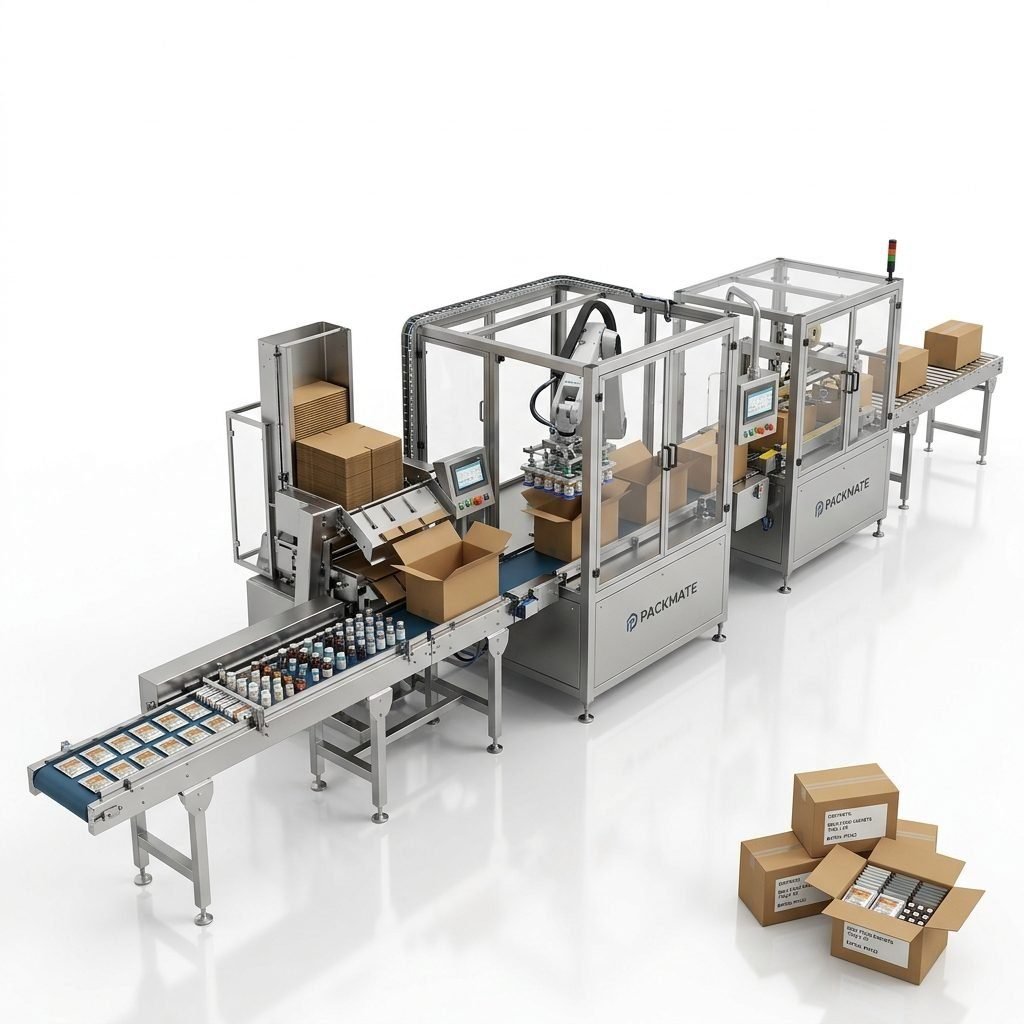
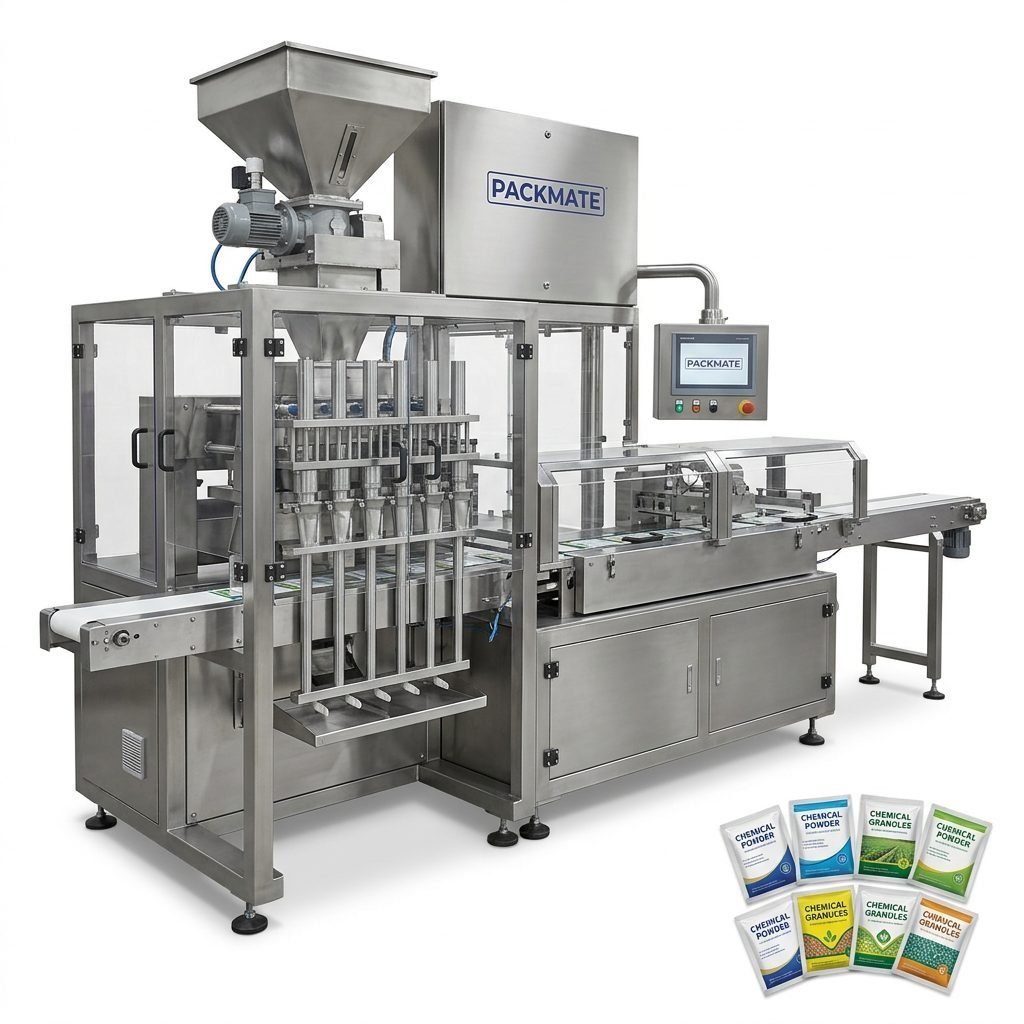
For medium to high-volume production, fully automatic bread roll packaging machines are indispensable. These integrated systems handle the entire process: conveying the rolls, counting, collating into sets, placing them into bags, and sealing—all with minimal human intervention. They are designed for maximum throughput and consistency, significantly reducing labor costs and increasing overall line efficiency. Many advanced models can be integrated with weighing and packaging systems for precise portion control.
Specialized Packaging Styles
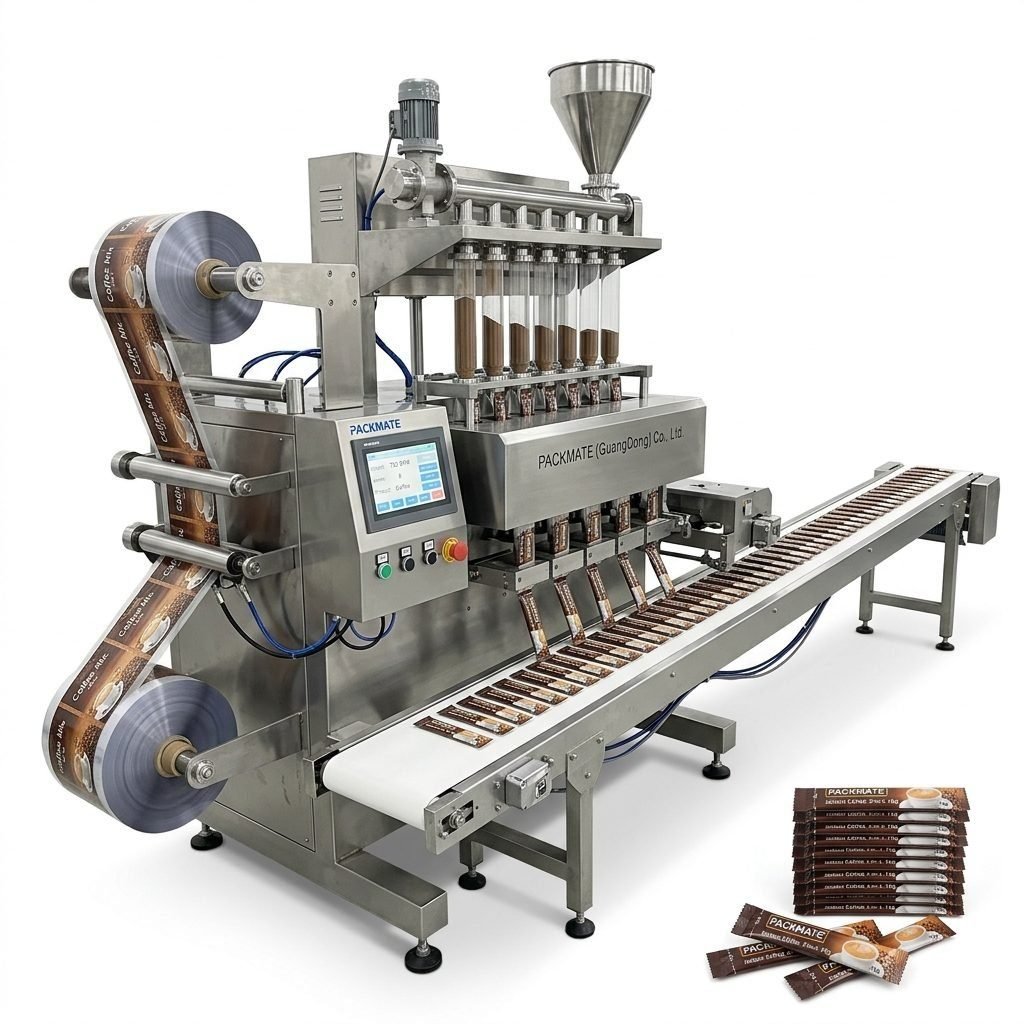
Beyond basic bagging, machines are configured for specific packaging formats. Some are optimized for flow-wrap packaging, creating a tight, sealed wrap around individual rolls or multi-packs. Others are designed for placing rolls into open-top trays or cartons before sealing with a film lid. The choice depends heavily on your market’s retail requirements and the desired shelf life for your product.
Key Features to Look for in a Quality Machine
Not all packaging machines are created equal. Several critical features determine reliability, versatility, and long-term value.
Build Quality and Durability
The machine’s construction is fundamental. Look for a robust frame and food-grade stainless steel contact parts. This ensures hygiene, ease of cleaning, and the ability to withstand the demanding, often humid, environment of a bakery. A durable machine minimizes downtime and maintenance costs over its lifespan.
Speed and Throughput Capacity
Match the machine’s speed (often measured in packs per minute) to your current and projected production needs. Underestimating future growth can lead to costly upgrades later. A quality manufacturer like Packmate Machinery can provide scalable solutions that grow with your business.
Flexibility and Changeover
If you produce multiple types or sizes of rolls, quick and simple changeover is crucial. Machines with tool-less adjustments or digital settings for bag size and sealing parameters can drastically reduce downtime between production runs, boosting overall equipment effectiveness (OEE).
Sealing Technology
The seal integrity is vital for freshness. Machines may use heat sealing, impulse sealing, or cold sealing technologies. The choice depends on the packaging material (e.g., polypropylene, polyethylene) and whether the rolls are warm when packaged. A consistent, strong seal prevents staleness and contamination.
Control System and User Interface
A modern, intuitive PLC (Programmable Logic Controller) with a touchscreen HMI (Human-Machine Interface) allows for easy operation, recipe storage, and troubleshooting. Look for clear diagnostics and safety interlocks to protect both operators and the equipment.
Essential Buying Guide: Making the Right Investment
Purchasing a bread roll packaging machine is a significant decision. Follow this structured approach to ensure you select the best equipment for your specific requirements.
1. Assess Your Production Needs
Begin with a thorough analysis. Determine your average and peak daily output, the variety of roll products (size, shape, weight), and the type of packaging material you plan to use. Consider future product launches and potential increases in volume. This data forms the foundation of your technical specification.
2. Define Your Budget and Total Cost of Ownership (TCO)
Look beyond the initial purchase price. Calculate the TCO, which includes installation, training, maintenance, spare parts, energy consumption, and the cost of packaging materials the machine is compatible with. A slightly higher upfront investment in a more efficient and reliable machine from a reputable supplier often leads to lower long-term costs.
3. Research and Shortlist Reputable Manufacturers
Seek out established manufacturers with proven expertise in food packaging, particularly bakery applications. Evaluate their industry experience, client portfolio, and after-sales support network. A company with a strong track record, like Packmate with over 30 years of expertise in packaging solutions, offers greater assurance of quality and reliability. Reviewing their range of filling and packaging lines can provide insights into their technical capabilities.
4. Request Demonstrations and References
Always request a live or video demonstration using a product similar to your bread rolls. Pay attention to the machine’s handling of your product, the finished pack quality, and the noise level. Ask the supplier for contact information of current clients with similar applications and speak to them about their experience with machine performance and service support.
5. Scrutinize the Service and Support Agreement
Comprehensive after-sales service is non-negotiable. Clarify what is included: installation supervision, operator training, warranty period and coverage, availability of spare parts, and technical support response times. A global supplier should offer reliable support regardless of your location. Explore the service section of a manufacturer’s website to understand their commitment.
6. Consider Integration and Future-Proofing
Think about how the new machine will integrate with your existing production line (e.g., cooling conveyors, checkweighers). Discuss with the supplier the possibilities for future upgrades or integration with other auxiliary packaging equipment like cartoners or case packers. Choosing a modular or scalable system can protect your investment as your business expands.
Conclusion
Investing in the right bread roll packaging machine is a strategic move that directly impacts product quality, operational efficiency, and brand perception. By carefully evaluating the types of machines available, prioritizing key features like durability and flexibility, and following a meticulous buying process that emphasizes total cost of ownership and manufacturer support, bakeries can secure a solution that delivers lasting value. Partnering with an experienced and reliable equipment provider is the final, critical step in transforming your packaging operations into a seamless, productive, and profitable part of your business.
Frequently Asked Questions (FAQs)
What is the typical production speed range for an automatic bread roll packer?
Speeds vary widely based on automation level and pack configuration. Semi-automatic machines may handle 20-40 packs per minute, while high-speed fully automatic lines for multi-packs can reach 100-200 packs per minute or more.
Can one machine handle different sizes and shapes of rolls?
Many modern machines are designed for flexibility. Look for models with quick-change mechanisms for forming tubes, adjustable guides, and programmable settings to switch between different product sizes with minimal downtime.
What packaging materials are compatible with these machines?
Most machines are designed for common food-grade flexible films like BOPP, CPP, PE, and laminated structures. It is essential to provide your material samples to the machine supplier for testing to ensure proper feeding, forming, and sealing performance.
How important is after-sales service, and what should it include?
Extremely important. A robust service agreement should cover installation supervision, comprehensive operator and maintenance technician training, a clear warranty (often 12 months), readily available spare parts, and access to remote or on-site technical support for troubleshooting.
Are there specific features to look for to maintain roll freshness?
Yes. Besides a reliable sealing system, some machines offer options for modified atmosphere packaging (MAP) which flushes the bag with a gas mixture (like nitrogen) before sealing to significantly extend shelf life by inhibiting mold and staleness.