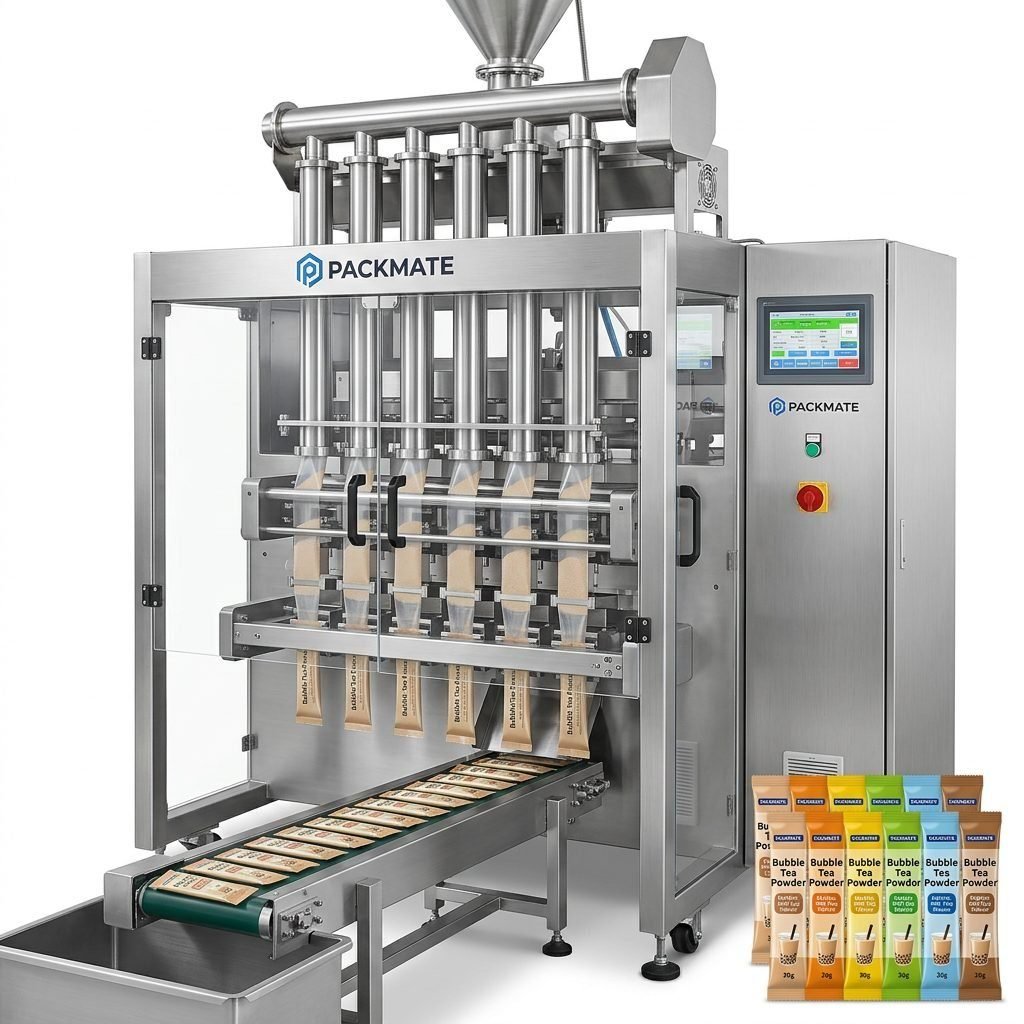
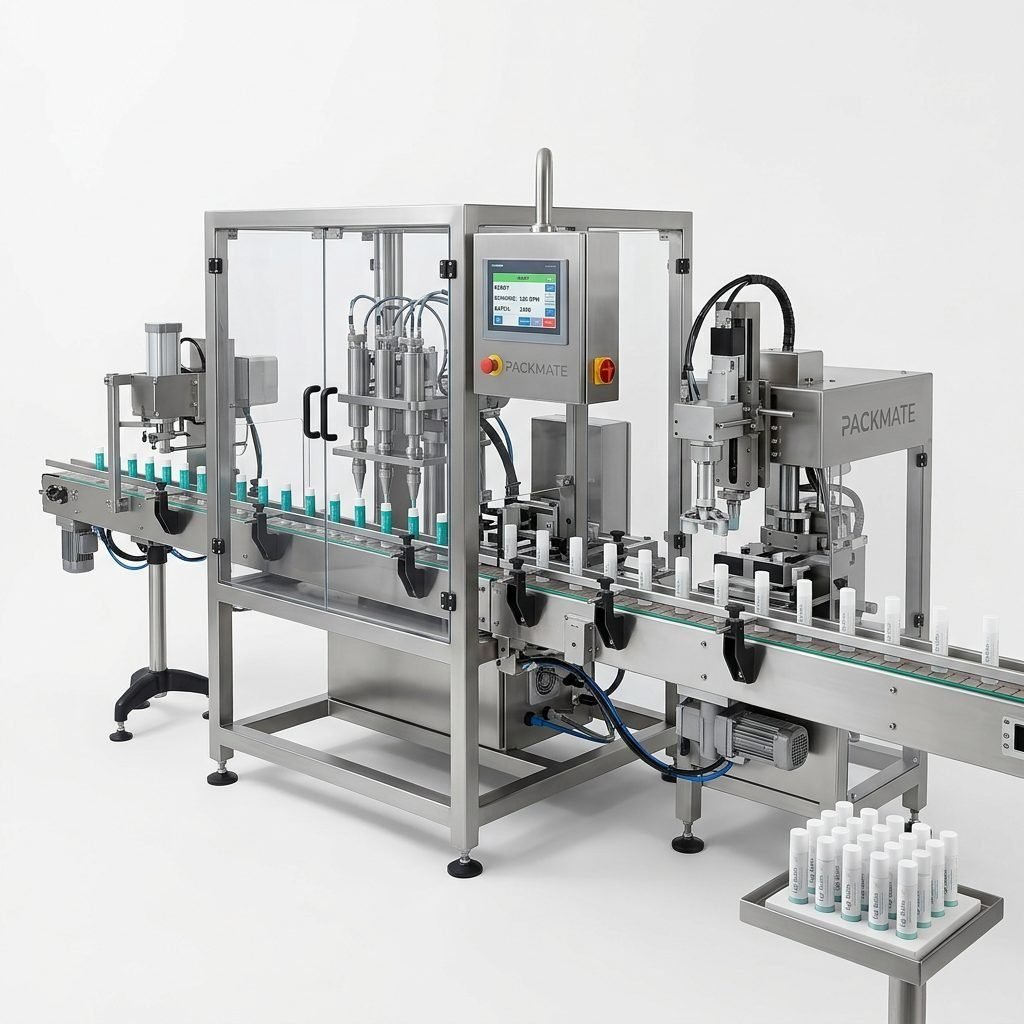
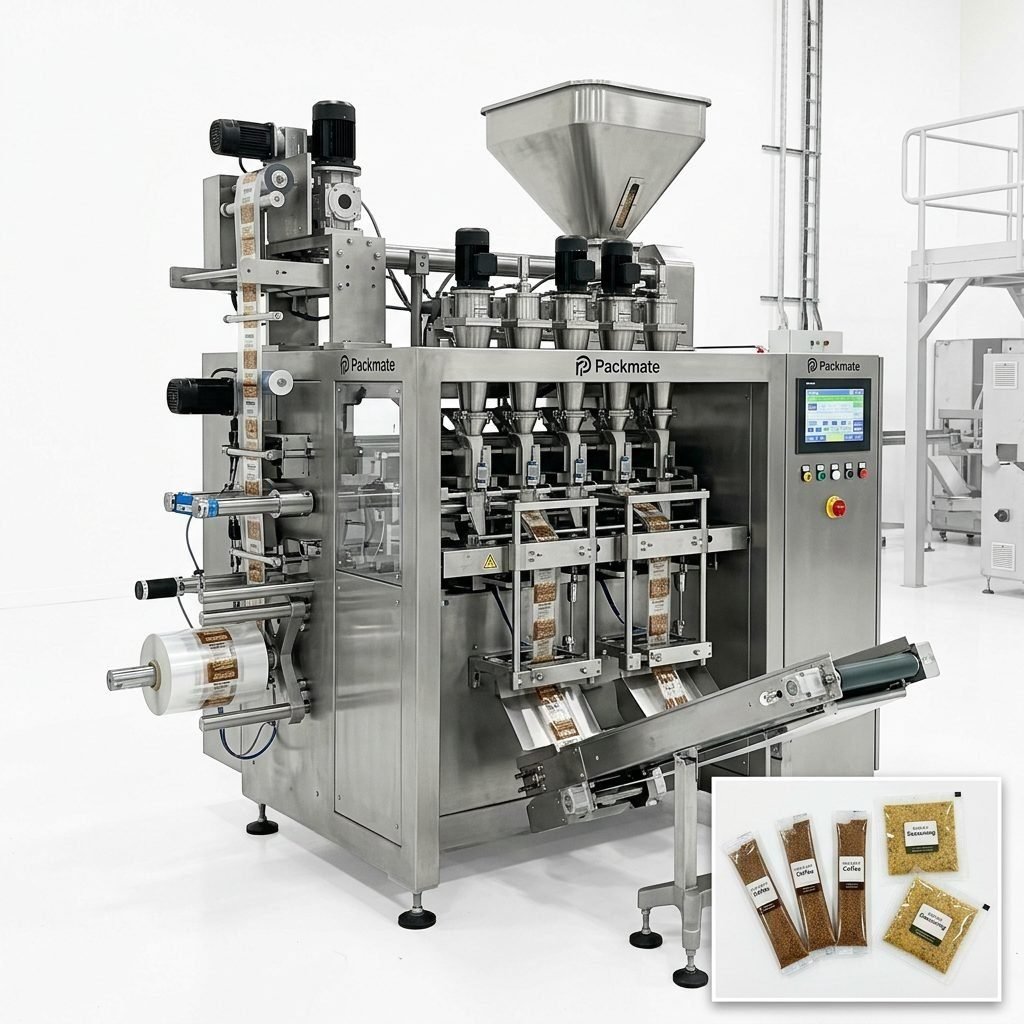
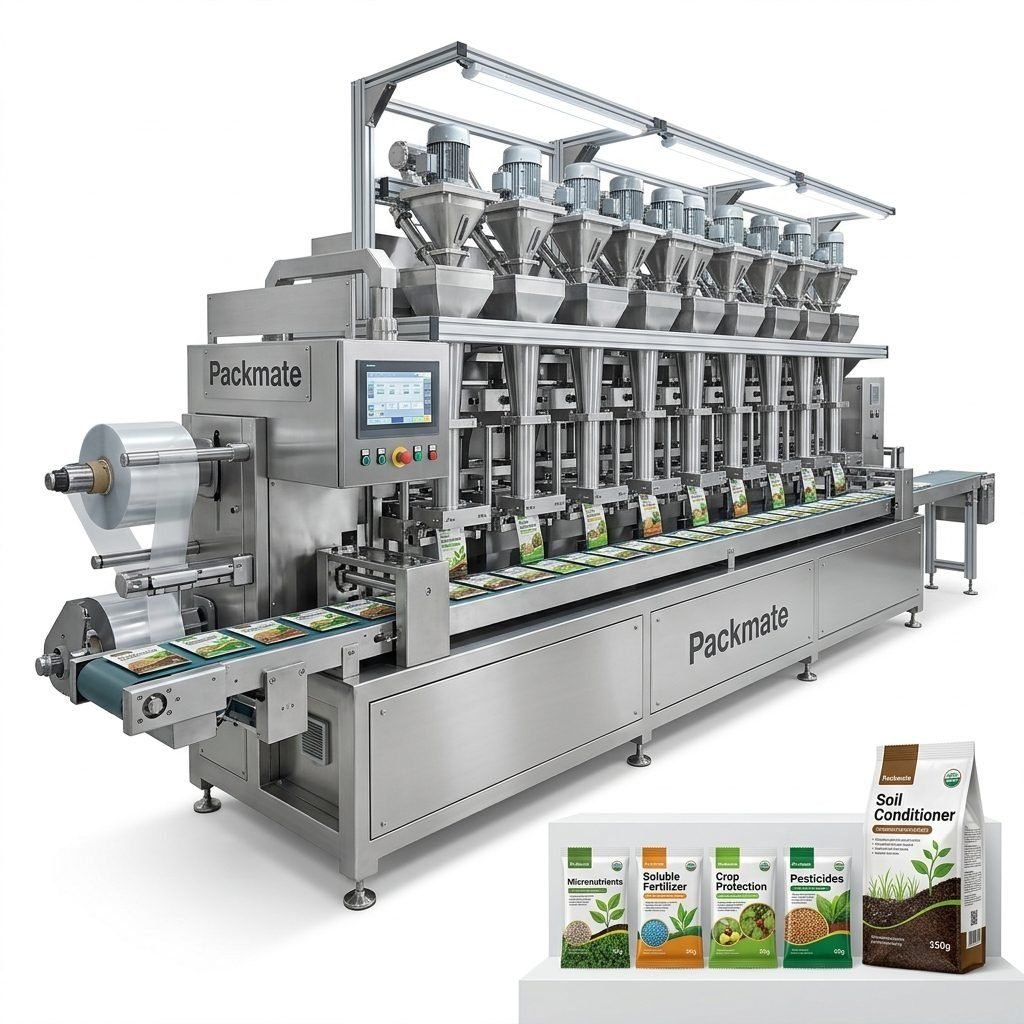
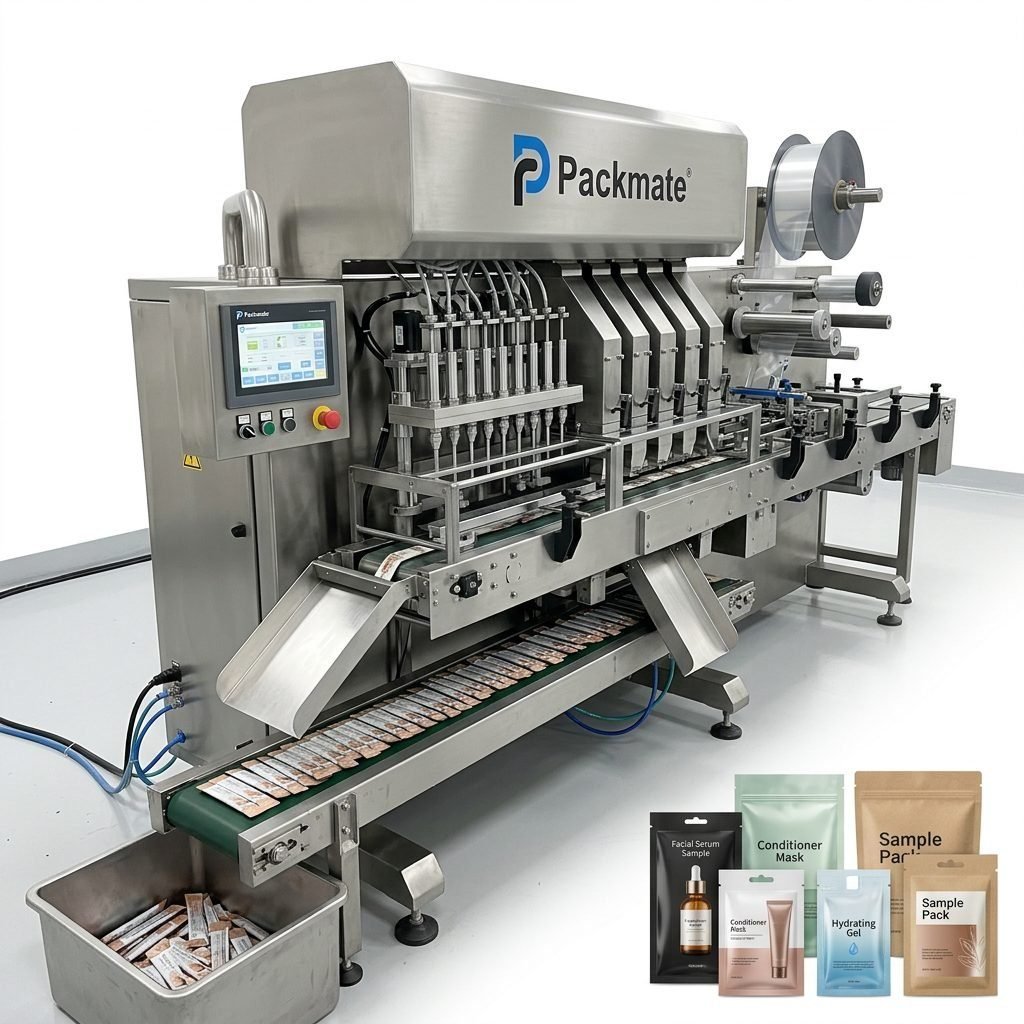
In the dynamic world of manufacturing, can packaging machines are the unsung heroes that ensure products reach consumers safely, efficiently, and with consistent quality. Whether you are in the food and beverage, pharmaceutical, or chemical industry, selecting the right packaging equipment is a critical business decision that impacts your operational efficiency, product integrity, and bottom line. This ultimate guide will walk you through the different types of can packaging machines available, key factors to consider before purchasing, and practical tips to ensure you invest in a solution that grows with your business.
Understanding Can Packaging Machinery
Can packaging machinery refers to the automated systems that handle the filling, sealing, capping, labeling, and palletizing of products into metal, aluminum, or composite cans. These machines form a complete line, transforming empty containers into sealed, market-ready products at high speeds. The primary goal is to achieve a hermetic seal that protects the contents from contamination, extends shelf life, and maintains freshness. Modern machines are highly sophisticated, integrating precision weighing, inert gas flushing for oxygen-sensitive products, and advanced inspection systems to guarantee every unit meets strict quality standards.
Core Function: The fundamental role of a can packaging line is to create a secure, tamper-evident, and commercially appealing package. This process is vital for product safety, especially in sectors like ready-to-eat foods, where sterility is paramount.
Key Components of a Packaging Line
A typical automated canning line consists of several integrated stations:
Depalletizer/Unscrambler: Gently feeds empty cans onto the conveyor system.
Cleaning & Purging Station: Removes dust or debris and may use nitrogen or CO2 to displace oxygen.
Filling Machine: Precisely dispenses the product (liquid, powder, granules) into each can. Volumetric, piston, and net weight fillers are common types.
Lidding/Seaming Machine: Applies the lid and creates a double-seam to hermetically seal the can. This is the most critical step for preservation.
Post-Seam Cleaning: Washes the exterior of the sealed cans to remove any product residue.
Labeling/Coding Machine: Applies labels and prints batch codes or expiration dates.
Checkweigher & Metal Detector: Ensures fill weight accuracy and detects any foreign metal particles.
Case Packer & Palletizer: Automatically groups cans into cartons and stacks them onto pallets for shipping.
Major Types of Can Packaging Machines
The choice of machine depends heavily on your product characteristics, production volume, and can specifications. Here’s a breakdown of the main categories.
1. By Operation Method
Manual/Semi-Automatic Machines: Ideal for low-volume production, pilot plants, or specialty products. They require more operator involvement for loading and unloading but have a lower initial investment. Perfect for businesses just starting their canning operations or those with highly variable product runs.
Fully Automatic Lines: Designed for high-speed, continuous production. These lines are the backbone of large-scale manufacturing facilities, capable of processing hundreds of cans per minute with minimal human intervention. They represent a significant investment but offer the lowest cost per unit and maximum throughput.
2. By Filling Technology
The filling mechanism is chosen based on the product’s viscosity and required accuracy.
Liquid Fillers: Used for beverages, oils, soups, and solvents. Common types include gravity fillers, pressure fillers (for carbonated drinks), and vacuum fillers (for foamy liquids).
Powder & Granule Fillers: Essential for coffee, protein powders, spices, and chemicals. Auger fillers use a rotating screw for precise measurement, while cup fillers use volumetric cups. For the highest accuracy in premium products, net weight weighing systems are often integrated.
Piston Fillers: Highly versatile, suitable for viscous products like pastes, sauces, creams, and gels (e.g., tomato paste, cosmetic creams). They offer excellent accuracy by displacing a set volume of product with each stroke.
3. By Seaming Technology
The seamer is arguably the most important machine on the line. It permanently attaches the lid to the can body.
Single Head Seamers: Suitable for slower lines or can changing operations.
Multi-Head Rotary Seamers: Used in high-speed lines. Cans are fed into a rotating turret where multiple seaming heads operate simultaneously to achieve speeds exceeding 1,000 cans per minute.
Essential Buying Tips for Your Can Packaging Machine
Investing in packaging machinery is a long-term decision. Avoid costly mistakes by carefully evaluating these factors.
1. Define Your Product and Production Requirements
Start with a clear specification sheet. What is your product’s physical state (liquid, viscous, powder)? What is its acidity or corrosiveness? Determine your target output (cans per hour/day), can size and material (aluminum, tinplate), and the type of lid required. Consider future product diversification to ensure the machine offers some flexibility.
2. Prioritize Machine Quality and Durability
Look for machines constructed with food-grade stainless steel (e.g., SS304, SS316) in all product contact parts. This ensures hygiene, corrosion resistance, and longevity. Assess the quality of critical components like servo motors, PLCs, and sealing heads. A robust frame and precision engineering reduce vibration and wear, leading to less downtime and maintenance. Manufacturers with a long track record, like Packmate Machinery, often build reliability into their designs based on decades of experience.
Key Question to Ask: “What is the expected Mean Time Between Failures (MTBF) for the core seaming unit?” A high MTBF indicates a more reliable machine.
3. Evaluate Automation and Control Systems
Modern machines are controlled by Programmable Logic Controllers (PLCs) with user-friendly Human-Machine Interface (HMI) touchscreens. Look for features like recipe storage (for quick changeovers between products), real-time production data tracking, and diagnostic alerts. Advanced lines offer integration with factory MES or ERP systems for complete production monitoring.
4. Consider Changeover Time and Flexibility
If you run multiple can sizes or products, quick changeover is crucial. Machines with tool-less changeover features or quick-release parts can reduce switchover time from hours to minutes, maximizing your line’s uptime and efficiency.
5. Analyze Total Cost of Ownership (TCO)
Look beyond the initial purchase price. Calculate the TCO by factoring in:
• Energy Consumption: Servo-driven machines are often more energy-efficient.
• Maintenance Costs: Availability and cost of spare parts.
• Required Operator Skill Level: Simpler operation reduces training costs.
• Waste Rate: A more accurate filler minimizes product giveaway.
• Supplier Support: This is critical.
6. Verify After-Sales Support and Service
Your relationship with the supplier begins after installation. Ensure they offer comprehensive training for your operators and maintenance technicians. Check the availability of technical service support, either locally or via remote assistance. A reliable supplier will have a stock of commonly needed spare parts and offer clear warranty terms. Review their installation and commissioning process to ensure a smooth startup.
7. Request a Live Demonstration or Trial
Never buy based on specifications alone. If possible, visit the manufacturer’s facility or an existing installation to see the machine running. Even better, arrange a production trial using your actual product and cans. This is the best way to verify performance, speed, and seal integrity before making a commitment.
Conclusion
Choosing the right can packaging machine is a strategic investment that directly influences your production capability, product quality, and profitability. By thoroughly understanding the different machine types, from fillers to seamers, and rigorously applying the buying tips outlined—focusing on your specific needs, machine durability, automation, and supplier support—you can select a system that delivers reliability and efficiency for years to come. Partnering with an experienced manufacturer who can provide a complete turnkey packaging solution and robust after-sales service is often the key to a successful investment.
Frequently Asked Questions (FAQs)
1. What is the typical speed range for an automatic can packaging line?
Speeds vary widely based on can size and machine configuration. Small beverage cans can be filled and seamed at speeds over 1,200 cans per minute (CPM). For larger cans (e.g., 1-gallon containers) or viscous products, speeds range from 60 to 300 CPM. It’s essential to match the machine’s speed to your actual production volume requirements.
2. How do I maintain my can seamer to ensure consistent seal quality?
Daily maintenance includes cleaning product residue from seaming rolls and chuck, and checking for wear. Lubrication of specific points as per the manufacturer’s manual is critical. Regularly inspect and replace seaming rolls, chucks, and lifter pads as they wear out. Keeping detailed maintenance logs helps in predictive upkeep.
3. Can one packaging line handle different can sizes?
Yes, but it requires a machine designed for quick changeover. This involves changing parts like the filling nozzles, can lifts, seaming roll sets, and possibly conveyor guides. The time and complexity of the changeover are key factors to discuss with your supplier when planning for multiple products.
4. What safety features should I look for in a can packaging machine?
Modern machines must include guarded interlock systems that stop operation when access doors are opened, emergency stop buttons at multiple points, safety light curtains in hazardous zones, and proper guarding on all moving parts like chains and gears. Compliance with international safety standards (e.g., CE, UL) is a must.
5. What is the lead time for purchasing and installing a new canning line?
Lead times can range from 4 to 9 months or more, depending on the line’s complexity and the manufacturer’s backlog. The process includes design finalization, manufacturing, factory acceptance testing (FAT), shipping, and on-site installation and commissioning (SAT). Clear communication and project planning with your supplier are vital to meet your timeline.