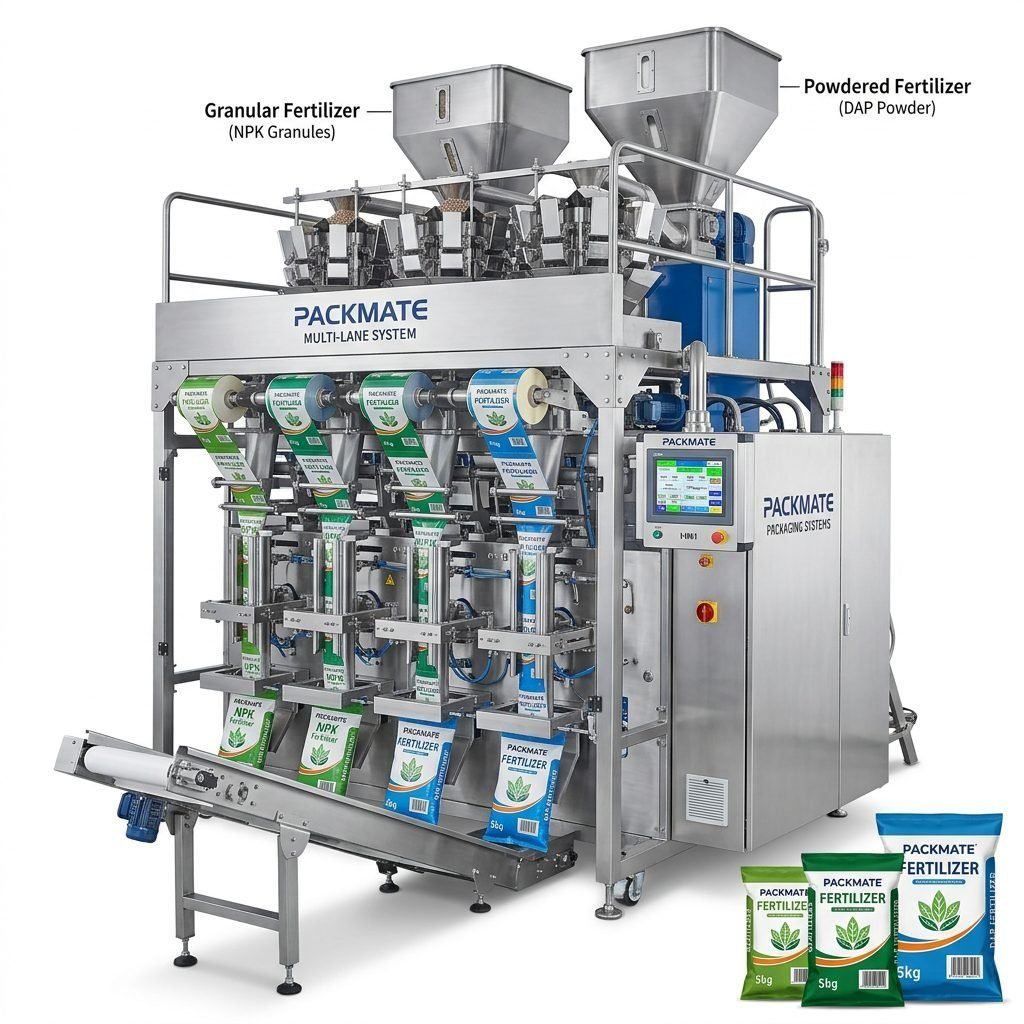
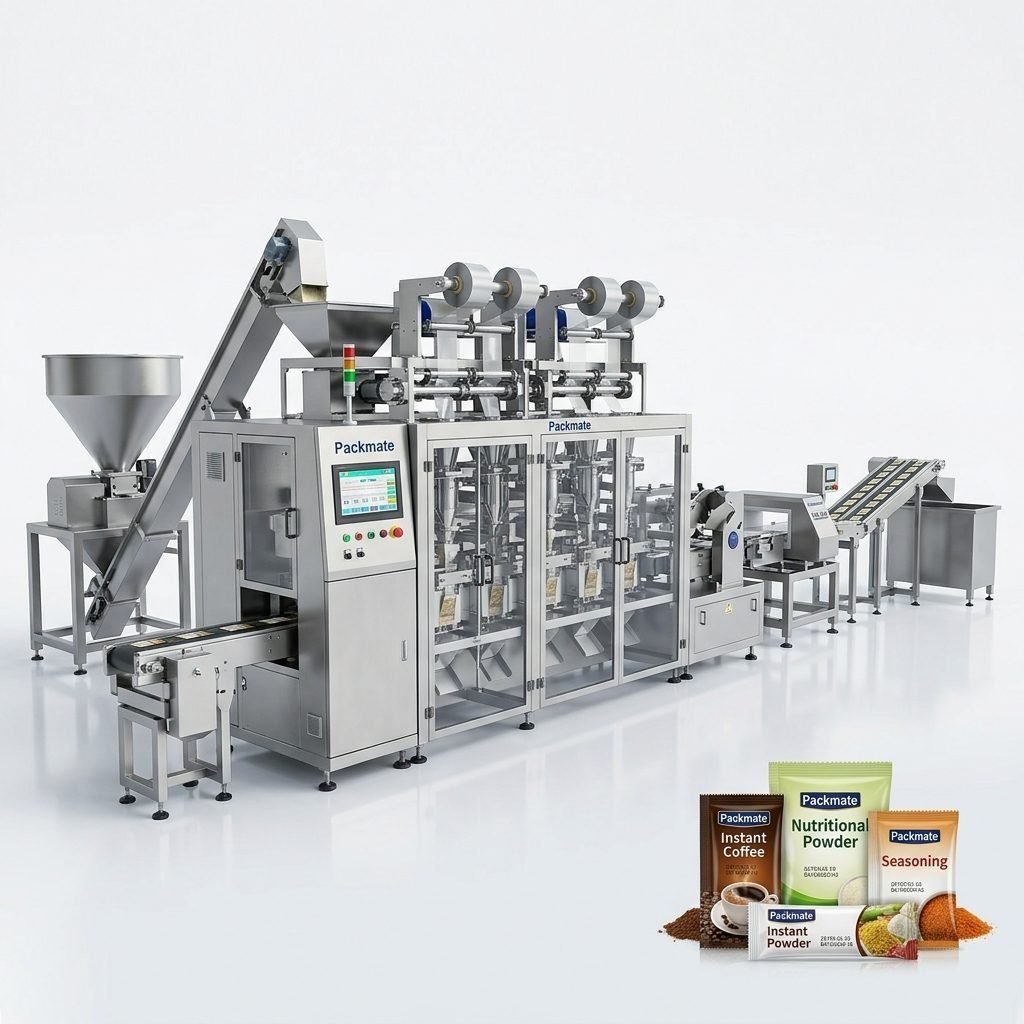
In the competitive landscape of industrial packaging, maximizing operational efficiency while managing capital expenditure is a constant challenge. For businesses relying on robust equipment like tipper tie packaging machines, the decision to invest in refurbished units can be a strategic masterstroke. This guide delves into the world of refurbished tipper tie packaging equipment, offering expert insights to help you make an informed, cost-effective choice that doesn’t compromise on performance or reliability.
Understanding Refurbished Tipper Tie Equipment
Refurbished packaging machinery refers to pre-owned equipment that has been professionally restored to meet or exceed original operational specifications. Unlike a simple used machine, a properly refurbished tipper tie machine undergoes a comprehensive process. This typically includes complete disassembly, thorough cleaning, replacement of all worn or consumable parts (such as seals, blades, and electrical components), recalibration of weighing and control systems, and rigorous testing under load conditions. The goal is to deliver a machine that performs with the reliability of a new unit but at a significantly reduced cost. For companies like Packmate Machinery, with decades of experience in manufacturing new equipment, this deep understanding of machine anatomy is precisely what informs a superior refurbishment process.
The Core Advantages of Choosing Refurbished
The primary driver for choosing refurbished is substantial cost savings, often ranging from 30% to 60% compared to the price of a brand-new machine. This frees up capital for other critical business investments. Secondly, lead time is drastically reduced. While a new machine might have a manufacturing and delivery schedule of several months, a quality refurbished unit can often be sourced, rebuilt, and delivered in a fraction of that time, minimizing production downtime. Furthermore, opting for refurbished is an inherently sustainable choice, extending the lifecycle of valuable industrial assets and reducing electronic and metal waste.
Critical Evaluation Criteria Before Purchase
Not all refurbished equipment is created equal. A successful purchase hinges on meticulous evaluation. Begin by scrutinizing the machine’s service history and previous operating environment. Equipment from a clean, food-grade or pharmaceutical setting is preferable to one from a harsh industrial environment. The reputation and capability of the refurbisher are paramount. Look for a provider with proven engineering expertise, access to genuine OEM parts, and a transparent refurbishment checklist. Providers who are also original manufacturers, like those behind the weighing and packaging systems at Packmate, bring invaluable factory-level knowledge to the rebuild. Finally, insist on a comprehensive performance warranty. A reputable seller will stand behind their work with a warranty that covers parts and labor, providing crucial peace of mind.
Key Components to Inspect in a Tipper Tie Machine
During your evaluation, pay special attention to these high-wear components:
- Weighing System: The heart of the machine. Check load cells for calibration and accuracy.
- Tipper Tie Mechanism: Inspect the jaws, heating elements, and cutting blades for wear and proper alignment.
- Drive System & Motors: Ensure motors run smoothly and drive chains/belts are in good condition.
- Control System (PLC & HMI): Verify the software is up-to-date and the human-machine interface is fully functional.
- Frame and Structure: Look for signs of fatigue, cracks, or corrosion that could compromise integrity.
The Professional Refurbishment Process: What to Expect
A professional refurbishment is a systematic, multi-stage operation. It starts with a complete intake inspection and documentation of the machine’s “as-is” condition. The unit is then stripped down to its frame. All components are cleaned using industrial methods. Critical parts are either re-machined to specification or replaced with new, often OEM-grade, equivalents. The electrical cabinet is overhauled, with outdated components upgraded where necessary. After reassembly, the machine undergoes extensive testing and validation. This includes running multiple cycles with the intended packaging material to ensure consistent bag forming, accurate weighing, secure sealing, and proper discharge. The final step is a fresh coat of paint and comprehensive documentation of all work performed, creating a new machine history.
Integrating Refurbished Equipment into Your Line
Successful integration is key to realizing your investment. Plan for the installation by ensuring your facility has the correct power, air, and network connections. Work closely with the refurbishment provider to schedule installation and operator training. It is highly advisable to run a production trial with your actual product before final acceptance. This verifies that the machine meets your specific speed, accuracy, and packaging quality requirements. Remember, a refurbished tipper tie machine from a specialist can seamlessly integrate with other filling and packaging line components to create a cohesive, high-output system.
Long-Term Value and Support
The relationship with your equipment provider shouldn’t end at delivery. The long-term value of a refurbished machine is heavily influenced by the ongoing support available. Ensure you have access to technical support, readily available spare parts, and potential service contracts. A provider with a global footprint and a commitment to after-sales service, as demonstrated in Packmate’s service philosophy, ensures you have a partner for the machine’s entire extended lifecycle. Proper maintenance, following the refurbisher’s guidelines, will maximize uptime and further extend the return on your investment.
Conclusion: A Strategic Investment for Smart Businesses
Choosing expertly refurbished tipper tie packaging equipment is not a compromise; it’s a strategic business decision that balances fiscal responsibility with operational excellence. By partnering with a credible, technically proficient refurbisher, you gain access to reliable, high-performance machinery that can drive your packaging operations forward without the premium price tag of new equipment. It represents a smart, sustainable path to enhancing your production capability and bolstering your bottom line.
Frequently Asked Questions (FAQs)
What is the typical lifespan of a professionally refurbished tipper tie machine?
A high-quality refurbishment effectively resets the machine’s lifecycle. With proper operation and routine maintenance, a refurbished tipper tie machine can deliver many additional years of reliable service, often matching a significant portion of a new machine’s operational life.
Can a refurbished machine be customized for my specific product or packaging material?
Yes, within reason. A key part of the professional refurbishment process is the testing and validation phase. Reputable providers can often adjust or retrofit components (like forming tubes, jaws, or software parameters) to better suit your specific pouch size, film type, or product characteristics. This should be discussed during the initial evaluation.
How does the warranty for a refurbished machine compare to a new one?
While a new machine typically comes with a full manufacturer’s warranty (e.g., 12-24 months), a refurbished unit will have a warranty specifically covering the refurbishment work. This warranty, often ranging from 6 to 12 months on parts and labor, is a critical indicator of the refurbisher’s confidence in their workmanship and the quality of parts used.
What are the potential risks of buying a refurbished machine from an uncertified source?
The risks are significant and can include hidden mechanical or electrical faults, the use of non-OEM or substandard replacement parts, lack of proper testing, and no meaningful warranty or technical support. This can lead to frequent breakdowns, poor performance, and higher total cost of ownership due to unplanned repairs and downtime.
Where can I find reliable suppliers of refurbished packaging equipment?
Start with established OEMs (Original Equipment Manufacturers) who often have refurbishment programs for their own models. Specialized industrial machinery dealers with strong reputations and transparent processes are another excellent source. Evaluating their facility, process documentation, and client testimonials is essential. For those exploring options, reviewing the range of packing machine solutions available can provide a benchmark for quality and capability.