In today’s competitive market, preserving product freshness, extending shelf life, and presenting a premium unboxing experience are paramount. For businesses across food, pharmaceuticals, and health supplements, achieving these goals efficiently hinges on one critical piece of equipment: the vacuum sealed packaging machine. This comprehensive guide will navigate you through the essential considerations, types, and features to help you make an informed investment that aligns with your production needs and business growth.
Understanding Vacuum Sealed Packaging Technology
At its core, vacuum packaging removes air from a package before sealing it. This process significantly slows down oxidation and spoilage, inhibits the growth of aerobic bacteria and fungi, and reduces the volume of the packaged goods. The technology is indispensable for products prone to degradation, such as coffee, dried meats, nuts, pharmaceuticals, and electronic components. Modern machines often integrate gas flushing capabilities, replacing the removed air with an inert gas mixture like nitrogen or carbon dioxide for even better preservation.
Key Benefits for Your Business
Investing in a vacuum sealer isn’t just about preservation; it’s a strategic business decision. The primary advantages include:
Extended Shelf Life: By removing oxygen, the primary agent in spoilage, products can last 3 to 5 times longer, reducing waste and expanding distribution reach.
Enhanced Product Quality & Safety: Vacuum sealing protects against freezer burn, moisture, and contaminants, ensuring the product reaches the consumer in its intended state. This is crucial for compliance in the pharmaceutical and health industries.
Improved Space Efficiency: Vacuum-packed items take up less space in storage and during shipping, leading to lower logistical costs.
Professional Presentation: A tight, wrinkle-free package conveys quality and professionalism, enhancing brand perception on retail shelves.
Types of Vacuum Sealed Packaging Machines
Selecting the right machine starts with understanding the different types available, each suited to specific production scales and package styles.
Chamber Vacuum Machines
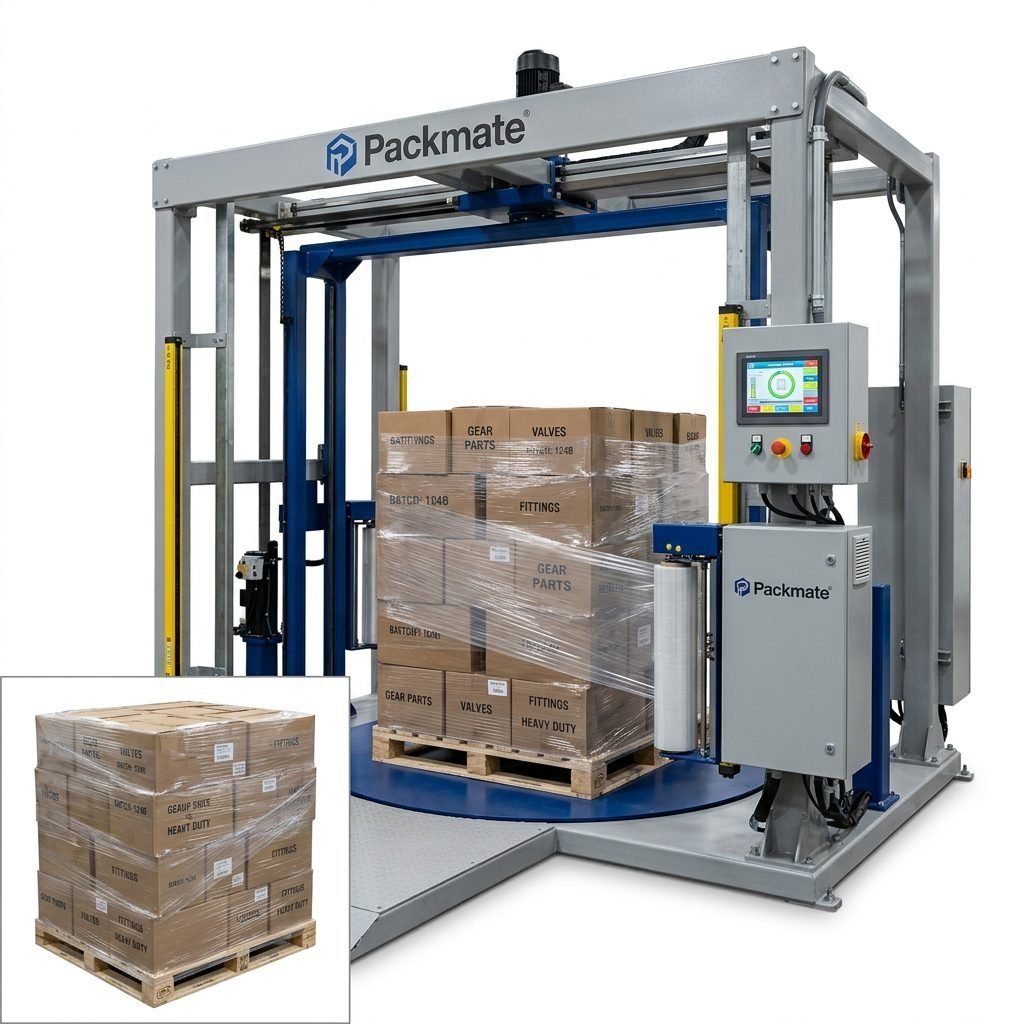
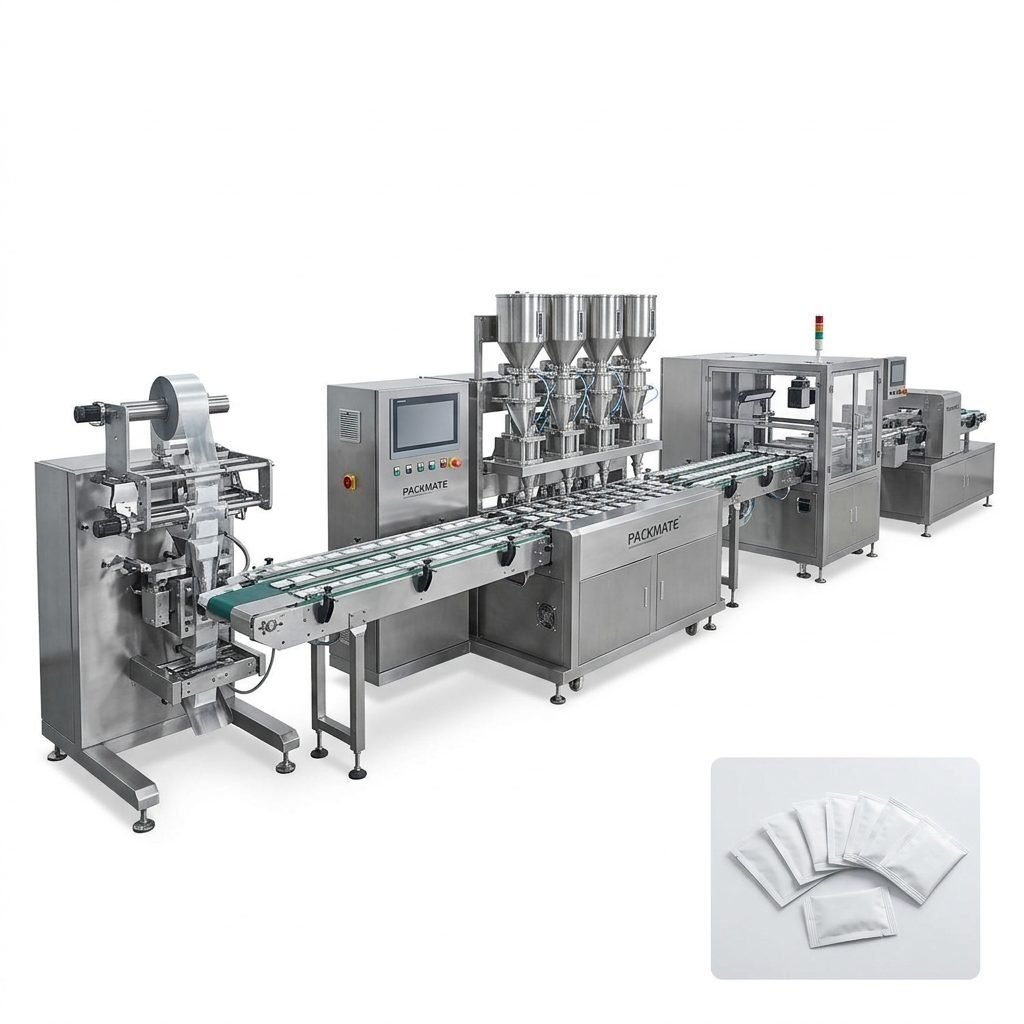
These are the workhorses for liquid-rich or fine-powder products. The entire product and bag are placed inside a sealed chamber. Air is evacuated from the chamber itself, then the bag is sealed. This method is gentle and prevents liquids or powders from being sucked out. They are ideal for soups, marinades, wet cheeses, and granular products. For businesses looking to integrate such solutions into a full line, exploring complete filling and packaging lines can be a logical next step.
External (Nozzle) Vacuum Machines
In these systems, a suction nozzle is inserted into the bag, air is removed, and the bag is sealed. They are typically faster than chamber machines and better suited for dry products like cured meats, nuts, and dried fruits. They are common in retail butchery and deli counters.
Automatic Belt Vacuum Sealers
Designed for high-volume production, these machines use a conveyor belt to automatically transport bags under a heated sealing bar after vacuuming. They offer consistent, hands-free operation and are the backbone of many food processing plants packaging pre-portioned items.
Rollstock Vacuum Packaging Systems
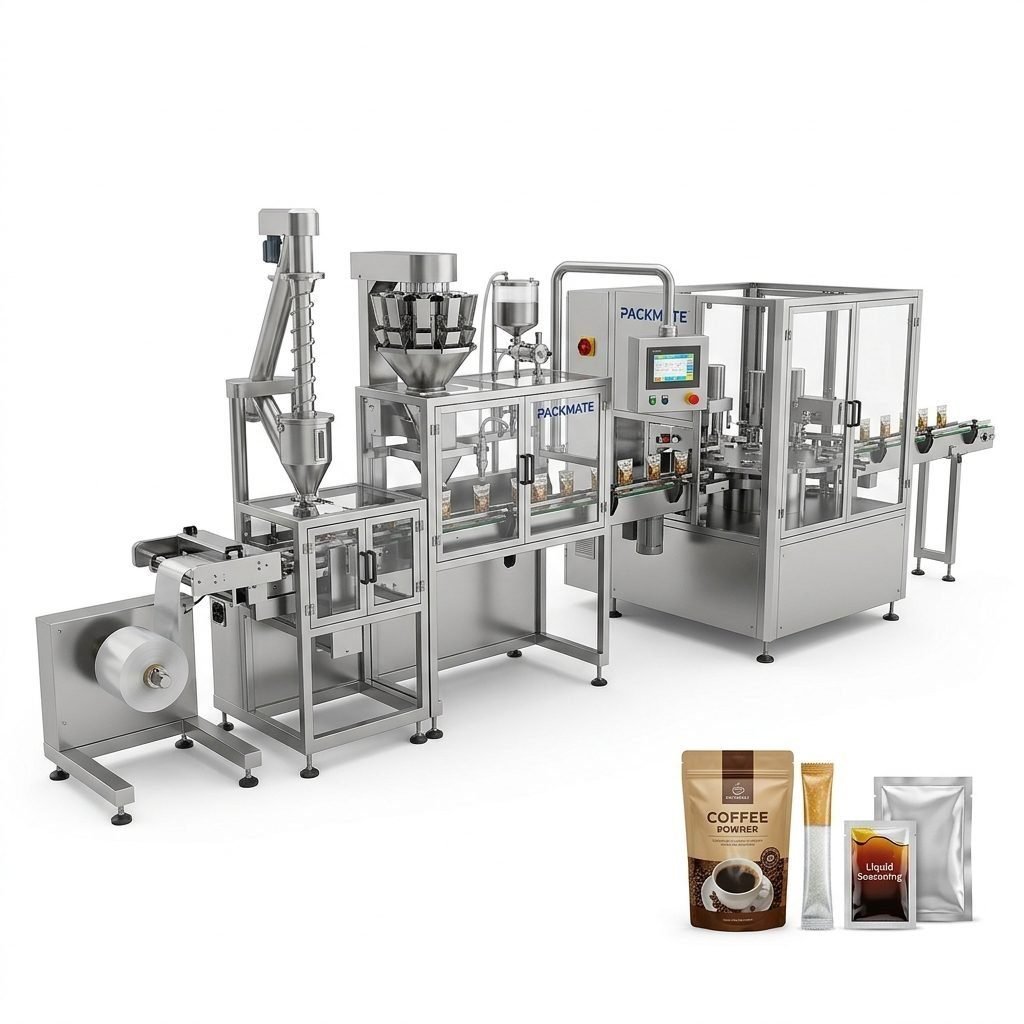
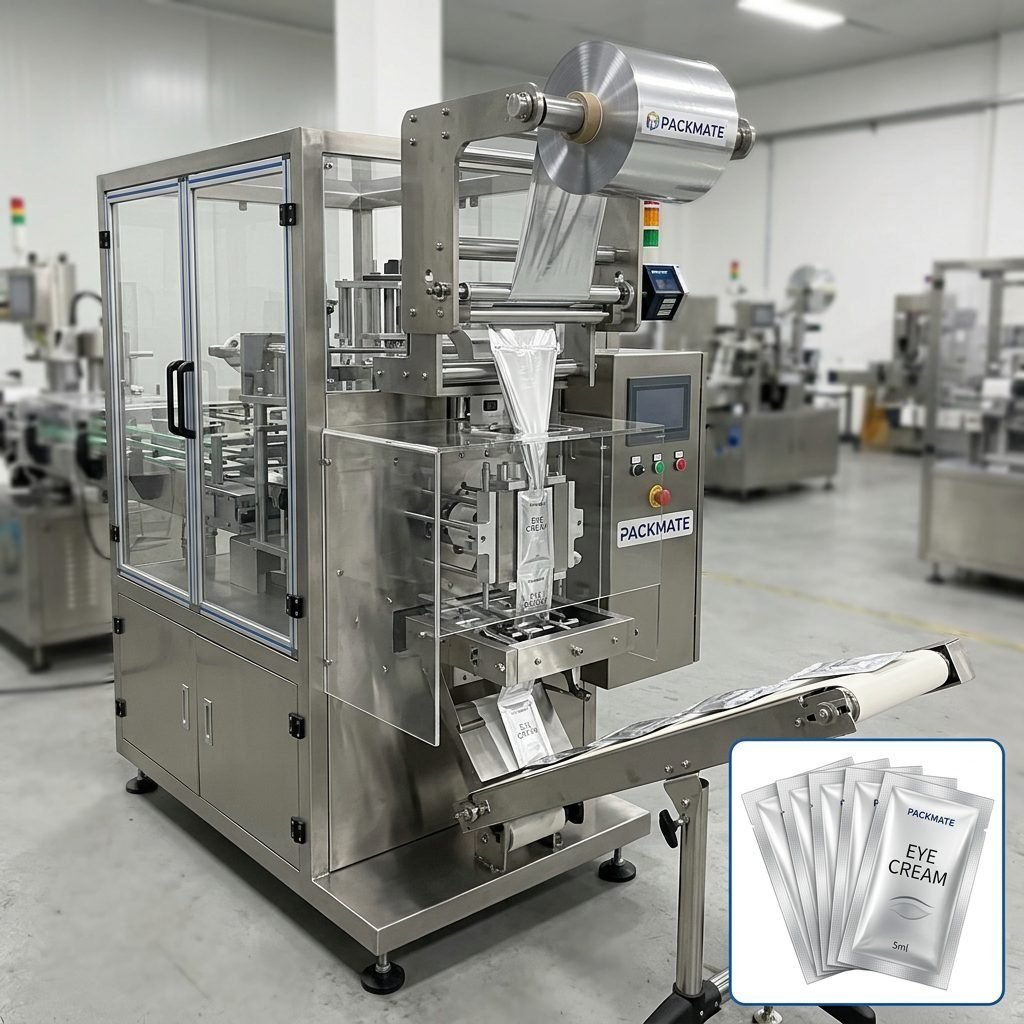
This is the most automated option for large-scale production. The machine forms the package from a roll of film, fills it with product, evacuates the air, seals it, and cuts it into individual pouches—all in one continuous operation. This is highly efficient for standard-sized portions and integrates seamlessly with automated weighing and dosing systems.
Critical Features to Evaluate Before Purchase
Beyond the basic type, several features dictate a machine’s performance, durability, and suitability for your operation.
Vacuum Pump Power & Speed: Measured in cubic meters per hour (m³/h) or liters per minute (L/min), this determines how quickly air is removed. Higher power is needed for dense products or large bags. A faster cycle time boosts overall throughput.
Sealing Bar Length & Quality: The length determines your maximum bag width. Look for durable, evenly heated bars (often Teflon-coated) that create strong, consistent seals even through wrinkles or minor contaminants.
Control System & Programmability: Modern machines feature digital touchscreens with memory for multiple product settings (vacuum time, seal time, gas flush ratio). This ensures repeatability and easy changeovers between products.
Construction & Hygiene: The frame should be robust stainless steel, especially for food applications. Smooth, easy-to-clean surfaces are non-negotiable for meeting health and safety standards.
Versatility & Accessories: Consider if you need options for gas flushing, date coding, or handling different bag materials (like multi-layer barrier films). Some machines can be adapted for both chamber and external vacuum processes.
The Importance of Manufacturer Support
The machine is only as good as the support behind it. A reliable manufacturer provides more than just a product; they offer a partnership. This includes comprehensive training for your operators, readily available spare parts, and responsive technical service to minimize downtime. Companies with a long track record, like Packmate Machinery, which brings over 30 years of expertise in intelligent packaging solutions, often have the depth of experience to provide true turnkey support, from installation to ongoing maintenance.
Matching the Machine to Your Production Needs
To avoid underbuying or overspending, conduct a thorough needs analysis:
Product Characteristics: Is it dry, moist, liquid, or powdered? Does it have sharp edges?
Production Volume: How many packages per hour/day do you need? Plan for future growth.
Bag Size & Material: What are your minimum and maximum bag dimensions? What type of film will you use?
Available Space & Utilities: Do you have the floor space, electrical requirements (220V/380V), and possibly compressed air?
Budget: Consider total cost of ownership, including energy consumption, maintenance, and potential future upgrades.
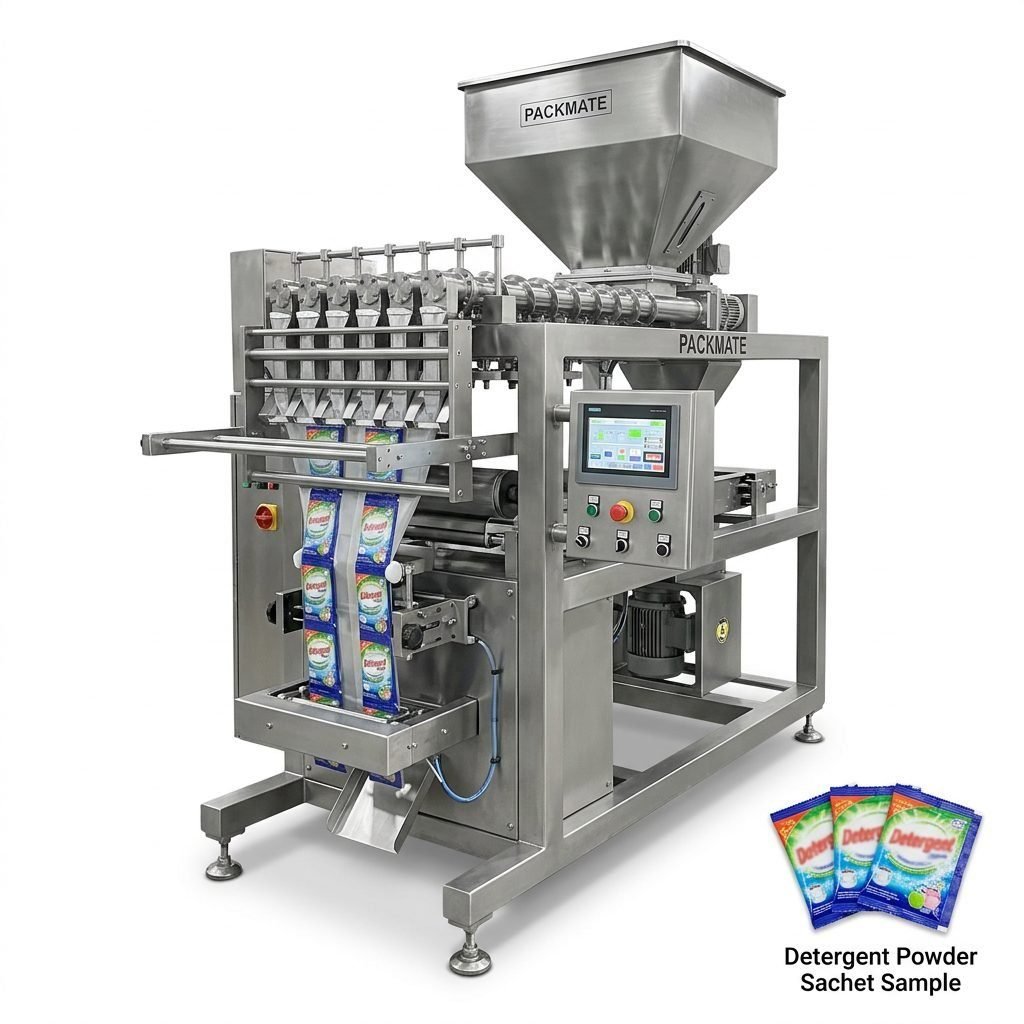
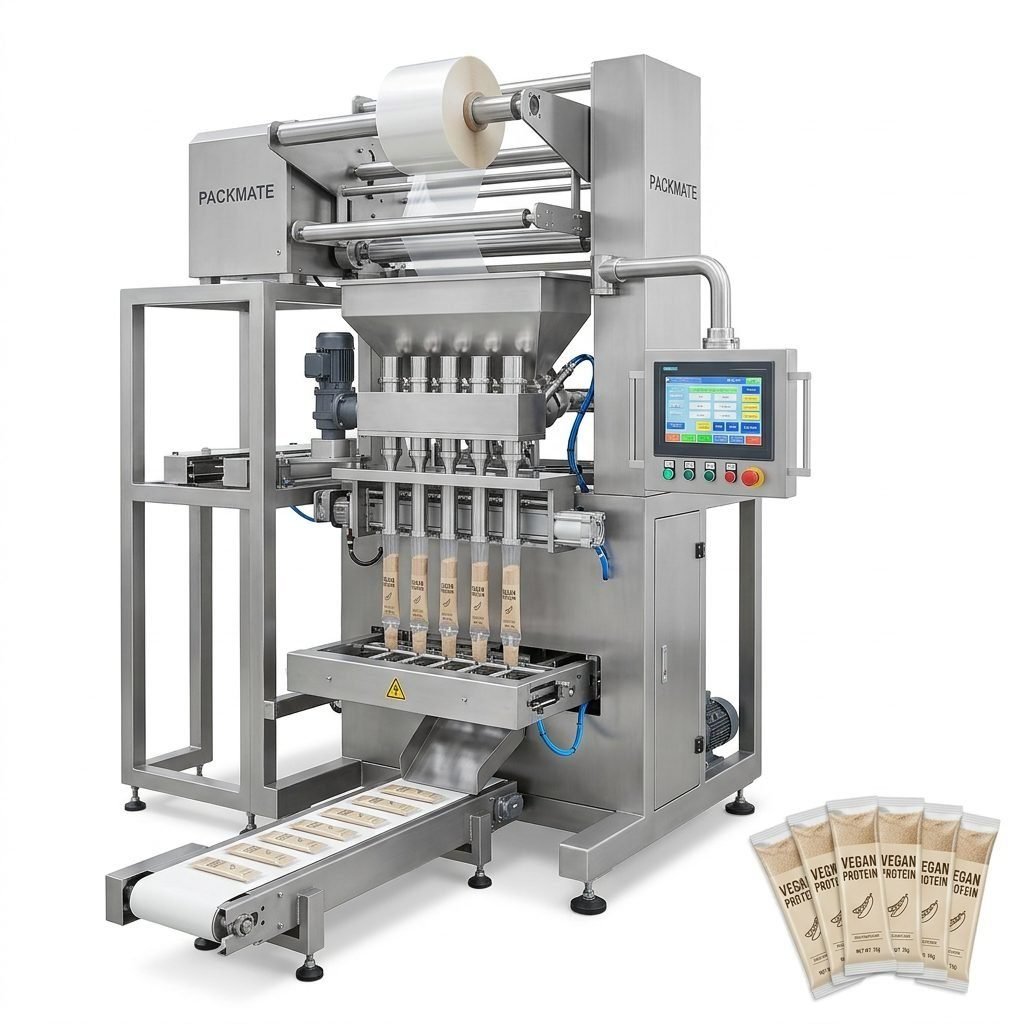
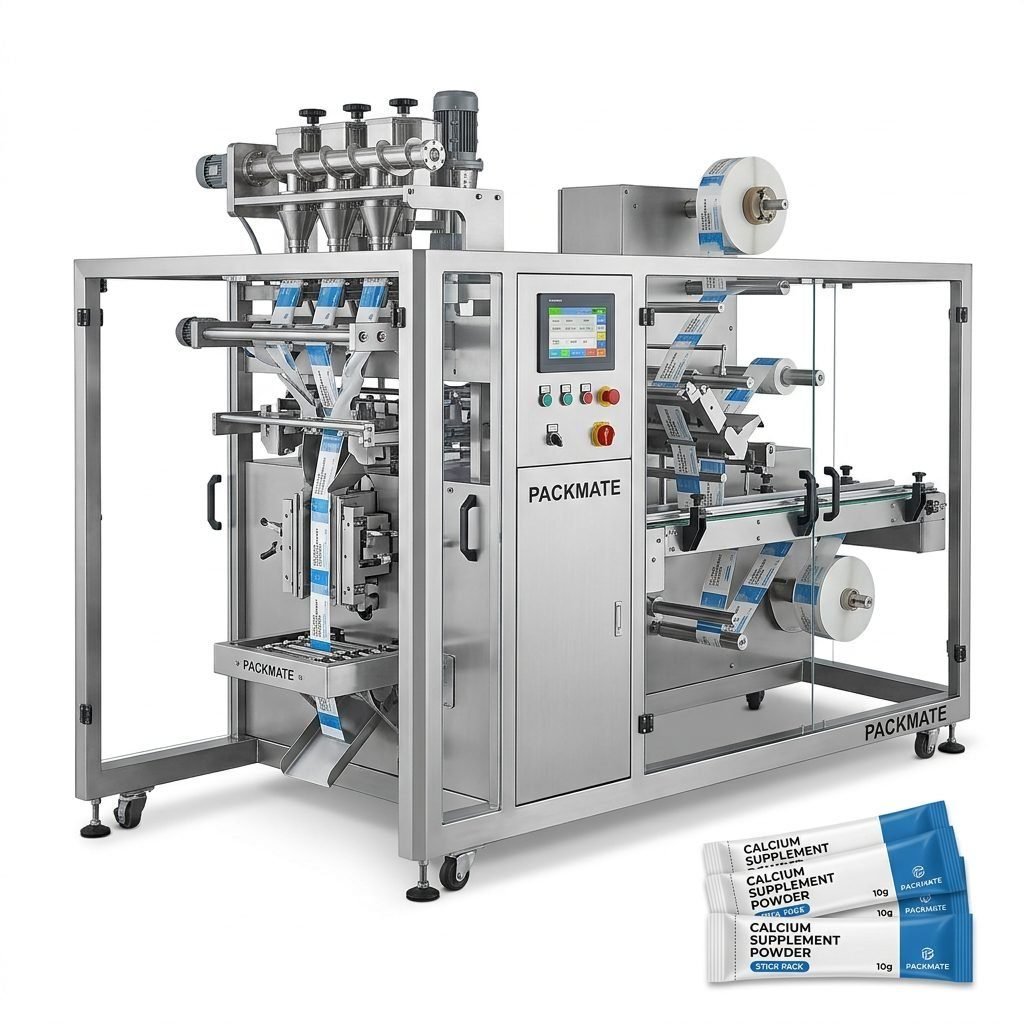
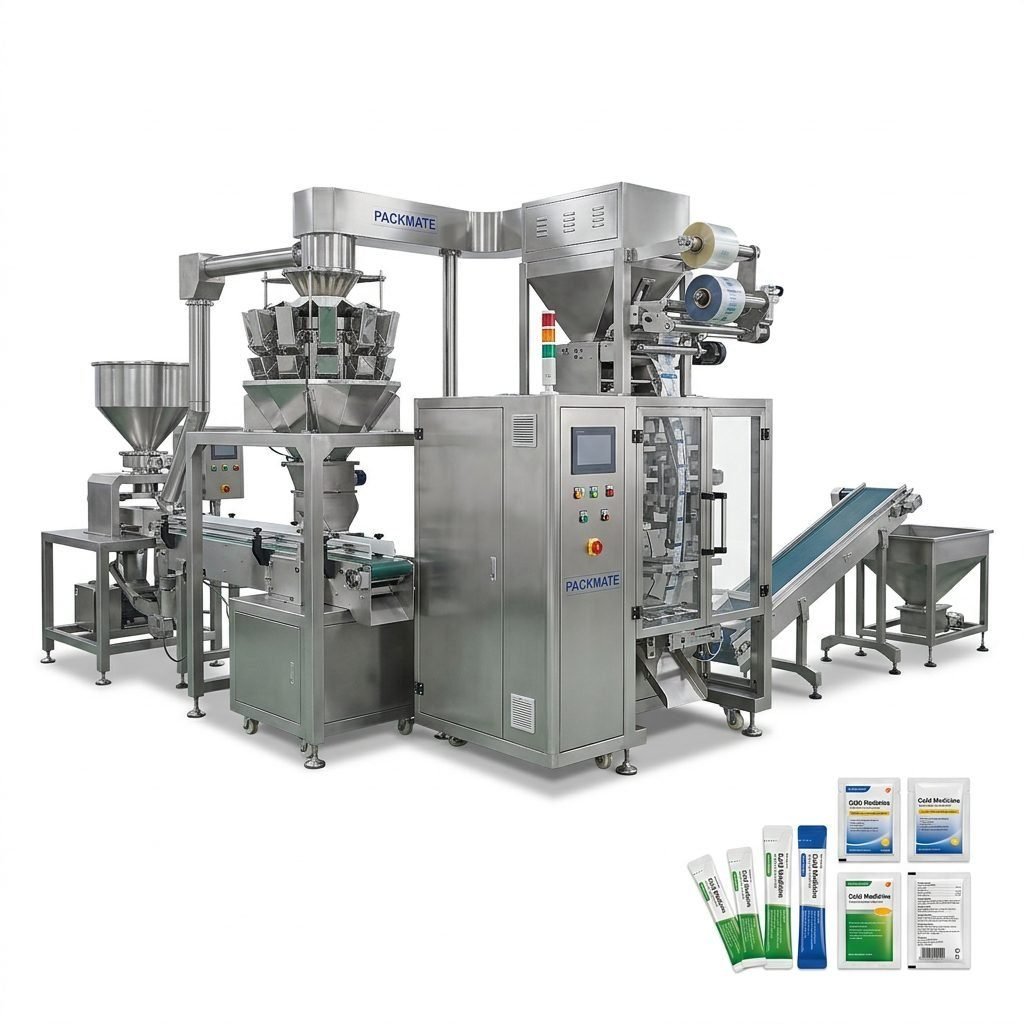
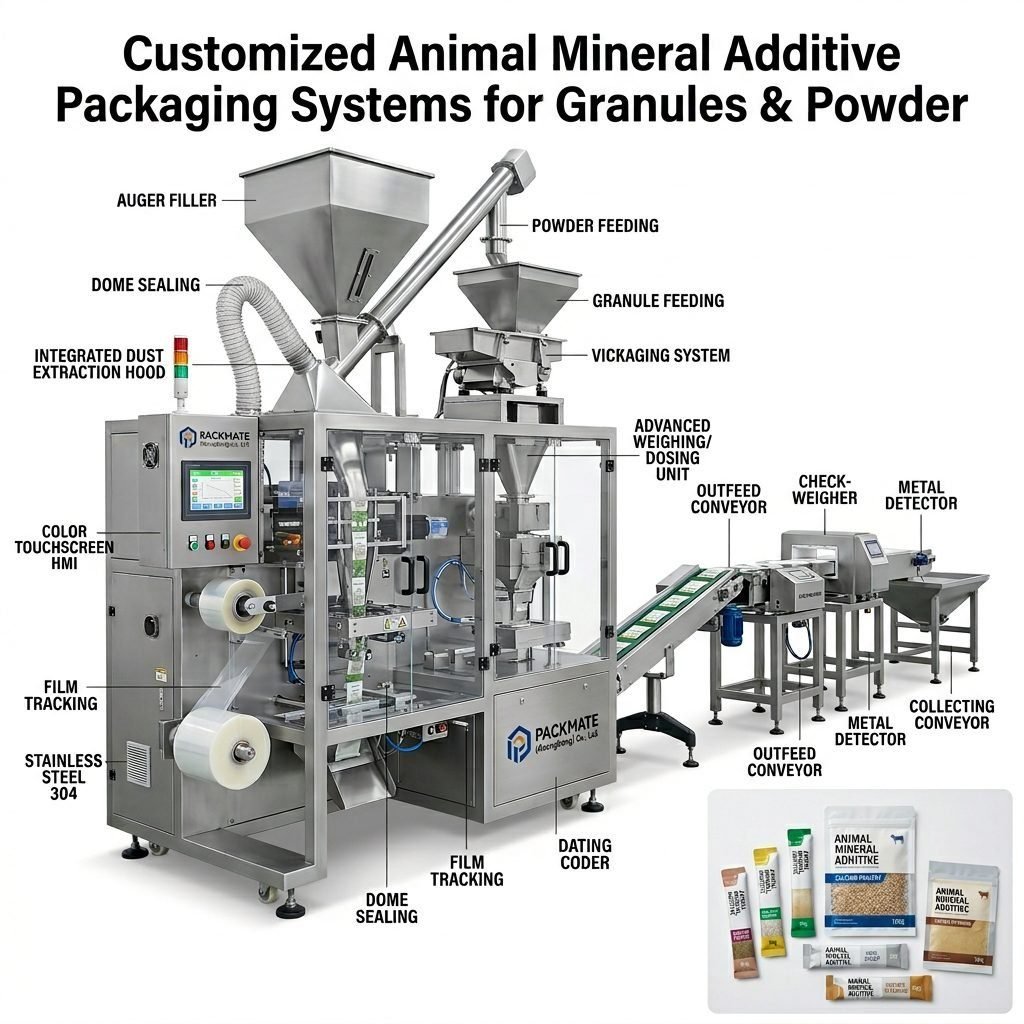
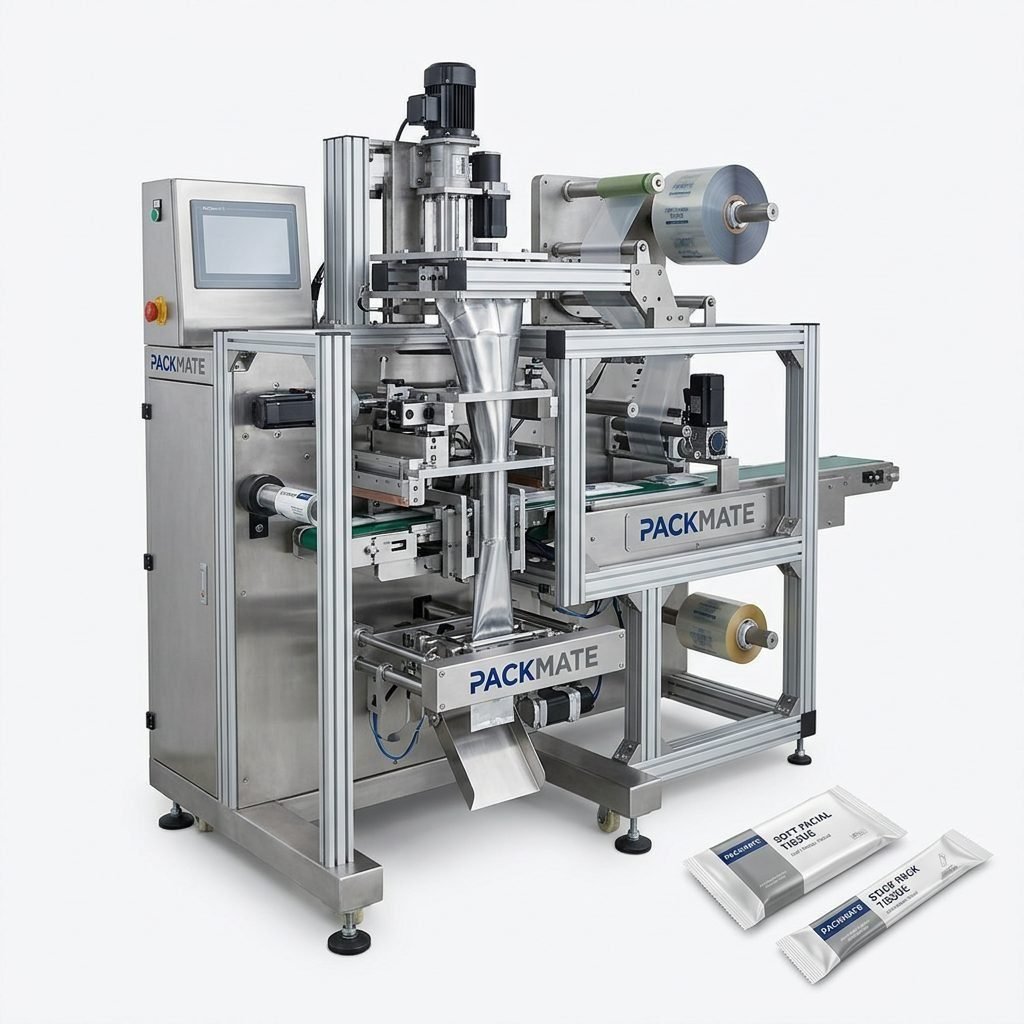
For specialized applications, such as creating small, precise pouches for powders or granules, it may be worth investigating dedicated sachet and stick pack machines which are optimized for that specific format.
Conclusion & Final Recommendations
Choosing the right vacuum sealed packaging machine is a significant investment that directly impacts your product quality, operational efficiency, and bottom line. Start by clearly defining your product requirements and production goals. Prioritize machines built with industrial-grade components from reputable manufacturers who offer strong after-sales support. Don’t hesitate to request product samples packaged on the machine you are considering to test the results firsthand. By carefully evaluating the types, features, and aligning them with your specific needs, you can select a vacuum packaging solution that not only solves today’s challenges but also scales with your business tomorrow.
Frequently Asked Questions (FAQs)
Q1: What is the main difference between a chamber vacuum sealer and an external vacuum sealer?
A1: The key difference lies in the process. A chamber sealer places the entire bag inside a sealed chamber to remove air, making it perfect for liquids, powders, and delicate items. An external (nozzle) sealer sucks air directly out of the bag through a nozzle, which is faster and better suited for dry, solid products but can struggle with liquids or fine powders.
Q2: Can I use any plastic bag with a vacuum packaging machine?
A2: No. You must use bags specifically designed for vacuum sealing. These are typically multi-layered (e.g., nylon/PE) with a textured surface on one side to allow air channels for evacuation. Standard plastic bags or zip-lock bags are not suitable as they cannot withstand the vacuum pressure or create a proper hermetic seal.
Q3: How important is the gas flushing function?
A3: Gas flushing (or Modified Atmosphere Packaging – MAP) is critical for products highly sensitive to oxidation, such as oily snacks, fresh coffee, or certain pharmaceuticals. After removing the air, the machine injects an inert gas like nitrogen. This extra step provides a superior protective atmosphere compared to vacuum alone, further extending shelf life and preserving flavor, color, and nutritional value.
Q4: What regular maintenance does a vacuum packaging machine require?
A4: Regular maintenance is crucial for longevity and consistent performance. Daily tasks include cleaning the sealing bar, chamber, and gaskets. Weekly or monthly checks should involve inspecting the vacuum pump oil level (for oil-lubricated pumps), checking for seal bar wear, and ensuring all filters are clean. Always follow the manufacturer’s specific maintenance schedule.
Q5: How do I determine the right production speed for my business?
A5: Calculate your current and projected future packaging volume (bags per hour). Add a 20-30% buffer for peak periods and growth. It’s often more cost-effective in the long run to invest in a slightly faster machine than to immediately outgrow a cheaper, slower model. Consider the entire workflow, including filling and loading time, not just the machine’s cycle speed.