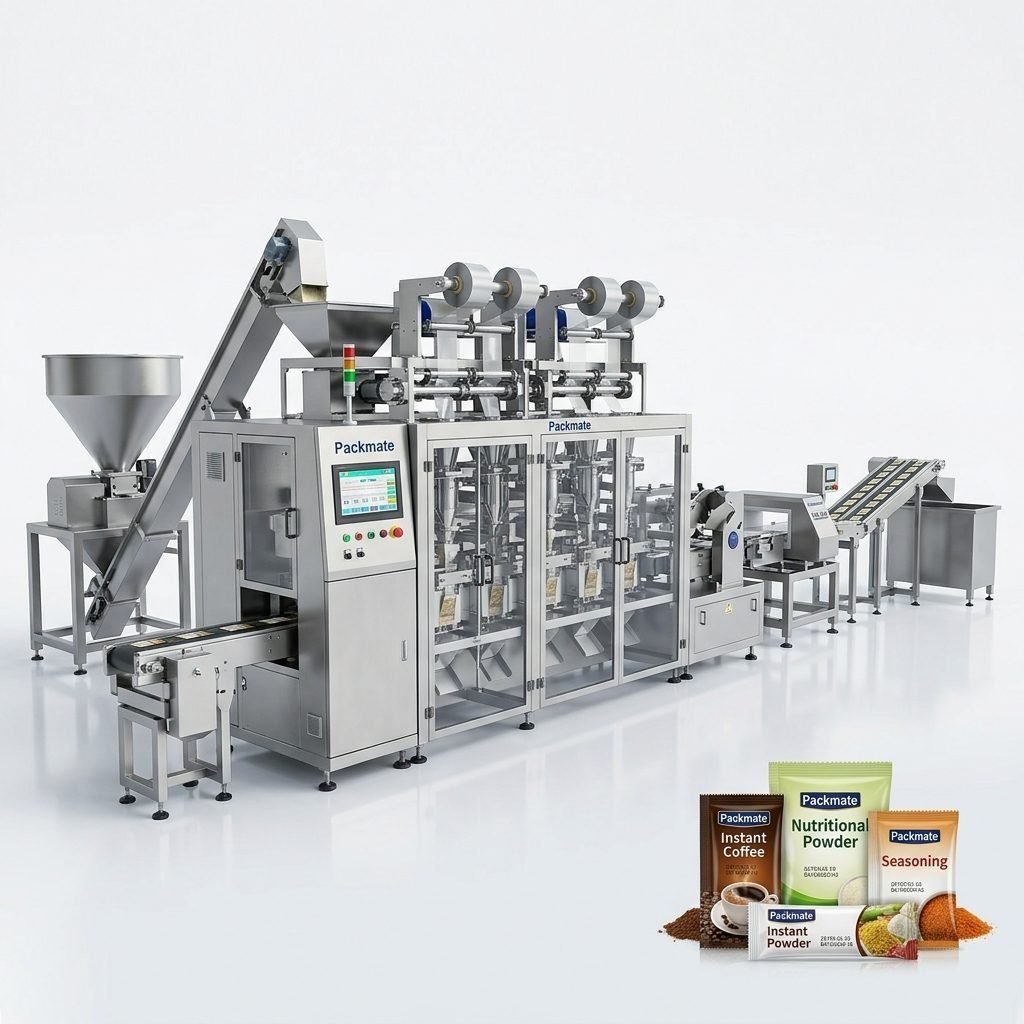
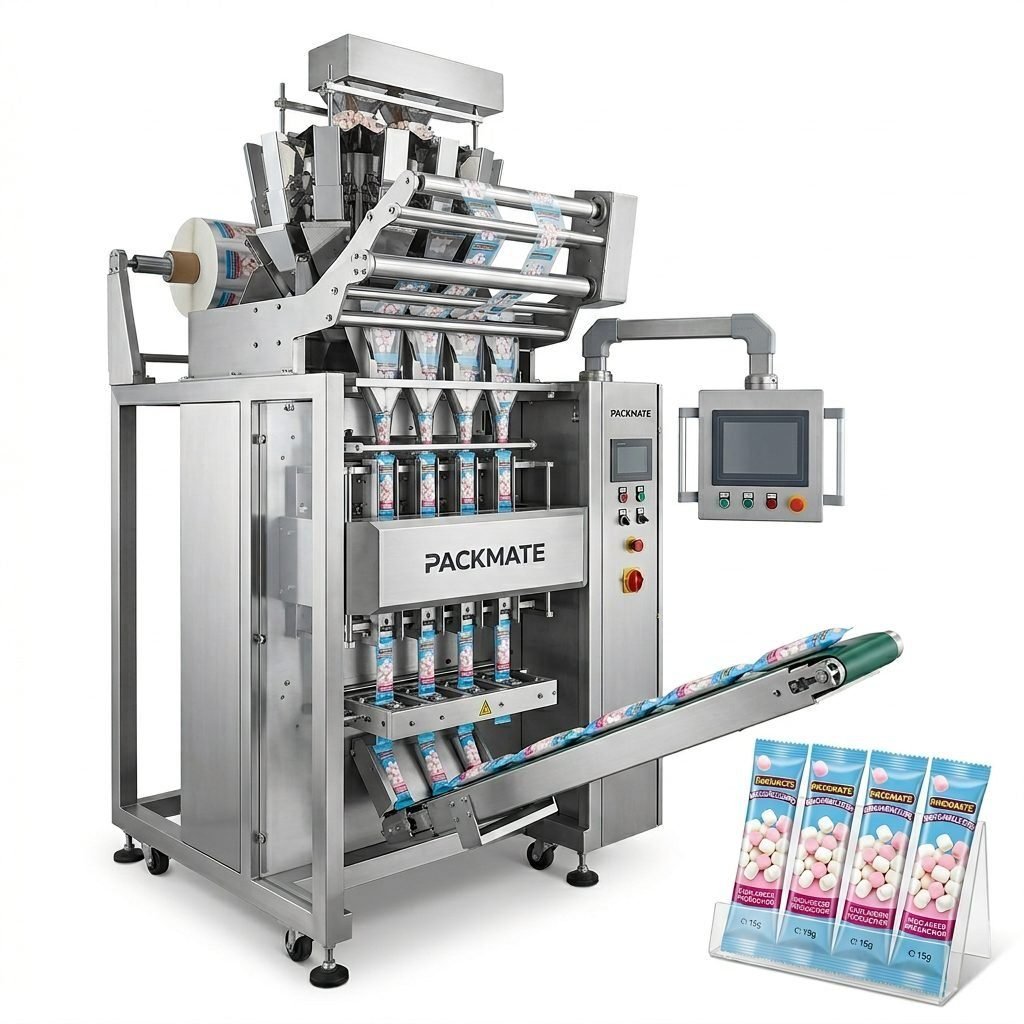
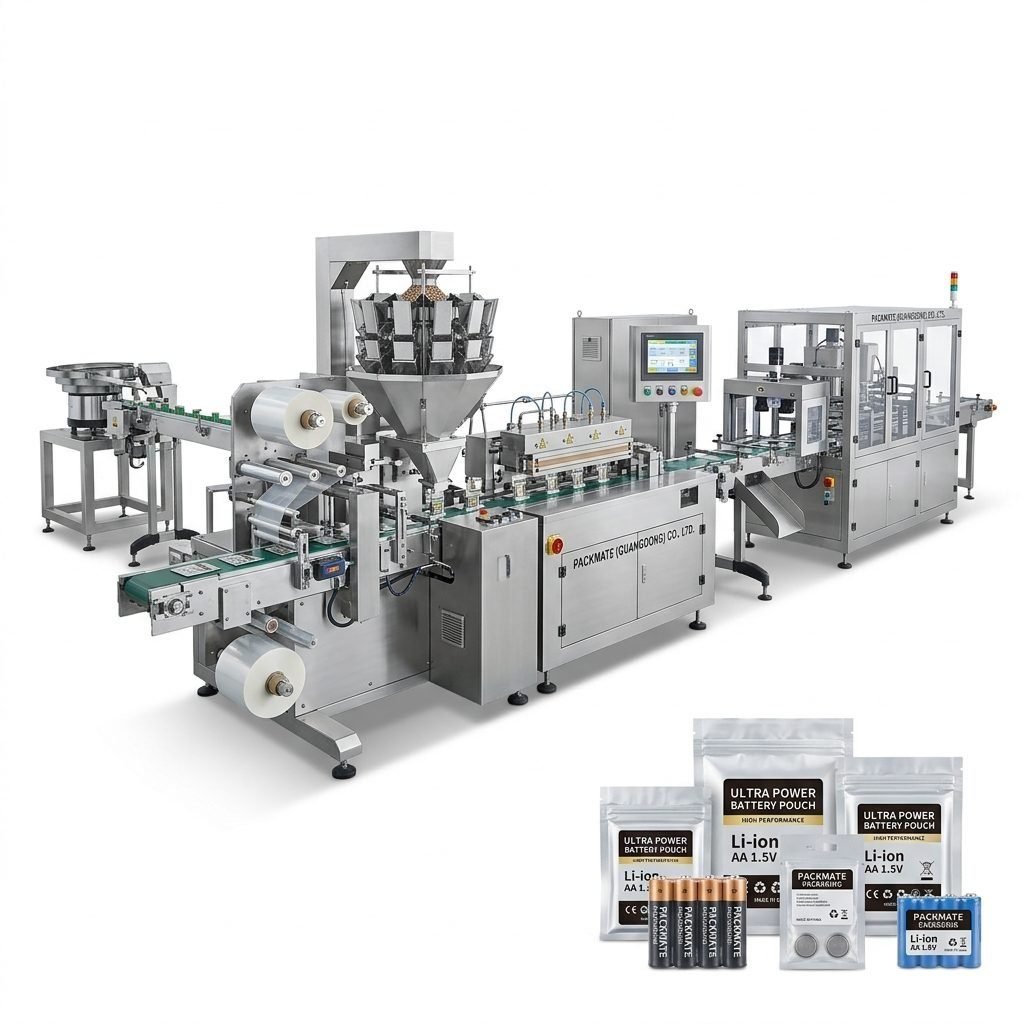
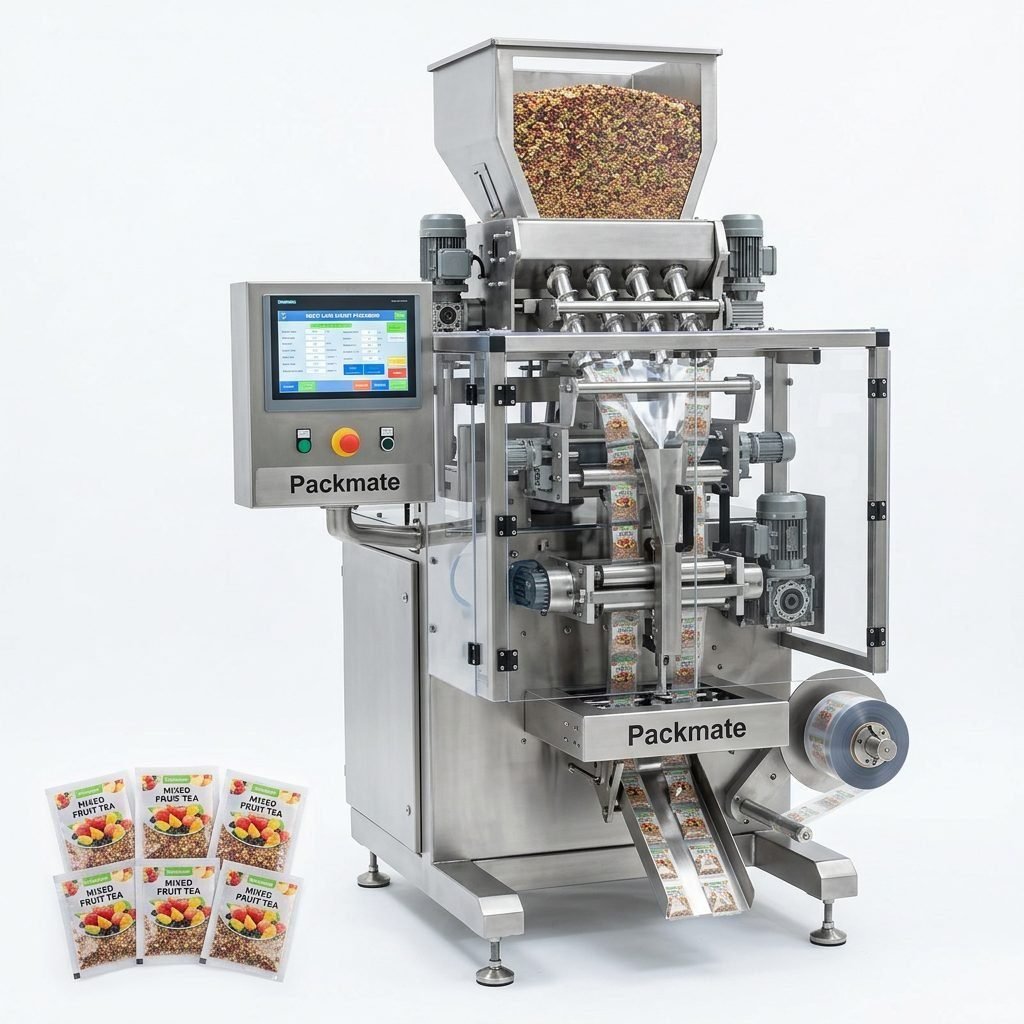
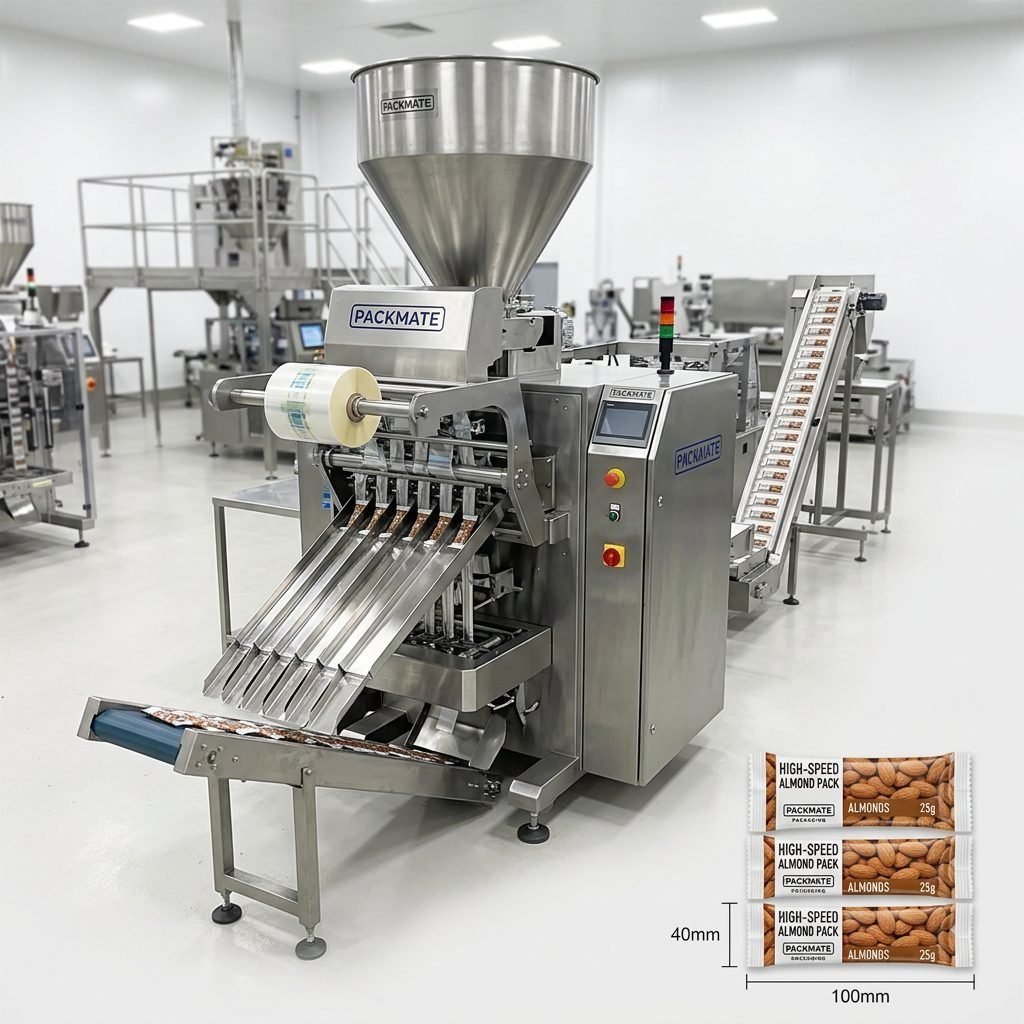
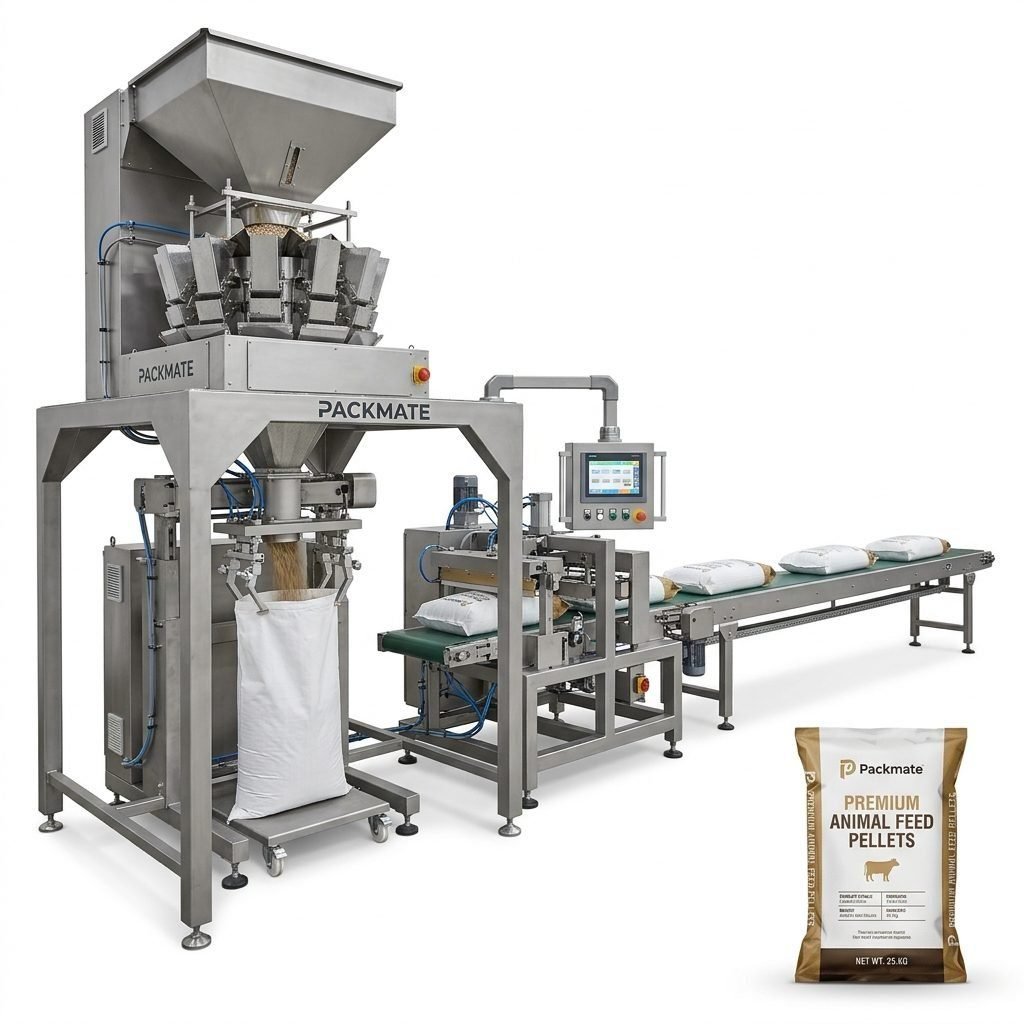
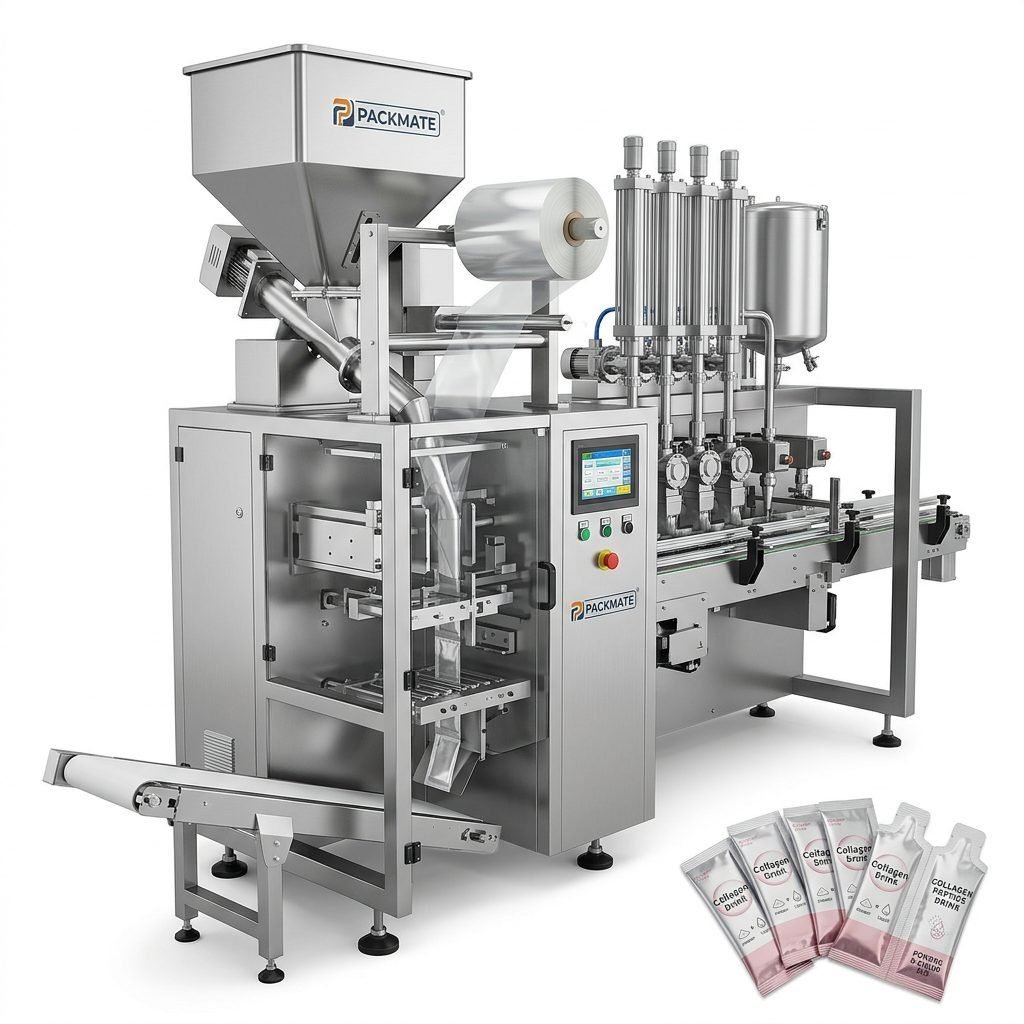
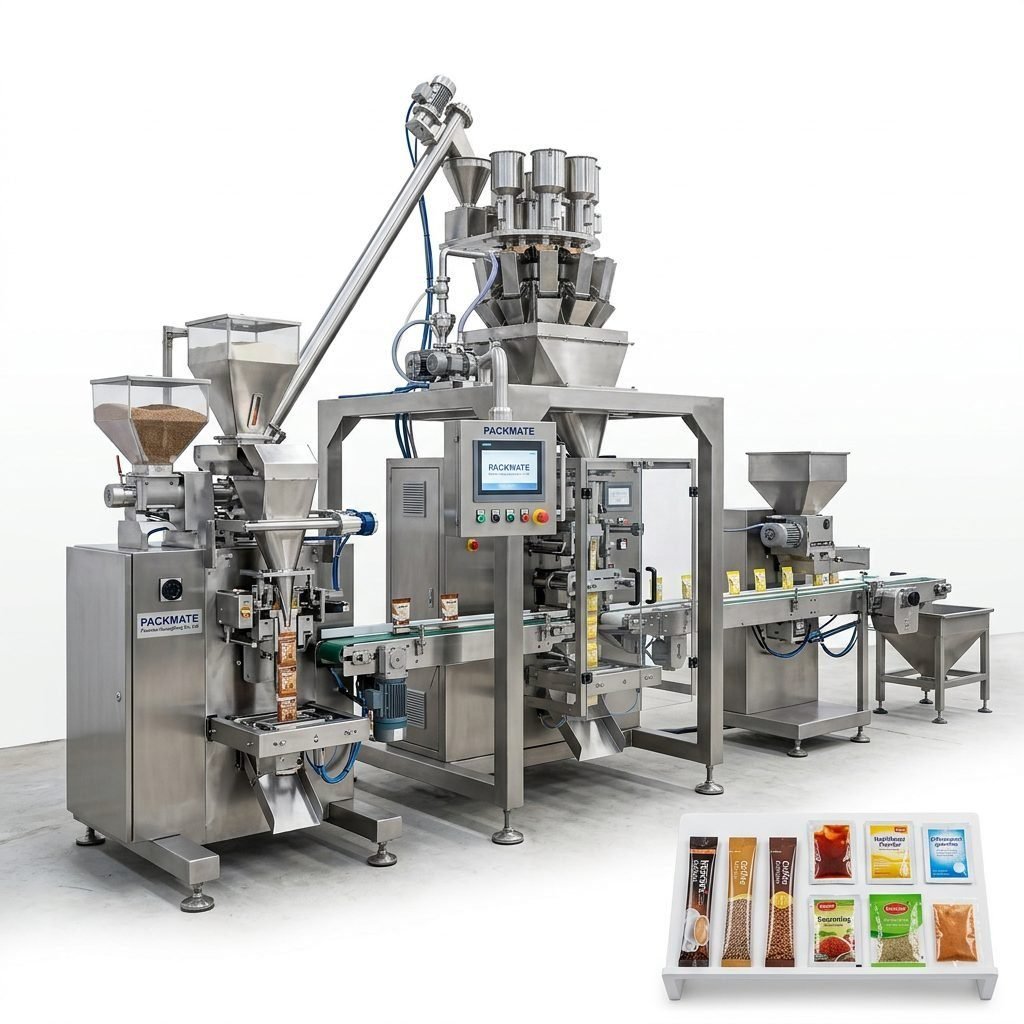
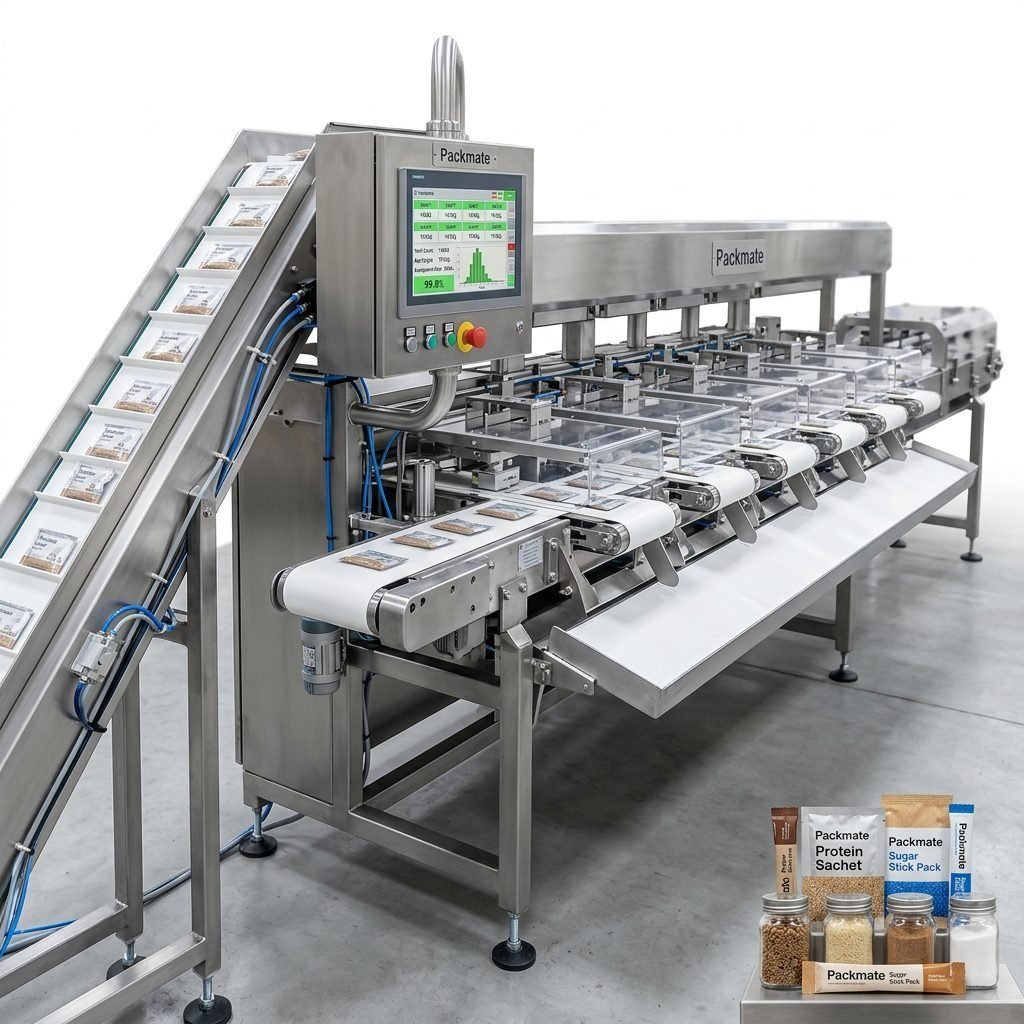
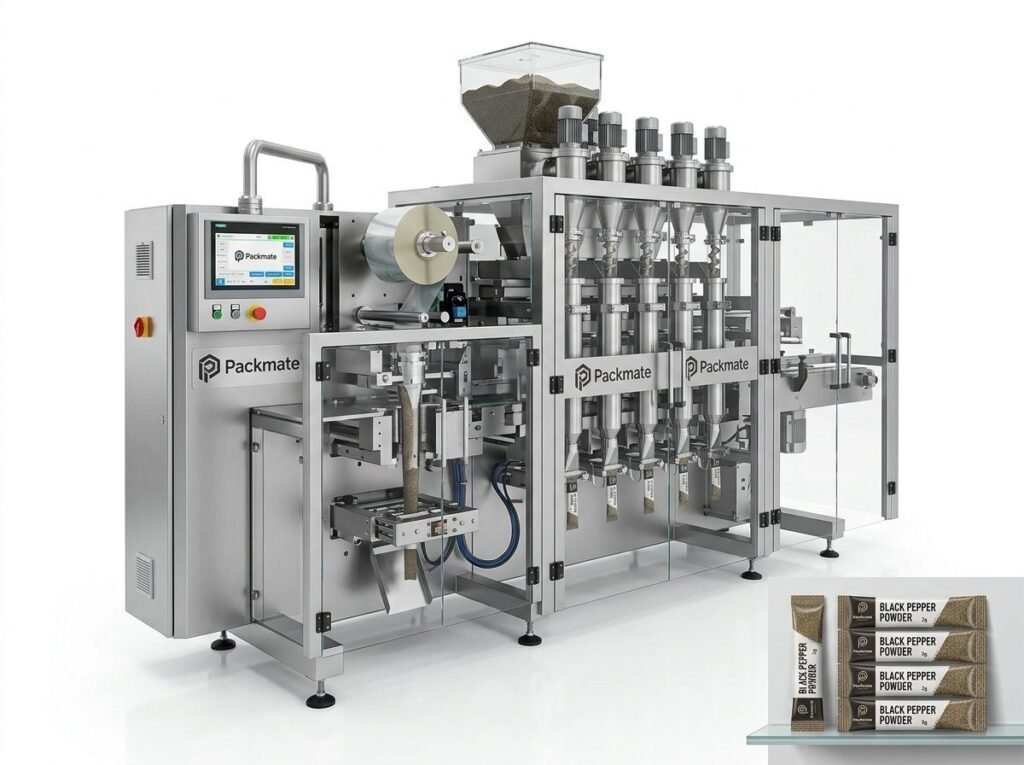
Liquid pouch packaging has revolutionized how products from sauces and condiments to pharmaceuticals and cosmetics are delivered to consumers. The machines that create these convenient, portable, and often single-serve packages are critical to modern production lines. Selecting and implementing the right liquid pouch packaging machine is a significant investment that impacts efficiency, product quality, and brand reputation. This guide provides a comprehensive overview to help you navigate the selection process and ensure optimal use in your operations.
Understanding Liquid Pouch Packaging Machines
At their core, these machines are designed to form, fill, and seal pre-made or roll-fed film into pouches containing liquid products. The process typically involves several integrated stages: film unwinding, pouch forming (via heat sealing), precise liquid filling, and final sealing. Modern machines are highly automated, capable of handling a wide range of viscosities—from water-thin oils to thick pastes and gels—at impressive speeds.
The versatility of pouch packaging is a key driver of its popularity. Unlike rigid containers, pouches use less material, reduce shipping weight and costs, and offer superior shelf appeal with high-quality printing. For manufacturers, this means a more sustainable and market-friendly packaging solution.
Key Components and Technologies
A reliable machine integrates several sophisticated components. The filling system is paramount, often using piston pumps, peristaltic pumps, or time-pressure systems to ensure accurate, drip-free filling. The sealing jaws must provide consistent heat and pressure to create strong, leak-proof seals, even on coated or laminated films. Advanced machines also feature PLC (Programmable Logic Controller) systems for easy operation, recipe storage, and monitoring of production parameters like speed, temperature, and fill volume.
A Step-by-Step Guide to Machine Selection
Choosing the right machine requires a detailed analysis of your specific needs. Rushing this process can lead to costly inefficiencies or a machine incapable of handling your product.
1. Define Your Product and Packaging Specifications
Start with the product itself. What is its viscosity, acidity (pH), and particulate content? These factors directly influence the type of filling system and wetted materials (parts that contact the product) required. Next, define the pouch: size, shape (stand-up, flat, spouted), film material (PET/AL/PE, CPP, etc.), and required production speed (pouches per minute).
2. Evaluate Machine Types and Configurations
Machines range from vertical form-fill-seal (VFFS) units that create pouches from a roll of film, to machines that handle pre-made pouches. For high-volume liquid packaging, integrated filling and packaging lines are often the most efficient. Consider if you need a single-lane machine or a multi-lane system for higher output. Also, assess the level of automation—do you need automatic film loading, cap placement, or case packing?
3. Assess Build Quality and Supplier Reliability
The machine’s construction determines its longevity and stability. Look for a robust frame, high-grade stainless steel (especially for food and pharmaceutical use) on contact parts, and precision-engineered components. The reputation of the manufacturer is equally critical. A supplier with decades of experience, like Packmate Machinery, brings invaluable expertise in solving complex packaging challenges and provides reliable after-sales support, spare parts, and training.
Always request a product sample test run at the supplier’s facility. This is the most effective way to verify machine performance with your actual product and packaging material before purchase.
4. Consider Operational and Safety Features
Modern machines should prioritize operator safety with guarded moving parts and emergency stops. User-friendly features like a touchscreen HMI (Human-Machine Interface), automatic fault diagnostics, and CIP (Clean-in-Place) capabilities for the filling system drastically reduce downtime and changeover time between products.
Best Practices for Operation and Maintenance
Proper use and care are essential to maximize the return on your investment and ensure consistent package quality.
Installation and Initial Setup
Follow the manufacturer’s guidelines for site preparation, including level flooring, proper electrical and compressed air supply. Comprehensive training for your operators and maintenance technicians from the supplier is non-negotiable. They should understand daily operations, routine adjustments, and basic troubleshooting.
Daily Operation and Quality Control
Establish a startup and shutdown checklist. This includes checking seal jaw temperatures, verifying fill volume accuracy with a scale, and inspecting seal integrity on the first few pouches. Implement periodic quality checks throughout the production run for weight, seal strength, and visual defects.
Preventive Maintenance Schedule
Adherence to a preventive maintenance schedule prevents catastrophic failures. Daily tasks include cleaning product contact surfaces and lubricating specific points as instructed. Weekly or monthly tasks might involve checking pneumatic filters, inspecting and cleaning sealing jaws, and verifying the torque on critical fasteners. Keep a detailed log of all maintenance and repairs.
Troubleshooting Common Issues
Even well-maintained machines can encounter problems. Quick identification is key.
Weak or Inconsistent Seals: Often caused by incorrect temperature or pressure settings on the jaws, contaminated sealing surfaces, or using film outside its specification. Clean the jaws thoroughly and verify film compatibility.
Inaccurate Filling: Can result from air in the product supply, a worn pump seal or piston cup, or incorrect calibration of the filling system. Purge the system of air and inspect/replace worn components according to the manual.
Film Tracking or Wrinkling Problems: Usually related to misaligned film rolls, incorrect tension settings on the unwind brake, or worn guide rollers. Re-thread the film according to the diagram and check roller alignment.
Frequently Asked Questions (FAQ)
1. What is the typical production speed of a liquid pouch machine?
Speeds vary widely based on pouch size, complexity, and machine configuration. Simple sachet machines can run from 60 to 200 pouches per minute, while high-speed multi-lane systems for stick packs or small pouches can exceed 1,000 pouches per minute. It’s best to discuss your target output with a specialist like those at Packmate for a precise assessment.
2. Can one machine handle different pouch sizes and products?
Yes, most machines are designed for changeover. However, the time and complexity involved depend on the machine’s design. Quick-change tooling for forming shoulders and fill nozzles significantly reduces downtime. Switching between products with vastly different viscosities may require cleaning or even changing the filling pump type.
3. How do I ensure the pouch is leak-proof for my liquid product?
Leak-proof integrity depends on three factors: the correct film material (barrier properties and seal layer), precise heat sealing parameters (time, temperature, pressure), and a well-maintained, clean sealing jaw surface. Conduct seal strength tests (peel tests) regularly as part of your quality control protocol.
4. What are the most important maintenance tasks?
The most critical routine tasks are keeping all product contact areas scrupulously clean to prevent contamination, regularly inspecting and cleaning the heated sealing jaws to ensure consistent heat transfer, and following the lubrication schedule for moving parts to prevent wear.
5. Where can I find reliable technical support and spare parts?
Choosing an established manufacturer with a strong global support network is essential. Companies with a long history, such as Packmate Machinery, which has over 30 years of expertise, typically offer comprehensive service, readily available spare parts, and detailed documentation. Always confirm the support structure before purchasing.