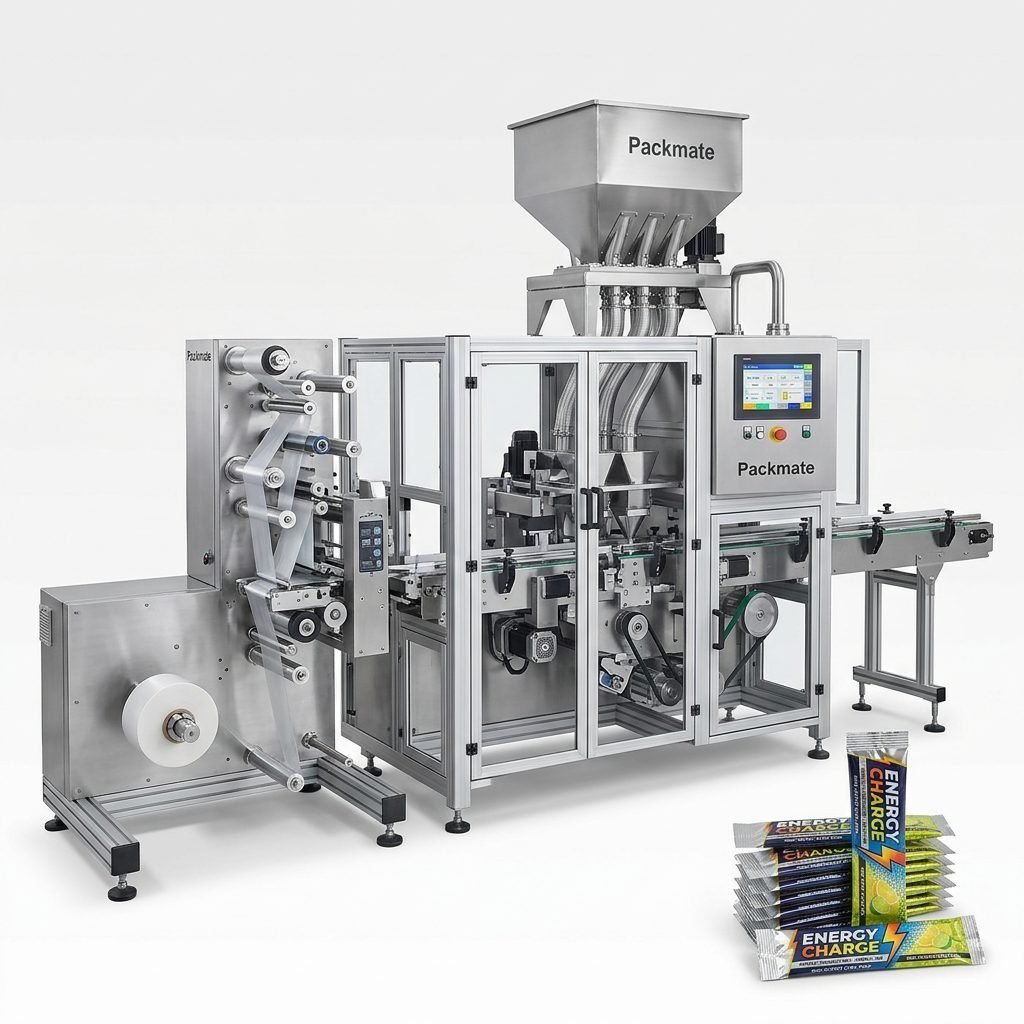
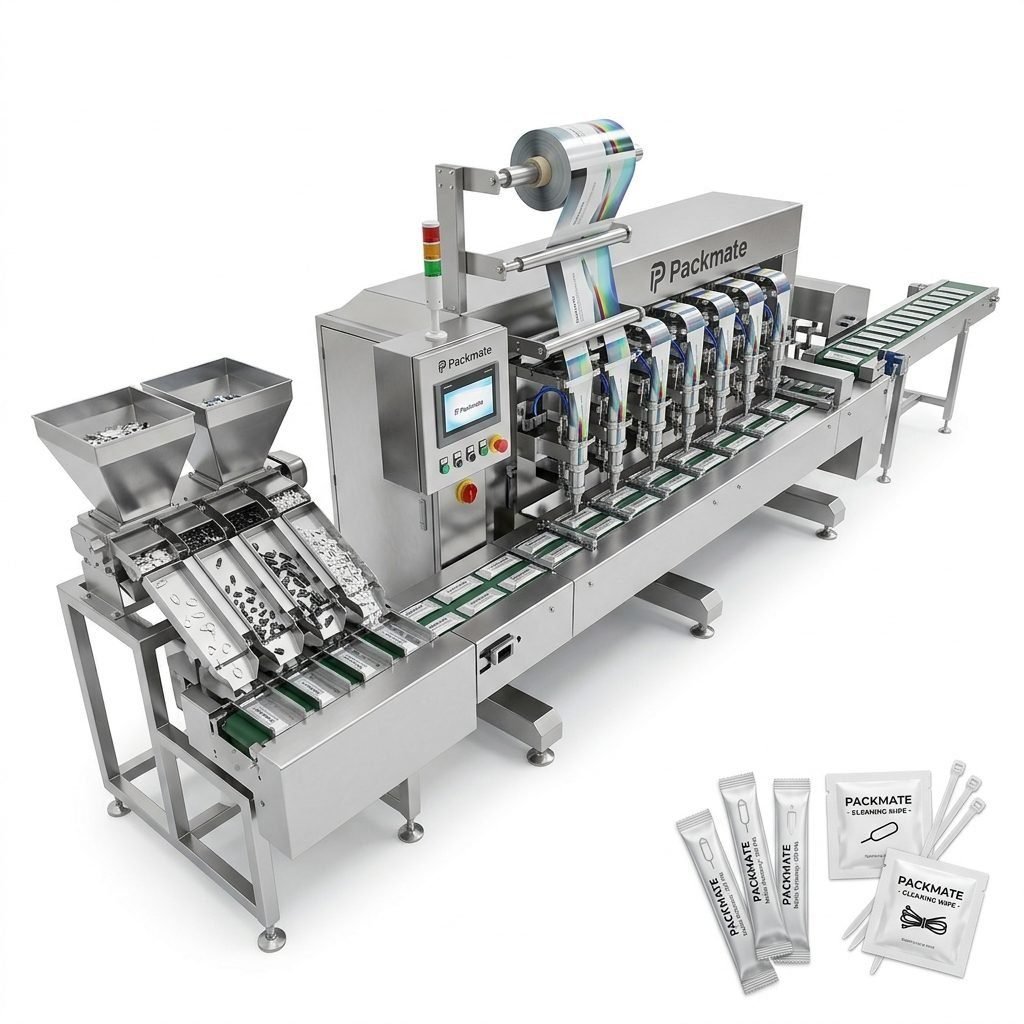
In the demanding world of bulk material handling, efficiency, accuracy, and reliability are not just desirable traits—they are absolute necessities. For industries dealing with granular products—from food ingredients and pharmaceuticals to agricultural seeds and chemical compounds—the choice of packaging machinery can significantly impact operational throughput, product integrity, and bottom-line profitability. Selecting the right grain packaging machine is a critical investment for any business looking to scale its operations and maintain a competitive edge.
The Critical Role of Specialized Grain Packaging Machines
Grain packaging presents unique challenges that generic packaging systems often fail to address adequately. Granular materials vary immensely in size, shape, flow characteristics, and density. A machine designed for fine powder will struggle with larger, free-flowing grains, leading to inconsistent fills, spillage, and downtime. Top-tier grain packaging machines are engineered specifically to handle these variances. They feature advanced weighing systems, gentle product handling mechanisms, and customizable augers or vibratory feeders to ensure each bag or pouch is filled with precise accuracy, minimizing giveaway and maximizing yield.
Key Advantages of Modern Grain Packaging Systems:
High-Speed Throughput: Automated systems can package hundreds, even thousands, of units per hour, dramatically outpacing manual operations.
Exceptional Accuracy: Multi-head weighers and precision net weigh scales ensure each package meets exact weight specifications, crucial for compliance and cost control.
Reduced Product Waste: Precise dosing and clean-cut sealing minimize spillage and rejected packages.
Enhanced Hygiene & Safety: Constructed with food-grade materials and easy-clean designs, these machines protect product purity and operator safety.
Core Technologies in Efficient Bulk Grain Handling
The efficiency of a bulk handling line hinges on the integration of several key technologies. It’s not just about the final bagging station; it’s about a cohesive system from intake to palletizing.
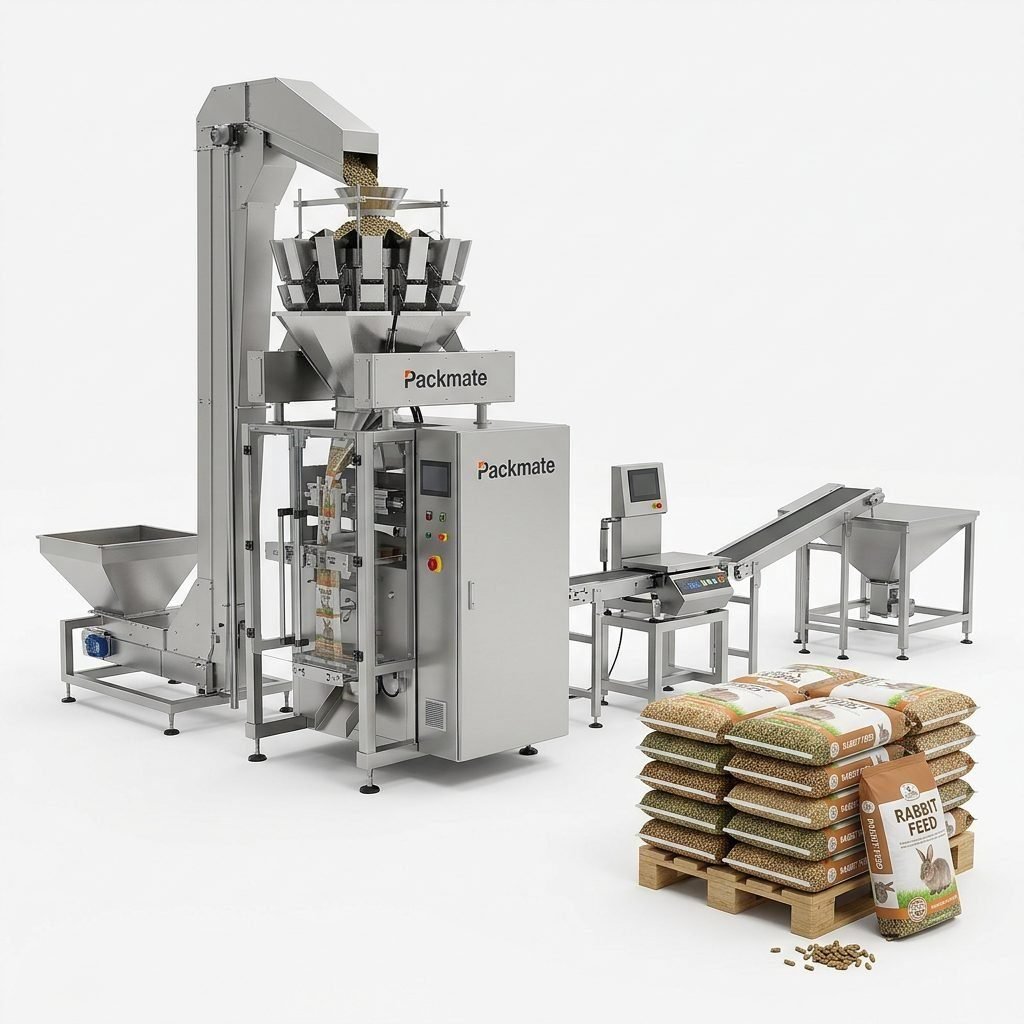
1. Precision Weighing Systems: The heart of any packaging line. For grains, multi-head combination weighers are often the gold standard. They use a pool of weigh buckets to combine precise portions rapidly, achieving high speeds without sacrificing accuracy. For larger bulk bags, robust net weigh scales provide the durability and capacity required for heavy-duty applications.
2. Adaptive Feeding Mechanisms: Depending on the grain type, different feeders are employed. Screw augers excel with fine, non-free-flowing grains, while vibratory trays or belt feeders are better suited for larger, more fluid granules. The best machines allow quick changeover between these systems.
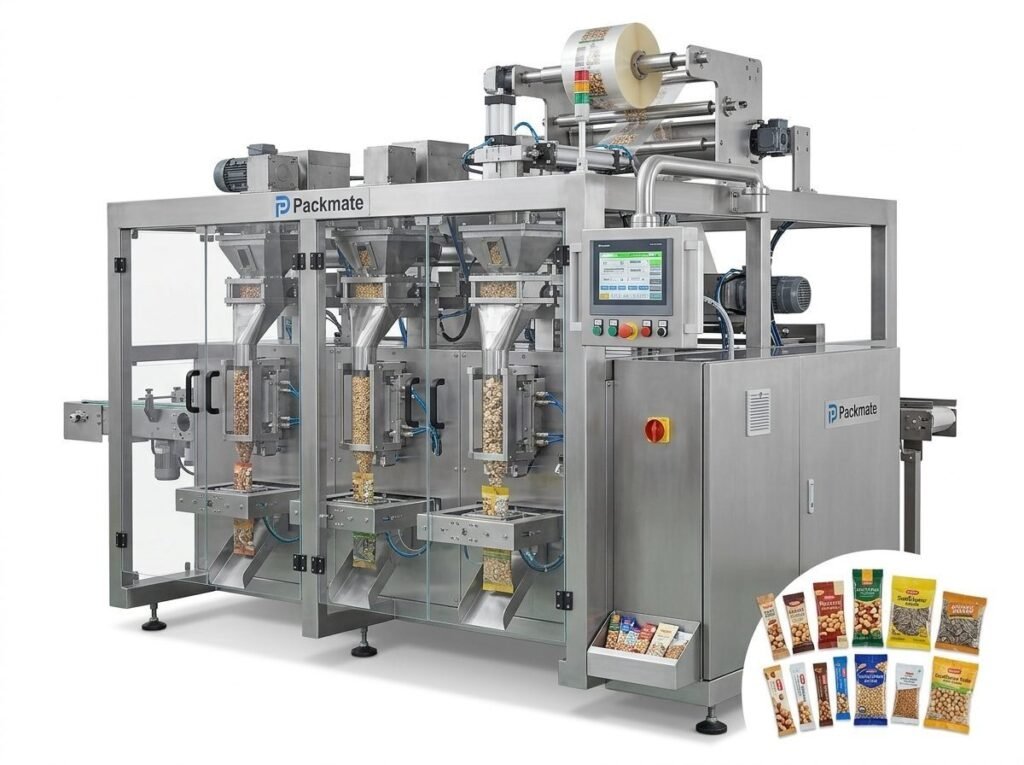
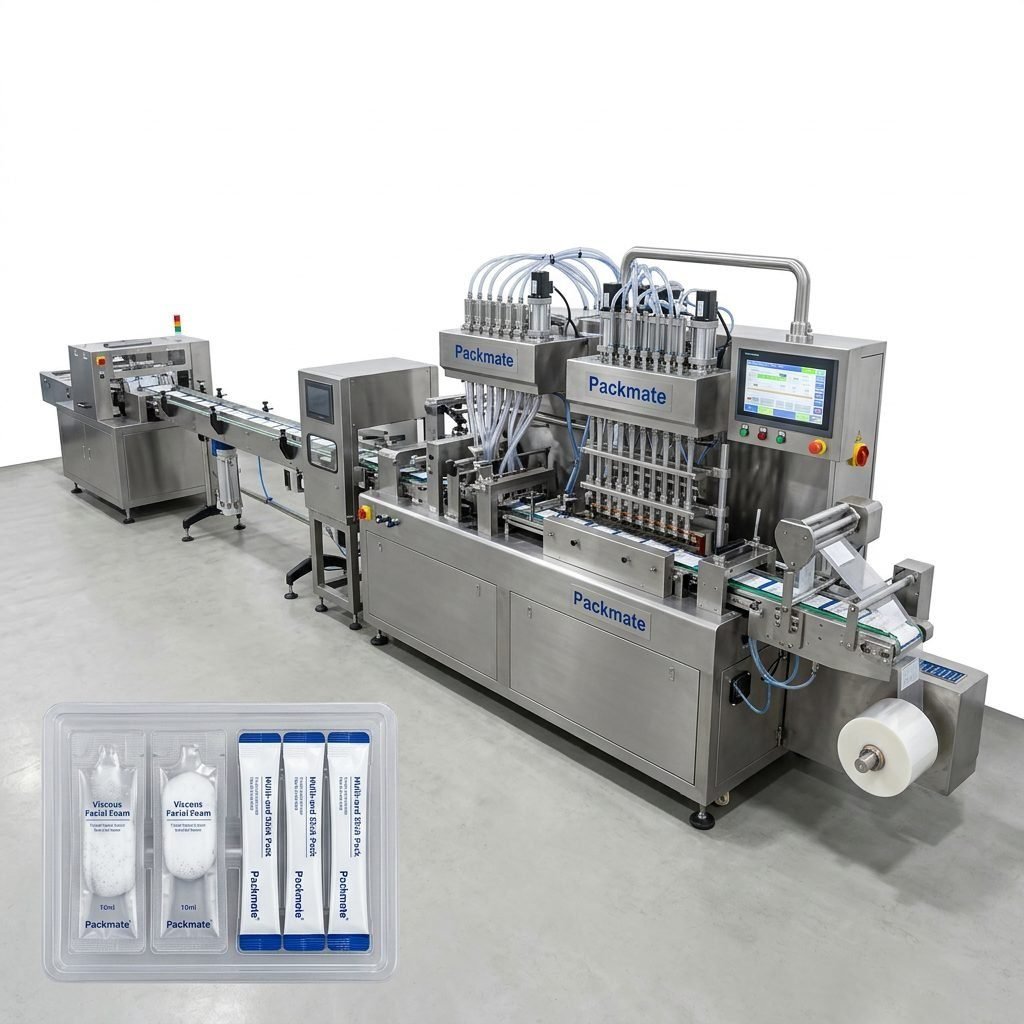
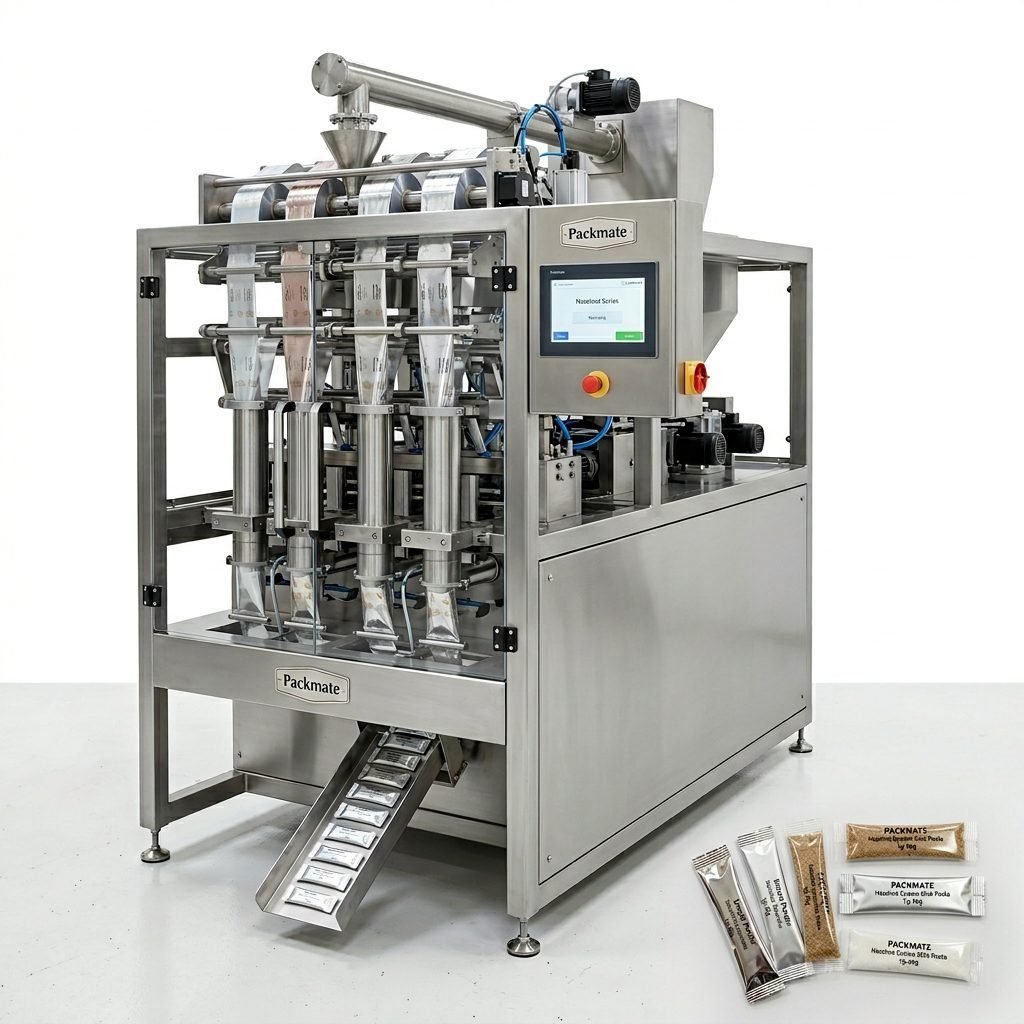
3. Robust Bagging & Sealing: From forming bags from roll stock to opening pre-made pouches, the bag handling must be positive and reliable. Heat sealing jaws must maintain consistent temperature and pressure to create strong, airtight seals that withstand handling and transport, a feature emphasized in reliable bag and pouch packaging machines.
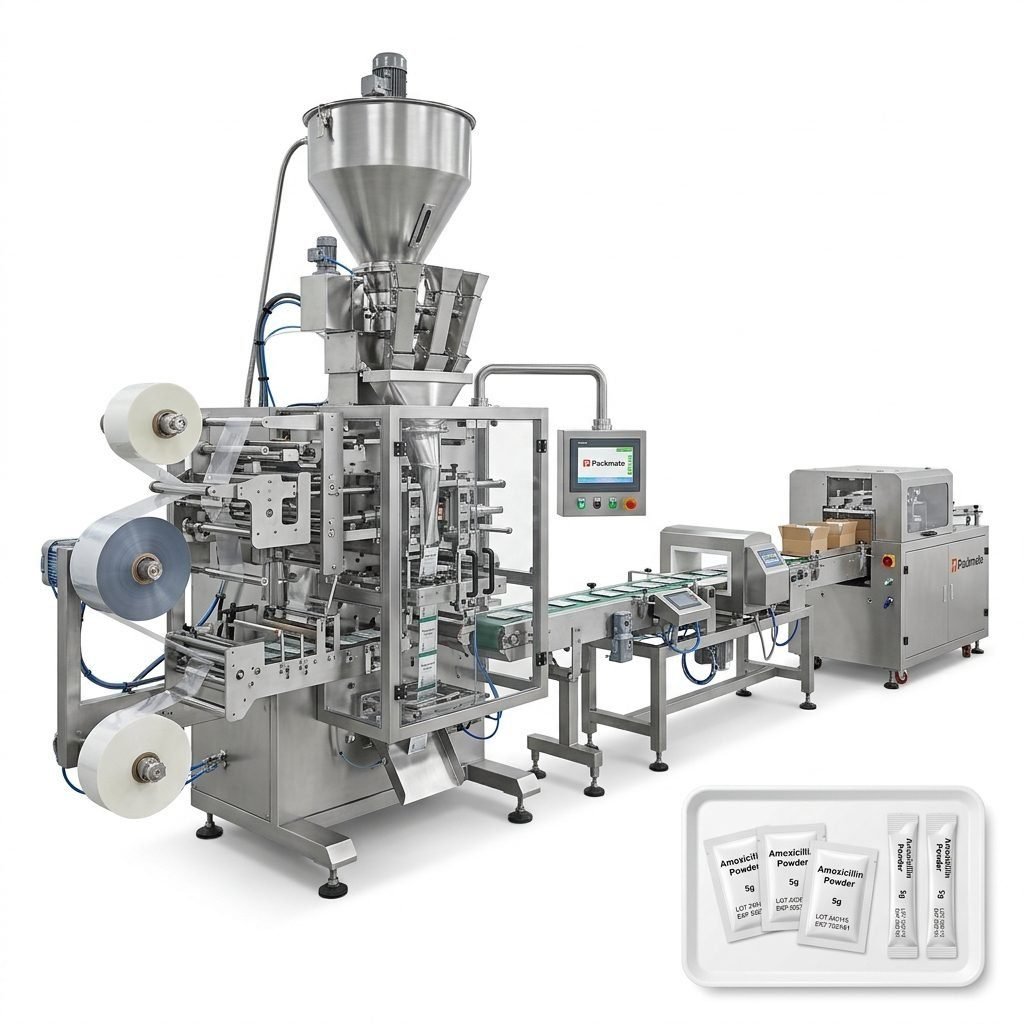
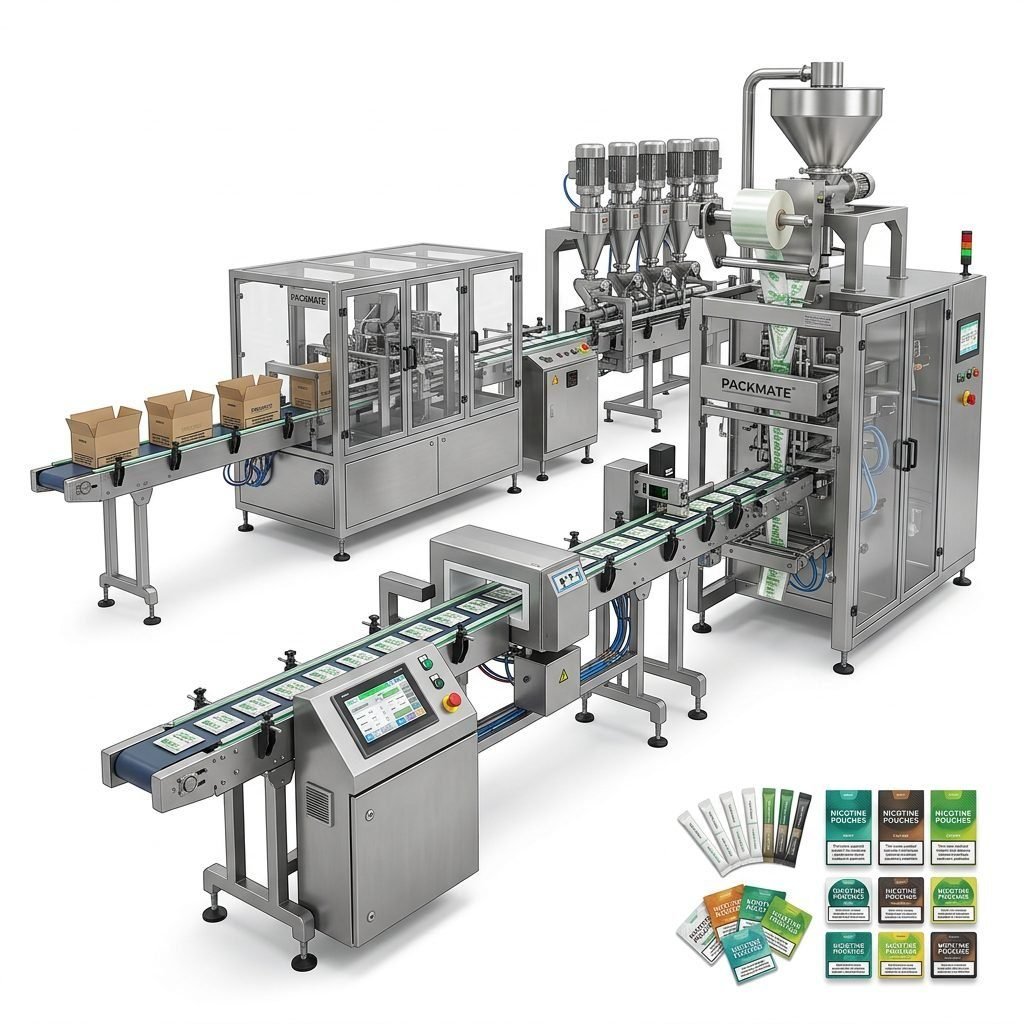
4. Integrated Automation: True efficiency is unlocked when machines communicate. Automated conveyors transfer bags from the scale to the sealer, then to a checkweigher and metal detector, and finally to a case packer or palletizer. This seamless flow eliminates bottlenecks and manual handling.
Choosing a Machine for Your Specific Grain
The “best” machine is the one perfectly suited to your product and output goals. Consider these factors:
- Product Characteristics: Grain size, abrasiveness, oil content, and flowability.
- Packaging Format: Are you filling small stick packs for retail, larger stand-up pouches, or industrial bulk bags?
- Required Speed: Target output in bags/pouches per minute or hour.
- Floor Space & Layout: The physical constraints of your production facility.
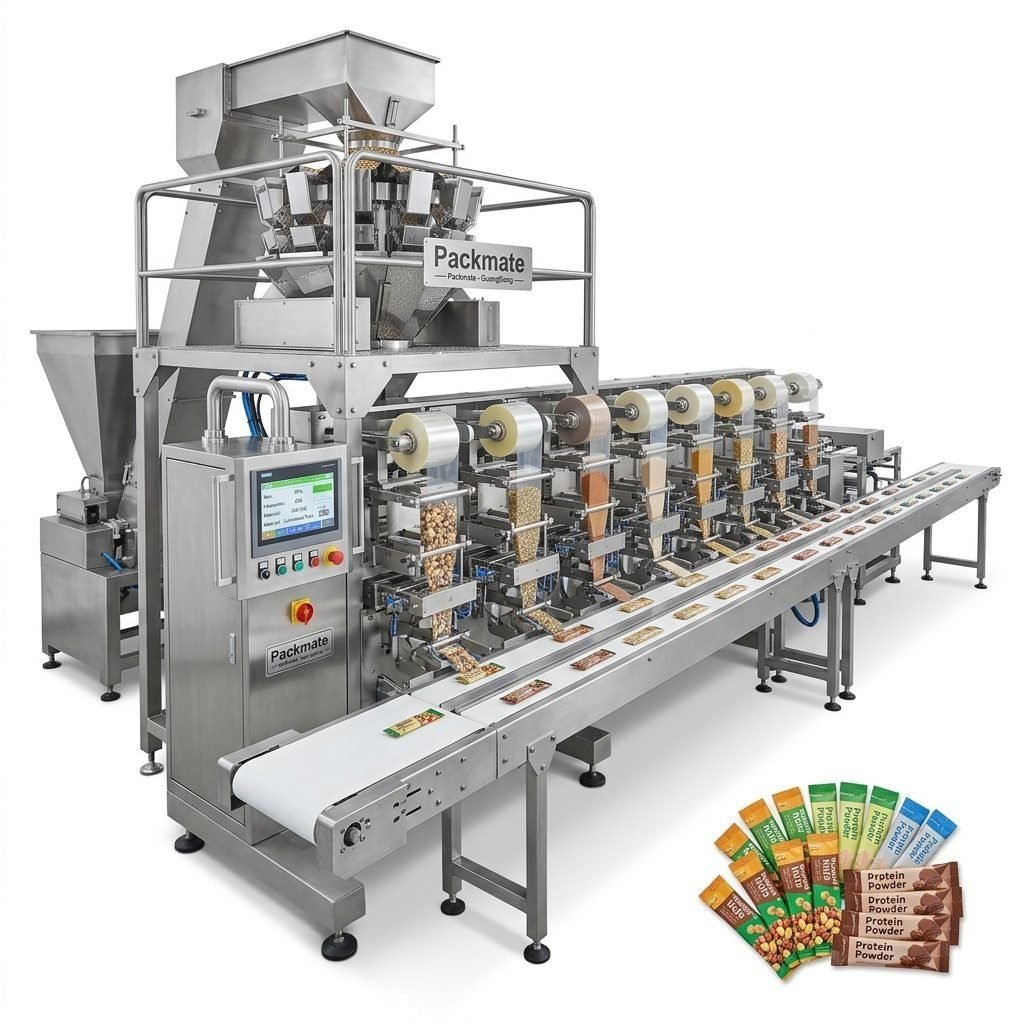
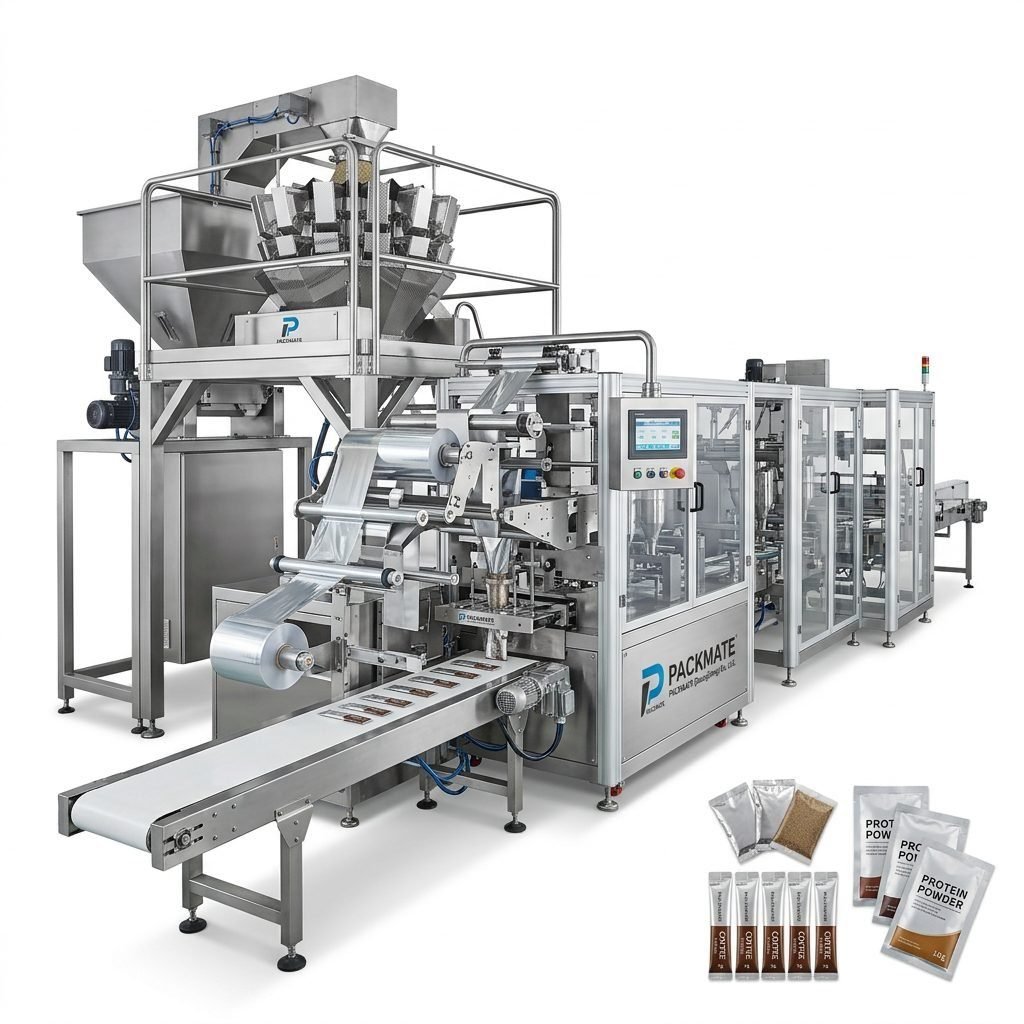
For businesses requiring versatile solutions for smaller unit doses, exploring advanced sachet and stick pack machines can be highly beneficial.
The Packmate Advantage in Grain Packaging
With over 30 years of deep expertise in packaging machinery, Packmate Machinery understands the nuanced needs of grain processors. Our journey, from a focused workshop to a modern manufacturer with a 20,000㎡ facility, has been built on solving real-world packaging challenges. We don’t just sell machines; we provide complete turnkey packaging solutions.
Our range includes specialized equipment that integrates seamlessly into bulk grain handling lines. From the initial weighing and feeding to the final bag sealing and handling, our systems are designed for maximum uptime, easy maintenance, and precise output. This commitment to innovation and reliability is why companies worldwide trust Packmate for their critical packaging operations. Discover the full scope of our engineered solutions on our packing machine products page.
Future-Proofing Your Operations
Investing in top grain packaging machinery is an investment in the future scalability of your business. Modern machines offer connectivity features (Industry 4.0) for remote monitoring, predictive maintenance alerts, and production data analytics. This digital integration allows managers to optimize performance, plan maintenance proactively, and gain insights into production efficiency from anywhere in the world. Choosing a partner like Packmate, with a forward-looking approach and a commitment to technological advancement, ensures your packaging line remains competitive and adaptable to evolving market demands.
Ultimately, the goal is to achieve a streamlined, closed-loop system where grain is handled gently, measured accurately, packaged securely, and dispatched efficiently. The right machinery transforms bulk handling from a logistical challenge into a strategic asset, driving growth and ensuring consistent product quality for your customers.
Frequently Asked Questions (FAQs)
What types of grains can your packaging machines handle?
Our machines are highly adaptable and can be configured to handle a wide variety of granular products, including but not limited to rice, beans, seeds, cereals, coffee beans, sugar, salt, grains, and granular chemicals. The key is matching the feeding and weighing system to the product’s specific flow characteristics.
How do you ensure weighing accuracy for different grain densities?
We utilize advanced precision weighing systems, such as multi-head combination weighers and highly sensitive load cells. These systems are calibrated for the specific product being packaged and can be fine-tuned to compensate for variations in grain density, ensuring consistent weight accuracy across every batch.
Can your systems integrate with our existing production line?
Absolutely. A core part of our service is designing and engineering solutions that integrate seamlessly with your upstream and downstream equipment. We provide complete filling and packaging lines or can tailor standalone machines to connect with your conveyors, silos, and palletizers.
What is the typical lead time for a grain packaging machine?
Lead times vary depending on the complexity and customization of the machine. Standard models may have shorter lead times, while fully customized turnkey lines require more detailed engineering and manufacturing. We provide clear timelines during the project quotation phase.
Do you offer after-sales support and training?
Yes, comprehensive support is a cornerstone of our offering. This includes detailed installation supervision, thorough on-site operator and maintenance technician training, a robust supply of spare parts, and ongoing technical support. Our commitment is to ensure your line operates successfully long after installation. Learn more about our dedicated service programs.