In the dynamic world of manufacturing, efficiency, precision, and adaptability are paramount. For businesses handling granules, powders, and liquids—from food and pharmaceuticals to health supplements—the right packaging machinery is not just an asset; it’s a critical component of the production line. This guide delves into the modern solutions offered by advanced matrix packaging systems, exploring how they streamline operations, ensure product integrity, and drive business growth in today’s competitive market.
The Evolution of Packaging Automation
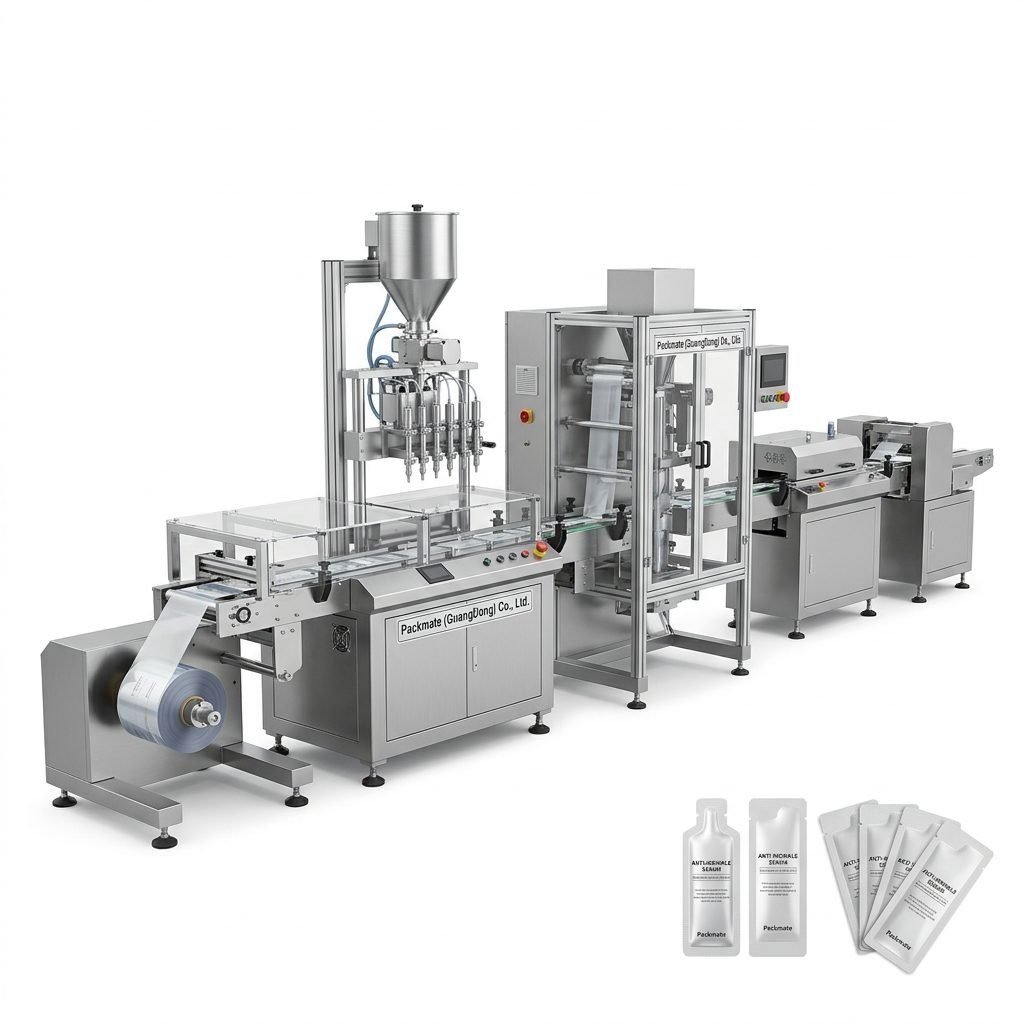
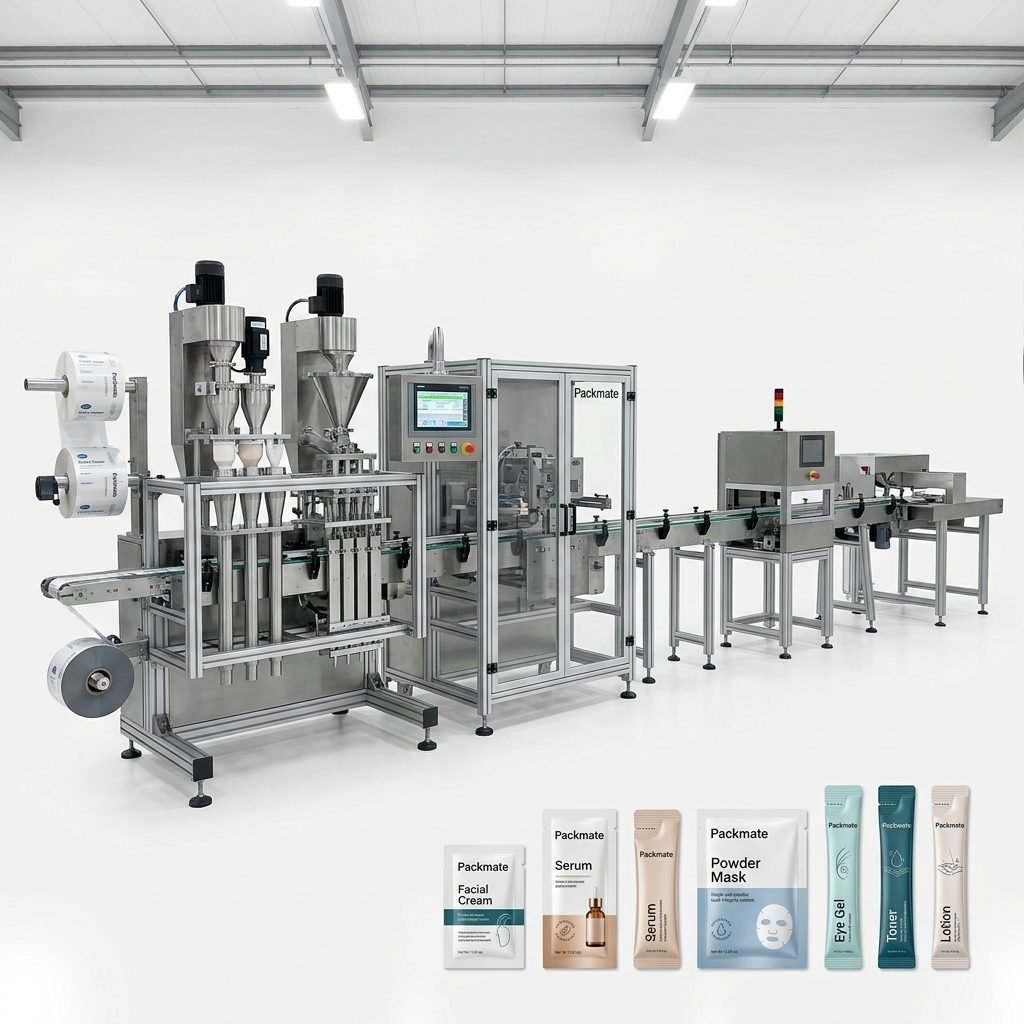
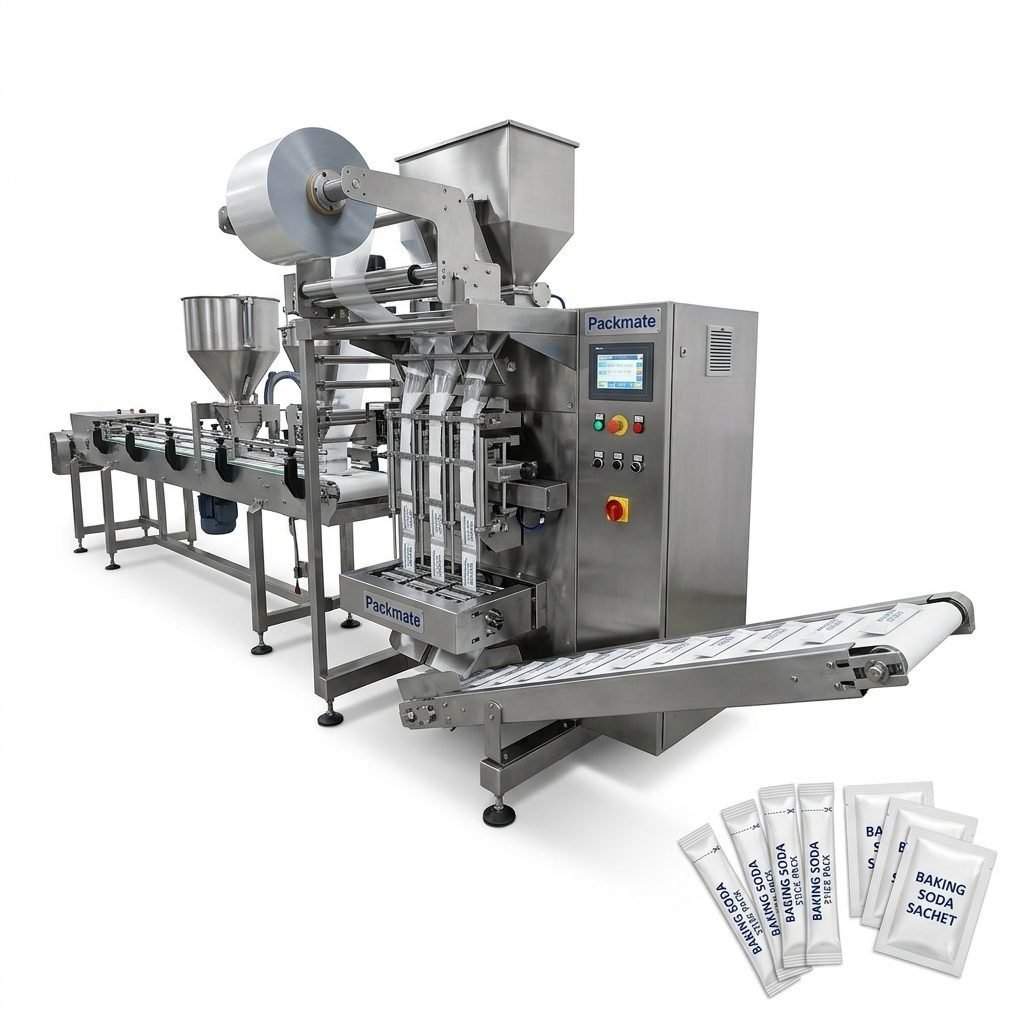
The journey from manual packing to fully automated lines marks a significant leap in industrial productivity. Early packaging was labor-intensive, prone to inconsistencies, and limited in speed. The advent of automated machinery transformed this landscape, introducing reliability and scalability. Today’s matrix packaging systems represent the pinnacle of this evolution. These are not single machines but integrated systems that perform multiple functions—forming, filling, and sealing—in a synchronized, high-speed sequence. They are the backbone of modern production for items portioned into sachets, stick packs, and pouches.
Core Advantage: The fundamental strength of a modern matrix packaging machine lies in its modularity and integration. It can be seamlessly connected with upstream feeders and downstream cartoning or case-packing equipment, creating a continuous, turnkey production line that minimizes human intervention and maximizes output.
Key Components of a Modern Matrix System
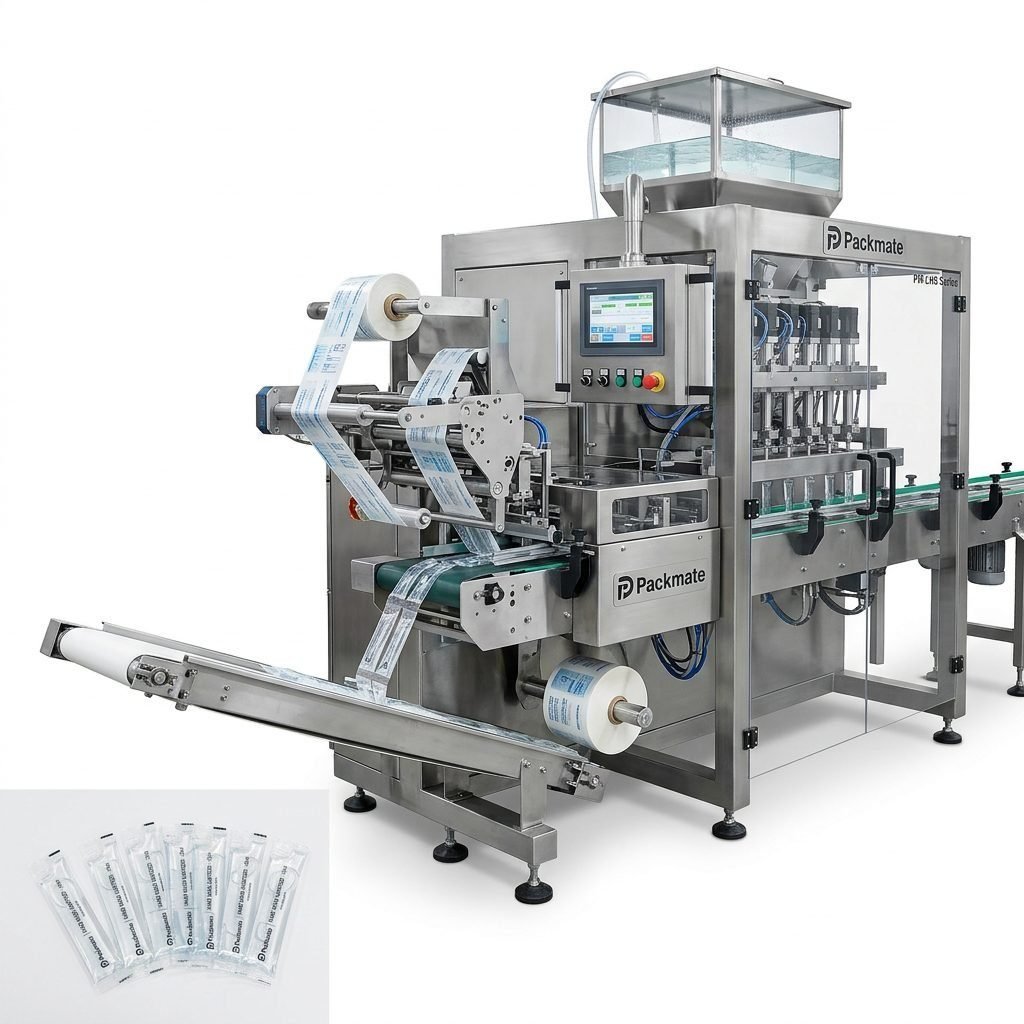
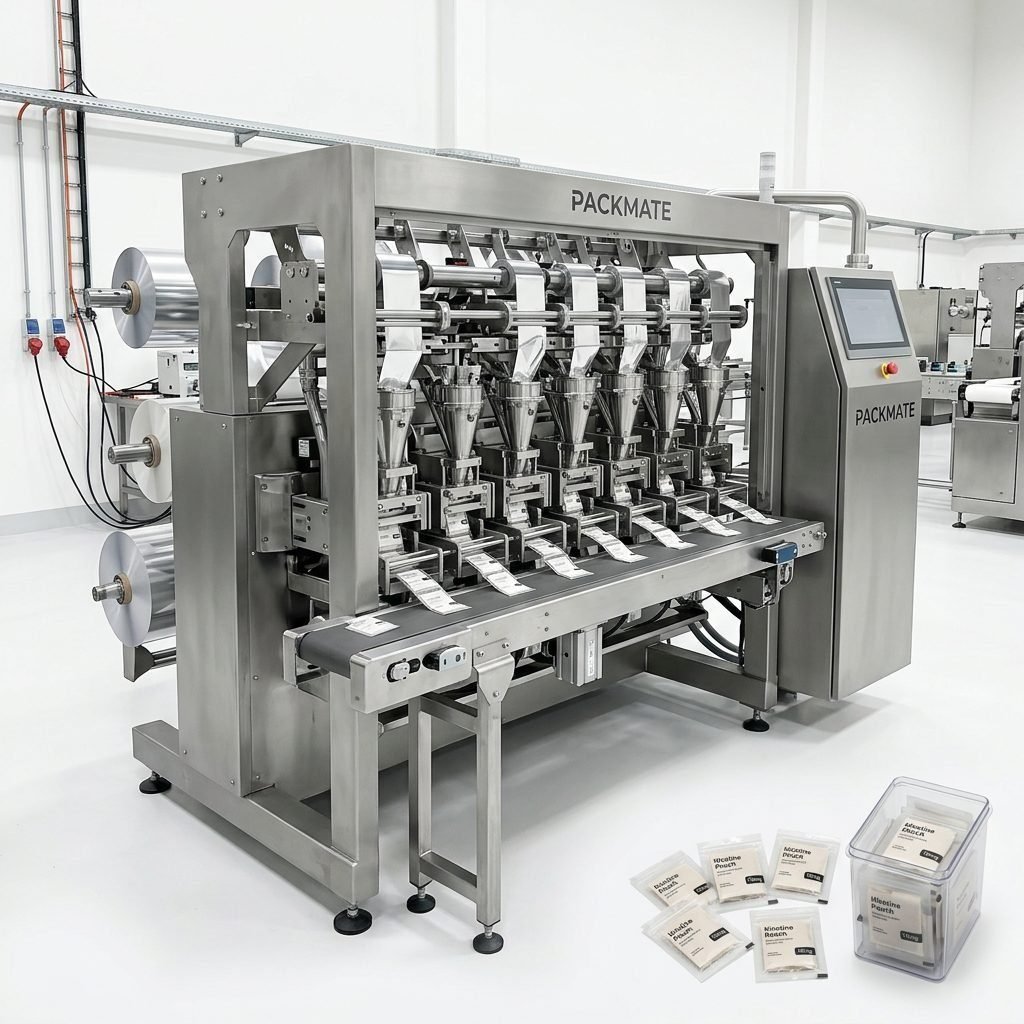
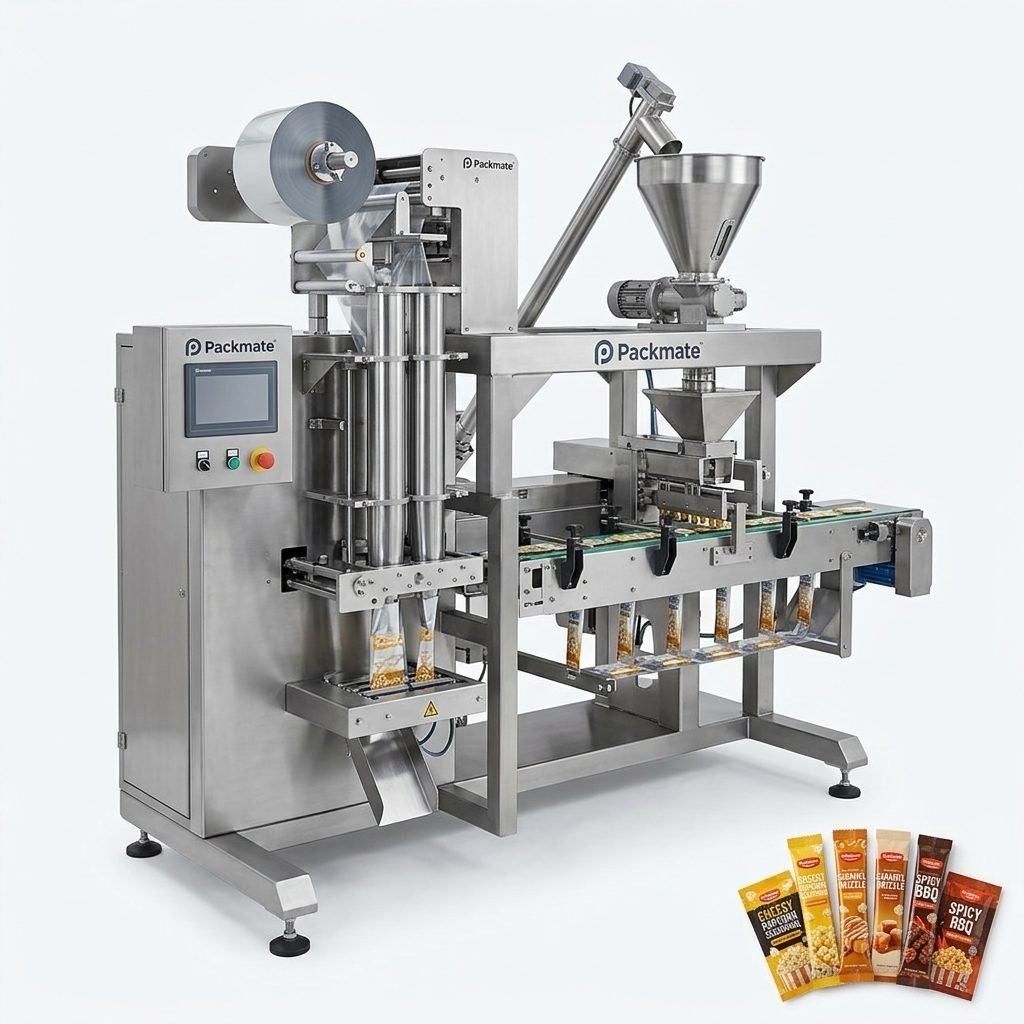
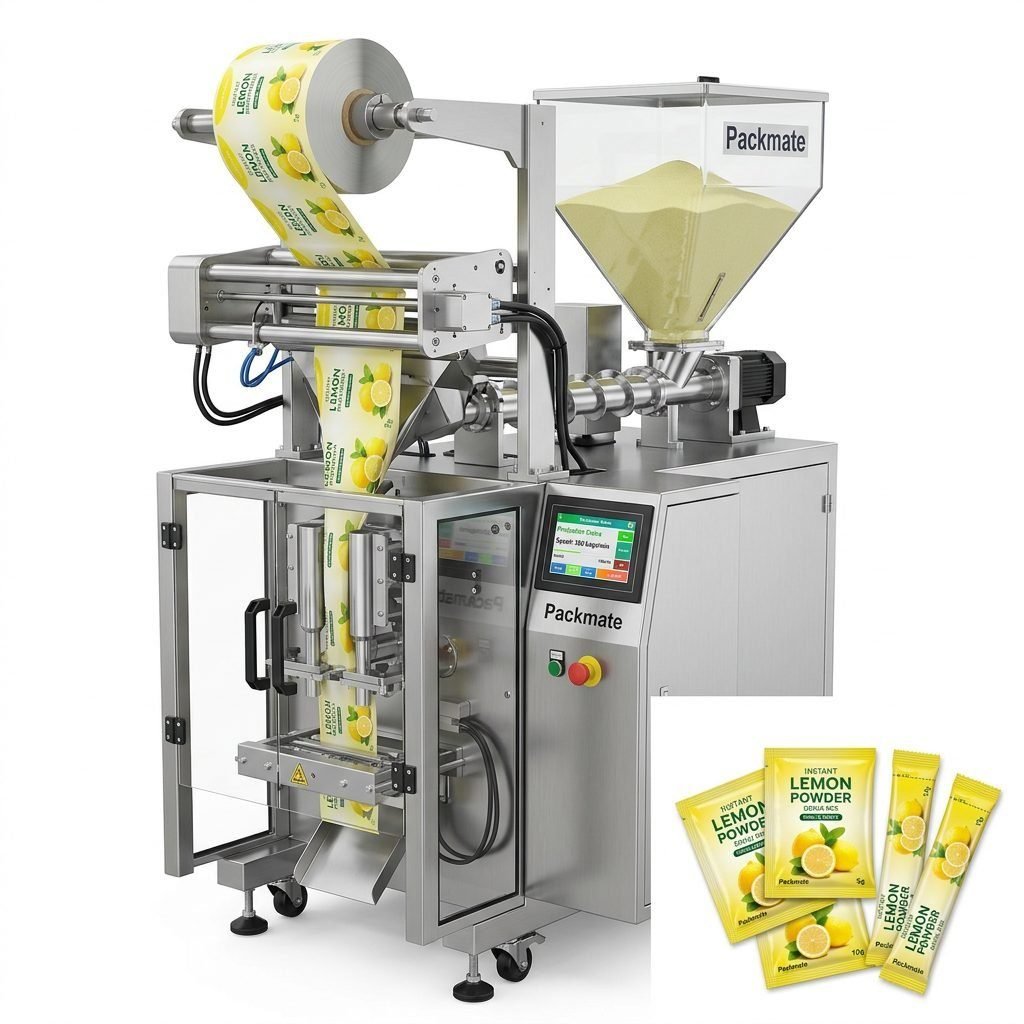
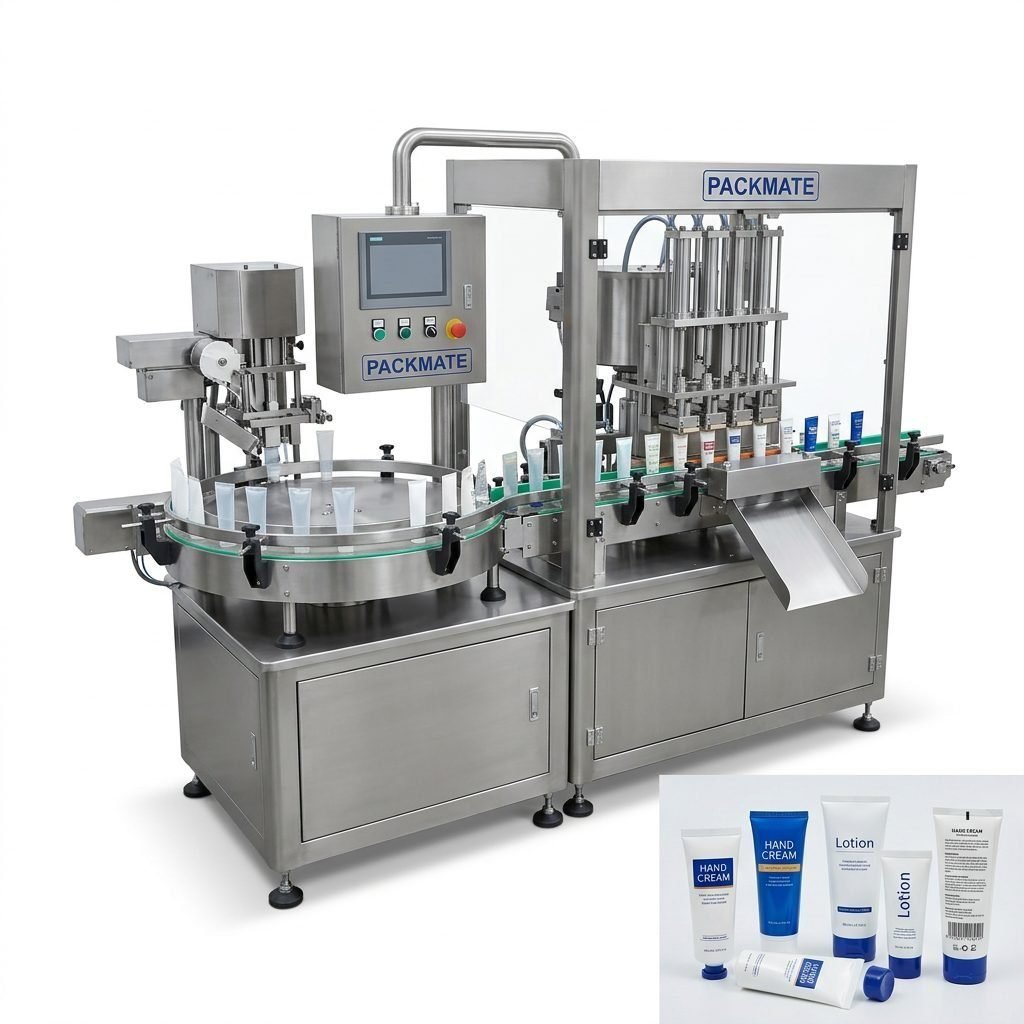
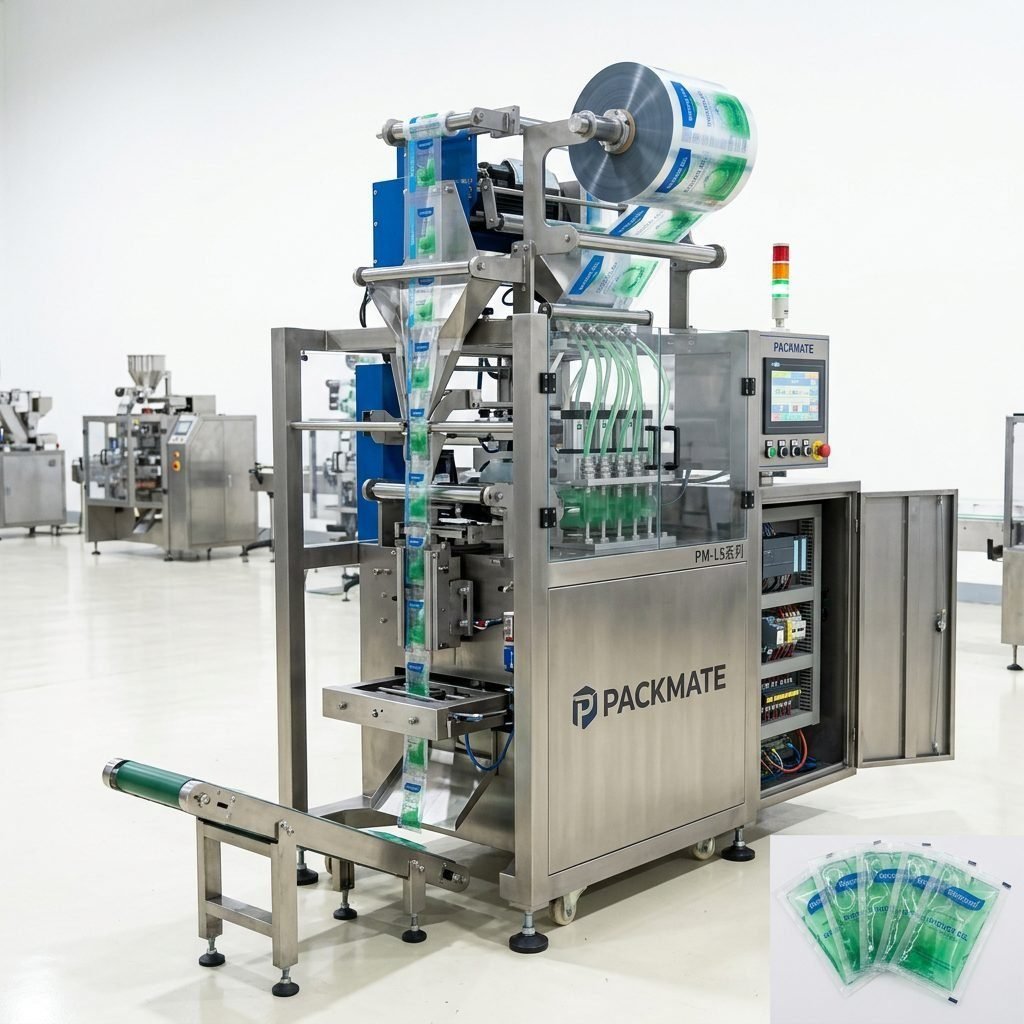
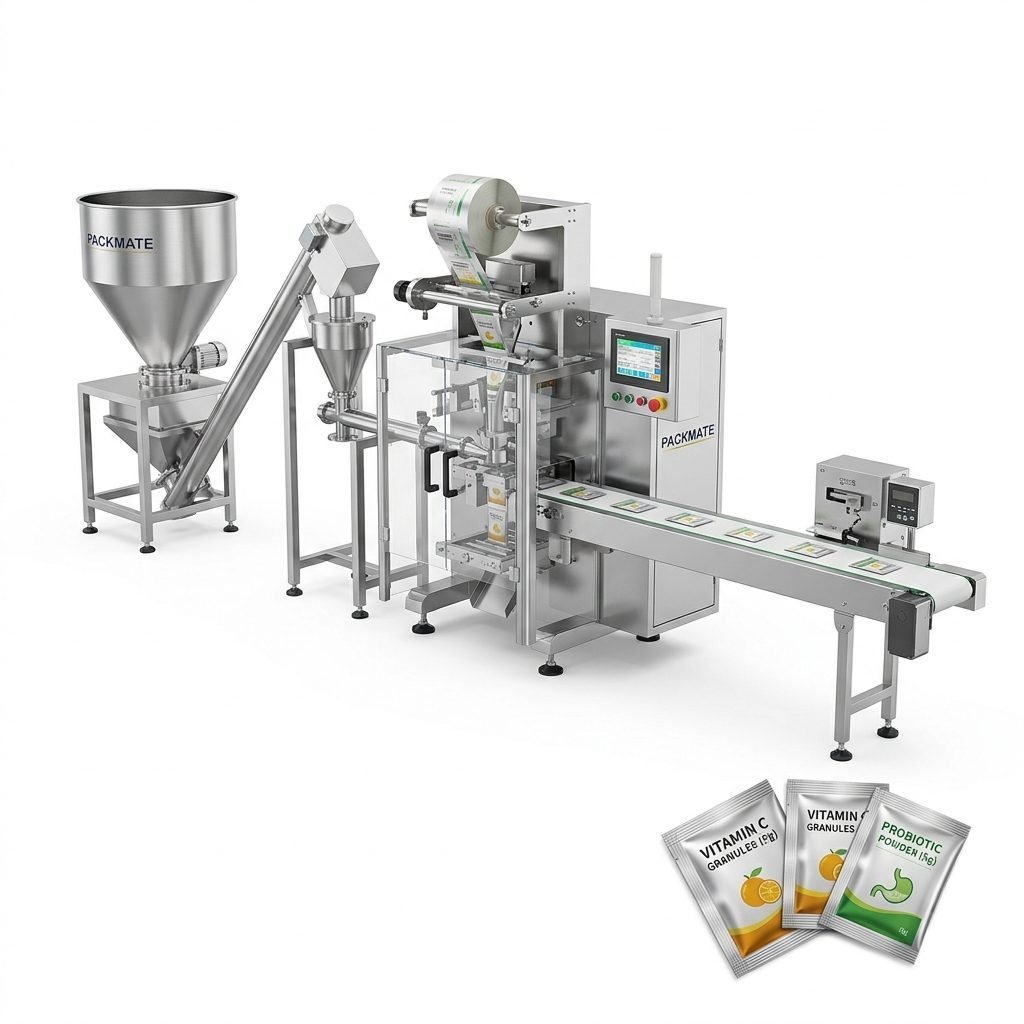
A typical matrix packaging line is a symphony of coordinated components. It usually starts with a multi-lane volumetric or auger filler for precise dosing of products. The packaging material, often a roll of laminated film, is fed into a forming tube where it is shaped into individual pockets. The product is filled, and then the pockets are sealed through a combination of heat and pressure. Advanced systems include integrated check-weighers and metal detectors for quality assurance. Finally, the finished packs are often collated and transferred for secondary packaging. Understanding these components is key to selecting the right system for your specific product characteristics, whether it’s a fine powder prone to dusting or a granular product requiring gentle handling.
Applications Across Critical Industries
The versatility of matrix packaging machinery makes it indispensable across several sectors. Each industry has unique requirements that these systems are engineered to meet.
Food & Beverage Industry
From instant coffee and sugar sachets to soup mixes and seasoning sticks, matrix packagers ensure portion control, freshness preservation, and brand consistency. They handle a wide range of flow characteristics and often require food-grade stainless steel construction and easy-clean designs to meet stringent hygiene standards.
Pharmaceutical & Nutraceutical Industry
Precision and contamination control are non-negotiable here. Matrix machines package powders for oral rehydration salts, protein supplements, and single-dose medicinal powders. They operate in environments that may require enhanced cleanability and documentation for compliance with Good Manufacturing Practices (GMP). The ability to handle sensitive ingredients without degradation is crucial. For specialized needs, such as snus and nicotine pouch packaging, specific machine configurations are developed to meet exacting market demands.
Chemical & Agrochemical Industry
For products like detergent powders, water treatment chemicals, or seed coatings, these machines provide safe, sealed packaging that protects the product from moisture and users from exposure. Robust construction and compatibility with various barrier films are essential features.
Selecting Your Machinery Partner: Beyond Specifications
Choosing a matrix packaging machine goes beyond comparing technical specs like speed (packs per minute) and bag size range. It involves evaluating the manufacturer’s expertise and support ecosystem. A partner with deep industry knowledge can provide a complete turnkey solution, not just a machine. This includes feasibility testing with your actual product, custom engineering for unique shapes or features, comprehensive training for your operators, and reliable after-sales service with readily available spare parts. The goal is to form a partnership that ensures your packaging line remains a source of competitive advantage for years to come. Companies like Packmate Machinery, with decades of focused experience, exemplify this approach by building long-term relationships with clients globally.
Technological Innovations Driving the Future
The frontier of packaging machinery is defined by smart technology and connectivity. The integration of Industrial Internet of Things (IIoT) sensors allows for real-time monitoring of machine performance, predictive maintenance alerts, and detailed production data analytics. Touch-screen Human-Machine Interfaces (HMIs) with recipe storage simplify changeovers between different products. Furthermore, advancements in servo motor technology have increased mechanical precision while reducing energy consumption and noise levels. These innovations translate directly to higher Overall Equipment Effectiveness (OEE), less waste, and greater operational flexibility for manufacturers.
Another significant trend is sustainability. Machine designers are now focused on developing systems that support mono-material or recyclable film structures without compromising seal integrity or machine speed. This helps brand owners meet their environmental goals and respond to consumer demand for eco-friendly packaging.
Implementing Your Packaging Solution
Successful implementation is a phased process. It begins with a clear definition of your requirements: product type, target output, available factory space, and future growth plans. The next step is often a product test at the manufacturer’s facility. This critical phase validates the machine’s performance with your specific material and helps fine-tune parameters. Following procurement, professional installation and commissioning are conducted by factory-trained engineers. Comprehensive operator and maintenance technician training ensures your team can run and care for the equipment effectively. Finally, a robust service agreement guarantees ongoing support. Exploring a manufacturer’s portfolio of case studies can provide valuable insights into successful implementations for products similar to yours.
Summary: The Strategic Impact
Investing in a modern matrix packaging machinery system is a strategic decision that impacts nearly every aspect of production. It elevates quality consistency through precise, automated control. It dramatically boosts productivity and reduces labor costs associated with manual packing. It enhances supply chain efficiency by creating compact, durable, and brandable unit packs. Ultimately, it provides the scalability and flexibility needed to adapt to new products and market opportunities swiftly. In an era where speed to market and operational excellence are key differentiators, a state-of-the-art packaging line is not an expense but a powerful engine for growth.
Frequently Asked Questions (FAQs)
1. What is the main difference between a sachet and a stick pack machine?
While both are types of matrix packaging, the primary difference is the pack shape and typical application. Sachet machines generally produce rectangular or square packs, commonly used for sauces, shampoo samples, or pharmaceutical powders. Stick pack machines create long, narrow tubes ideal for single-serve beverages, sugar, or instant coffee, often designed for easy tearing and pouring. The forming mechanism and tooling are specific to each shape. You can explore specific solutions on our Sachet & Stick Pack Machines page.
2. How do I determine the right speed (packs per minute) for my needs?
Calculate your required output based on annual demand, shifts per day, and desired efficiency (typically 70-85%). For example, if you need 1 million packs per year on a single 8-hour shift, you would need a machine capable of approximately 300-350 packs per minute, accounting for downtime. It’s often advisable to choose a machine with a 15-20% higher capacity than your current need to accommodate future growth.
3. Can one machine handle different types of products?
Yes, modern machines are designed for quick changeover. By using different forming tubes, filling augers, and pre-set recipes on the HMI, a single machine can often package a range of products with similar physical forms (e.g., various granular sizes). However, switching between vastly different products (e.g., fine powder to granules) may require more extensive cleaning and part changes.
4. What kind of packaging materials can be used?
Matrix machines typically use roll stock made of laminated films. Common structures include PET/PE, OPP/CPP, or paper/ALU/PE. The choice depends on required barrier properties (moisture, oxygen, light), sealing characteristics, and printability. The machine must be compatible with the seal layer (usually PE or CPP) and the film’s thickness and stiffness.
5. What support should I expect from the machinery supplier?
A reputable supplier should offer a complete package: pre-sales consultation and product testing, professional installation and commissioning, thorough training for your staff, a comprehensive operation and maintenance manual, a warranty period, and access to a reliable after-sales service network for spare parts and technical support. This ensures long-term reliability and minimizes production disruptions.