In the dynamic world of modern packaging, flexible pouch packaging machines have become indispensable for businesses looking to enhance efficiency, reduce costs, and meet evolving consumer demands. These machines automate the process of forming, filling, and sealing pouches, which are used for a vast array of products—from food items like sauces and snacks to pharmaceuticals, personal care products, and industrial goods. The shift towards flexible packaging is driven by its lightweight nature, reduced material usage, and superior shelf appeal. For any company considering an investment in this technology, understanding the different types of machines, their benefits, and key purchasing factors is crucial for making an informed decision that aligns with production goals and market needs.
Understanding the Core Types of Flexible Pouch Packaging Machines
The market offers a variety of flexible pouch packaging machines, each designed for specific applications, pouch styles, and production volumes. Selecting the right type is the first step toward optimizing your packaging line.
Vertical Form-Fill-Seal (VFFS) Machines
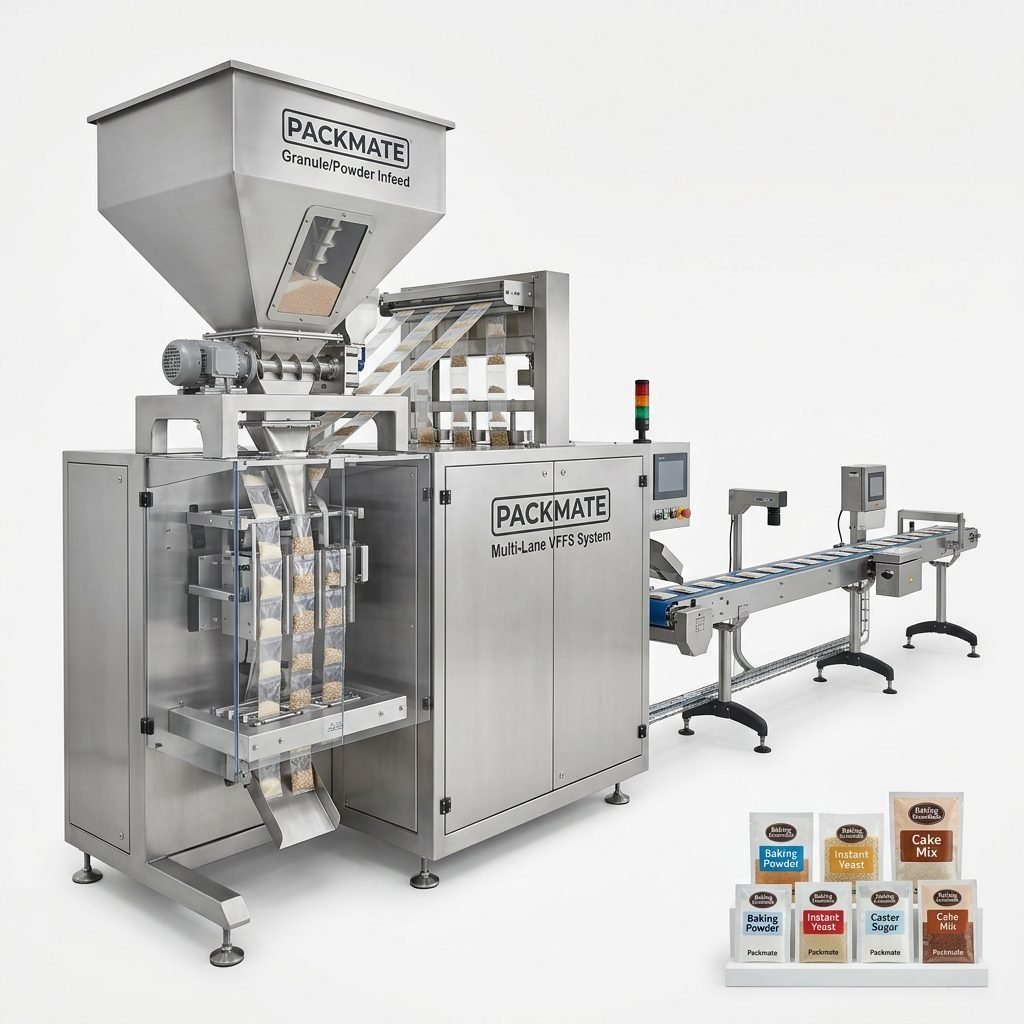
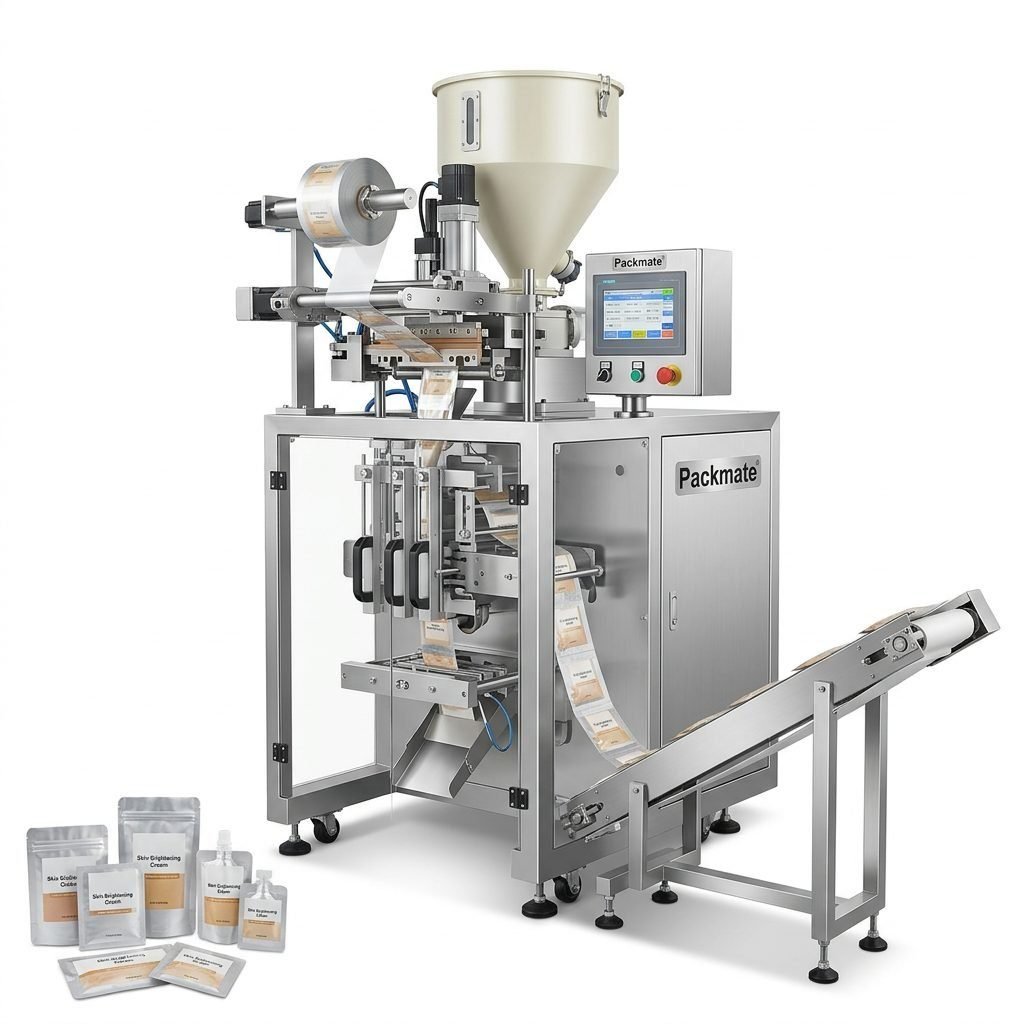
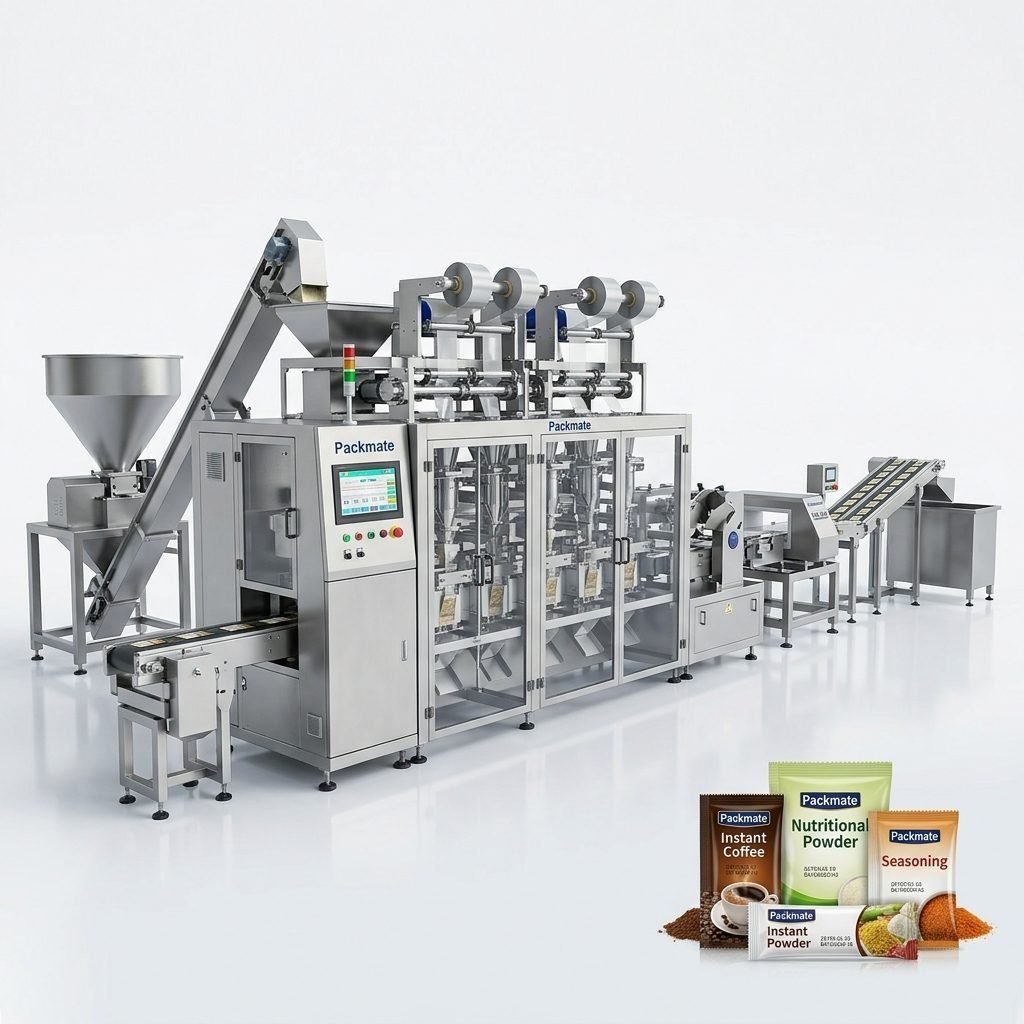
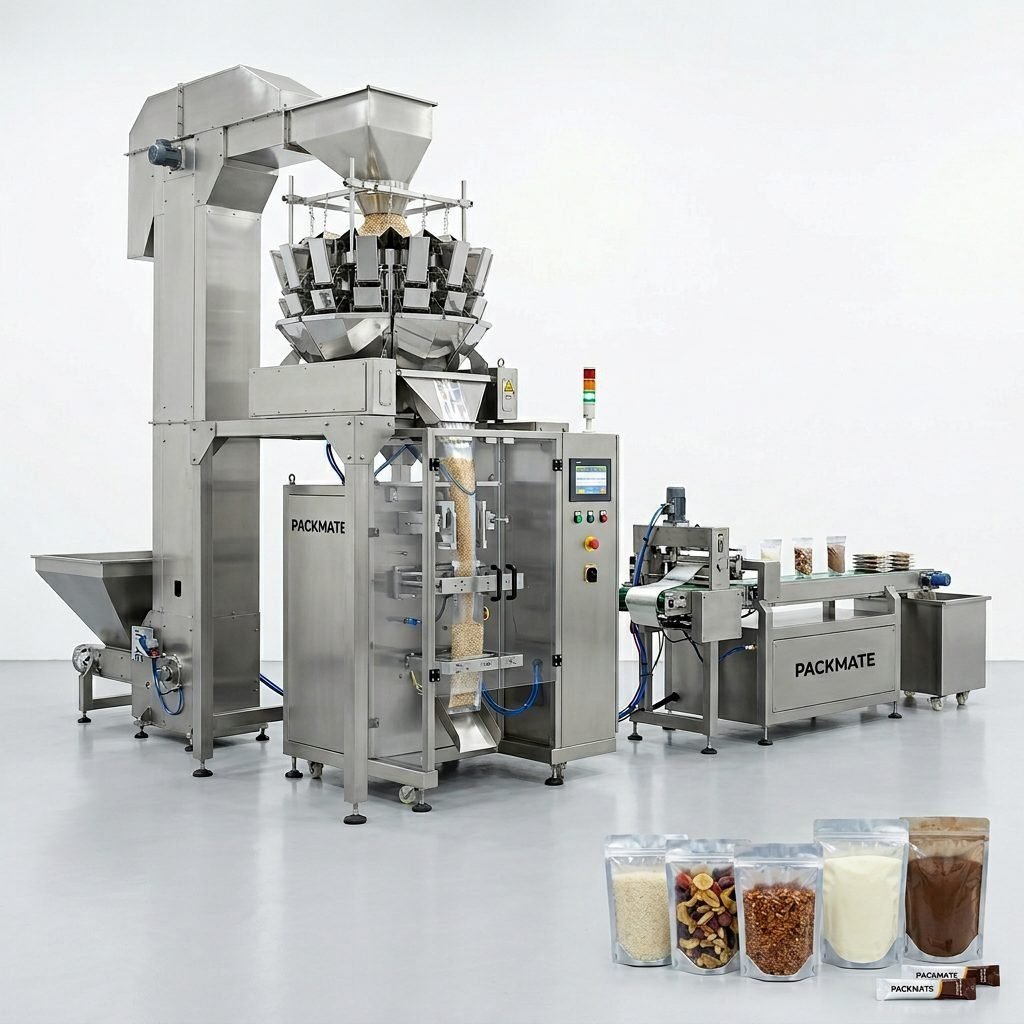
These are among the most common and versatile machines. They form pouches from a roll of flat film, fill them with product, and then seal them—all in a continuous vertical motion. Ideal for granules, powders, liquids, and small solid items. They are perfect for creating stand-up pouches, pillow bags, and gusseted bags. Their compact footprint and high-speed capabilities make them a favorite for many production facilities.
Horizontal Form-Fill-Seal (HFFS) Machines
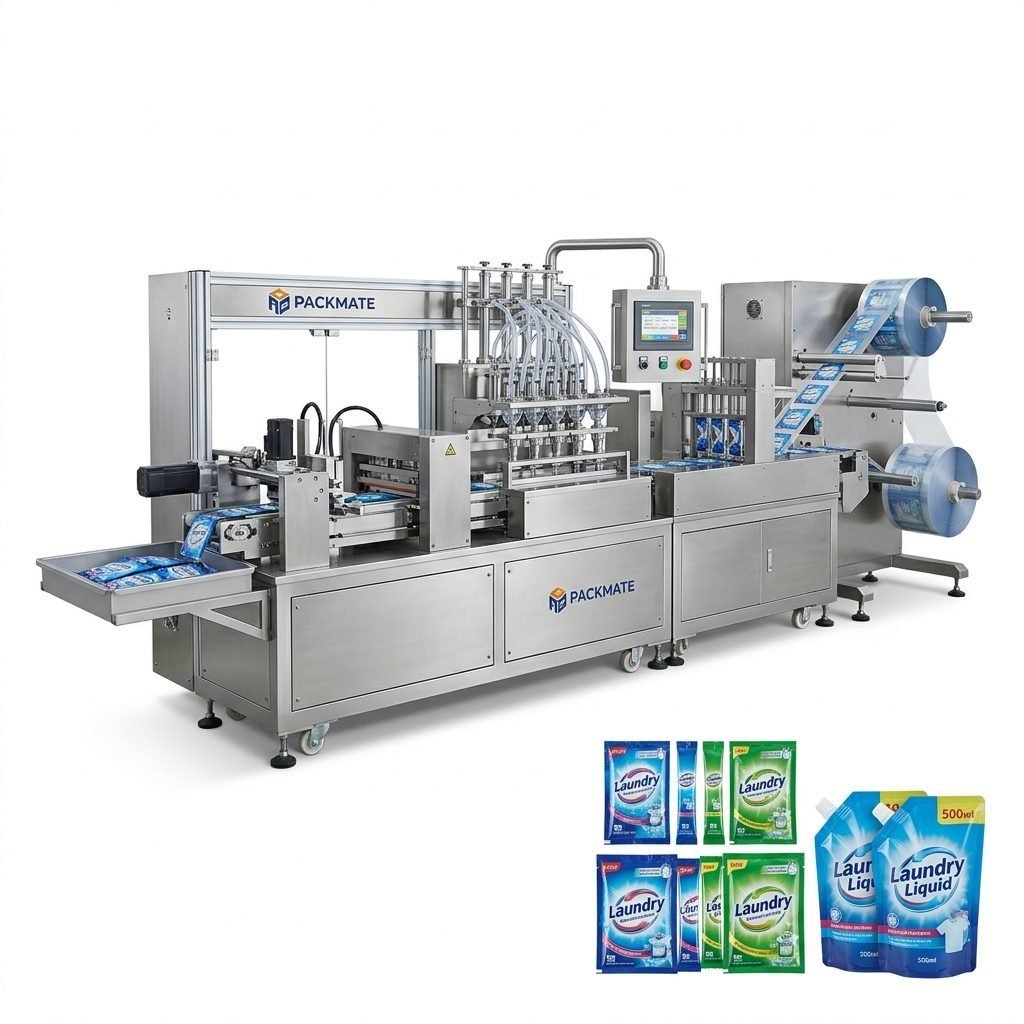
HFFS machines operate on a horizontal plane and are typically used for more complex pouch structures or when the product requires precise placement. They are excellent for creating pre-made spout pouches, zipper pouches, or pouches with intricate shapes. These machines often handle products that are more rigid or require a specific orientation during packaging.
Premade Pouch Fill & Seal Machines
This category involves machines that work with pouches that are already pre-formed and supplied, either flat or pre-gusseted. The machine’s function is to open the pouch, fill it accurately, and then seal it closed. This method is highly efficient for medium to high-volume production of standardized pouch sizes, such as those used for coffee, nuts, or medical supplies. It offers great flexibility in pouch material and print quality since the pouches are printed before forming.
Specialized Pouch Machines: Stick Pack and Sachet Machines
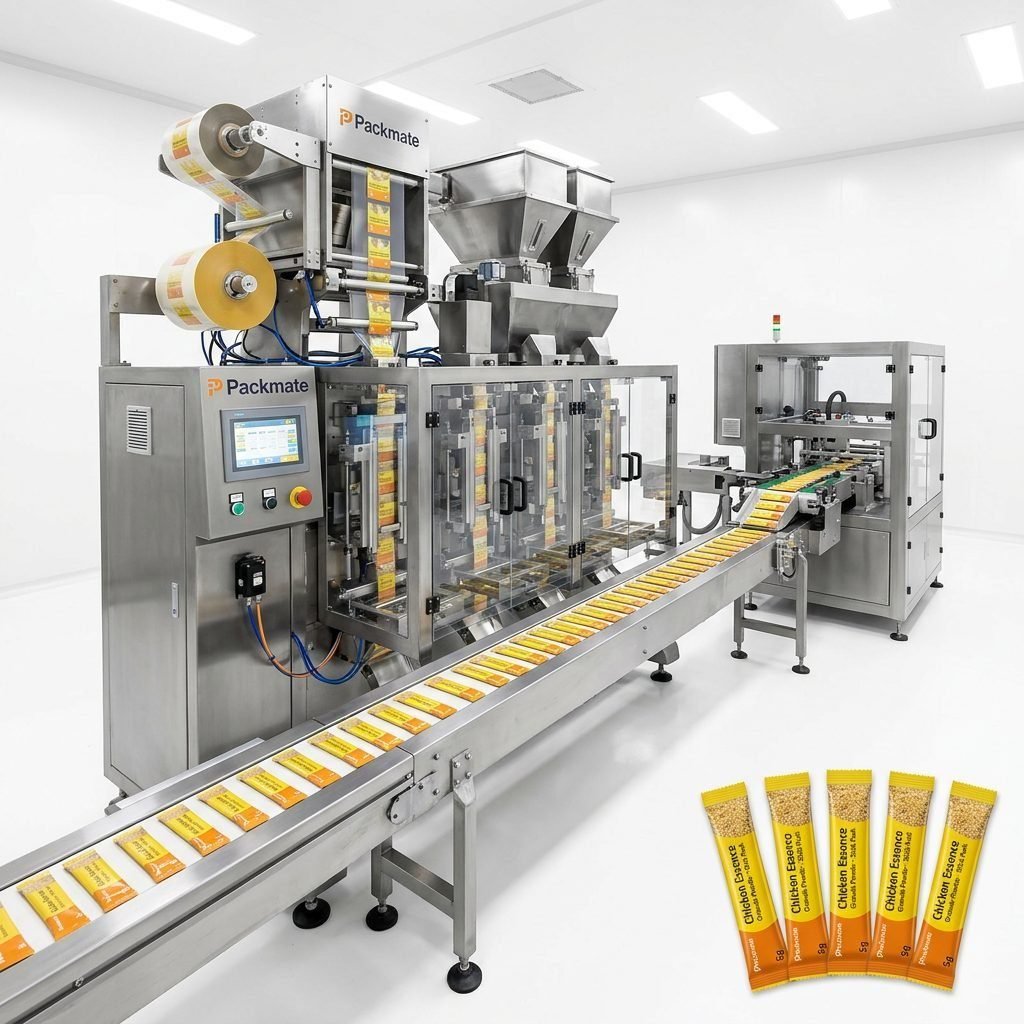
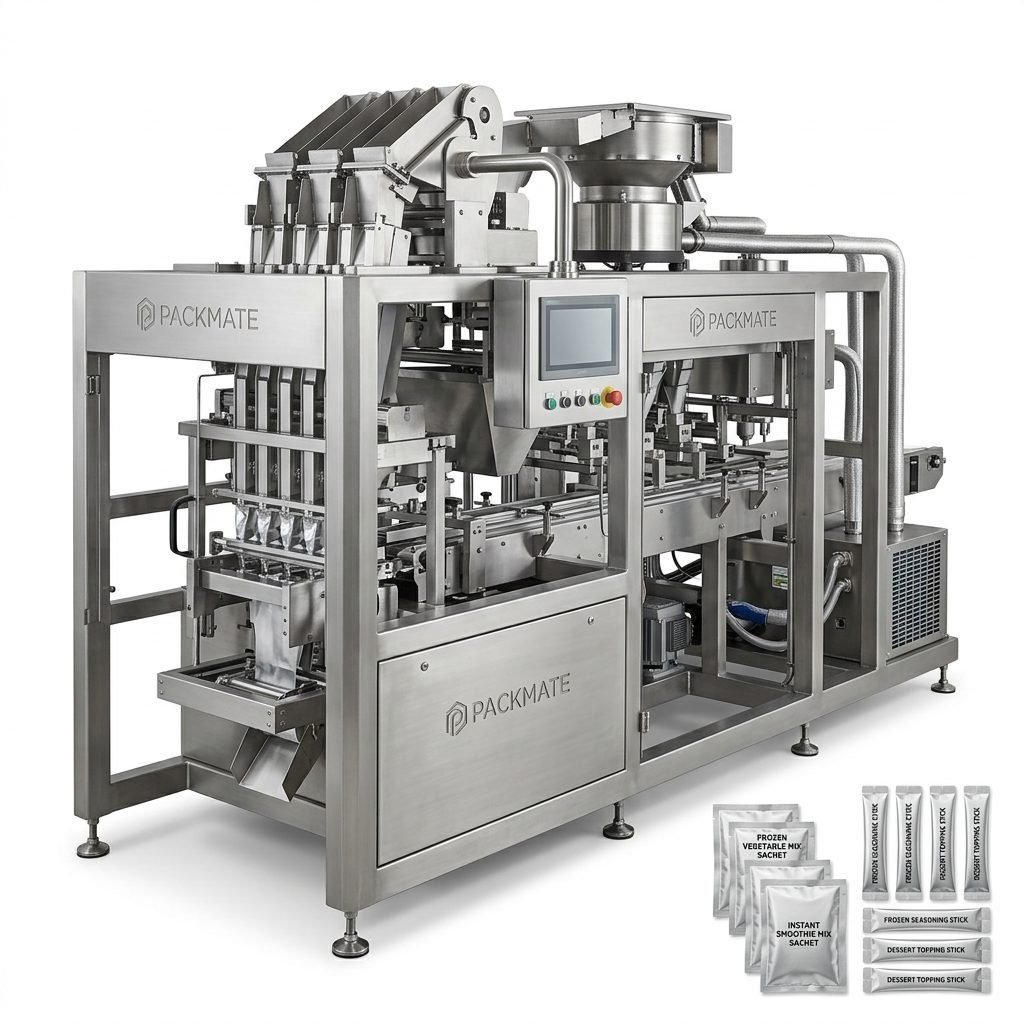
For single-serve and sample-sized products, specialized machines are key. Sachet & Stick Pack Machines are engineered to produce small, sealed packets at very high speeds. Stick packs are long, narrow pouches ideal for powders (like instant coffee or sugar), while sachets can be small rectangular pouches for sauces, creams, or shampoo samples. These machines often feature multi-lane designs to exponentially increase output.
The Multifaceted Benefits of Automating Pouch Packaging
Investing in a flexible pouch packaging machine delivers a compelling return on investment through operational, economic, and strategic advantages.
Operational & Efficiency Gains
Dramatically Increased Speed and Output: Automation replaces manual labor, enabling consistent, high-speed packaging that can run 24/7, significantly boosting production capacity.
Enhanced Precision and Consistency: Automated systems provide accurate filling weights and consistent seal quality, drastically reducing product giveaway and minimizing the risk of leaks or spoilage.
Improved Flexibility: Modern machines allow for quick changeovers between different pouch sizes and products, enabling manufacturers to respond swiftly to market trends and run smaller, customized batches efficiently.
Economic and Sustainability Benefits
Reduced Labor Costs and Human Error: Automation minimizes reliance on manual packaging lines, leading to long-term labor savings and a reduction in errors related to fatigue or inconsistency.
Material Savings: Flexible pouches use less material than rigid containers like bottles or cans, lowering packaging costs and reducing the environmental footprint through less waste and lower shipping weight.
Extended Shelf Life and Product Protection: Advanced sealing technologies and the use of high-barrier films protect products from moisture, oxygen, and contaminants, enhancing shelf life and reducing product loss.
Market and Brand Advantages
Superior Shelf Appeal: Pouches offer a large, printable surface area for vibrant graphics and branding, making products stand out in a crowded retail environment.
Consumer Convenience: Features like resealable zippers, spouts, and tear-notches align with modern consumer demand for convenience, portability, and easy storage.
Essential Buying Guide: Key Factors to Consider
Choosing the right machine requires a careful evaluation of your specific needs. Here’s a structured guide to the critical decision-making factors.
1. Define Your Product and Production Requirements
Start with the basics. What are you packaging (powder, liquid, granular)? What is your required output speed (pouches per minute)? What are the pouch dimensions and required seal type (e.g., 3-side seal, 4-side seal, back seal)? Your answers will immediately narrow down the machine type (VFFS, HFFS, premade pouch filler).
2. Evaluate Machine Features and Technology
Look for features that enhance reliability and ease of use. A user-friendly PLC touchscreen interface is vital for operators. Consider the precision of the filling system (auger, volumetric, pump) and the robustness of the sealing system (heated jaws, cool seals). Also, assess the ease of changeover for different pouch sizes, as this directly impacts downtime.
3. Assess Build Quality, Support, and Supplier Reputation
The machine is a long-term investment. Prioritize suppliers known for durable construction, reliable components, and comprehensive after-sales support. A manufacturer with a strong track record, like Packmate Machinery, which brings over 30 years of expertise in intelligent packaging solutions, can provide invaluable peace of mind. Review their service network, availability of spare parts, and training offerings.
4. Consider Integration and Future-Proofing
Will the machine need to integrate with existing upstream (e.g., weighing systems) or downstream equipment (e.g., cartoners)? Ensure compatibility. Furthermore, consider the supplier’s ability to provide a complete turnkey packaging line if you are scaling up, ensuring all components work seamlessly together.
5. Analyze Total Cost of Ownership (TCO)
Look beyond the initial purchase price. Factor in installation costs, expected maintenance, energy consumption, and the cost of changeover parts. A slightly higher upfront investment in a more reliable and efficient machine often leads to significantly lower operating costs and higher productivity over its lifespan.
Conclusion: Making a Strategic Investment
Flexible pouch packaging machines represent a strategic leap forward for manufacturers aiming to improve efficiency, sustainability, and market competitiveness. By thoroughly understanding the different machine types—from versatile VFFS units to specialized stick pack machines—and rigorously evaluating your needs against key buying factors, you can select equipment that not only meets today’s production demands but also adapts to future growth. Partnering with an experienced and reputable manufacturer is the final, critical step in securing a reliable solution that will deliver value for years to come.
Frequently Asked Questions (FAQs)
What is the main difference between VFFS and HFFS machines?
The core difference lies in the orientation of the pouch formation. Vertical Form-Fill-Seal (VFFS) machines create pouches in a vertical direction from a roll of film and are best for free-flowing products like granules and powders. Horizontal Form-Fill-Seal (HFFS) machines form pouches horizontally and are better suited for more complex pouch shapes, pre-made spouts, or products that need to be placed flat.
How fast can a flexible pouch packaging machine operate?
Speed varies greatly by machine type and pouch size. Standard VFFS machines can range from 40 to 120 pouches per minute (ppm). High-speed multi-lane stick pack or sachet machines can achieve speeds exceeding 600 ppm per lane. The required speed is a fundamental specification to discuss with your supplier.
What materials can be used to make the pouches?
Pouches can be made from a wide variety of laminated films, including PET/PE, PET/AL/PE, OPP/CPP, and more. The material choice depends on the product’s needs for barrier protection (against moisture, oxygen, light), durability, and printability. Your machine supplier can advise on compatible films.
Can one machine handle different pouch sizes?
Yes, most modern machines are designed for quick changeover. This is achieved by having interchangeable parts like forming tubes, sealing jaws, and film guides. The time required for changeover and the range of sizes a single machine can handle are key features to inquire about.
What kind of after-sales support should I expect?
Comprehensive support is crucial. Expect professional installation and commissioning, thorough operator training, readily available spare parts, and access to technical service (either remotely or on-site). Reputable manufacturers like Packmate offer global service networks to ensure minimal downtime. You can explore their commitment to service here.