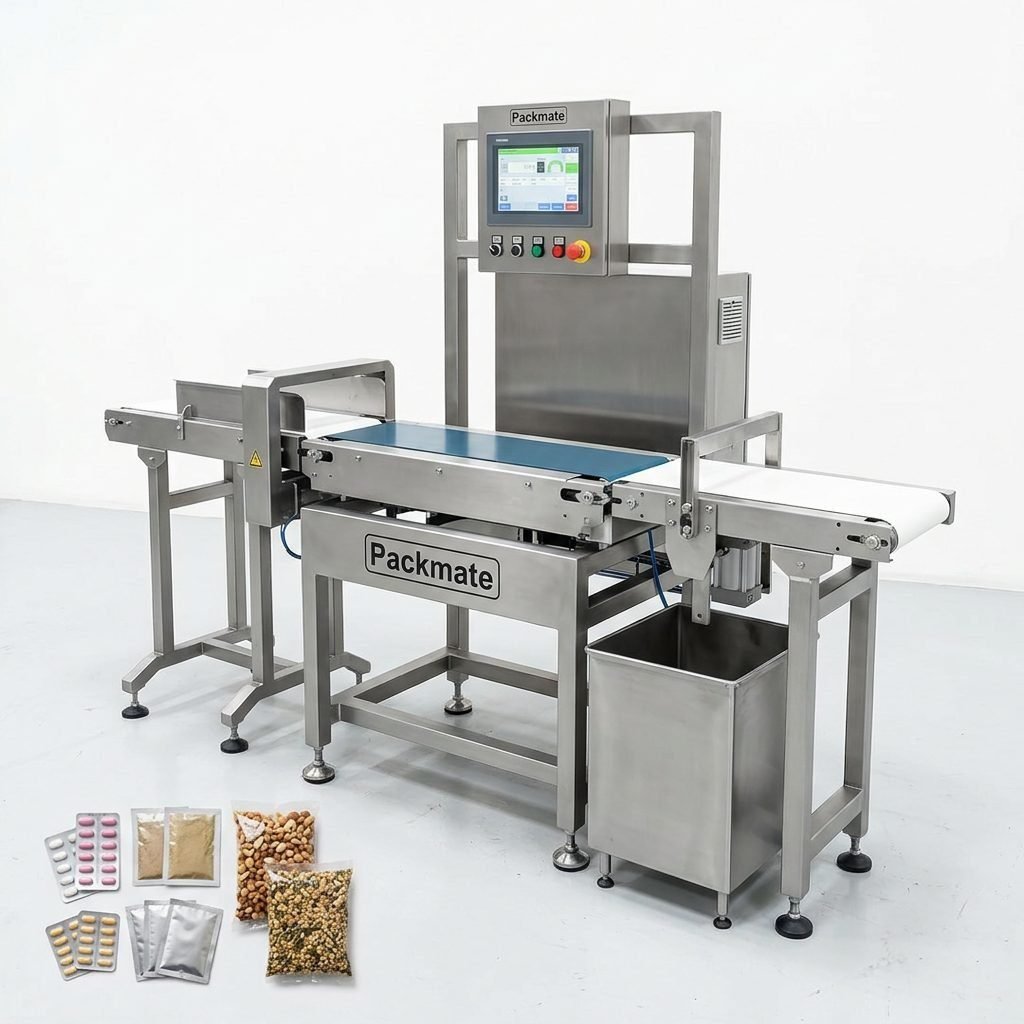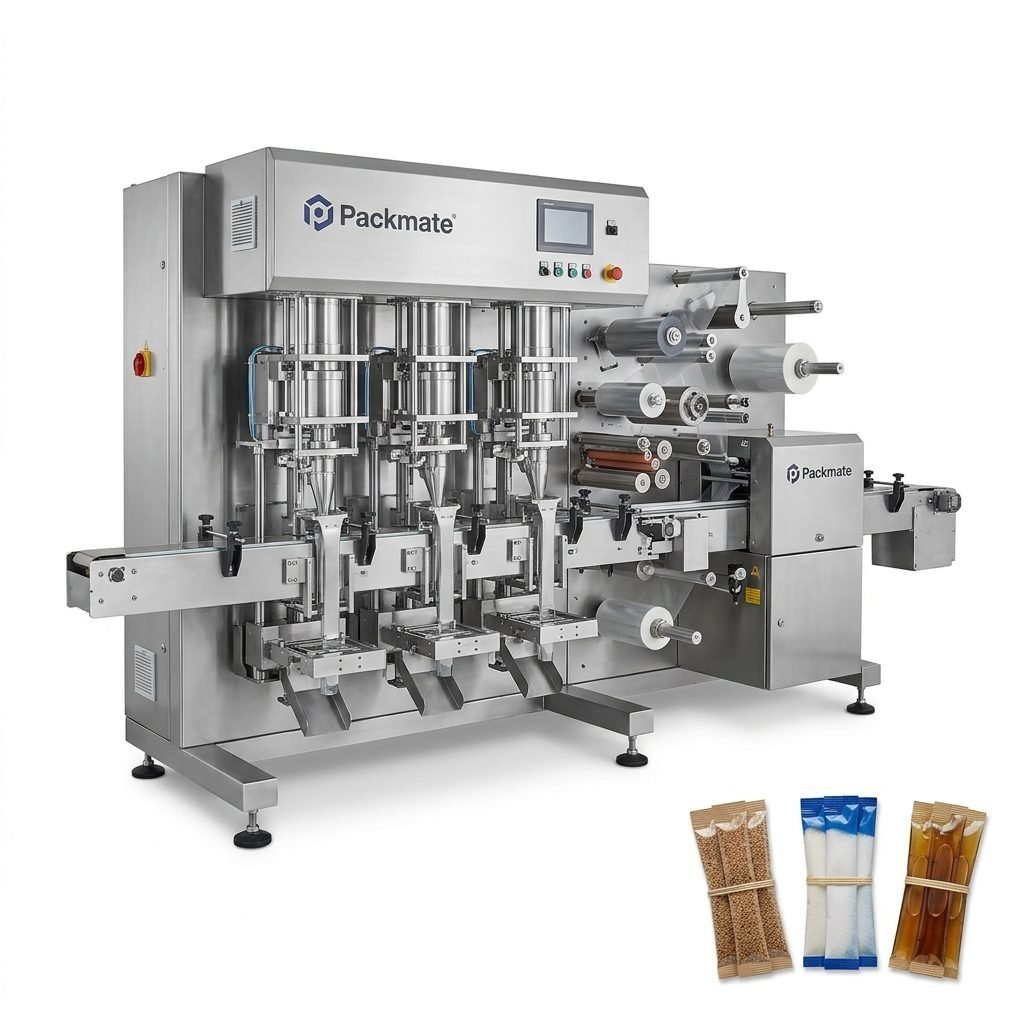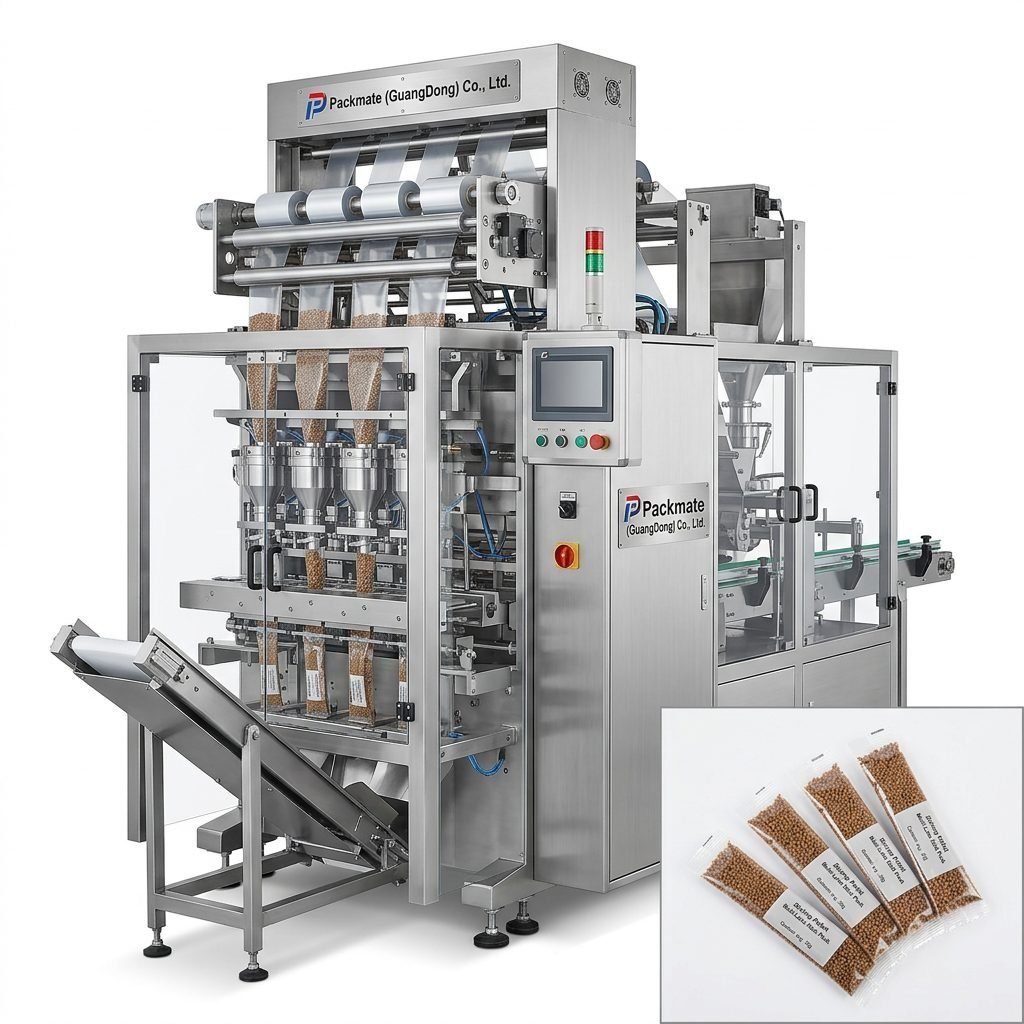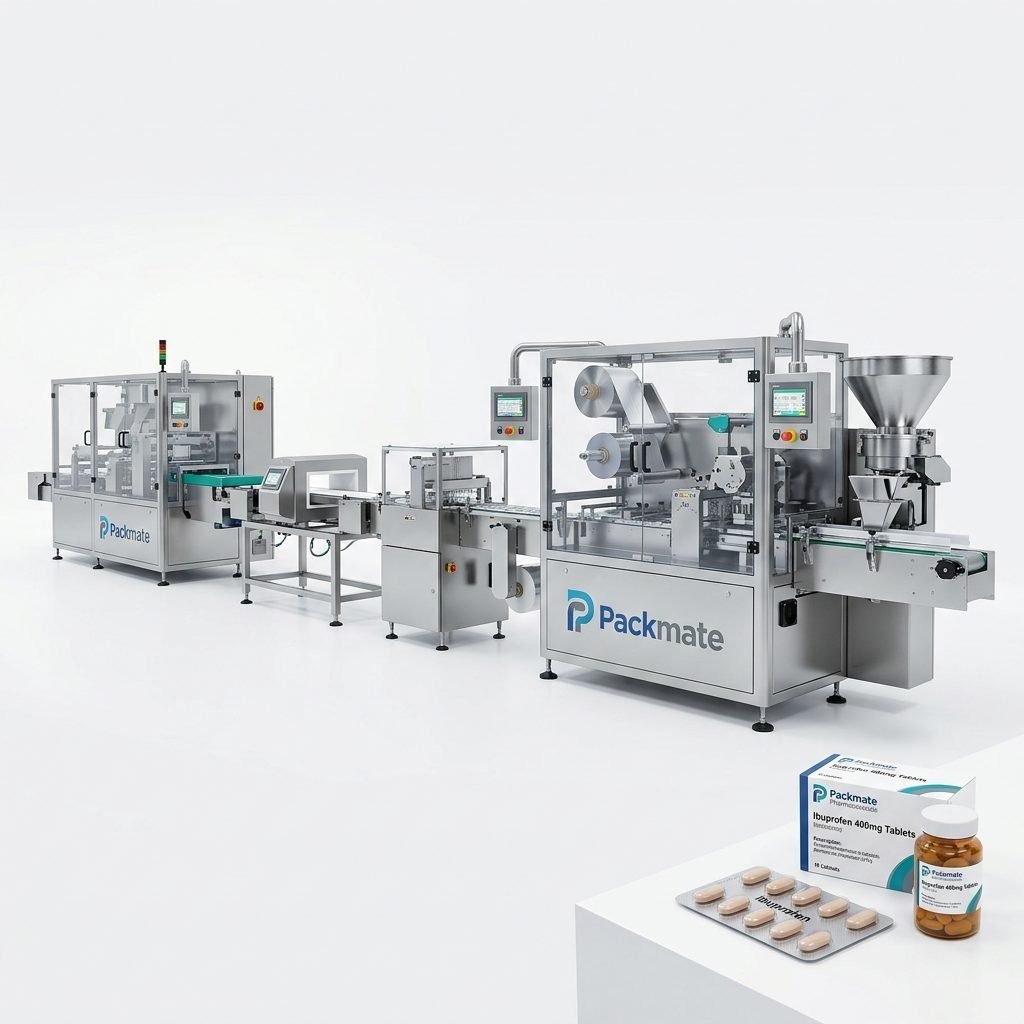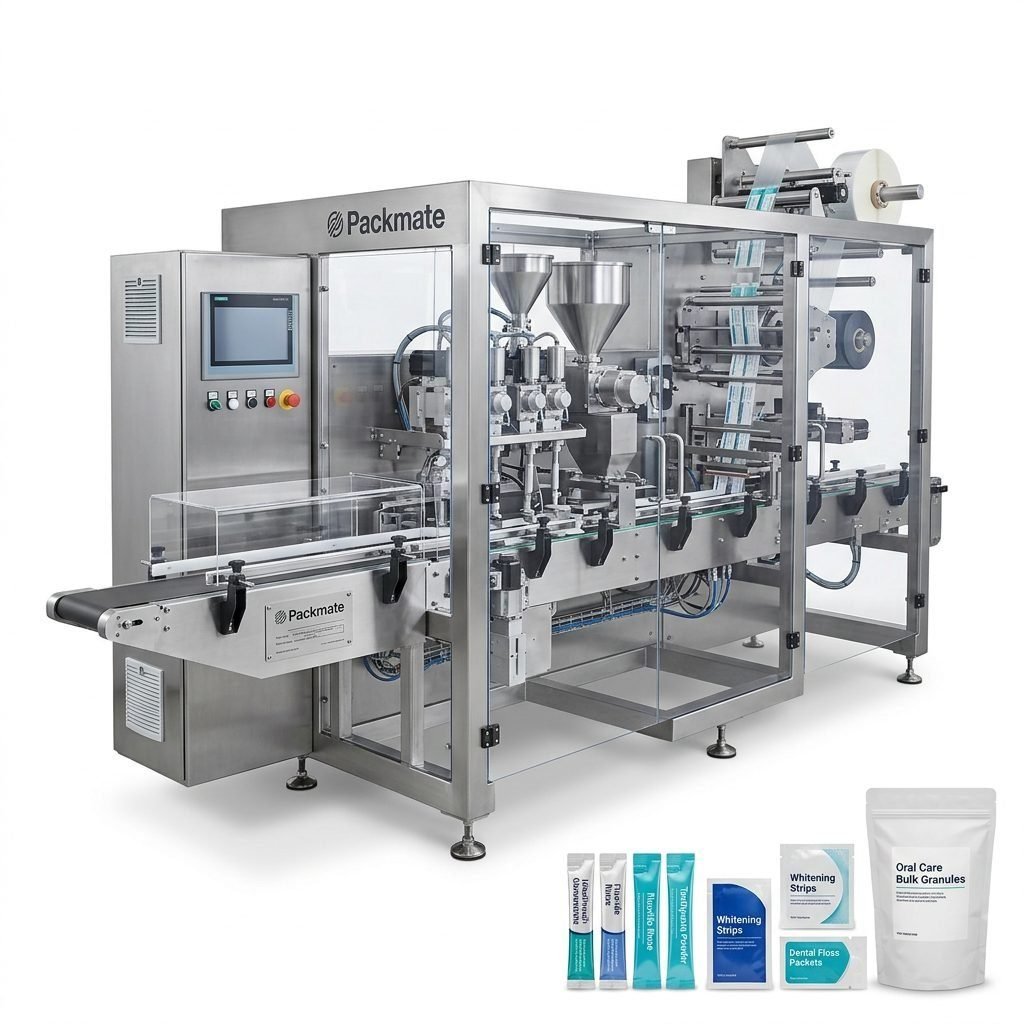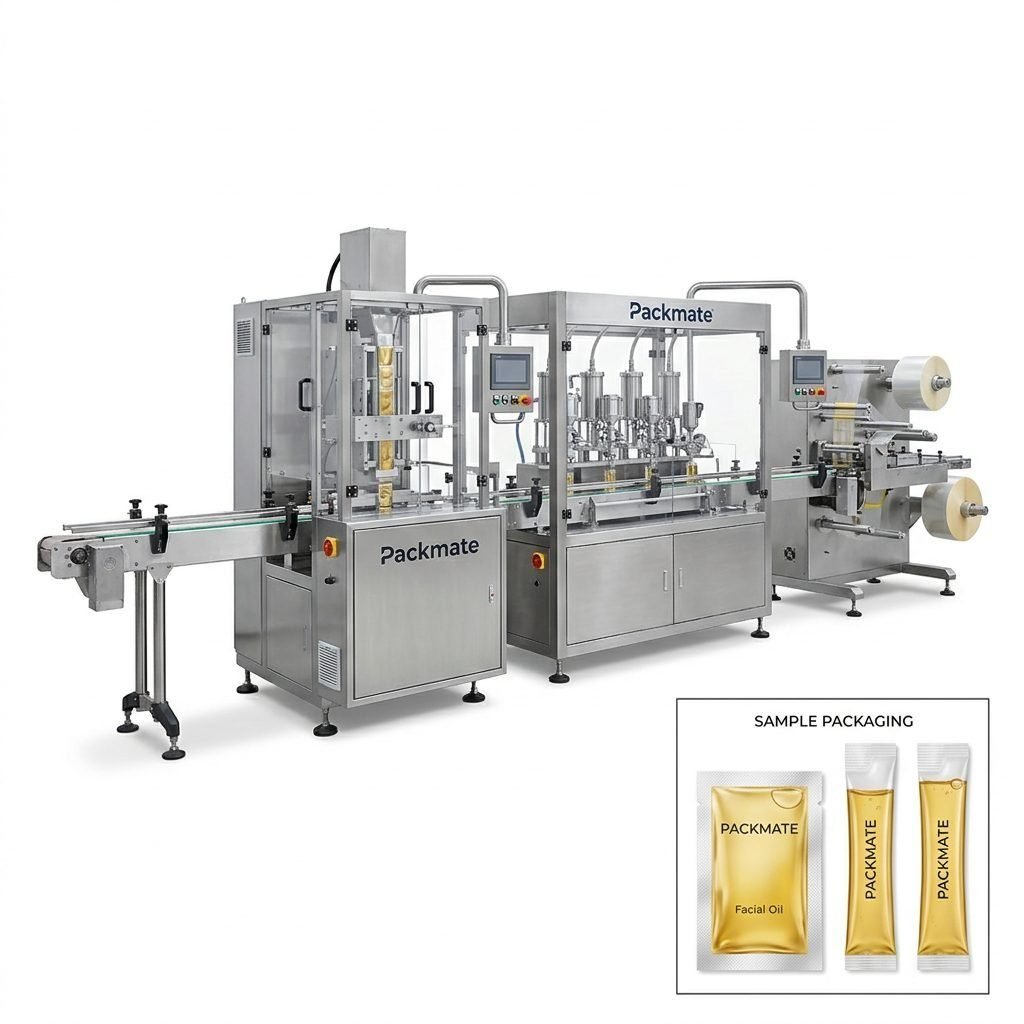
In today’s fast-paced manufacturing world, efficiency and product integrity are paramount. Compression packaging machines have emerged as a critical technology for numerous industries, offering a reliable method to protect goods during storage and transit. These machines apply controlled pressure to compress products into a compact form, often within a sealed package. This process not only reduces the volume of the packaged goods but also enhances stability and can significantly lower shipping and storage costs. From the food sector to pharmaceuticals and beyond, understanding how these machines operate and the advantages they bring is essential for any business looking to optimize its packaging line.
The Core Mechanics: How Compression Packaging Works
The operation of a compression packaging machine is a fascinating interplay of mechanical precision and automated control. While specific designs vary by manufacturer and application, the fundamental process follows a consistent sequence.
Stage 1: Product Feeding and Positioning
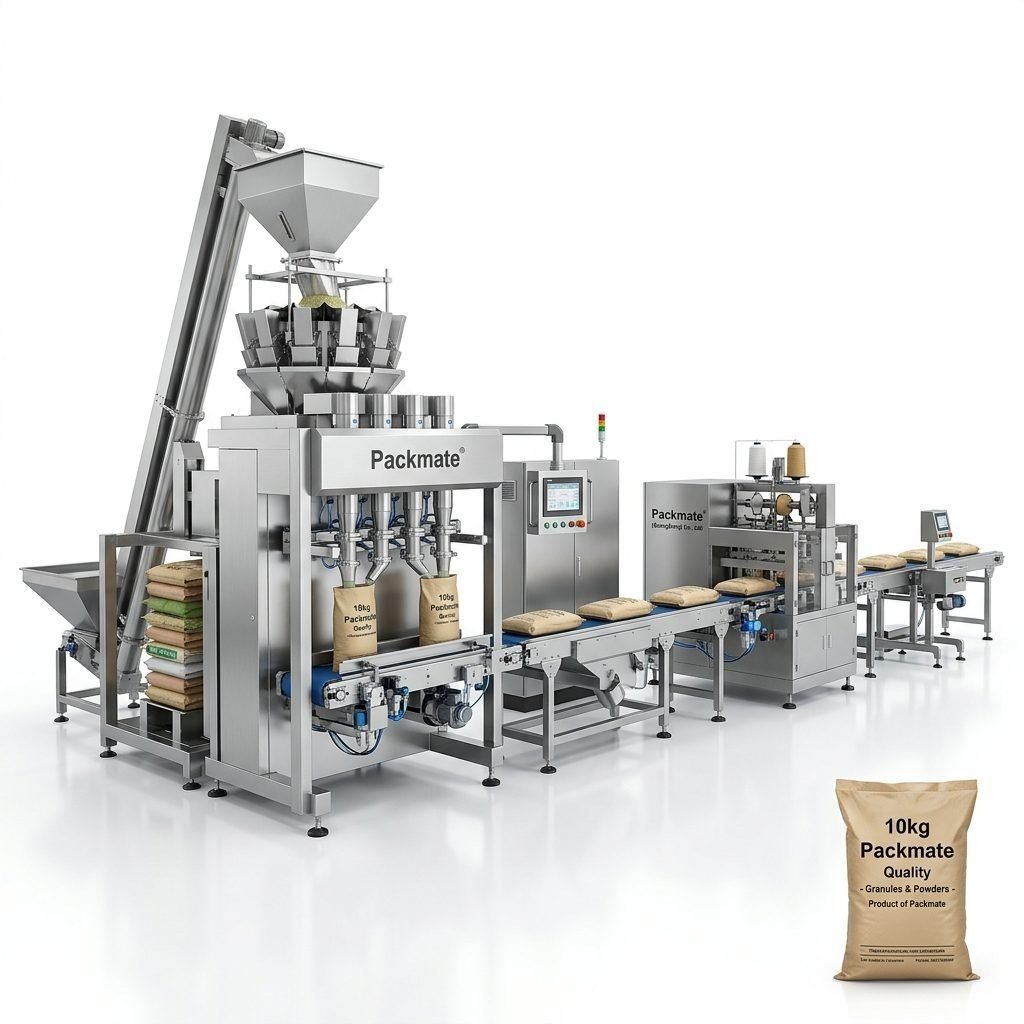
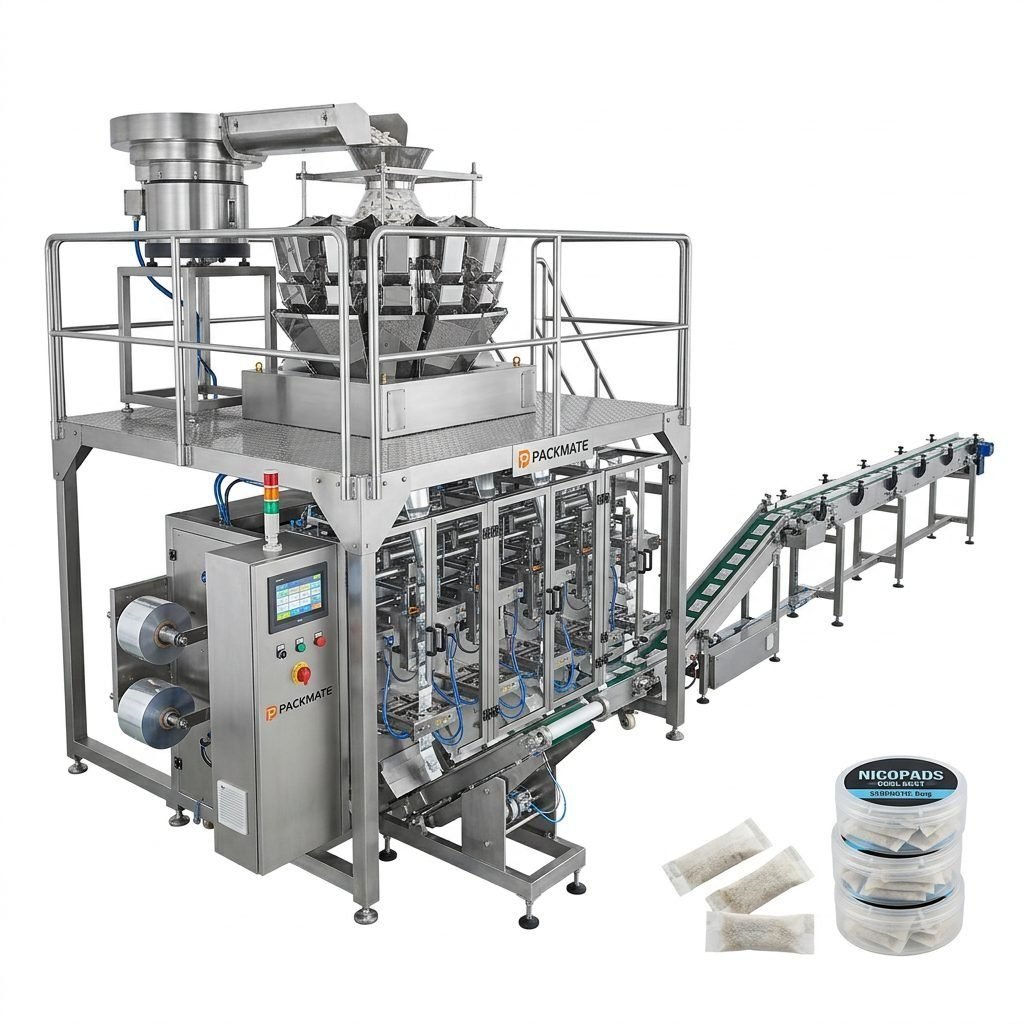
The process begins with the consistent feeding of the product into the machine’s forming area. This could be loose items, pouches, or bags that require compaction. Advanced systems, like the weighing and packaging systems offered by industry leaders, ensure precise product measurement before compression begins, guaranteeing consistency in every package.
Stage 2: Compression Actuation
This is the heart of the operation. A pneumatic, hydraulic, or servo-driven mechanism applies precise, controlled force to the product. The key here is programmable pressure control, which allows operators to set the exact compression level needed for different products—from fragile snacks to dense medical supplies—without causing damage.
Stage 3: Sealing and Ejection
Once the product is compressed to the desired volume, the machine proceeds to seal the package. This often involves heat sealing or other closure methods to maintain the compressed state. Finally, the finished, compact package is ejected from the machine, ready for cartoning or palletizing. Integrating such machines into a complete filling and packaging line creates a seamless, high-throughput operation.
Key Benefits of Implementing Compression Packaging
Adopting compression packaging technology delivers a multitude of tangible benefits that directly impact a company’s bottom line and operational efficiency.
Substantial Reduction in Shipping and Storage Costs
By significantly reducing the volume of each packaged item, businesses can fit more products into every shipping container and warehouse shelf. This translates directly into lower freight charges, reduced storage space requirements, and minimized material usage for secondary packaging like cartons and pallets. The cost savings here are often the primary driver for investment.
Enhanced Product Protection and Stability
Compression minimizes empty space within a package, which drastically reduces product movement during handling and transit. This leads to fewer instances of damage, breakage, or settling. For products like chips or fragile granules, compression can create a more rigid package that better withstands stacking pressures in warehouses and retail environments.
Improved Sustainability Profile
Using less packaging material and optimizing space directly contributes to a greener supply chain. Fewer trucks on the road due to better load efficiency means a lower carbon footprint. Furthermore, the reduction in plastic or film usage aligns with growing consumer and regulatory demands for sustainable packaging solutions.
Superior Shelf Presence and Brand Image
Compressed packages often have a neat, uniform, and professional appearance. A compact and sturdy package conveys a sense of quality and efficiency to the end consumer. It also allows for more creative and standardized retail displays, enhancing brand visibility on crowded store shelves.
Applications Across Major Industries
The versatility of compression packaging makes it invaluable across a diverse range of sectors.
Food and Beverage Industry
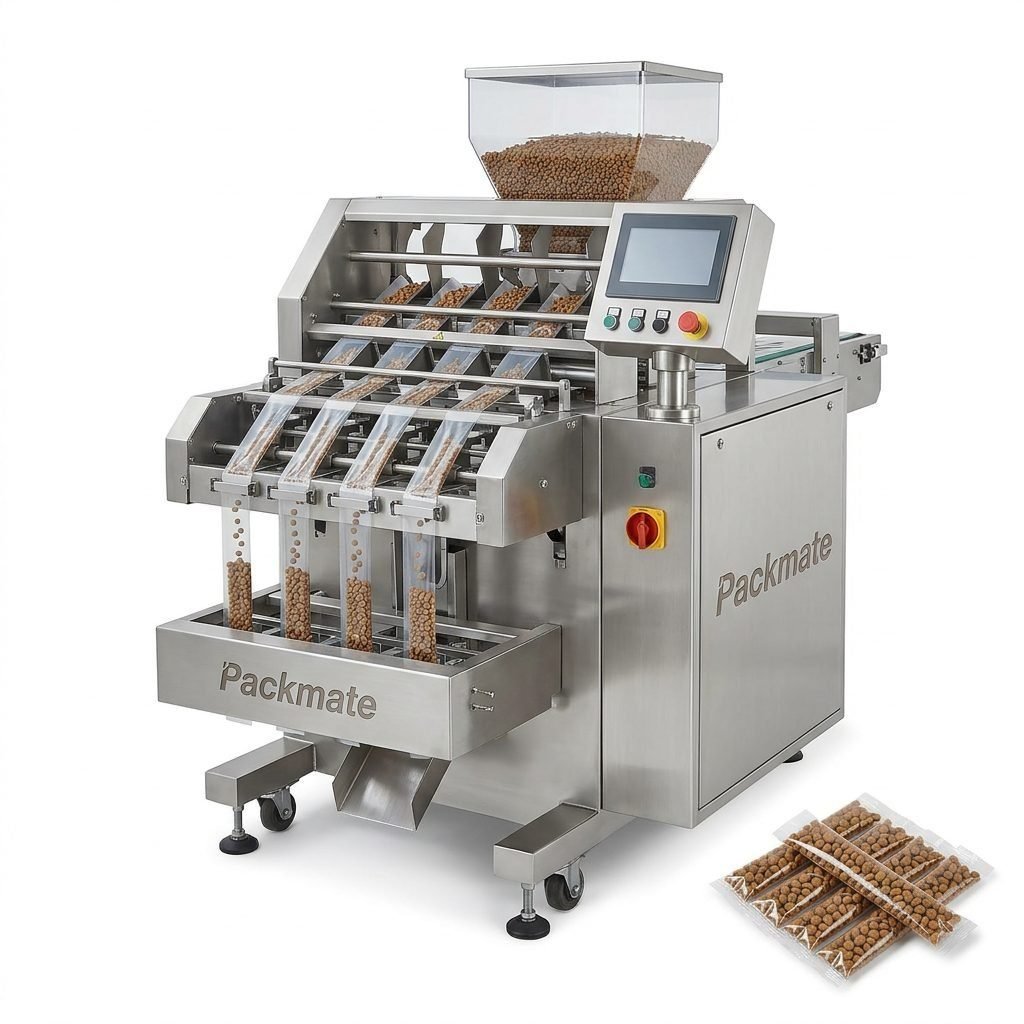
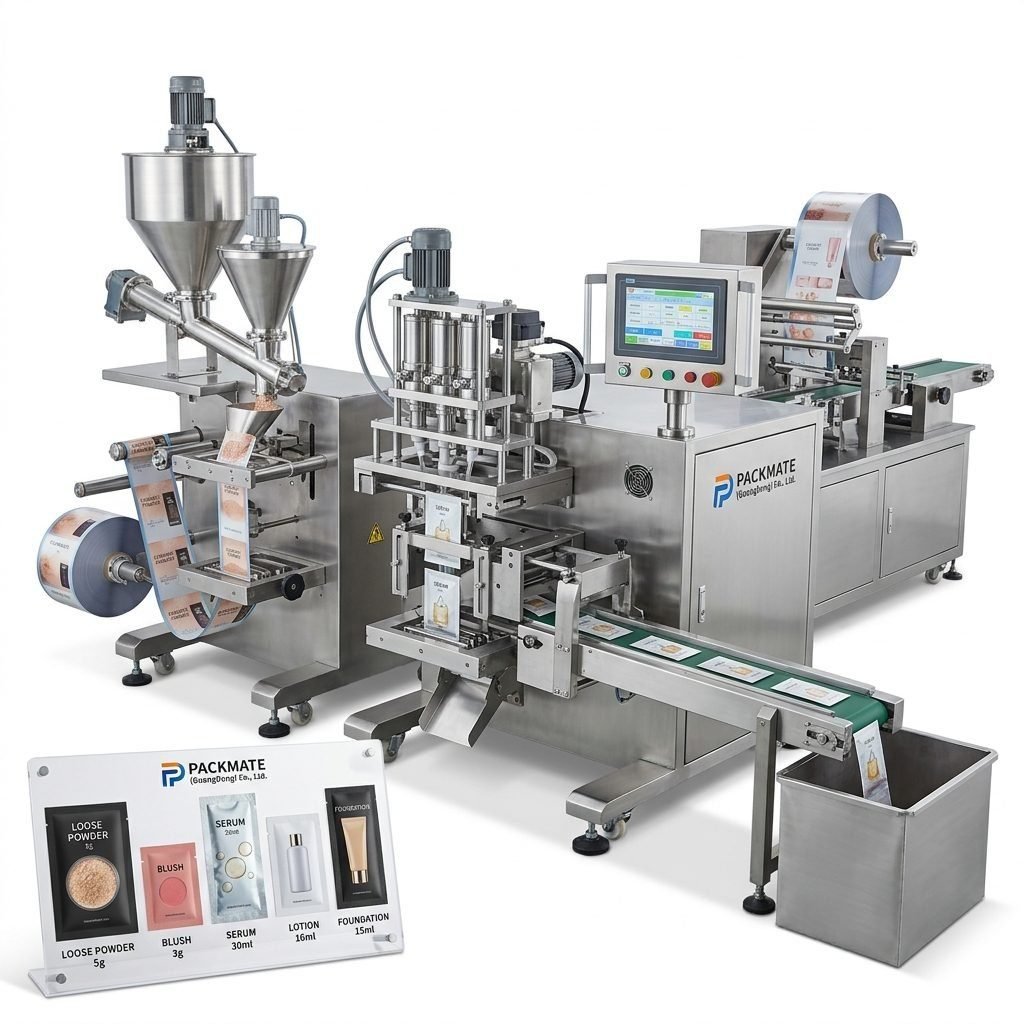
This is one of the largest application areas. Machines are used to compress bags of snacks (like chips and pretzels), coffee pouches, and frozen vegetables. The goal is to protect fragile contents, prevent oxidation, and create the familiar “pillow” bag that is efficient to ship. For specialized formats like sachets and stick packs for powders or liquids, compression ensures they lie flat and are easy to store.
Pharmaceutical and Medical Supplies
Sterility and integrity are non-negotiable. Compression packaging is used for surgical kits, gauze, cotton, and disposable medical garments. It ensures a sterile barrier is maintained in a compact form, which is crucial for hospital storage and emergency kits where space is at a premium.
E-commerce and Retail Ready Packaging
With the boom in online shopping, products need to survive the “last mile” of delivery. Compression packaging protects items inside their shipping box, reducing returns due to damage. It also allows for the creation of compact, “shelf-ready” packages that retailers can place directly on the sales floor with minimal handling.
Textile and Non-Woven Industry
Towels, wipes, and clothing items are heavily compressed to maximize quantity per case. This is especially critical for disposable products like industrial wipes or baby diapers, where high volume and low logistics costs define profitability.
Choosing the Right Compression Packaging Solution
Selecting a machine requires careful consideration of several factors to ensure it meets your specific production goals.
Product Characteristics: The size, shape, fragility, and material of your product dictate the required compression force and method (e.g., vertical vs. horizontal compression).
Required Output Speed: Match the machine’s cycles-per-minute rating with your production line’s throughput requirements. High-speed applications demand robust and reliable machinery.
Integration Capability: The machine should seamlessly integrate with your existing upstream and downstream equipment, such as bag makers, fillers, and cartoners. A provider offering auxiliary packaging equipment can often ensure better system compatibility.
Manufacturer Support and Expertise: Partnering with an experienced manufacturer is crucial. A company like Packmate Machinery, with over 30 years of expertise, provides not just equipment but reliable turnkey solutions, from initial design to after-sales service, ensuring long-term operational success.
Frequently Asked Questions (FAQs)
1. Can compression packaging damage my product?
When configured correctly, no. Modern machines offer highly precise, programmable pressure controls. Operators can set the exact force needed to achieve the desired package size without exceeding the product’s structural limits. Testing with sample products is a standard part of the commissioning process.
2. What types of packaging materials are compatible with compression?
Most common flexible packaging materials work well, including laminated films (polyethylene, polypropylene), foils, and certain paper composites. The key is the material’s ability to be compressed and then maintain a gas-tight seal. Your machine supplier can advise on optimal material specifications.
3. How does compression affect the shelf life of food products?
Properly executed, it can enhance shelf life. By reducing the volume of air (particularly oxygen) trapped in the package, compression can slow down oxidation processes. It is often used in conjunction with gas flushing (modified atmosphere packaging) for maximum freshness preservation.
4. Are compression machines difficult to maintain?
They are generally robust and designed for industrial environments. Routine maintenance typically involves cleaning, lubrication of moving parts, and inspection of seals and pressure systems. Choosing a machine from a reputable manufacturer with readily available spare parts and clear service documentation, like those found on the Packmate service page, minimizes downtime.
5. Is the investment in a compression packaging machine justified for a small business?
It depends on volume and pain points. If shipping costs, damage rates, or storage constraints are significant issues, the ROI can be swift. Many manufacturers offer modular or smaller-scale machines suitable for growing businesses. The long-term savings in logistics and materials often outweigh the initial capital expenditure.