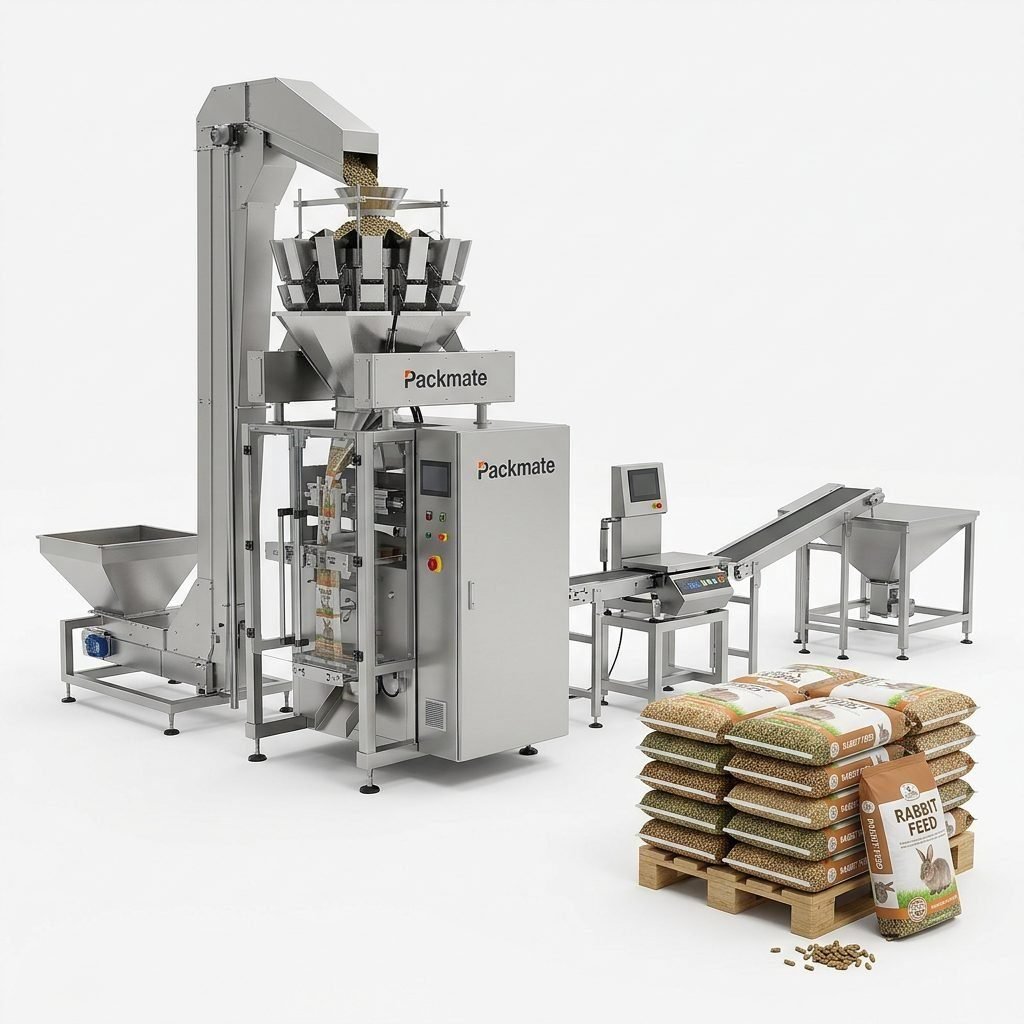
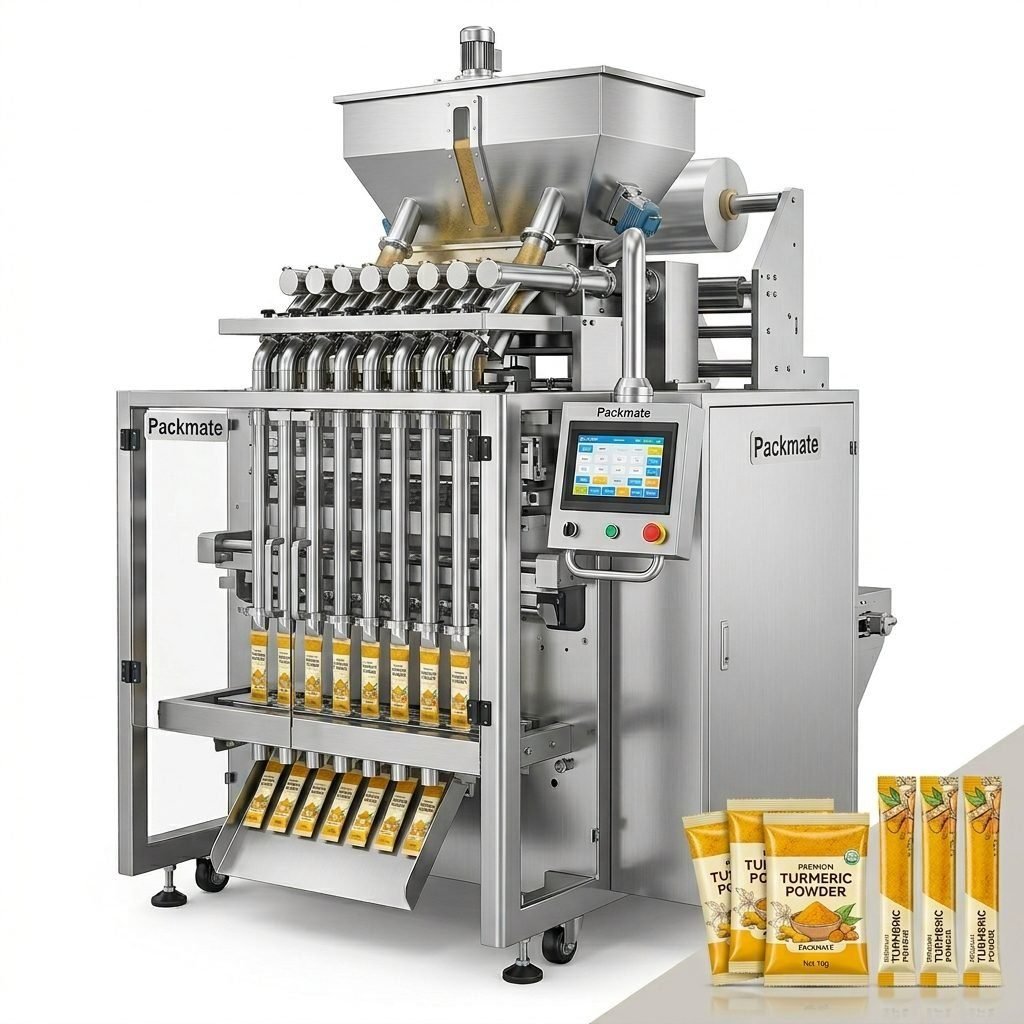
In today’s competitive business landscape, operational efficiency is paramount. For companies handling products in granular, powder, or liquid forms, the right packaging equipment is not just a tool—it’s a strategic asset. Investing in top-tier general packaging equipment solutions can streamline your production line, enhance product consistency, reduce waste, and ultimately boost your bottom line. This article explores the key considerations and solutions for selecting the perfect packaging machinery to meet your specific business needs, drawing insights from industry leaders with decades of experience.
Understanding Your Packaging Requirements
The first step in finding the right equipment is a thorough analysis of your needs. What type of product are you packaging? Coffee granules, pharmaceutical powders, or health supplement liquids each demand different handling. Consider your required output speed, package size variations, and the level of automation your operation needs. A weighing and packaging system for powders, for instance, requires high precision to avoid giveaway, while a liquid filling line needs impeccable sealing integrity.
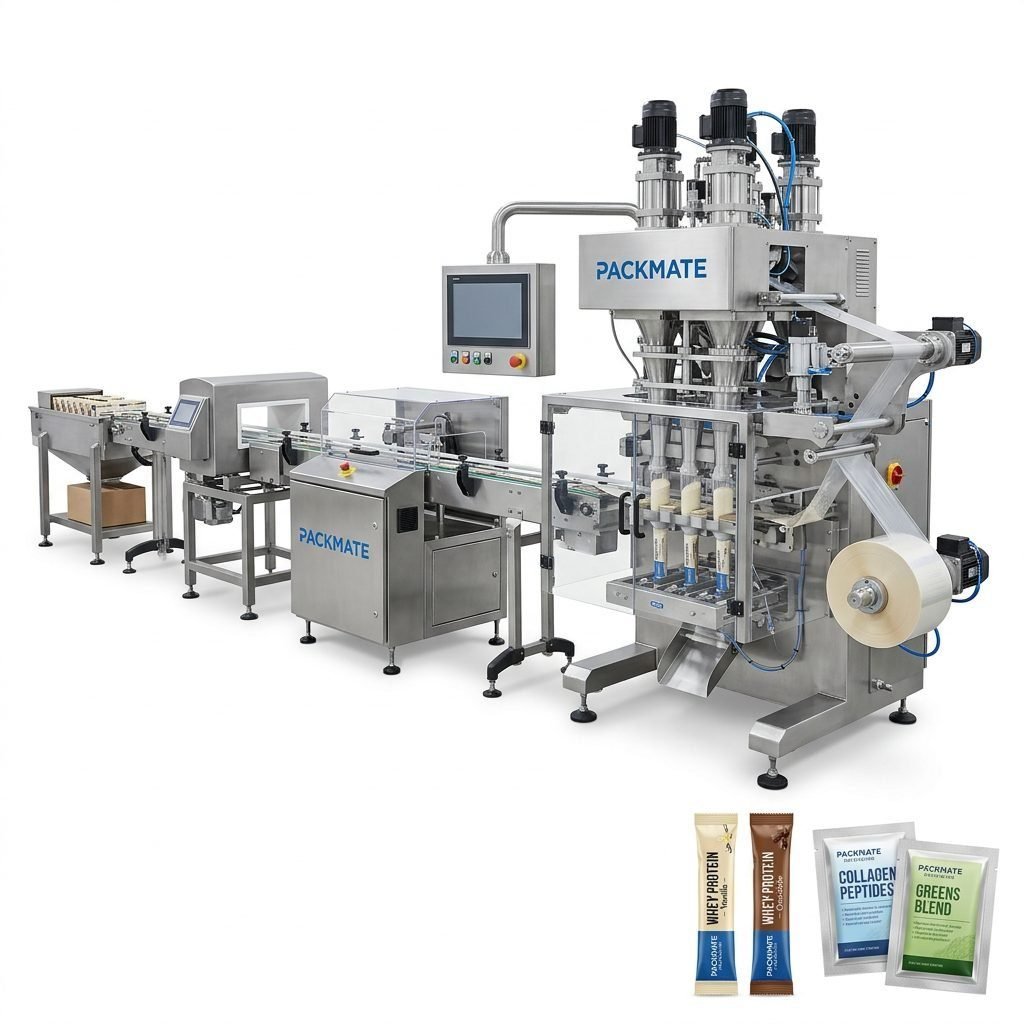
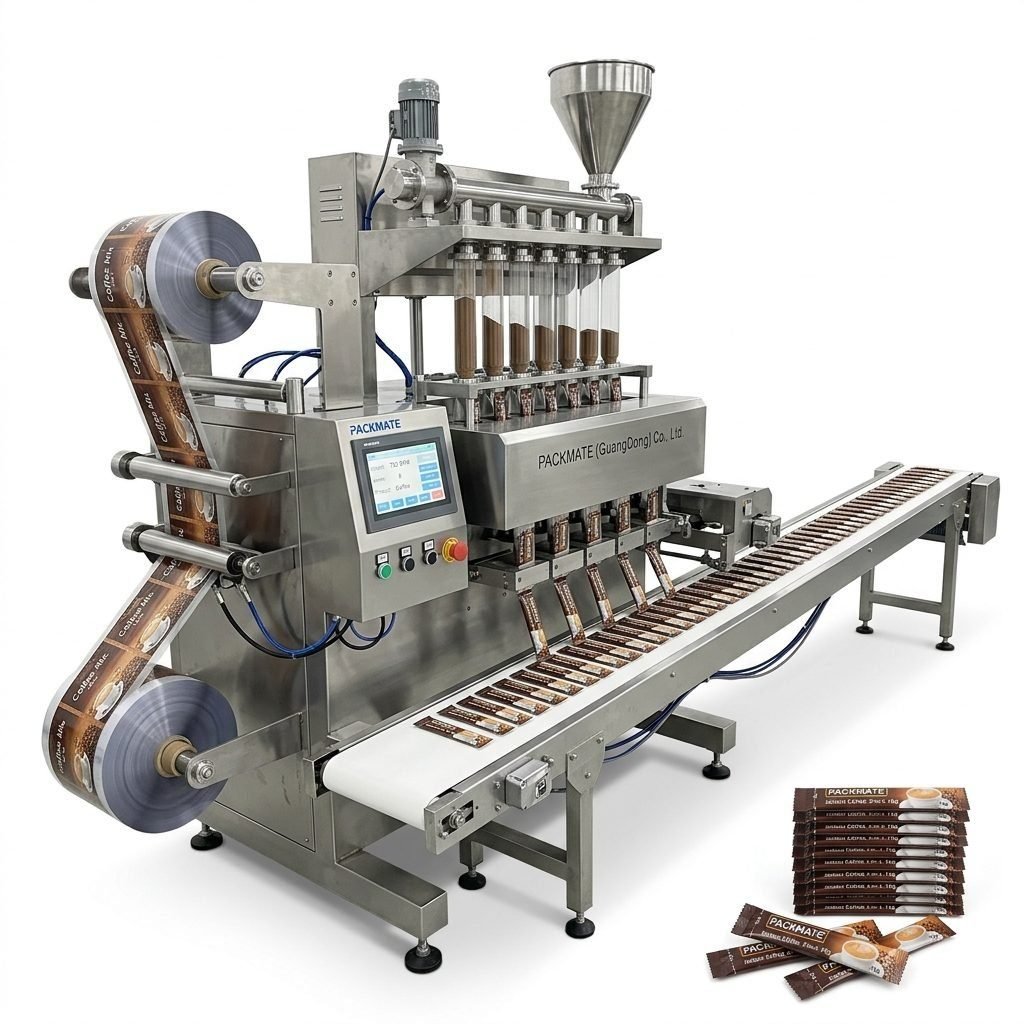
Key Question to Ask: Does your business require high-speed, multi-lane production for single-serve items like sugar or seasoning sticks, or is it focused on larger pouch formats for bulk products? The answer will point you toward either high-speed sachet and stick pack machines or versatile bag and pouch packaging machines.
Core Categories of General Packaging Equipment
Modern packaging solutions can be broadly categorized, each serving a critical function in the production chain.
1. Primary Packaging Machines
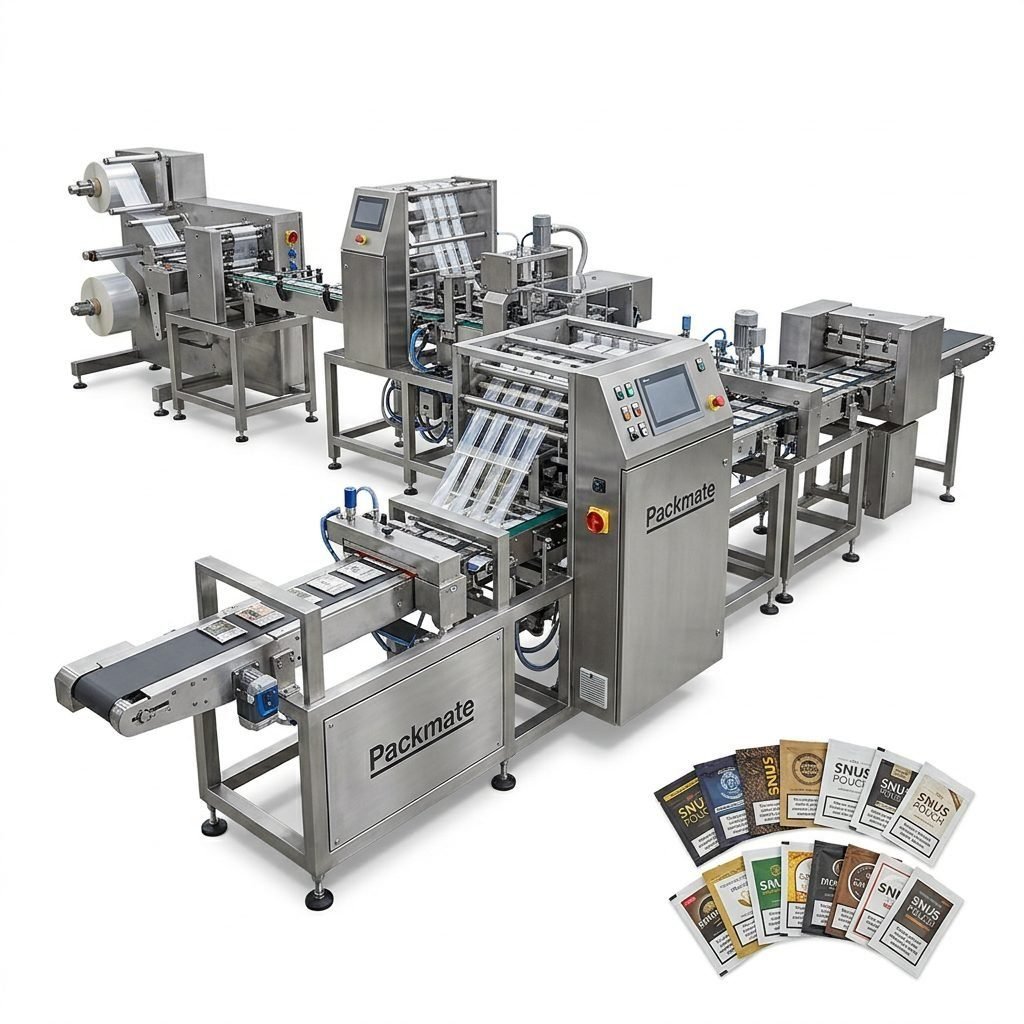
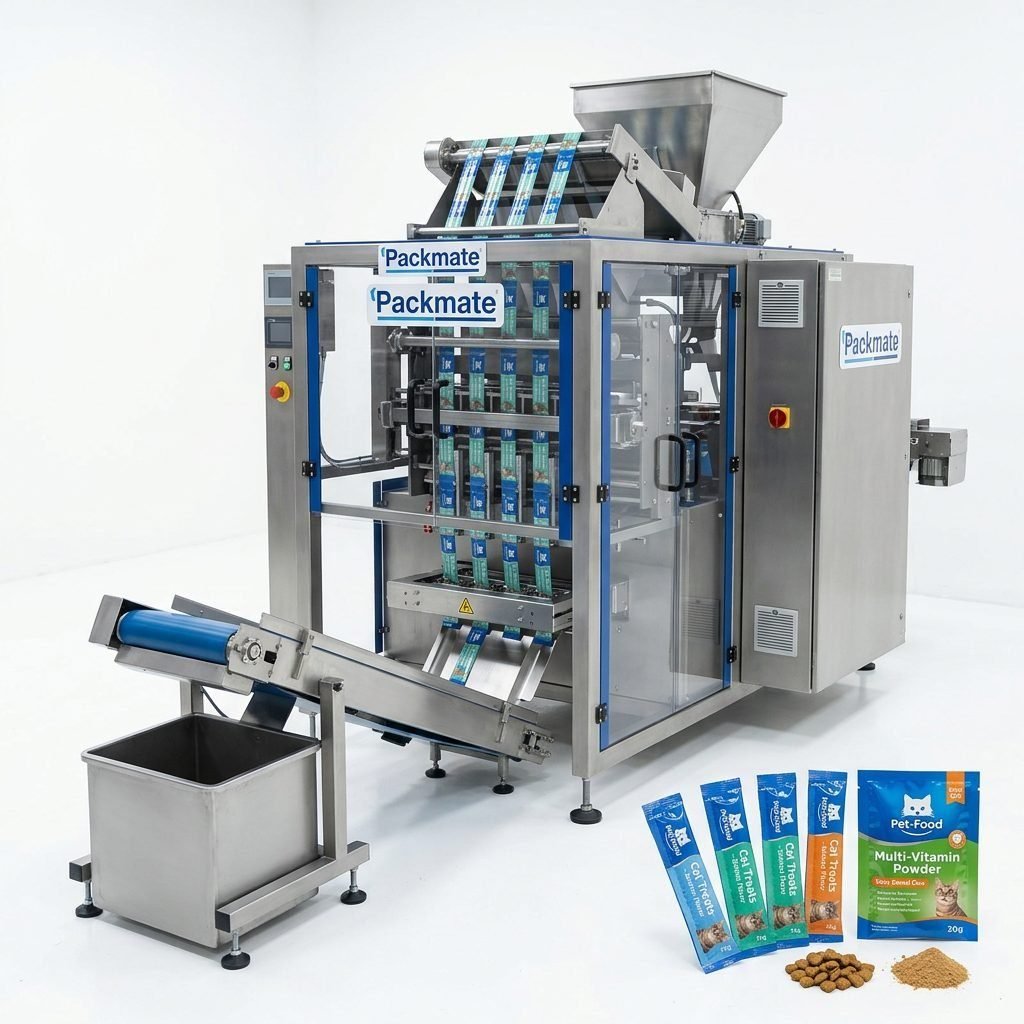
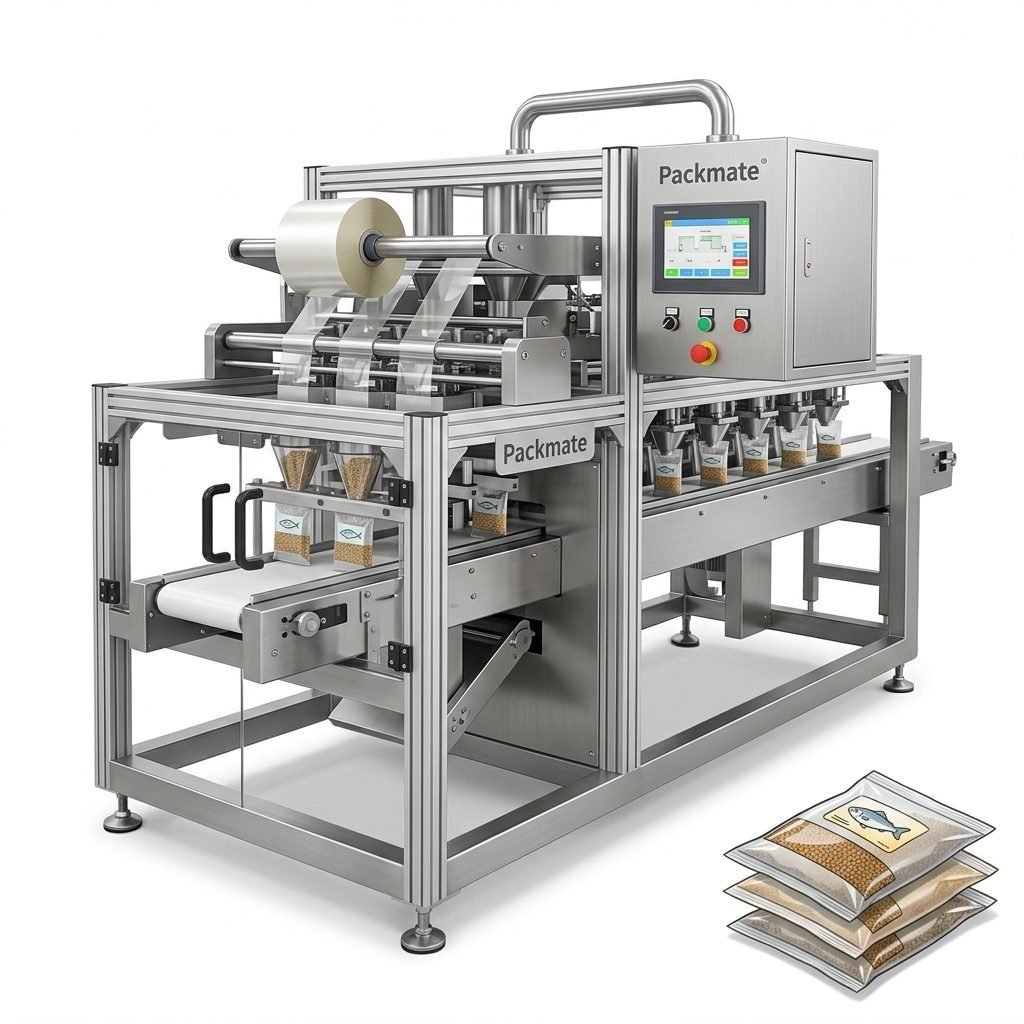
These are the workhorses that form, fill, and seal the primary product container. This category includes vertical form-fill-seal (VFFS) machines for creating bags from a roll of film, as well as specialized machines for producing stick packs, sachets, and pouches. The choice here defines your product’s shelf presence and protection.
2. Integrated Filling & Packaging Lines
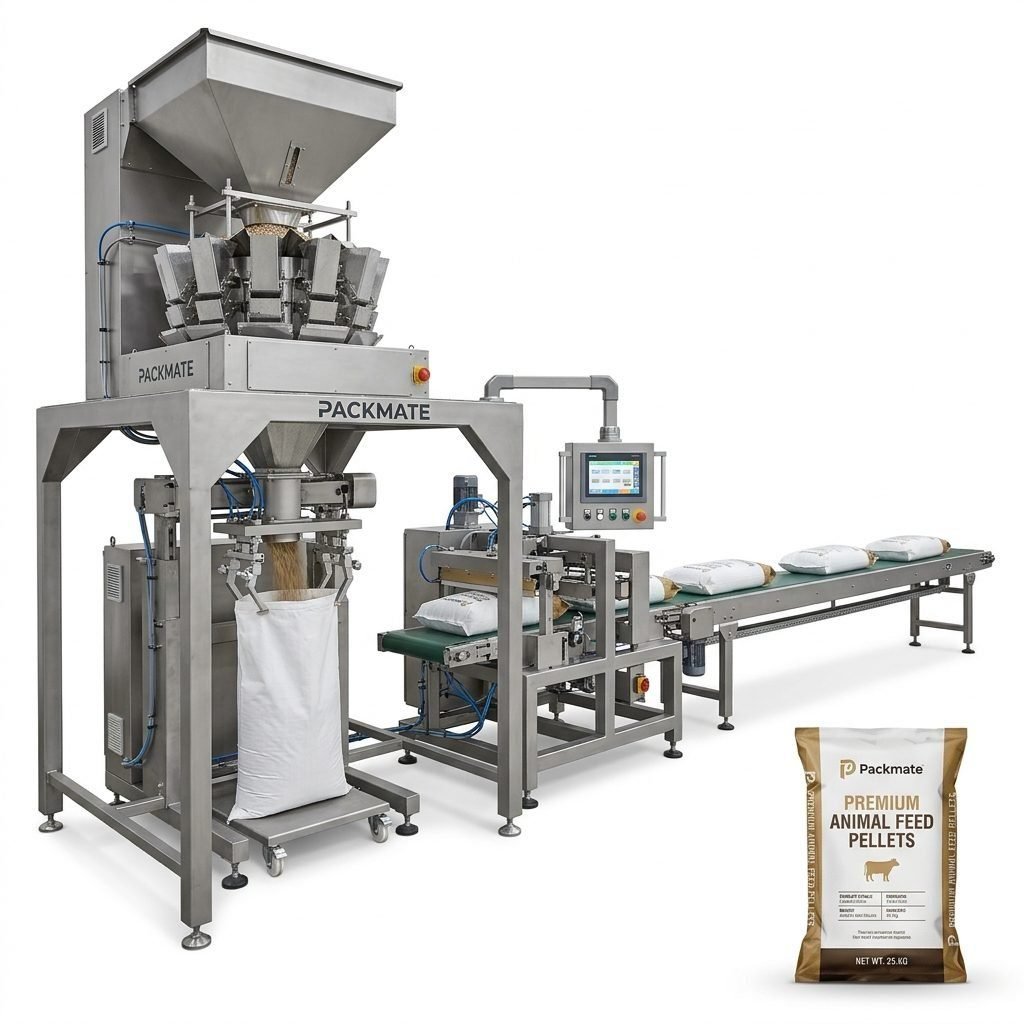
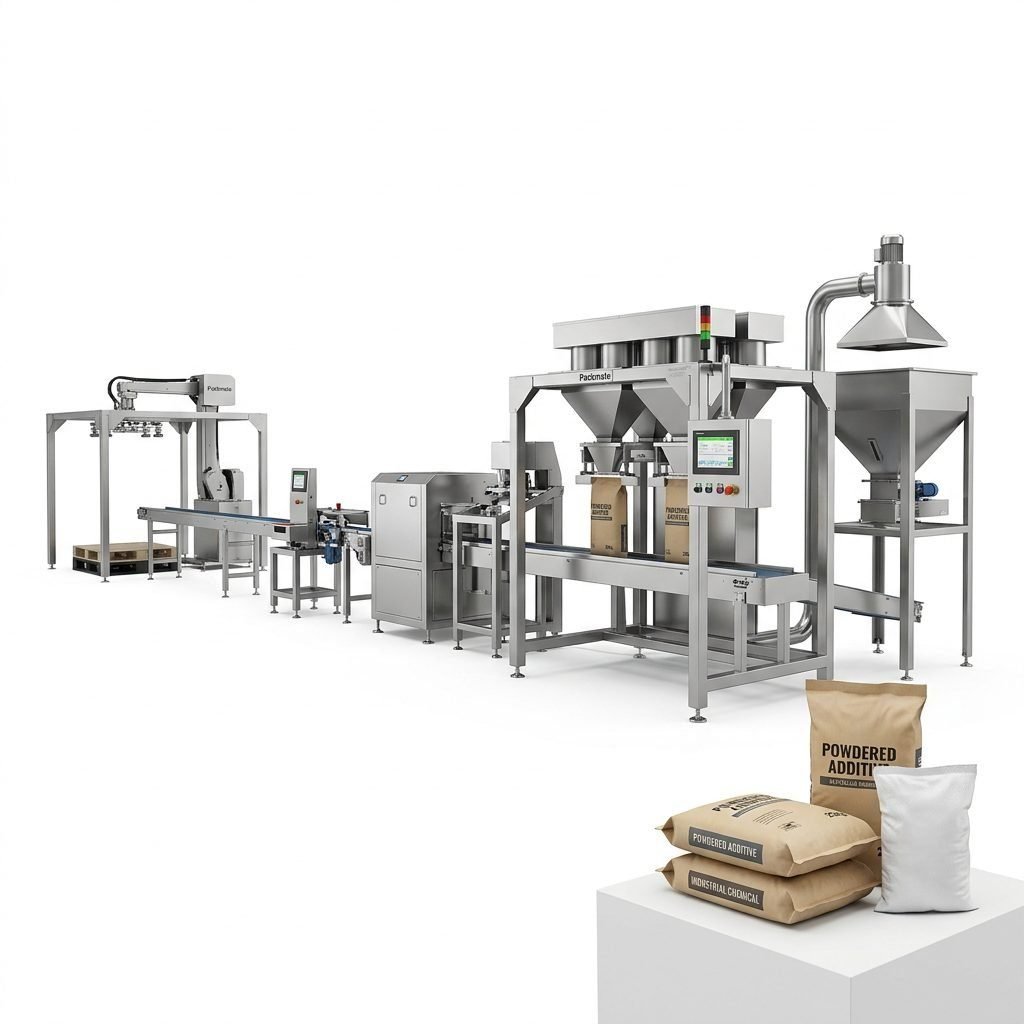
For maximum efficiency, stand-alone machines are integrated into complete lines. A full filling and packaging line might include a feeder, weigher, filler, sealing unit, and cartoner, all synchronized. This turnkey approach minimizes manual handling and maximizes throughput.
3. Auxiliary & Support Equipment
No line is complete without support systems. This includes checkweighers to ensure package weight compliance, metal detectors for safety, coders for date/batch printing, and conveyors for smooth material flow. Auxiliary packaging equipment is essential for achieving a robust, quality-assured production process.
The Importance of Reliability and Precision
Downtime is the enemy of productivity. General packaging equipment must be engineered for relentless, 24/7 operation in industrial environments. Look for manufacturers with a proven track record of durability. Precision is equally critical, especially in industries like pharmaceuticals or high-value foods where a few milligrams of variance can equate to significant financial loss or regulatory non-compliance. Machines with advanced servo-driven technology often offer superior accuracy and repeatability compared to mechanical systems.
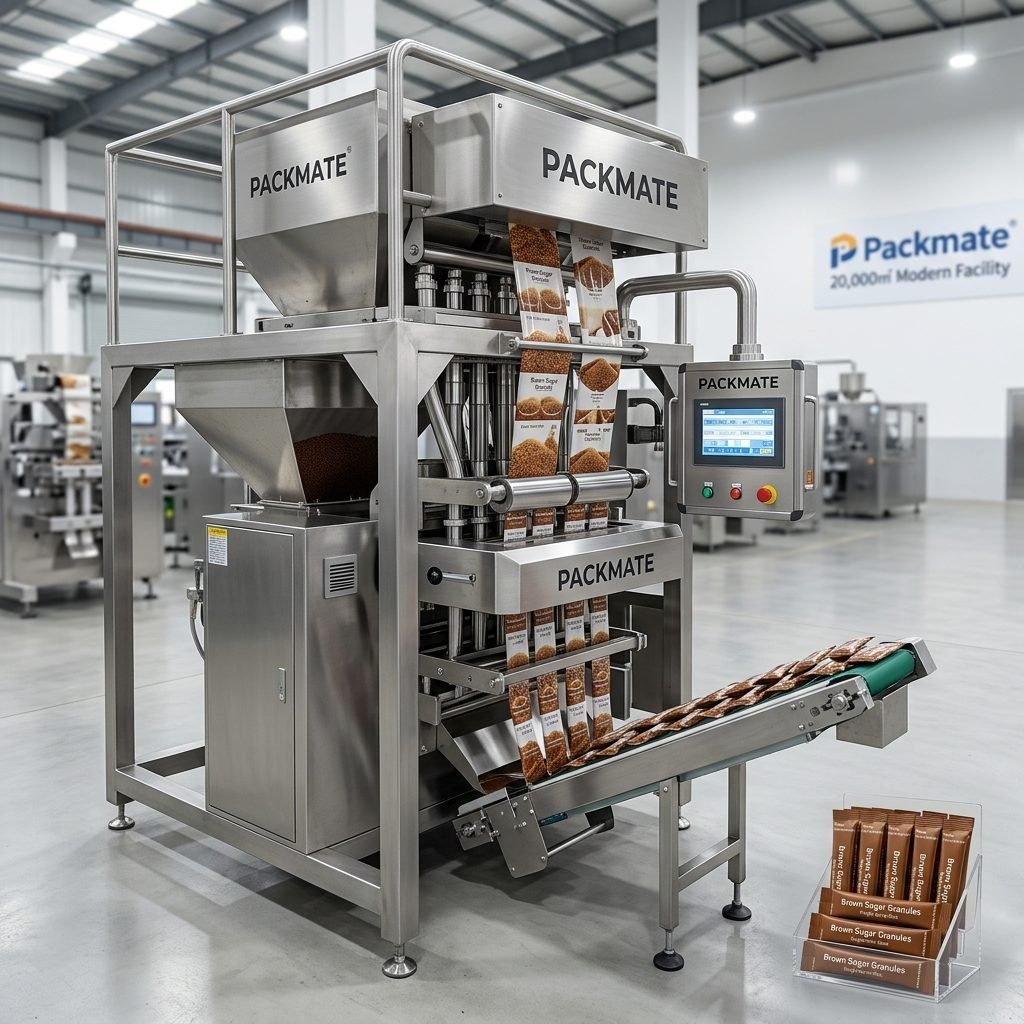
A reliable partner doesn’t just sell a machine; they provide a solution. Companies like Packmate Machinery, with over 30 years of expertise, exemplify this by building equipment designed for long-term reliability. Their journey from a small workshop in 1993 to a company with a 20,000㎡ modern facility underscores a commitment to engineering robust solutions. This heritage of solving technical challenges translates into machines that businesses can depend on day in and day out.
Scalability and Future-Proofing Your Investment
Your business will grow and evolve. The ideal packaging solution should grow with it. Modular equipment designs allow for easier upgrades and integration of new features. Can the machine handle a range of package sizes with quick changeovers? Is the control system capable of integrating with factory-wide Manufacturing Execution Systems (MES) for data collection? Considering scalability from the outset protects your investment and avoids the need for a complete line overhaul in a few years.
Choosing the Right Partner: Beyond the Machine
The manufacturer you choose is as important as the machine specifications. A true partner offers comprehensive support, including:
- In-depth consultation and testing: The ability to test your product on their equipment before purchase.
- Training and installation support: Ensuring your team can operate and maintain the equipment efficiently.
- Readily available spare parts and service: Minimizing downtime with a responsive global support network.
- Compliance expertise: Guidance on meeting industry-specific standards and regulations.
Exploring a manufacturer’s case studies and certifications can provide tangible proof of their capability and commitment to quality.
Final Considerations for Decision-Making
Before finalizing your investment, calculate the Total Cost of Ownership (TCO), which includes not just the purchase price but also energy consumption, maintenance costs, and potential efficiency gains. Always request a live demonstration or visit the manufacturer’s facility to see the equipment in action. This hands-on evaluation is invaluable for assessing build quality, ease of use, and noise levels.
Frequently Asked Questions (FAQs)
1. What is the lead time for a typical packaging machine?
Lead times vary based on machine complexity and customization. For standard models from established manufacturers, it can range from 8 to 16 weeks. Custom-engineered solutions may require more time for design, fabrication, and testing.
2. Can one machine handle different types of products, like powders and granules?
Many general packaging machines are versatile, but significant product changes often require adjustments or change parts (like different auger fillers for powders vs. cup fillers for granules). It’s crucial to discuss your full product range with the supplier during the planning stage.
3. How important is after-sales service, and what should it include?
After-sales service is critical. A comprehensive service package should include installation supervision, operator training, a warranty period, readily available spare parts, and access to remote or on-site technical support for troubleshooting.
4. What are the key trends in packaging machinery technology?
Major trends include increased integration of IoT for predictive maintenance and data analytics, greater use of servo motors for flexibility and precision, a focus on sustainability through reduced material waste and energy efficiency, and designs that allow for easier and faster cleaning to meet stringent hygiene standards.
5. We are a small business. Is full automation feasible?
Absolutely. The market offers scalable solutions. You can start with a semi-automatic machine that requires some manual loading but handles the core forming, filling, and sealing automatically. This provides a significant upgrade in speed and consistency over fully manual processes at a lower entry cost, with a clear path to upgrade to full automation as your business grows.