In the fast-paced world of product manufacturing, packaging is not just about containment—it’s about protection, presentation, and efficiency. Among the various packaging technologies available, blister packaging stands out for its versatility and consumer appeal. At the heart of creating these secure, see-through packages is a specialized piece of equipment: the blister packaging machine.
The Core Function: What Does a Blister Packaging Machine Do?
A blister packaging machine is an automated system designed to form, fill, and seal blister packs. These packs typically consist of a pre-formed plastic cavity (the blister) and a backing material, often foil or card. The machine’s primary function is to streamline the process of placing a product—such as a tablet, capsule, small hardware item, or electronic component—into the blister cavity and securely sealing it with the backing material. This creates a tamper-evident, unit-dose package that is highly resistant to moisture and contamination.
The process is elegantly systematic. A roll of formable plastic film is fed into the machine and heated. It is then drawn into a mold using vacuum or pressure to create the blister cavities. These cavities move along the production line to be filled with the product. Simultaneously, a lidding material (like aluminum foil) is applied over the filled cavities. Finally, heat and pressure seal the lidding to the blister base, completing the package before it is cut into individual units.
Key Components and Their Roles
Understanding the machine requires a look at its integral parts:
Forming Station: This is where the plastic web is softened by heat and then formed into precise cavities using a forming mold and either vacuum, pressure, or a combination of both.
Product Feeding System: Depending on the product, this can be a simple vibratory feeder for tablets, a pick-and-place system for irregular items, or an auger filler for powders. Accuracy here is critical for consistent pack quality.
Sealing Station: After filling, the lidding material is laid over the blister web. Heated sealing dies apply precise temperature and pressure to create a hermetic bond between the blister and the lid.
Punching/Cutting Station: The continuous sealed web is then die-cut into individual blister cards or strips. Modern machines often include perforation options for easy product removal.
Why Choose Blister Packaging? The Unmatched Advantages
The widespread adoption of blister packaging, particularly in pharmaceuticals and healthcare, is no accident. It offers a compelling set of benefits for both manufacturers and end-users.
Superior Product Protection: Blister packs provide an excellent barrier against environmental factors like moisture, oxygen, and light, which is crucial for preserving the potency and shelf-life of sensitive products like medicines.
Enhanced Safety and Compliance: The sealed nature of the pack offers clear tamper evidence. It also supports unit-dose packaging, which improves patient compliance by clearly indicating dosage and reducing medication errors.
Visibility and Marketing Appeal: The transparent blister allows consumers to inspect the product without opening the package. This visual appeal, combined with high-quality printing on the backing card, makes it a powerful tool for branding at the point of sale.
Production Efficiency: Modern blister packaging machines are high-speed, automated systems that significantly increase output while reducing labor costs and material waste compared to manual packaging methods.
Diverse Applications Across Industries
While synonymous with pharmaceuticals, the utility of blister packaging machines extends far beyond:
Food Industry: Used for packaging items like chewing gum, lozenges, and single-serve condiments, ensuring freshness and portion control.
Electronics: Ideal for small components, batteries, and USB drives, protecting them from static and physical damage during shipping and retail display.
Hardware & DIY: Screws, anchors, and small tools are often blister-packed, keeping sets together and allowing for easy hanging on retail pegs.
Consumer Goods: From toy figurines to cosmetic samples, blister packs offer secure and attractive presentation. Companies like Packmate Machinery provide versatile solutions that cater to these diverse needs.
Selecting the Right Machine: A Buyer’s Guide
Investing in a blister packaging machine is a significant decision. The right choice depends on several critical factors that align with your specific production goals.
1. Production Speed and Output Requirements: Machine speeds are measured in cycles per minute (CPM). Determine your required daily/weekly output to choose a machine with an appropriate speed rating, ensuring it can scale with future demand.
2. Product Characteristics: The size, shape, and fragility of your product dictate the type of feeding system needed (e.g., vibratory, brush, robotic pick-and-place). The forming depth and cavity size of the machine must also be compatible.
3. Material Compatibility: Ensure the machine can handle the specific types of forming film (like PVC, PVDC, or Aclar) and lidding material (foil, paper, or specialty films) you plan to use for your application.
4. Level of Automation: Options range from semi-automatic machines, which require some manual loading, to fully automatic integrated packaging lines that include cartoning and case packing. Higher automation reduces labor but increases initial investment.
5. Regulatory and Quality Standards: For industries like pharmaceuticals, the machine must be designed for easy cleaning and validation, often requiring compliance with standards like cGMP. Look for machines with robust construction and reliable quality control systems.
6. Supplier Reputation and Support: Partner with an established manufacturer known for reliability and after-sales service. A supplier with a strong track record, such as one with over 30 years of expertise in intelligent packaging, can provide invaluable technical support, spare parts, and training.
Operational Insights: Maintenance and Best Practices
To ensure longevity and consistent performance, proper operation and maintenance are non-negotiable.
Routine Maintenance is Key: Follow the manufacturer’s schedule for lubrication, inspection of seals and heaters, and calibration of sensors. Keeping the forming and sealing dies clean from polymer residue is crucial for pack quality.
Operator Training: Well-trained operators can identify minor issues before they cause major downtime or material waste. Training should cover machine operation, basic troubleshooting, and safety protocols.
Quality Control Checks: Implement regular checks for seal integrity (e.g., leak tests), cavity fill accuracy, and packaging appearance. This proactive approach maintains high standards and reduces customer complaints.
Using Recommended Materials: Always use films and foils specified by the machine manufacturer. Substandard materials can lead to poor sealing, frequent jams, and accelerated wear on machine components.
The Future of Blister Packaging Technology
The industry is continuously evolving, driven by demands for greater sustainability, intelligence, and flexibility.
Sustainable Materials: There is a strong push towards using recyclable or biodegradable mono-material films (like PP or PE) instead of traditional multi-layer, hard-to-recycle structures. Machines are being adapted to handle these new materials effectively.
Industry 4.0 Integration: Modern machines are becoming nodes in the smart factory. Features like IoT sensors for predictive maintenance, real-time production data dashboards, and seamless integration with upstream and downstream systems are becoming standard, optimizing Overall Equipment Effectiveness (OEE).
Enhanced Flexibility: Quick-changeover systems allow manufacturers to switch between different product formats and pack sizes with minimal downtime, making short production runs more economical and responsive to market trends.
Conclusion: A Strategic Asset for Modern Packaging
A blister packaging machine is far more than a simple sealing device; it is a strategic asset that enhances product safety, brand value, and production efficiency. From safeguarding life-saving medications to presenting retail goods appealingly, its role is indispensable. By carefully considering your needs and partnering with a reputable supplier who offers comprehensive support and service, you can implement a blister packaging solution that drives quality and growth for your business.
Frequently Asked Questions (FAQs)
What types of products can be packaged using a blister machine?
Blister machines are incredibly versatile. They are most commonly used for pharmaceutical tablets and capsules but are equally effective for food items (gum, candies), small electronics (batteries, chips), hardware (screws, fittings), and consumer goods (toys, cosmetics).
How do I choose between a thermoforming and a cold-forming blister machine?
Thermoforming (using heat to shape plastic film) is the standard for most applications. Cold-forming uses aluminum foil and significant pressure to form blisters without heat, offering an ultra-high barrier for extremely moisture-sensitive drugs. It is more specialized and expensive.
What is the typical maintenance required for these machines?
Daily cleaning of the forming and sealing areas is essential. Regular maintenance includes lubricating moving parts, checking and replacing worn seals or heater bands, calibrating sensors, and ensuring all safety guards are functional. Always refer to the manufacturer’s manual.
Can blister packaging machines be integrated into a full production line?
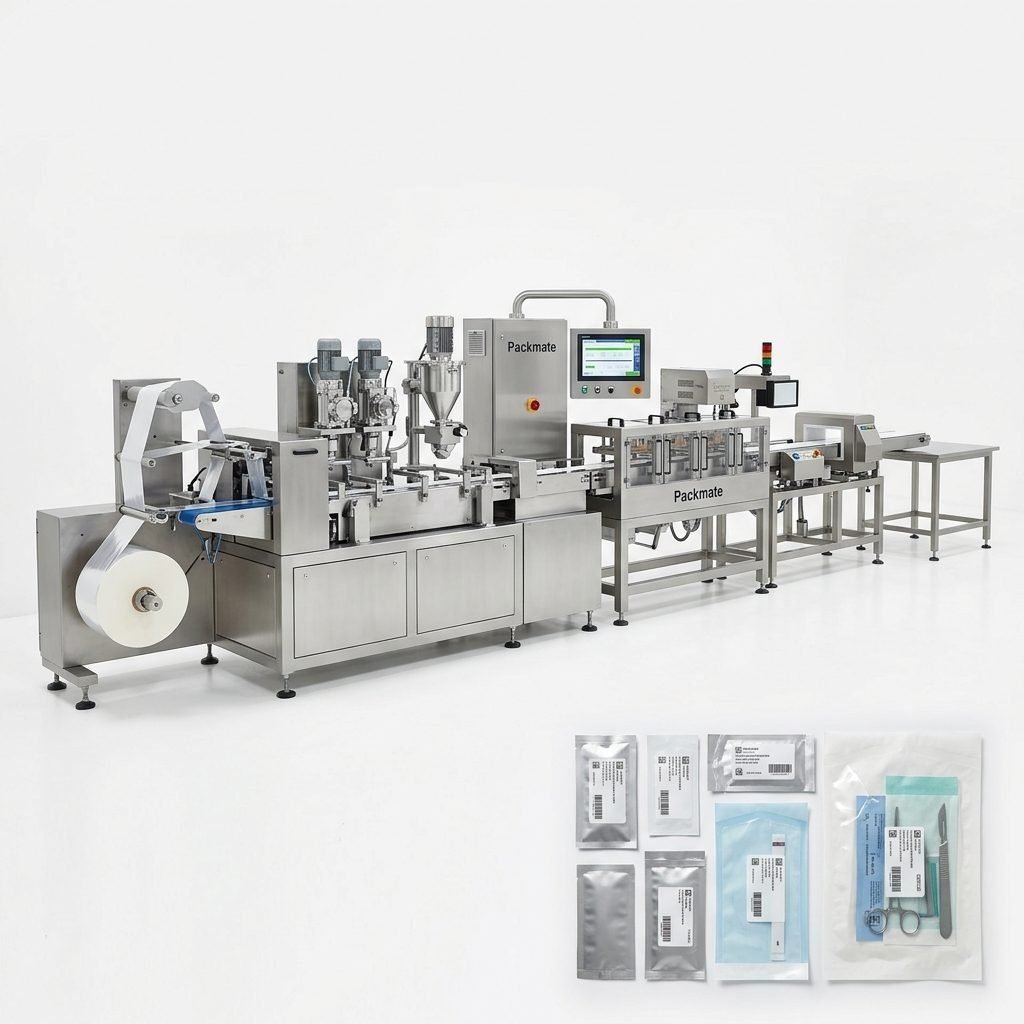
Absolutely. Modern blister machines are designed to be integrated with upstream equipment like tablet presses or product feeders and downstream systems such as cartoners, case packers, and vision inspection systems to create a fully automated, turnkey packaging line.
Are there sustainable or eco-friendly options for blister packaging?
Yes, the industry is moving towards sustainability. Options now include using recyclable polymer types (like rPVC or mono-material PP), reducing material thickness (source reduction), and exploring bio-based or compostable films. The key is to work with your machine supplier to ensure compatibility.