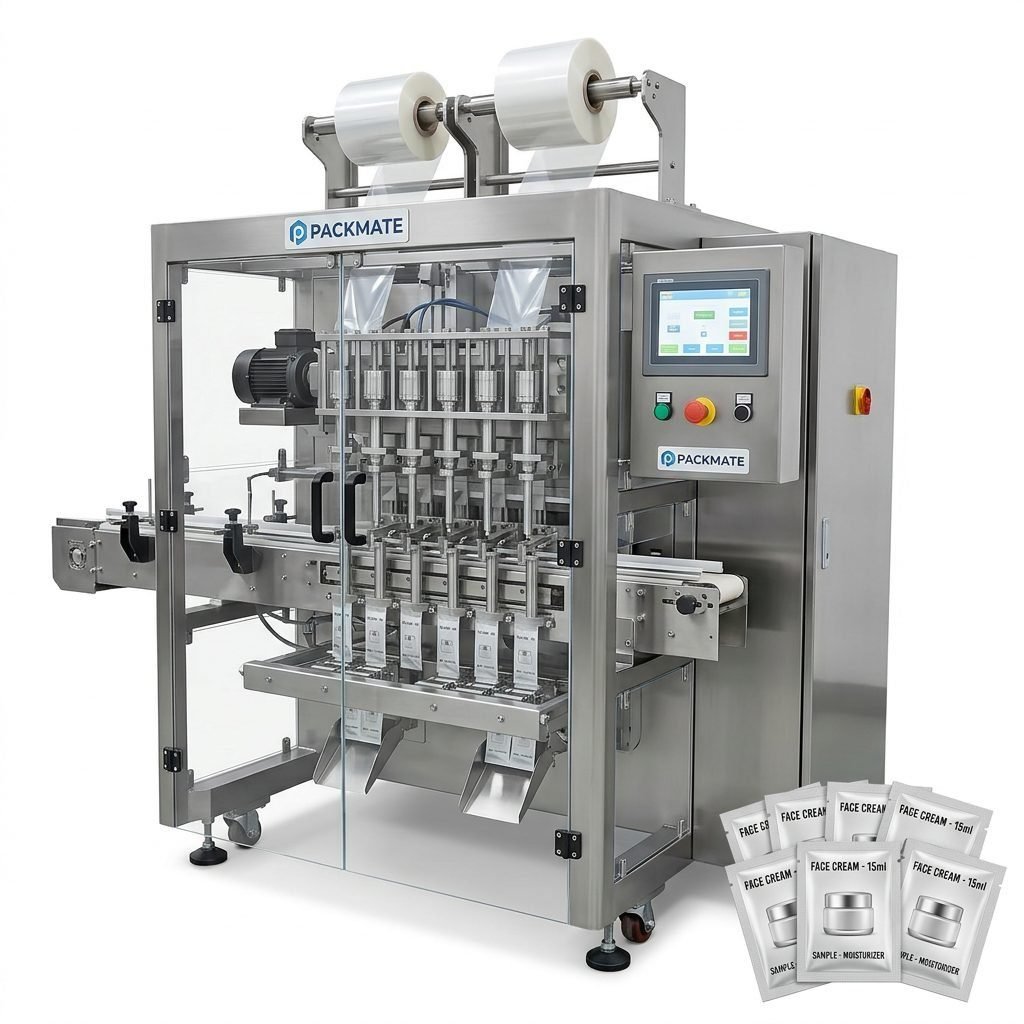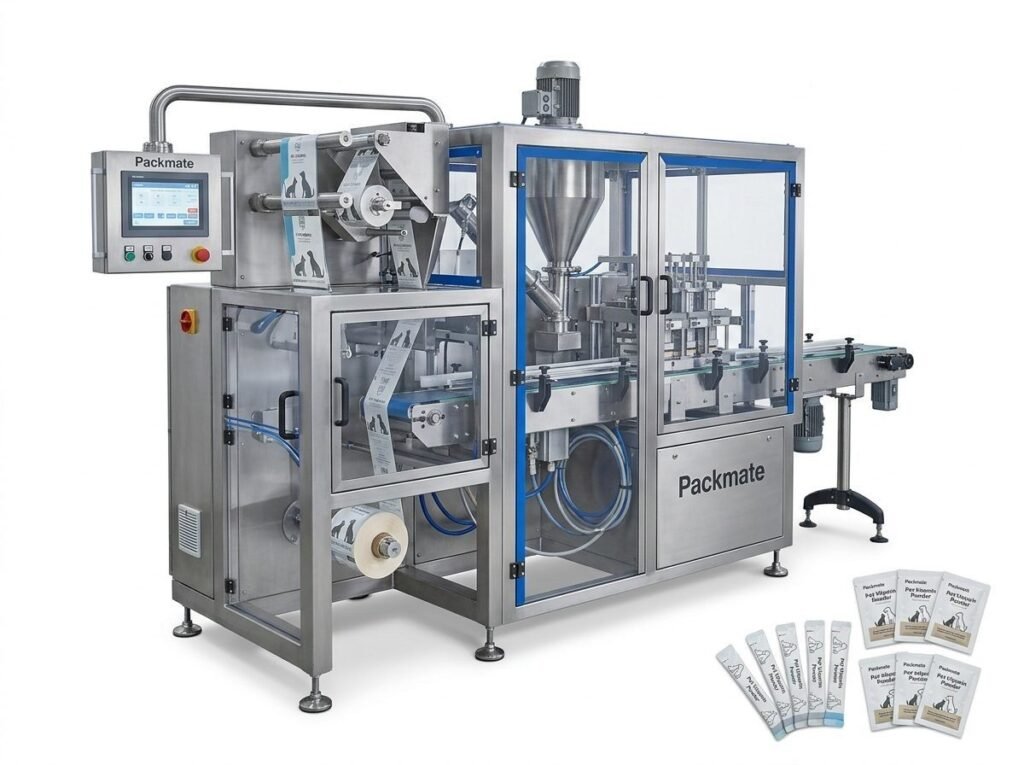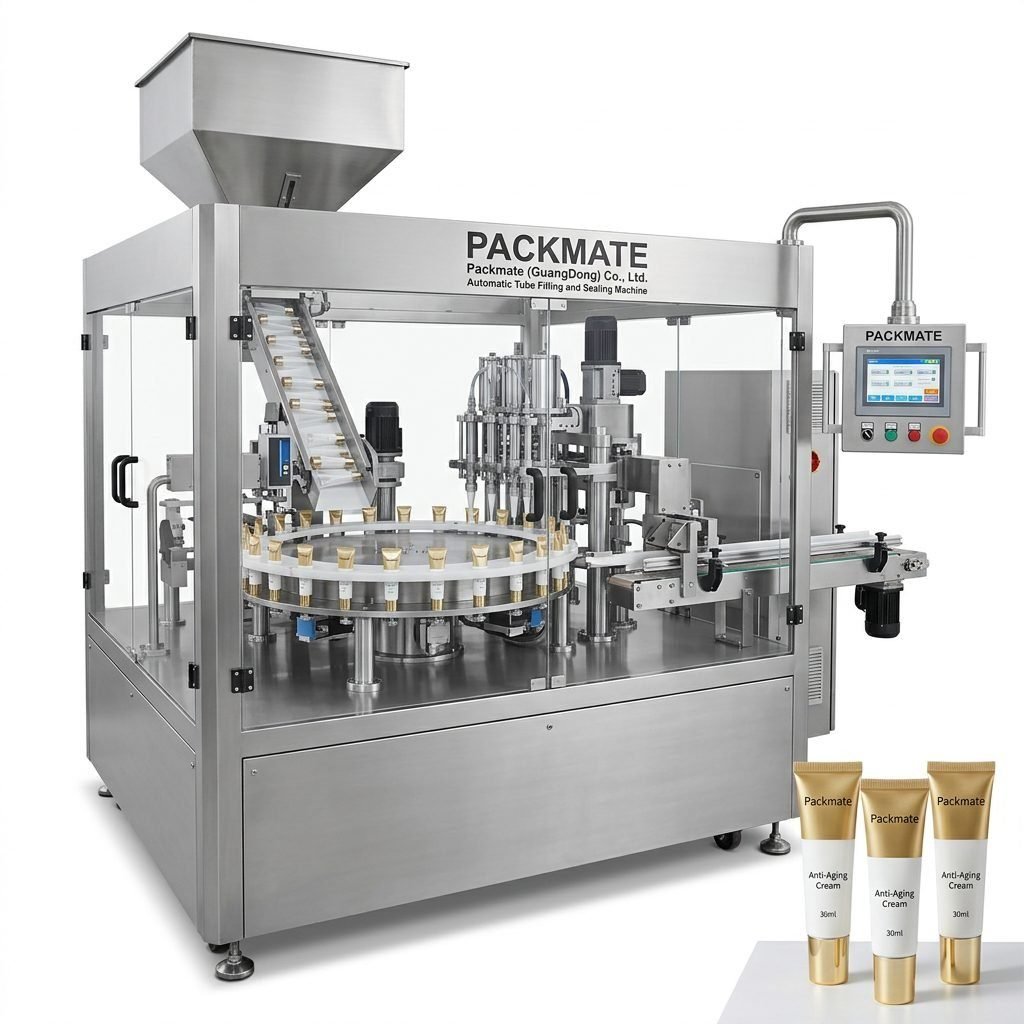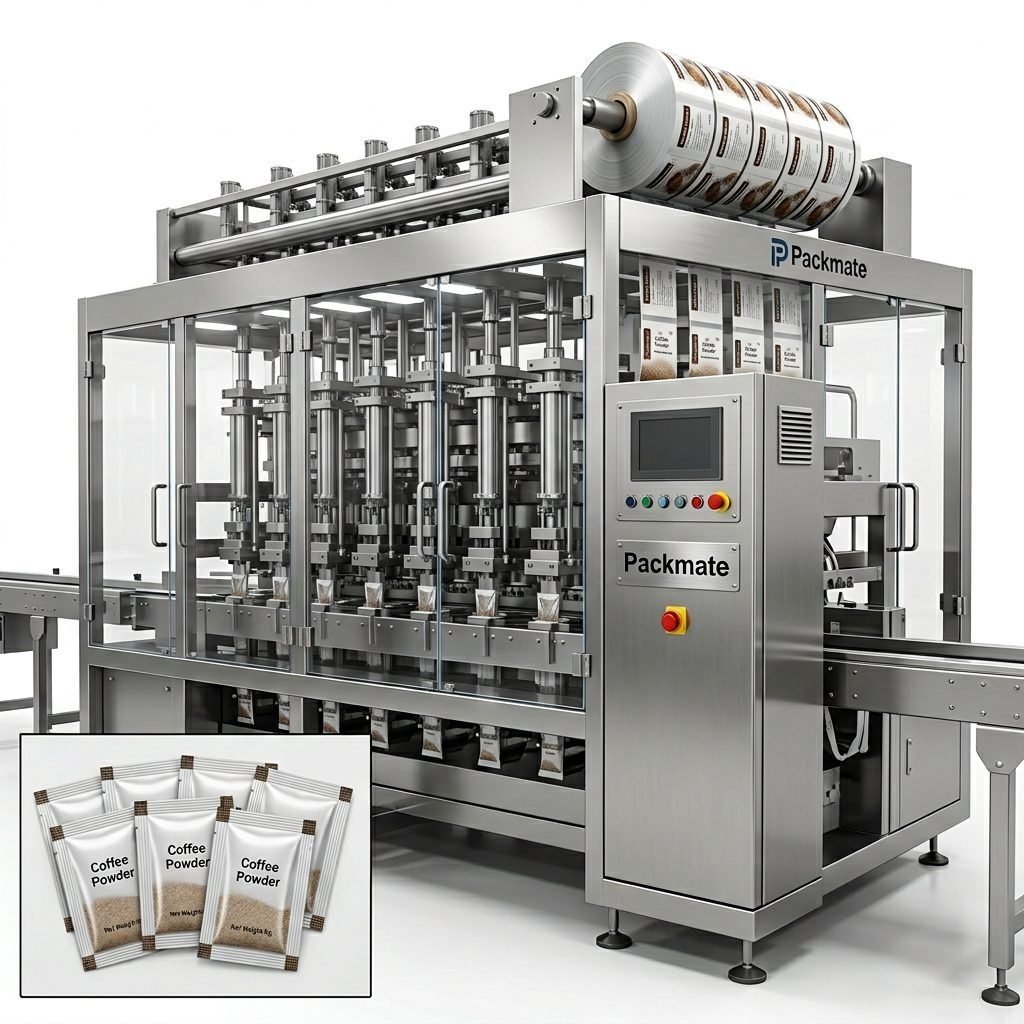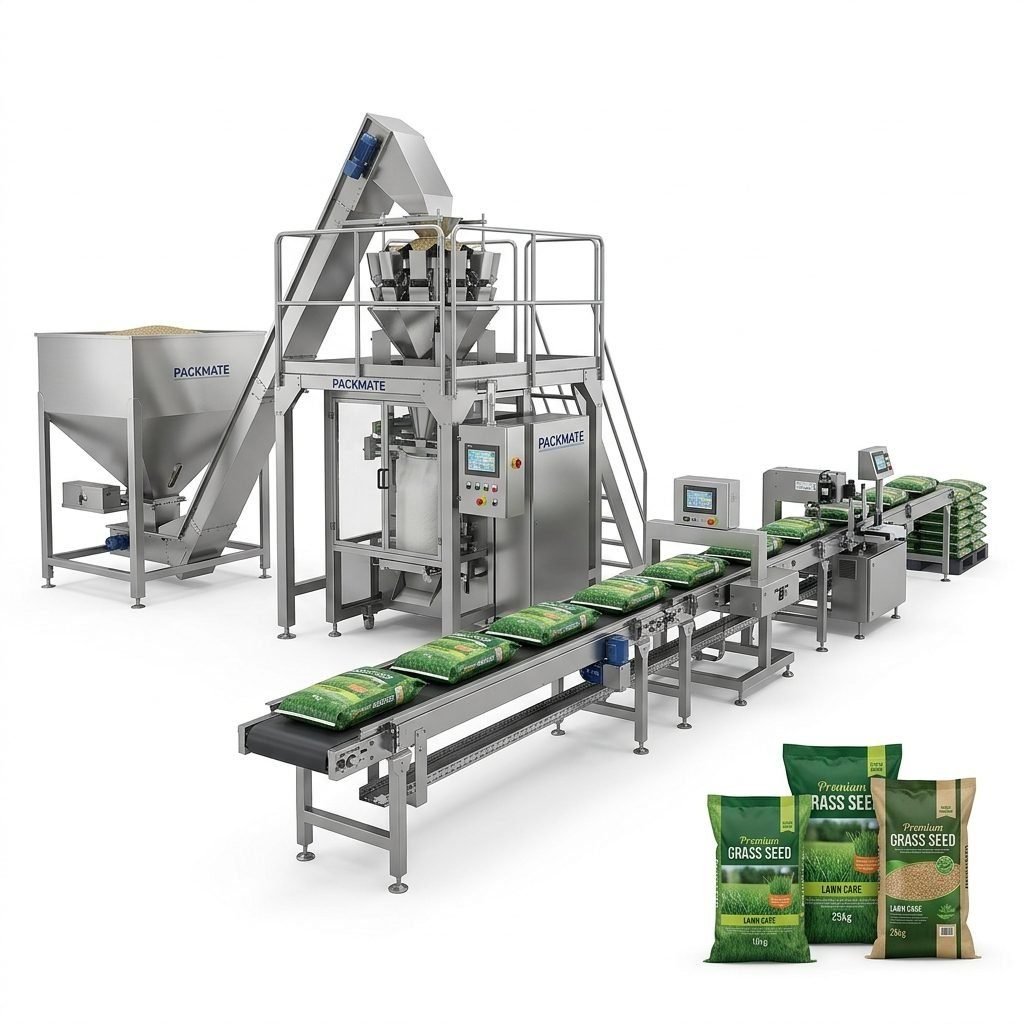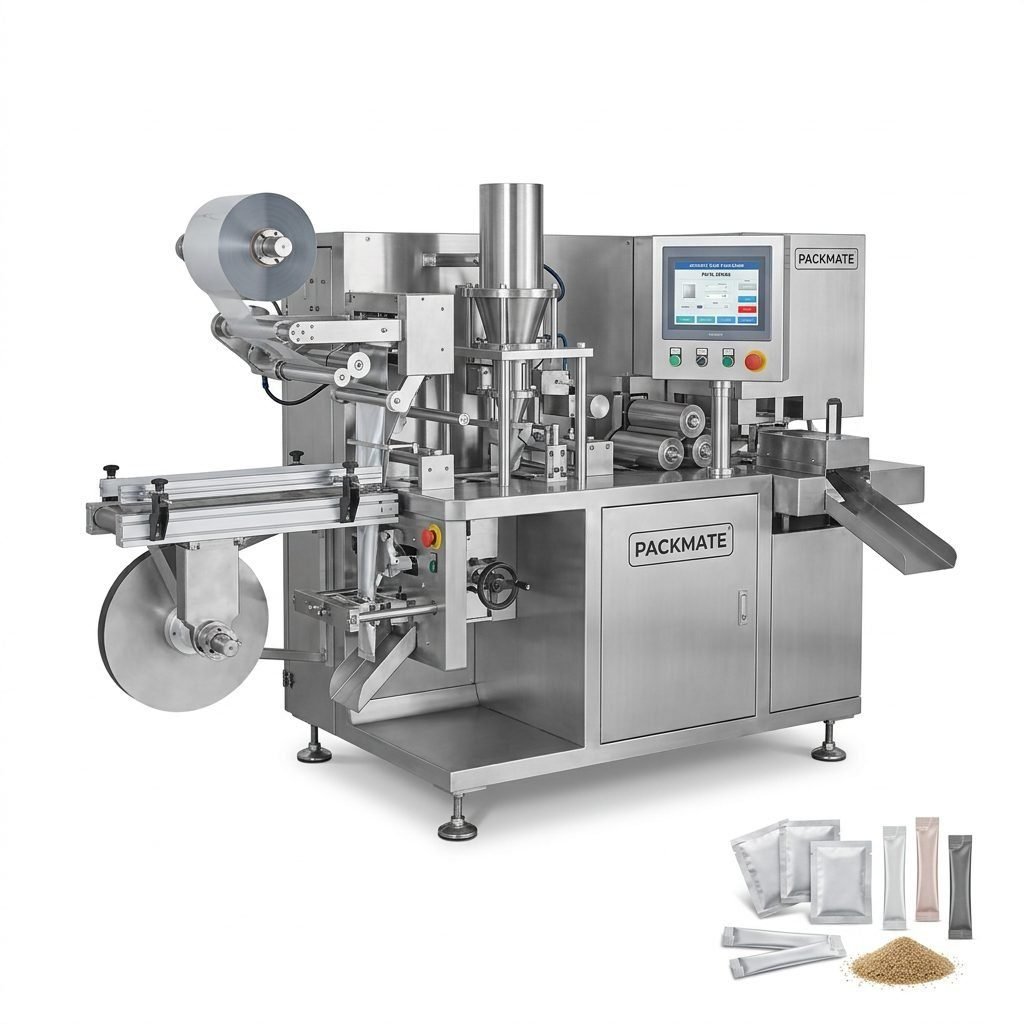
In the world of industrial packaging, the efficiency of the entire production line often hinges on one critical component: the feeding system. A well-designed packaging machine feeding system is the backbone of a smooth, high-output operation, directly impacting productivity, product quality, and operational costs. This guide delves into the intricacies of these systems, exploring their types, key considerations for selection, and best practices for maximizing efficiency in your packaging process.
Understanding the Role of Feeding Systems
The feeding system is responsible for the precise, consistent, and timely delivery of product—whether granules, powders, liquids, or solids—into the packaging machine’s forming, filling, and sealing mechanisms. Its primary goals are to maintain a continuous flow of material, prevent bottlenecks, and ensure each package receives the exact predetermined amount. An inefficient feeder can lead to underfills, overfills, product waste, machine jams, and significant downtime, eroding profitability.
Key Insight: The choice of feeding system is not one-size-fits-all. It must be meticulously matched to the physical characteristics of your product (flowability, abrasiveness, hygroscopicity) and the required speed and accuracy of your packaging line.
Common Types of Packaging Machine Feeding Systems
Selecting the right technology is paramount. Here are the most prevalent systems in use today:
Volumetric Feeders
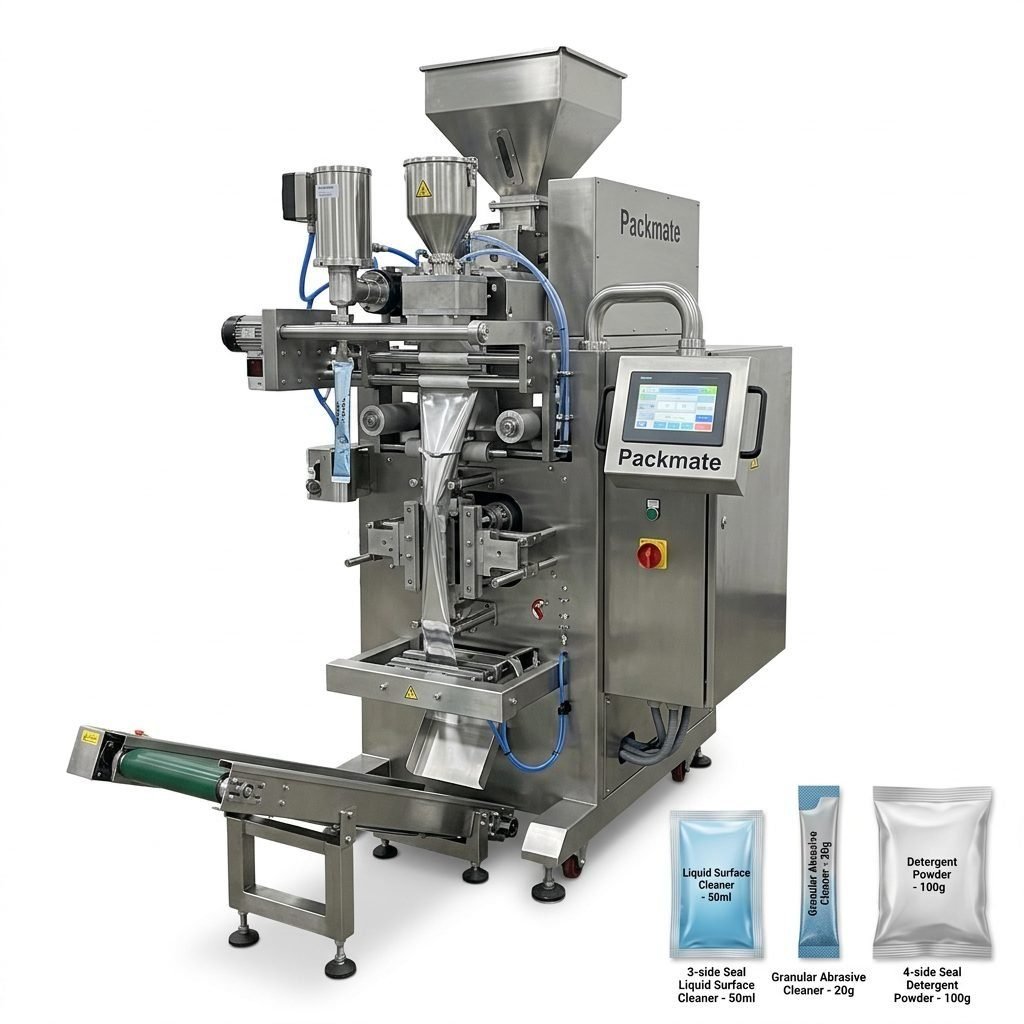
These systems dispense product based on a specific volume using cups, augers (screws), or vibratory trays. Auger feeders are exceptionally common for powders and granules, using a rotating screw within a tube to move material. Their accuracy depends on the product’s consistent density and flow properties.
Gravimetric (Weighing) Feeders
For ultimate precision, gravimetric systems weigh the product during dispensing. This includes multi-head weighers for snacks and irregular items, and loss-in-weight feeders for continuous, highly accurate feeding of powders or liquids. They automatically compensate for variations in product density, ensuring weight-based accuracy is maintained.
Vibratory Feeders
Utilizing controlled vibrations, these feeders gently move bulk materials along a tray or tube. They are excellent for handling delicate products (like chips or crackers) that could be damaged by screw augers and for sorting and orienting parts or products before packaging.
Pneumatic Conveying Systems
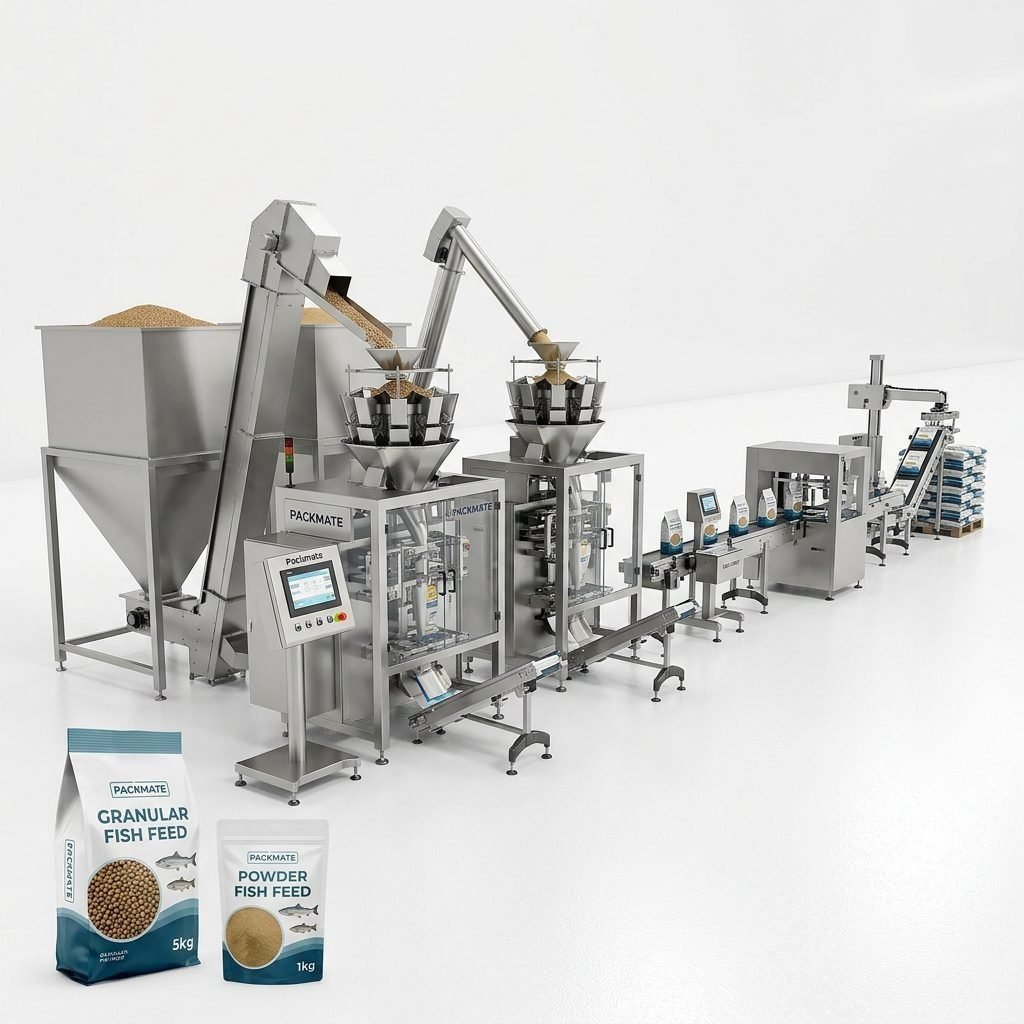
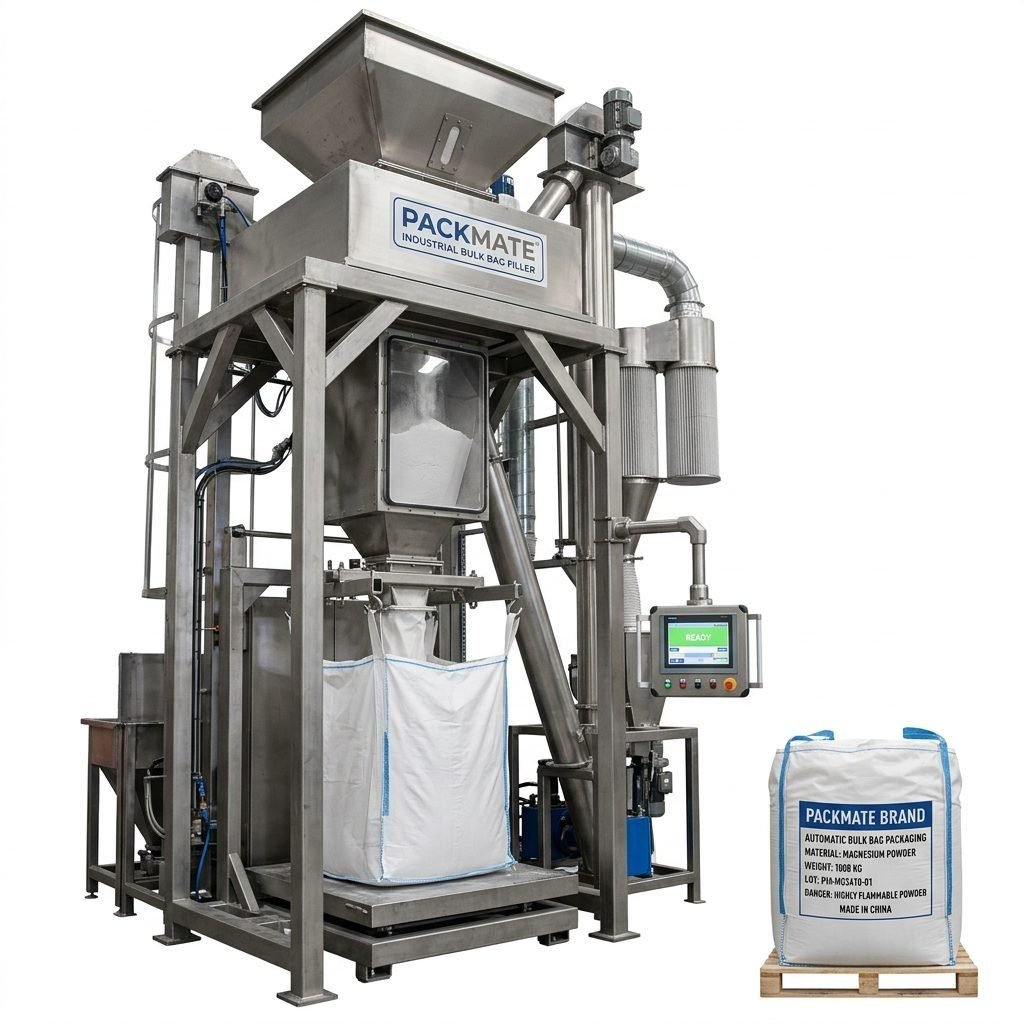
For moving large volumes of dry, granular, or powdered products over longer distances from storage silos or bulk bags to the packaging machine hopper, pneumatic systems are ideal. They use air pressure or vacuum to transport material through sealed pipes, minimizing dust and contamination.
Critical Factors for Selecting an Efficient Feeding System
Beyond the product type, several interconnected factors dictate the optimal feeding solution for your packaging machinery.
1. Product Characteristics
Flowability: Does it flow like sand, cake like flour, or bridge like flakes?
Particle Size & Shape: Fine powder, large granules, or fibrous strands?
Density & Weight: Is it lightweight or heavy? Does density vary?
Hygroscopicity & Abrasiveness: Does it absorb moisture? Is it gritty and wear-prone?
2. Operational Requirements
Speed (Packages Per Minute): The feeder must keep pace with the primary packaging machine.
Accuracy & Consistency: Legal and quality standards dictate required fill weight precision.
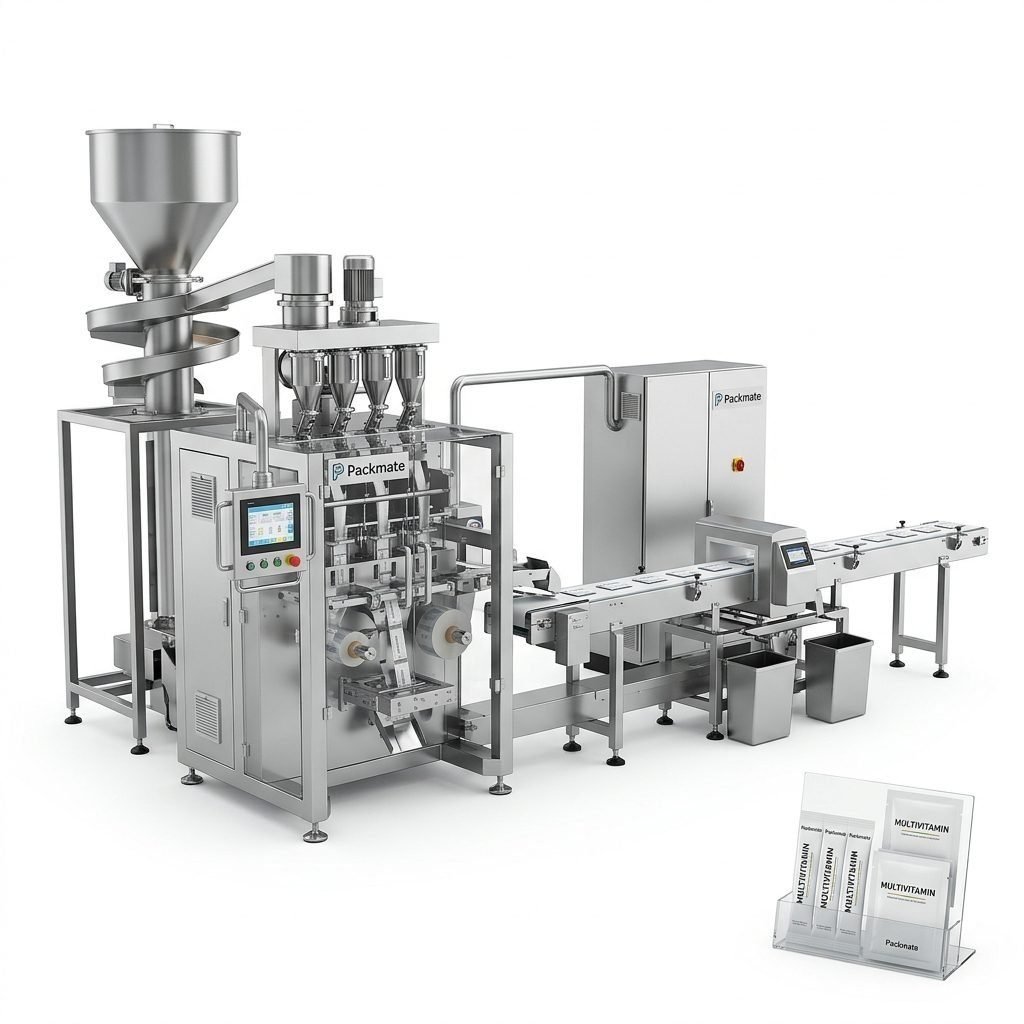
Hygiene & Cleanability: Critical for food, pharmaceutical sachets, and health products. Look for stainless steel construction and easy-access design.
Integration and Control: The Brain of the Operation
Modern feeding systems are not isolated components. Seamless integration with the main packaging machine’s Programmable Logic Controller (PLC) is essential for synchronized operation. Advanced systems feature touchscreen Human-Machine Interfaces (HMIs) for easy recipe management, speed adjustment, and real-time monitoring of feed rates and performance. This level of control is central to the intelligent packaging solutions offered by leading manufacturers.
Best Practices for Maximizing Feeding Efficiency
Selecting the right system is only the first step. Ongoing optimization is key to sustained performance.
Regular Maintenance and Calibration: Follow a strict preventive maintenance schedule. Clean all contact surfaces daily to prevent cross-contamination and product buildup. Regularly calibrate weighing systems according to the manufacturer’s guidelines to ensure long-term accuracy.
Optimize Hopper Design and Management: Ensure hoppers are designed with appropriate angles to promote mass flow and prevent material “ratholing” or bridging. Implement consistent hopper refilling procedures to avoid running empty, which disrupts feed consistency, or overfilling, which can compact the product.
Environmental Control: For moisture-sensitive or electrostatic products, control the ambient humidity and temperature in the packaging area. Consider using feeders with anti-static or dedicated coatings to maintain consistent product flow.
Operator Training: Well-trained operators can identify early signs of feed issues (e.g., changing motor sound, irregular product flow) and perform basic troubleshooting, preventing minor issues from escalating into major downtime.
The Packmate Advantage in Feeding Systems
With over 30 years of expertise in packaging machinery, Packmate Machinery understands that a reliable feeding system is the first step toward a successful turnkey line. Our engineers consider feeding efficiency from the initial design phase for our complete filling and packaging lines. Whether it’s a delicate auger system for a premium spice powder or a high-speed multi-head weigher for snack nuts, we integrate feeders that are matched to both the product and the machine’s high-speed capabilities, ensuring our clients achieve their throughput and quality targets.
Conclusion: Feeding for Success
Investing time and resources into optimizing your packaging machine feeding system pays substantial dividends. It is a critical determinant of line efficiency, product consistency, and overall operational cost. By thoroughly understanding your product, carefully selecting the appropriate feeding technology, and adhering to rigorous maintenance and operational protocols, you can transform your feeding system from a potential bottleneck into a powerhouse of productivity and reliability.
Frequently Asked Questions (FAQs)
Q1: How often should I calibrate the weighing system on my feeder?
A: Calibration frequency depends on usage, product abrasiveness, and required accuracy. For high-precision applications (e.g., pharmaceuticals), daily or per-batch checks are common. For most food applications, a weekly or bi-weekly calibration schedule is a good baseline. Always consult your machine manual and comply with industry-specific regulations.
Q2: What is the most common cause of inconsistent filling from an auger feeder?
A: The most frequent causes are product bridging or ratholing in the hopper (due to poor flow characteristics or hopper design), wear on the auger or flighting (especially with abrasive products), and variations in product density or compaction in the hopper. Regular cleaning and inspection are crucial.
Q3: Can one feeding system handle multiple different products?
A: Yes, but with considerations. Many feeders allow for quick changeover of parts like augers, cups, or tubes. However, effective changeover requires thorough cleaning to prevent cross-contamination, and recalibration is often needed when switching to a product with different density or flow properties. Dedicated systems are recommended for high-volume, single-product lines.
Q4: My powdered product is not flowing well. What solutions are available?
A> Several options exist: Hopper agitation devices (vibrators, paddles) can break up bridges. Specialized hopper designs (e.g., with steeper walls or a “live bin” bottom) promote mass flow. Particle surface treatment (like adding a very small amount of flow agent) can sometimes be used in consultation with product R&D. A pneumatic conveying system with fluidizing capabilities may be the best solution for bulk transfer.
Q5: We are experiencing a lot of dust from our powder feeder. How can this be controlled?
A: Dust can be a health, safety, and contamination hazard. Solutions include installing local dust extraction hoods at the feed point, using enclosed feeding systems with sealed connections, implementing pneumatic conveying which is a closed system, and ensuring all gaskets and seals on the feeder are in good condition. Proper operator PPE is also essential.