In the competitive world of beef jerky production, efficiency is paramount. From artisanal smokehouses to large-scale manufacturers, the packaging process can often become a bottleneck, impacting output, consistency, and ultimately, profitability. Selecting the best beef jerky packaging machine is not just a purchase; it’s a strategic investment in streamlining your entire operation. The right equipment ensures your product is sealed with freshness, presented attractively, and delivered to market with speed and reliability.
Key Factors in Choosing a Beef Jerky Packaging Machine
The ideal machine for your facility depends on a confluence of factors specific to your product and business goals. Here are the critical aspects to evaluate.
1. Packaging Format and Style
Beef jerky is versatile, and so are its packages. The machine you choose must align with your desired final presentation.
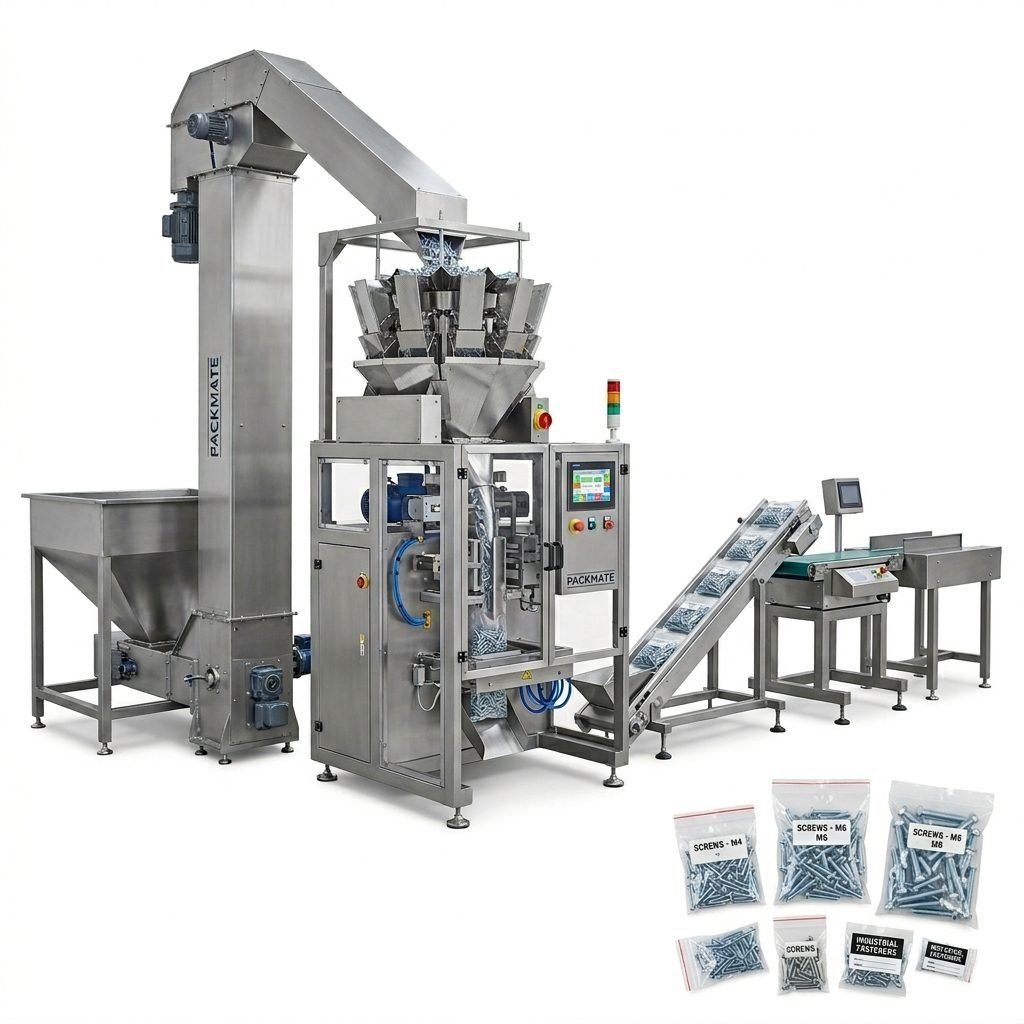
Stand-up Pouches: Popular for retail, these offer excellent shelf presence and resealability. Machines for this format typically involve form-fill-seal (FFS) technology, creating the pouch from a roll of film, filling it, and sealing it in one continuous process. This is highly efficient for medium to high-volume production.
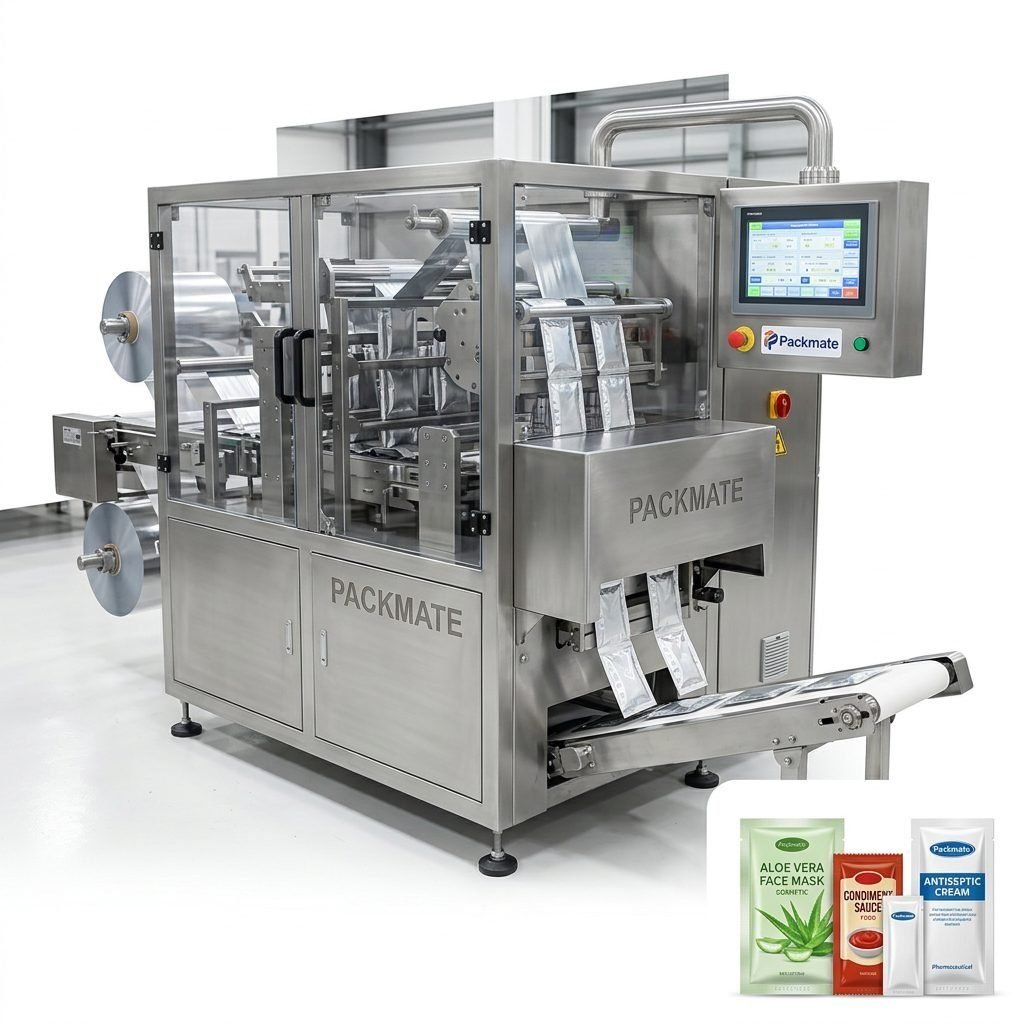
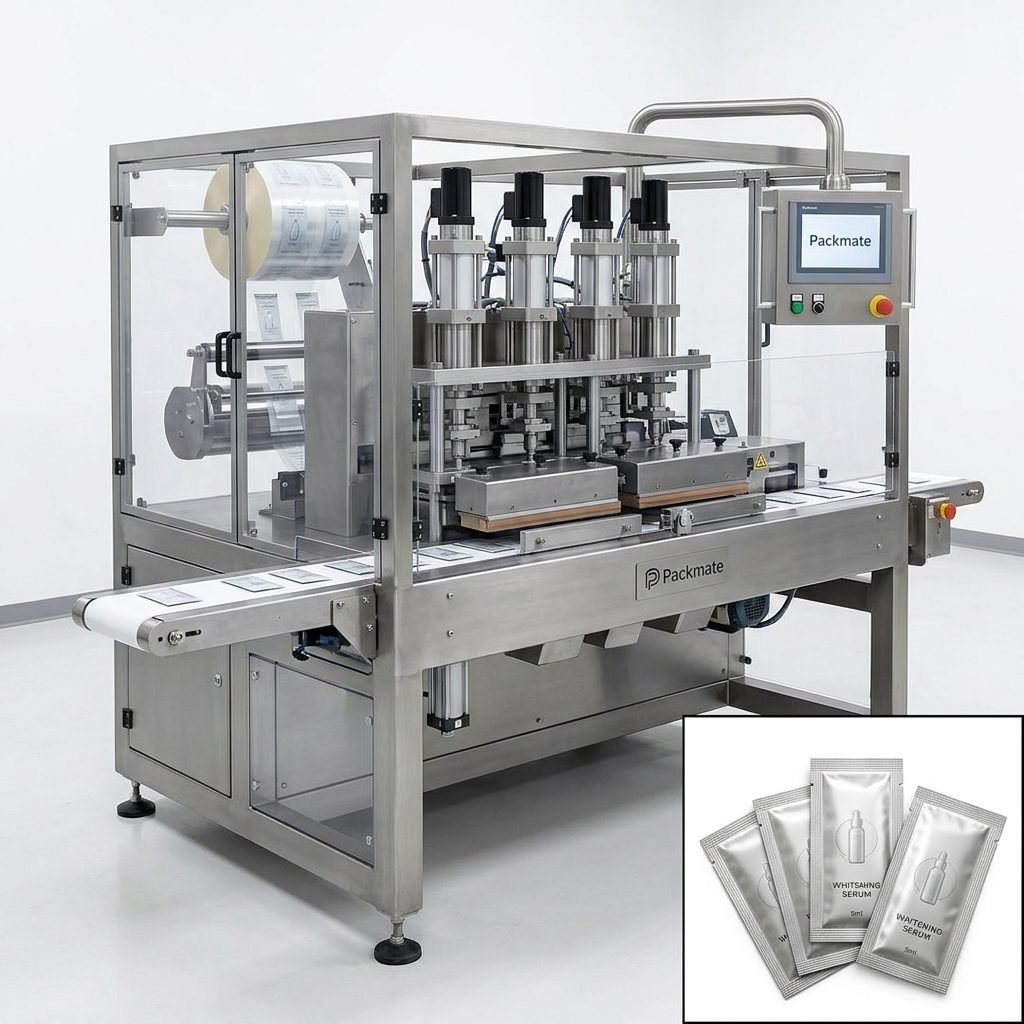
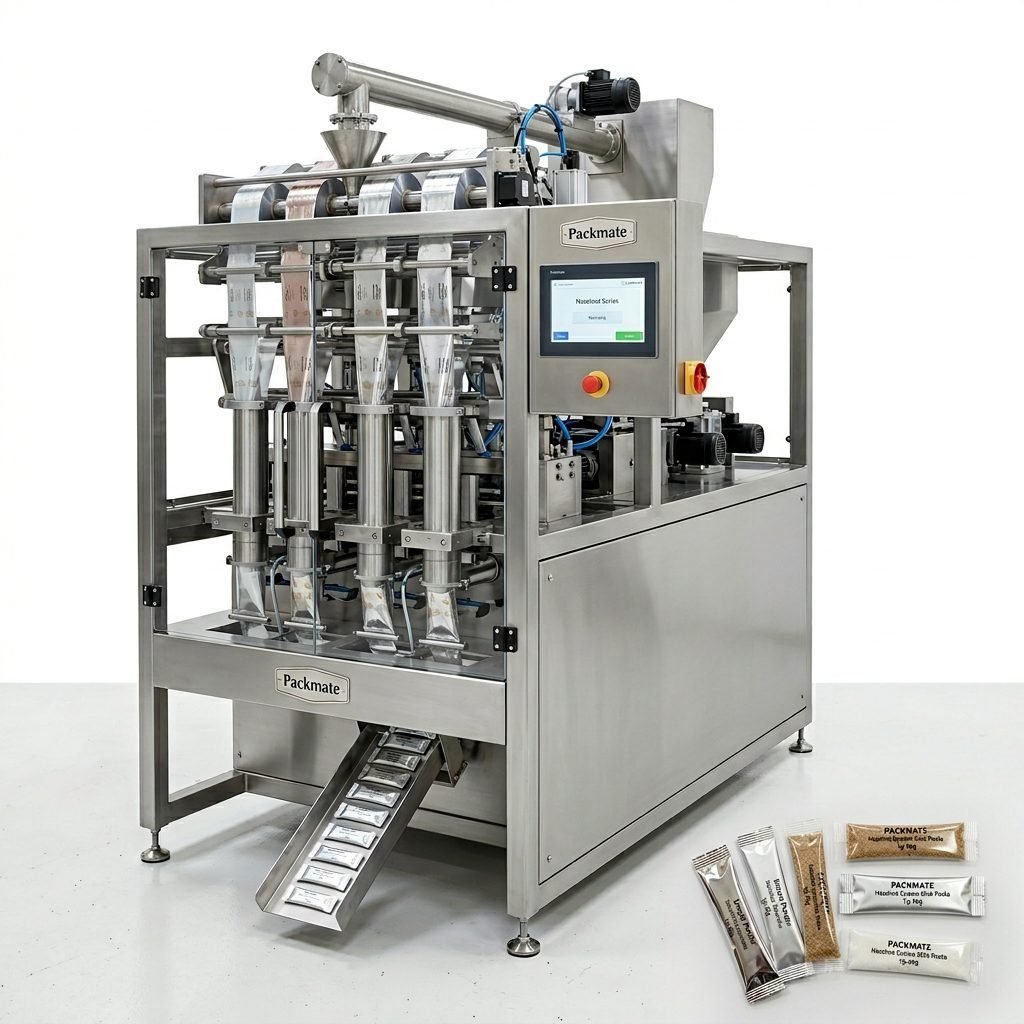
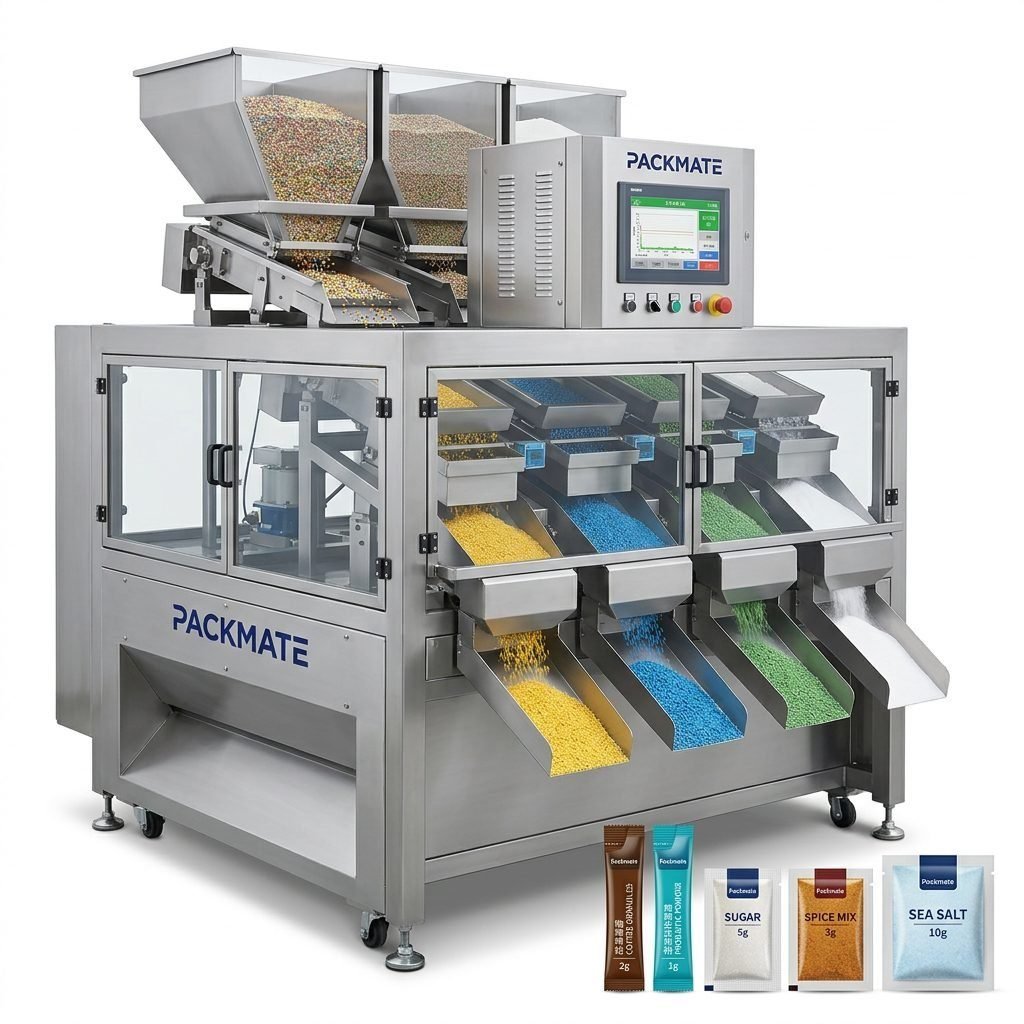
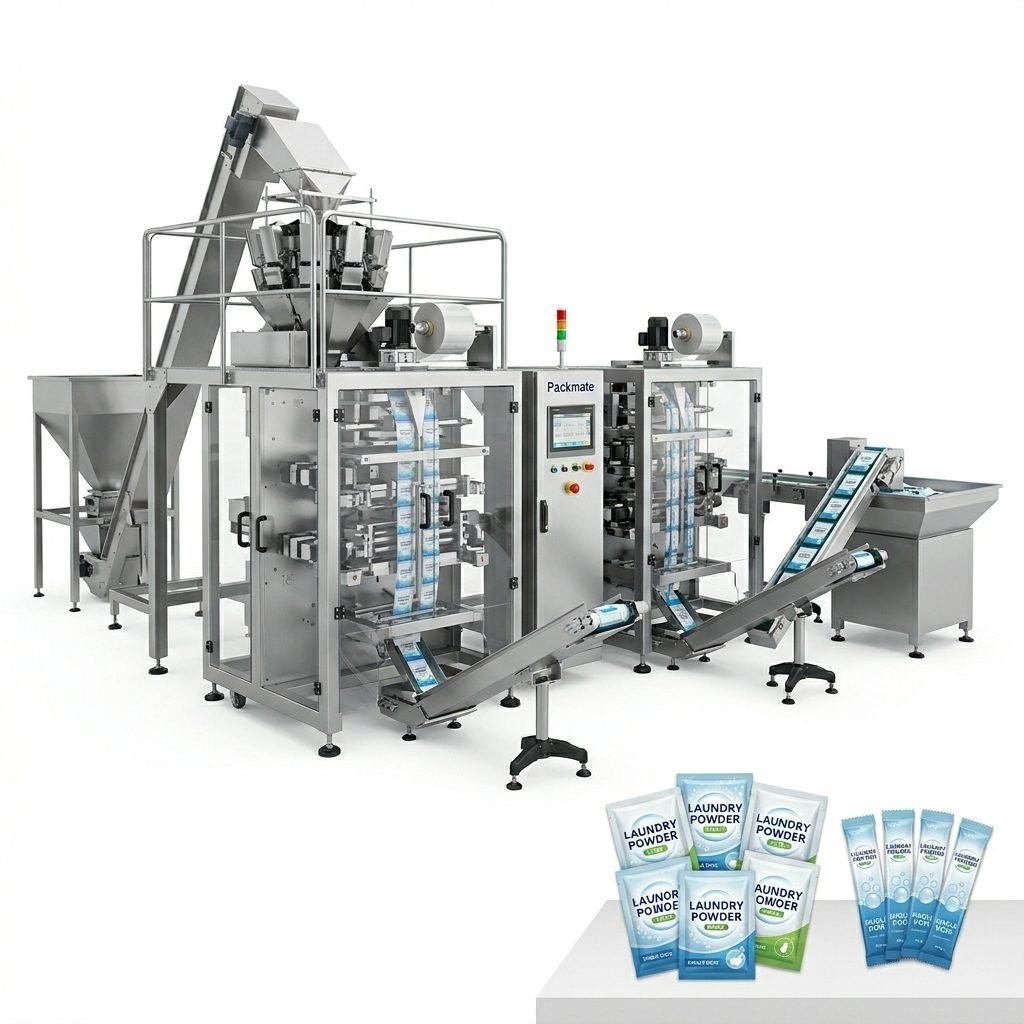
Flat Pouches & Sachets: Often used for single-serve portions or subscription boxes. Sachet packaging machines are perfect for this, offering high-speed, multi-lane production. They are compact and ideal for maintaining portion control.
For producers looking to diversify, a machine capable of handling multiple formats provides valuable flexibility for future product lines.
2. Production Speed and Output Requirements
Your required output directly dictates the machine’s capability. Speeds are measured in packs per minute (PPM).
- Low-Volume/Artisanal (10-30 PPM): Ideal for start-ups or small batches. These machines are often semi-automatic, requiring some manual loading but providing an affordable entry point.
- Mid-Volume (30-100 PPM): Suitable for growing businesses. Automatic bag and pouch packaging machines fall into this range, offering a good balance of speed and investment.
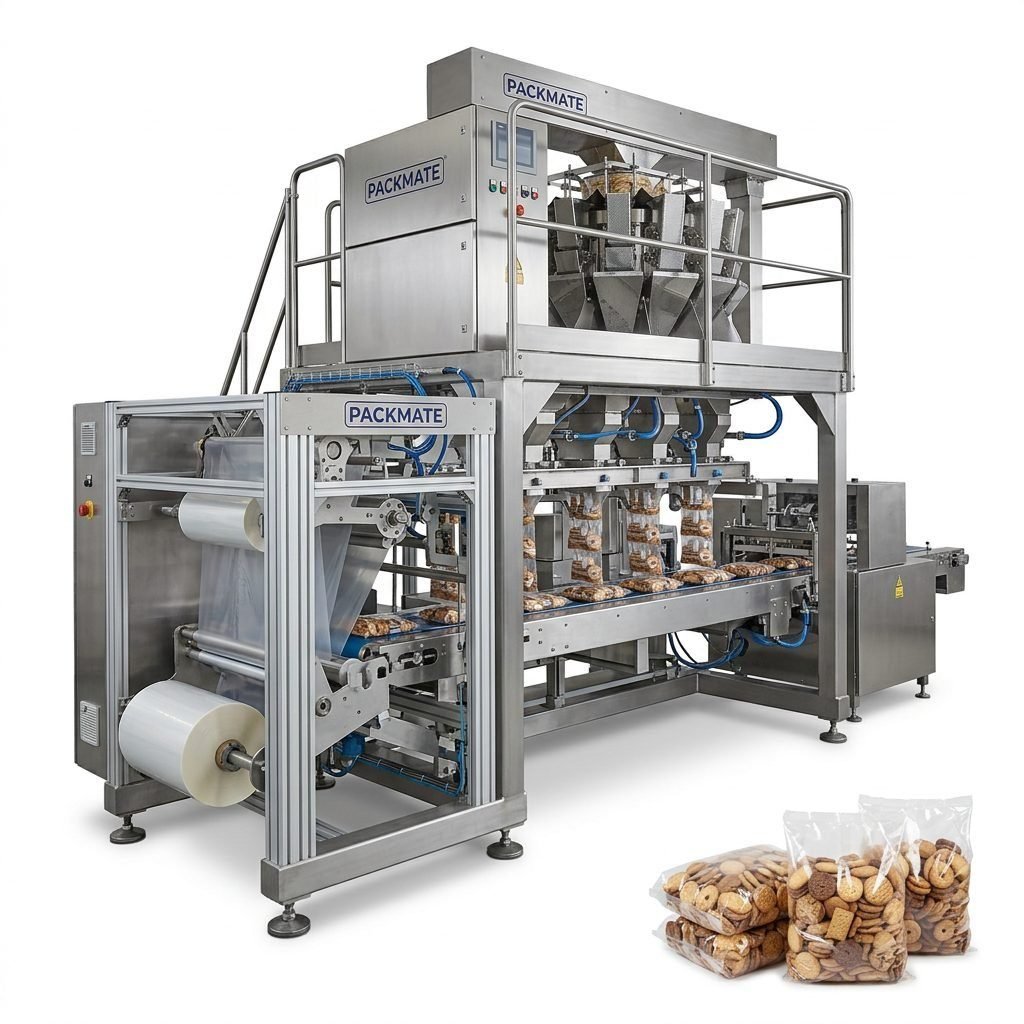
- High-Volume (100+ PPM): Necessary for large-scale distribution. This often involves integrated weighing and packaging systems with multi-head weighers and high-speed FFS machines for unparalleled efficiency.
3. Product Characteristics and Handling
Beef jerky can be oily, sticky, and vary in size and shape. The machine must handle these characteristics gently yet precisely.
Gentle Handling: Look for machines with soft-drop mechanisms or vibratory trays that align product without damaging pieces.
Oil & Dust Management: The machine should have easy-clean surfaces and designs that minimize residue buildup, which is crucial for food safety and maintenance.
Accurate Filling: Whether using volumetric cups, auger fillers, or precision scales, consistent weight is critical for cost control and regulatory compliance.
Types of Packaging Machines for Beef Jerky
Understanding the core technologies available will help you narrow your search.
Vertical Form-Fill-Seal (VFFS) Machines
The workhorse of the industry. A VFFS machine uses a roll of flat packaging film, forms it into a tube, fills it with product, and then seals and cuts it into individual bags. It’s incredibly versatile for producing stand-up pouches, flat bags, and gusseted bags. Modern VFFS machines offer advanced features like nitrogen flushing for extended shelf life, which is perfect for preserving jerky’s quality.
Pre-Made Pouch Machines
These machines automate the filling and sealing of pre-manufactured pouches. This is an excellent option if you have a unique, custom-printed pouch design that cannot be made from a roll. They typically involve a robotic arm that opens the pouch, presents it to a filler, and then transfers it to a sealer. While slightly slower than VFFS, they offer superior flexibility in pouch material and design.
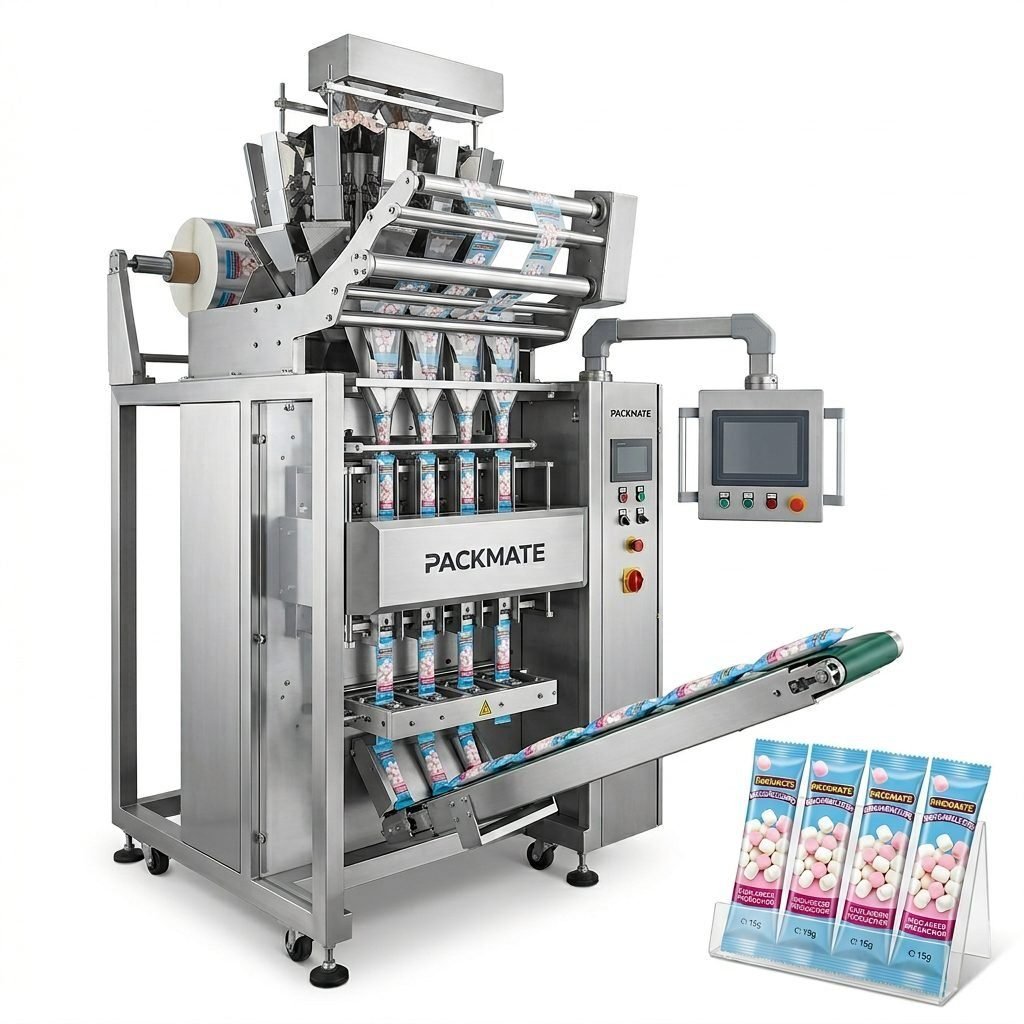
Stick Pack and Sachet Machines
For single-serve portions, stick pack machines are unbeatable. They create long, narrow packets from roll film at very high speeds. Similarly, sachet machines produce small rectangular packets. Companies like Packmate Machinery, with over 30 years of expertise, specialize in high-speed, multi-lane sachet and stick pack lines that can dramatically increase output for portion-controlled jerky products.
Enhancing Efficiency with Integrated Systems
For maximum efficiency, the packaging machine is just one node in a larger system. Integrating it with upstream and downstream equipment creates a seamless production line.
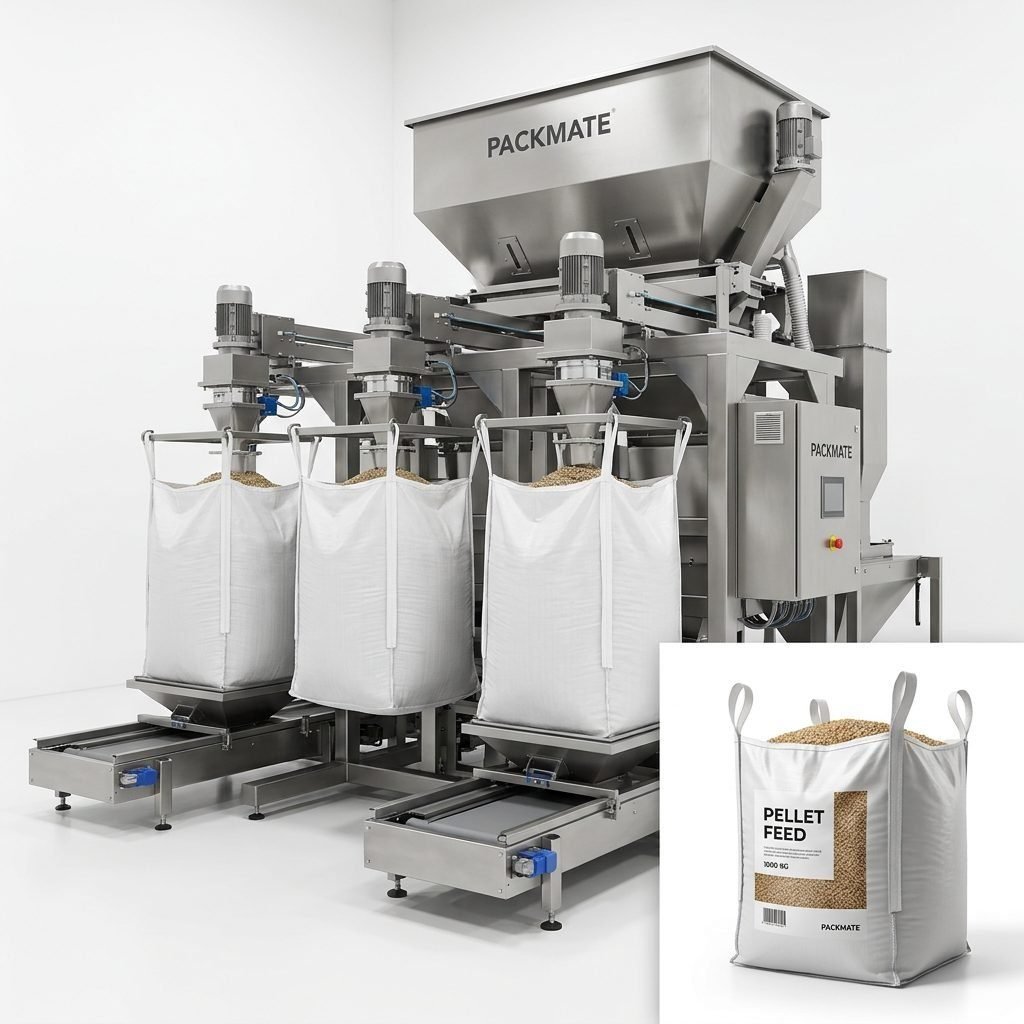
Upstream Integration: This includes automated weighing systems that portion the jerky accurately before it enters the bagger. Complete filling and packaging lines often combine these elements, ensuring a smooth, continuous flow from bulk product to finished pack.
Downstream Integration: After packaging, products can be automatically collated, cartoned, and palletized. Adding auxiliary equipment like checkweighers and metal detectors provides critical quality control without slowing the line.
Investing in an integrated, turnkey solution from a trusted provider minimizes compatibility issues, reduces labor, and optimizes the entire production workflow from start to finish.
The Importance of a Reliable Partner
Choosing a machine is also about choosing a manufacturer. A partner with a strong track record in the food industry is invaluable. For instance, Packmate Machinery operates a 20,000㎡ modern facility and has developed over 50 machine models, demonstrating deep R&D and manufacturing capability. Their focus on quality, innovation, and providing complete solutions ensures you get a machine built for durability and supported by expert service. This long-term support is crucial for minimizing downtime and maintaining efficient production for years to come.
Frequently Asked Questions (FAQs)
What is the average cost of a beef jerky packaging machine?
Costs vary widely based on automation, speed, and features. Semi-automatic machines start around $10,000, while fully automated, high-speed integrated lines can exceed $100,000. It’s best to discuss your specific needs with a manufacturer for an accurate quote.
Can one machine handle different flavors or package sizes?
Many modern machines offer quick-change features for different pouch sizes or film rolls. However, switching between vastly different products (e.g., from small pieces to large strips) may require adjustments to feeding systems. Discuss your flexibility requirements with the supplier.
How important is nitrogen flushing for beef jerky packaging?
Nitrogen flushing is highly recommended. It removes oxygen from the package, which slows oxidation and rancidity, inhibits microbial growth, and helps maintain the jerky’s texture and flavor, significantly extending its shelf life.
What kind of maintenance do these machines require?
Regular daily cleaning is essential. Periodic maintenance includes lubricating moving parts, checking and replacing seals and wear parts, and calibrating scales. A good supplier will provide a detailed maintenance schedule and training.
Where can I see these machines in action or get a sample test?
Reputable manufacturers like Packmate often have showrooms or factory facilities for live demonstrations. They also typically offer pilot testing services, where you can send your product to be run on their equipment to verify performance before purchase.