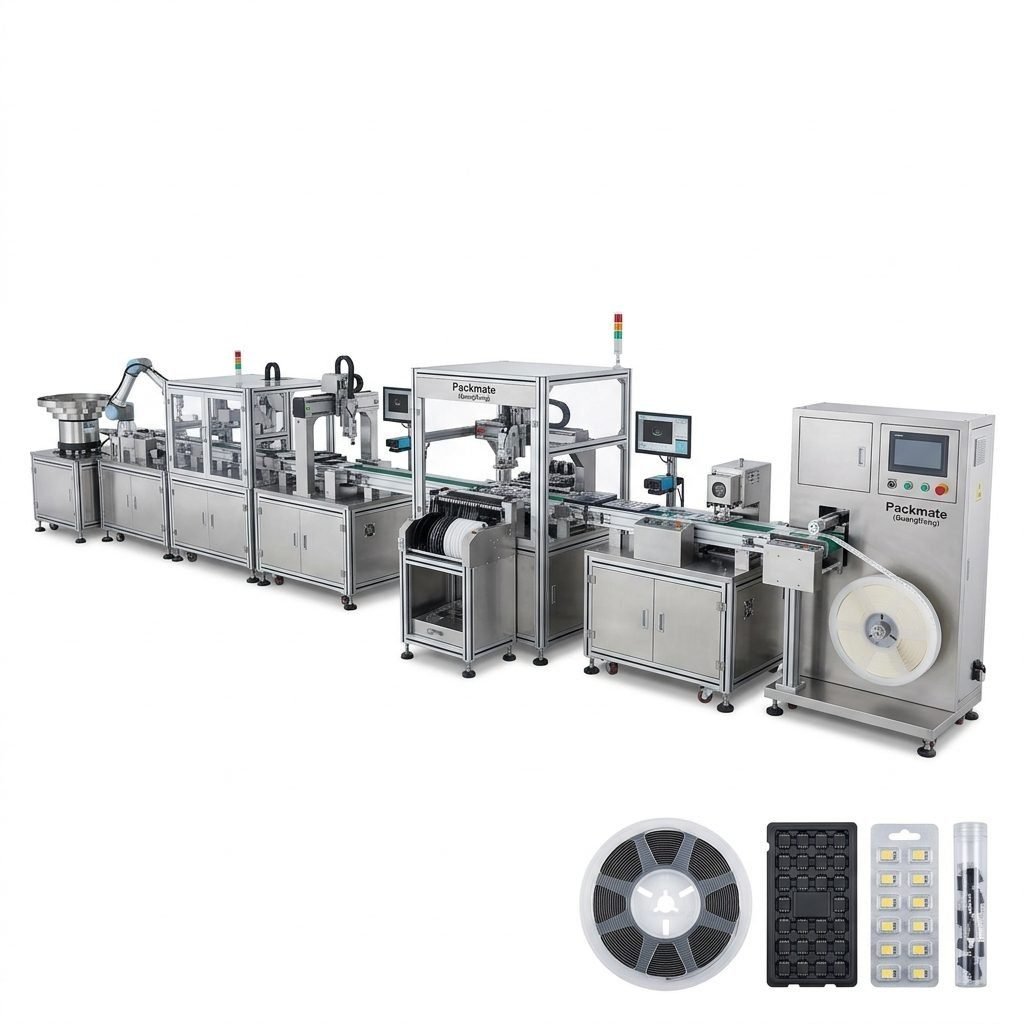
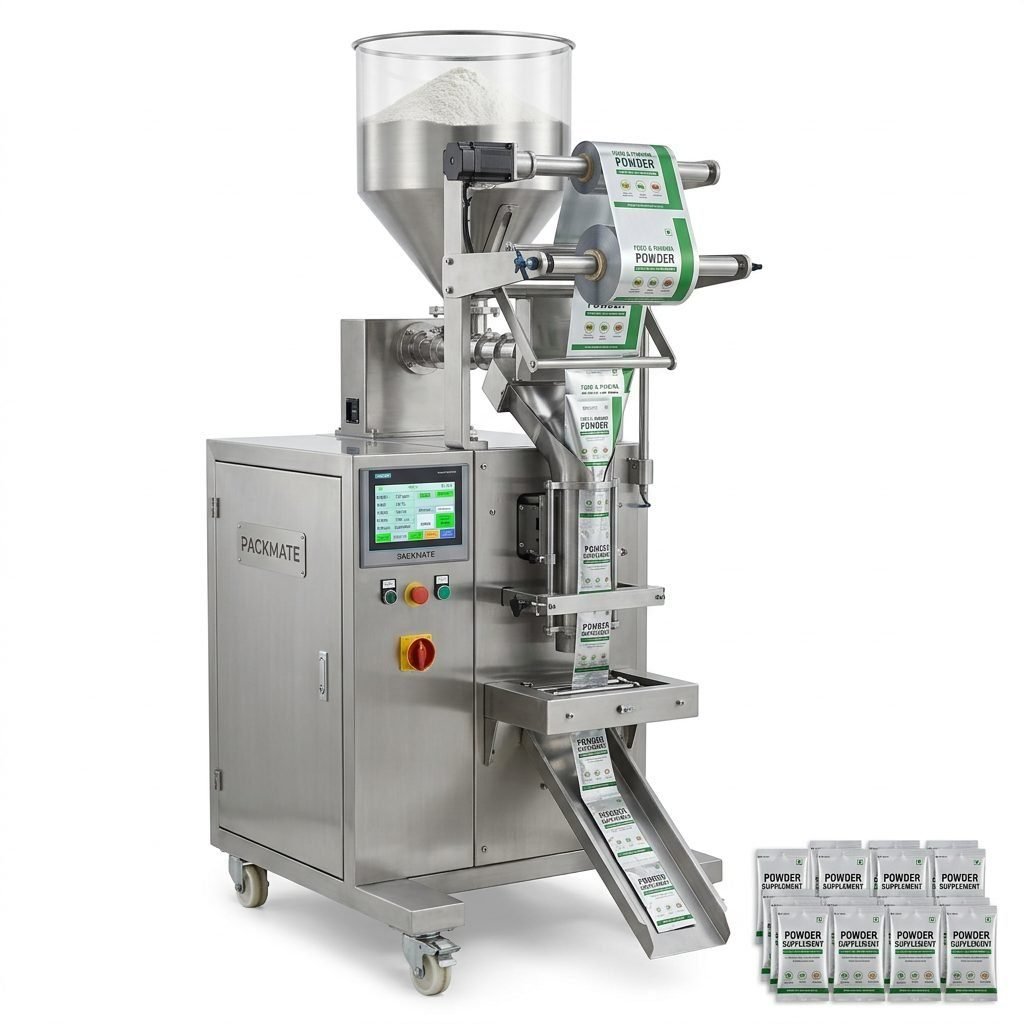
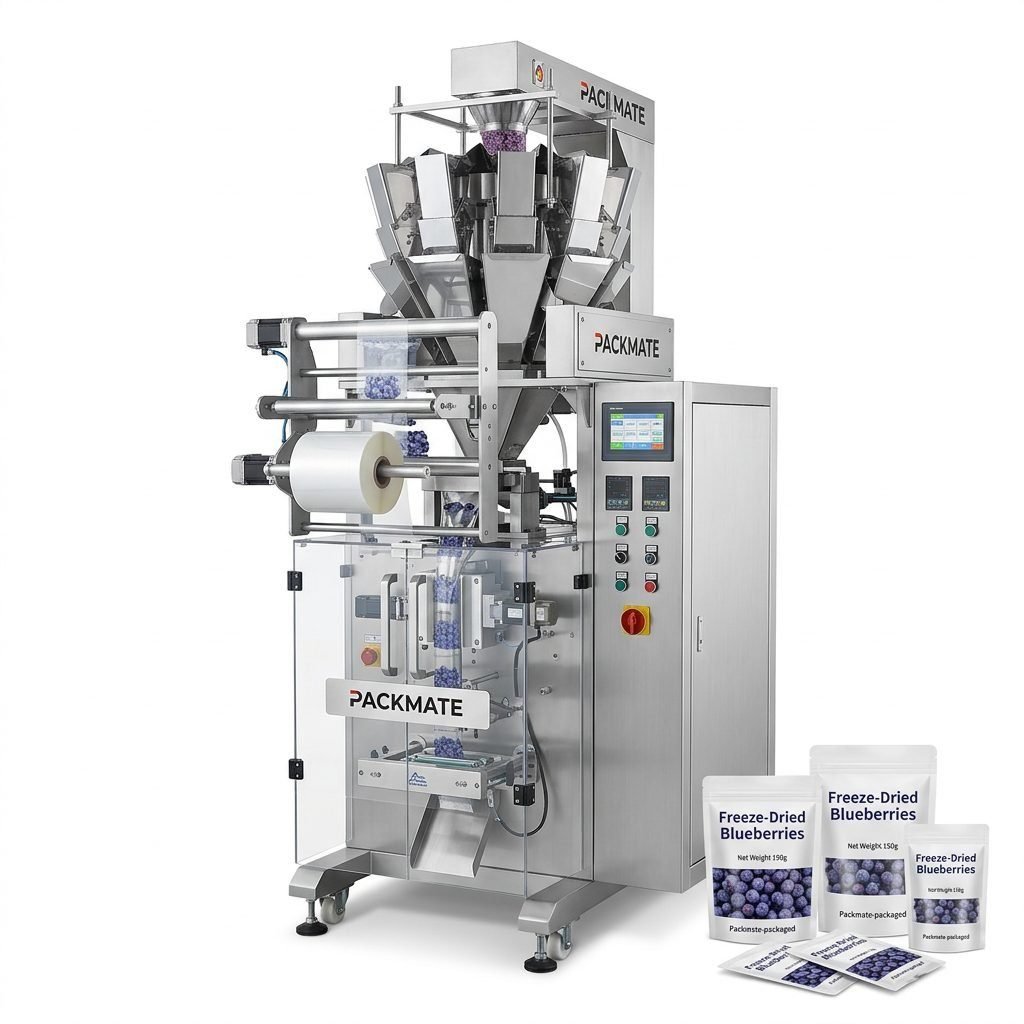
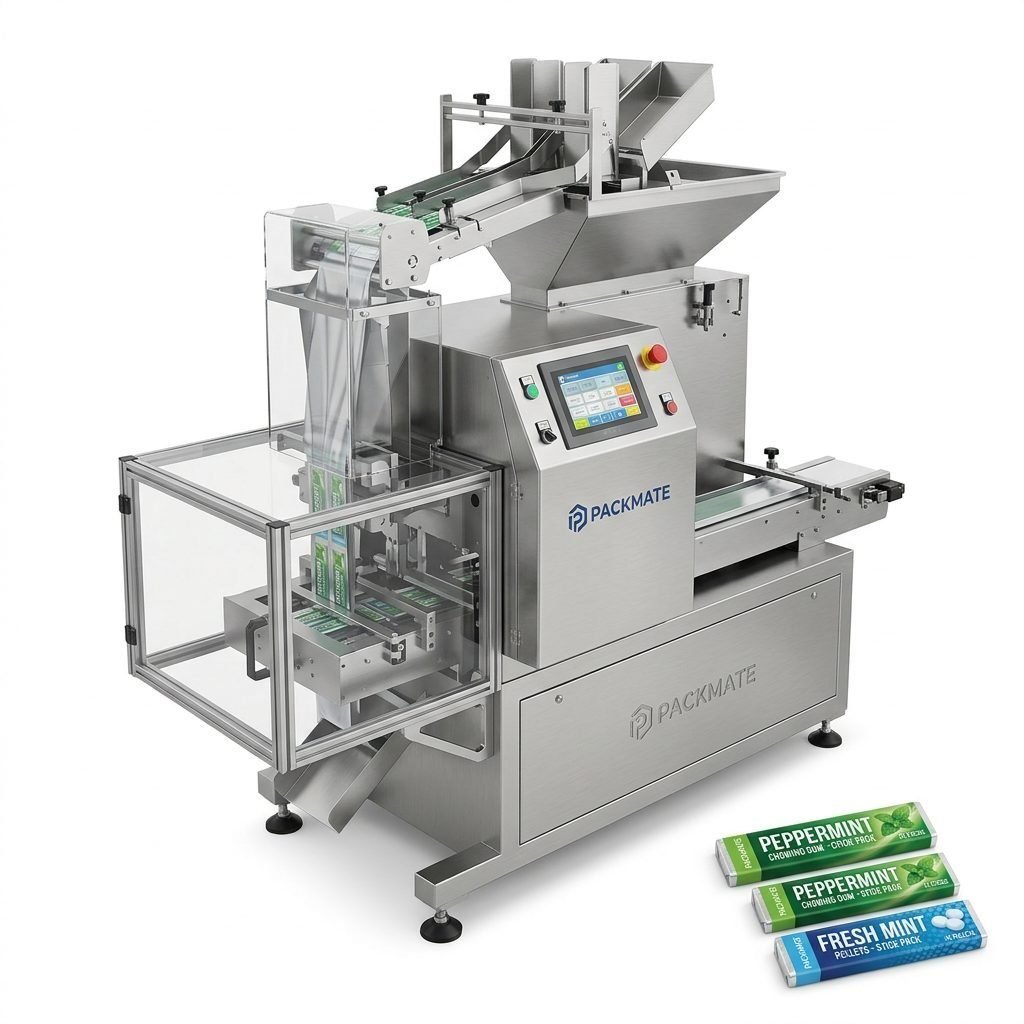
In the fast-paced world of modern manufacturing, efficiency, hygiene, and product integrity are paramount. For businesses packaging powders, granules, or liquids—from instant coffee and protein supplements to pharmaceuticals and spices—the choice of packaging technology can define operational success. Among the most sophisticated and reliable solutions available today is the Vertical Fill Form and Seal (VFFS) packaging machine. This ultimate guide delves into the workings, benefits, applications, and selection criteria for these versatile machines, providing a comprehensive resource for industry professionals.
What is a Vertical Fill Form and Seal Machine?
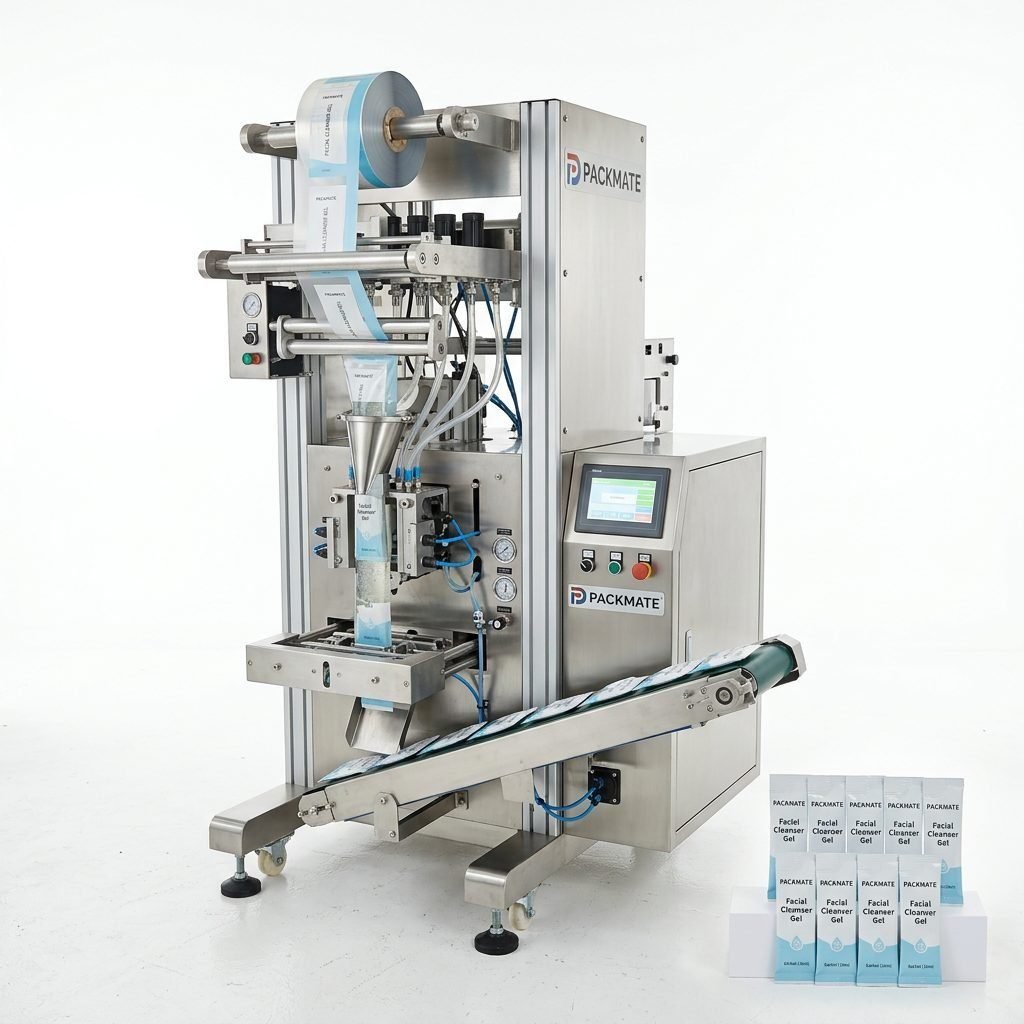
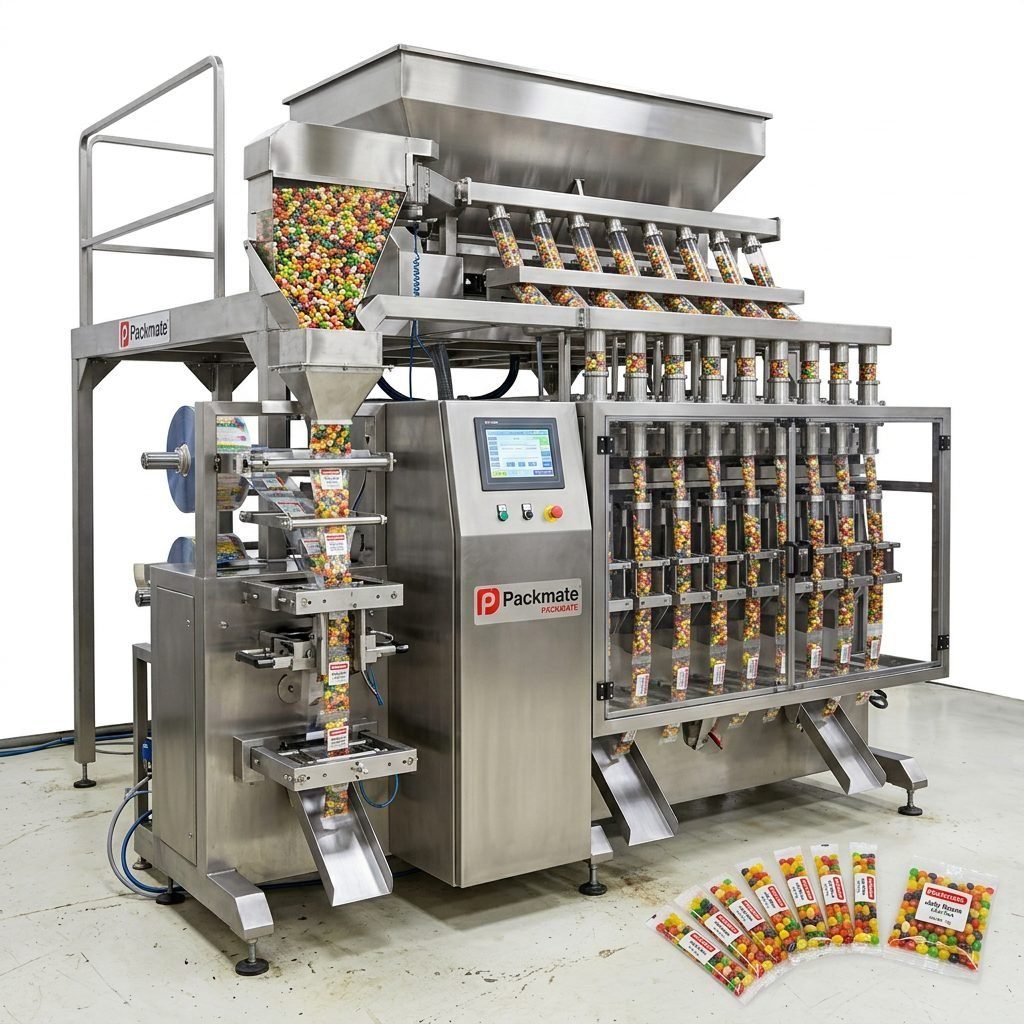
A Vertical Fill Form and Seal machine is an automated packaging system designed to create bags from a roll of flat packaging film, fill them with a precise amount of product, and then seal them—all in a continuous, vertical process. Unlike horizontal systems, the VFFS machine operates with the film traveling vertically, making it exceptionally space-efficient and ideal for free-flowing products. The core principle involves forming a tube from the flat film, sealing the bottom, dispensing the product, and then sealing the top before cutting the finished pouch free.
The “form-fill-seal” cycle is the heart of the VFFS operation. It begins with the film being pulled from the roll and shaped over a forming collar into a vertical tube. A longitudinal seal bonds the film edges. A pair of sealing jaws then creates the bottom transverse seal of the first bag and the top seal of the previous bag simultaneously, with the product being dropped into the tube in between. Finally, the jaws separate, and the completed bag is cut off, ready for collection.
Key Components and Their Functions
Understanding the machine’s anatomy is crucial for operation and maintenance. The major components include:
Film Unwind & Tension System: Holds and dispenses the roll of packaging material (like laminates or co-extruded films) with controlled tension to ensure smooth, consistent feeding.
Forming Collar: A critical tool that guides the flat film into a consistent, seamless tube shape. Its design varies based on bag style.
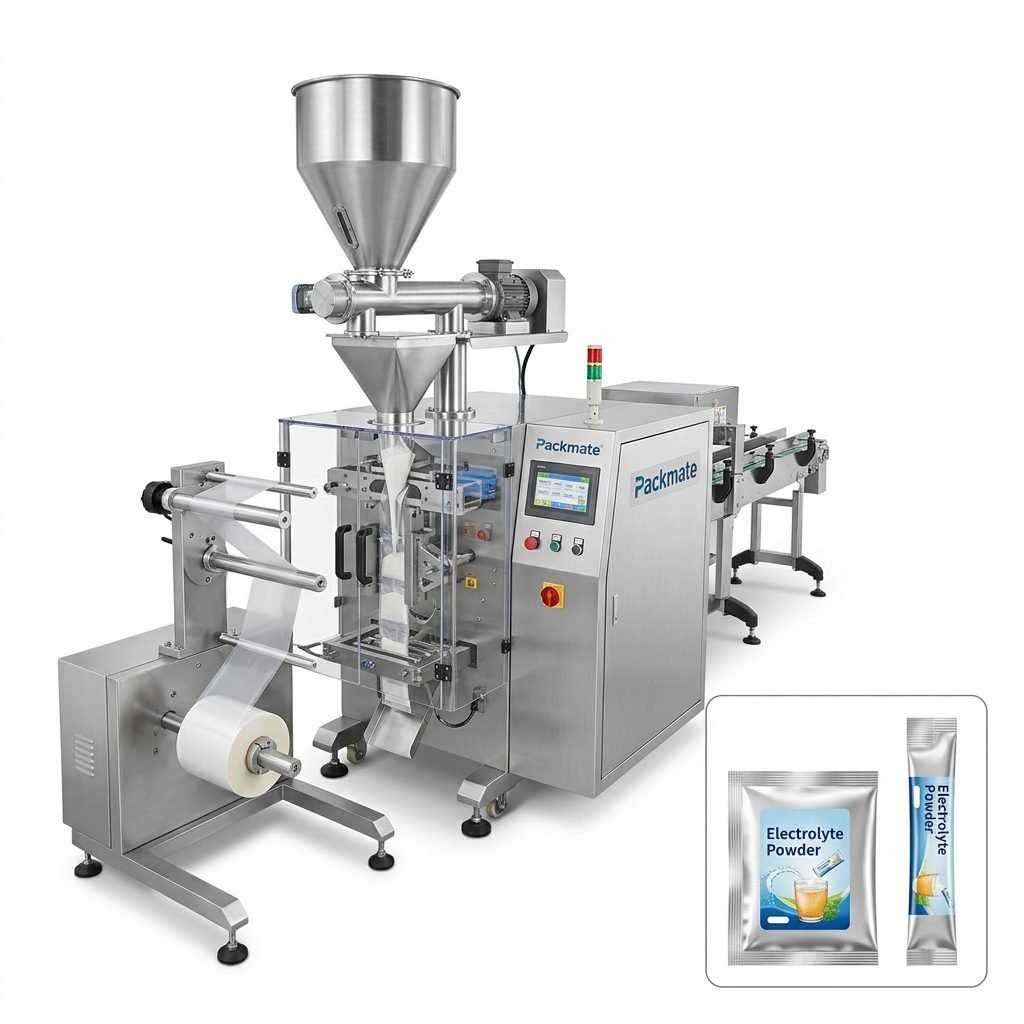
Dosing System: This is the filling heart of the machine. It can be a volumetric cup, auger screw for powders, liquid pump, or even a high-accuracy weighing system for premium products.
Sealing Jaws: Heated jaws that create the airtight transverse seals. They are often coated with non-stick materials like Teflon and are precisely controlled for temperature and pressure.
Control System: The programmable logic controller (PLC) and human-machine interface (HMI) panel allow operators to set parameters like bag length, seal time, temperature, and production speed.
Why Choose a VFFS Packaging Machine?
The adoption of VFFS technology brings a multitude of advantages that directly impact the bottom line and product quality.
Superior Efficiency and Speed: Modern VFFS machines can produce dozens to hundreds of bags per minute, dramatically outpacing manual or semi-automatic methods. This high throughput is essential for meeting large-scale production demands.
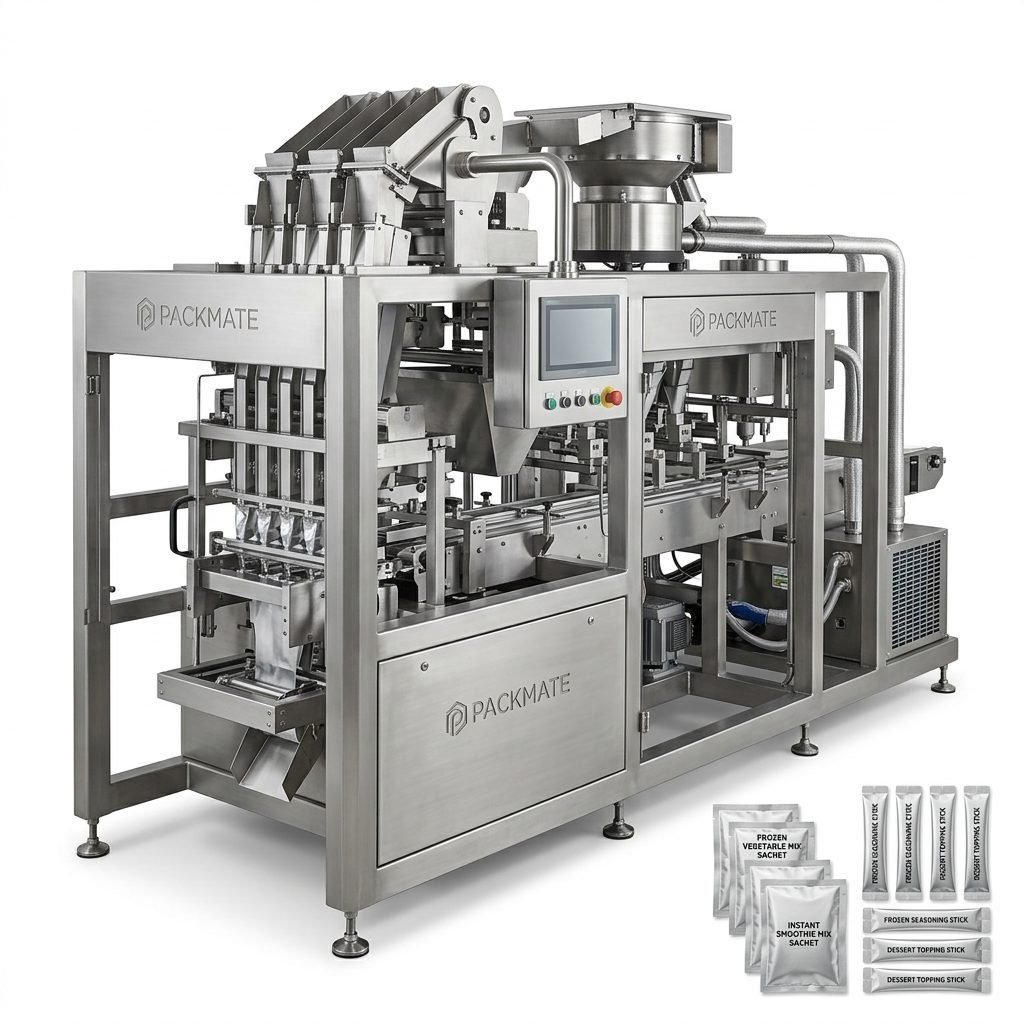
Remarkable Versatility: A single VFFS machine can often handle a wide range of products—powders, granules, liquids, pastes, and small solids—by simply changing the dosing system and film type. It can also produce various bag styles like pillow bags, gusseted bags, or bags with zippers.
Enhanced Product Protection: The process forms the package around the product in a controlled environment, minimizing exposure to air, moisture, and contaminants. This is vital for preserving freshness, flavor, and shelf life, especially in the food and pharmaceutical sectors.
Significant Material Savings: Using film from a roll reduces material waste compared to pre-made bags. The machine can be precisely tuned to minimize seal areas and trim excess film, optimizing material usage and reducing packaging costs.
Space-Saving Design: The vertical footprint is compact, allowing it to fit into existing production lines without requiring extensive floor space reorganization.
Real-World Industry Applications
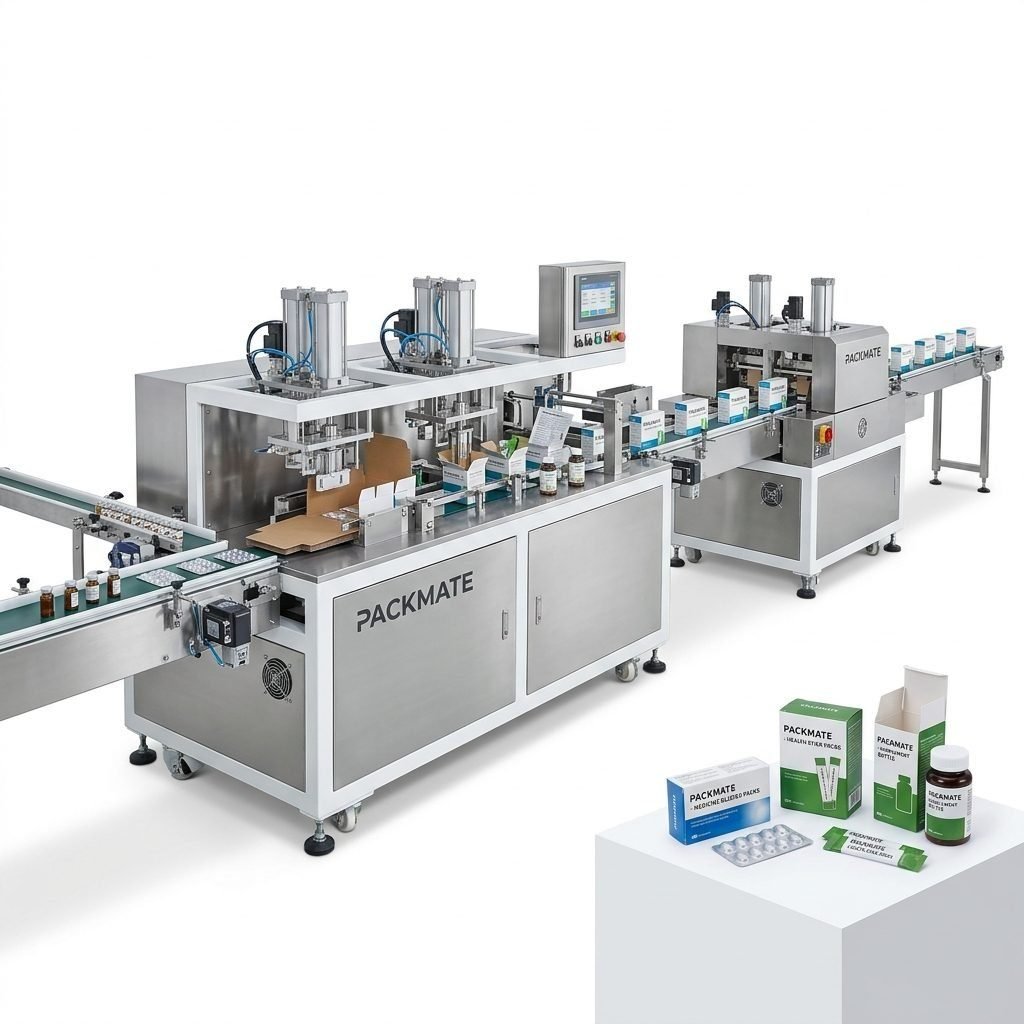
The utility of VFFS machines spans countless industries. In the food industry, they package snacks, pasta, coffee, spices, and frozen vegetables. In pharmaceuticals, they are used for powder drugs, herbal supplements, and medical salts. The chemical and agricultural sectors rely on them for fertilizers, pesticides, and detergents. Even niche markets like pet food and hardware (screws, nails) benefit from their efficiency. For specialized needs like single-serve condiments or supplements, they are the core of sachet and stick pack production lines.
Choosing the Right VFFS Machine: A Buyer’s Checklist
Selecting a VFFS machine is a significant investment. Here are key factors to consider:
1. Product Characteristics: Define your product’s flowability, abrasiveness, hygroscopicity, and required fill accuracy. This determines the ideal dosing system (auger, pump, cup, scale).
2. Production Requirements: Calculate your required bags-per-minute speed and total daily output. Don’t forget to plan for future growth.
3. Packaging Material: The machine must be compatible with your chosen film (structure, thickness, sealing layer). Discuss this with both your film supplier and machine manufacturer.
4. Bag Specifications: Determine the required bag size range, seal type (e.g., fin seal, lap seal), and any special features like hang holes or tear notches.
5. Hygiene and Safety Standards: For food or pharmaceutical use, ensure the machine meets relevant standards (e.g., FDA, GMP) with easy-clean designs and food-grade contact surfaces.
6. Automation and Integration: Consider how the machine will fit into your line. Does it need to integrate with upstream feeders, downstream cartoners, or checkweighers? Look for machines with robust PLC controls and networking capabilities.
7. Manufacturer Support: The machine’s reliability is only as good as the support behind it. Partner with a reputable manufacturer known for quality, comprehensive service, and readily available spare parts.
The Role of a Trusted Manufacturer
The performance and longevity of your VFFS machine are intrinsically linked to the expertise of its manufacturer. A leader in this field, such as Packmate Machinery, brings invaluable advantages. With over 30 years of specialized experience in intelligent packaging for food, pharma, and health products, they understand the nuanced challenges of different industries. Their 20,000㎡ modern facility allows for rigorous testing and quality control, ensuring every machine, from standard models to complex bag & pouch packaging systems, is built for reliability. Choosing a partner with a proven track history of innovation and global support, as detailed on their Company Profile page, mitigates risk and secures your production line’s future.
Maintenance and Operational Best Practices
To maximize uptime and machine life, a proactive maintenance regimen is essential. Daily tasks include cleaning sealing jaws and film guides to prevent residue buildup and checking film roll alignment. Weekly inspections should cover the tension system, all drives and bearings for wear, and the accuracy of the dosing system. Regularly calibrating scales and temperature sensors is crucial for consistent quality. Always follow the manufacturer’s lubrication schedule and use only recommended materials. Training operators to recognize early signs of trouble, like uneven seals or film wrinkling, can prevent minor issues from becoming major downtime events.
Future Trends in VFFS Technology
The evolution of VFFS packaging continues, driven by Industry 4.0 and sustainability demands. Key trends include:
Smart Connectivity & IIoT: Machines are becoming nodes in the Industrial Internet of Things (IIoT), providing real-time data on OEE (Overall Equipment Effectiveness), predictive maintenance alerts, and remote diagnostics.
Advanced Vision Inspection: Integrated cameras now automatically check for seal integrity, print registration, and fill level, rejecting faulty bags without stopping the line.
Sustainable Packaging Compatibility: Manufacturers are developing machines that can reliably run newer, more sustainable monomaterial films and recyclable laminates, which can be more challenging to seal than traditional multi-layer films.
Enhanced Flexibility: Quick-changeover systems and recipe storage on the HMI allow producers to switch between different products and bag sizes in minutes, supporting smaller batch production runs.
Frequently Asked Questions (FAQs)
Q1: What is the typical speed range of a VFFS machine?
A: Speeds vary widely based on bag size, product, and machine model. Standard machines may range from 40 to 120 bags per minute (bpm), while high-speed models for simple products can exceed 200 bpm.
Q2: Can a VFFS machine handle both powders and liquids?
A: Yes, but it typically requires different dosing systems. A machine can be configured with an auger filler for powders and a pump filler for liquids. For frequent switching between vastly different product types, a modular design that allows for quick dosing unit changes is ideal.
Q3: How do I ensure consistent seal quality?
A: Consistent seals depend on three main factors: correct jaw temperature and pressure (set according to film specifications), clean and undamaged jaw surfaces, and proper film tension. Regularly monitoring and adjusting these parameters is key.
Q4: What kind of training is required for operators?
A: Reputable manufacturers provide comprehensive training covering machine operation, basic troubleshooting, routine maintenance, and safety procedures. This is usually conducted during installation and commissioning.
Q5: How important is after-sales service when purchasing a VFFS machine?
A: It is critically important. Look for a supplier that offers readily available spare parts, technical support via phone or remote access, and the availability of service engineers for on-site repairs. Good after-sales service minimizes costly production downtime.