In today’s fast-paced manufacturing landscape, efficiency is paramount. For businesses dealing with a high volume of products, from consumer goods to industrial components, the packaging process can become a significant bottleneck. Manual packaging is not only slow and labor-intensive but also prone to inconsistencies and errors. This is where cardboard box packaging machines step in as a game-changing solution. These automated systems streamline the entire process, from forming the box to sealing it shut, ensuring speed, precision, and reliability. This article explores the top types of cardboard box packaging machines designed to bring efficient automation to your production line.
The Critical Role of Automation in Modern Packaging
The shift towards automation in packaging is driven by several compelling factors. Firstly, it dramatically increases output speed, allowing businesses to meet higher demand without proportionally increasing labor costs. Secondly, automation ensures consistent quality. Every box is formed, filled, and sealed identically, reducing waste from errors and enhancing brand presentation. Thirdly, it improves workplace safety by reducing the need for repetitive manual tasks that can lead to strain injuries. For any business looking to scale operations, improve margins, and maintain competitive advantage, investing in automated packaging machinery is no longer a luxury—it’s a strategic necessity.
Key Benefits of Automated Box Packaging:
- Enhanced Productivity: Machines operate continuously at high speeds, far surpassing manual capabilities.
- Superior Consistency: Eliminates human error in box erection, folding, and sealing.
- Significant Labor Savings: Reduces dependency on large packaging crews, reallocating human resources to more complex tasks.
- Optimized Space Utilization: Automated systems often have a smaller footprint than manual packing stations for the same output.
- Data and Traceability: Modern machines can integrate with software to track production counts, downtime, and maintenance schedules.
Top Types of Cardboard Box Packaging Machines
The market offers a variety of machines tailored to different needs, from semi-automatic assistance to fully integrated lines. Understanding the capabilities of each is crucial for selecting the right fit for your operation.
1. Automatic Case Erectors and Sealers
These are the workhorses of high-volume operations. Automatic case erectors take flat corrugated blanks, form them into boxes, and bottom-seal them—all in one seamless motion. They are then conveyed to a packing station for manual or automatic product loading. Following this, automatic case sealers apply tape or hot melt glue to securely close the top flaps. This combination is ideal for end-of-line packaging where speed and hands-off operation are critical.
2. Robotic Case Packing Cells
For ultimate flexibility and gentle handling, robotic packers are unmatched. A robotic arm, equipped with specialized grippers or suction cups, picks products from a conveyor (like bottles, pouches, or bags) and places them into an awaiting carton in a pre-programmed pattern. These systems excel at handling multiple product shapes and sizes with quick changeover, making them perfect for mixed-SKU environments or fragile items. They represent the pinnacle of smart, adaptable automation.
3. Wrap-Around Case Packers
This highly efficient system uses a single corrugated sheet that literally wraps around a product or product grouping. It forms the bottom, sides, and top of the case in a continuous process, gluing the seams. Wrap-around packers offer excellent material savings and create a very snug, secure package that minimizes internal movement. They are exceptionally fast and commonly used for bundling cans, bottles, or other stable primary packages.
4. Tray Formers and Packing Systems
For retail-ready packaging or lighter-duty applications, tray-forming machines are essential. They create sturdy open-top trays from corrugated blanks. Products are then loaded into these trays, often with a clear film overwrap. This style of packaging is consumer-friendly, reduces material use compared to a full box, and provides excellent product visibility. They integrate seamlessly into lines packing food items, electronics, or pharmaceuticals.
Choosing the Right Machine: A Quick Guide
Selecting the optimal machine depends on your specific variables. Consider your production volume (low, medium, high), product type and fragility, required packaging speed (cases per minute), available factory floor space, and budget. A reputable supplier like Packmate Machinery can provide invaluable consultation. With over 30 years of expertise in building intelligent packaging equipment, they understand how to match machine capabilities to operational goals, whether you need a complete filling and packaging line or a standalone case sealer.
Integration and The Future of Packaging Lines
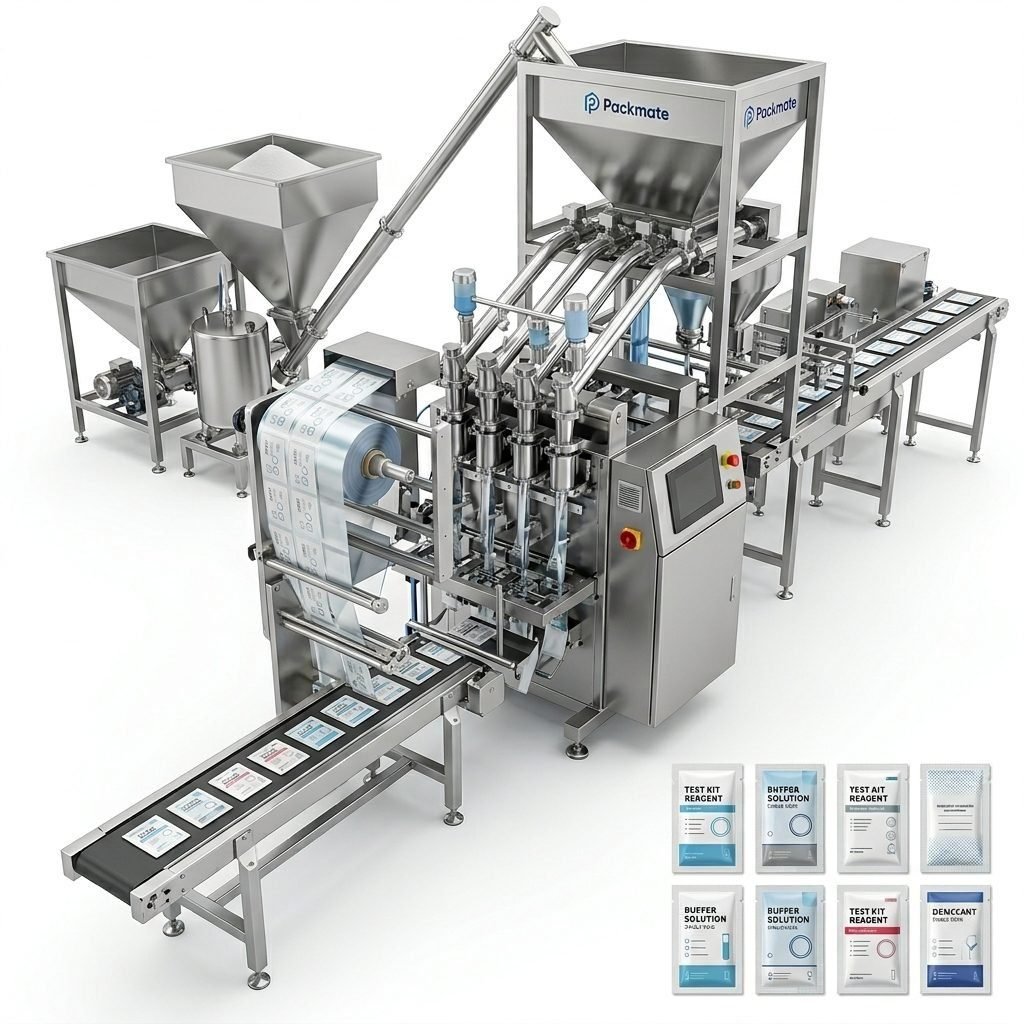
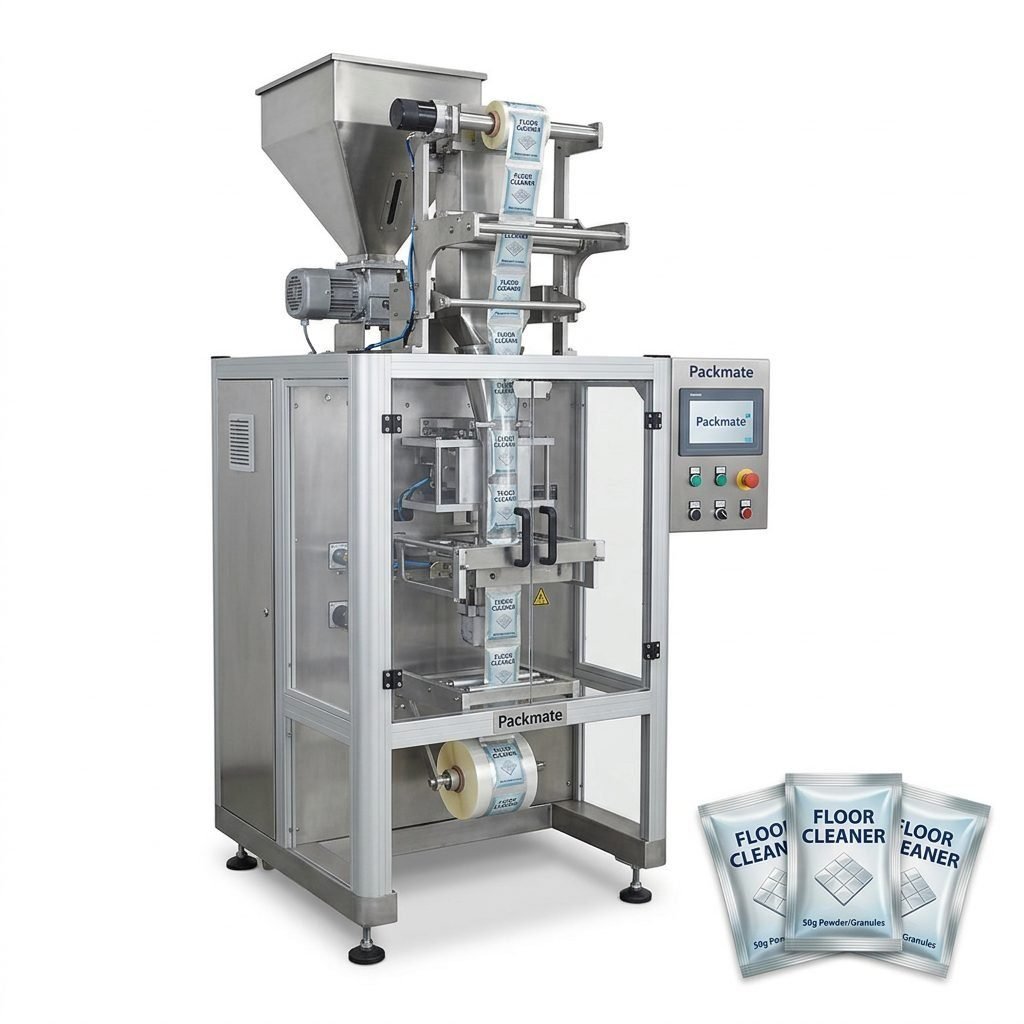
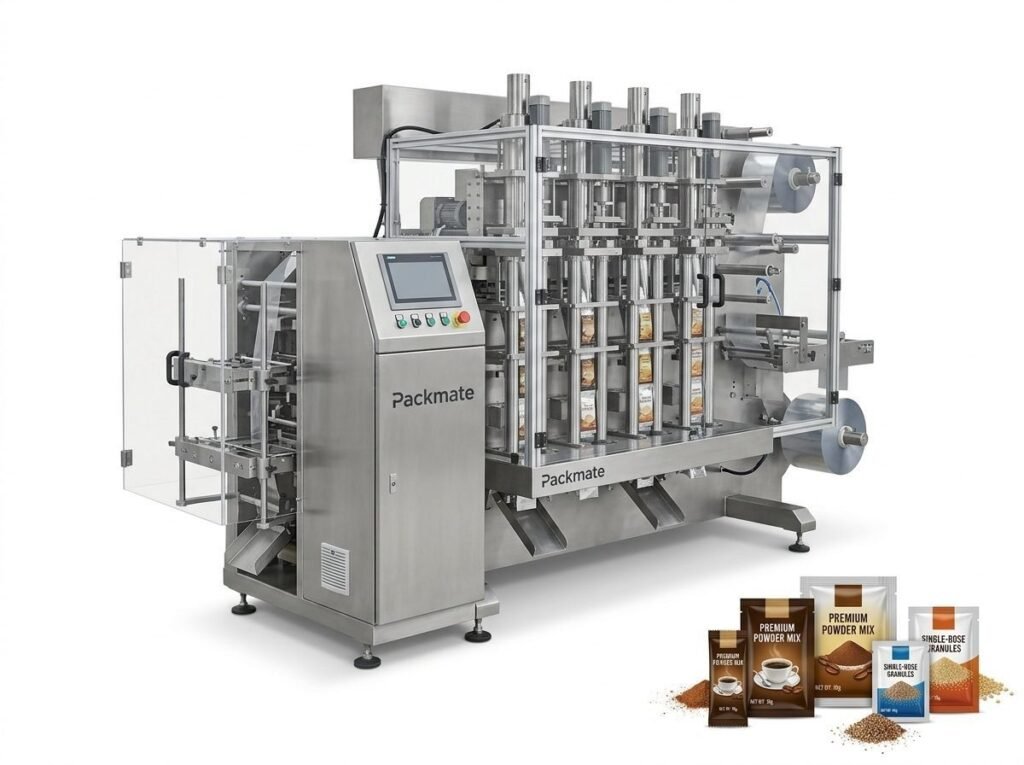
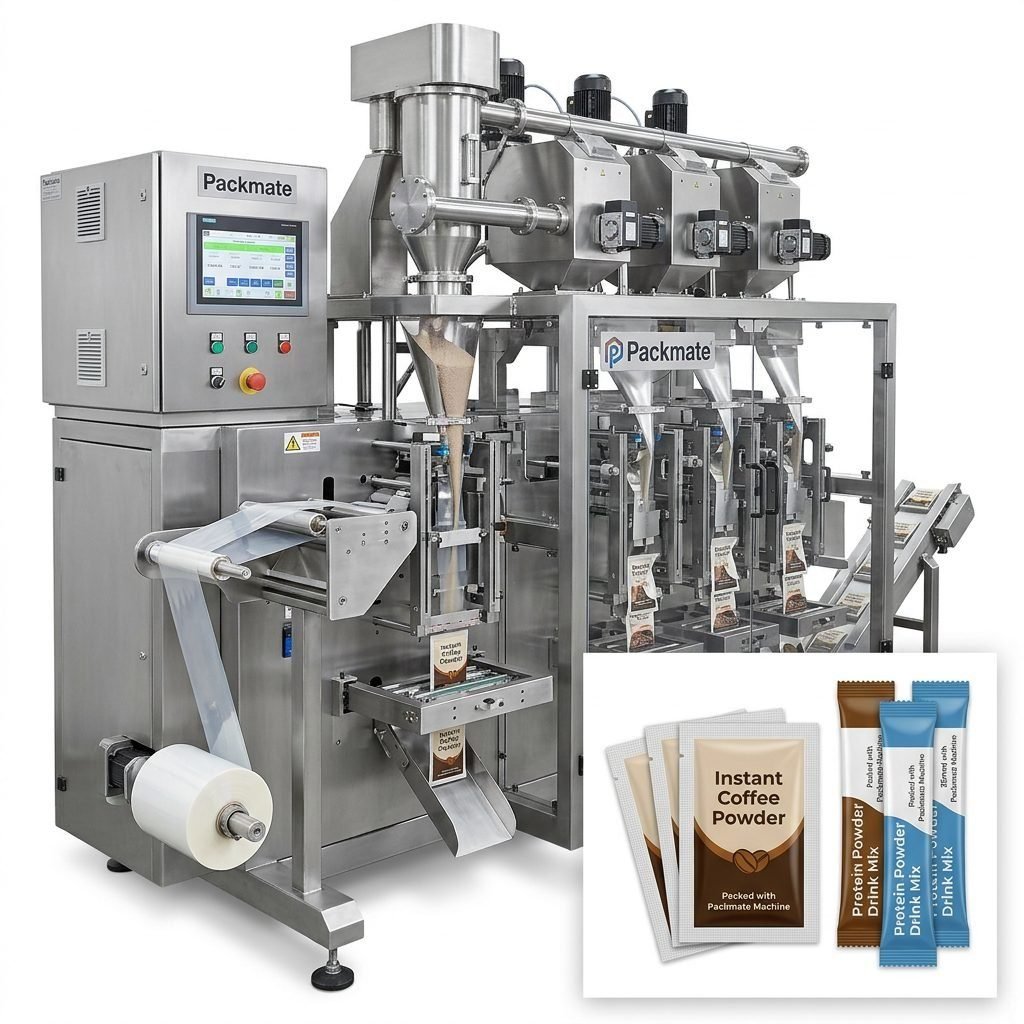
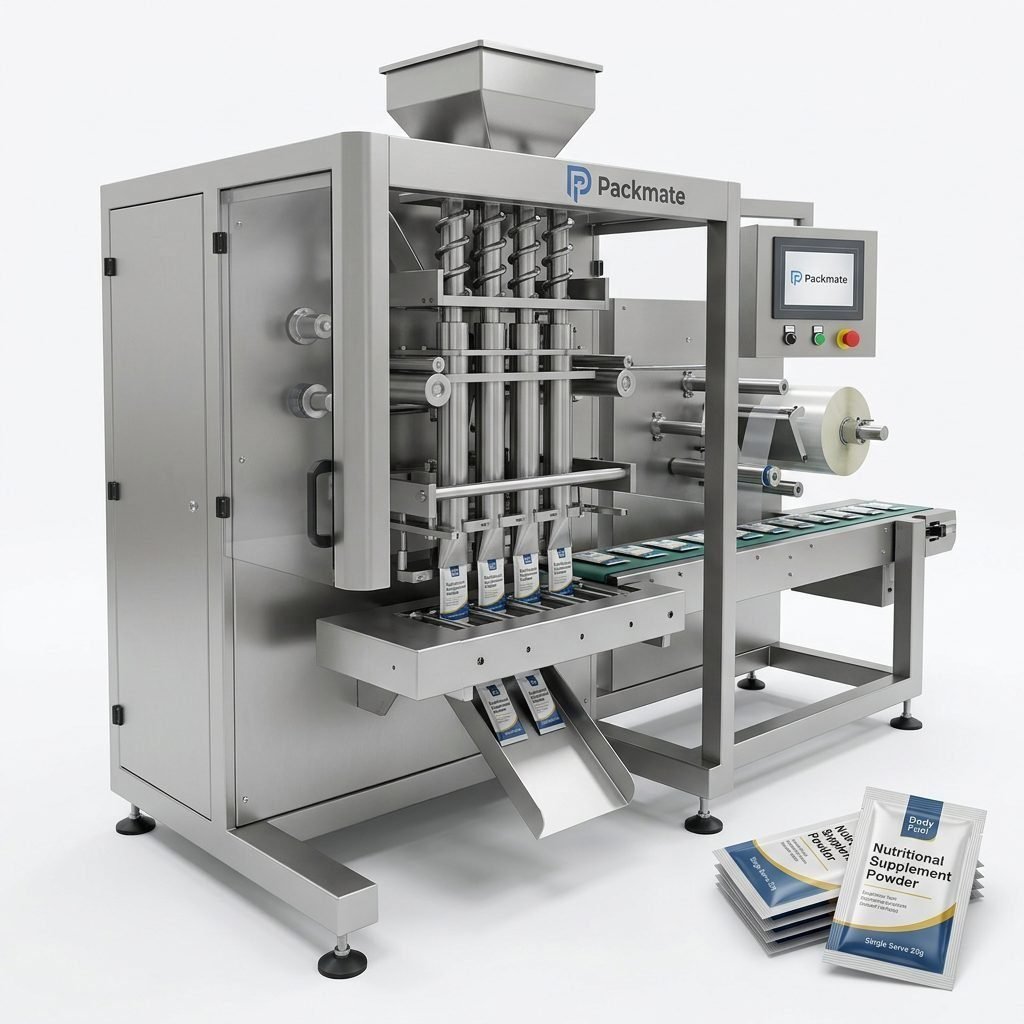
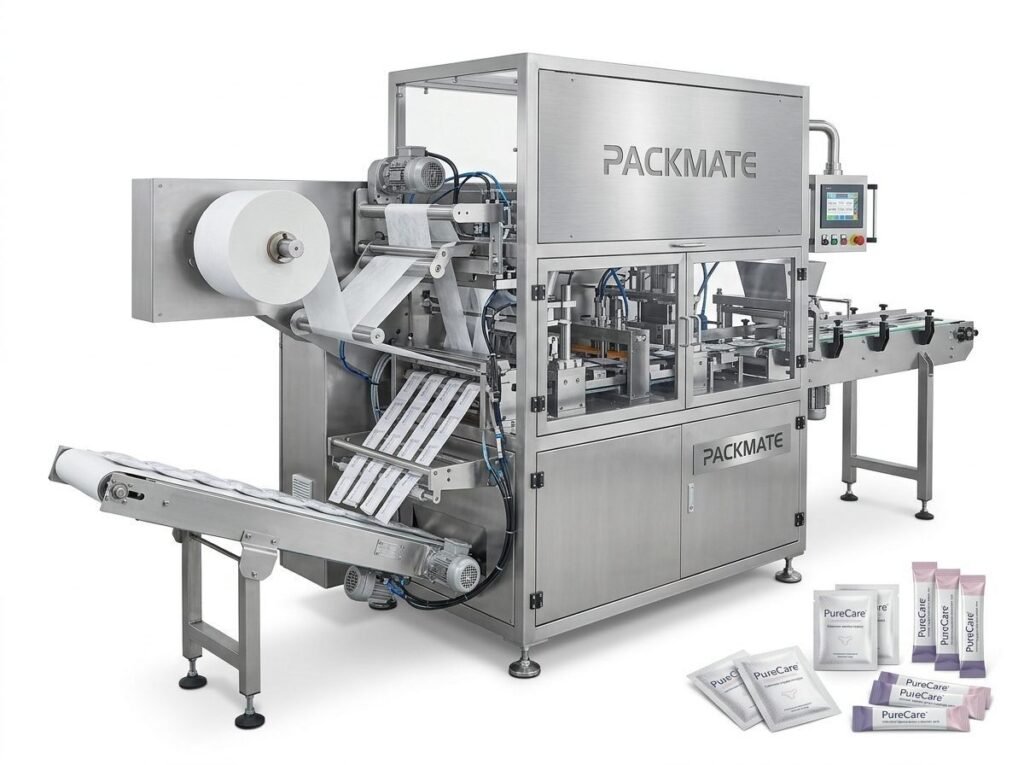
The true power of automation is realized not with standalone machines, but with integrated systems. A modern packaging line might begin with product filling via a sachet machine, move to collation, and then feed directly into a robotic case packer and automatic sealer. This end-to-end automation minimizes human touchpoints, maximizes throughput, and creates a cohesive data stream. The future points towards even greater connectivity (Industry 4.0), where machines self-diagnose issues, order their own replacement parts, and optimize their performance in real-time based on production data.
Implementing such a system requires a partner with deep technical knowledge and a proven track record. Companies that invest in robust, integrated automation today are building the resilient, efficient, and scalable production floors of tomorrow.
Frequently Asked Questions (FAQs)
1. What is the typical ROI (Return on Investment) for an automatic cardboard box machine?
ROI depends on factors like labor costs saved, production increase, and reduction in material waste. Many businesses see a full return on investment within 12 to 24 months due to dramatic gains in productivity and operational savings. A detailed analysis based on your current costs can provide a more precise forecast.
2. Can these machines handle different box sizes?
Yes, most modern machines are designed for quick changeover. Automatic case erectors and sealers often have adjustable guides and programmable settings. Robotic packers are the most flexible, as a new size simply requires a new program and possibly a tooling change on the gripper. Always discuss your size range requirements with the equipment manufacturer.
3. How much maintenance do automated packaging machines require?
Regular preventive maintenance is crucial for longevity and uptime. This typically includes daily cleaning, lubrication of moving parts, and inspection of wear components like sealing tapes, glue nozzles, or grippers. Most reputable suppliers offer comprehensive service and maintenance plans to keep your line running smoothly.
4. Are these machines suitable for small businesses or startups?
Absolutely. While large, fully integrated lines are for high-volume producers, there are many semi-automatic and compact automatic machines perfect for small to medium-sized businesses. They offer a vital middle ground, significantly boosting output and consistency without the capital outlay of a full robotic line. The key is to start with the automation that addresses your biggest bottleneck.
5. What should I look for in a machinery supplier?
Prioritize suppliers with a strong industry reputation, proven expertise (like Packmate’s 30+ years), and a portfolio of reliable machines. Look for excellent after-sales support, availability of spare parts, and training offerings. The right partner will not just sell you a machine but will help you implement a successful, long-term packaging solution.