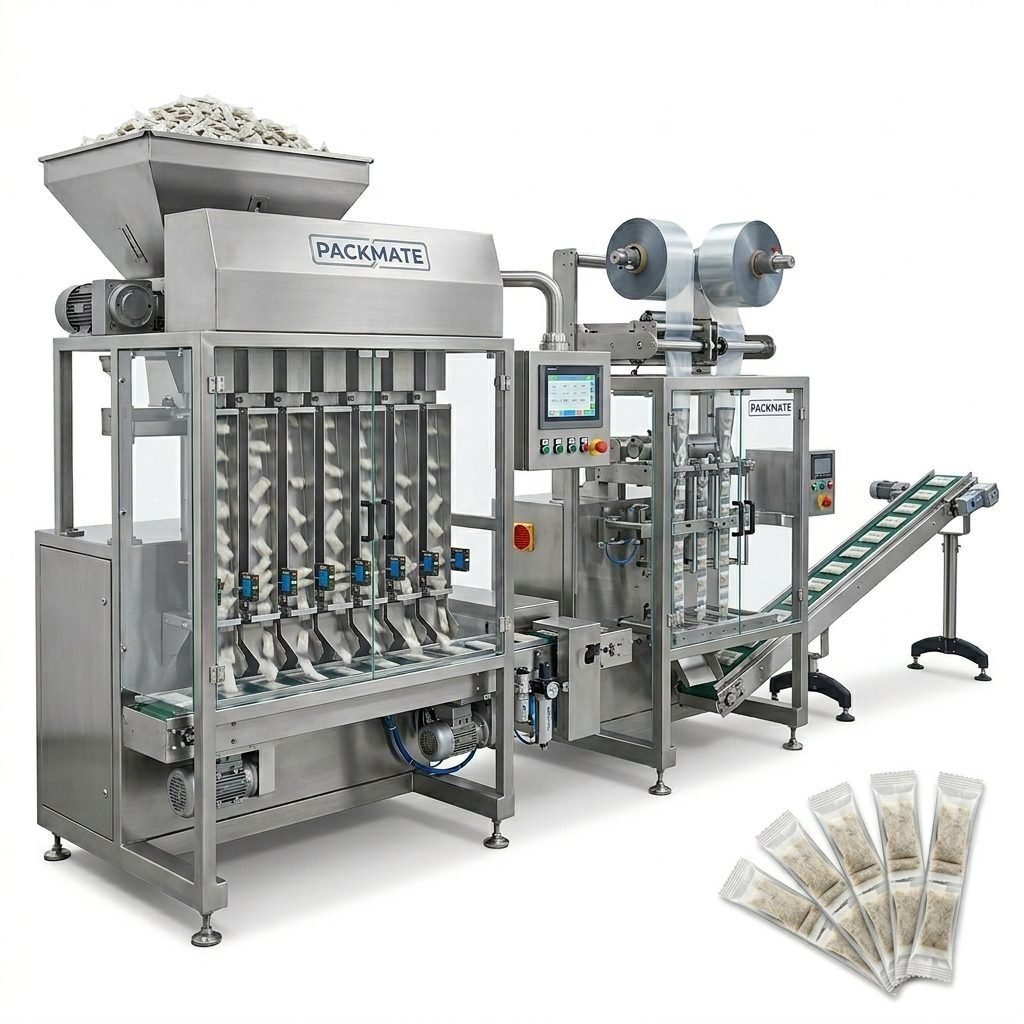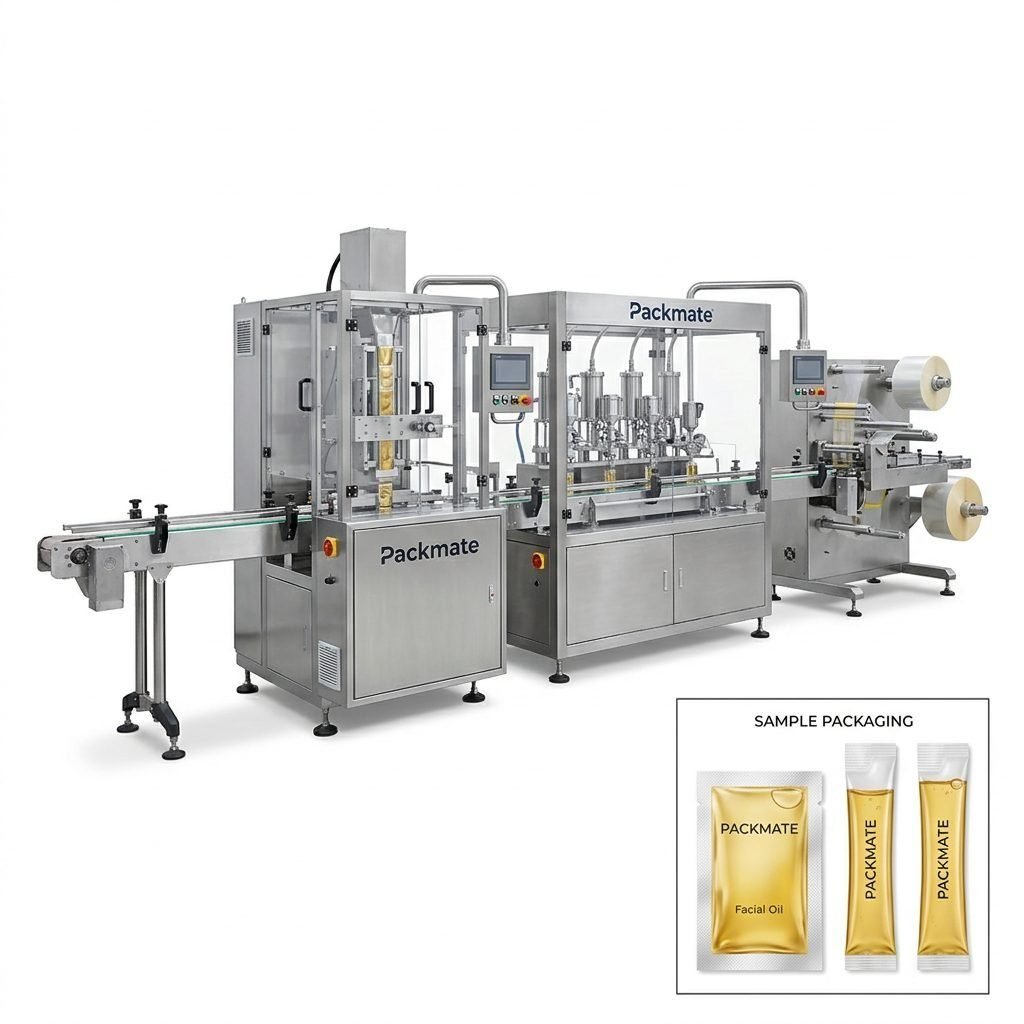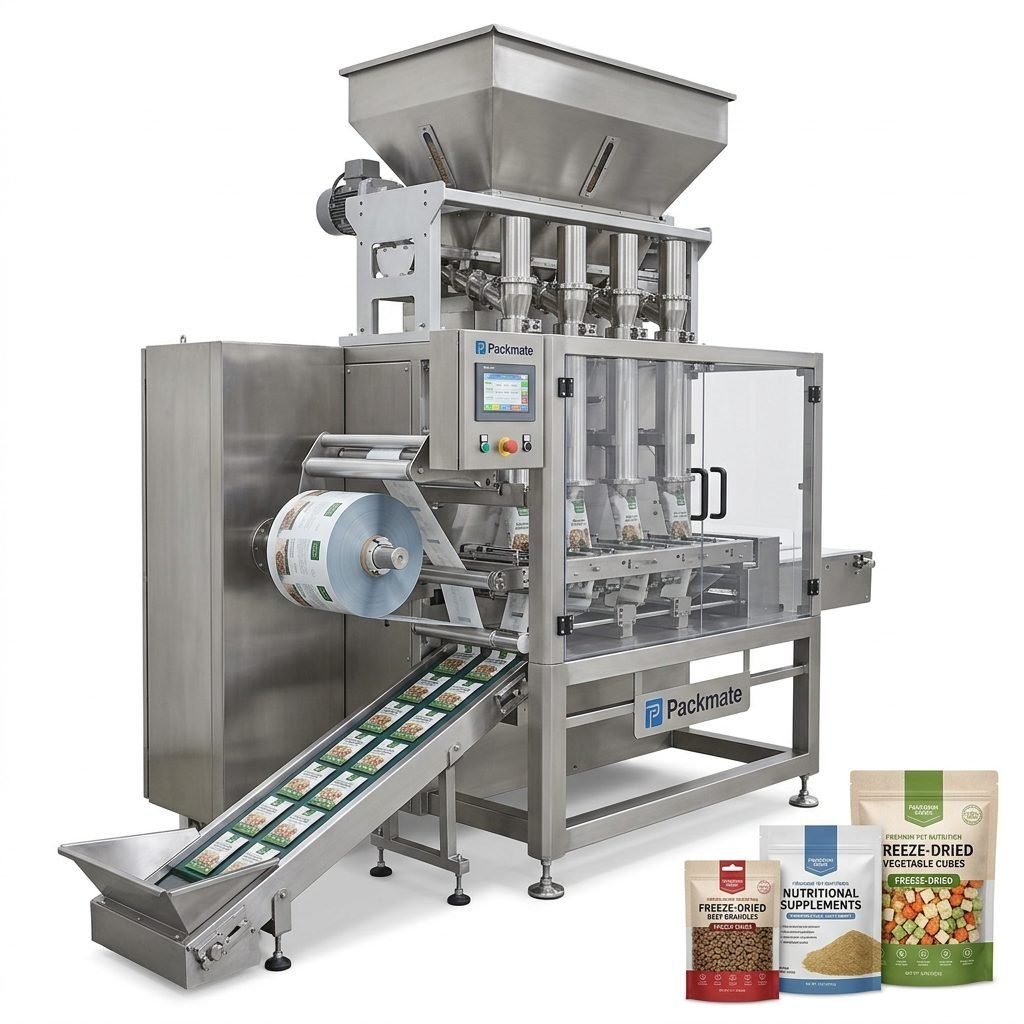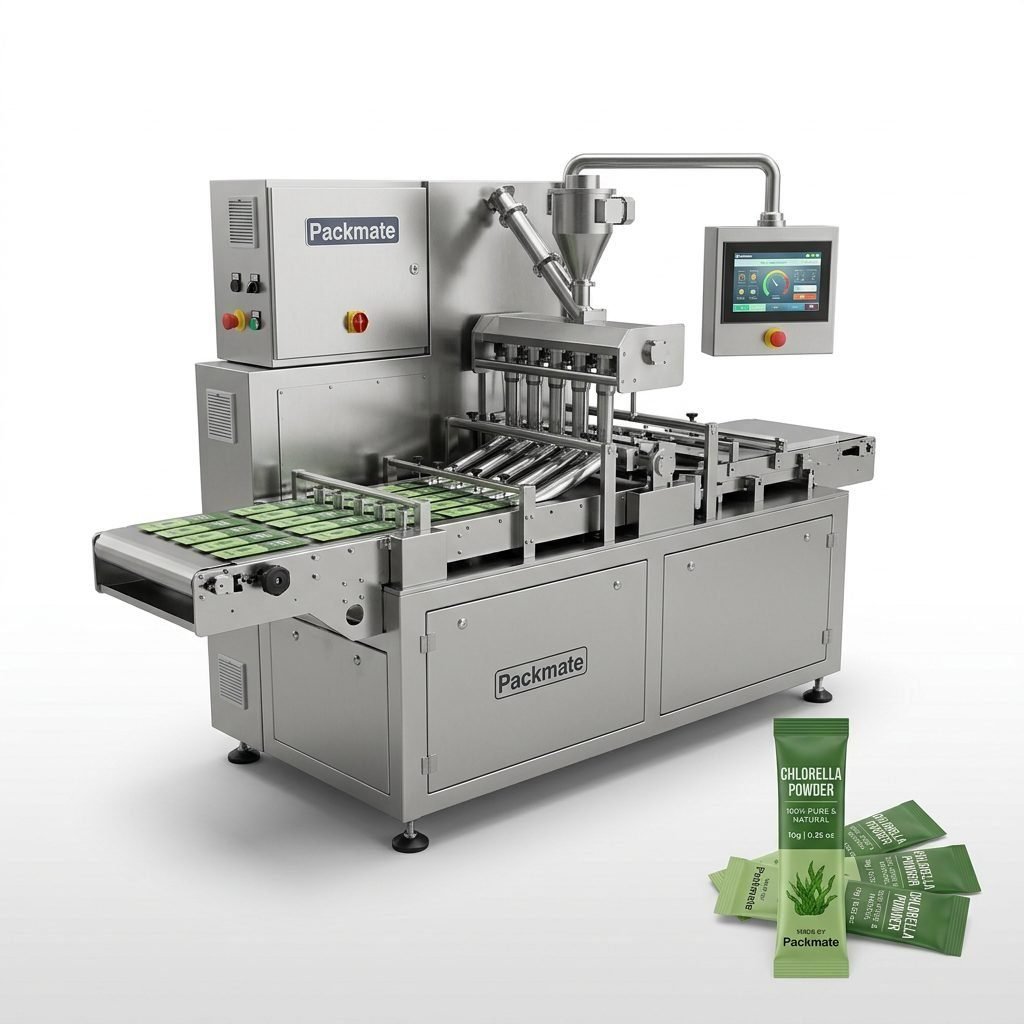
In today’s fast-paced business environment, efficiency and presentation are paramount, especially for tea companies. The right packaging can significantly impact product appeal, shelf life, and operational costs. For businesses seeking streamlined production, small tea packaging machines offer the perfect balance of compact design, high efficiency, and versatility. This article explores the top solutions available and how they can transform your tea packaging operations.
Why Invest in a Small Tea Packaging Machine?
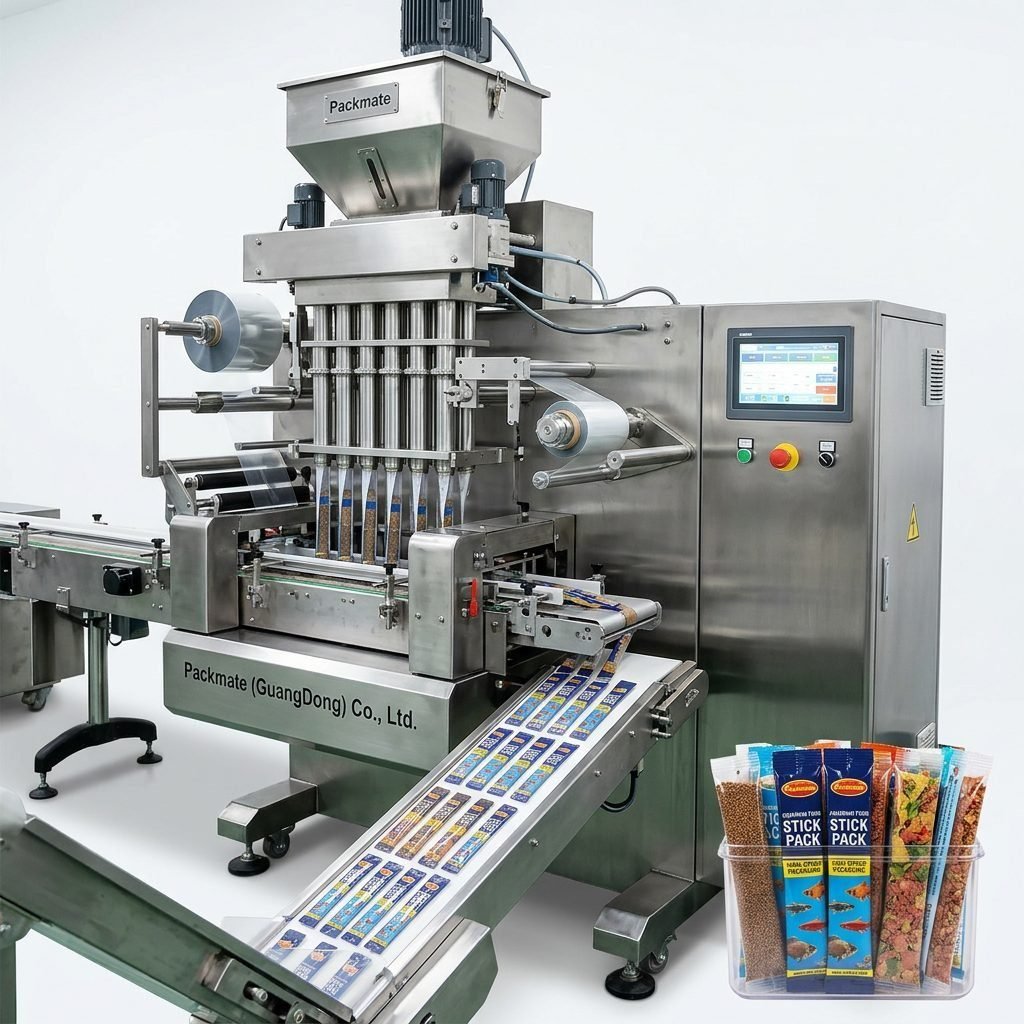
Small-scale tea packaging machines are engineered for businesses that require precision and flexibility without the footprint of industrial-sized equipment. They are ideal for specialty tea brands, start-ups, and companies with diverse product lines. The primary advantages include space efficiency, allowing setup in limited areas, and cost-effectiveness, reducing initial investment and operational expenses. Moreover, these machines offer remarkable versatility, easily handling various tea forms—from loose leaf and powder to herbal blends—and packaging types like sachets, stick packs, and pouches.
Key Feature Highlight
Modern small tea packers often come with programmable logic controllers (PLCs) and touch-screen interfaces, making recipe changes and operation intuitive. This technology ensures consistent portion control and packaging quality, which is crucial for maintaining brand reputation.
Top Considerations When Choosing Your Machine
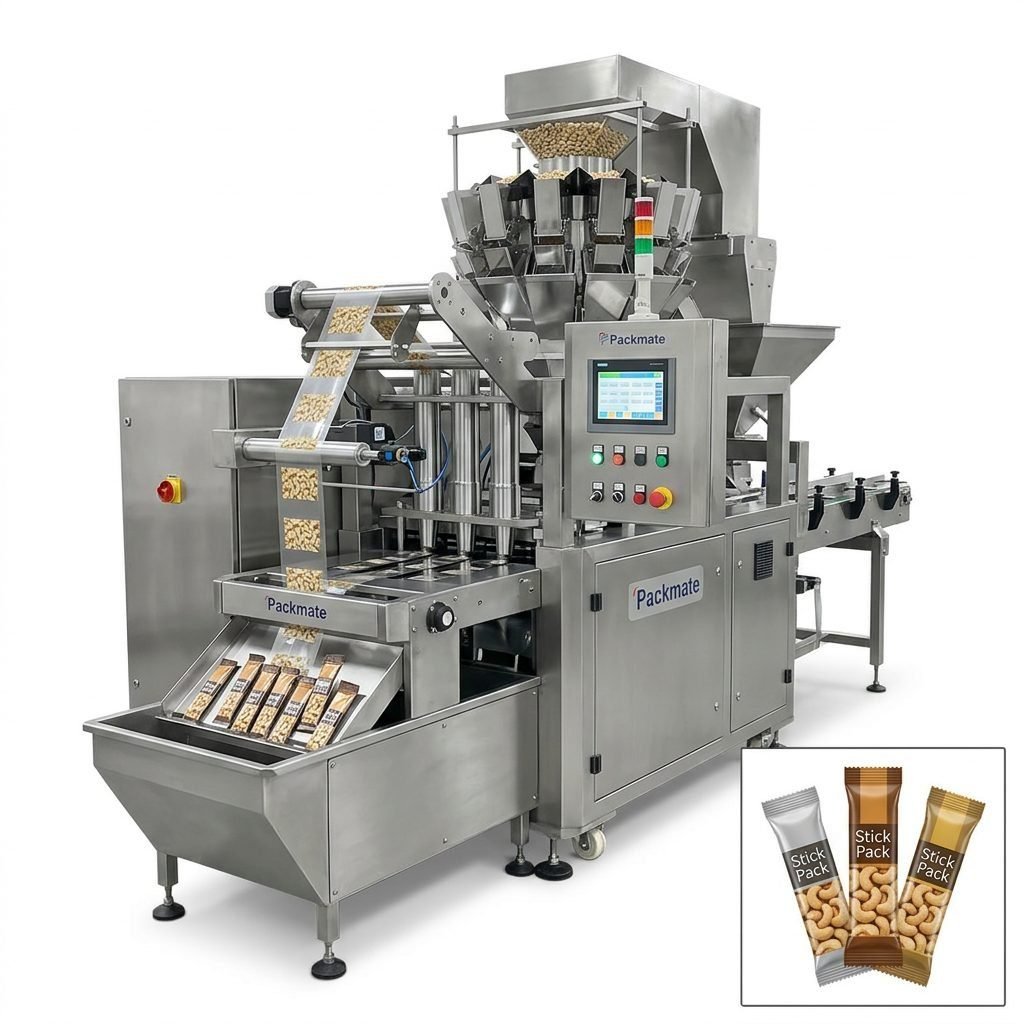
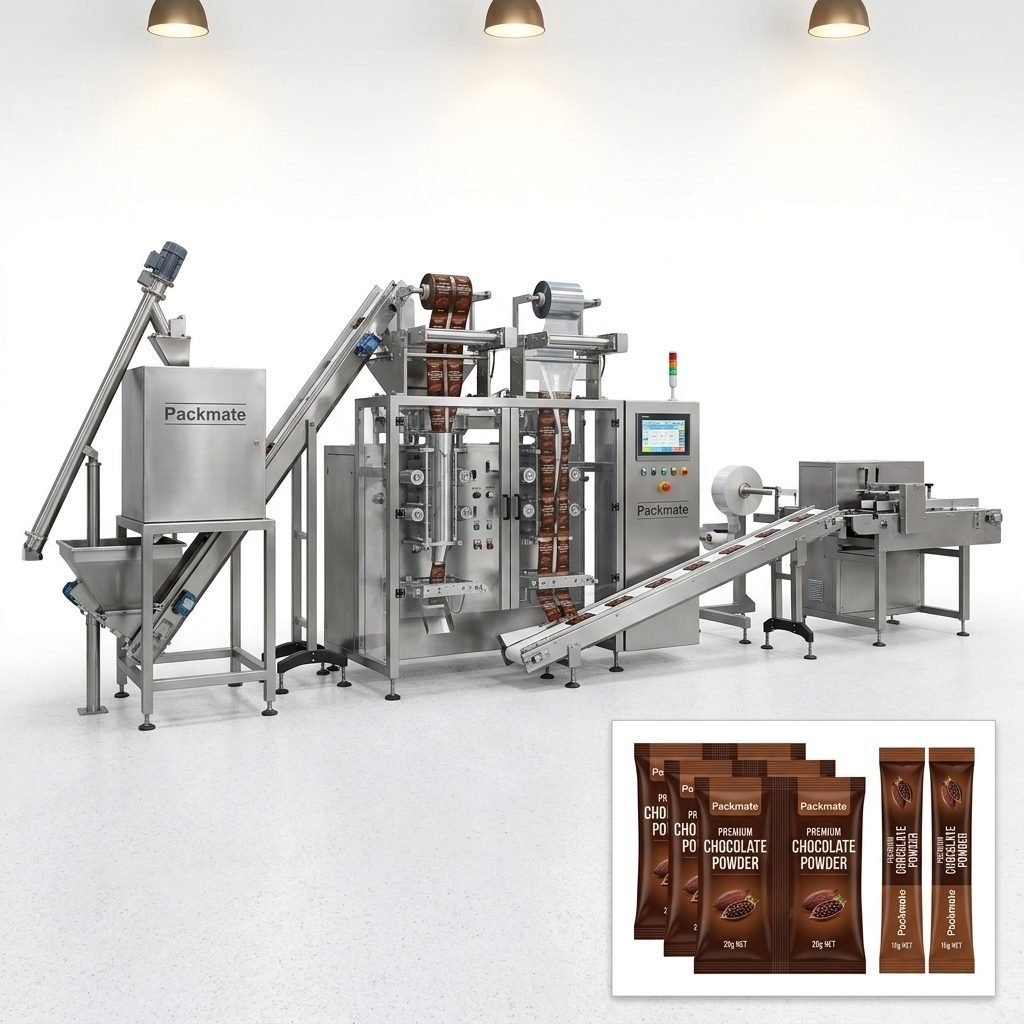
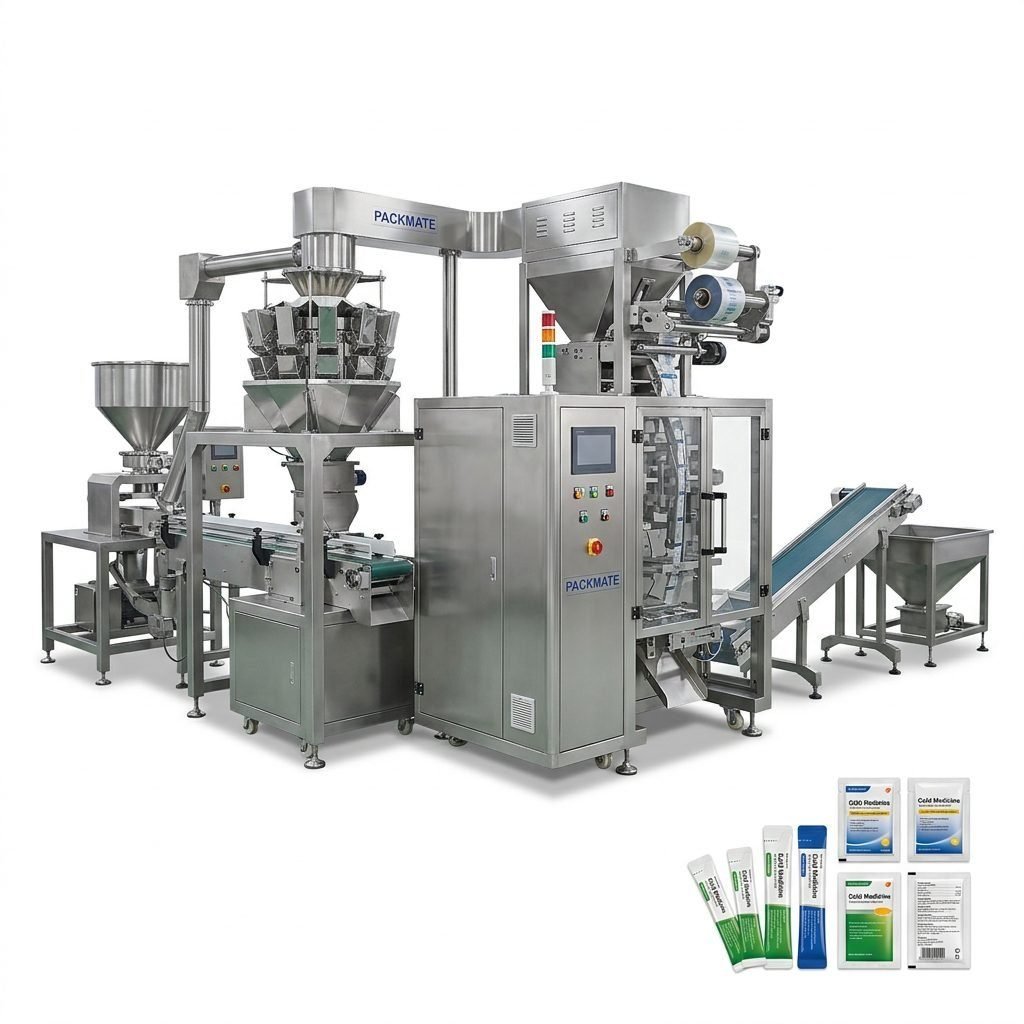
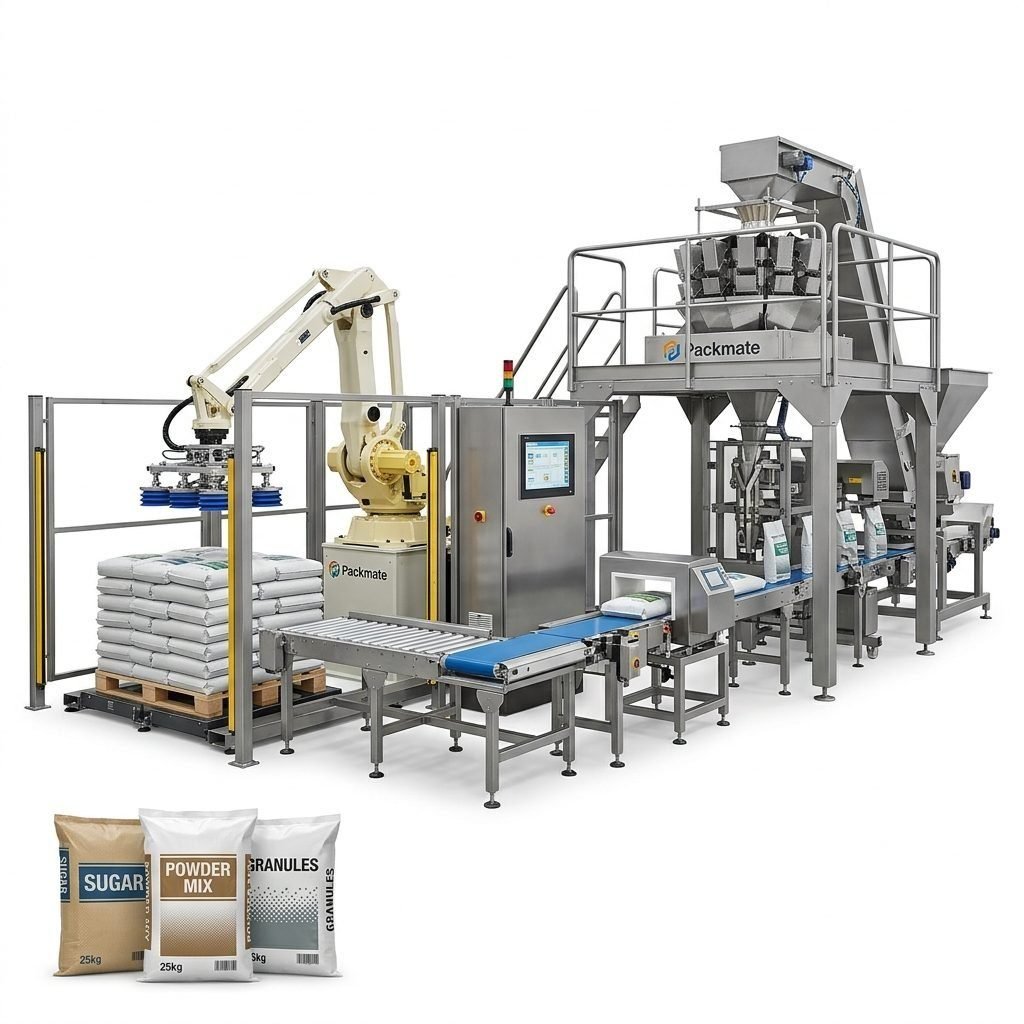
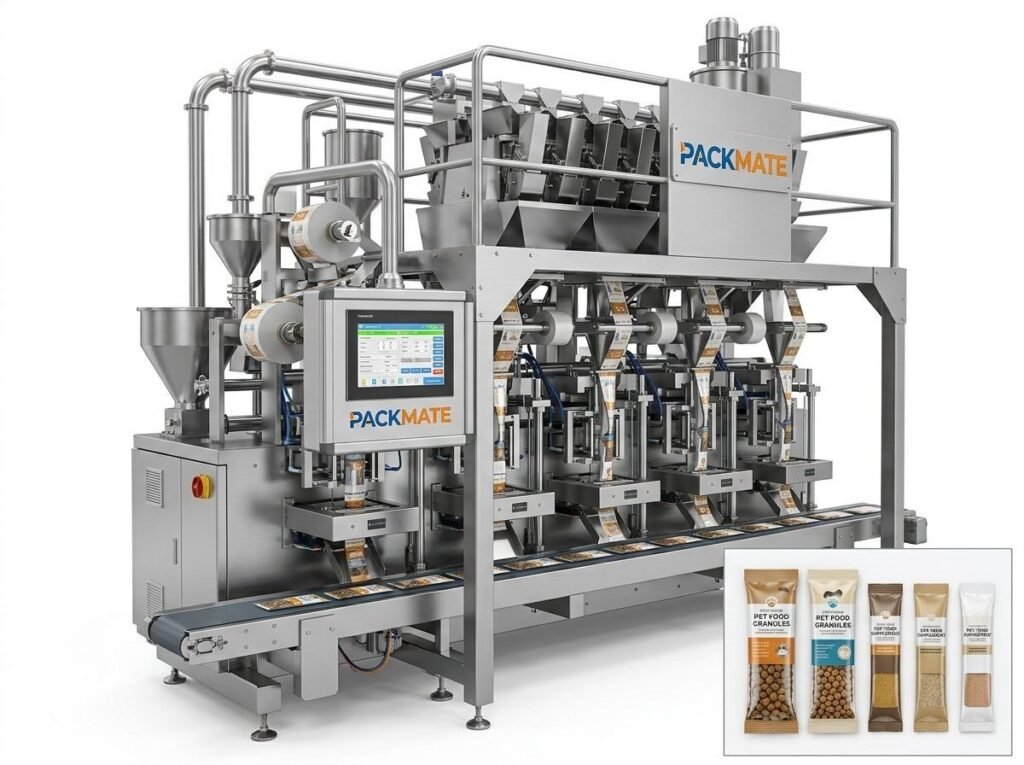
Selecting the right machine requires careful evaluation of your specific needs. First, consider the packaging format. Do you need a machine for single-serve sachets, like those used for instant tea, or for larger pouches of loose-leaf tea? Machines like the sachet and stick pack machines are perfect for portion-controlled convenience. Second, assess the production speed required to meet your demand without over-investing. Third, evaluate the level of automation—from semi-automatic filling to fully integrated filling and packaging lines that include weighing, filling, and sealing.
Material compatibility is another vital factor. Ensure the machine can handle the films or laminates you plan to use for optimal freshness and barrier properties. Lastly, don’t overlook after-sales support and the availability of spare parts, which are critical for minimizing downtime.
Integration with Existing Operations
For businesses looking to upgrade, a small tea packaging machine should integrate seamlessly into existing workflows. Many models are designed as modular units, allowing them to connect with upstream processes like blending or downstream processes like cartoning. This plug-and-play capability is a hallmark of reliable suppliers who offer complete turnkey solutions.
Leading Solutions for Different Tea Types
The market offers specialized machines tailored for different tea products. For fine tea powders, such as matcha or instant tea, a multi-lane auger filler provides precise dosing to prevent waste. For delicate whole-leaf teas, a volumetric cup filler or a gentle weigh-fill system is preferable to avoid damaging the leaves. Herbal tea blends containing chunky ingredients may require a combination weigher for accuracy. Exploring a manufacturer’s full product range can reveal the perfect match for your specific product characteristics.
The Packmate Advantage
With over 30 years of expertise, Packmate Machinery stands out as a leader in intelligent packaging solutions. Originating from a passion for automation in a small workshop, the company has grown into a provider of over 50 machine models. Their 20,000㎡ modern facility ensures rigorous testing and quality control. For tea businesses, Packmate offers reliable machines that balance speed, precision, and gentle handling, ensuring your product reaches the customer in perfect condition. Their commitment extends beyond the sale, providing comprehensive support to keep your operations running smoothly.
Maximizing Efficiency and ROI
Investing in a small tea packaging machine is a strategic decision aimed at boosting long-term profitability. Efficiency gains come from reduced labor costs, minimized product giveaway through precise filling, and faster changeover times between different tea varieties or packaging sizes. To calculate your potential return on investment (ROI), consider the savings on manual labor, reduction in material waste, and the potential for increased sales through more attractive and consistent packaging.
Regular maintenance is key to sustaining this efficiency. Simple practices like daily cleaning of contact parts, regular lubrication of moving components, and timely calibration of scales can prevent major breakdowns and extend the machine’s lifespan. Many reputable suppliers offer detailed service and maintenance plans to support your investment.
Future-Proofing Your Packaging Line
As your brand grows, your packaging needs may evolve. Choosing a machine from a supplier with a broad portfolio, including auxiliary equipment, allows for easier future expansion. Look for machines with upgradable software and the ability to handle new, sustainable packaging materials that are becoming increasingly important to consumers.
Conclusion
Selecting the right small tea packaging machine is a critical step toward building a more efficient, scalable, and profitable business. By focusing on your specific product requirements, desired packaging formats, and long-term growth plans, you can find a solution that not only meets today’s needs but also adapts to tomorrow’s challenges. Partnering with an experienced manufacturer with a proven track record, like Packmate Machinery, ensures you receive a reliable machine backed by deep industry knowledge and strong support, turning your packaging process into a competitive advantage.
Frequently Asked Questions (FAQs)
1. What is the typical production speed of a small tea packaging machine?
Speeds vary widely based on the machine type and packaging format. For small sachets or stick packs, speeds can range from 40 to 200 packs per minute. It’s essential to match the machine’s speed with your actual production volume to avoid under or over-investing.
2. Can one machine package different types of tea?
Yes, most modern machines are highly versatile. With quick-change parts and programmable settings, a single machine can often switch between different tea forms (e.g., powder, leaves, flakes) and different bag sizes, making it ideal for businesses with multiple product lines.
3. How important is after-sales service when purchasing a packaging machine?
Extremely important. Reliable technical support, availability of spare parts, and operator training are crucial for minimizing downtime and ensuring a smooth operation. Always choose a supplier with a strong reputation for customer service and support.
4. What packaging materials are compatible with these machines?
Small tea packaging machines typically work with a variety of heat-sealable laminates, such as PET/AL/PE, PET/PE, and CPP. It’s best to consult with the machine manufacturer to ensure your chosen material provides the necessary barrier (moisture, oxygen, light) for your tea and runs efficiently on their equipment.
5. Are these machines suitable for start-up tea companies?
Absolutely. Small tea packaging machines are an excellent investment for start-ups due to their lower cost, compact size, and flexibility. They allow new brands to achieve professional, consistent packaging without the massive capital expenditure required for large industrial lines, enabling them to scale production as the business grows.