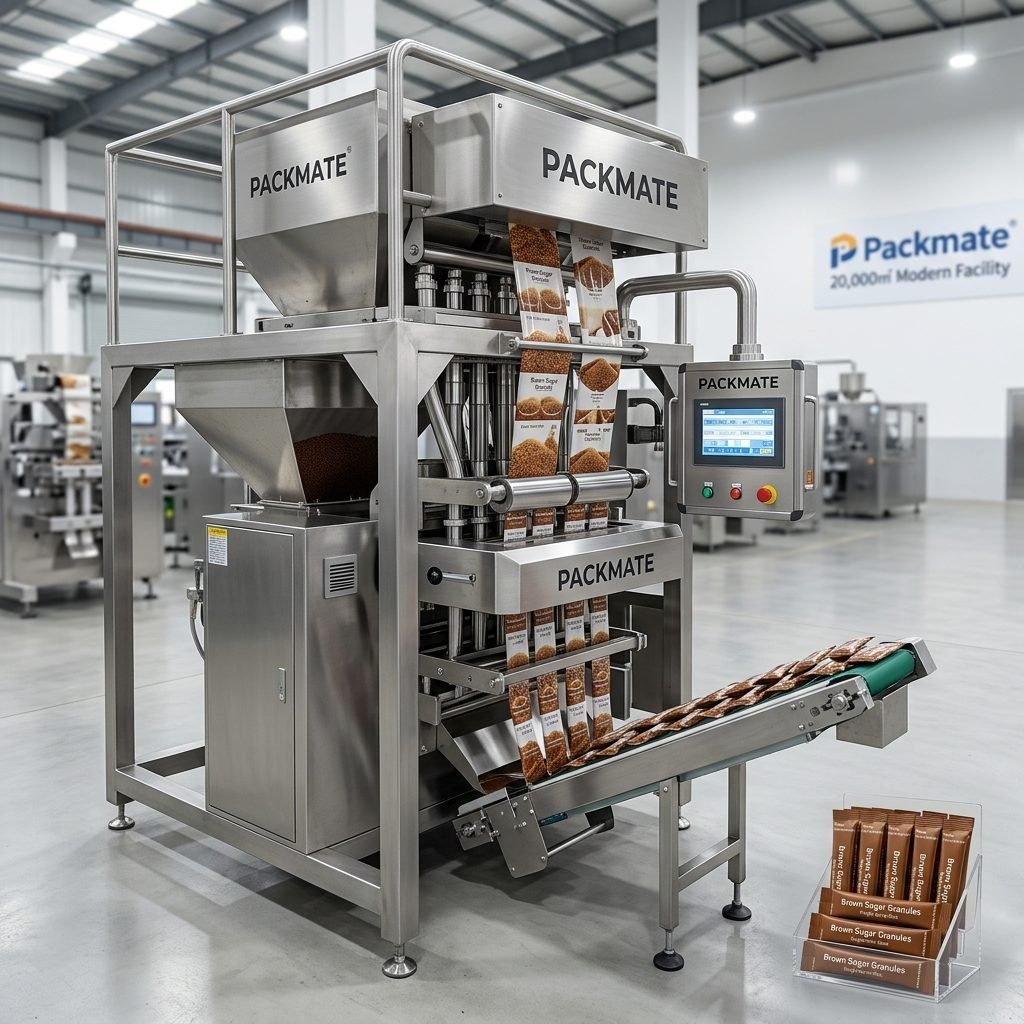
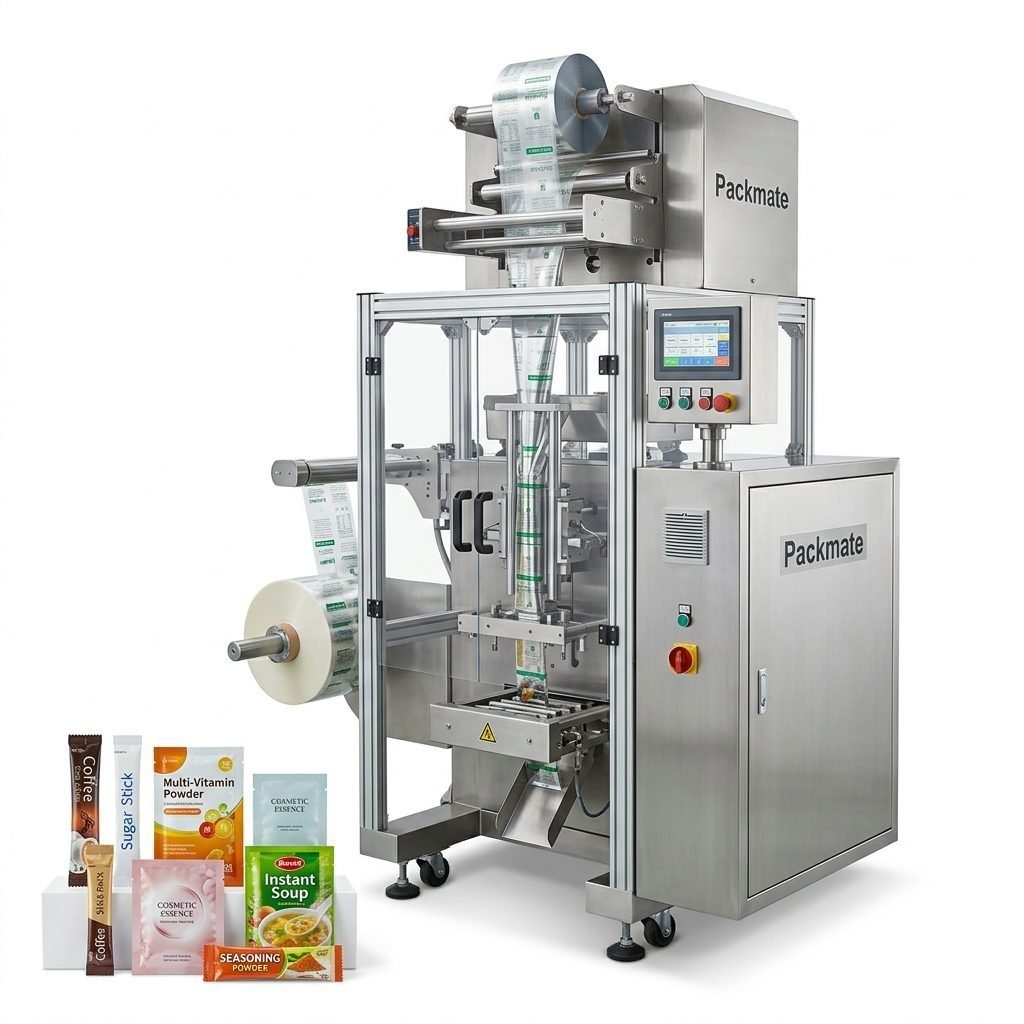
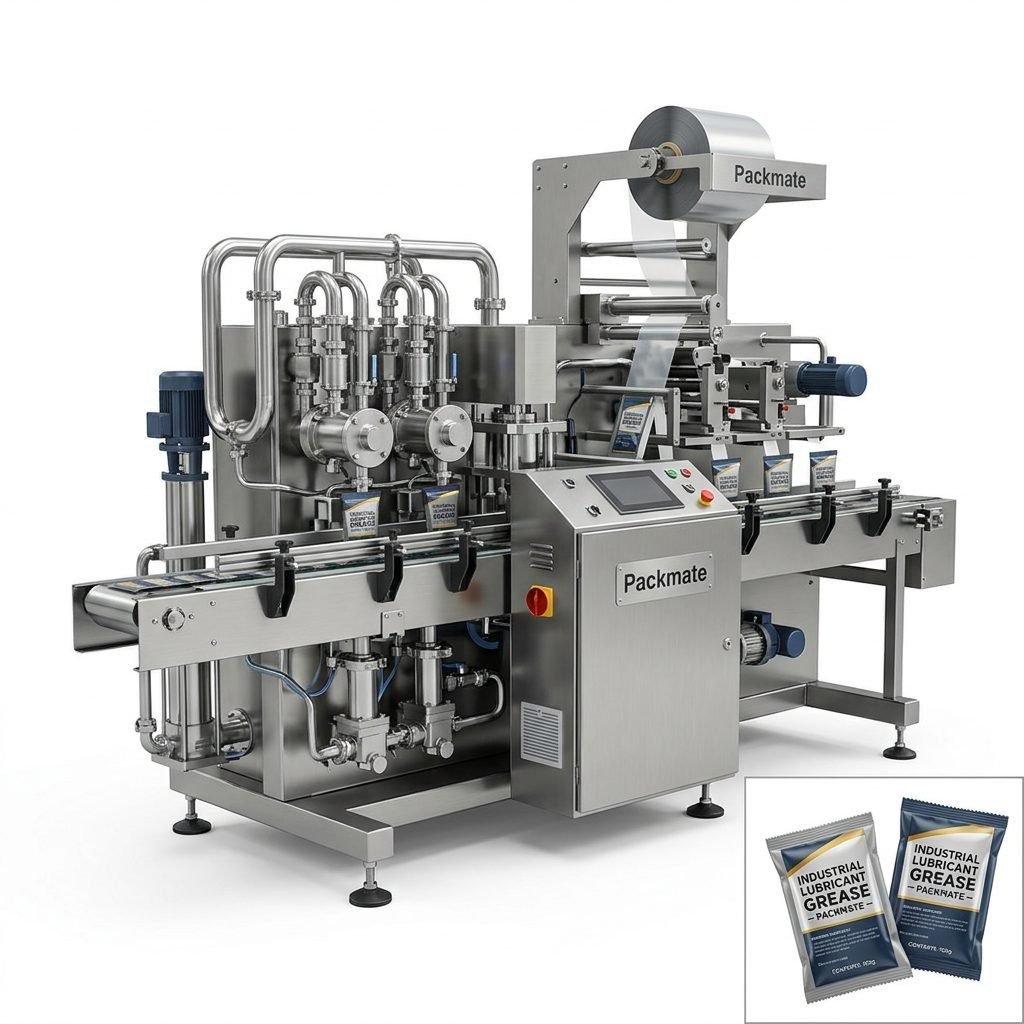
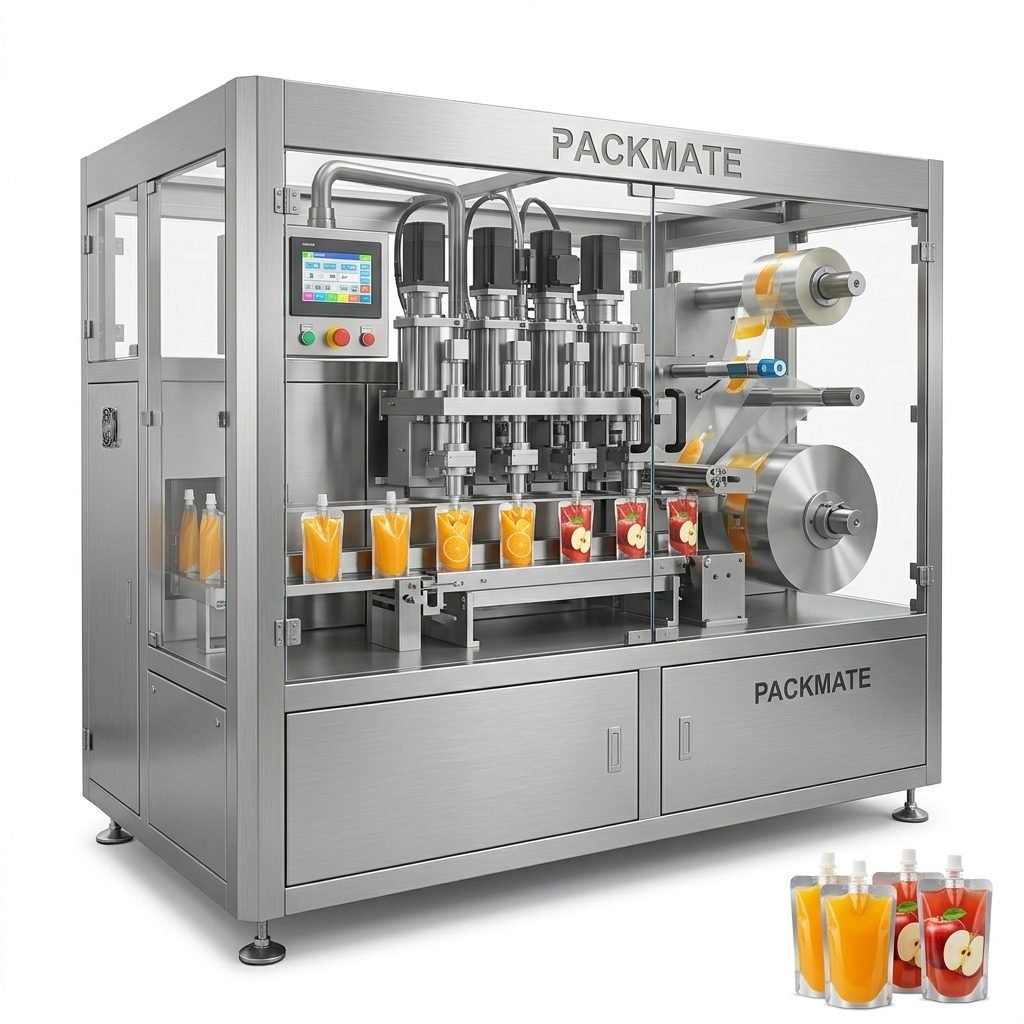
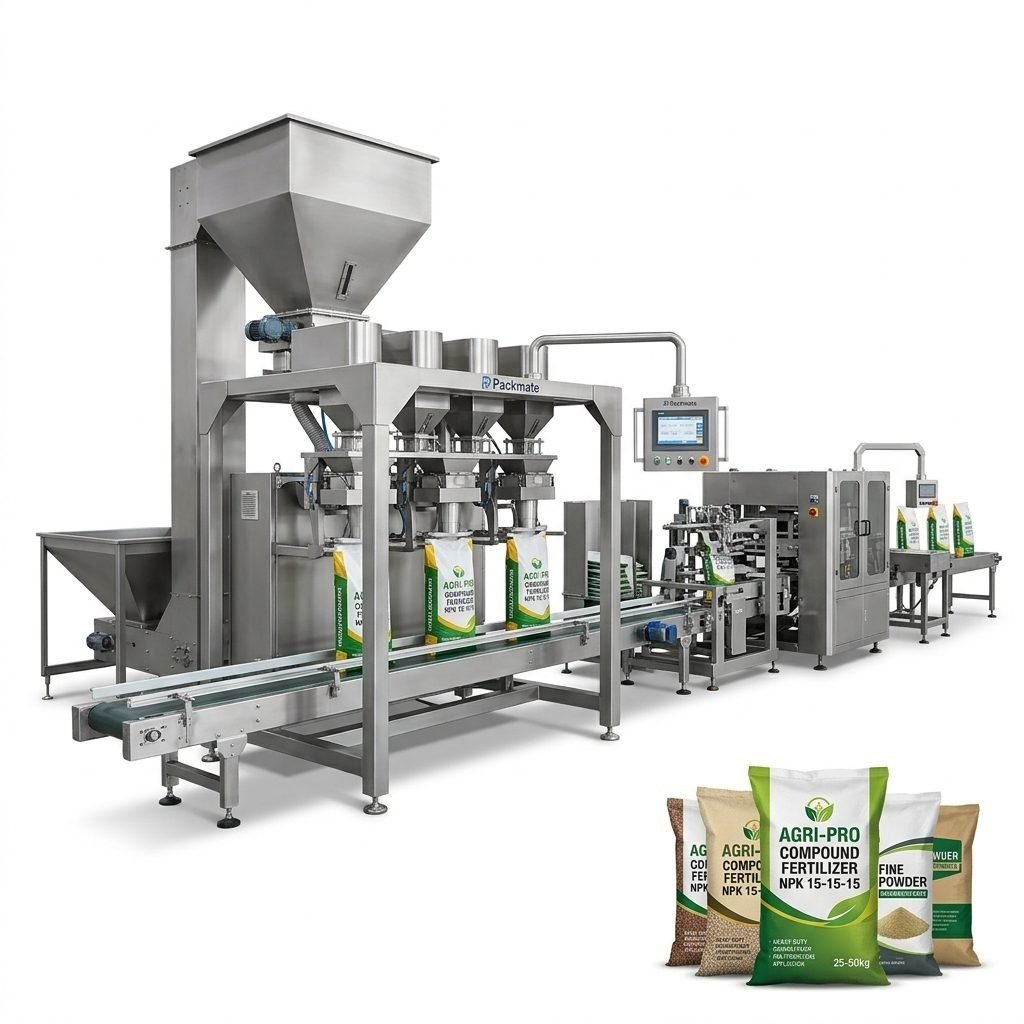
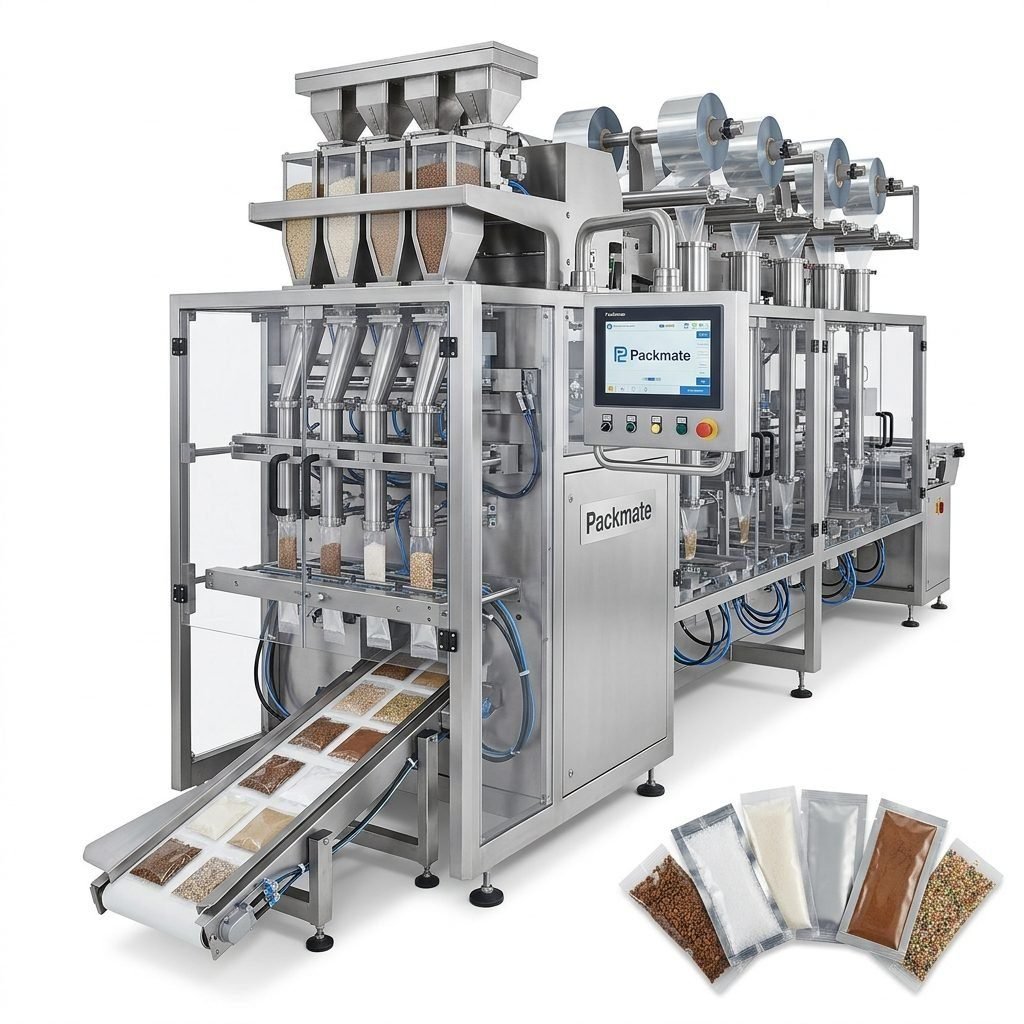
Finding the right packaging machine for your production line is a critical decision that impacts efficiency, product quality, and your bottom line. With countless options and technical specifications to consider, the process can be overwhelming. This is where the expertise of packaging machine consultants becomes invaluable. They act as your strategic partner, guiding you through the selection, integration, and optimization of packaging solutions tailored precisely to your needs.
The Core Value of Expert Consultation
An expert consultant does more than just sell a machine. They conduct a thorough analysis of your entire operation. This includes evaluating your product characteristics—whether you handle granules, powders, or liquids—your required output speed, available factory space, and future growth plans. With over 30 years of industry expertise, firms like Packmate Machinery have developed a deep understanding of these variables across the food, pharmaceutical, and health sectors.
What Consultants Analyze:
Product Compatibility: Ensuring the machine handles your specific material (e.g., sticky powder, free-flowing granules) without degradation or waste.
Line Synchronization: Making sure the new packaging machine integrates seamlessly with your existing filling, conveying, and labeling systems.
Regulatory Compliance: Advising on machines that meet industry-specific standards, which is crucial for pharmaceuticals and food.
Total Cost of Ownership: Looking beyond the purchase price to factor in maintenance, energy consumption, and operational efficiency.
Navigating the Selection Process
The journey to finding the right solution involves several key stages where consultant guidance is paramount.
Stage 1: In-Depth Needs Assessment
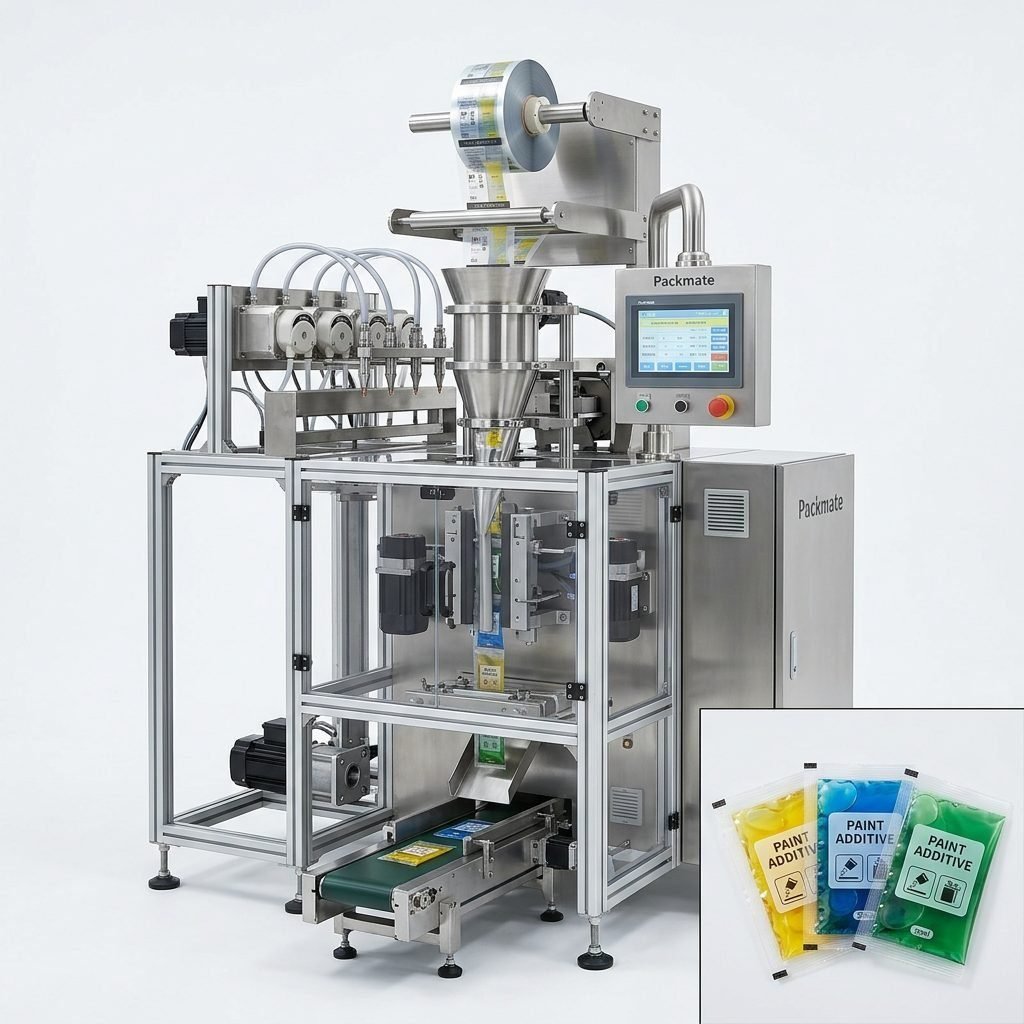
A professional team will start with a detailed audit of your current process. They identify bottlenecks, such as slow changeover times between products or high material waste rates. For instance, if you are packaging single-serve condiments, a consultant might recommend a high-speed multi-lane sachet machine over a simpler, slower model, justifying the investment with a clear ROI projection based on your volume.
Stage 2: Solution Sourcing & Proposal
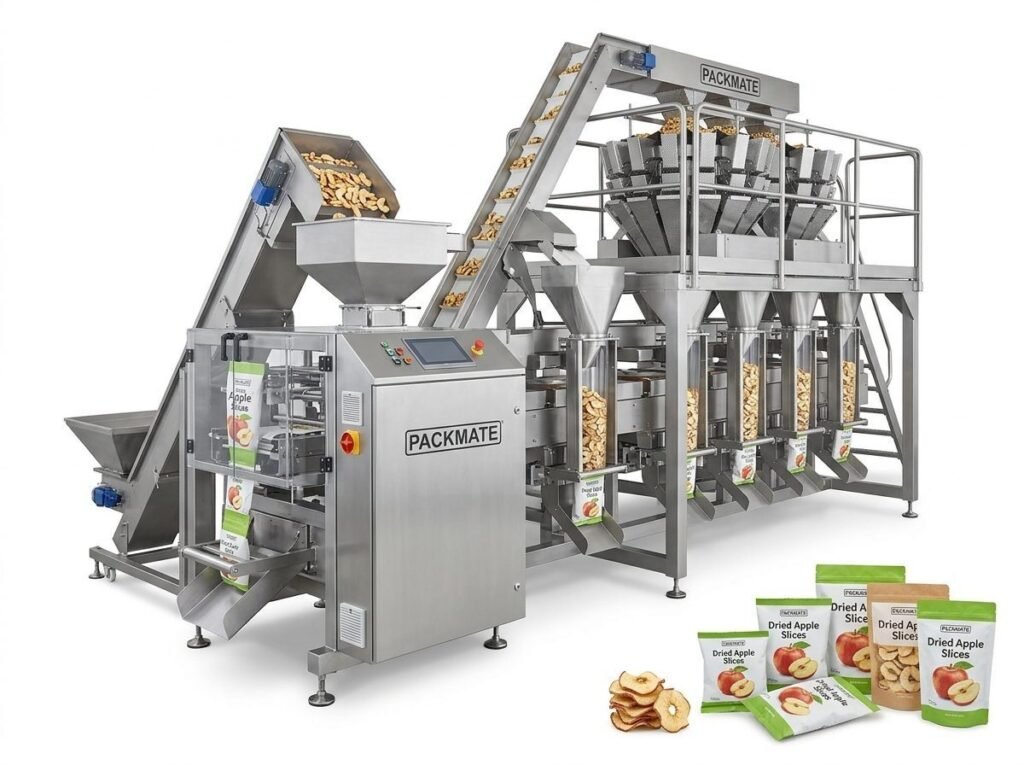
Leveraging their vast network and knowledge of manufacturers, consultants present vetted options. They compare machines from different suppliers, like those for bag and pouch packaging, not just on specs but on reliability and after-sales support. They help you interpret technical data sheets and arrange factory visits or live demonstrations, so you see the equipment in action.
Key Insight: A quality consultant prioritizes the solution that fits your long-term strategy, not just the machine that offers the highest commission. They consider your operational workflow and staff skill level to recommend automation that is appropriately sophisticated.
Stage 3: Implementation & Optimization
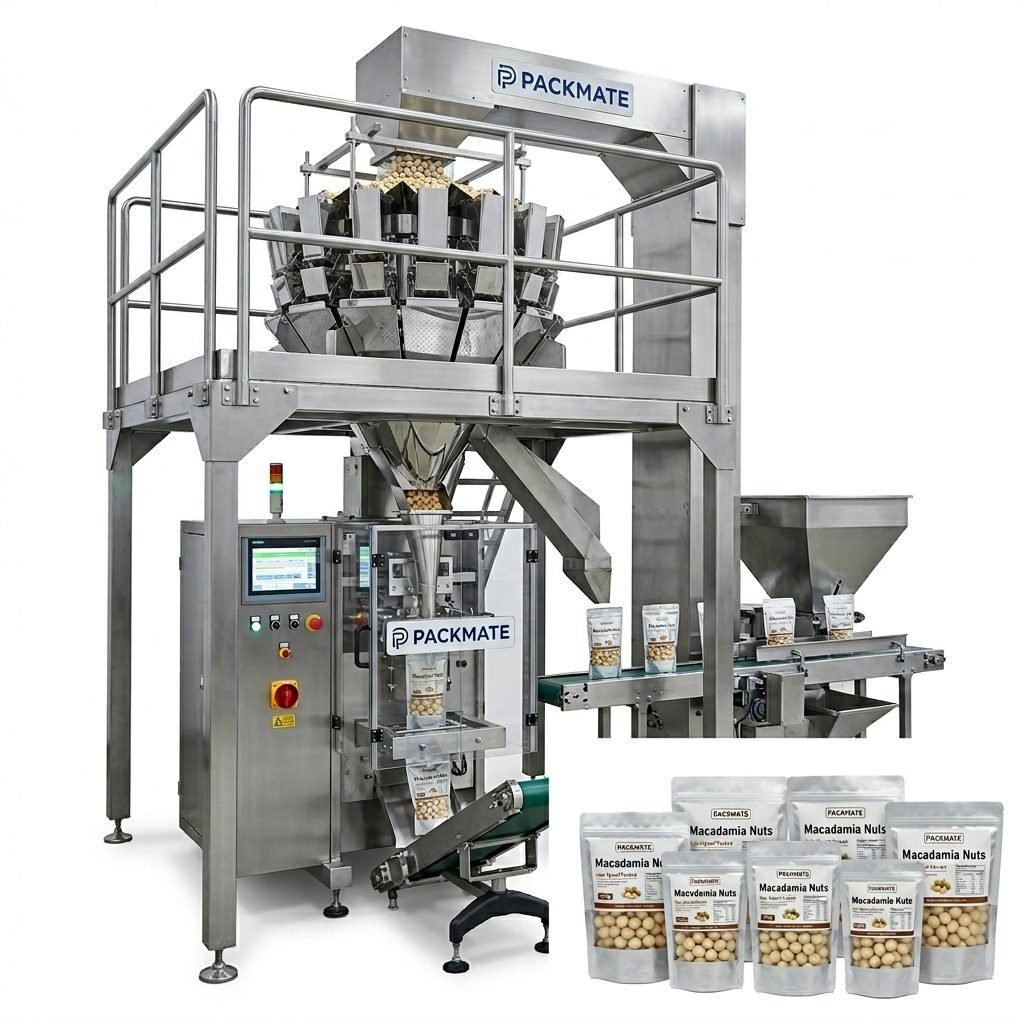
The consultant’s role continues after the purchase order is signed. They oversee the installation, coordinate between your team and the machine supplier, and manage the commissioning process. They ensure the machine is calibrated correctly—for example, achieving precise weight accuracy on a weighing and packaging system—and that your operators are fully trained. This phase is critical for minimizing downtime and achieving promised performance metrics from day one.
The Advantage of Partnering with a Manufacturer-Consultant
There is a distinct advantage in working with consultants from an established manufacturing company like Packmate. Their advice is grounded in direct engineering and production experience. Having developed over 50 machine models in their own 20,000㎡ facility, they possess intimate knowledge of machine capabilities, limitations, and real-world performance. This allows them to offer genuine turnkey solutions, where they can design, build, and integrate a complete line that works in perfect harmony, rather than piecing together disparate components from various vendors.
Case Study: Streamlining a Health Supplement Line
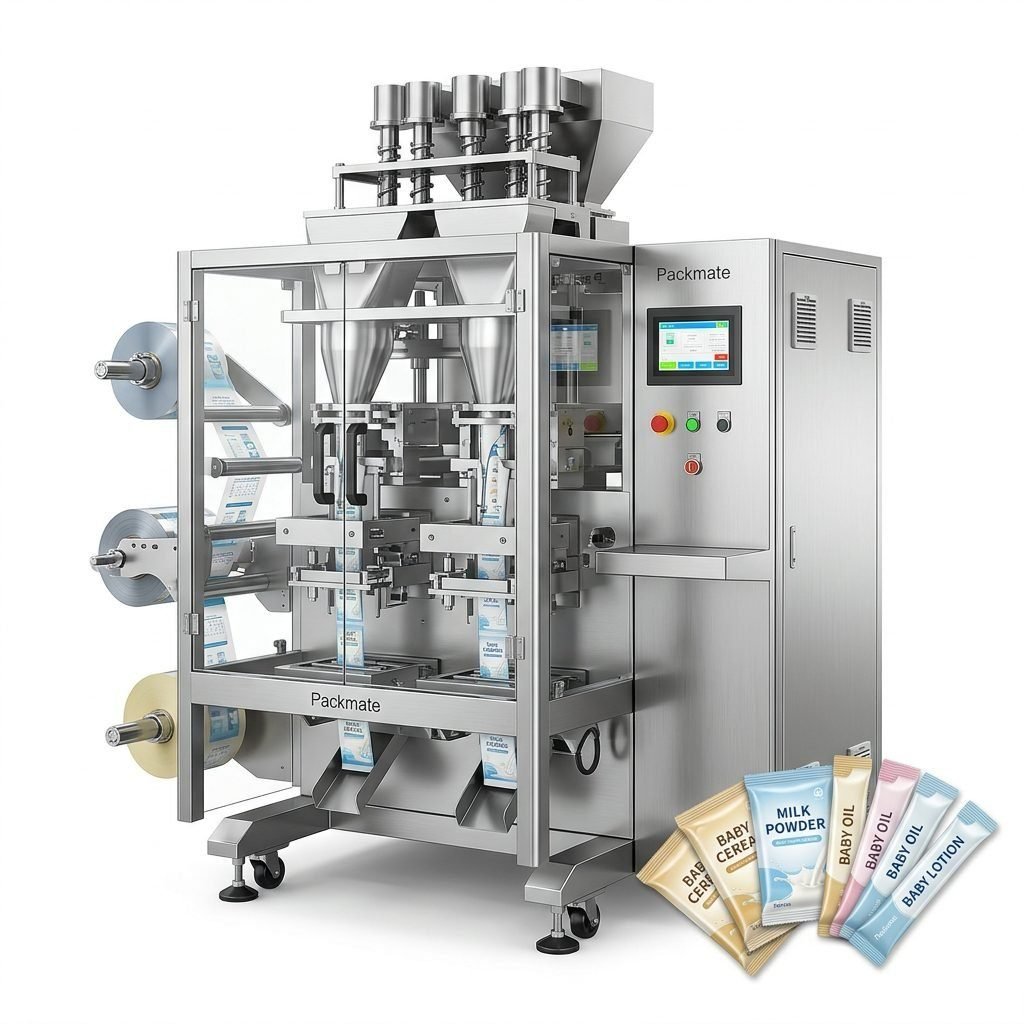
A mid-sized supplement company was struggling with manual filling of powdered products into stick packs, leading to inconsistency and low output. A packaging consultant from a manufacturer with relevant expertise assessed the line. The recommendation was an automated, multi-lane stick pack machine with integrated precision auger fillers. The consultant managed the entire project: machine selection from their own product range, factory layout redesign, installation, and staff training. The result was a 300% increase in output, a 50% reduction in powder waste, and consistent, professional packaging that boosted brand perception.
Avoiding Common Pitfalls with Expert Guidance
Going it alone in machine selection often leads to costly mistakes. Consultants help you avoid these common traps:
Overspecification: Buying a machine with capabilities far beyond your needs, resulting in unnecessary complexity and higher costs.
Underspecification: Choosing a machine that cannot handle future increases in production volume or new product formats, stunting growth.
Integration Failure: Purchasing a machine that is incompatible with upstream or downstream equipment, creating a new bottleneck instead of solving one.
Neglecting Support: Failing to secure reliable technical support and spare parts availability, which can lead to extended downtime.
Conclusion: An Investment in Operational Excellence
Engaging expert packaging machine consultants is not an expense; it is a strategic investment in the efficiency and scalability of your production line. They provide the objectivity, specialized knowledge, and project management skills needed to navigate a complex market. By partnering with a seasoned team that combines consulting acumen with manufacturing prowess—like the team behind Packmate Machinery—you gain more than a machine. You gain a optimized packaging process, reduced operational risk, and a reliable partner committed to your long-term success.
Frequently Asked Questions (FAQs)
1. When should I consider hiring a packaging machine consultant?
You should consider hiring a consultant when planning a new packaging line, upgrading existing equipment, experiencing persistent efficiency or quality issues, or when entering a new product category that requires unfamiliar packaging technology.
2. How do consultants charge for their services?
Fee structures vary. Some work on a project-based fee, others on an hourly rate. Many manufacturers offer consulting services as part of their pre-sales process at no direct charge, with their expertise aimed at ensuring you select the right solution from their portfolio.
3. Can consultants help with machines from other brands?
Yes, independent consultants can provide unbiased comparisons across multiple brands. Consultants employed by a specific manufacturer will primarily recommend solutions from their own company but can still offer valuable insights into industry standards and integration requirements.
4. What information should I prepare for the first meeting with a consultant?
Be ready to discuss your product details (form, aggressiveness, shelf life), current and target production speeds, available floor space, budget range, and any specific challenges you face (e.g., high waste, frequent downtime). Samples of your product and current packaging are very helpful.
5. How long does the entire process from consultation to a running machine typically take?
The timeline depends on the project’s complexity. A simple machine replacement might take 2-4 months from order to operation. A completely new, custom-designed turnkey line can take 6-12 months or more, factoring in design, manufacturing, shipping, installation, and commissioning.