Selecting the right packaging machinery is a critical decision for businesses aiming to enhance efficiency, ensure product integrity, and scale operations. Hesser, a name synonymous with high-quality packaging solutions, offers a range of machines designed to meet diverse industrial needs. This guide delves into the various types of Hesser packaging machines, their standout features, and provides a comprehensive buying guide to help you make an informed investment.
Core Types of Hesser Packaging Machines
Hesser’s product portfolio is built to handle different packaging formats and product types, from food items to pharmaceuticals. Understanding the core categories is the first step in identifying the right machine for your production line.
Vertical Form-Fill-Seal (VFFS) Machines
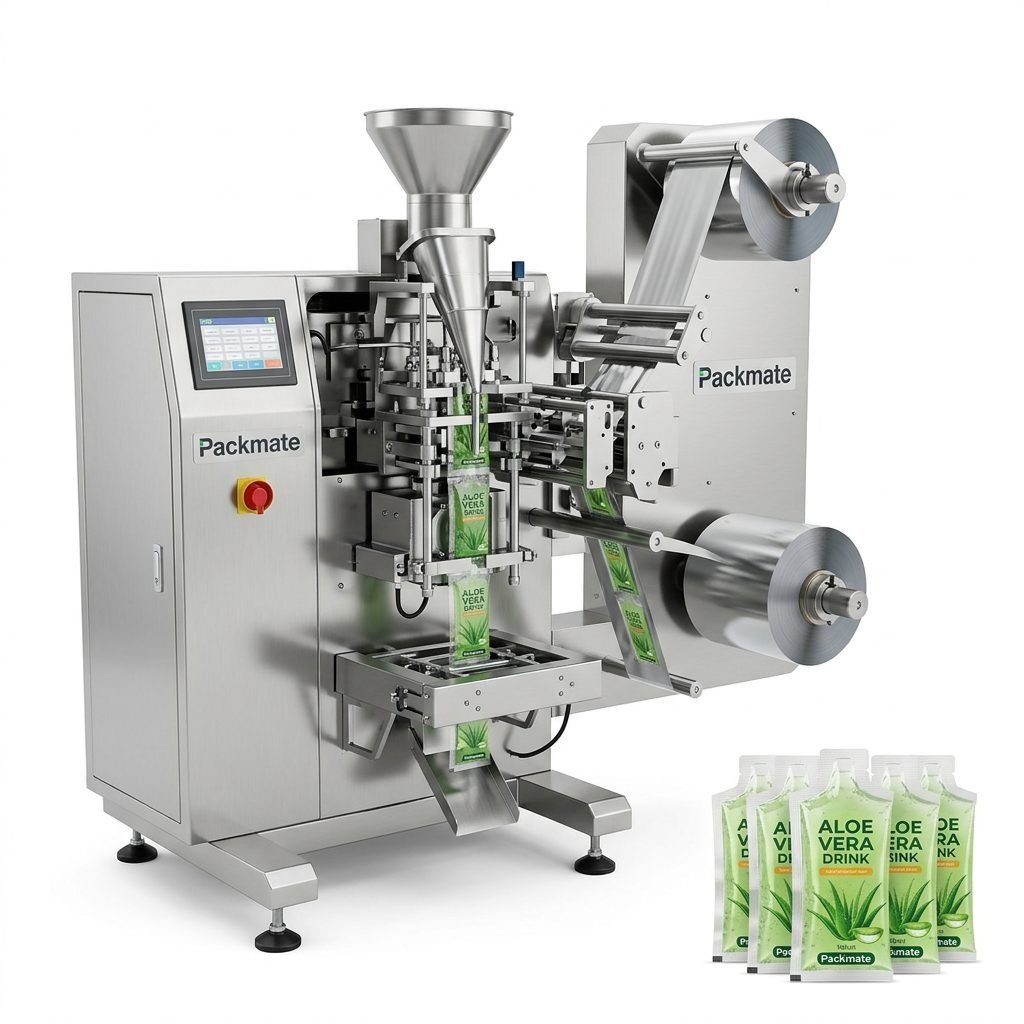
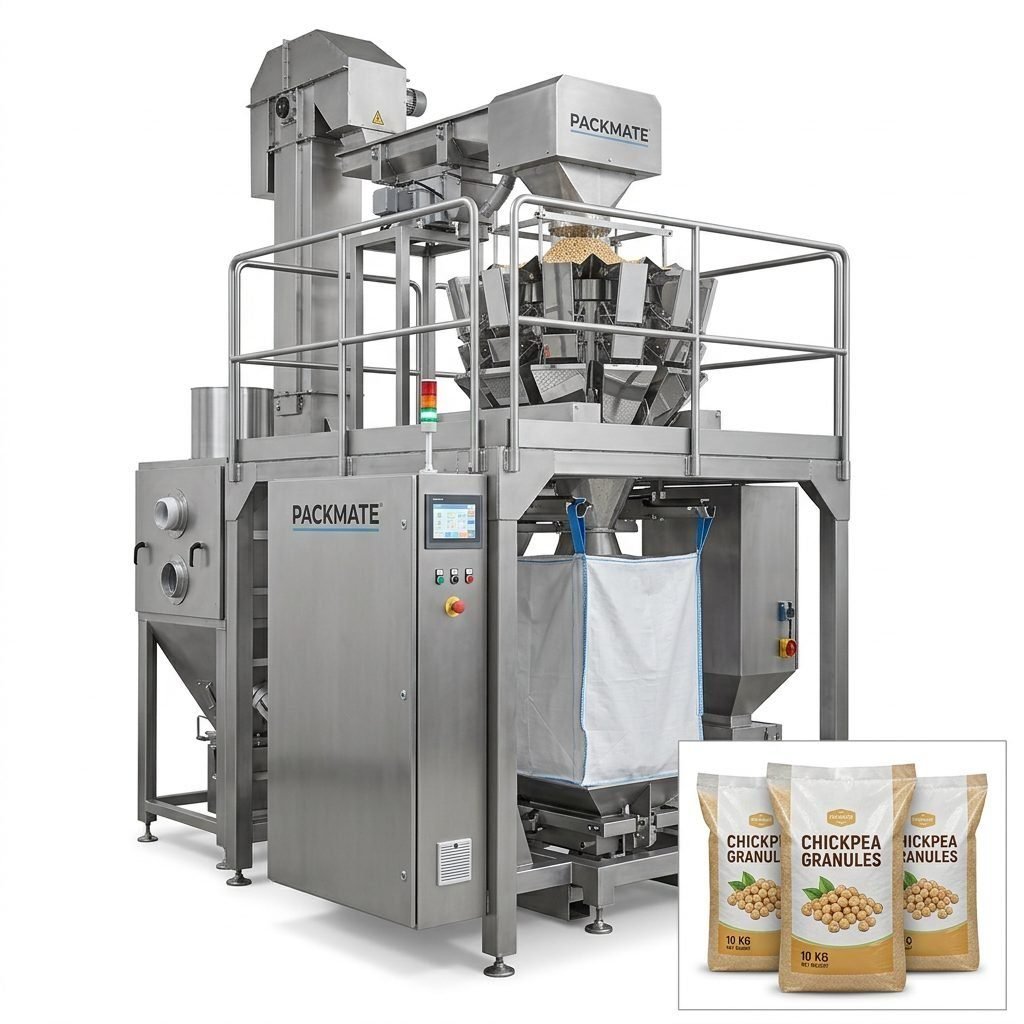
These are the workhorses of the packaging industry, ideal for creating bags from a roll of film, filling them with product, and sealing them in one continuous operation. Hesser VFFS machines are renowned for their high speed, precision weighing, and versatility in handling granules, powders, and liquids. They are perfect for products like snacks, coffee, and pet food.
Horizontal Flow-Wrap Machines
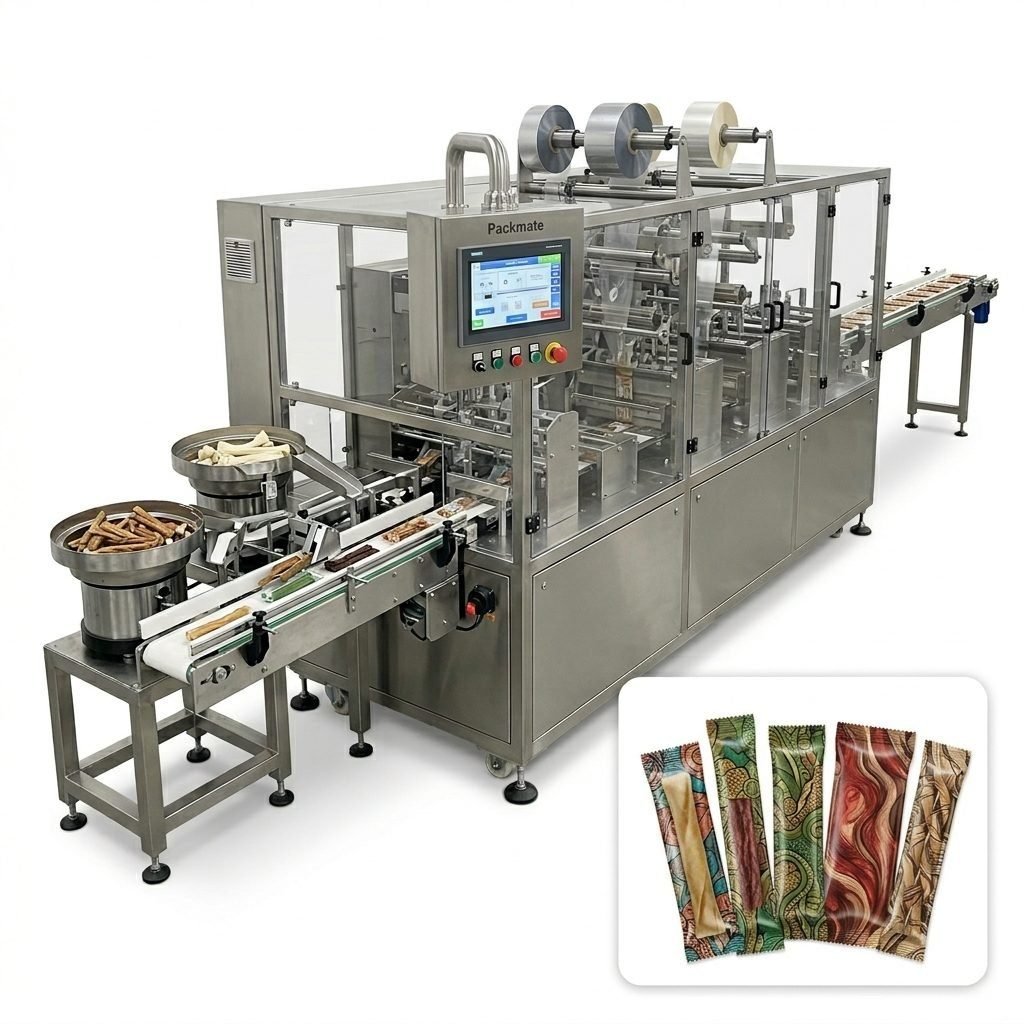
Designed for products that require a more rigid or presentation-oriented package, horizontal flow-wrappers are excellent for bundling multiple items or wrapping individual bars, biscuits, or trays. Hesser models in this category offer exceptional seal integrity and gentle product handling, crucial for delicate items.
Specialized Packaging Solutions
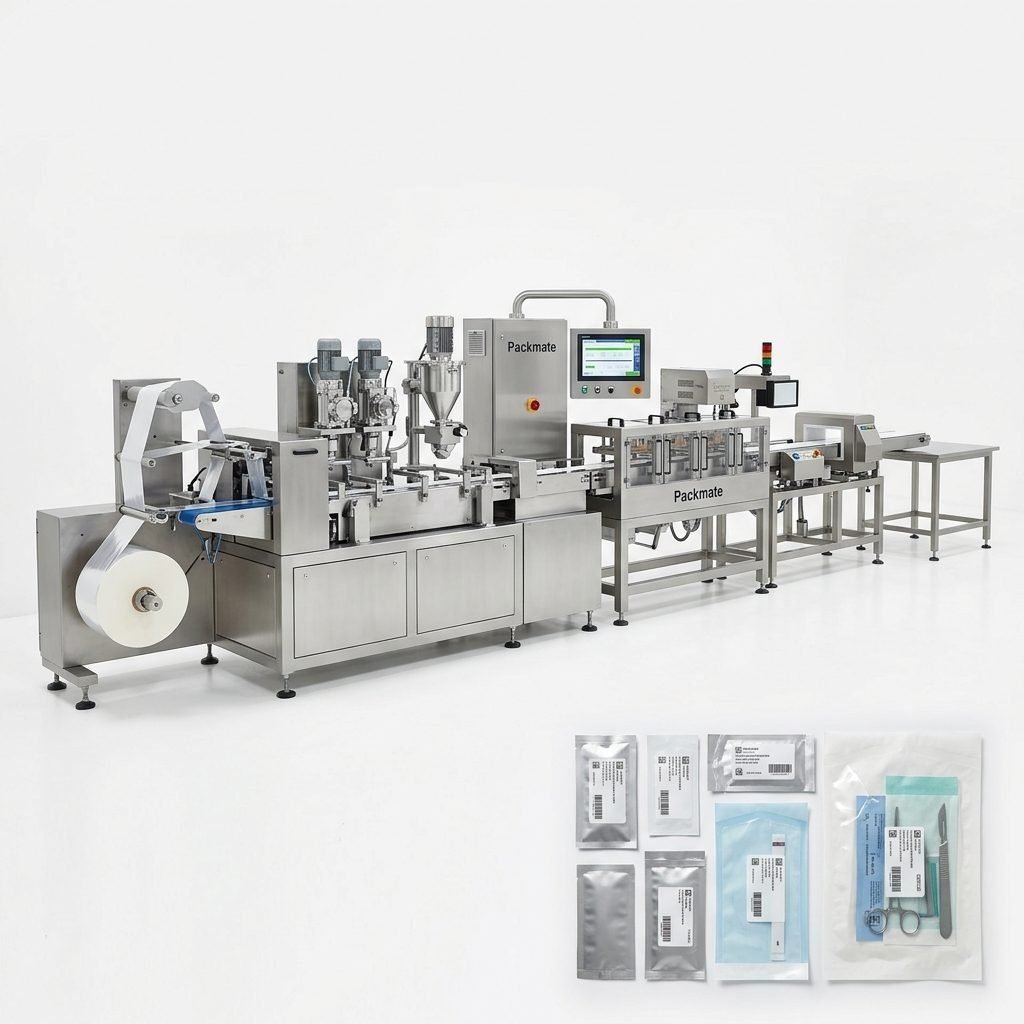
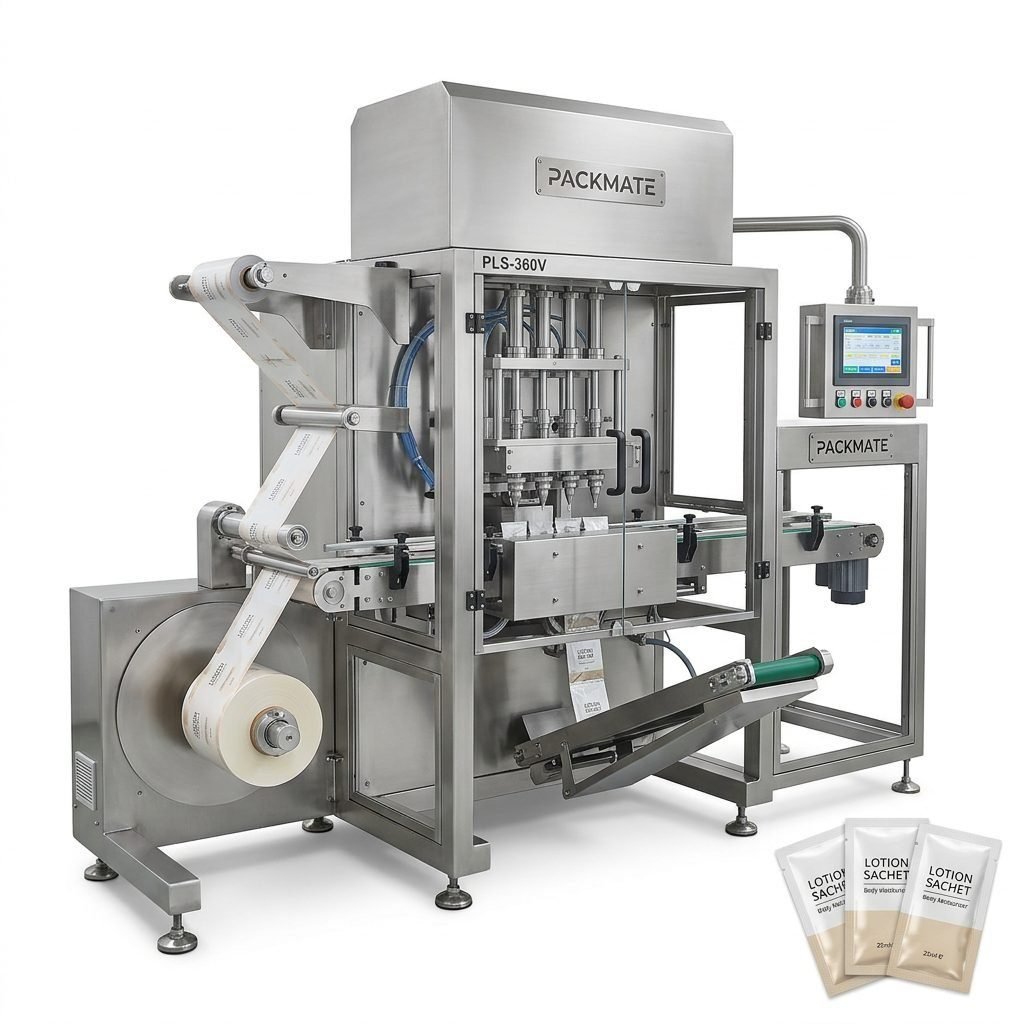
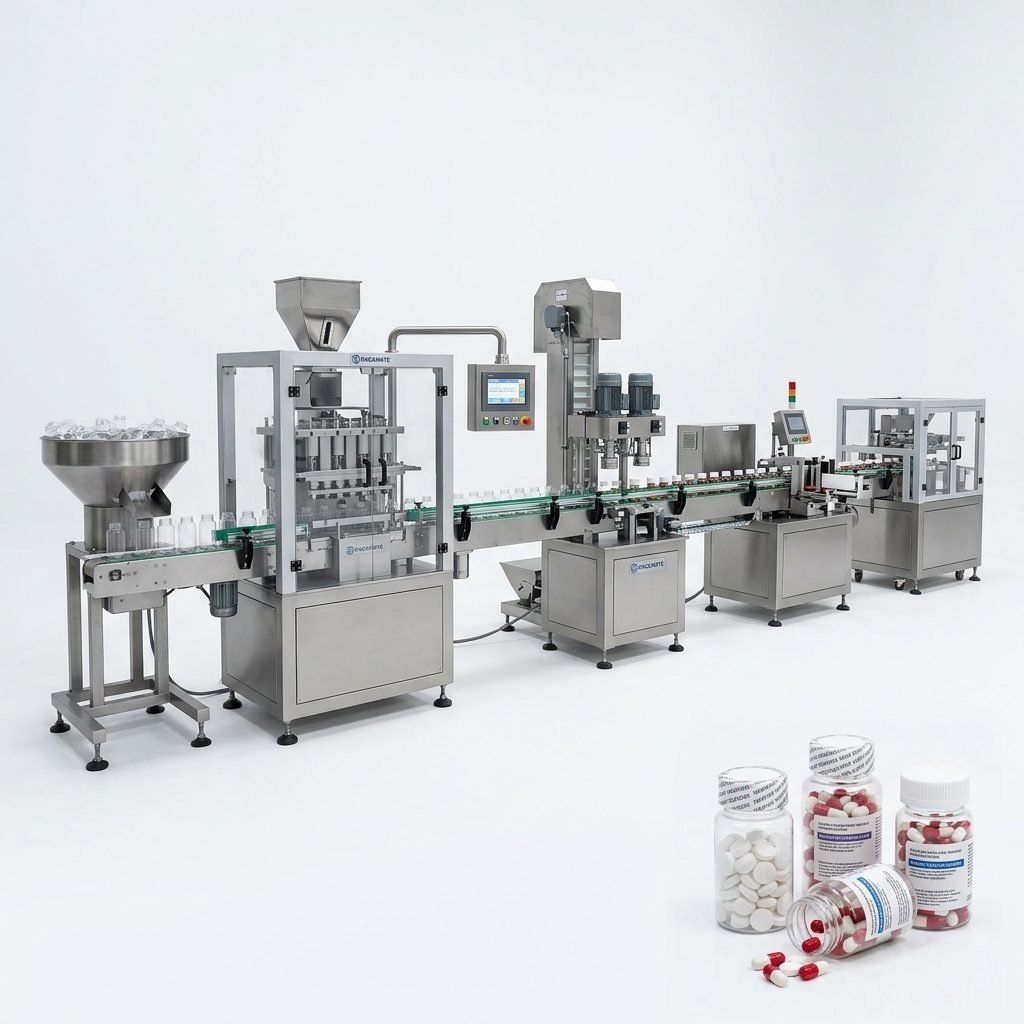
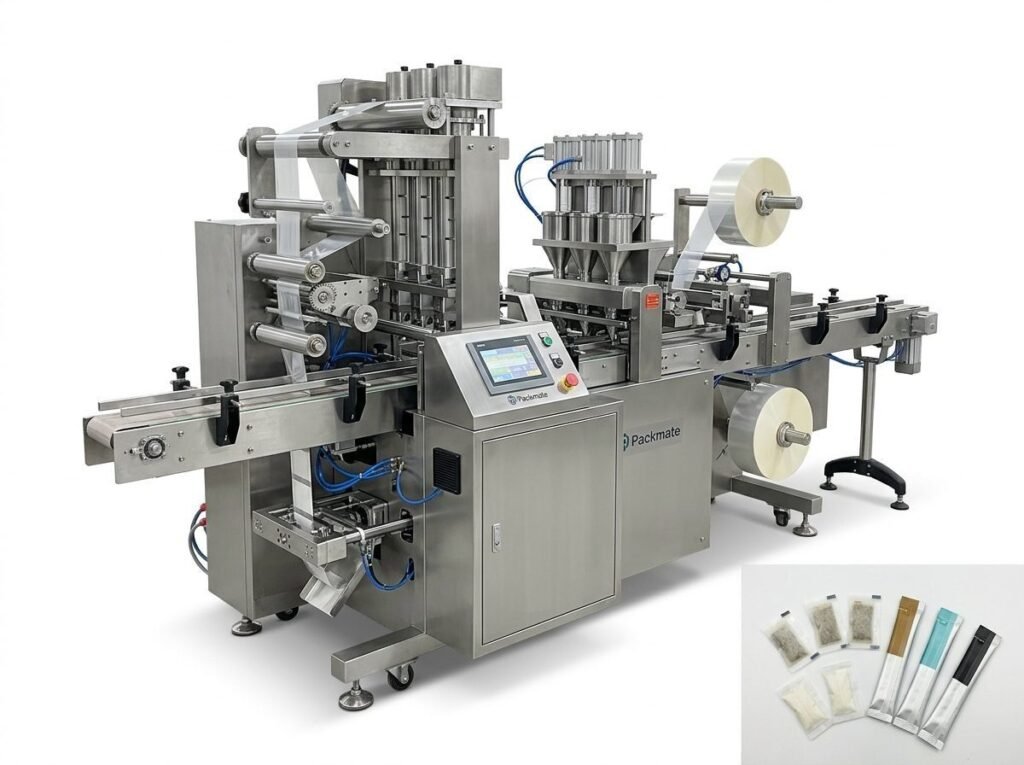
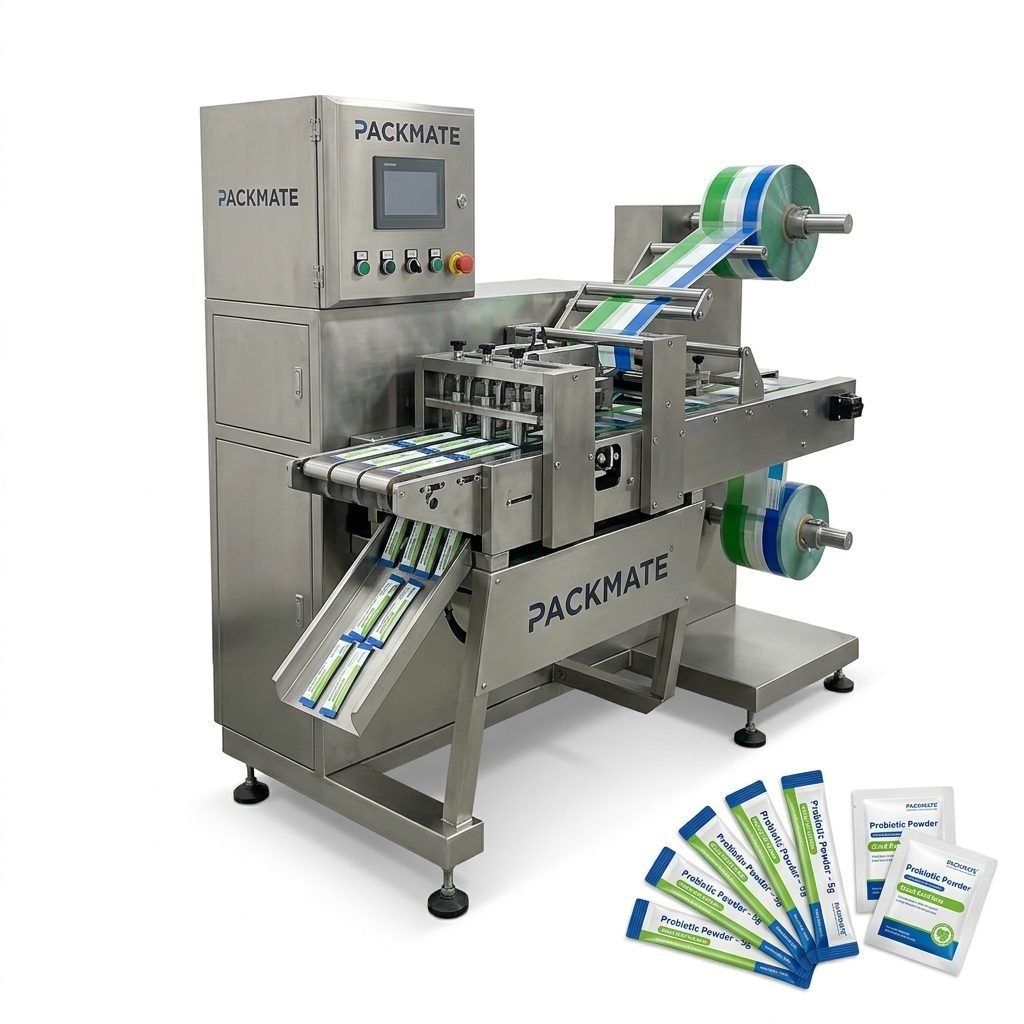
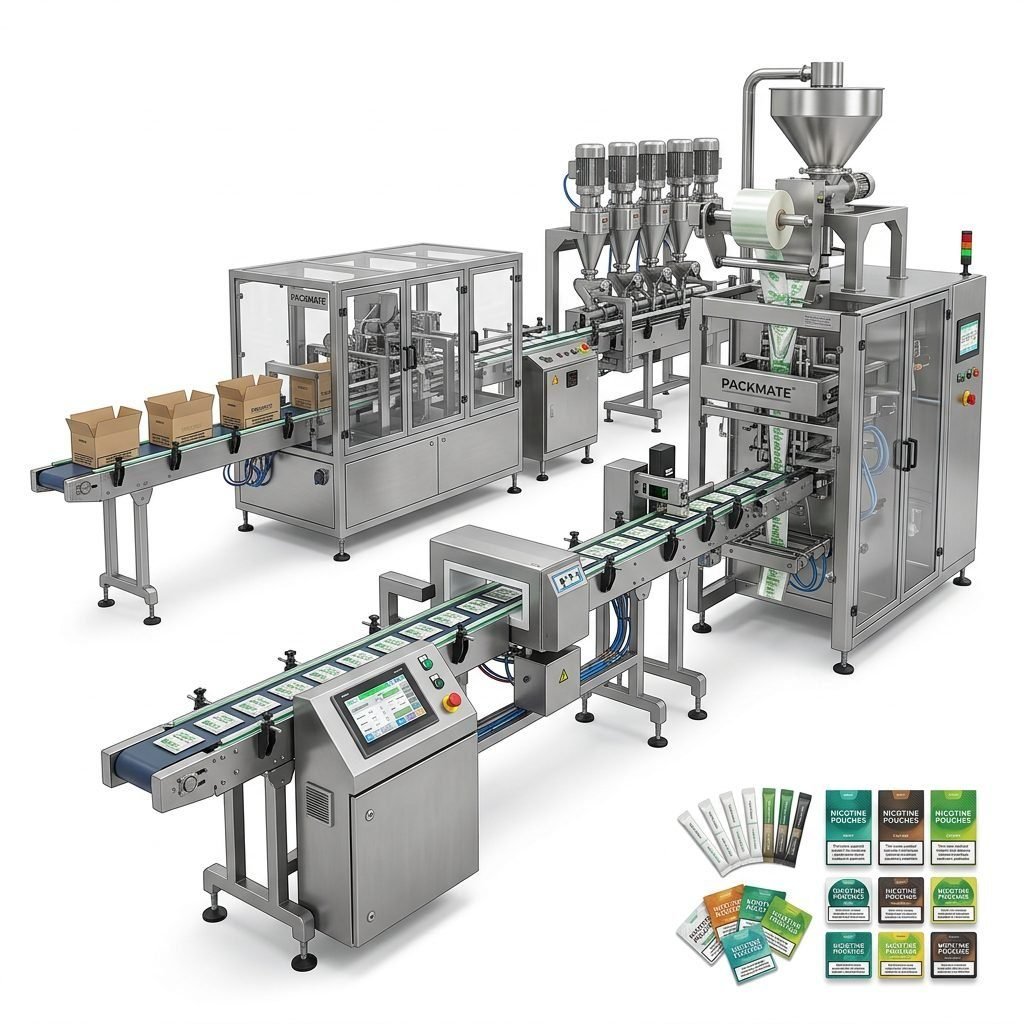
Beyond the standard formats, Hesser provides specialized systems. This includes equipment for creating stick packs and sachets, which are extremely popular for single-serve portions of sauces, supplements, and pharmaceuticals. For businesses looking for a complete system, exploring integrated filling & packaging lines can offer a seamless, turnkey solution from product handling to final case packing.
Key Features and Technological Advantages
Investing in a Hesser machine means investing in advanced technology and robust engineering. Here are the features that set their equipment apart.
Precision and Consistency: At the heart of every Hesser machine is a commitment to accuracy. Advanced servo-drive technology and high-precision scales ensure each package contains the exact specified weight, minimizing product giveaway and ensuring compliance with regulations.
Durability and Low Maintenance: Built with high-grade materials and components, Hesser machines are engineered for longevity and continuous operation in demanding environments. Their robust construction translates to less downtime and lower total cost of ownership over the machine’s lifespan.
Hygienic Design and Easy Cleaning: Especially vital for food and pharmaceutical applications, many Hesser machines feature stainless steel contact surfaces, open frameworks, and tool-less disassembly for quick and thorough cleaning, helping manufacturers meet stringent hygiene standards like HACCP and GMP.
Flexibility and Quick Changeover: Modern production requires agility. Hesser machines often include quick-change parts and recipe management systems stored in the PLC, allowing operators to switch between different package sizes or products with minimal downtime, supporting smaller batch production runs efficiently.
Smart Connectivity and Industry 4.0 Readiness: Contemporary Hesser systems are equipped for the future, offering connectivity options for data acquisition, remote monitoring, and integration into broader factory management systems (MES/ERP). This enables predictive maintenance and real-time production analytics.
Comprehensive Buying Guide for Hesser Machines
Purchasing a packaging machine is a significant capital expenditure. Following a structured evaluation process is essential to ensure the machine meets all your current and future needs.
Step 1: Define Your Product and Packaging Requirements
Start with the basics. What are you packaging? Is it a granule, powder, liquid, or solid? What are its characteristics (abrasive, oily, fragile)? Determine your desired package type: pillow bag, gusseted bag, stick pack, or sachet. Your packaging material (film type, thickness) also directly influences machine selection. For specific formats like sachets, reviewing dedicated sachet & stick pack machines is advisable.
Step 2: Assess Your Production Capacity Needs
Calculate your required output in packages per minute (PPM) or shifts per day. Consider both your immediate needs and projected growth for the next 3-5 years. It’s often wiser to invest in a machine that can operate at a slightly higher speed than currently needed to accommodate future demand without requiring another major purchase.
Step 3: Evaluate Integration and Footprint
How will the new machine fit into your existing line? Consider the upstream equipment (feeders, elevators) and downstream systems (checkweighers, case packers). Measure your available floor space carefully. A trusted supplier like Packmate Machinery can provide detailed layout drawings and advise on seamless integration, often offering complete weighing & packaging systems.
Step 4: Scrutinize Total Cost of Ownership (TCO)
Look beyond the initial purchase price. Factor in costs for:
Installation & Training: Professional setup and operator training are crucial.
Energy Consumption: Servo-driven machines are generally more energy-efficient.
Spare Parts & Maintenance: Inquire about part availability, cost, and recommended maintenance schedules.
Change Parts: Understand the cost and lead time for parts needed to run different package sizes.
Step 5: Verify Supplier Credentials and Support
The machine is only as good as the support behind it. Choose a supplier with a proven track record. Review their company history, client testimonials, and service network. Ensure they offer comprehensive after-sales support, including readily available technical assistance, a well-stocked spare parts inventory, and readily accessible documentation. Examining a supplier’s company profile and industry experience, as seen with Packmate’s 30+ years in the field, provides confidence in their capability to support your investment long-term.
Frequently Asked Questions (FAQs)
What is the typical lead time for a new Hesser packaging machine?
Lead times can vary significantly based on the machine’s complexity, customization level, and current production schedule. For standard models, it may range from 12 to 24 weeks. It’s crucial to discuss and confirm the delivery timeline with your supplier during the quotation process.
Can a Hesser machine handle multiple different products or package sizes?
Yes, most modern Hesser machines are designed for flexibility. However, switching between products often requires changeover parts (like forming tubes, sealing jaws, and feed funnels) and may involve reprogramming the PLC. Machines with quick-change features and servo-driven adjustments offer faster changeover times.
What kind of after-sales service and warranty can I expect?
Reputable suppliers typically offer a standard warranty (e.g., 12-18 months) for parts and workmanship. Comprehensive after-sales service should include installation supervision, on-site operator training, remote technical support via phone or video, and access to an online portal for manuals and spare parts ordering.
How do I ensure the machine complies with safety and industry regulations in my country?
Always specify the destination country during inquiries. Reliable manufacturers build machines to comply with international standards (like CE for Europe) and can often adapt to specific local regulatory requirements. Request the machine’s certification documents before purchase.
Is operator training provided, and what does it include?
Professional training is a critical part of the purchase. It should cover safe machine operation, routine maintenance procedures, basic troubleshooting, cleaning protocols, and how to perform size changeovers. Training can be conducted at your facility during installation and/or at the manufacturer’s site.