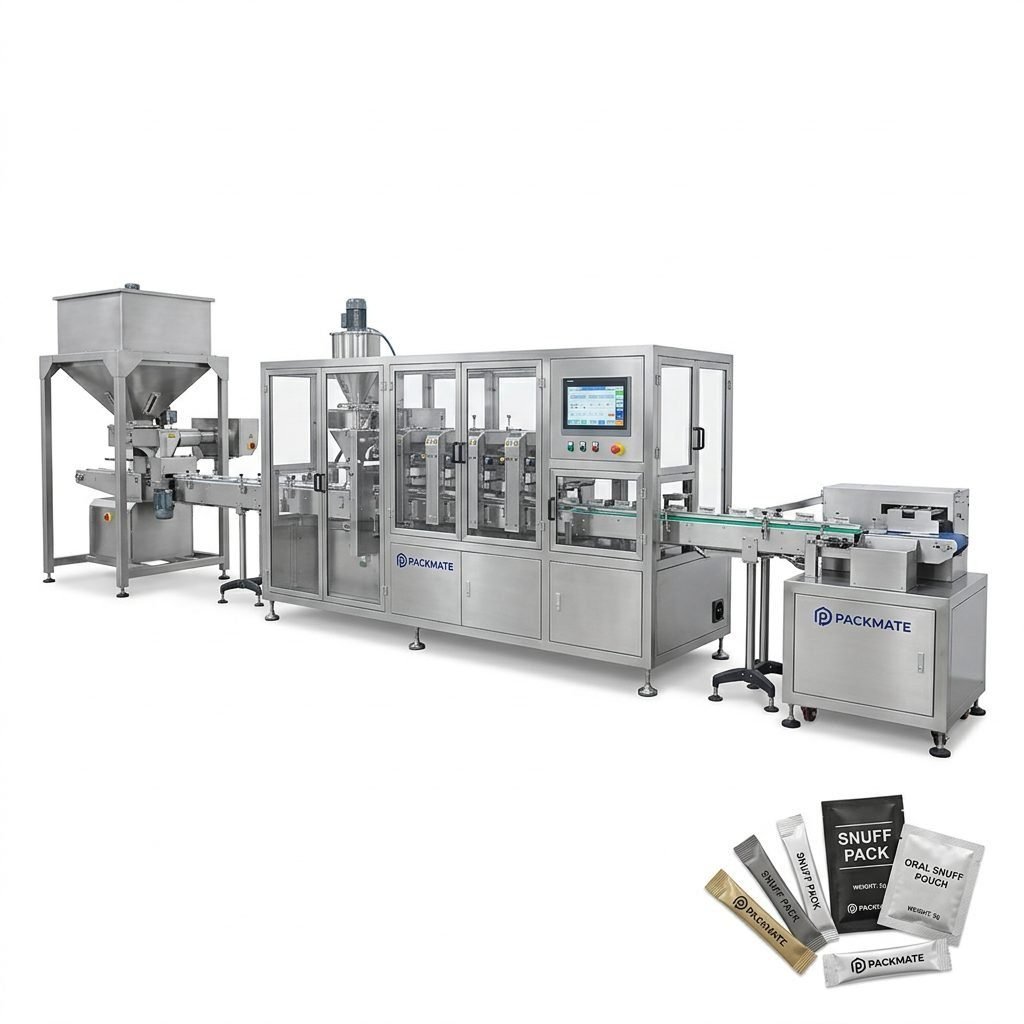
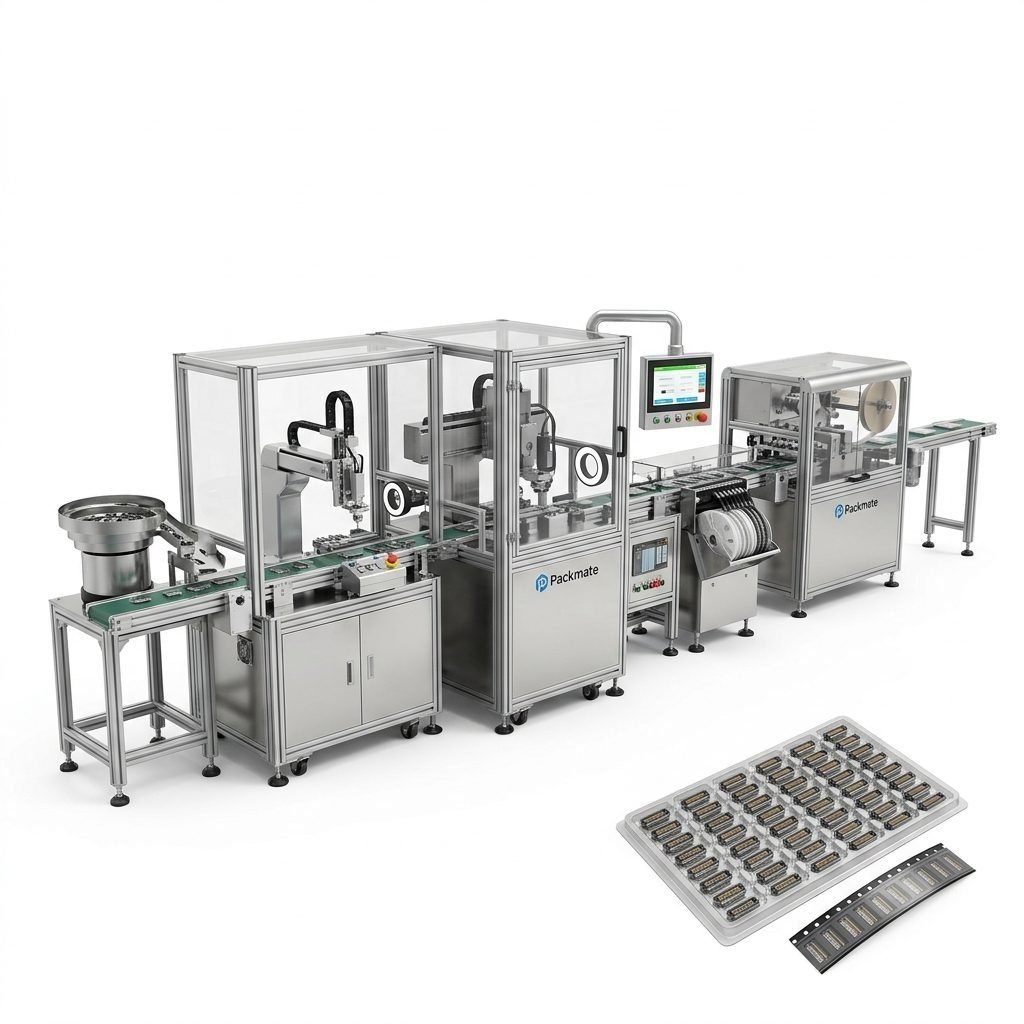
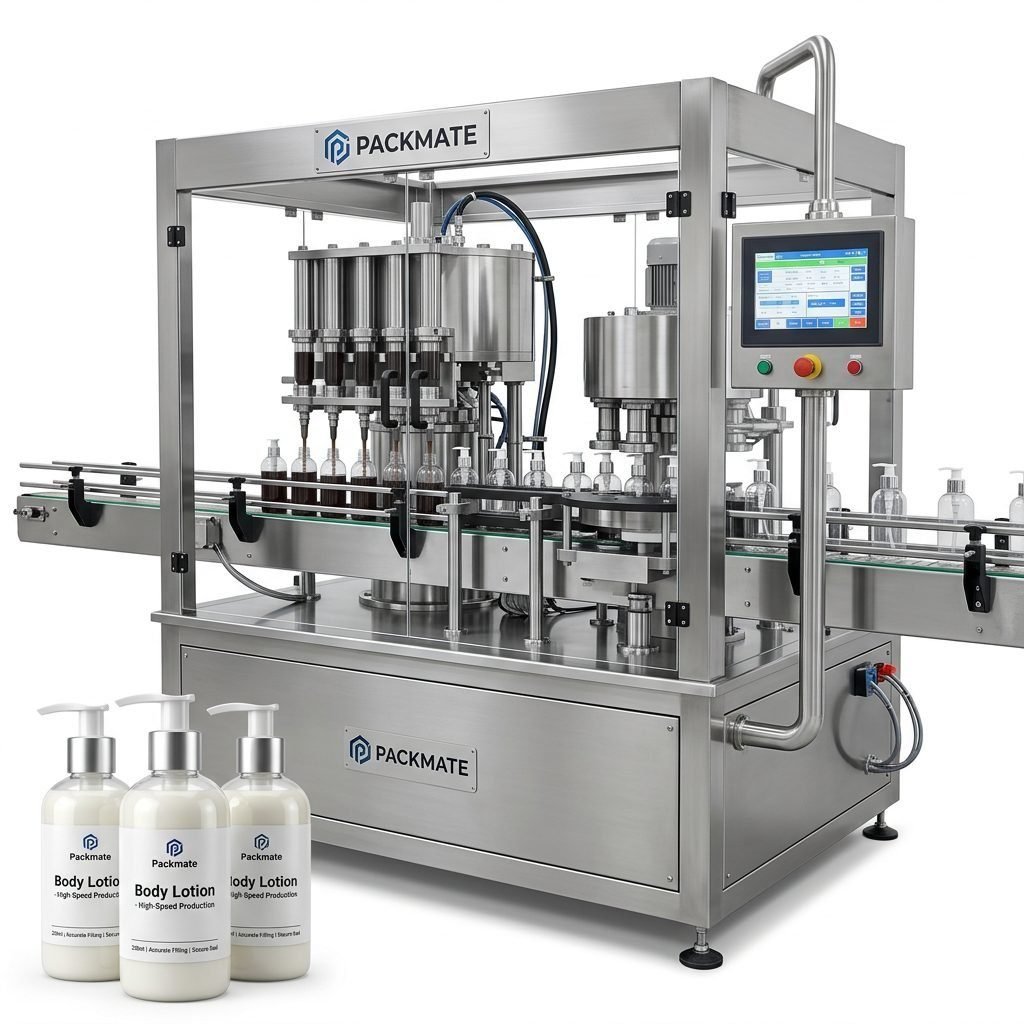
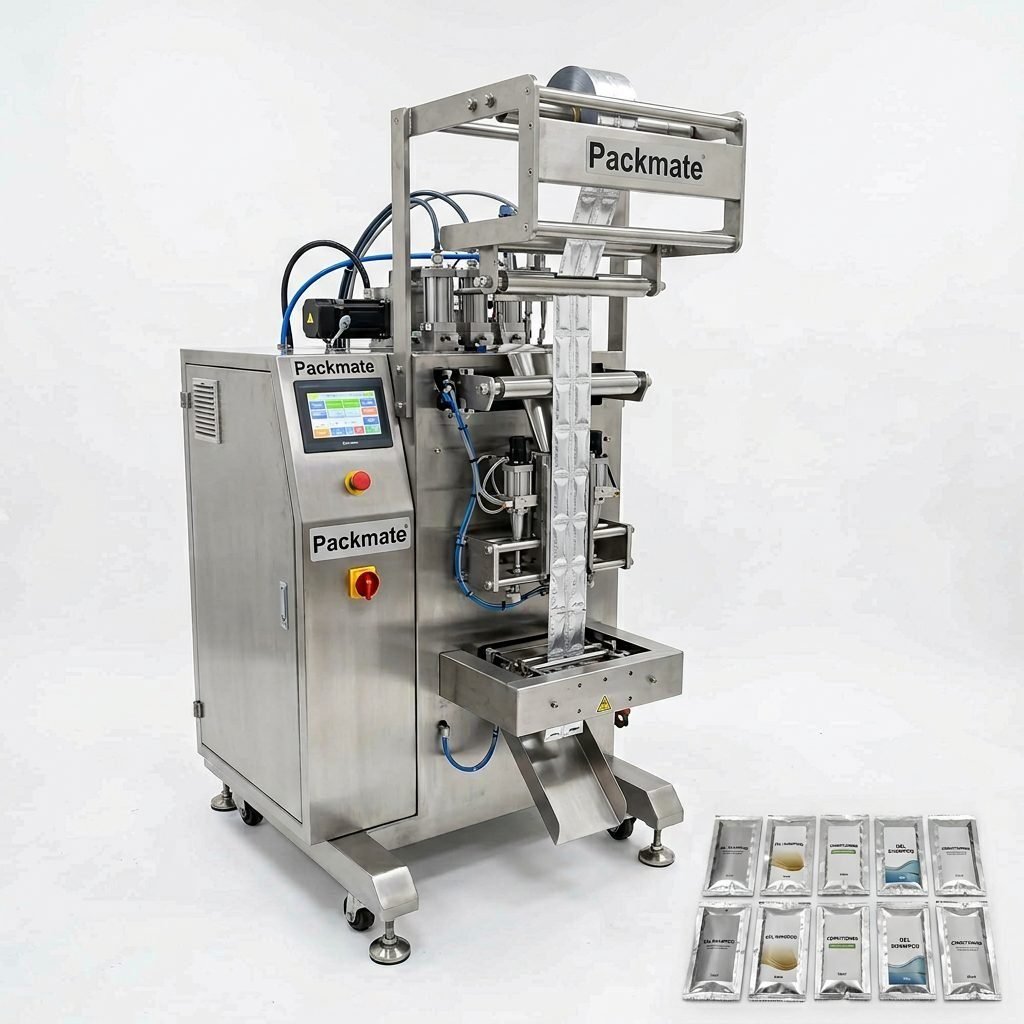
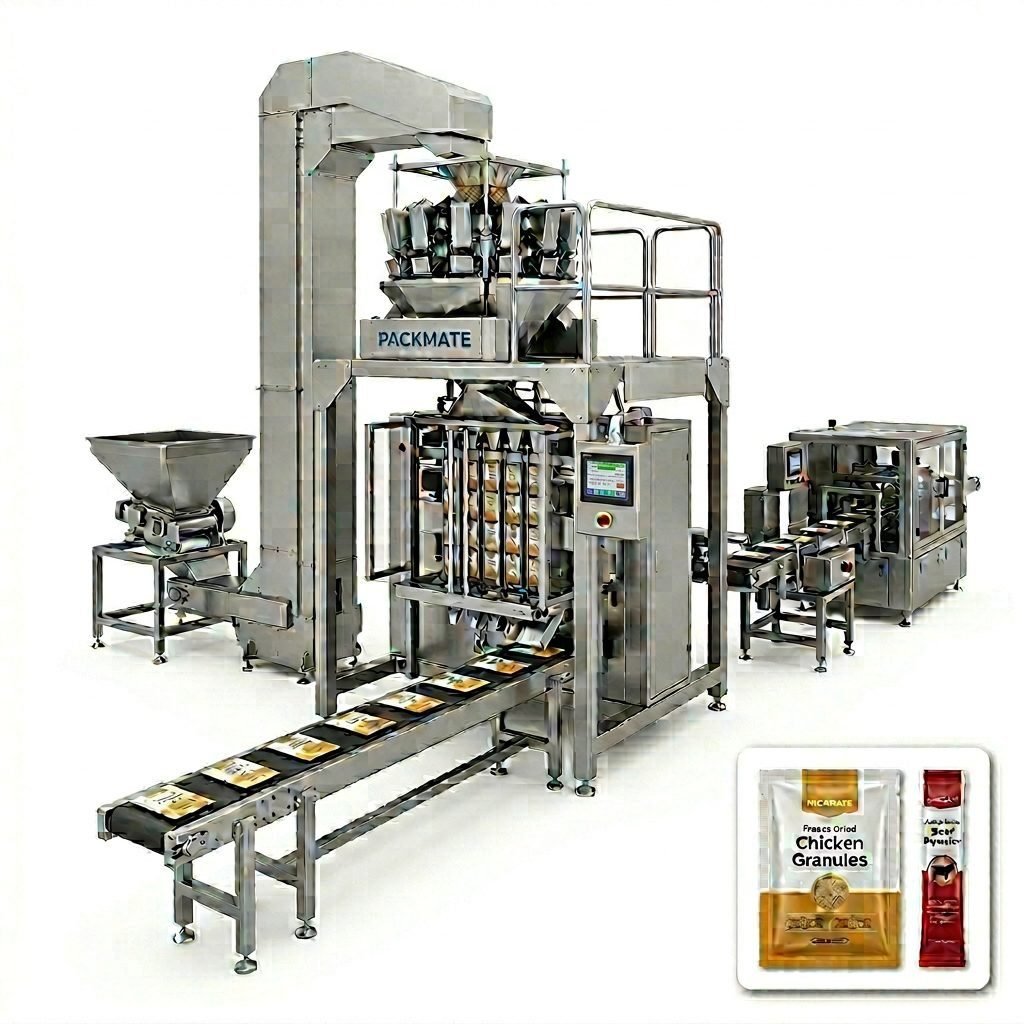
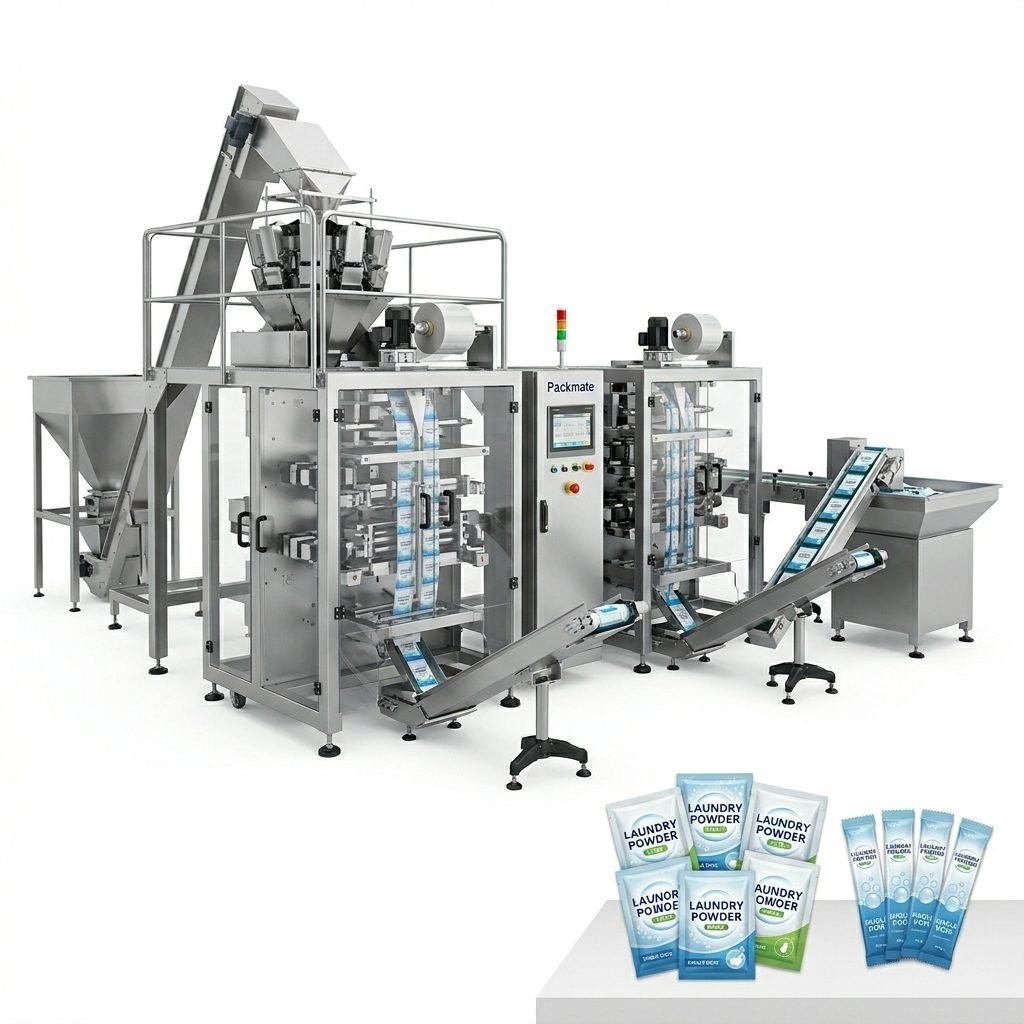
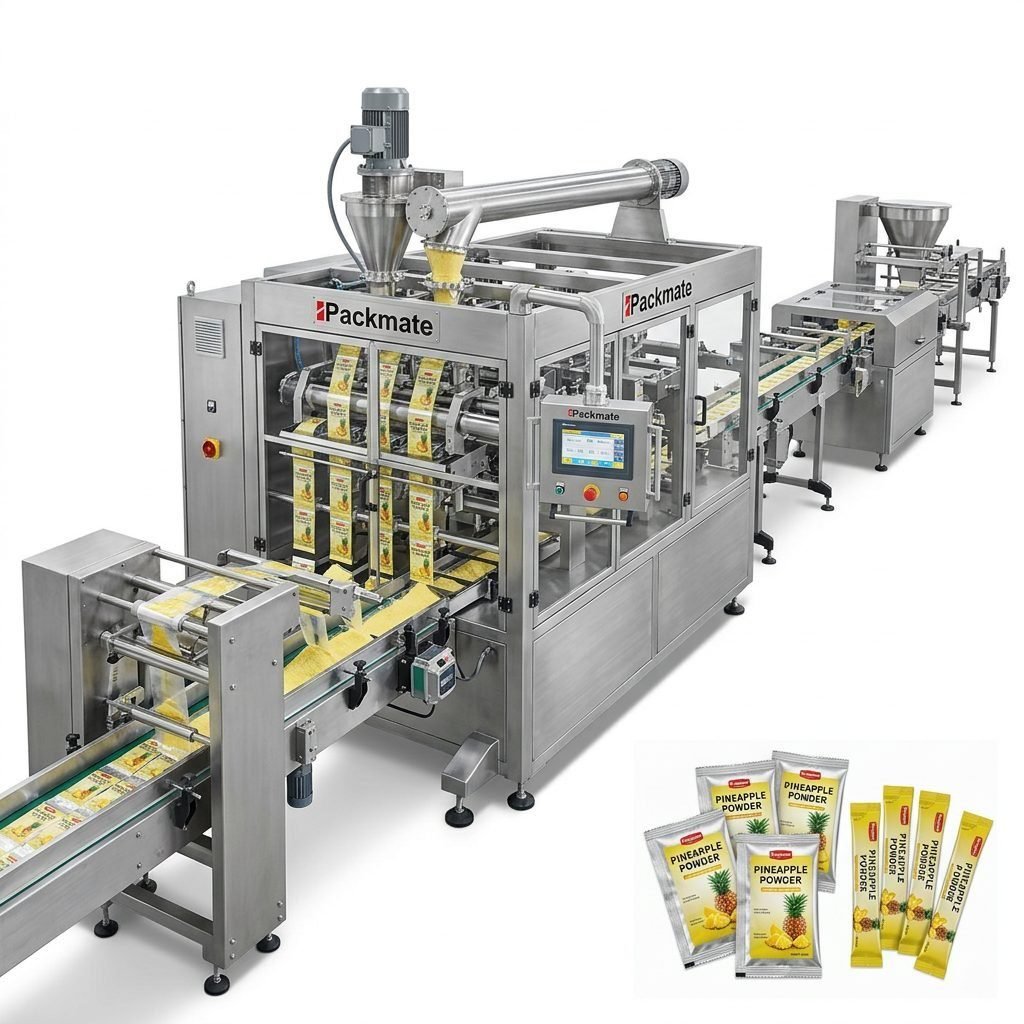
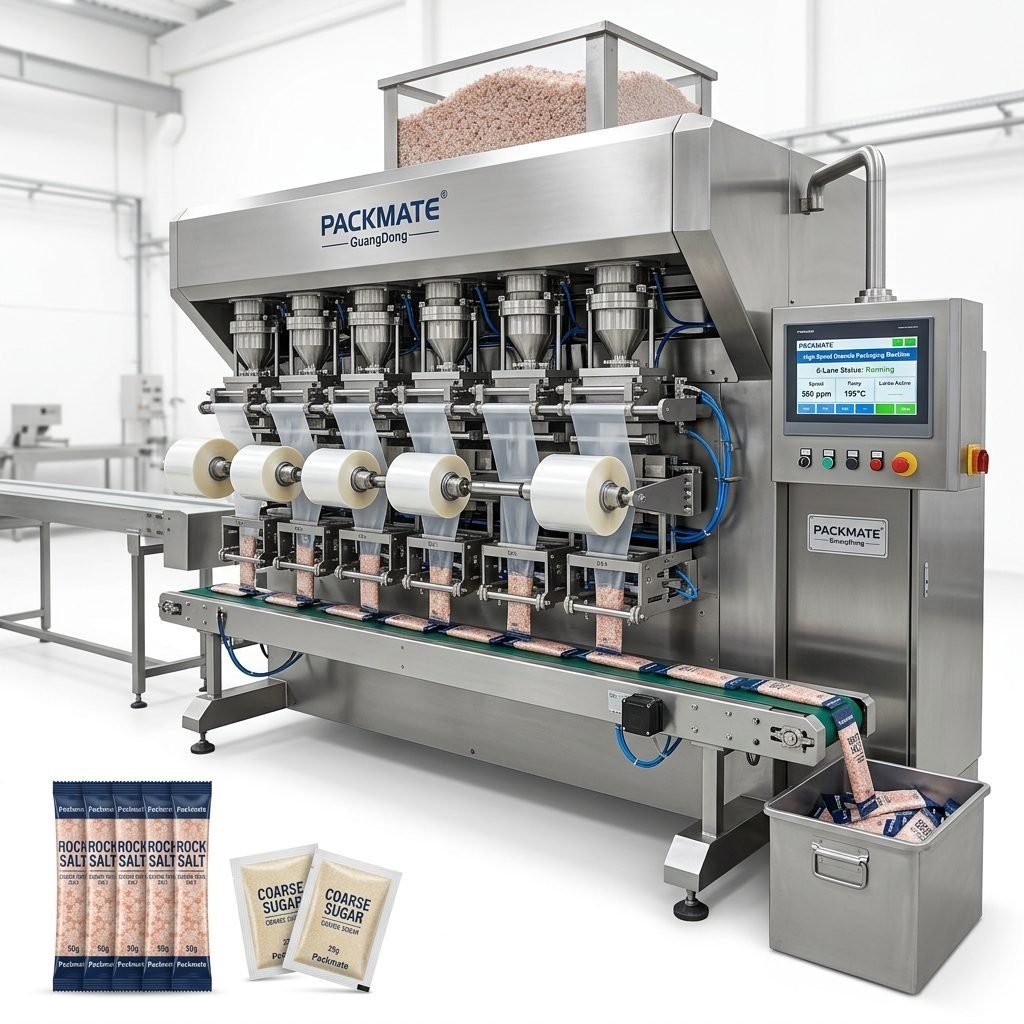
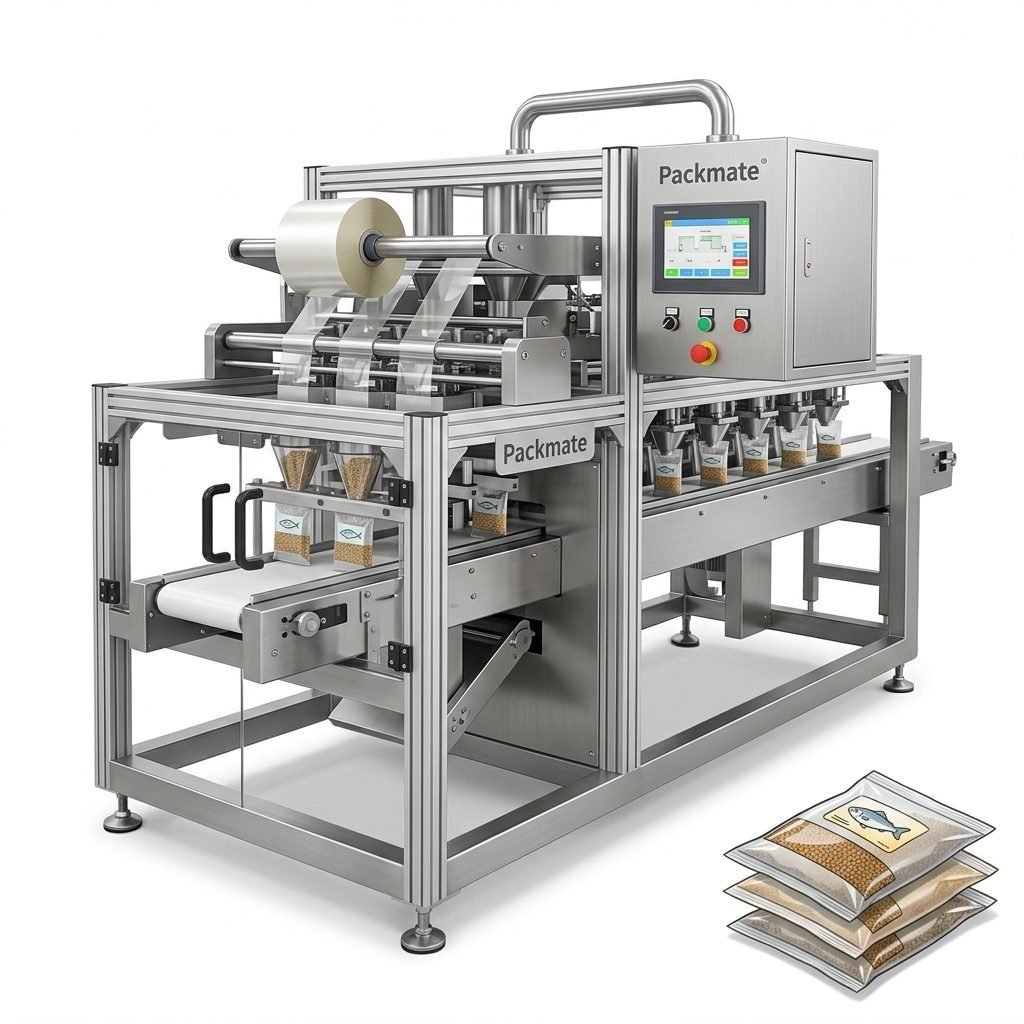
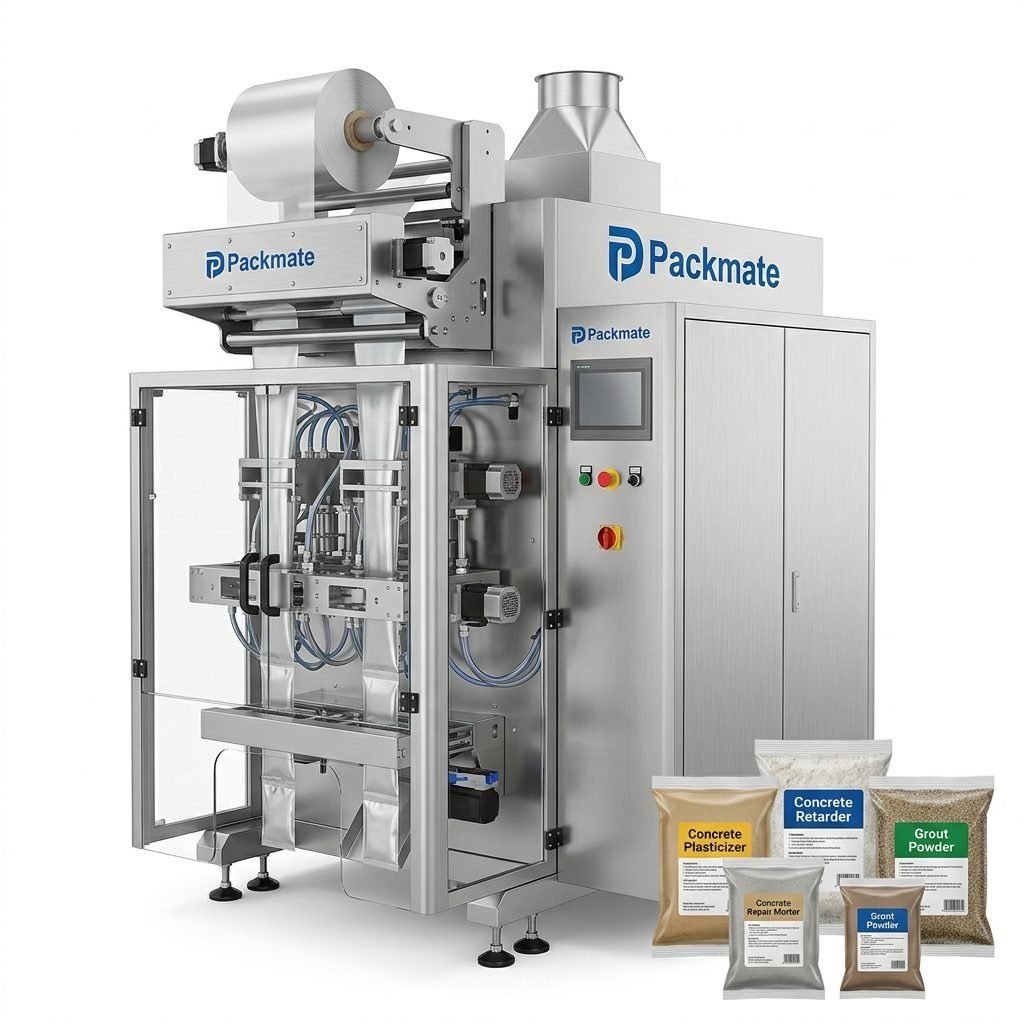
The pouch packaging machine market is experiencing a dynamic evolution, driven by shifting consumer preferences, technological innovation, and a global emphasis on sustainability. For businesses looking to invest in this critical equipment, understanding the prevailing trends is not just beneficial—it’s essential for staying competitive. This guide delves into the top market movements and provides a comprehensive framework for making an informed purchasing decision.
Dominant Market Trends Shaping the Industry
The landscape of pouch packaging is being reshaped by several powerful forces. At the forefront is the unstoppable demand for sustainability. Consumers and regulators alike are pushing for eco-friendly solutions, leading to a surge in demand for machines capable of handling mono-material, recyclable, and compostable films. This trend goes beyond material compatibility; it extends to machine efficiency, reducing energy consumption and material waste during the production process itself.
Secondly, the rise of smart, connected factories (Industry 4.0) is revolutionizing production floors. Modern pouch packaging machines are no longer isolated units. They are increasingly equipped with IoT sensors, offering real-time data on performance metrics like output, downtime, and maintenance needs. This connectivity allows for predictive maintenance, minimizing unplanned stops and optimizing Overall Equipment Effectiveness (OEE).
Flexibility has become a non-negotiable feature. Brands are launching more products in smaller batches to test markets and cater to niche audiences. Consequently, there is a high demand for machines that can quickly switch between pouch sizes, styles (such as stand-up, flat, or spouted), and products—from powders and granules to liquids and viscous foods—with minimal changeover time and waste.
The Critical Role of Automation and Hygiene
Labor shortages and the need for consistent quality are accelerating the adoption of fully automated pouch packaging lines. These integrated systems, which can include feeding, filling, sealing, coding, and cartoning, maximize throughput while reducing human error and intervention. In sectors like pharmaceuticals and high-end food, hygienic design is paramount. Machines with smooth surfaces, easy-clean access points, and compatibility with sanitary washdown procedures are seeing increased investment.
Finally, the e-commerce boom has directly influenced pouch design and machinery requirements. Pouches need to be more durable to survive the logistics chain, often requiring stronger seals and tougher materials. Machines that can incorporate added protection features or handle unique, e-commerce-optimized pouch shapes are gaining traction.
Your Strategic Buying Guide: Key Considerations
Purchasing a pouch packaging machine is a significant capital investment. Navigating the options requires a methodical approach focused on your specific operational goals.
1. Define Your Core Requirements with Precision: Start by meticulously listing your product characteristics (form, weight, aggressiveness), required output speed (pouches per minute), and the types of pouches you need to produce. Don’t forget to project future needs—will you add new products or pouch types in the next 3-5 years? Choosing a versatile bag & pouch packaging machine from the outset can prevent costly upgrades later.
2. Prioritize Total Cost of Ownership (TCO), Not Just Price: The initial purchase price is only one component. Calculate the TCO by factoring in energy efficiency, expected maintenance costs, required operator skill level, changeover speed (which impacts downtime), and the machine’s expected lifespan. A slightly more expensive, robust machine from a reputable manufacturer like Packmate Machinery often delivers a lower TCO through superior reliability and support.
3. Evaluate Technology and Support Ecosystem: Scrutinize the machine’s control system—is it user-friendly and programmable? Does the supplier offer comprehensive training? Crucially, assess the manufacturer’s after-sales service, availability of spare parts, and technical support response time. A reliable partner is as important as the machine itself. Reviewing a manufacturer’s project case studies can provide real-world insight into their capabilities.
4. Demand a Hands-On Demonstration: Never buy based on specifications alone. Insist on a live demonstration using your actual product or a close substitute. This test reveals the machine’s true performance regarding speed, accuracy, seal integrity, and ease of operation. Pay close attention to noise levels and the simplicity of routine cleaning and maintenance tasks.
5. Consider Integration and Future-Proofing: Will the machine need to integrate with existing upstream (e.g., mixers) or downstream (e.g., cartoners) equipment? Ensure compatibility. Furthermore, inquire about the potential for future upgrades, such as adding vision inspection systems or data reporting modules, to protect your investment against technological obsolescence.
Why Manufacturer Heritage Matters
In an industry where precision and durability are critical, the heritage and expertise of the manufacturer are invaluable. A company with decades of experience, like Packmate Machinery, brings a deep understanding of application challenges across diverse sectors—from food and pharmaceuticals to niche products. Their journey from a specialized workshop to a provider of complete filling & packaging lines underscores a commitment to evolving with market needs. This proven track history often translates into more reliable, well-engineered machines and trustworthy long-term partnerships, reducing risk for the buyer.
Conclusion: Aligning Investment with Vision
The pouch packaging machine market offers exciting possibilities for brands to enhance efficiency, sustainability, and product appeal. The key to a successful investment lies in thoroughly understanding the converging trends of sustainability, connectivity, and flexibility, and then meticulously evaluating potential equipment against your unique, long-term operational blueprint. By focusing on Total Cost of Ownership, demonstrable performance, and the strength of the manufacturing partner, businesses can select a machine that not only meets today’s demands but also serves as a robust foundation for future growth.
Frequently Asked Questions (FAQs)
What is the most important trend affecting pouch packaging machine design today?
The most impactful trend is the demand for sustainability. This requires machines to handle new, often more challenging recyclable or compostable films efficiently and with minimal waste, while also themselves being energy-efficient.
How do I determine the right speed (pouches per minute) for my business?
Calculate based on your current peak production demands and projected growth for the next 5-7 years. It’s often wiser to invest in a machine with a 15-20% higher capacity than your immediate need to accommodate growth without immediately requiring another capital outlay.
What are the hidden costs I should budget for when buying a new machine?
Beyond the machine price, budget for installation and commissioning, initial operator training, potential facility modifications (electrical, compressed air), ongoing spare parts, preventive maintenance contracts, and any necessary tooling for different pouch formats.
Can one machine handle both liquid and powder products effectively?
Some high-end, flexible machines are designed for quick changeover between different product types. However, critical components like the filling system will differ. It’s essential to discuss your specific product range with the manufacturer to ensure the chosen model can handle both with the required accuracy and cleanability.
Why is after-sales service critical when selecting a supplier?
Packaging machines are complex and require periodic maintenance. A supplier with a strong global service network ensures quick access to genuine spare parts and expert technicians, minimizing costly production downtime and ensuring your machine maintains its performance and longevity over many years.